
Crazy how fast February ran from us, and now it feels like spring is on its way (unless you’re in NYC, I suppose). With spring comes a very packed design calendar - which we touch on in depth over at TDR - and lots of travel for us here at team Leibal.
Next week, we are heading to the inaugural Forma fair in Madrid during their design week. Forma is being described as a collectible design fair showcasing unique, limited edition, and one-of-a-kind works.
The collectible category continues to expand, but how many fairs can exist to support it? It seems like the same 15 galleries are at each one, so it will be interesting to see who is there. We’ll report back mid-March with our thoughts and finds.
After Forma, Leo and I head to Matter & Shape, an undefinable design fair that I really enjoyed going to last year. It’s very small, easy to walk through, and the presentations are great. Many booths are design collaborations with fashion, such as Ann Demeulemeester + Serax, Serban Ionescu for Birkenstock 1774, Manufactures Nationales + Sèvres et Mobilier National, and others - very interesting!) which in itself is an interesting concept, and a good use of contacts, as the fair is owned by the major fashion trade show company WSN. The furniture on view is not described as collectible (good - it’s losing its meaning) but seems to be on the edge of limited edition mass production. I could be wrong, but again, we’ll have the details over to you soon.
In April, I’ll head to the big one that I’ve avoided for a few years now, Milan Design Week and Salone. Then NYC Design Week in May, and 3daysofdesign in Copenhagen in June. The calendar is jammed up, and you can check out The Design Release (our sister platform, if that’s not clear yet) to plan your travel and see what’s happening around the big fairs. We also offer personalized itineraries for the trade - so if you’re heading to Milan and need guidance, reply here, and we can assist.
NYC Design Week gets us to our next topic. As we’ve mentioned, Leibal is presenting a space in Look Book, within ICFF, featuring some of our favorite designers (consider this the official announcement):
We are very proud to present Kalon, Thomas Yang, Vy Voi, HB-AS, Mock Studios, and Onibi in Leibal’s collaborative booth. On view at the Javits Center in NYC, May 17 - 19. Tickets here.
In every newsletter until showtime in May, we will explore their individual practices and the context of design and minimalism through their eyes and experiences.
With that said, keep reading for our conversation with Christian Kotzamanis and Masha Osorio of Mock Studio on modernist training, what’s in their library, and material experiments.
Below that, Leo gets into the second half of his Mexico trip, this time focusing on Rodrigo Becerra’s architecture, a masterpiece in progress.
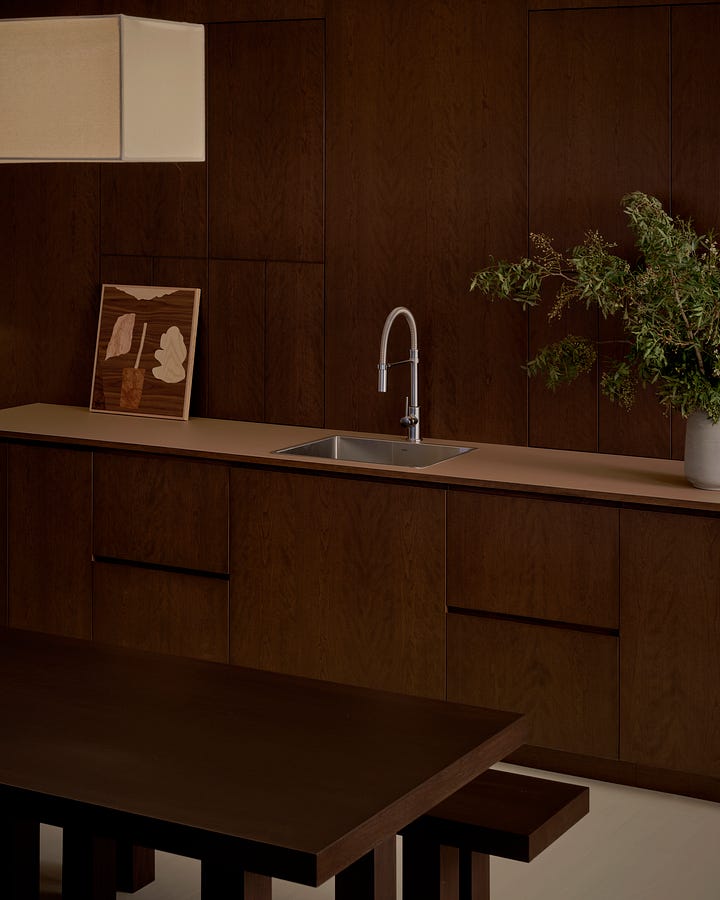
Mock Studio’s work is defined by restraint: simple planes, honest materials, forms pared back to their essentials. But underneath it is a disciplined investigation into proportion, balance, and just how far a material can be pushed with minimal intervention. Minimalism not as an aesthetic, minimalism as a working method.
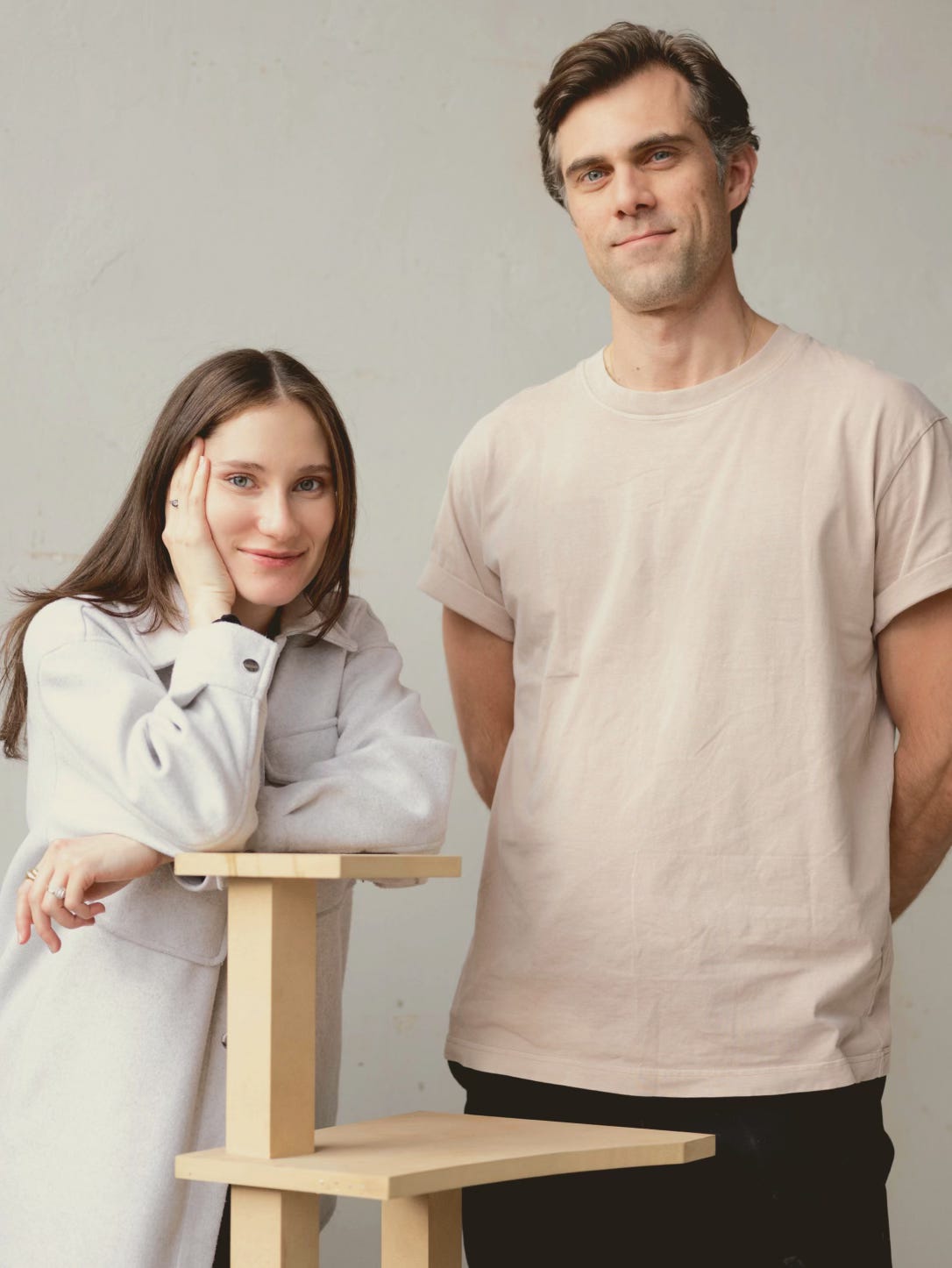
Founded by architect Christian Kotzamanis and visual designer Masha Osorio, the studio moves fluidly between architecture, furniture, and installation. Ahead of ICFF, where Mock Studio joins Leibal’s booth, we spoke about reduction, experimentation, and the line between simplicity and memorability.
Below is a conversation on modernist training, Judd, authorship, and why making something look effortless is usually anything but.
Christian, you studied architecture at Cooper Union. For readers who may not be familiar with it, what defines a Cooper Union education, and how has it shaped the way you design furniture?
Cooper Union offered a very open-minded and experimental approach to architectural education, with a strong influence of modernist thinking. Our studios were grounded in craft and technical proficiency on one hand, and critical thinking on the other - always pushing the boundaries of what architecture is, or what it might be. It gave us a solid framework of principles while also allowing the freedom to trust our intuition and move beyond them when necessary.
You’ve cited Donald Judd as an influence. What is it about his work that continues to resonate with you?
His reductionist philosophy, which insists that every detail be examined to its fullest extent - and perhaps more importantly, his command of proportion and balance. Judd was part of a movement whose approach continues to resonate with designers. There’s an adherence to rules and order in his work that aligns closely with how we think about making things.
What’s in your studio library that’s influencing your thinking?
Dan Flavin: The Complete Lights has been on the table a lot lately. Like Judd, Flavin explored a mode of production where the work could be “thought” rather than physically executed by his own hands, raising questions around authorship and suggesting a kind of democratization of art. That approach resonates with those of us trained in design, particularly within a modernist architectural framework. Another longstanding influence is Sol LeWitt, who operated with a similar philosophy around instruction and authorship.
When you begin a new piece, does the idea come first, or the material?
It can come from either direction. Sometimes it begins with a practical need - responding to a brief or solving a specific problem. Other times we encounter a material with compelling qualities and feel drawn to use it, in which case we might invent the need. Often it’s less about the material dictating the process and more about how we can make the material do what we want it to do.
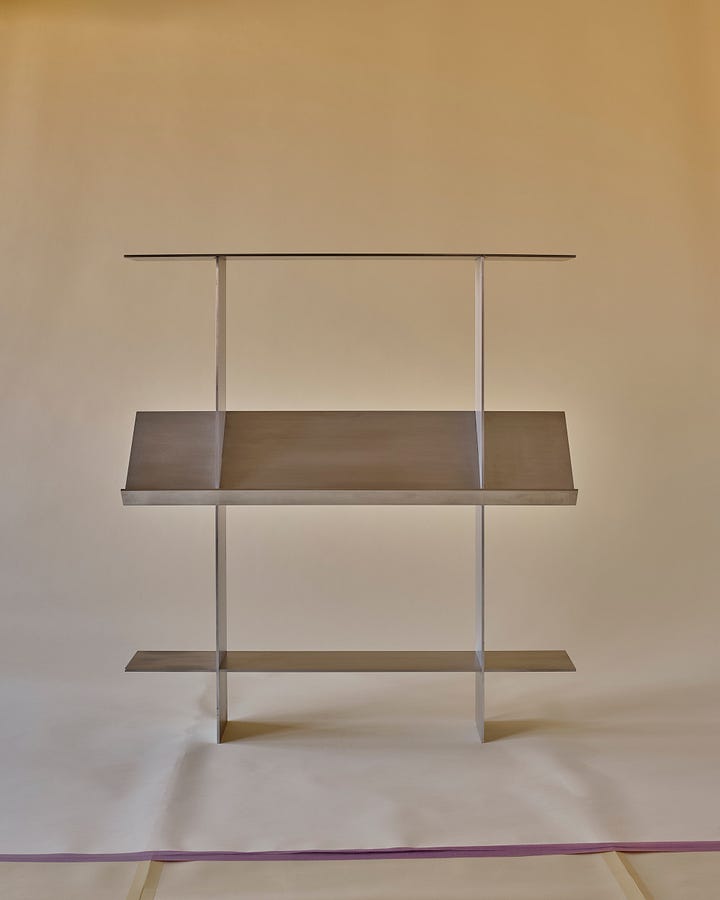
What’s the most technically difficult thing about achieving simplicity?
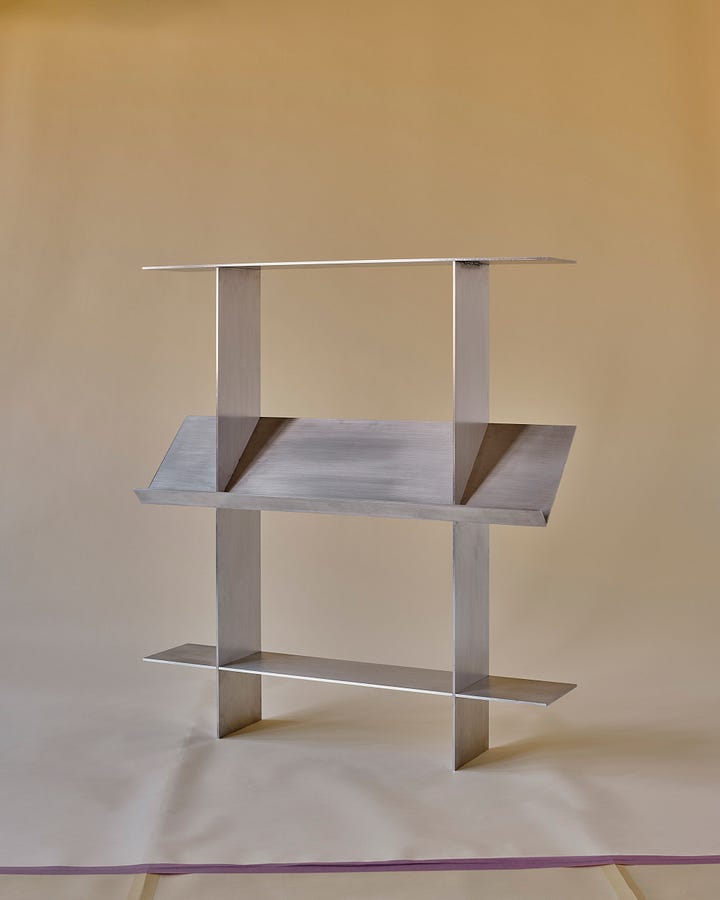
We’re often looking for ways to erase boundaries between elements. We’re drawn to objects that feel almost impossibly lacking in articulation or detail - pieces with a kind of dreamlike clarity. Designing that kind of work requires a highly technical approach; the parts have to come together invisibly and effortlessly. A question we return to often is: how can we create a body of work that feels unique and authored, yet is achievable through simple means and ubiquitous materials?
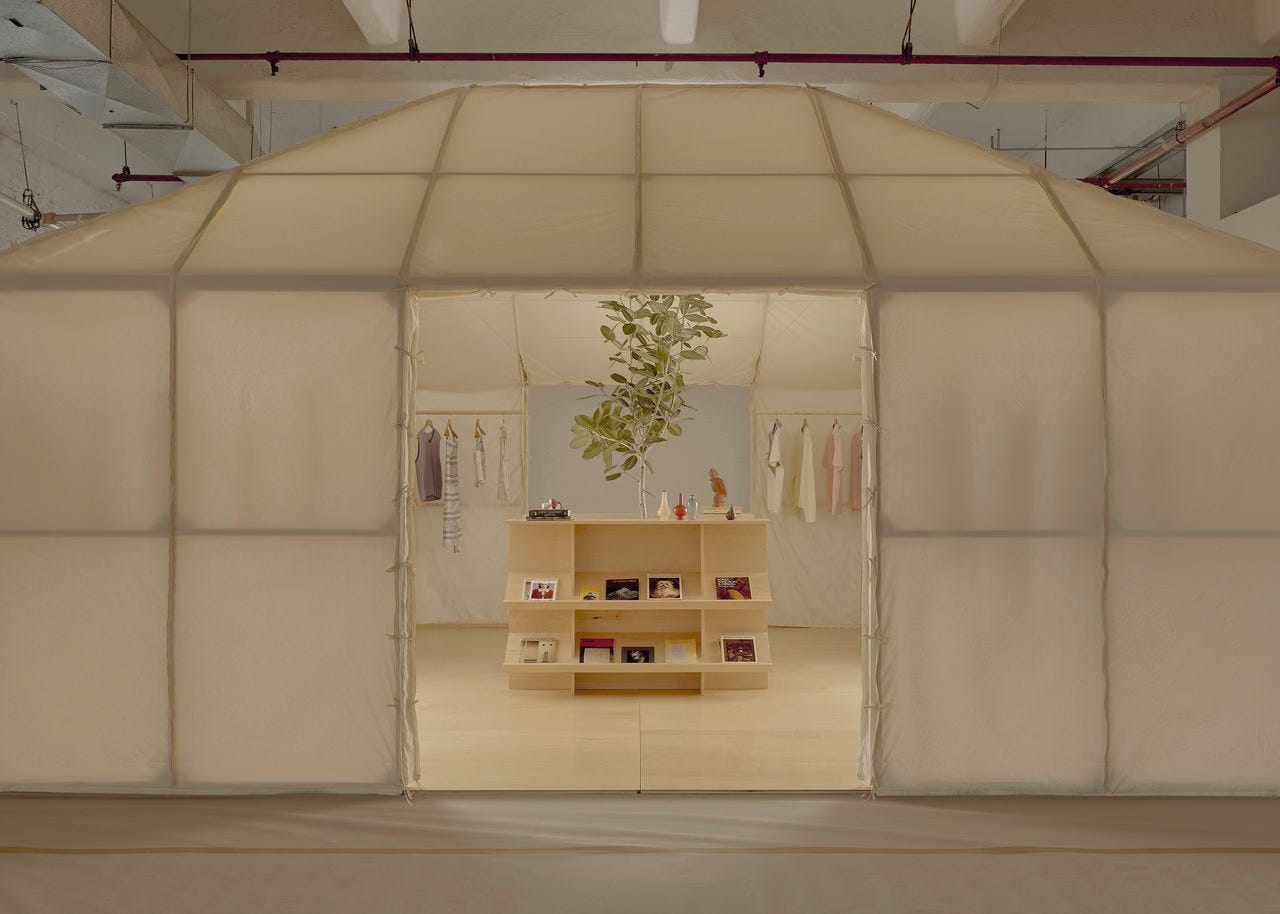
Is there a piece in development right now that feels like it’s pushing your thinking forward?
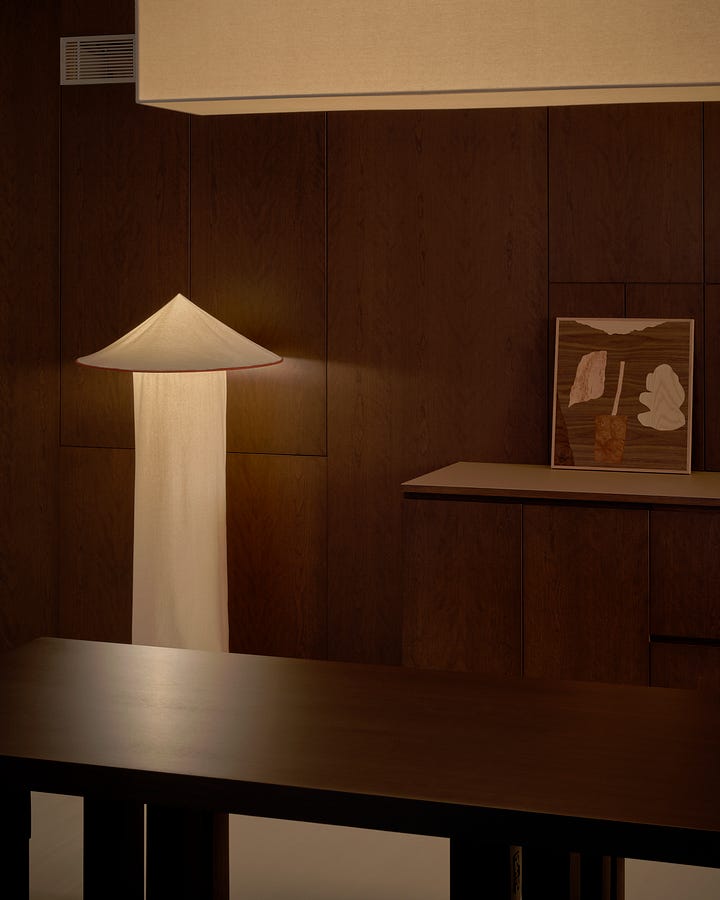
We’ve started experimenting with fabric, which demands a completely different approach from the wood and metal we’ve worked with so far. It introduces movement - and with it, larger tolerances. Lighting is another area we’re actively exploring. Cabinetry also interests us; it’s a category that has drifted toward fast fashion and feels overdue for a more considered revival. More broadly, we’re expanding our thinking around essential materials and scale - not just objects, but spaces and architecture as well.
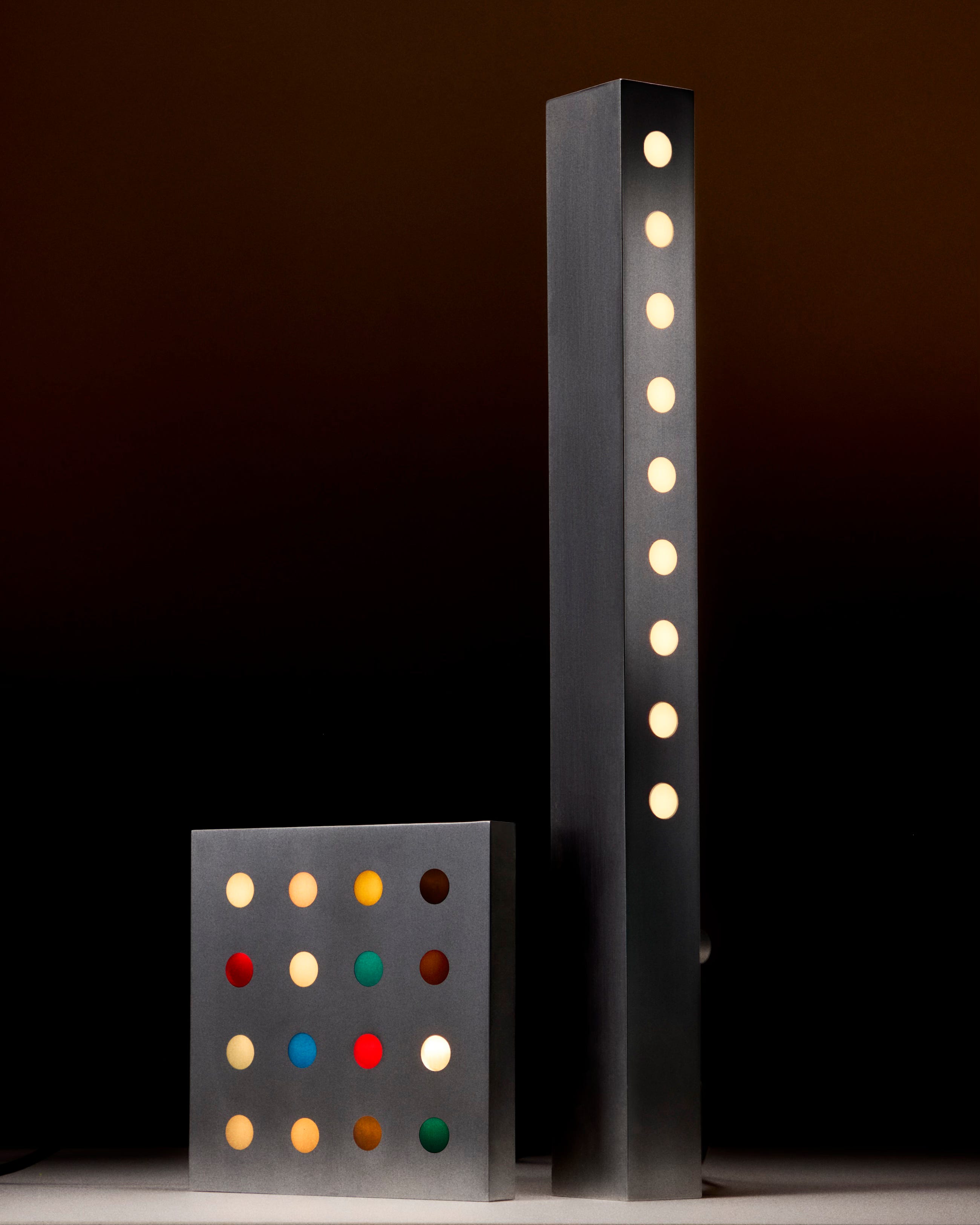
Mock Studio’s work will be on view in Leibal’s space in Look Book, taking place from May 17 - 19, 2026 at ICFF in Javits Center, during New York Design Week. Register here to attend.
In our last newsletter edition, I detailed last month’s trip to Mexico City for ZSONAMACO and all the great exhibitions I saw there.
The next part of my journey was the most notable for me and, as it sometimes does, stemmed from an introduction at an amazing dinner.
While at the Lee Broom dinner, I sat next to an architect, Rodrigo Becerra, who is very low-key but doing incredible projects. One of his projects, 90% completed, was about 30 minutes south of Roma Norte, and he invited me to come see it.
We spent three hours walking through this amazing home in an affluent area of Mexico City. It was so expansive that I initially mistook the frontage for the actual home, when in fact it was just the security and service quarters.
It’s a 3,000-square-meter property, and once you approach the house, you’re met with a huge interior courtyard and a circular car pass. At the center stands a massive travertine volume. Apparently, much of the travertine that traditionally came from Italy has dried up, so Mexico has become a major source for the material.
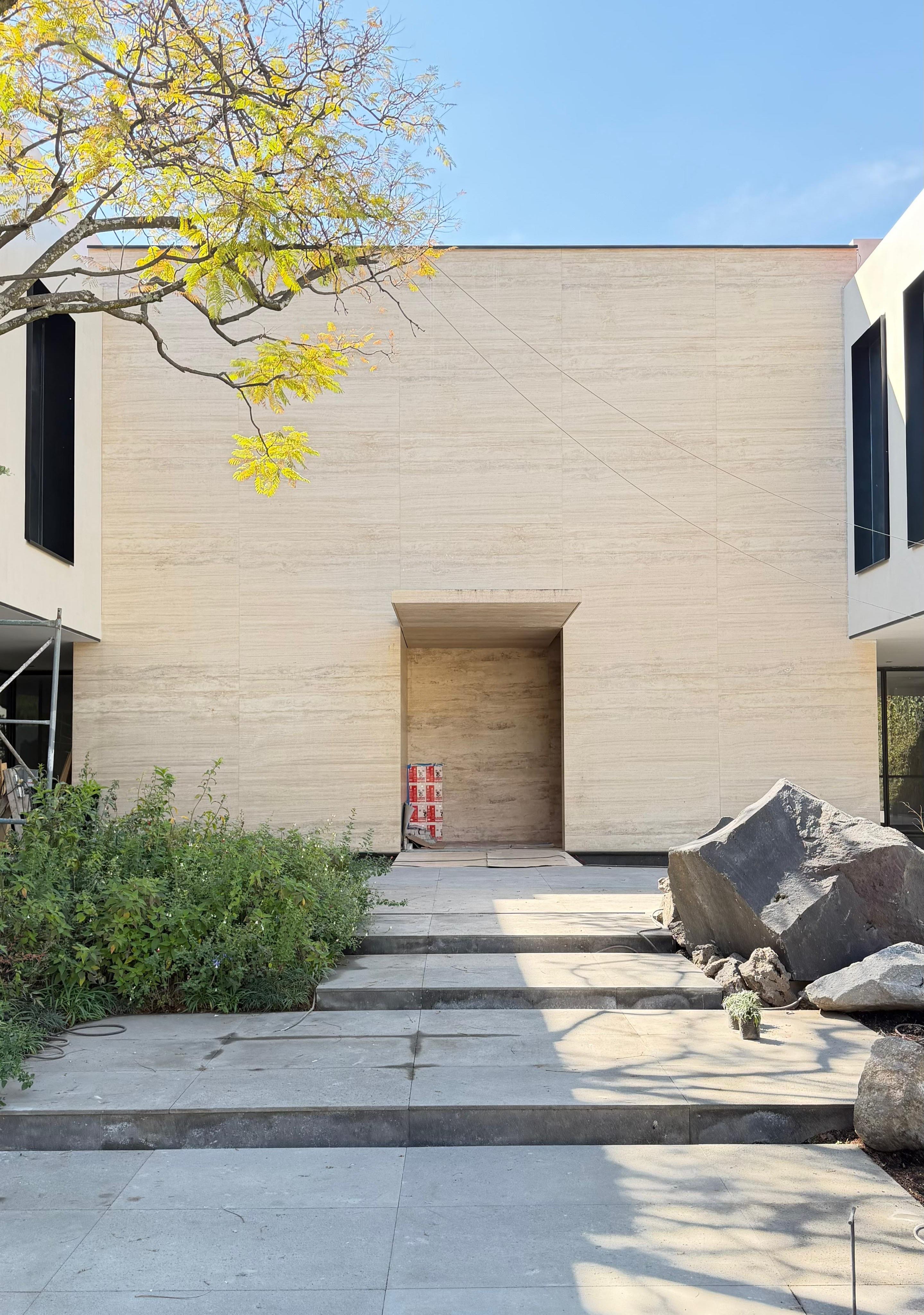
Rodrigo has been working with the same travertine supplier for years, which allowed him to source an enormous block. It was then sliced with diamond saws and meticulously organized to ensure consistency in the stone’s grain.
As you pass through the travertine monolith, it opens into a vast room — a kitchen with floor-to-ceiling, double-height glass. It’s essentially one large great room. The expansive windows are electronic sliding doors that open fully to a pool and spa outside. The indoor and outdoor spaces feel completely seamless.
What I really appreciated about Rodrigo was how thoughtful he was about the service quarters. He put just as much energy into designing those areas as he did the rest of the home.
The client specified three bedrooms - one for himself and one for each of his two sons - and each room features impressive double-height closets and beautifully detailed bathrooms.
A separate structure houses the spa. Because the home was excavated from stone, that same material was used throughout the structures and walls. The space feels meditative, with soft ambient light, and includes a cold plunge, sauna, hammam, and massage room.
The home also includes a bowling alley and a full screening room with specialized sound technology. It should be completed in about three months, and I’m looking forward to coming back to film it for our YouTube channel.
Thank you for reading! Next month, we’ll be back with another interview, recaps from our trade show visits, and the return of our Room Study series, where I dive into my favorite project from Leibal’s editorial, analyze it, and see how we can recreate it.
Until next time,
Julia and Leo
No posts
Comments
Nothing yet. Say the first thing.
Sign in to join the conversation.