
I went live on Substack this weekend — and talked about why you have to be good at being bad at things. And I was very honest about how good I am at being bad at things. Let’s get into it.
First, I started the live series because throughout my career, access has been my biggest challenge. It’s common for us to quip that we did something “against the odds,” when in reality many of us are working against the statistics. Statistics are much less forgiving than odds. There were as many business best selling books by men named John as all women combined in 2020 — which means I am, once again, working against the statistics. You are also working against the statistics in some way.
So it’s no surprise that the conversation was dedicated to reverse-engineering the odds.
I don’t talk much about my origin story. I’m Iraqi-American. I grew up watching my country get bombed apart and wanted to dedicate my career to post-conflict redevelopment, so I studied architecture. I was determined to rebuild Iraq.
In studying architecture, I fell backwards into an internship at NASA. I got in by applying to a program reserved for aero-astro engineers, and I was rejected. A month later, the program offered me a spot. Two students declined the internship, and the director thought it would be cool to have a designer join. From NASA, I fought my way into MIT (literally showed up at the program director’s office and made my case). And at MIT, ended up building Wise Systems almost by accident — trying to predict bombings with mobility data (you gotta watch the live to get the full story).
Now I lead a logistics software company, and I’m represented in the 7% of minority women in the C-suite. Nobody hired me into that seat. I built it. I built influence — and as a result, power.
What I have learned along the way is that there are only three paths to power.
First: Nepotism. Somebody with power hands you a door.
Second: FOMO. You capture attention in some way, people want in because your success is in reach.
Third: Distribution. You build your own audience. This is the only path to power that others don’t control. It’s fully reliant on your ability to build, and it’s created a path for the unlikeliest of us to build power.
For people who look like me, the first two paths are hard to access. Distribution is the most accessible, and distribution runs entirely on trust.
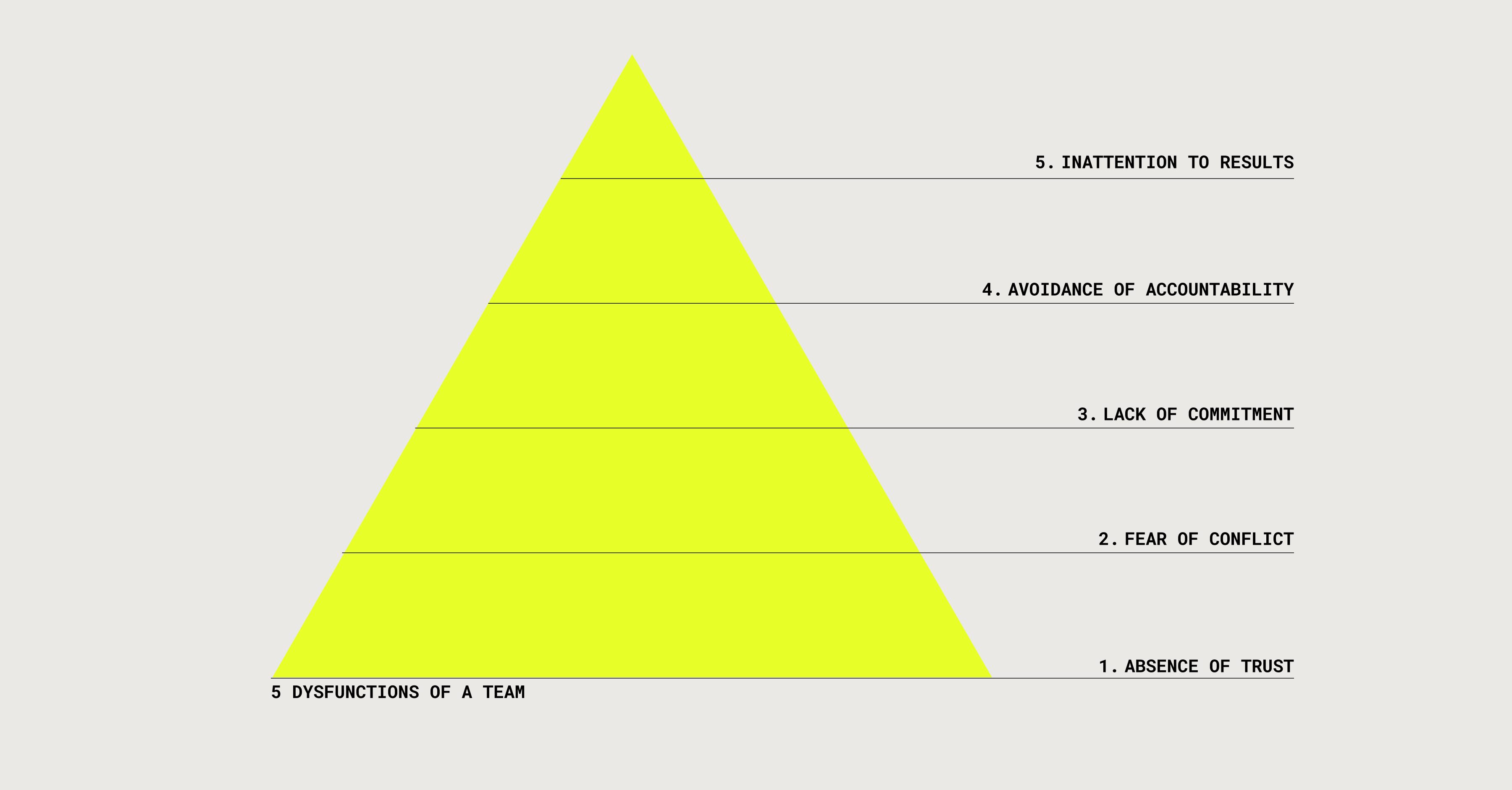
Trust is the foundation of everything — work, marriage, parenting, your board, your team. Without trust, those around you avoid conflict. Without conflict, it’s impossible to commit to a goal. Without commitment to a goal, accountability is impossible. And without accountability, the goal will never be reached — a la Five Dysfunctions of a Team.
Trust is at the foundation of results. And so, trust is at the foundation of your potential.
I booked my next lives — mark them on your calendars.
So let’s talk about trust.
You lose trust two ways: people think you lack integrity, or people think you lack competence.
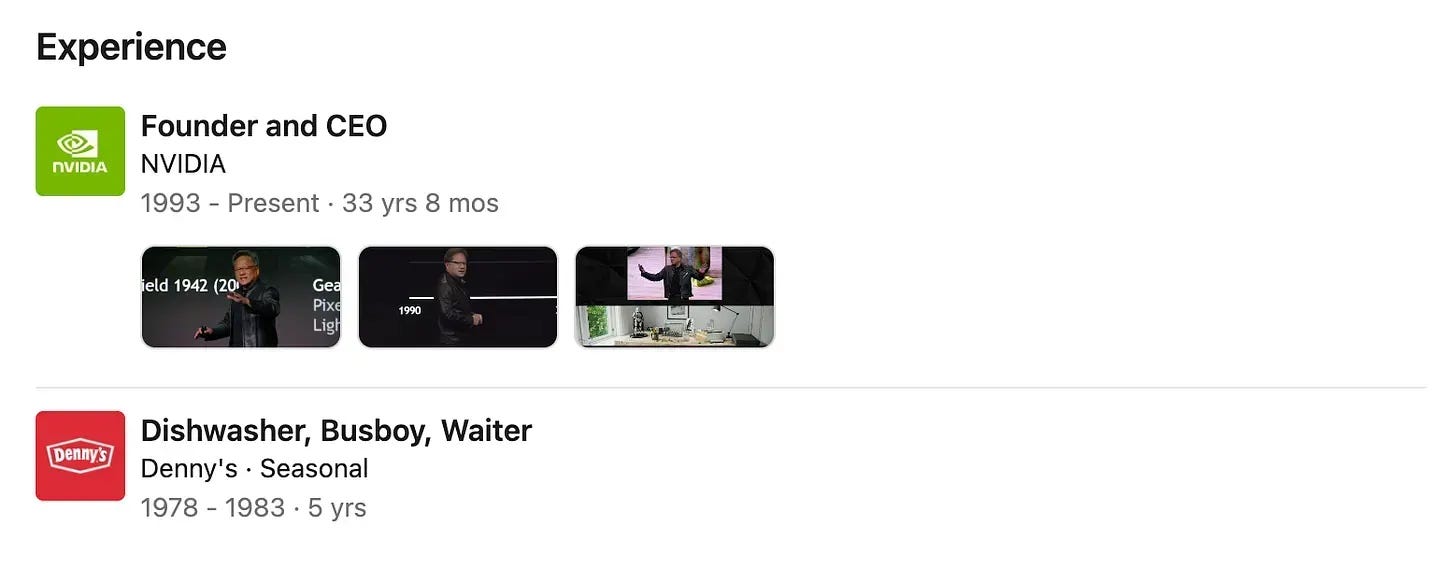
Competence is a sliding scale. You can lose it and rebuild it. When the NVIDIA CEO washed dishes at Denny’s, nobody would have trusted him with a global business. Today, he is an iconic rags to riches story. His LinkedIn is the American dream.
Comments
Nothing yet. Say the first thing.
Sign in to join the conversation.