
Hi, friends,
I’ve been quiet on Substack this past month. As I frequently said when I worked as a server: I’m in the weeds! My book deadline (the next edition of The Best Women’s Travel Writing) is fast approaching, and I’m in the midst of teaching a workshop and planning an upcoming retreat for my creative community while also learning the complicated ropes course that is my child’s new middle school. It’s challenging to find time for my own writing. But each morning, I do a bit of journaling. And each morning, it saves me.
I was reminded recently of something I kept seeing this summer in Paris—a sight so gorgeous it stopped me in my tracks every time: people all over the city, in cafés and bars, on the metro and park benches, scribbling in journals, their bodies curled over the pages as if leaning into an intimate, long-awaited conversation with a friend.
I was tempted to photograph them, strike up a conversation and tell them how happy they were making me. I wanted to whip out my own journal and say, “Look! Me too! Isn’t it the best?” But knowing how precious their writing time might be, and loath to interrupt the flow of thoughts to paper—and aware I’d be making things weird—I stifled the impulse. Instead, I just swooned.
Paris! On top of everything else, it’s a place where people still journal.
Then I learned it wasn’t just Paris. A friend from NYC said she’d noticed the same thing in her neighborhood cafés. I was gobsmacked.
The renewed interest in journaling shouldn’t have been so surprising; I’d seen the signs—an uptick in articles offering journaling tips, ads for journaling workshops, essays about the health benefits of expressive writing, and of course, Suleika Jaouad’s Substack community that emerged during the pandemic, The Isolation Journals. Even so, my breath caught whenever I spotted a journal-keeper in the wild. A little gasp, a hop in my heart.
I know how dramatic that sounds. But it’s not just because I keep journals myself. It’s because almost exactly 21 years ago, I launched a one-woman mission to save the dying art of travel journaling.
My mission started in August of 2004, five months after I lost my sixty-year-old father to emphysema and COPD. I was living in San Francisco at the time and finding others’ expectations of me unreasonable. People seemed to think I should still be working, socializing, paying bills, and returning emails, despite the fact that grief had swallowed me whole.
What I needed, I decided, was to take myself to a place no one knew me, and do only one thing: journal. I chose a seventeenth-century town called Alamos in the foothills of the Sierra Madres in Mexico. I’d never been, but it sounded like a good place to hide and heal. I’d fly my bereft self from SF to my mom’s home in Tucson and from there take an overnight bus. I just needed $80 bus fare, clothes, journals, pens, and the right craft book.
I know: One of those things is not like the other. But I was (still am) obsessed with craft books, an affair that began with Anne Lamott’s Bird by Bird and led to bookshelves crammed with advice on story arc, scene setting, pacing, and character development alongside rules about semicolons, hyphenation, subjunctives, and the use of who versus whom.
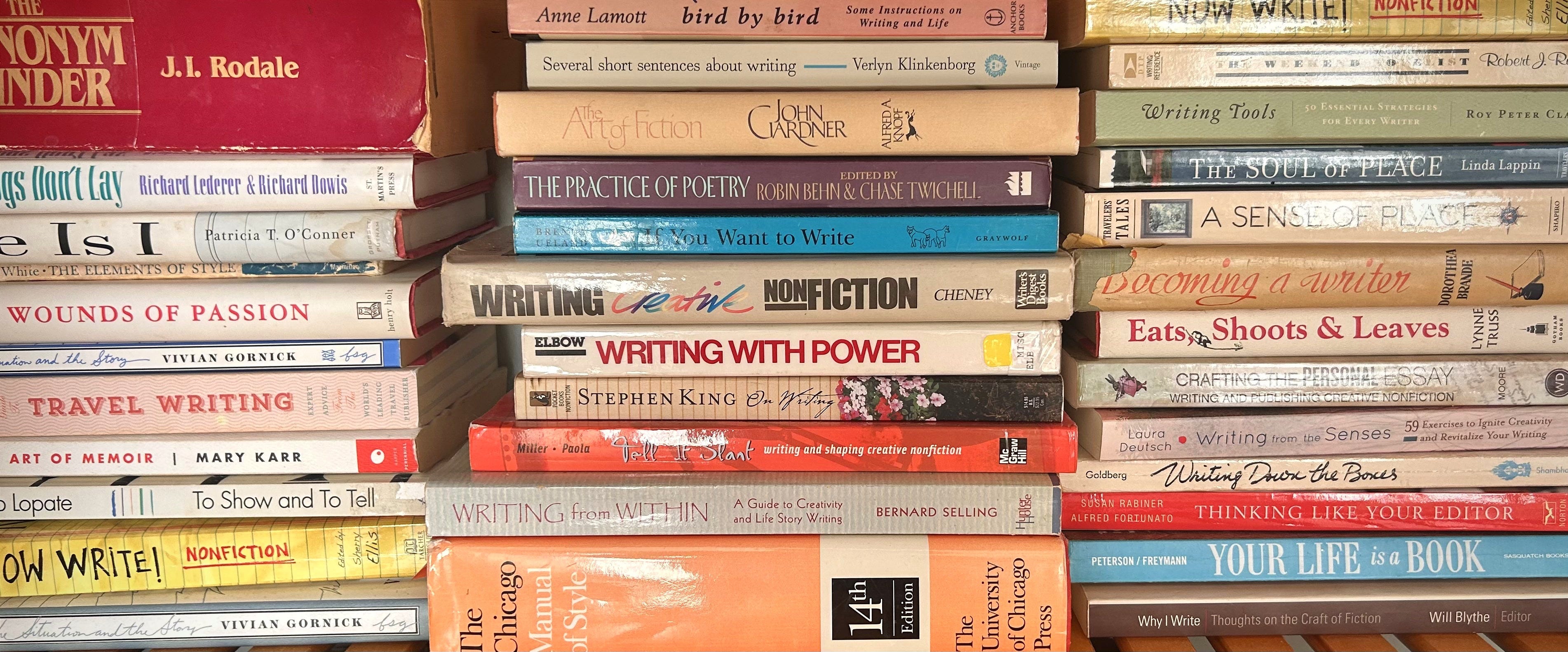
So before my trip, I went in search of a guide to keeping travel journals.
I couldn’t find one.
This shouldn’t have surprised me either, considering the journal was starting to resemble an endangered species. I’d noticed it mostly when traveling: I’d be in the café of a backpacker inn, and while I was scratching away in my notebook and gluing ticket stubs to pages, all the other travelers were gluing themselves to screens. Blogging and emailing were in, journaling was out.
I found this very freaking depressing.
I’d always kept diaries, but my travel journals were special: They held not only favorite memories but significant personal revelations—the kind that surfaced only when I was immersed in a culture that upended my assumptions and kicked my ass in essential, exquisite ways.
Those revelations might have come anyway, but without a journal I didn’t have the tools to process them. It was only by writing for myself that I could deeply interrogate emotion and experience.
As I looked around at the other backpackers tapping and scrolling—ostensibly sharing stories with friends and followers—I couldn’t help but wonder what they were doing with the stuff they might not feel comfortable broadcasting—all their secret yearnings, fears, humiliations, confessions and questions. Were they keeping those inside, under wraps? That didn’t seem healthy.
Don’t get me wrong: I understood, and even shared, the desire to write for a wider audience than myself. But I also worried that by swapping a journal for an email or blog or social-media post—by writing only with an audience in mind—we risked losing the practice of conversing with ourselves. And to me, that signaled a life not only less examined but less pleasurable, less sacred.
I vowed that no matter how the world changed, I’d never stop journaling.
I left Tucson on the six p.m. overnight bus to Alamos armed with everything on my packing list except a craft book that might help me journal with more intention and creativity. But that was ok. I’d stumbled on something even better: a project. If the book I wanted to read didn’t exist, I would write it myself.
Alamos in August was hot and deserted, making it the ideal setting for my sadness. I became the only resident in an old hotel with a lush courtyard where I sat beneath a mango tree filling notebook pages. I mostly wrote about my father, but when I needed a break, I made up travel-journaling prompts for myself to follow. Some worked beautifully, others flopped. But they obliged me to leave my room, wander, go on mini-quests, try new foods, meet people, and get curious.
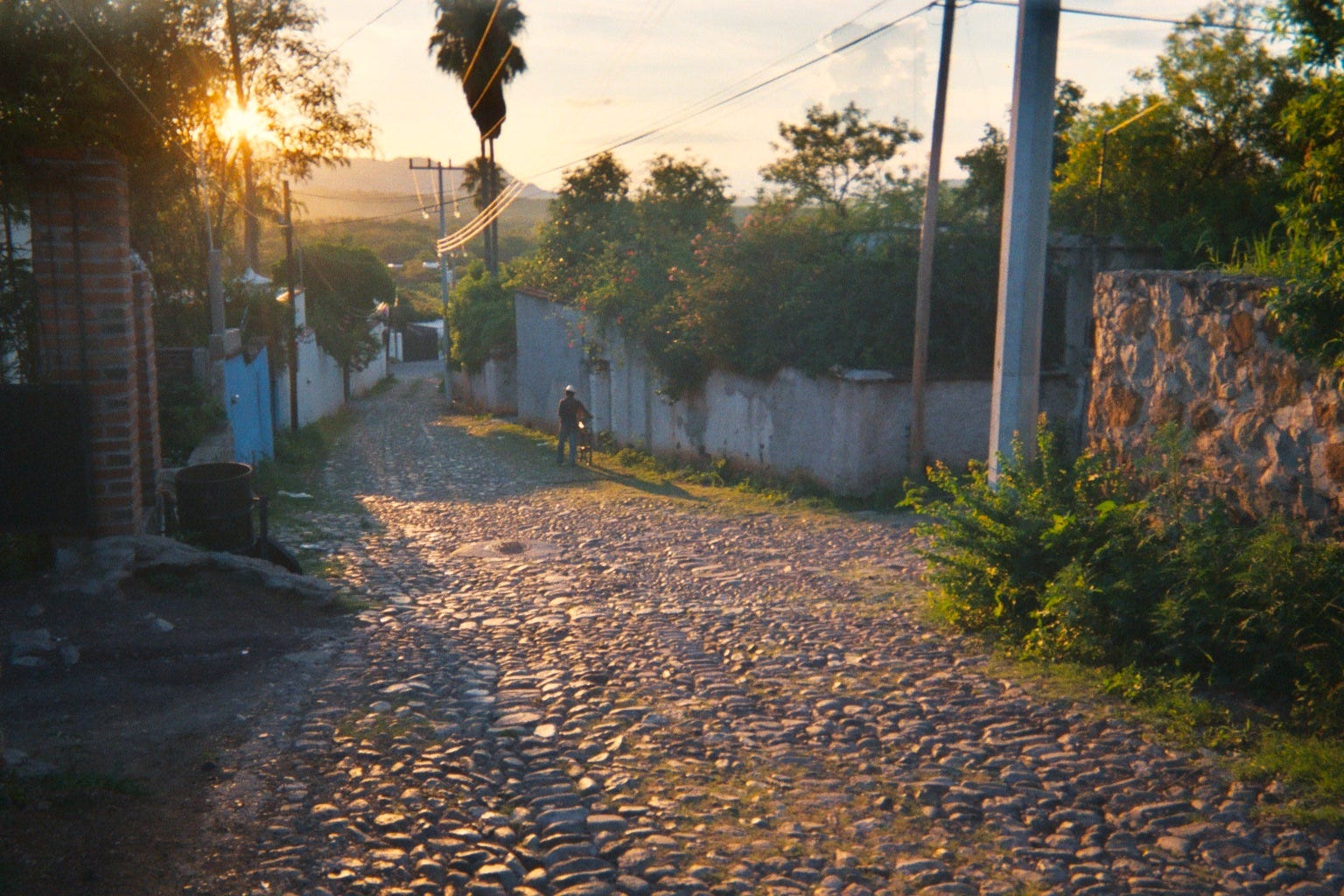
Sometimes I sat in the plaza with my notebook and noticed how the shadows played on the cobblestones, turning the path brighter, more interesting. Soft light slowly filled dark spaces. My bones warmed, my mind enlivened. And when I returned to San Francisco after a week, much of the heaviness had lifted.
A year later I moved to Utah to work at my sisters’ restaurant. I was still working on my manuscript, which I’d begun calling Writing Away, and one night, over a plate of enchiladas, I mentioned it to a regular customer who happened to be a publisher. When he asked to see an outline, I nearly dropped my pitcher of water. I was ecstatic, but the word “outline” alarmed me. I was, in today’s writing parlance, a pantser, not a plotter (I didn’t plot things out; I operated by the seat of my pants). But I summoned a splash of executive functioning, and one expedited delivery of a book called “Write the Perfect Book Proposal” and a whole lot of frantic typing later, I emailed one. He replied to say he was interested! It was happening!
Then he shared his vision:
"A general book about vacations, with some journaling built in.”
“A gift book for someone going on vacation, but not necessarily internationally.”
It would be 20 percent visual and 80 percent text. There would be nostalgic black-and-white photos of people on vacation.
So much for that enchilada.
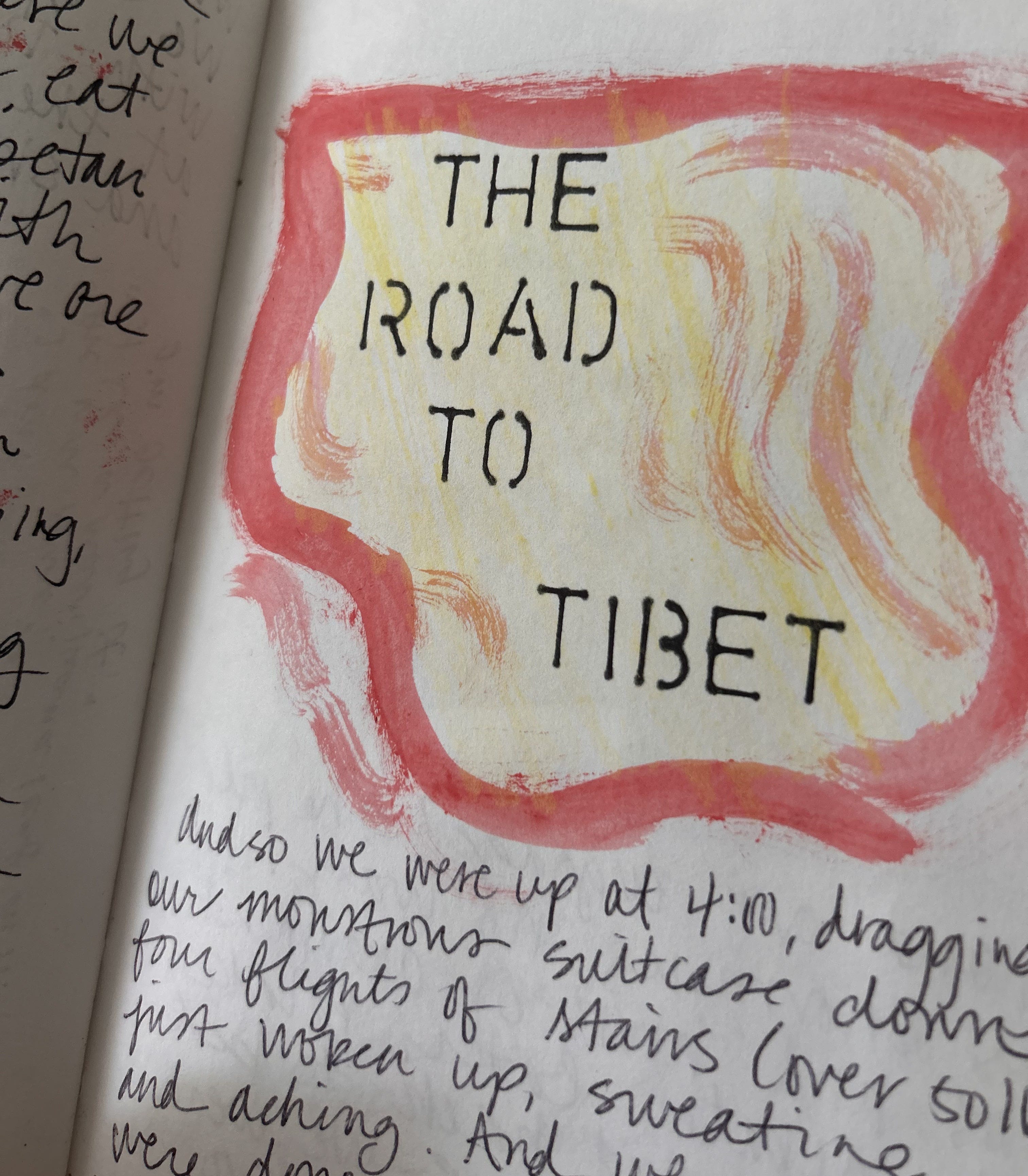
First, the word “vacation” chaffed. It rang of resorts and cruises, which conflicted with the image I held of my reader, who was essentially me — a scrappy shoestring backpacker running out of money in Greece, eating street food in Vietnam, teaching in South Korea, losing her passport in Thailand, getting her heart broken in Bali, being hustled in Costa Rica, sleeping in a van on the beach in Australia, and hiding from Chinese police in a monastery in Tibet.
I imagined Writing Away as a paperback that could be scribbled in and dog-eared and tossed in a dirty backpack with sarongs and ziplocks of stale muesli. I envisioned pages of prompts to be torn out, folded up, and tucked in the pocket of cargo pants. I saw my book as a sidekick for grungy vagabonds who needed help harnessing unruly thoughts about escapades and transformative moments. I did not imagine it staying home and looking nice on a coffee table.
On the bright side, my dismay over the publisher’s vision lit a fire in me. I moxie’d up and asked a friend to introduce me to his agent, who soon became my agent. She even flew to Utah, where we sat in my log cabin discussing the hows and whys of journaling as mule deer grazed outside my picture window. It was a magical time, because someone else shared my excitement about the idea that had restored luster to my life. My new agent suggested edits and asked me to add a few chapters to the proposal, and soon began sending my book out on submission. This time it was really happening!
Then came the rejections. Day after day, email after email, all of which my agent kindly forwarded. This was a level of service I did not appreciate.
“It's charming and a fun idea, but unfortunately I don't quite see this as a big enough project.”
“It seems aimed at too narrow a slice of the writing market.”
“It seems like a fairly niche market”
“Even though I travel and journal, I'm not sure I'd buy a book telling me how to do it.”
“Much as I love the concept, it’s going to be a pass for us.”
I began doubting myself. Was journaling not endangered but already extinct? Then one day my agent asked me to call her. Here’s what I wrote after.
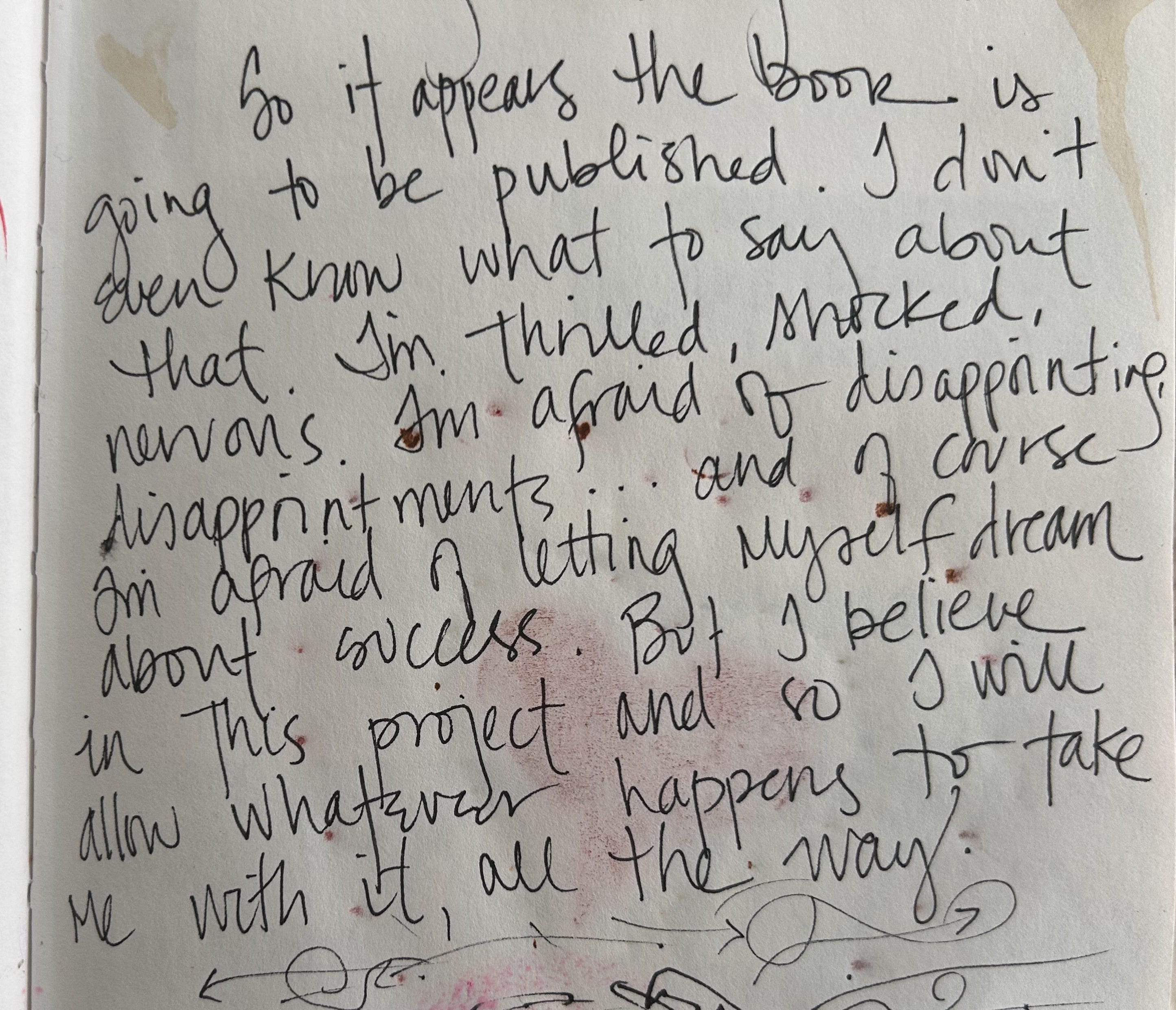
Travelers’ Tales, a small, indie publisher I knew and respected, wanted to publish my book. They couldn’t offer much of an advance or promotional budget, but I didn’t care. They were passionate about travel and wanted to preserve my idea of a coffee-stained, beat-up, bottom-of-the-backpack guidebook—not a pretty table decoration. I signed a contract, and Writing Away came out in August of 2009, almost exactly sixteen years ago.
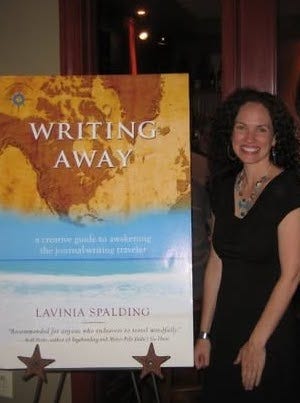
My mission began in earnest. Over the next year I campaigned hard for the journal as a worthwhile pursuit. I went on book tour, published excerpts, and appeared on radio and podcasts. At events, I encouraged building a writing habit by pairing it with another daily activity (i.e., drinking coffee or exercising). I offered tips for sticking to a schedule (figure out what works for you, not for others) and breaking through writer’s block (write anything at all or take a walk or a shower). I repeated my meditation teacher’s advice (“short sessions many times”) and recommended committing to easily achievable goals (write for three minutes a day or jot a few words each night). I emphasized the value of lists (sounds, smells, tastes, objects, surprises, disappointments). I shared techniques for writing about place (engage all five senses, get macro and micro, use similes) and about people (always include dialogue and a surprising detail). I eased worries about illegible handwriting (type, if you need to type) and assuaged fears of others reading secrets (write freely and then burn the page, or keep your notebook in a locked place). I recommended packing a glue stick and pasting labels and receipts into notebooks (a practice now known as junk journaling). I championed a kind of meditative and intentional, creative and unedited Wild-Rumpuslike journaling.
And whenever an interviewer asked why anyone would still want to keep a travel journal when it was so much easier to blog, I’d tick off the reasons.
Because travel is a stimuli smorgasbord, and you need an anchor.
Because journaling is a profound vehicle for self-discovery.
Because it’s the world’s best writing exercise.
Because you need a sacred space to call your own.
I mentioned the health benefits, too, citing research that showed journaling could boost immunity, reduce blood pressure, help with sleep issues, improve memory, and combat depression, anxiety, and stress.
“Journaling is a gateway to higher consciousness,” I said. “Journaling is medicine.”
The world kept tapping and scrolling.
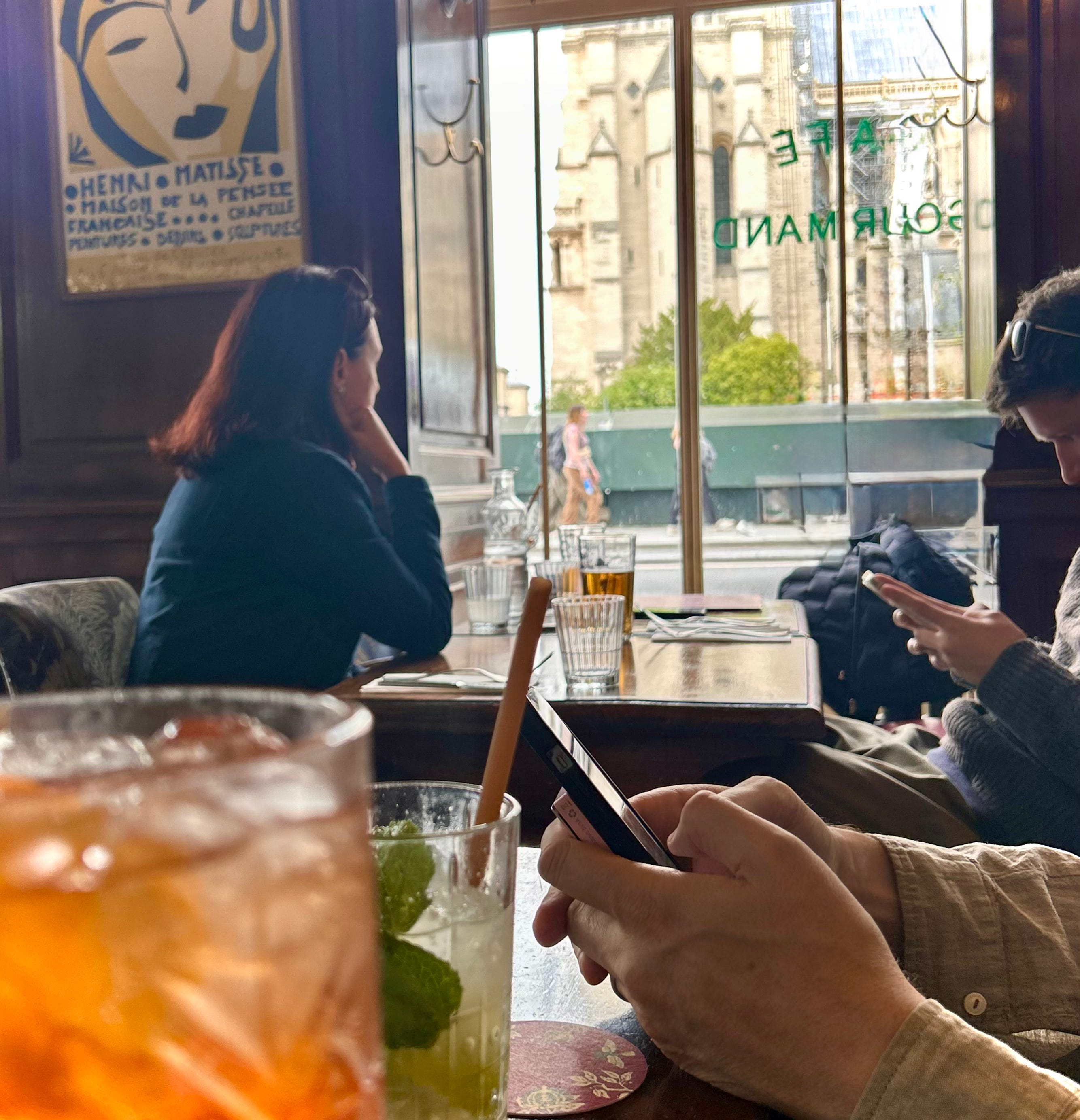
I did my best, but in the end I didn’t rescue travel journaling from the brink of extinction. Those editors had been right: my book was niche. As social media and blogging exploded over the next several years and more and more people traveled, it seemed even fewer kept journals.
But now … that’s all changed!
Baby, it’s back! Have you noticed? Journaling is having a massive revival.
Suddenly there are journaling clubs, classes, retreats. Newsletters featuring daily and weekly prompts. Celebrities espousing the merits of journal-keeping. Influencers showing off their notebooks on TikTok. Journaling apps and social media groups. Mainstream newspaper articles with journaling advice. Wirecutter recommendations for the best notebooks. Health professionals sharing the benefits of expressive writing. Bullet journals. Junk journals. Gratitude journals. Sketch journals. Dream journals. Readers revisiting Julia Cameron’s classic, The Artist’s Way and doing morning pages. Suleika Jaouad’s inspiring new book devoted to the practice. Prominently placed racks of Moleskines in airport bookshops. Communities (like mine, Studio Unfurl) that encourage practices such as daily sketching and logging micro-delights. And best of all: real-live people out in the world actually doing it.
I didn’t save journaling—but it saved itself. And just in time.
I won’t get into the news. Instead I’ll just say that when the world terrifies and devastates us and we’re struggling to navigate a confusing reality, it’s all the more important to continue having meaningful conversations with ourselves in which we’re not only talking but listening.
To me, that a journaling revival has come when it’s most needed feels a lot like that warm Alamos light flowing in again, illuminating a dark and bumpy road.
Thanks for reading this, friends. I realize it was loooong. My next post will be shorter! But if you’re still with me, please know I appreciate you.
To celebrate Writing Away’s 16th Birthday (or 21st, depending on how you count), I thought I’d share one short excerpt, one prompt you can do anywhere, and a link to my new favorite journals.
An excerpt from Writing Away…
“To my mind, the ultimate reward of a travel journal is being forced, routinely, to slow down and pay attention. Journaling demands stillness and extreme concentration. When we write in it, we notice. If we set aside even a few minutes a day to sit with our notebook and write about where we are and what we’re currently experiencing with all our senses, it becomes a practice. […] We can let go of hopes and fears as we bring attention to this moment, then the next, and the one after that. Over time these brief, disconnected moments of awareness form a cohesive thread, a solid habit of increased mindfulness that can carry over into all areas of life.”
A prompt from Writing Away…
Choose a short route from any point A to B (your hotel to the market, train station to museum, market to beach). Bring your notebook as you walk there and jot short notes along the way (but don’t block pedestrian traffic—tuck against a wall). Once you’ve reached your destination, write detailed directions from A to B without using any street or building names. Include only landmarks and be as descriptive as possible.
(Note: this prompt is not just for traveling! It’s wild to do it in your home, giving directions from point A to B based on objects, art, memories, and associations.)
My new favorite journals: My dear friend Karen sent me these journals in the mail, and I love them! They’re unlined, which I prefer, in case a doodle or sketch happens.
I’d love to hear from you in the comments about … well, anything. Ask a question or leave a comment about journaling, offer a craft book recommendation, share some of your own publishing journey, tell me if you’re a pantser or plotter, post one of your journal pages, or just say hello. Hearing from you would make my day.
Finally: a challenge. If there’s a book you want to read, start writing it. Do it exactly the way you want. Others may not deem it marketable or attractive, but if you stick to your vision, you’ll always know it’s yours.
xo,
Lavinia
ps. If you’ve never been to Alamos (and if you like ghost stories), here’s an essay about my father and Alamos. It won a gold SOLAS award and was selected for The Best Travel Writing. I wrote it long after Writing Away came out, using my responses to the prompts I created while sitting beneath that mango tree.
Comments
Nothing yet. Say the first thing.
Sign in to join the conversation.