
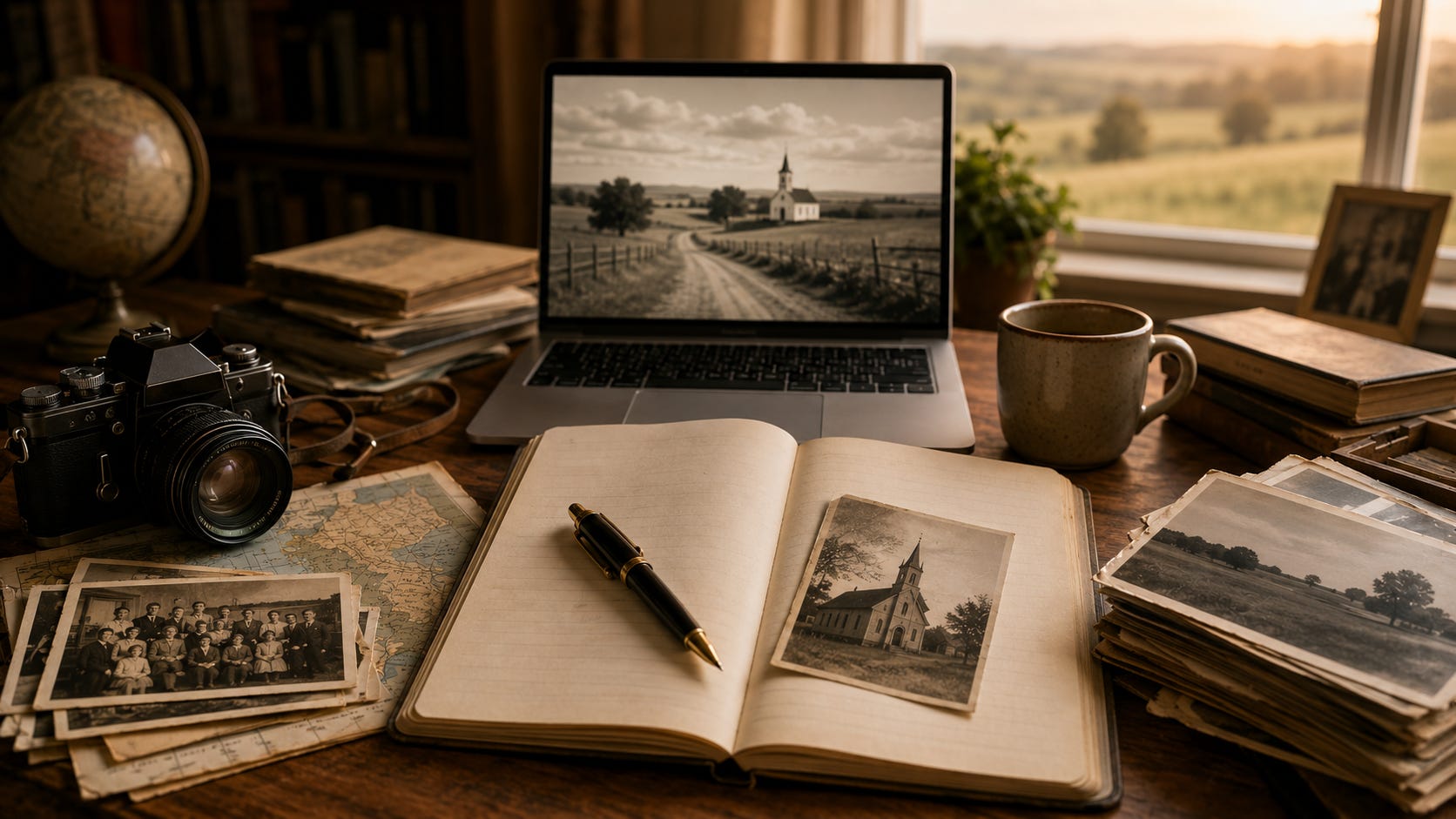
One of the questions I have been asked more frequently over the past year has very little to do with Norwegian immigration, forgotten churches on the American prairie or the photographs I publish from my travels. Instead, people are curious about something much more contemporary.
“Do you use artificial intelligence?”
The simple answer is yes.
Not because I believe a computer can write history, but because I believe history deserves every legitimate tool we have to help uncover it.
That answer sometimes surprises people. Artificial intelligence has quickly become one of those subjects that seems to divide opinion. Some see it as an extraordinary opportunity, while others worry that it will replace the creativity, judgement and curiosity that make good writing and historical research possible. I understand both perspectives because, if I am honest, I have wrestled with many of the same questions myself.
When I began documenting Norwegian-American history, AI was not part of the equation. The project grew out of something much simpler: a desire to travel to the places where the emigrants and their descendants had built new lives, to meet the people who still preserve those stories, and to understand their history through their own memories, photographs and family archives.
Over the years I have been welcomed into homes, churches, museums and historical societies across the American Midwest. People have opened family albums, shared letters that crossed the Atlantic generations ago, shown me heirlooms that have been carefully preserved for more than a century, and trusted me with stories that had often never been told beyond their own families. Those conversations have taught me far more than any database ever could, because history is not only found in official records but also in the memories, traditions and personal collections that families continue to preserve.
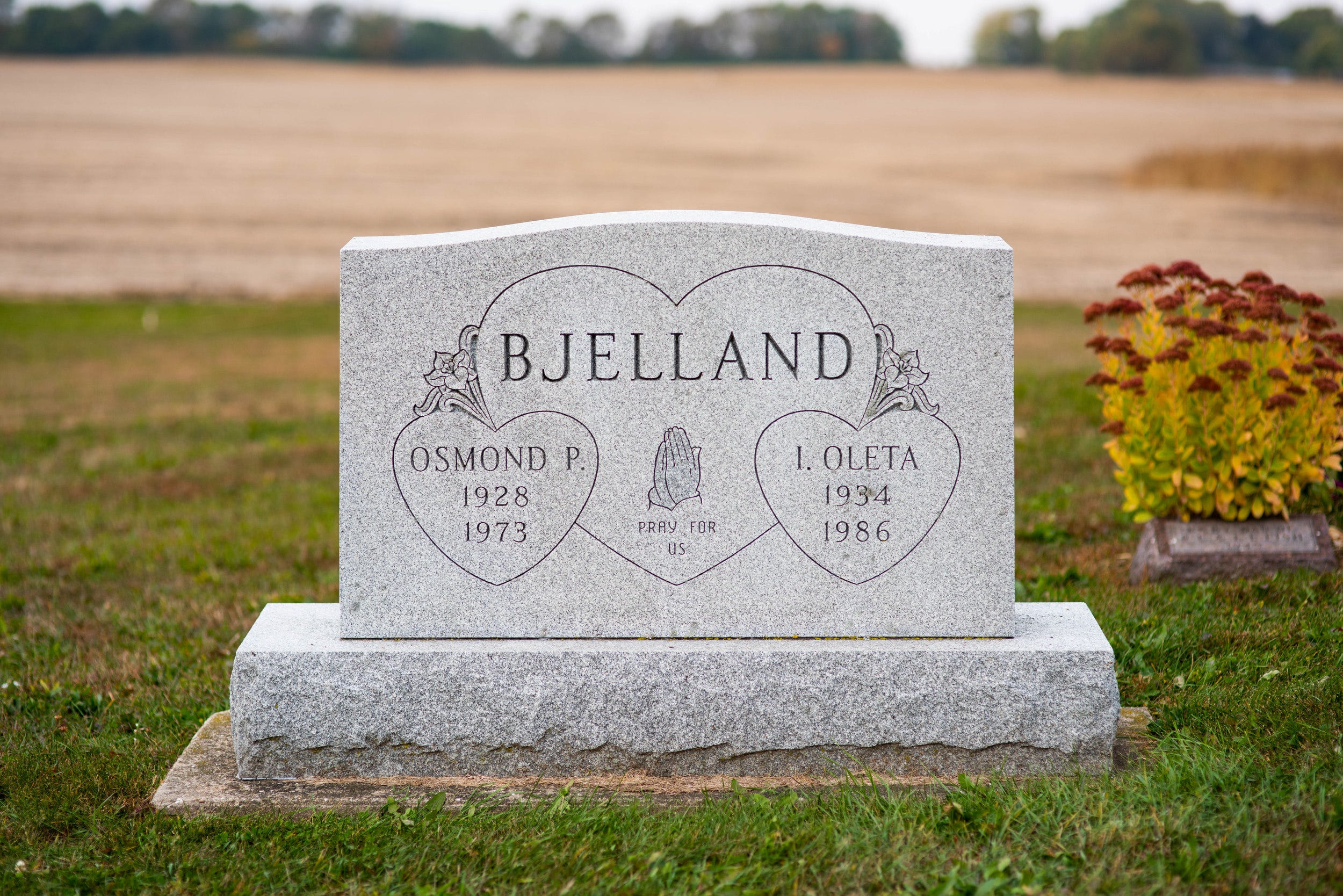
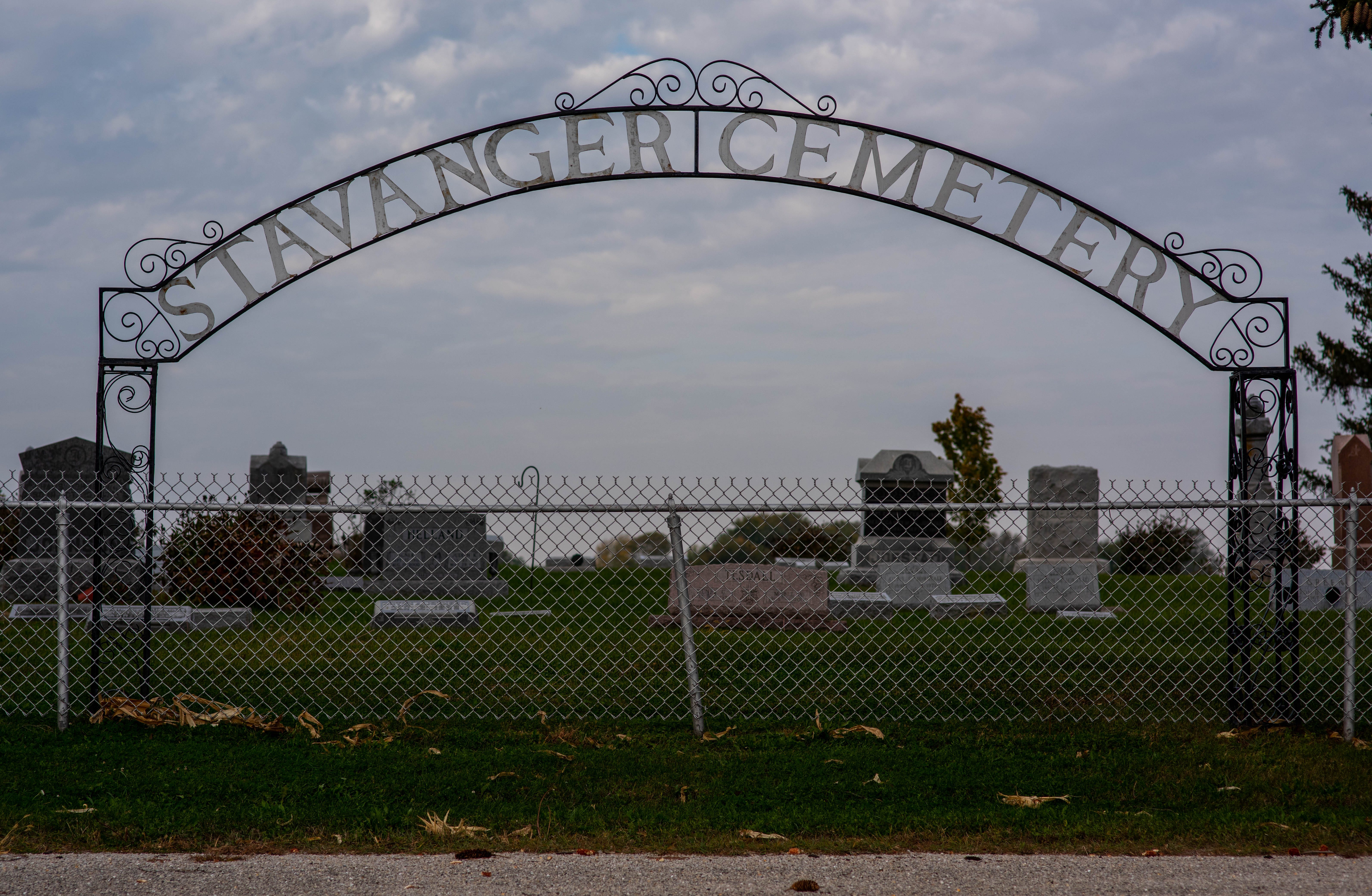
Alongside those conversations I have photographed almost everything I encountered. Churches built by Norwegian immigrants, forgotten cemeteries, prairie landscapes, historic buildings, museum collections and thousands upon thousands of photographs that together document a shared Norwegian-American heritage. Over time, the camera has become just as important a research tool as books or archives, allowing me not only to illustrate these stories but also to preserve places and details that continue to disappear with every passing year.
Those journeys—and, above all, the people I have met along the way—have shaped not only my understanding of history but also the way I choose to tell these stories.
That part of my work has not changed.
If anything, it has become even more important.
The greatest discoveries are rarely the ones I set out to find. More often they appear unexpectedly while I am searching for something entirely different. A forgotten obituary in a small-town newspaper leads to a family photograph. A passenger list points towards a farming community in Illinois. A church register in Rogaland suddenly explains why a Norwegian surname appears in North Dakota fifty years later.
Every answer creates new questions, and every question has the potential to uncover another forgotten connection between Norway and North America.
The challenge today is no longer access to information. Quite the opposite. We live in an age where millions of newspaper pages, census records, immigration lists, church books, maps and historical publications are available with just a few keystrokes. Previous generations of researchers could only dream of having so much material within reach.
The real challenge is making sense of it all.
How do you recognise that two people with slightly different names are actually the same person? How do you connect scattered references across two continents and more than a century of history? How do you identify the one paragraph hidden among thousands of pages that changes your understanding of an entire story?
That is where artificial intelligence has become part of my workflow.
Not as an author.
Not as a historian.
And certainly not as a substitute for curiosity.
Instead, I use it much as I use a camera, a digital archive or a genealogy database. It is another tool—remarkably powerful in some situations, surprisingly limited in others, and entirely dependent on the person using it.
A typical article often begins with a simple question that turns out to be anything but simple. Within a few hours I may have collected passenger lists, census records, church books, newspaper articles, historical maps, local histories, photographs and academic publications. Before long, I am no longer dealing with a handful of documents but hundreds of pages of material, all of which must be compared, organised and understood before I can even begin writing.
This is where AI has proved invaluable.
Rather than asking it to write an article, I ask it to help organise information, compare different versions of the same event, identify inconsistencies, suggest new avenues of research and challenge my own assumptions. Quite often it notices patterns I have overlooked. Just as often it sends me back to the archives because something doesn’t quite add up.
In many ways, it has become the research assistant I never had.

There is another reason why AI has become such an important part of this project, and it has nothing to do with historical research.
Norwegian is my native language.
Every article begins life in Norwegian—not necessarily as a complete manuscript, but as thoughts, observations, outlines and ideas that naturally take shape in the language I have spoken all my life. My research is largely carried out in Norwegian, many of my notes are written in Norwegian, and even when I know an article will eventually be published in English, I almost always think my way through the story in Norwegian first.
Turning those thoughts into English has always been one of the most demanding parts of the process.
Writing in another language is about far more than translating words. It is about finding the right rhythm, choosing expressions that feel natural to American readers, avoiding phrases that sound unmistakably Scandinavian and making sure the story flows as though it had been written in English from the very beginning.
That is something AI has genuinely helped me with.
It does not change what I want to say, nor does it invent my stories or replace my voice. Instead, it helps me express my own ideas more naturally in a language that is not my own. I often describe it as the difference between translation and communication. The history, the research, the structure and the storytelling remain mine. AI simply helps me bridge the language gap between a Norwegian writer and an English-speaking audience.
Perhaps the biggest misconception about artificial intelligence is that it makes writing effortless.
My experience has been almost the opposite.
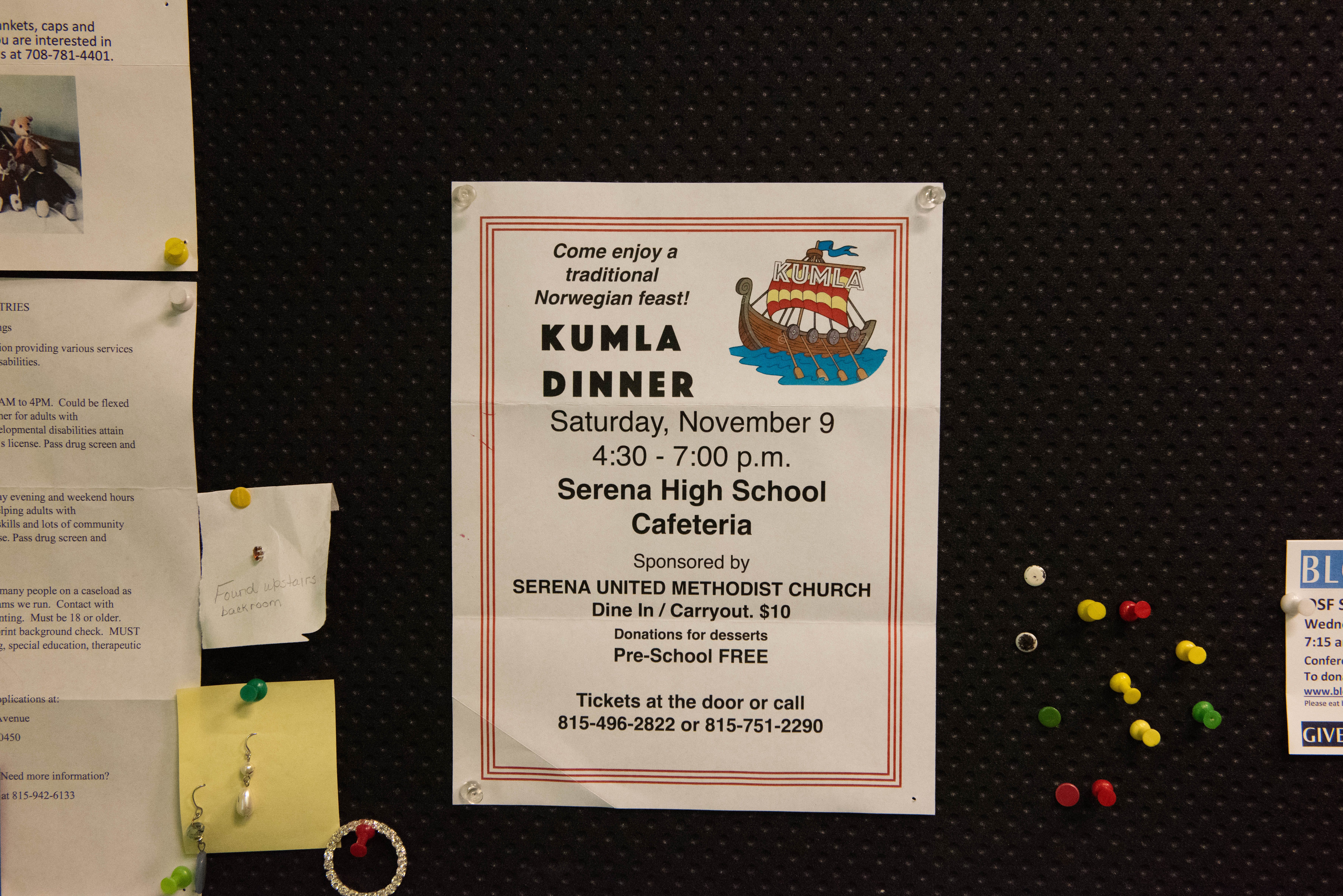
The more I use these tools, the more questions I ask, the more sources I check and the more determined I become to verify every important detail. If AI identifies an interesting connection, I don’t publish it. I investigate it. If it suggests a new interpretation, I return to the original documents to see whether the evidence actually supports it.
Artificial intelligence has not made me less careful.
It has made me more careful.
Historical judgement cannot be automated.
Neither can curiosity.
Every article published here still rests on the same principles that guided this project long before AI entered the picture. I travel because landscapes reveal things documents cannot. I photograph places because images preserve details that words often miss. I read original sources because history is too important to rely solely on summaries, and I try to let the evidence guide the story rather than the other way around.
Technology has changed the way I work.
It has not changed why I do it.
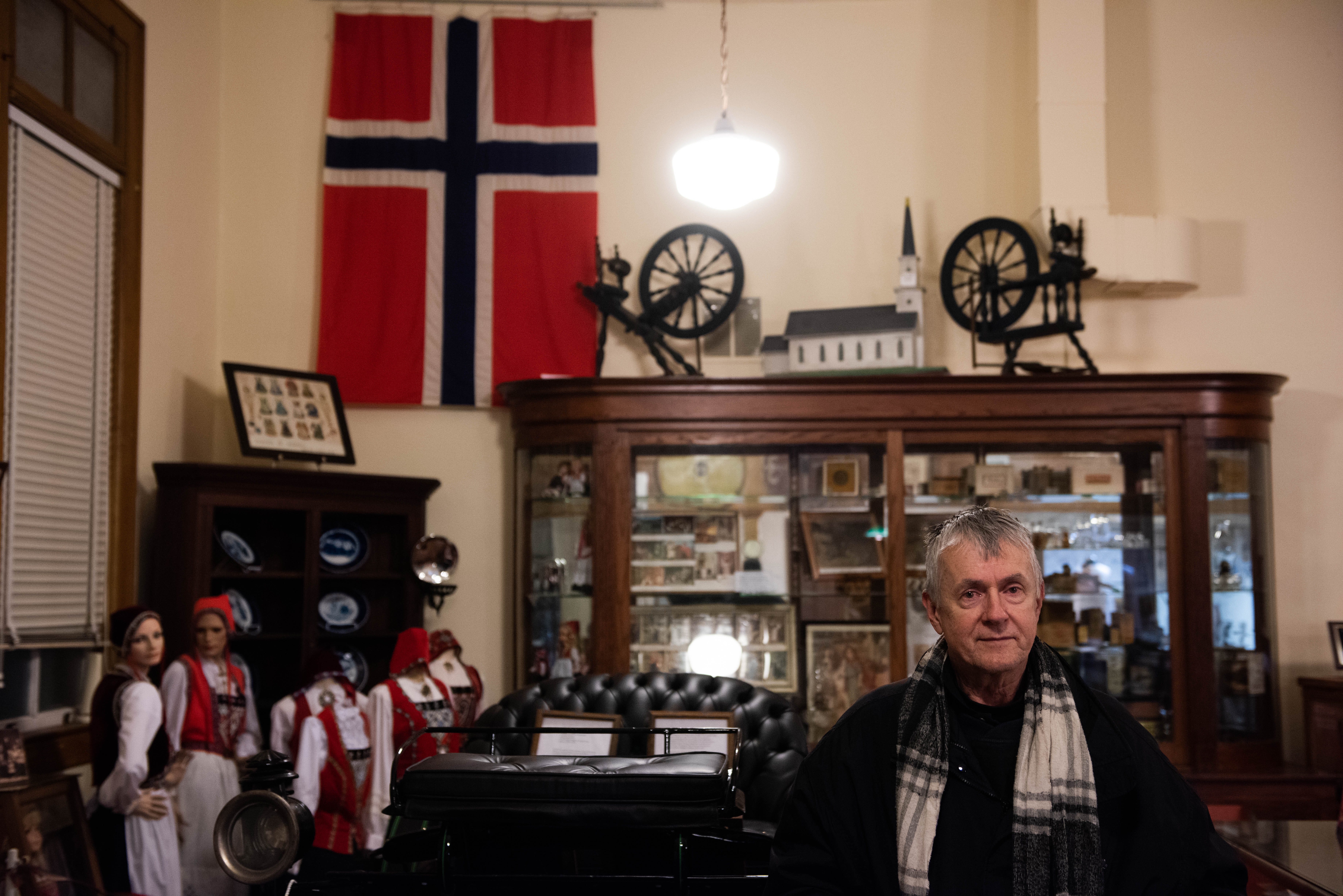
If anything, AI has given me something that is becoming increasingly valuable: time. Time that would once have been spent sorting documents can now be devoted to travelling, photographing, reading original sources and asking better questions. It allows me to focus more of my energy on the parts of historical research that no technology can replace—the human judgement needed to understand why a story matters in the first place.
Ultimately, every article published here remains my responsibility. I decide which sources deserve trust, which stories deserve to be told and which conclusions the evidence actually supports. Artificial intelligence cannot make those decisions any more than a camera can decide what deserves to be photographed.
It is simply another tool.
Photography did not replace the photographer.
Digital archives did not replace the historian.
Artificial intelligence will not replace curiosity.
If anything, it has strengthened mine.
Because every forgotten photograph, every rediscovered immigrant and every unexpected connection between Norway and North America reminds me why I began this project in the first place.
Not to write about technology.
But to preserve stories that might otherwise have been lost.
PS! The cover imgage is made by AI.
Comments
Nothing yet. Say the first thing.
Sign in to join the conversation.