(Untitled)
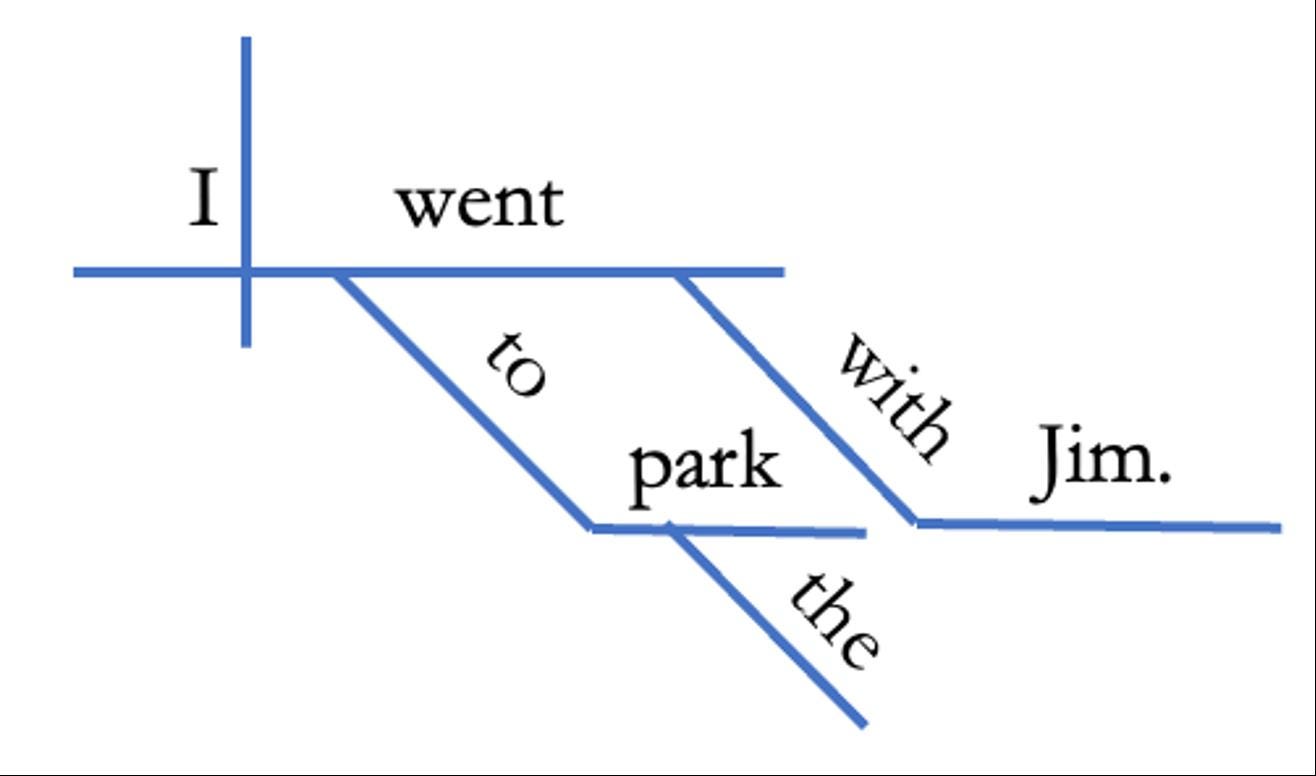
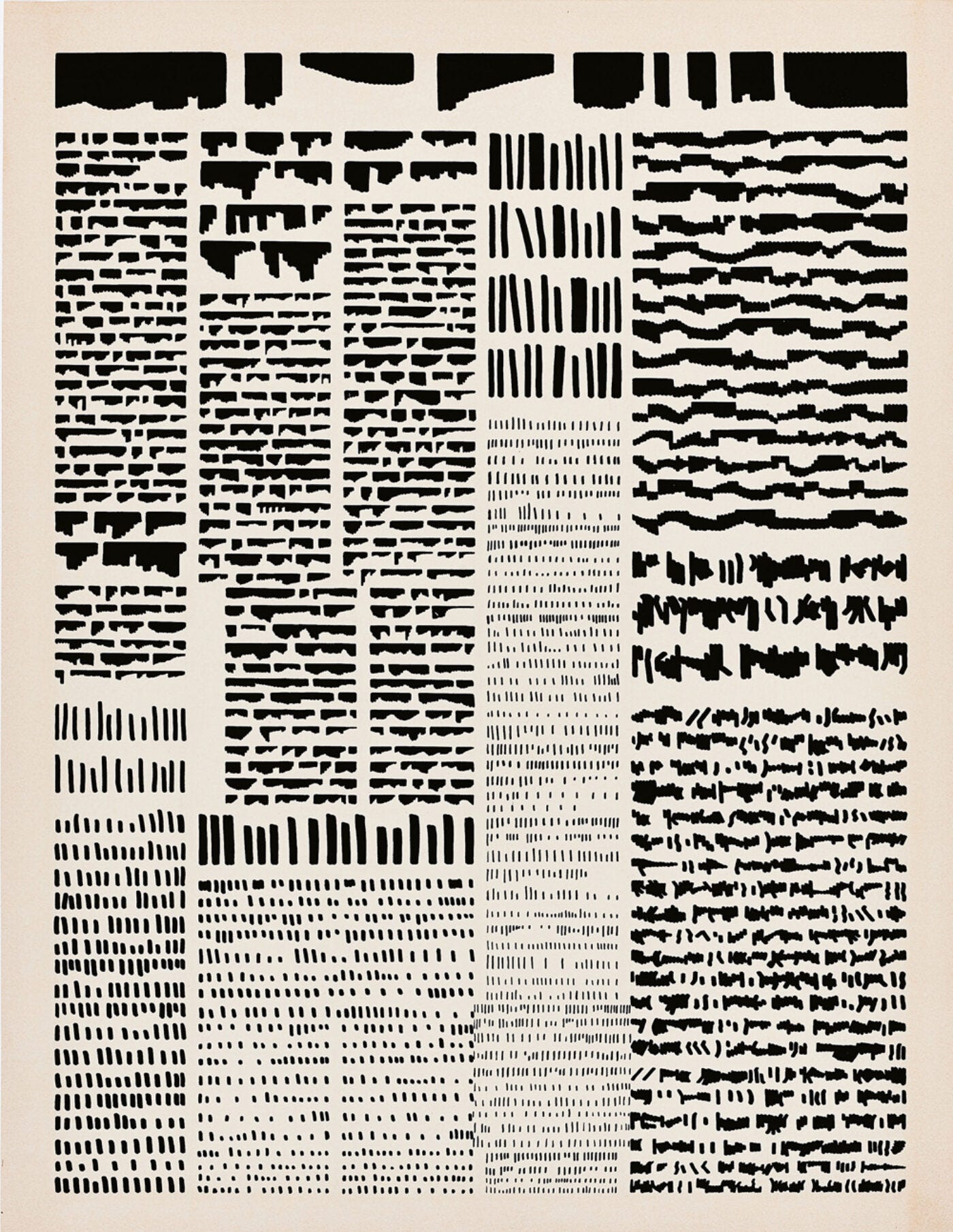
Having reached the end of punctuation, I determined that the alphabet was next—only to be diverted by Peter Schwenger’s eye-opening book, Asemic: The Art of Writing.

Philosophy as a Guide to Life
Live Last read · last published · next check
Having reached the end of punctuation, I determined that the alphabet was next—only to be diverted by Peter Schwenger’s eye-opening book, Asemic: The Art of Writing.
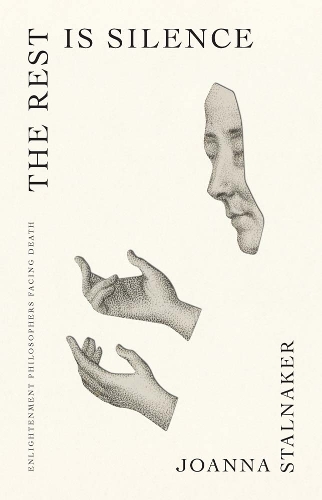
My first piece of public writing for a while is a book review for the TLS, about Joanna Stalnaker’s superb study of eighteenth-century philosophers facing death, The Rest Is Silence. I’ve been working for as long as I remember on a book about philosophy as learning how to die—the plan is to publish it as soon as I find the answer—and this was a welcome opportunity to check in.
I’m taking a pause from taking a pause to report on a book that may be of interest to readers of this newsletter.
An exercise in vanity since 2022: I post links to my public writing from the previous year, along with some favourite Substack posts and a preview of what’s to come.
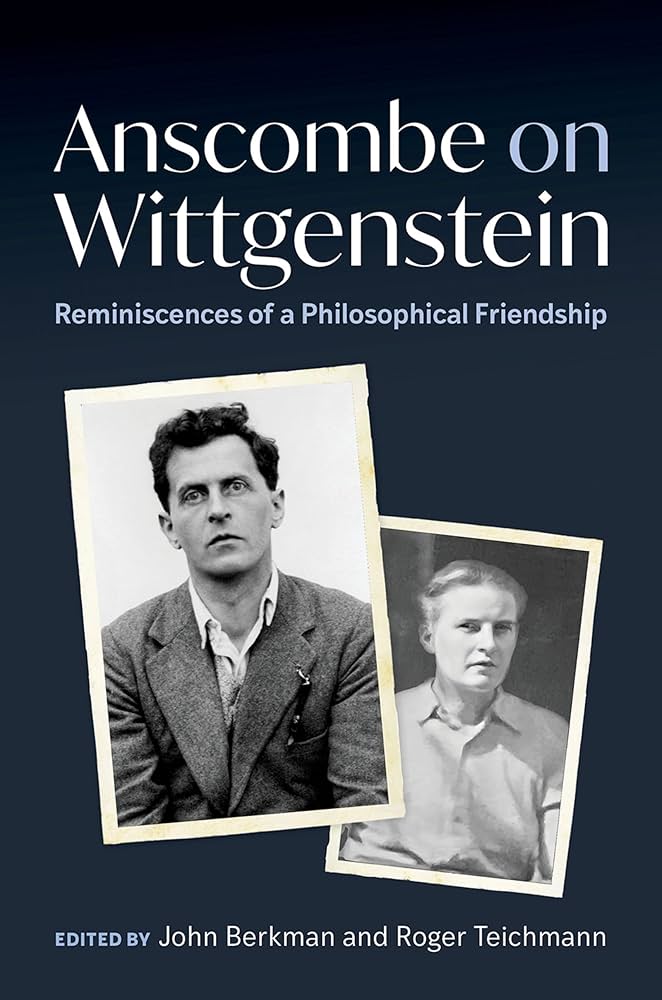
1. The world is the totality of socks, not shoes. 1.1. “I remember one time when Wittgenstein was mentioning Nietzsche’s remark: ‘We—i. e., philosophers—want to be learnt by heart.’ … he said that he could understand why certain ancient philosophers had tried to write what they had to say as poems.” (Rush Rhees) 1.11. “(Once or twice later he referred to his [own] manuscripts of the Investigations…
I did more reading than writing this year—at least, so I’m tempted to say; but as I realize mid-sentence, I don’t know what that means. What common metric could make sense of the comparison? Still, it has the ring of truth.It was a good year, too, in that I read a lot of books I loved. In the past, I’ve picked two or three to recommend. This year, I wrote about a dozen brilliant books:
This post is the third in an accidental mini-series on creativity, which started out derivative, took a turn through the need for a certain stupidity, and now goes slightly mad.
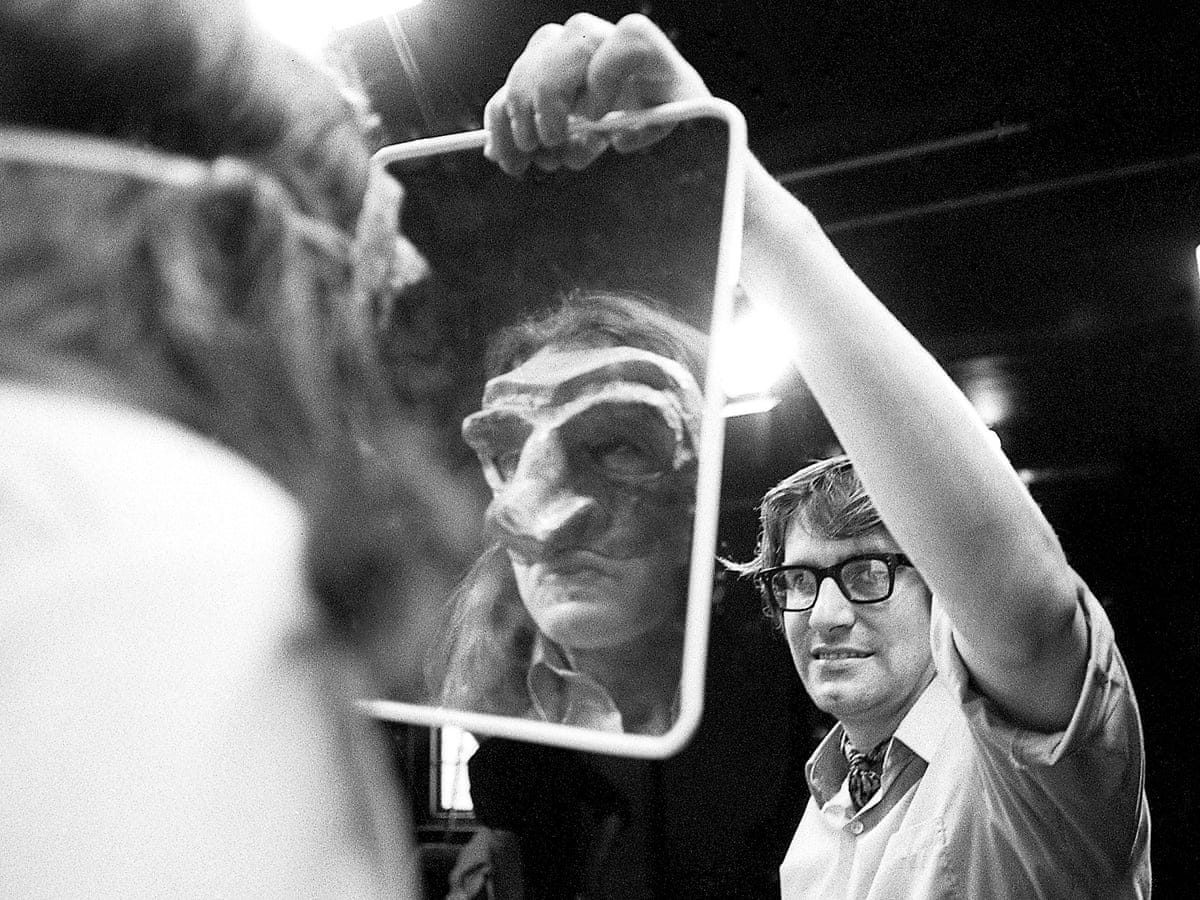
I discovered William Kentridge by erroneous inference and epistemic luck. Memory said: “This name has come up more than once in recent weeks, in venues that review art exhibitions.” Reason listened, argued: “He must have an exhibition, somewhere, now, that is worth seeing.” And so he did, I found, at Hauser & Wirth in New York City, which I was visiting in June—but not an exhibition mentioned in…
How to read as the future falls apart—or is slowly shredded and sold for parts, cruelly, senselessly, not even profitably, in the end? You could turn to someone who faced this dissonance and kept reading, like Virginia Woolf from 1933 to 1941. Or, like me, you could turn to someone reading someone who faced this dissonance and kept reading: Cynthia Zarin on Woolf’s diaries in the LA Review of…
In lieu of a thesis, a question for readers, inspired—appropriately, as you’ll see—by an essay published in the TLS. The literary scholar Daniel Karlin reports on a 12-month experiment, of which he was both amateur scientist and specimen: