
God of War: Laufey got the closing slot. The hype was immediate. Comment sections lit up within the hour. People are excited.
I want to ask one question about that excitement.
If that exact trailer ran under a different title, new IP, no Kratos mythology, no twenty years of franchise history behind it, how many people are talking about it today?
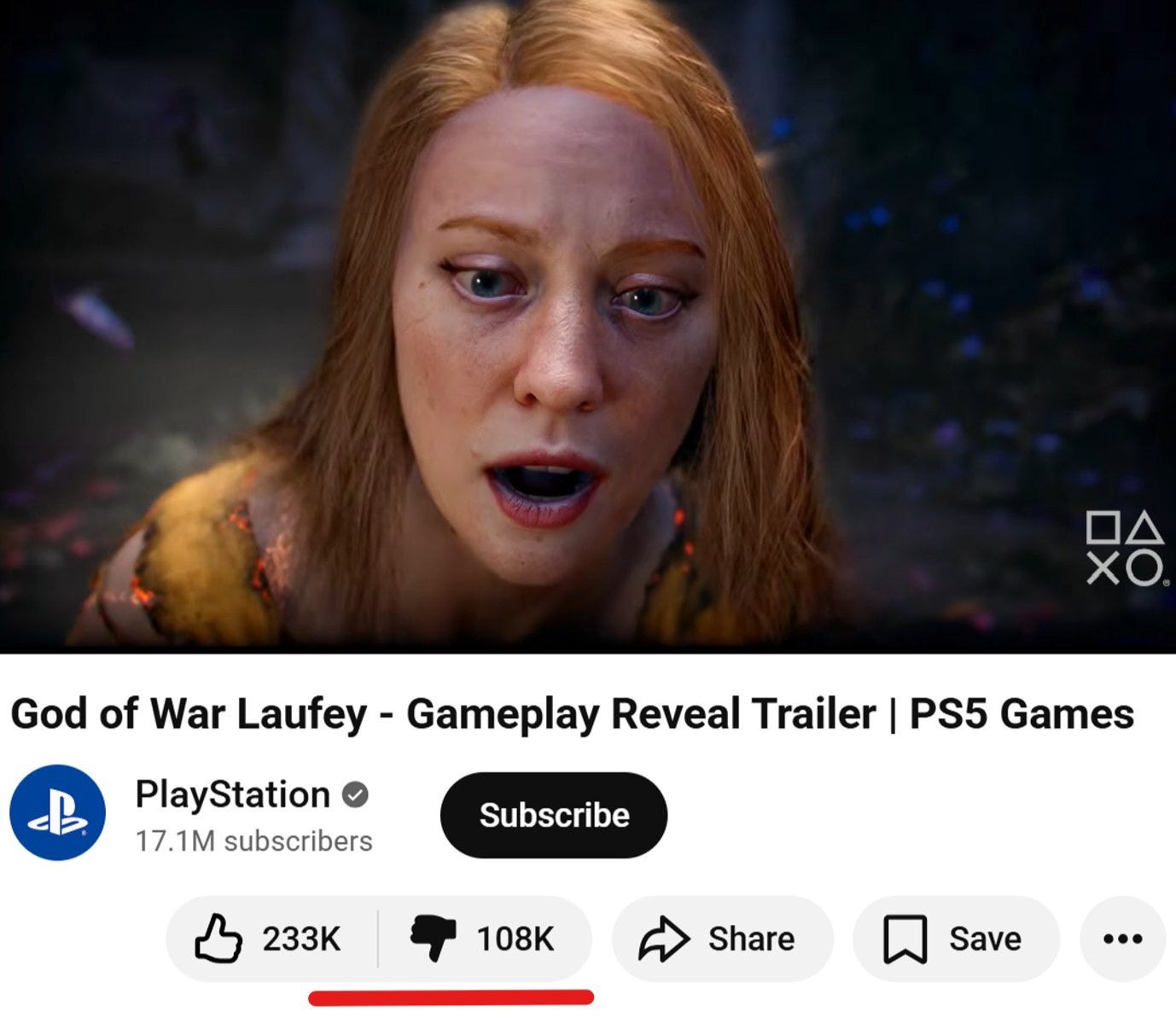
The trailer hit 100,000 dislikes before the discourse had time to calcify.
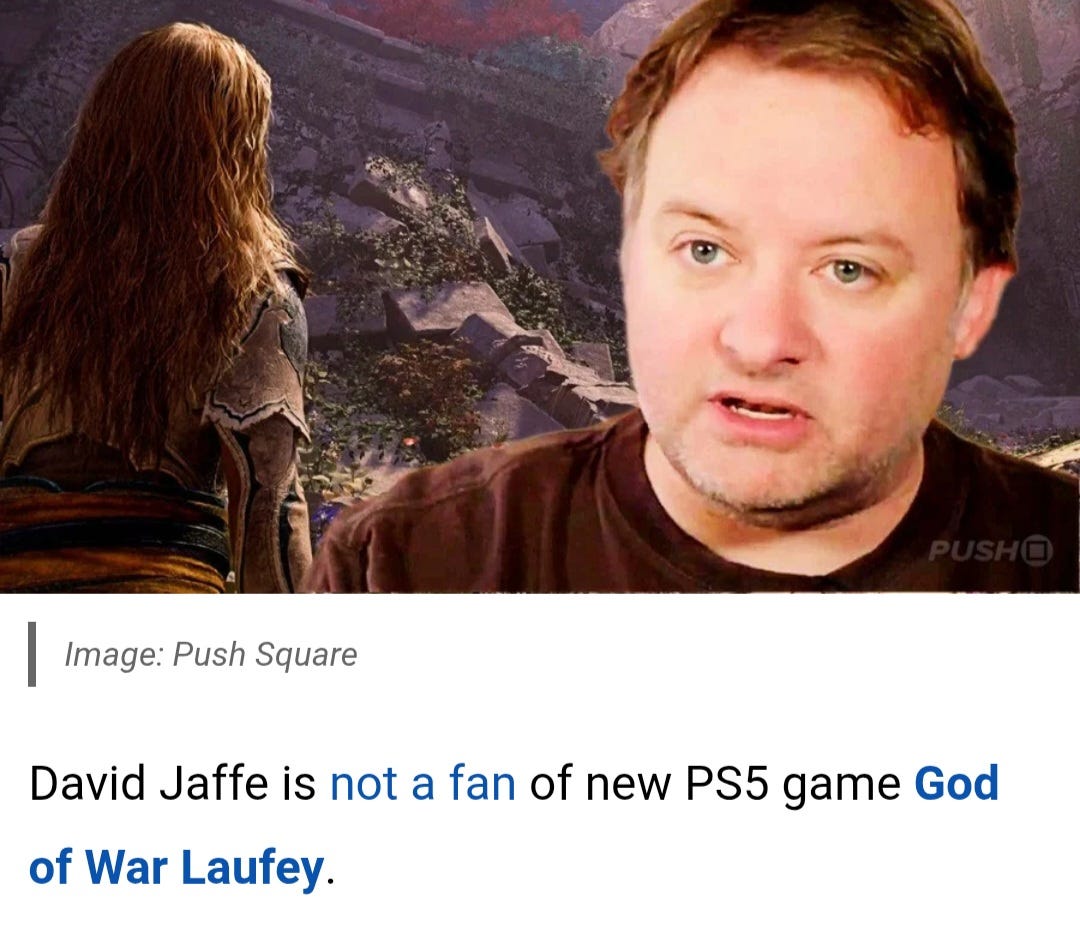
The man who created God of War was watching the reveal live.
“That game is not going to do well,” David Jaffe said. “Without the God of War branding, no one would care about the game.”
You can dismiss Jaffe. People do. But he built the original trust account. He knows exactly what’s in it and what’s being spent.
He also pointed upstream. In his words, “this feels like someone wanted to write a fantasy story, and that someone may not have been on the development floor.”
Santa Monica Studio spent two decades building something real. Greek pantheon. Norse pantheon. Fatherhood. The slow rehabilitation of a character who started as pure destruction and ended as something almost tender.
That arc earned an audience. People who followed Kratos through four console generations.
God of War: Laufey is billing that audience to a different game.
Faye isn’t a stranger to this mythology. She’s the reason the last two games happened. Her death is the inciting wound of the entire Norse arc. Santa Monica didn’t have to manufacture a connection, it was already there, load-bearing and unexplored.
That’s the cleanest possible handoff. The narrative logic is airtight. She’s been a ghost in this franchise for two games. The audience already knows how to feel about her.
When the creative decision and the institutional pressure point in the same direction, the cleaner the justification looks, the harder it becomes to know which one drove the brief.
And this is not a female protagonist argument. Samus didn’t need Snake’s name. Lara didn’t need Mario’s. The Boss didn’t need Solid Snake’s. They built their audiences from scratch because the games were built around who they actually were.
The question is simpler than the discourse makes it. Would this trailer generate the same hype under a different title?
You already know the answer.
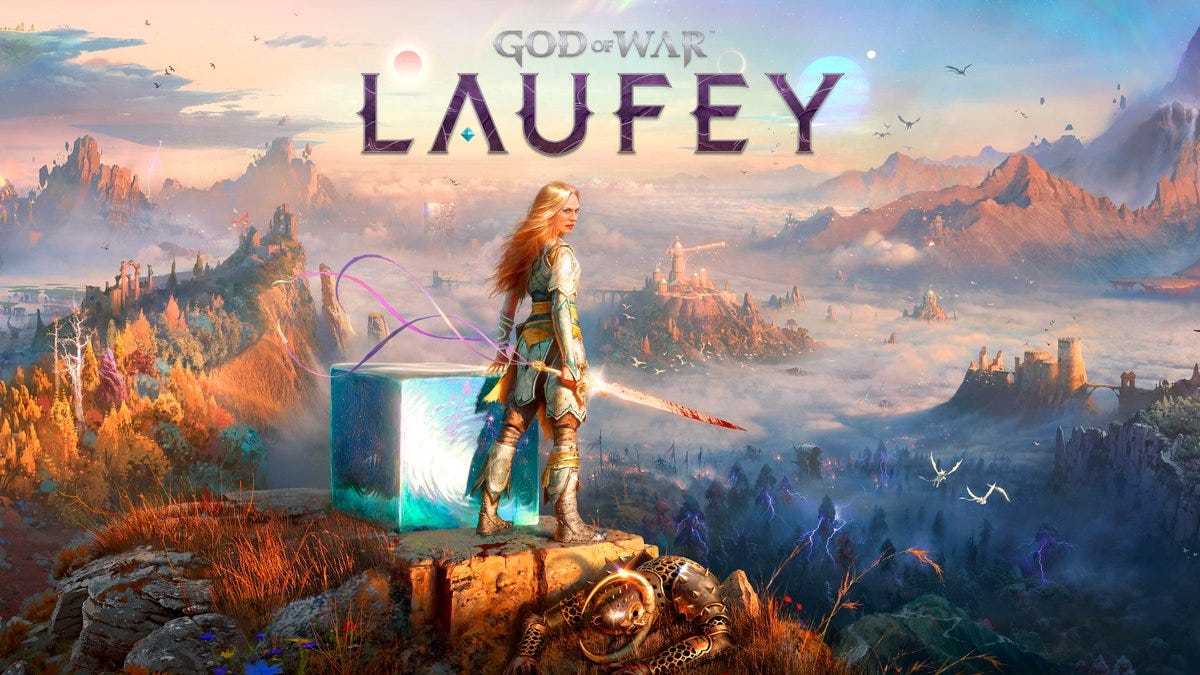
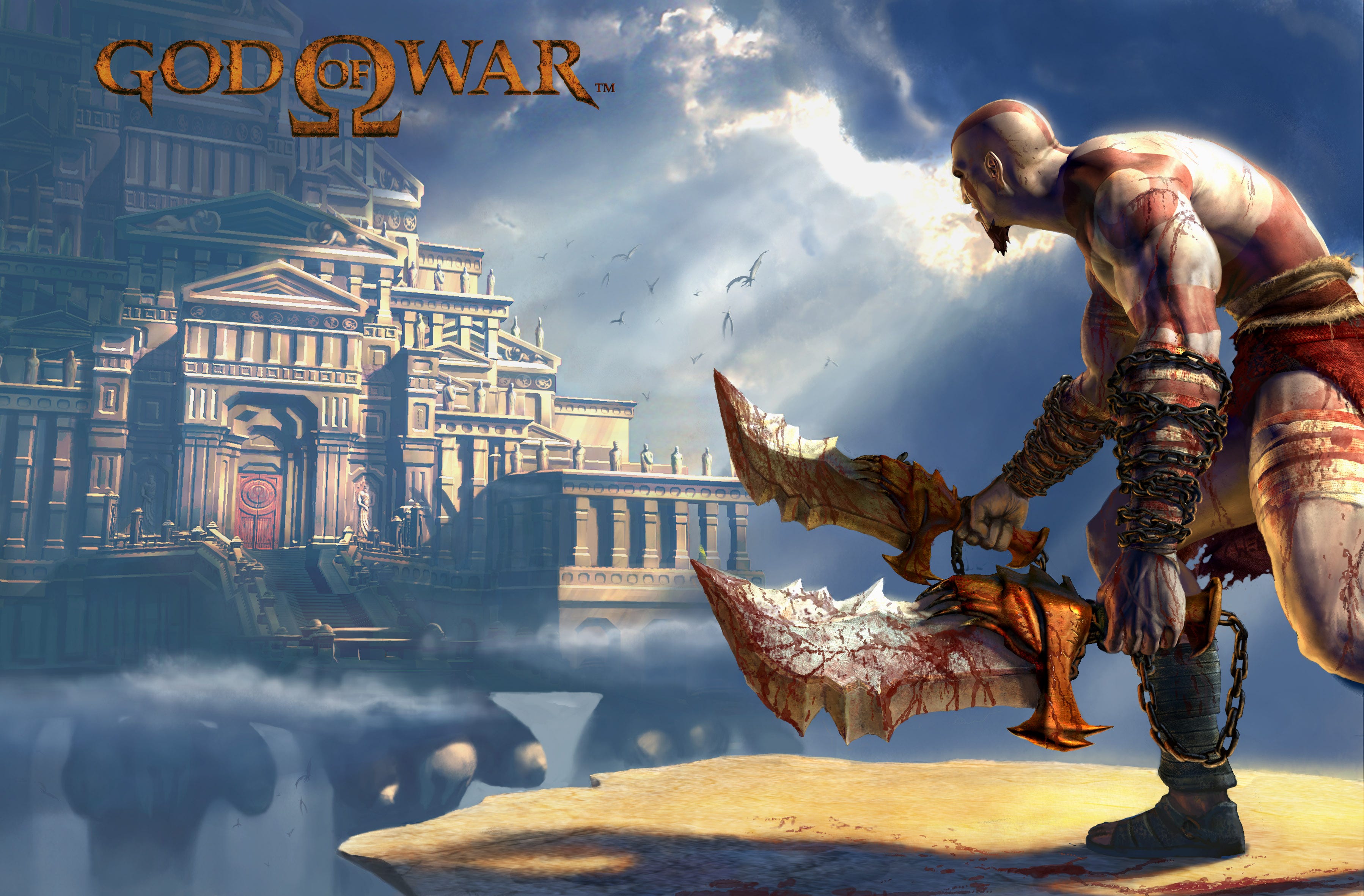
These are different games with the same IP name.
Sony is calling it a new chapter in the God of War universe. New combat. New pantheons. New protagonist.
New chapter is the correct framing. It just doesn’t answer the question the audience is actually asking, whether the book is still the same one they’ve been reading.
This isn’t isolated to Santa Monica.
The Witcher 4 is pivoting from Geralt to Ciri. CD Projekt RED is drawing from thirty years of accumulated audience trust and asking you to transfer it to a new center of gravity.
The Last of Us shifted its entire weight after the relationship that earned your loyalty had already done its job.
Ratchet and Clank introduced Rivet in Rift Apart, a parallel universe counterpart who shared the screen with the protagonist whose name is in the franchise title.
In each case the existing IP carried the new direction into the room. The question nobody in the marketing meeting was asking is whether the new direction could have gotten into the room without it.
And the timing. Every one of these pivots happened inside the same window. The same years when major publishers began formally tracking representation metrics in their ESG disclosures.
When BlackRock, Vanguard, and State Street, the three largest institutional shareholders in most publicly traded publishers, began scoring studios on whether their output demonstrated visible diversity at the flagship level.
When GDC programming shifted from engineering sessions to advocacy tracks. When the conference that credentialed an entire generation of developers started answering to the same asset managers grading the studios on what their games looked like.
Take-Two removed DEI language from their 2025 annual report without a press release. BlackRock’s stewardship reports tied board accountability to diversity metrics at the flagship level. The same asset managers scoring publishers on representation own the conference that trains the developers who make the games.
Sony’s March 2026 filings list State Street at 2.9% of direct shares. Third-party ownership data places BlackRock at 9.16% and Vanguard at 4.09%.
The pipeline doesn’t stop at the publisher. It runs through the owner.
The God of War reveal generated real excitement. That’s worth acknowledging.
But excitement about a reveal is not the same thing as confidence in a creative decision. Some of that excitement is genuine curiosity. A meaningful portion of it is twenty years of Kratos paying forward into a trailer that hasn’t earned it yet.
The franchise is a trust account. Every great God of War game deposited into it. The audience’s goodwill, their instinct to show up, their willingness to be excited when they see that title card, all of it accumulated over two decades of Santa Monica delivering.
God of War: Laufey is a withdrawal.
The question is whether what’s being built justifies the balance being spent. A new IP with the same trailer would answer that honestly. You’d know immediately whether the audience was responding to the game or to the name.
They kept the name. So the answer stays hidden until launch.
The benefit of the doubt is real and Santa Monica has earned it.
But ask the honest question: why does a studio with the resources and pedigree to build new IPs from scratch keep choosing to retrofit existing ones instead?
Capcom built Pragmata cold. New IP, no inherited audience, no franchise name carrying the trailer. The hardest possible commercial bet. They made it because the game required it.
Santa Monica didn’t have to do that. They had the God of War name. They used it.
The characters being centered across Western studios right now share more than gender; they share a timeline. They arrived during the window when diversity metrics became a formal component of corporate risk assessments and capital access scoring.
The name on the box was always going to make it work commercially. You don’t need the audience to be excited about the new direction. You need them to show up for the familiar one.
Two possibilities. Someone upstream had an agenda. Or nobody in that room had the confidence to build something new. I don’t know which one is worse.
Comments
Nothing yet. Say the first thing.
Sign in to join the conversation.