
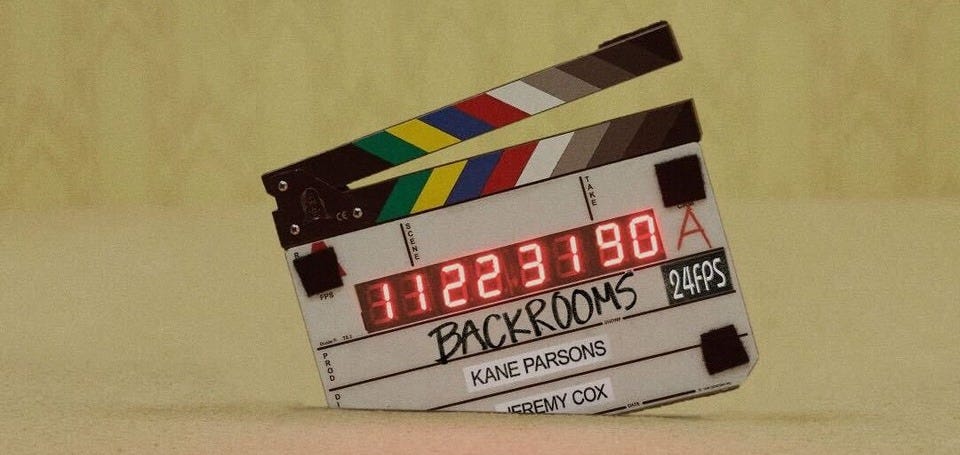
Yes, we’re all still talking about Backrooms and Obsession.
But it’s not just about box office numbers. Their success represents something the film industry desperately wants: Audiences showing up in theaters with genuine excitement around original films.
There are already plenty of think pieces about what these films mean for Hollywood. A recent one comes from Ben Odell on Open Garden, who offers a very practical perspective on what emerging filmmakers can learn from this moment.
I’d like to bring some of his ideas to life.
Because what these films demonstrate is that audiences increasingly show up for creators they feel connected to and communities they feel part of, and many filmmakers are already doing this.
In a moment when trust is down across news outlets and institutions, and trust in platforms and algorithms is shaky at best, people increasingly get their information on everything (e.g., news, society, sports, pop culture) from people. Because people trust people.
And audiences increasingly show up for people they trust.
Filmmakers, who are literally professional storytellers with something real and human to say, are uniquely positioned to build that kind of trust.
This trust won’t be built by imitating creator culture or by becoming an influencer. It’ll come by adopting some of the habits that make creators successful:
Communicating directly with audiences
Building relationships early
Inviting people into the journey long before release day
Being real!
So, what would happen if filmmakers started thinking a little more like creators and wanted to build trust with their audience?
But there are some best practices. The filmmakers who do this best are those who connect early, regularly, and authentically with the people most likely to care about their work. And in ways that fit their style, story, audience, and authentic self.
Below we dive into some examples that I’ve seen (or that I’ve been stalking):
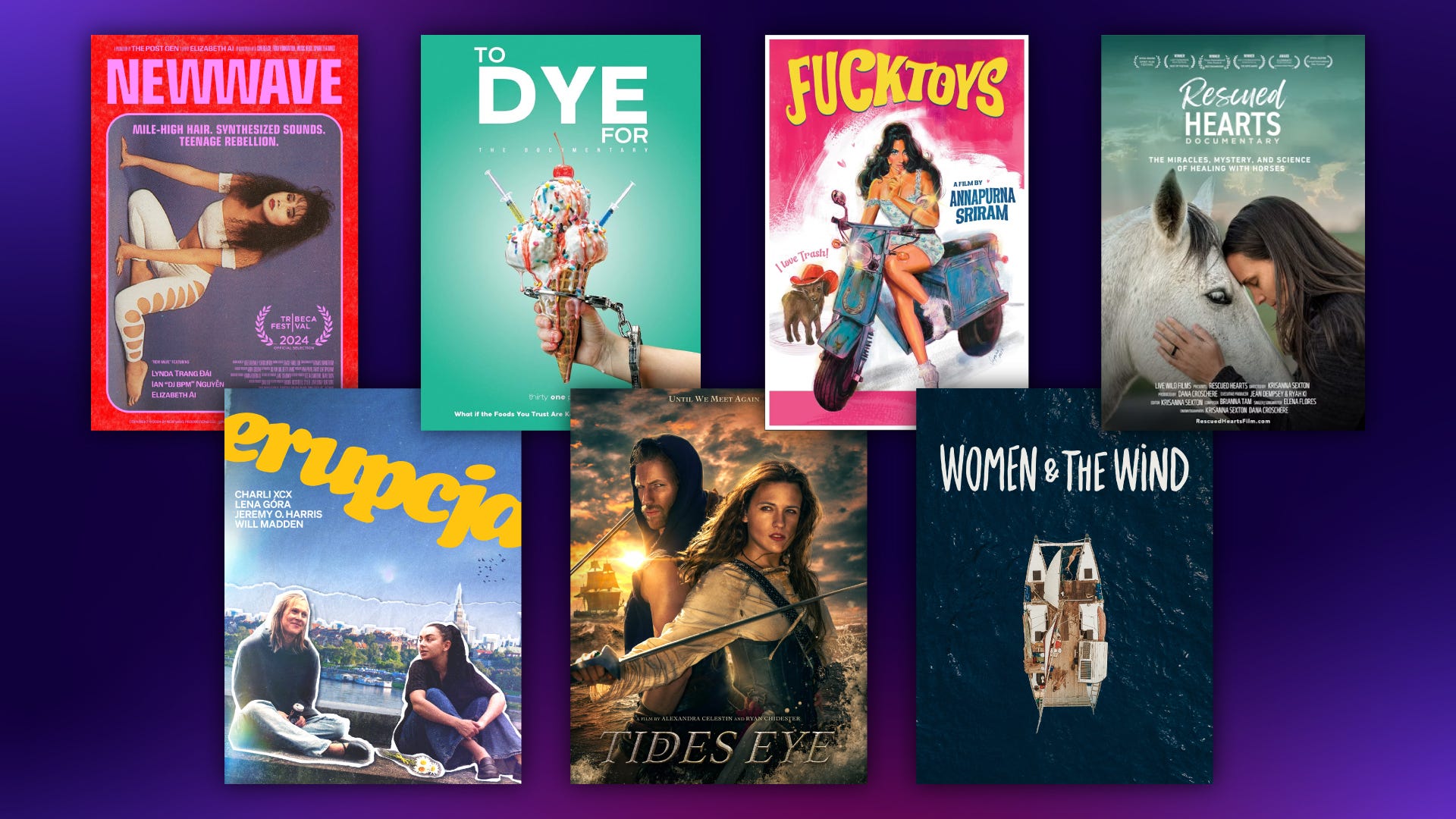
To Dye For: Build Community Before the Film Exists (Documentary)
Women & The Wind: Bring Audiences Into the Journey (Documentary)
New Wave: Turn Distribution Into a Movement (Documentary)
Rescued Hearts: Screen Early, Share Often (Documentary)
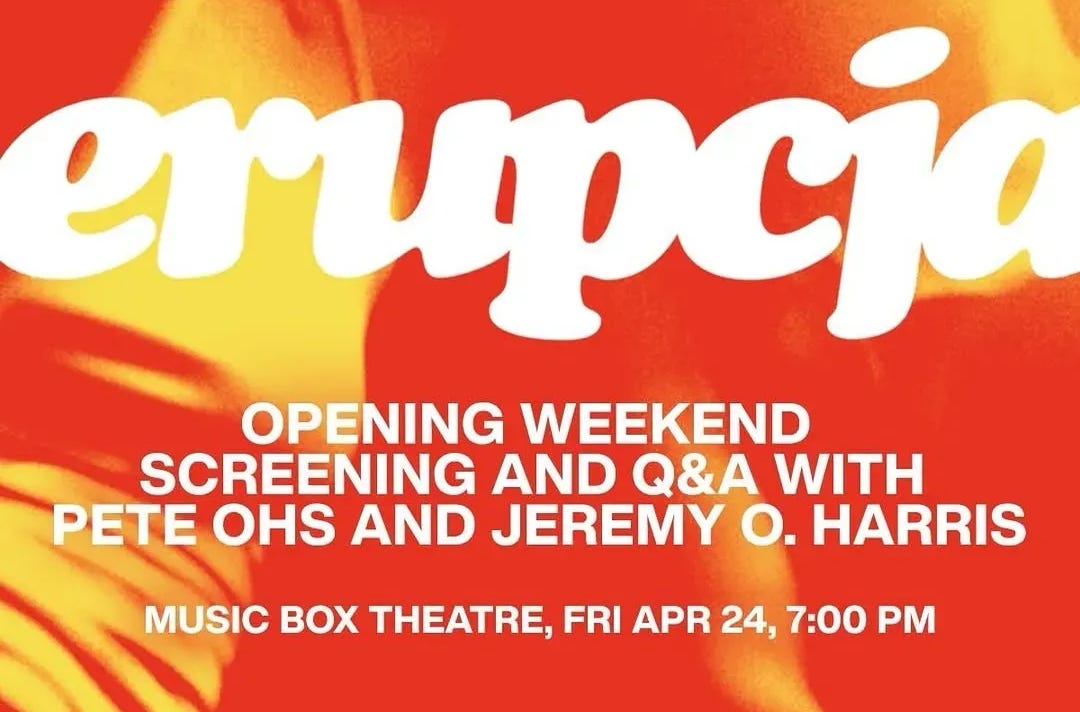
Erupcja: Marketing & Distribution Is Storytelling (Narrative)
Tides Eye: Cracking the Algorithm Through Connection(Narrative)
Fucktoys: Perfecting FOMO (Narrative)
Let’s dig in:
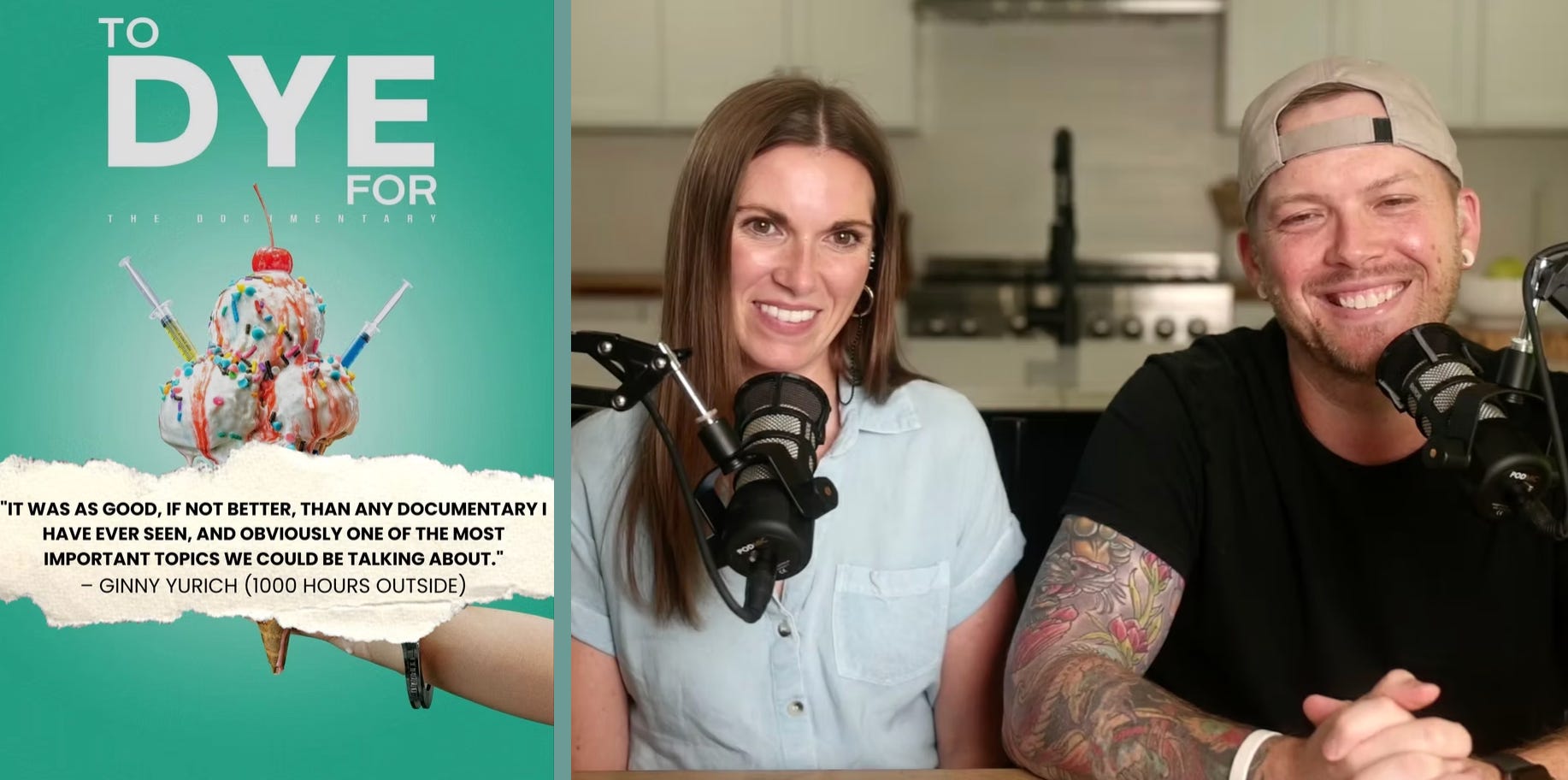
When Brandon and Whitney Cawood started making To Dye For, a documentary about synthetic food dyes and children’s health, they started with education.
Two years before release, they created a Facebook community for families interested in dye-free living. They wanted to understand and provide value to their audience (which they we’re a part of).
They shared resources, checklists, advocacy tools, food guides, and educational content. Before their trailer dropped, they had built a Facebook group approaching 900,000 people and an email list of over 167,000 subscribers.
Most importantly, they built trust. They talked about the film 10% of the time. The other 90% was serving the community.
And because they had spent years educating and building relationships, their audience became their street team—sharing countdowns, spreading awareness, hosting screenings, and helping propel the film into policy conversations.
The result? The filmmakers have already made back multiple times their production budget, and lawmakers in multiple states publicly credited the film for helping influence legislation.
If you missed it, we interviewed Brandon and Whitney on the podcast, and reposted on our Substack:
How Two First-Time Filmmakers Built an 800K-Person Audience and Sparked Policy Change
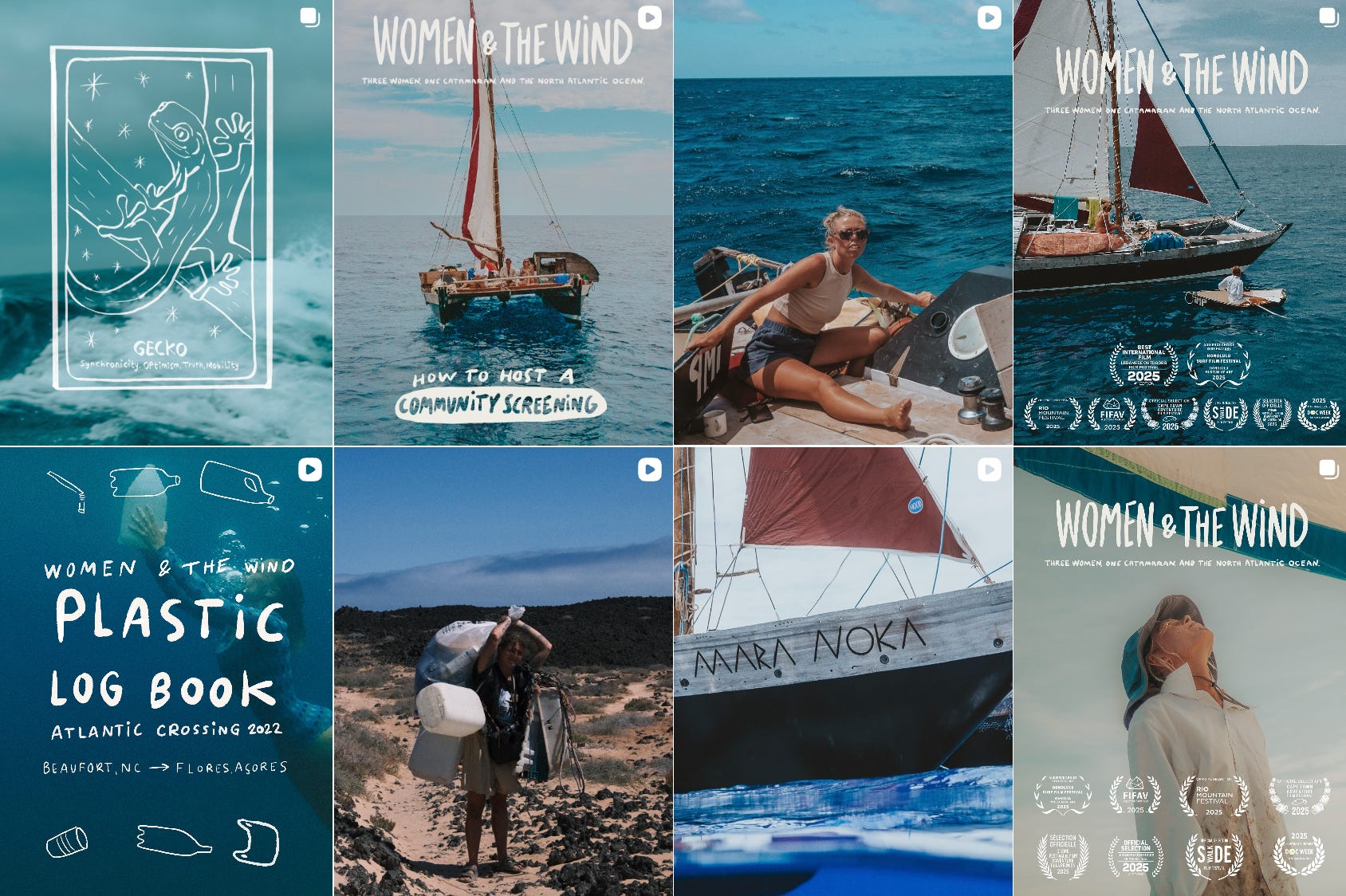
Another approach? Radical transparency. Instead of waiting until release to tell audiences about the film, Women & The Wind, which followed three women on a sailing journey across the Atlantic,invited audiences into the process itself.
The filmmakers documented the journey, shared updates, communicated openly, and built emotional investment before distribution. They did this primarily on instagram because it’s a visual platform and they had many incredible stills from their gorgeous set (read: open waters).
Audiences didn’t just want to watch the film. They felt invested in their 30-day journey. That relationship helped fuel a creative release strategy that bypassed a traditional festival-first model and generated meaningful momentum directly with audiences.
You can read more about how Women & The Wind approached release here:
How Women & The Wind Beat Festival Dependency and Made $60K in 30 Days
After premiering at Tribeca, earning awards, and playing nearly 30 festivals, the traditional distribution deal that director Elizabeth Ai had hoped for New Wave never materialized.
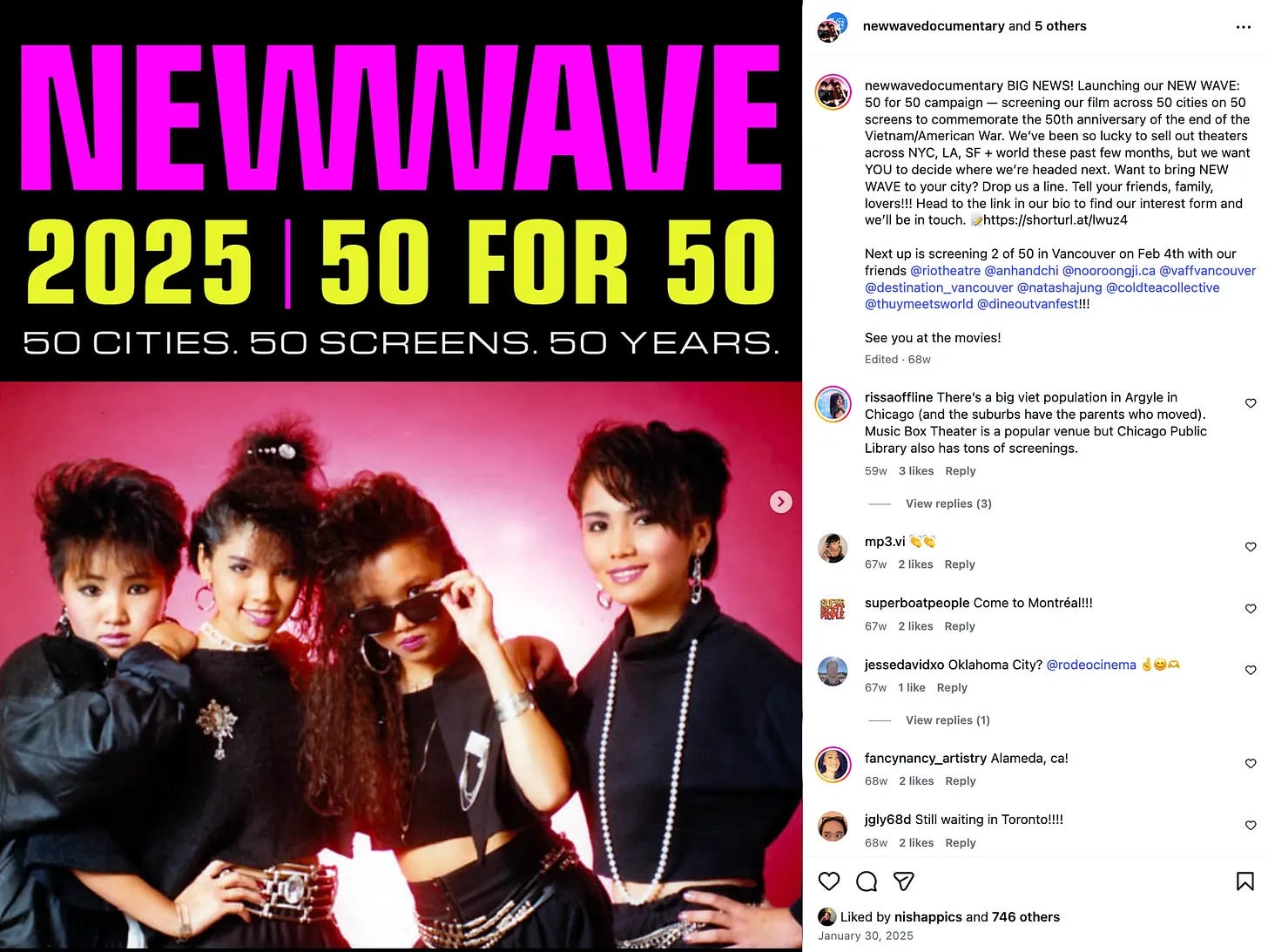
So she created a campaign called “50 for 50” representing the release in 50 cities in 2025 for the 50th anniversary of the end of the Vietnam War.
All campaigns are made up. You can make up anything! Having a title and a mission gives audiences something to join.
And they did. The brilliance of the idea wasn’t just the screenings. It was that audiences could immediately understand it, rally around it, and participate in it. It made people want to be part of something.
The team launched a simple interest form, activated their community, and turned supporters into collaborators. Within months, they hit their goal.
By the end of the year, New Wave screened in 80+ cities.
Not because a distributor created demand, but because a filmmaker invited audiences into a mission.
Elizabeth breaks down the campaign here:
How New Wave Turned 50 Screenings Into 80+ Cities
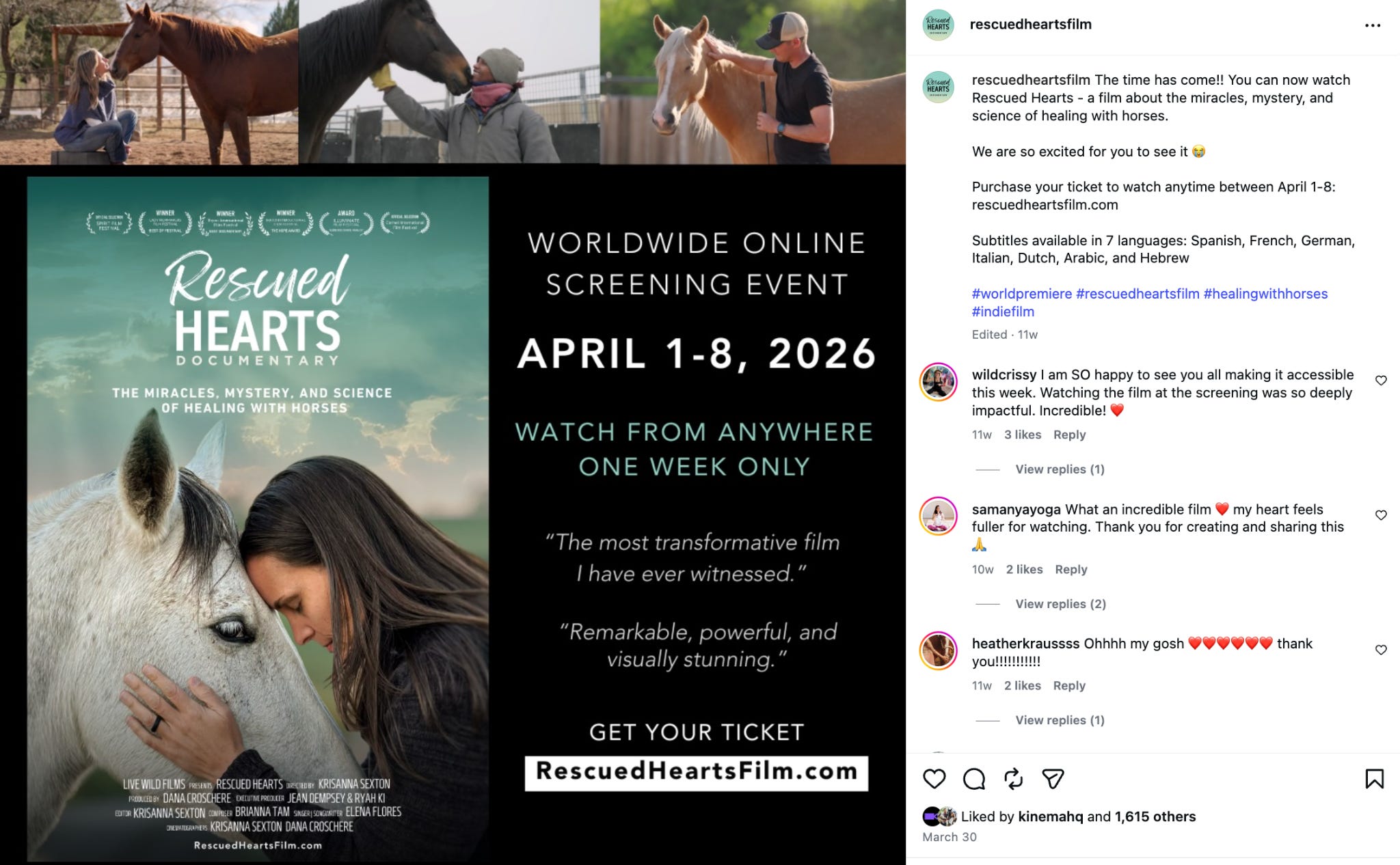
Another example comes from Dana Croschere and Krisanna Sexton, the filmmakers behind the spiritual documentary on equine therapy, Rescued Hearts.
Rather than waiting until the film was complete, they began sharing behind-the-scenes updates, trailer cuts, 20 minute cuts and the first half of the film - all throughout production. To share these cuts with their target audiences, they built relationships with equine therapy communities, wellness audiences, and supporters of actress Amber Marshall, who appears in the film.
Keith Ochwat, founder of Show&Tell coined these “strategy screenings”.
The filmmakers also created toolkits filled with graphics, email copy, stills, and social assets so partners and fans could easily spread the word.
When they hosted a sneak peek fundraising campaign, they combined those community relationships with a live event experience and ultimately raised more than $260,000 toward the film’s production.
Later, when they launched a one-week watch party campaign on Kinema, the film generated approximately $125,000 net revenue.
Their success wasn’t driven by a massive marketing budget; it came from 2 years of relationship-building and making supporters feel like they were part of bringing the film into the world. And they’re just getting started.
Director Pete Ohs was recently on the No Film School podcast, breaking down the release of his latest film Erupcja, featuring Charli XCX.
Listen to the whole episode. But the part I want to pull out here, is about the role of the filmmaker in promoting the film - not just the talent.
“Charli XCX is really busy….So much is reliant on the stars to then promote the movies,,, and many of them have other things going on all the time. And the burden of being asked of things and having to put yourself (as the celeb) out in the world all of the time is not fun.”
Pete sees this as an opportunity for us to stop leaning on celebs to drive the marketing, and instead open up the opportunity for the crew.
“What about everyone else that worked on the movie? Stars of course carry a lot of the success or failures - but maybe we should be talking to the sound design guy more.”
It’s not about trying to make the sound design guy famous or an online influencer, it’s about (as Pete says) being in community with an audience, and giving them a reason to engage not just in your film, but all movies.
“You are becoming a vehicle in which people are interested in.”
“Its not just that your job isn’t done, it’s that you’re still telling the story….Treat it that way. Treat it as practice for storytelling.”
“Put on a show. Keep engaging people. Give them a reason to care. Give them a reason to listen. This is part of the whole experience, to help people understand your movie, and understand why movies should matter. If we don’t justify people coming to the cinemas in the next 5-10 years, cinemas are going to get knocked down, and they’re not going to get rebuilt.”
There’s also a great segment in the episode on why only being able to show 10% of your film before the release is a bad industry standard.
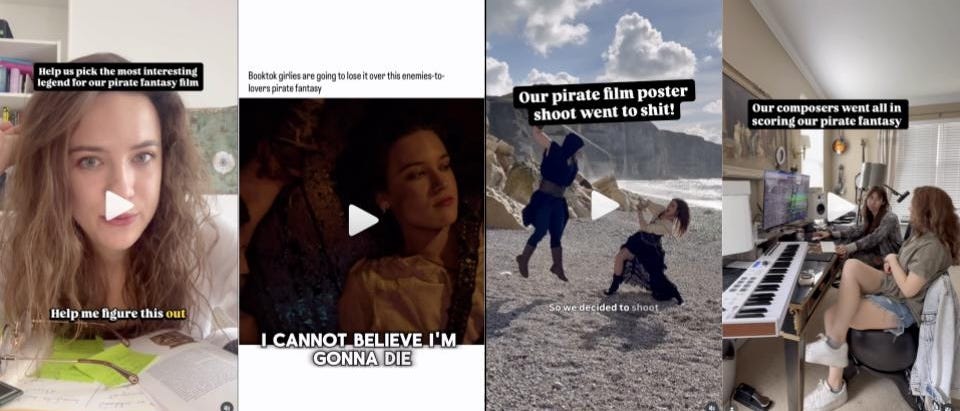
This indie pirate fantasy film Tides Eye found me. Well, the Instagram algorithm helped it find me. And I’ve genuinely enjoyed their BTS content. Others clearly do too, as I’ve watched their follower count go from 1k to almost 100k in a few months.
They’re doing four specific things well:
Audience Targeting: Content is specifically seeking out BookTokers, romantacy readers (🙋🏼♀️), pirate lovers, and indie filmmakers.
Audience Engagement: They’re asking their audience to give feedback along the way.
Creator Vulnerability: It may be contrived, but it’s working. When things go wrong, they share.
Multiple Edits. Scroll through the grid and you’ll find some videos are quite similar, but they are slightly different, as they attempt to hack the algorithm to break into our feeds.
I have no idea if they’re also paying to boost their content. If you know the creators and stars Alexandra Celestin and Ryan Chidester, please encourage them to respond to my DM!
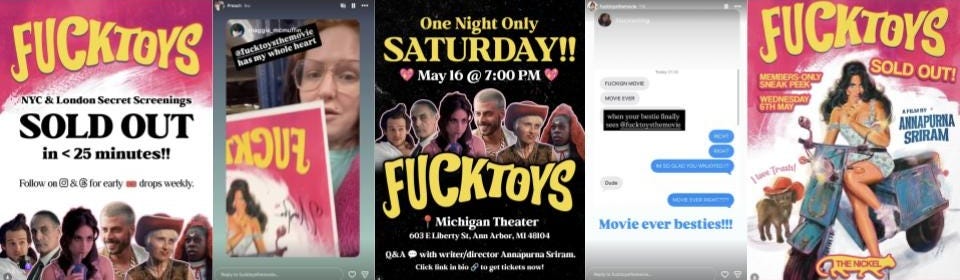
I don’t remember the last time I was this obsessed with a movie - especially one I haven’t seen.
Written and directed by Annapurna Sriram and produced by Timothy Petryni, Fucktoys is “a campy, irreverent, and sexy dark comedy that explores the intersection of intimacy, exploitation, and class in a pre-millenium alternate universe.”
Fucktoys premiered at SXSW in 2025 - and for the past 15 months has only been available at festivals, pop-up screenings, and one-time showings.
Tickets to many of their screenings sell out almost instantly - as soon as they’re announced on Instagram.
Fans love the film, and the film team generously shares fan content. They even started a secondary instagram handle called Trashtown Sightings for fans to post photos of “trash towns.”
What is Trash Town? I HAVE NO IDEA BECAUSE I CAN’T SEE THIS FILM.
By creating scarcity (limited seats) and friction (must attend in person), engaging with their fans directly (in peron and online) AND because the film has excellent reviews and word of mouth, the film team is superbly enabling audience demand and FOMO.
And look at their socials. They’re not mimicking creator content.
They are now doing their own limited theatrical run in July. So let’s pray to Big Freedia that it comes to NYC and I’m in town.
Given these examples, you do not need millions of followers, or to post every day, or to become someone you’re not.
But you also can’t just straight up copy these films. Every release, film, and filmmaker is unique.
However, we do have some recommended practical steps to get started:
Don’t start five channels. Choose one.
Love writing? Start a Substack.
Prefer speaking? Try podcasts or short videos.
Love visuals? Instagram.
Love community conversation? Discord, Facebook Groups, or newsletters.
Filmmaker Stephen Meier chose LinkedIn. Listen to his episode of our podcast as he generously shares why and how he uses LinkedIn before, during and after production.
The best thing you can do is to use the best platform that you’ll actually use consistently.
This applies to everyone btw. At Kinema, I’m more comfortable asking people questions than being live on stage or talking directly to the camera alone. That’s why we started the Kinema podcast. Ami Vora is an amazing writer (and editor of this piece!) and a brilliant community builder; that’s why she launched and leads the Kinema Substack and is an active part of the FilmStack community.
Most filmmakers only show up online or in the press when they have something to sell. Creators understand that audiences enjoy the journey.
Talk about:
Research rabbit holes
Story dilemmas
Deleted scenes
Creative decisions
Collaborators (and why they’re fantastic)
Emotional highs and lows
Surprising discoveries
Industry challenges & wins
Don’t think of this as marketing. Think of it as inviting people into your world and your film. Because that’s what it is!
One of the biggest lessons from To Dye For? Provide value before promotion. Ask yourself:
What can I give my audience that’s useful, meaningful, or interesting, even if they never watch my film?
Resources. Playlists. Essays. Behind-the-scenes insights. Educational materials. Community spaces. Entertainment. Comedy. Emotion.
If you are on a platform, you’re at the whim of their rules and algorithms. Email addresses are the strongest tether to your audience. Start building your email list early, and give them something engaging.
Like day 1 of fundraising for your production, set up a MailChimp or Substack (or a Google Form). Add your friends and family first. Add everyone you meet (of course, also make it easy to opt out).
Even a few hundred highly engaged supporters can meaningfully impact screenings, crowdfunding, press, and release momentum.
The strongest creator communities don’t just consume, they contribute. People support what they help build.
Emily Best (CEO of Seed&Spark) often speaks about the power of crowdfunding to generate literal buy-in. (more on her Substack).
Keith Ochwat (Show&Tell) and Peter Broderick (Paradigm Consulting) taught me all about “strategy screenings,” which are ways to show “early” versions of your film to your ideal audience to get buy-in and engagement.
Note: These are not typical industry feedback screenings, as they are for non-industry audiences. You will need more polished clips or a majority of the film done, while still leaving room for changes (if you want), based on community discussion.
Dana and Krisanna from Rescued Hearts CRUSHED strategy screenings. More on that here.
You can ask for opinions on posters and merch. Or better yet, invite your audience to make posters and merch!
There is no universal blueprint. The best thing you can do is be yourself. Or if it’s your film brand or production company handle that is front and center, give that a face and a personality.
If you’re funny, lean into humor. If you’re thoughtful, write essays. If you’re mission-driven, build educational resources. If you’re community-oriented, create gathering spaces.
You just need to find a way for audiences to connect with you and the work before release.
We’re entering a moment where human connection may become one of a filmmaker’s greatest competitive advantages.
AI can generate content, and algorithms can surface recommendations. But trust is still deeply human. And there is nothing more human than storytelling.
Trust builds slowly, through consistent actions that show care and honesty. But when it’s there, it creates action: tickets, streams, crowdfunding, screenings, momentum — and even theatrical outcomes.
In a fragmented media landscape, filmmakers who trust their audiences with a real connection will find something incredibly valuable: Not just viewers, but believers.
For audiences to give to you, you need to give to them.
Want to go deeper? Check out Jeanie Finlay's upcoming workshop, scheduled for July 1. Use code KINEMA5 for a discount, and listen to our conversation with Jeanie here.
Comments
Nothing yet. Say the first thing.
Sign in to join the conversation.