
To celebrate the upcoming publication of my fifteenth book, The Secret Society of Librarians, I’m sharing some of the remarkable stories I uncovered in my research.
When you delve into the past, you never know what treasures you will unearth, what surprising initiatives, pioneers and trailblazers are waiting for you in dusty folders or sitting rooms. All the stories I share in the novel are inspired by real people and places. From a magical library in the heart of London, founded after the Great Fire of London (which you can visit) to an underground dating club formed in the middle of the Blitz and even a fearless group of librarians fighting back against censorship. I’ll be sharing these stories and more over the coming weeks. This book is for anyone who believes that reading is resistance. This week…
London’s First Travelling Library
When I discovered the story of a little underground library built over the tracks of Bethnal Green Tube in 2015, (inspiration for The Little Wartime Library) I also found out about London’s first mobile library. I was so taken with this, I knew I would devote a separate book to it.
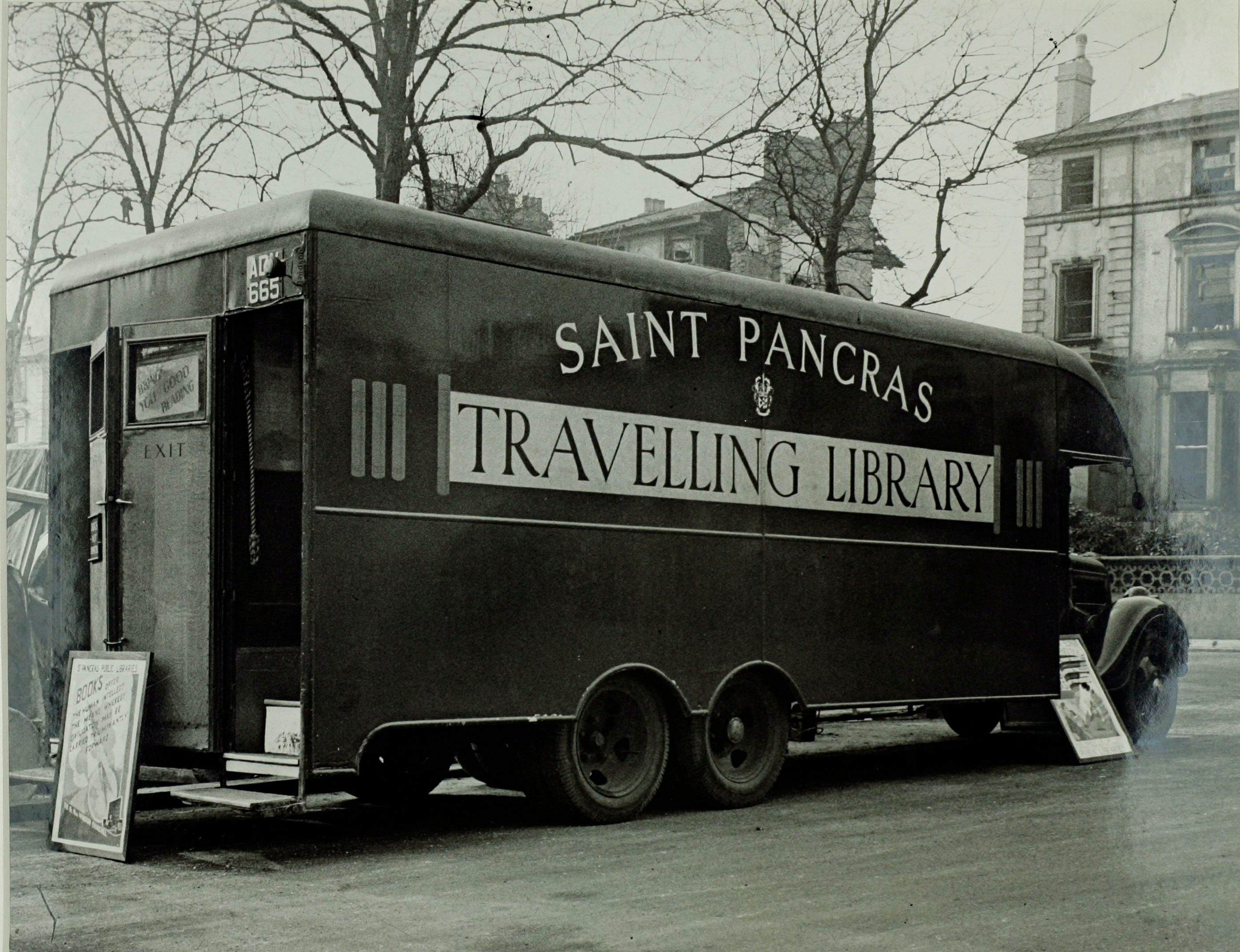
The photo of this colossal van worked its way into my heart and I was captivated by the idea of plucky librarians bumping through London’s cratered streets to deliver books during the Blitz.
The Blitz was a time of extremes, of danger, exhaustion and death. 43,000 people were killed over eight-and-a-half months of brutal enemy action and over a million houses in London destroyed or damaged. But it was also a time of possibility and a catalyst for lasting change. The fight against Nazism became intertwined with the fight for a better future.
The bombings exposed a social care system in crisis and an urgent need for reform. The seeds of the Welfare State in Britain, which tackled the five ‘giant evils’ in society, ‘want, disease, ignorance, squalor and idleness’ were sown in the Blitz. A War Aims Cabinet Committee, delivered a paper declaring that economic, social and educational practices would have to be overhauled. Plans for a National Health Service and an Education Act offering free secondary education were set in motion.
Women’s lives were radically changing too. They were encouraged to step outside the home and take on male roles. No matter that they also had to run the home, accept less pay and then, when the war was over, step aside. For the duration of the war, their horizons widened.
Librarians experienced a similar transformation. Libraries boomed in wartime as book sales dipped. Four out of ten people borrowed books from a library in wartime and it transformed lives. And best of all, unlike a Boots subscription library or a tuppeny library, it was free.
A Mass Observation Survey found that many people, especially young working-class women, developed a passion for reading that their parents never had the time for and joined the library for the first time. Some began reading during the Blitz to keep their minds off the bombs and kept it up. Twice as many women as men used the library and they preferred fiction.
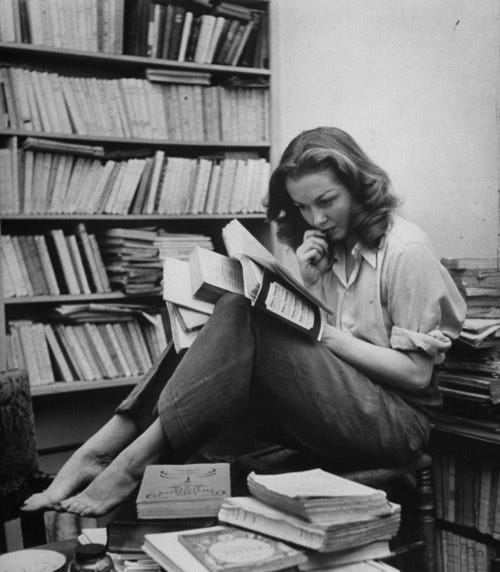
Fiction readers typically devoured their books in just four days, while non-fiction readers took three times as long. In moments of severe conflict like the evacuation of Dunkirk, the Battle of Britain, the Blitz and then the V1 and V2 rocket attacks, women gravitated to romance, historical fiction and thrillers for escape.
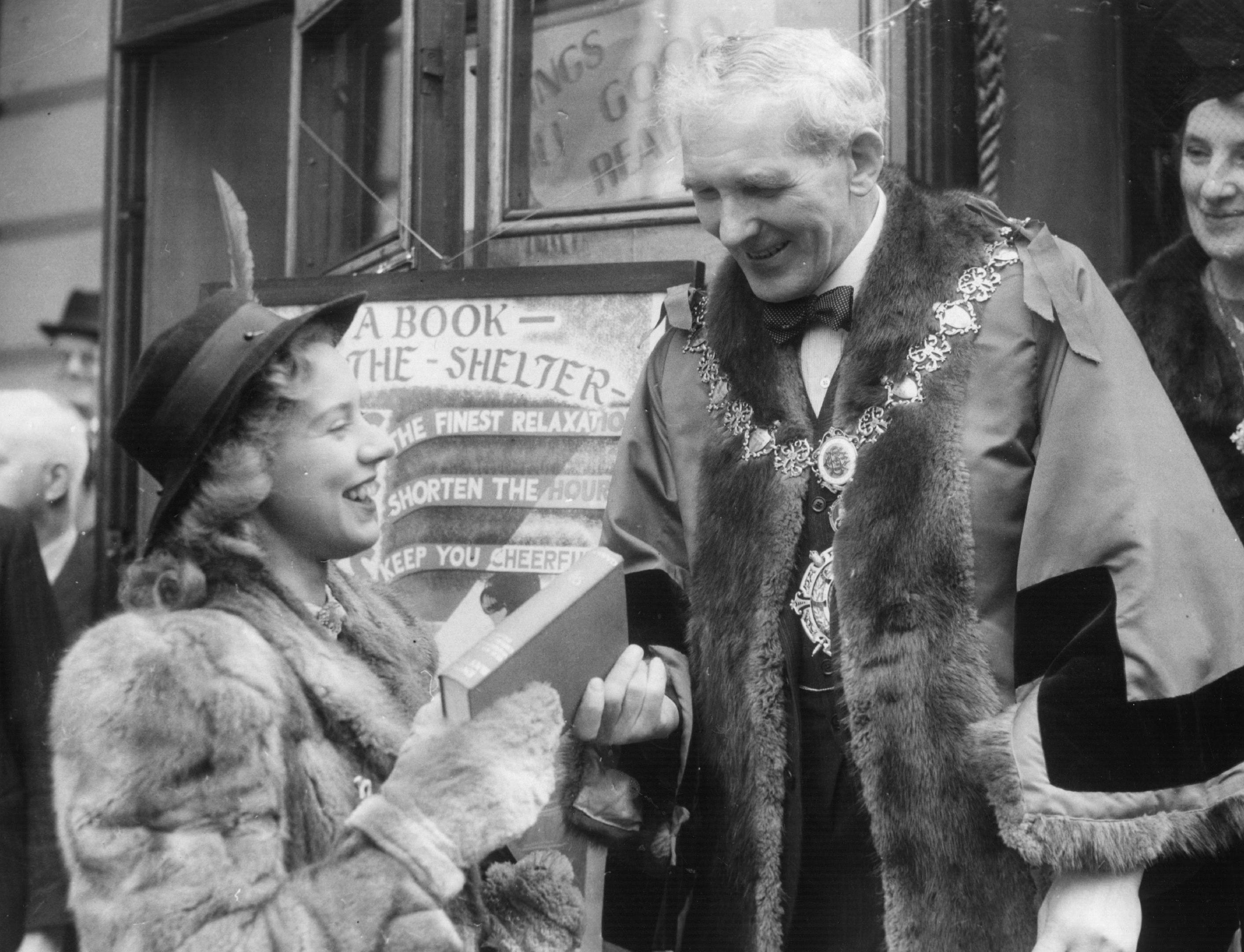
CAPTION. The Mayor of St Pancras officially opens London’s first mobile library and makes history. The book in his hand is a volume of Winston Churchill’s speeches. Over forty newspapers attended the launch, as well as the BBC and Movietone News, who syndicated a film about the mobile library around the world. Copyright Getty
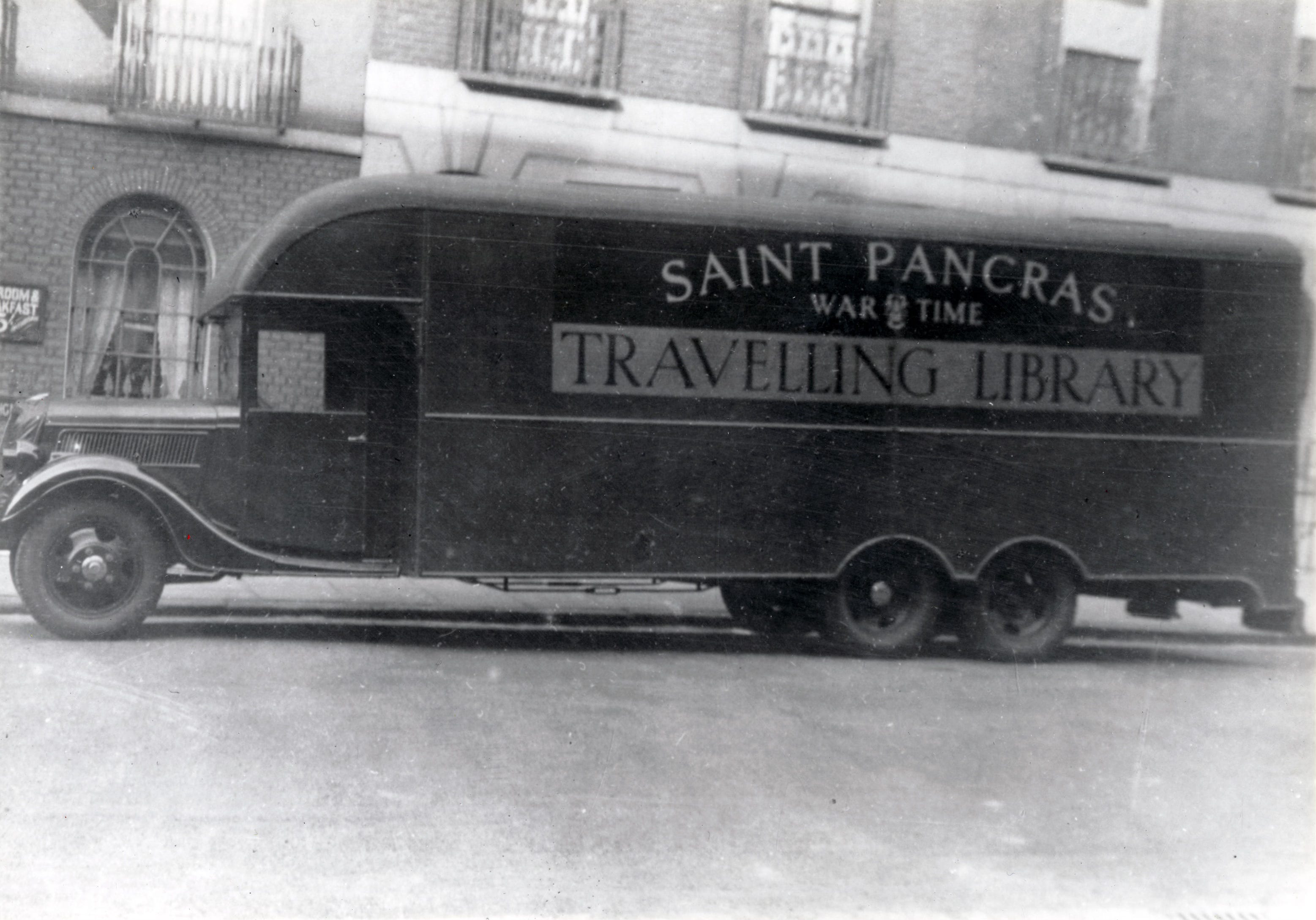
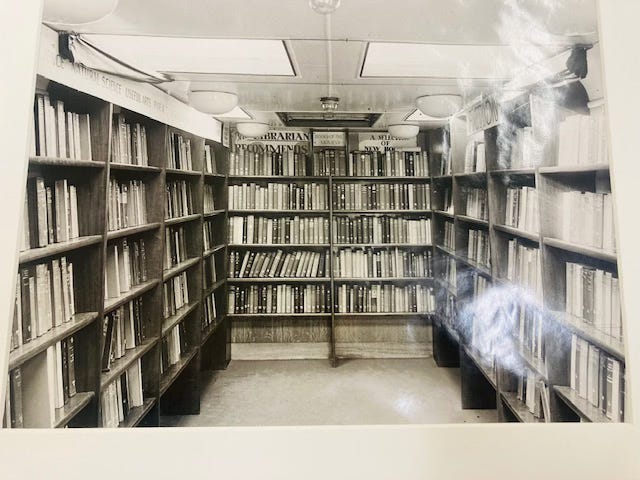
The interior of the travelling library.
In its own way, St Pancras’s wartime travelling library contributed towards the democratisation of libraries and was a symbol of a fairer, more civilised society. Taking books to the vulnerable, housebound and to those who could no longer get to the library feels to me like a society embracing a collective responsibility.
If you are wondering where I got the idea for a secret group of librarians from then allow me to introduce you to the real, and intriguingly named, Society of Secret Library Friends.
This is a contemporary and small grassroots group, formed in Idaho in the United States to offer solidarity and support between librarians. I interviewed two of their members, who preferred to remain anonymous, and was shocked by what they told me.
They talked of armed protestors wielding guns outside libraries during Covid, simply for being asked to wear facemasks. They described in detail a growing climate of fear, censorship and power in the United States that has led to books like Anne Frank’s Diary and Maus by Art Spiegelman being removed from their shelves. Some library workers have even been dubbed as “evil and predatory” simply for stocking sex education books in their libraries.
They talked too of the new wave of censorship on the rise in the United States and how librarians have become scape goats for political agendas. In such a febrile and incendiary atmosphere, it’s little wonder they prefer to remain anonymous. Their name incidentally was inspired by the three secret cities in the United States, in Washington, New Mexico and Tennessee, formed in the 1940s, where work was done to create the atomic bomb. A secret group gives them a protective barrier, which allows them to speak back collectively.
‘Libraries are places of comfort, offering you a book to curl up with, but they also challenge us to expand our understanding of the world around us through access to free technology and increased digital literacy,’ one of the Society members told me.
My conversation with The Society of Secret Library Friends left me feeling inspired and energised. It struck me how very much we all need allies in life. It also got me thinking about the power of a unified voice and how much female librarians would have needed it in a patriarchal 20th century society, where they fought so hard for opportunities. I don’t know of any Secret Societies of Librarians in wartime, but given the imaginative, creative and agile ways female librarians stepped up and proved themselves, I bet there were unofficial groups.
This novel is my way of honouring their achievements.
No posts
Comments
Nothing yet. Say the first thing.
Sign in to join the conversation.