
Back in 2024, the average American household spent a little more than 3% of its pre-tax income on gasoline, depending on the denominator and household definition used. This equated to an average annual expenditure of roughly $2,400, or about $200 a month. This was when gas prices averaged slightly less than $3 a gallon.
I appreciate that for those based outside the U.S., $3 a gallon might seem preposterously cheap compared to prices across the Atlantic. The EU average equates to roughly $7.45/gallon (€1.81/liter), with some Scandinavian countries pushing above $10. Despite these much higher prices, fuel spending as a percentage of aggregate income accounts for roughly the same, if not a slightly smaller, share than what we see in the U.S. This is a direct consequence of Americans’ preference for less fuel-efficient vehicles and the necessity, in many parts of the country, of commuting much farther on a day-to-day basis.
Since the war with Iran began, the average price of gas has increased by roughly 50%, reaching a national average of about $4.50. There are significant regional disparities, with California exceeding $6 while Texas hovers around, or even below, $4. Regardless, this nationwide spike has a profound effect on the disposable income and spending power of the American consumer, with those at the lower end of the income spectrum hit particularly hard. Again, using 2024 as a reference point (the benchmark identified by my research assistant) those in the lowest income quintile with access to a car spent over 10% of their pre-tax income on gas. A 50% increase in prices is devastating when one considers that roughly one in four Americans has no savings, and slightly less than half the population could not cover a surprise $1,000 emergency. The increased expenditure on gas is that surprise.
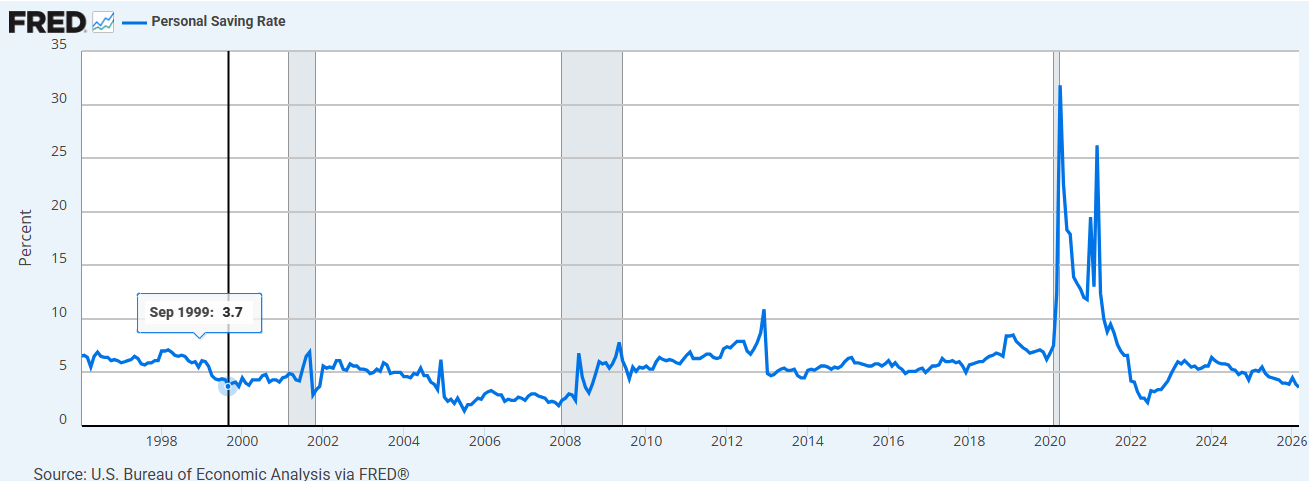
The aggregate U.S. personal saving rate fell to 3.6% in March 2026, down from 3.9% in February and 4.5% in January and well below the long-run average of nearly 8% maintained since 1959. In other words, households are saving less than $4 out of every $100 of disposable income. In dollar terms, personal saving fell to approximately $857 billion annualized in March, down from $1.06 trillion in January. While disposable personal income rose 0.6% in March, personal consumption expenditures rose 0.9%. This means households are spending more aggressively than income growth alone would justify, which mechanically pushes the saving rate lower. The saving rate dipped below 3% in 2022 when a similar gas-price spike coincided with a weakening economy, and it hovered below 3% in the years preceding the Global Financial Crisis (GFC). The bearish view now is that we are approaching a historical floor; at the same time however, the rate could also move significantly higher from here, which would require a dramatic cut in consumption (or a surge in incomes) and would most likely imply a major drag on the economy.
In March, low-income households increased nominal gas spending by only 12%, but only because they cut real gasoline consumption by 7%. Quite simply, they cannot afford the higher prices and are forced to reduce consumption. High-income households, by contrast, cut real consumption by only 1% and increased nominal spending by 19%. As has become clearer this week following key corporate earnings reports, this consumption decline is more widespread than the surging stock market and AI bubble talk would suggest. Companies with the most tangible feel for the American consumer have been ringing the warning bells.
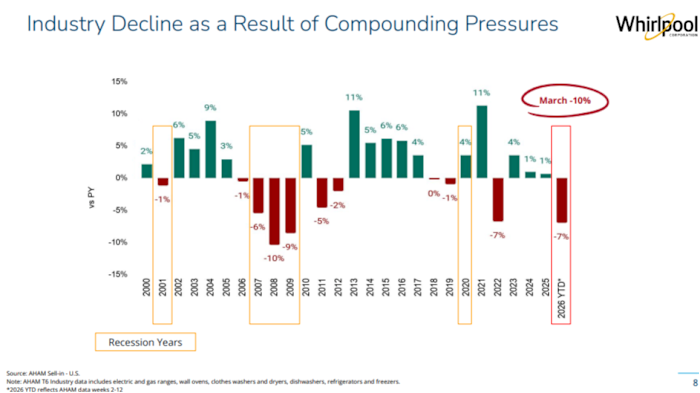
Whirlpool’s Marc Bitzer noted that the first-quarter decline in appliance demand was “similar to what we observed during the global financial crisis,” adding that weakness was concentrated in discretionary demand rather than emergency replacements. Put differently, consumers are refusing to upgrade or renovate when they can avoid it. Kraft Heinz, which populates everything from fridge doors to the back of dusty pantry shelves (think Ketchup, Mayo, Soup), echoed this. CEO Steve Cahillane told Bloomberg that lower-income consumers are “literally running out of money” by month-end, with the company observing negative cash flow as these households dip into savings. McDonald’s CEO Chris Kempczinski similarly warned that elevated gasoline prices disproportionately hit lower-income consumers and that sentiment is now marked by “heightened anxiety.”
The macro risk is a classic late-cycle squeeze. Here is the bearish trajectory of how this could play out:
Real disposable income is hit because gasoline and energy are non-discretionary; many households have no alternative to commuting by car.
The saving rate falls further as households attempt to maintain consumption, but at 3.6%, this buffer is nearly exhausted.
Credit usage rises as households lack the savings to absorb the shock.
Discretionary spending weakens as consumers cut back on restaurants, appliances, apparel, and travel.
Corporate margins come under pressure as companies face weaker volume growth alongside rising energy and input costs.
The Fed has less room to cut because the same oil shock that hurts growth also fuels inflation.
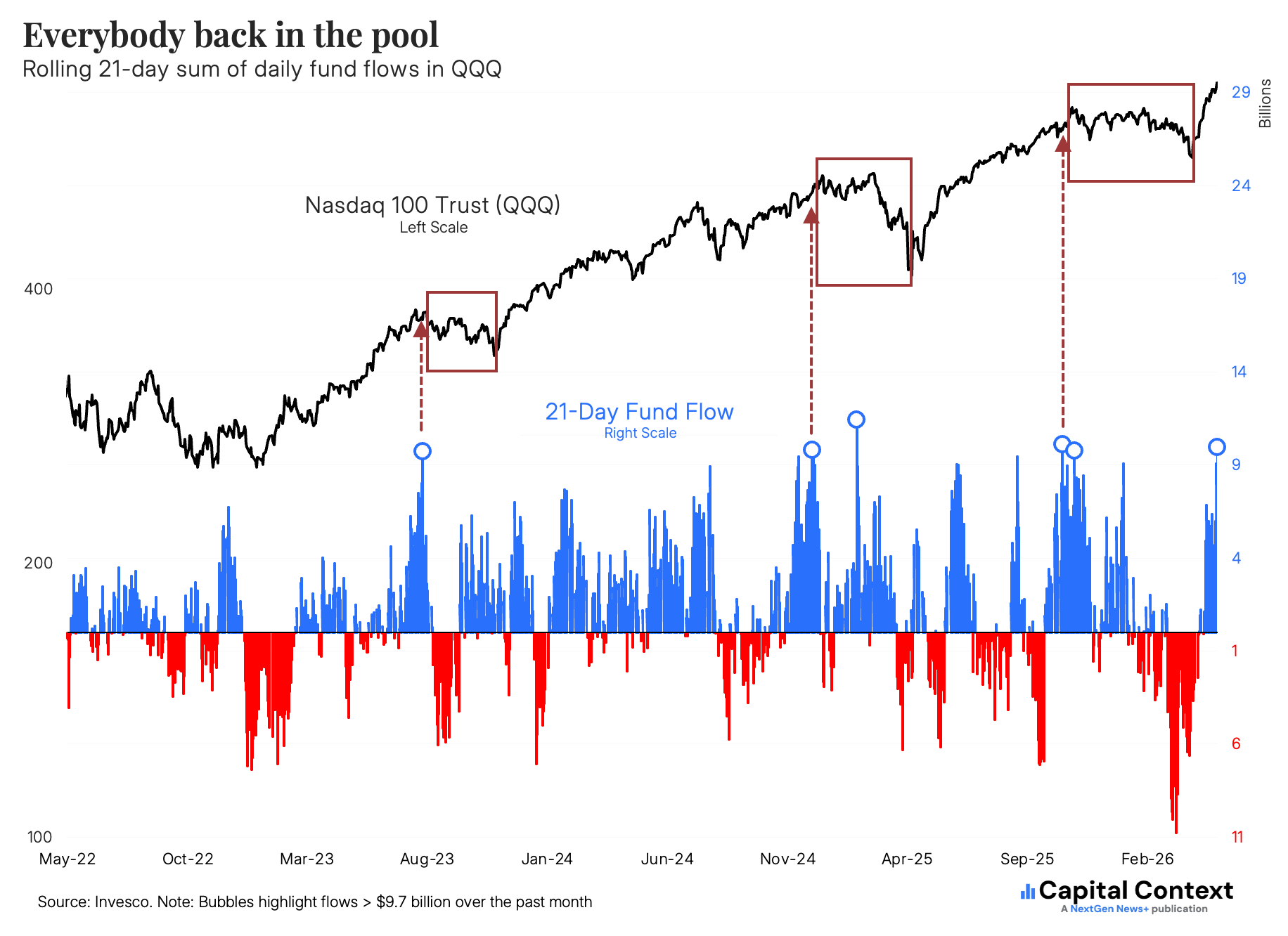
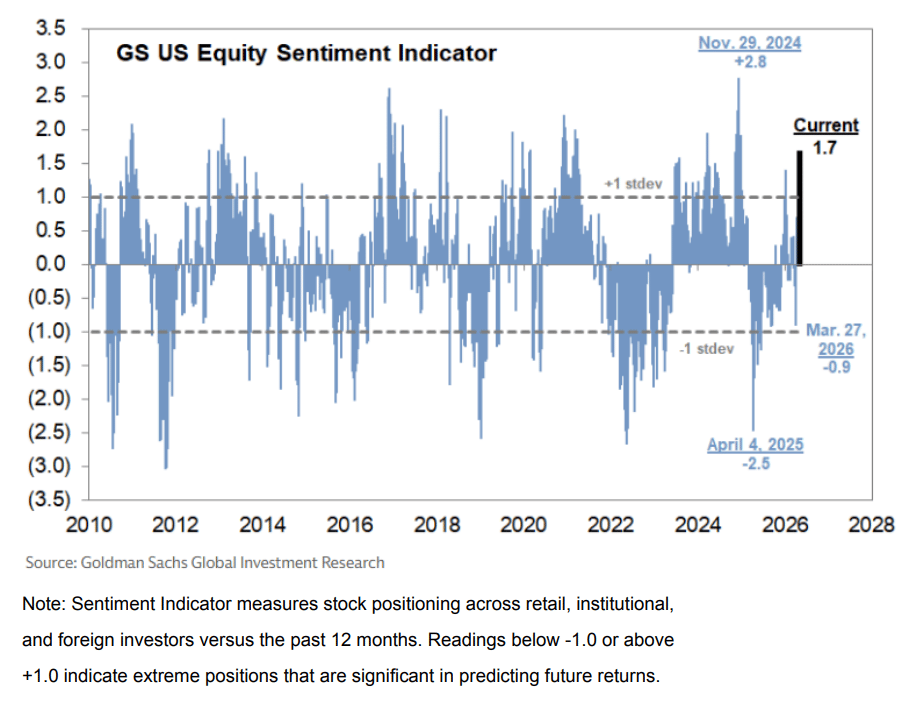
Of course, none of this is currently reflected in equity market sentiment or positioning, with several metrics pointing toward exuberance this week. I have a natural tendency to lean bearish; however, I have been fighting that inclination for a while and leaning bullish. I am now starting to come back around into the warm embrace of a big brown grizzly bear. It feels nice.
Keep the replies coming.
Donal
Comments
Nothing yet. Say the first thing.
Sign in to join the conversation.