


A little over two years ago, we embarked on a journey to create a comprehensive repository of India’s complex legal landscape. Our goal was to build a community-driven platform to make legal knowledge accessible to everyone! We’re filled with gratitude and pride as we celebrate a significant milestone: completion of second anniversary of the Justice Definitions Project!
This wouldn’t have been possible without you—our dedicated community of legal professionals, students, and enthusiasts. We started with a simple idea, and together, we’ve transformed it into a vibrant, living resource for legal knowledge, the Justice Definitions Wiki!!! Check out the open-access platform here:
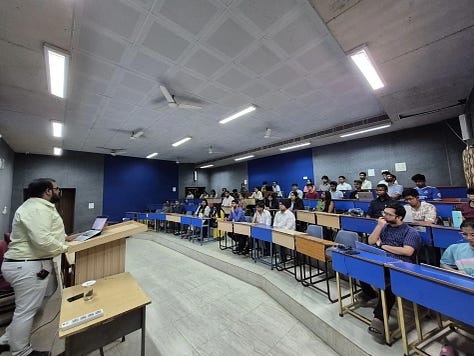
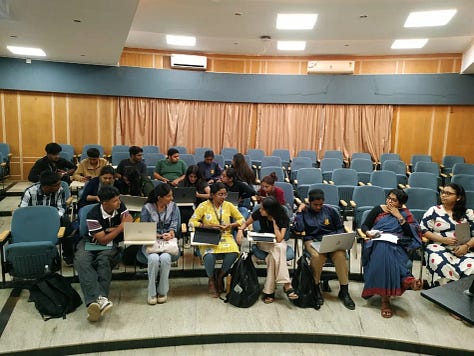
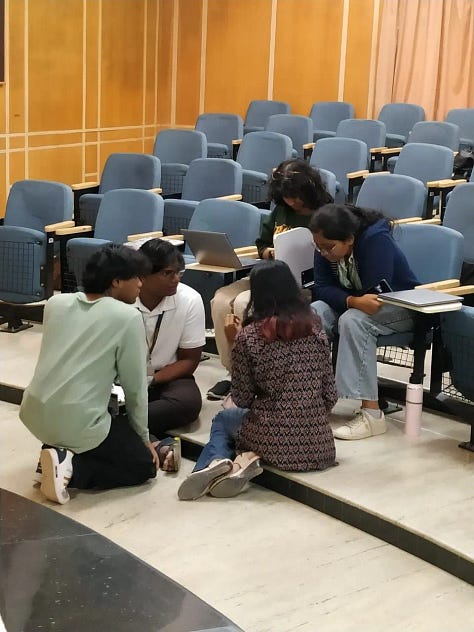
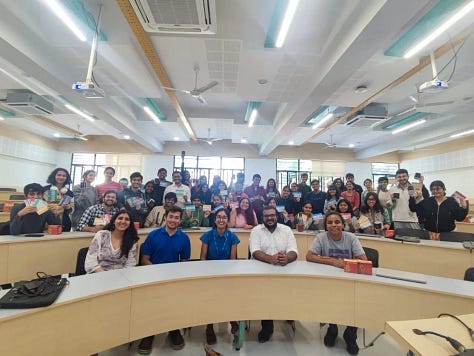
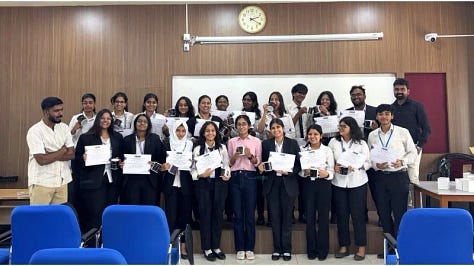
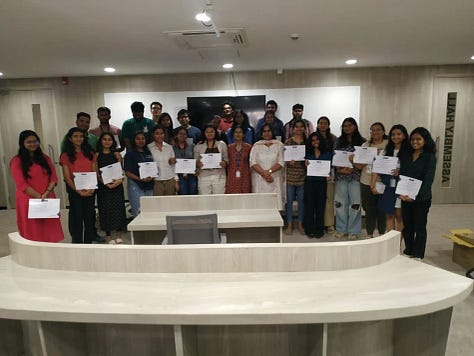
What began as a small project has blossomed into a robust platform, thanks to the collective effort of our community.
We launched the Justice Definitions Wiki, our open-access collaborative platform, in August 2023, which now features over 400 legal terms across 28 thematic areas of law and justice. It’s a testament to the power of shared knowledge.
Click here to see all the Wiki terms
We’ve welcomed over 350+ registered contributors, from law students to seasoned legal practitioners and academics, who are the heart and soul of this project. We have 10+ institutions, law schools, law firms, legal research, and civil society organizations working with us to add and enhance knowledge on our open-access Wiki. Additionally, we are now collaborating with DAKSH’s Network for Institutional & Systems Transformation (NIST) Fellowship and with law firms for our ‘Joint Student Research Associate Internships’. For long-term collaboration on the project, Justice Adda has joined us as a Judicial Data Collaborative Partner.
We’ve hosted 7 campus-based edit-a-thons, engaging over 250 law students and 25 subject matter experts. These events have been crucial for building connections and fostering a collaborative spirit.
Our readership has soared! We’ve seen over 4000 new visitors and 24,000 views on the Wiki since May 2024, proving there’s a real need for accessible legal information. We’ve also enabled the Google Translate extension feature on the Wiki to allow Wiki readers to view the original English content in over 20 Indian languages.
Our project is more than just a glossary; it’s a tool for legal empowerment. By curating a repository of simple and complex legal terms and providing structured, publicly available information, we’re helping to break down accessibility barriers to legal knowledge.
We’ve learned that keeping our contributors engaged is key, and we’re exploring new ways to recognize their valuable work. Building a strong sense of ownership and offering autonomy in how our volunteers contribute has made all the difference. Those who have been part of this journey, we request you to share your feedback on your experience and how we can make it better for you and others.
Click here to share your feedback
“Being with the Justice Definitions Project for a year has been a journey of continuous learning. It was deeply satisfying to know that the time I invested in research could contribute, even in a small way, to advancing public access to justice. The project encouraged me to think critically from different angles about the evolving meanings of justice and how these definitions influence legal and social realities.
Working on topics that genuinely interested me, as well as those that challenged me to explore unfamiliar contexts, made the process both engaging and rewarding. I especially valued the exposure to diverse perspectives and rigorous research practices. Most importantly, the project broadened my understanding of justice, not as a fixed concept, but as a dynamic, lived experience shaped by society and human interactions.”
~ Navia Sebastian, Wiki Contributor.
As we enter our third year, we’re excited to expand our community and our impact. We’re transitioning to a new Public Contribution Model, which will make it even easier for you to join us.
Here’s how you can get involved:
Are you a legal expert or a curious learner? We’re now opening up our platform for anyone to sign up and start curating new pages, editing and updating existing pages, or translating content in your preferred language. Your insights can help us grow. Fill the form and join our Wiki community.
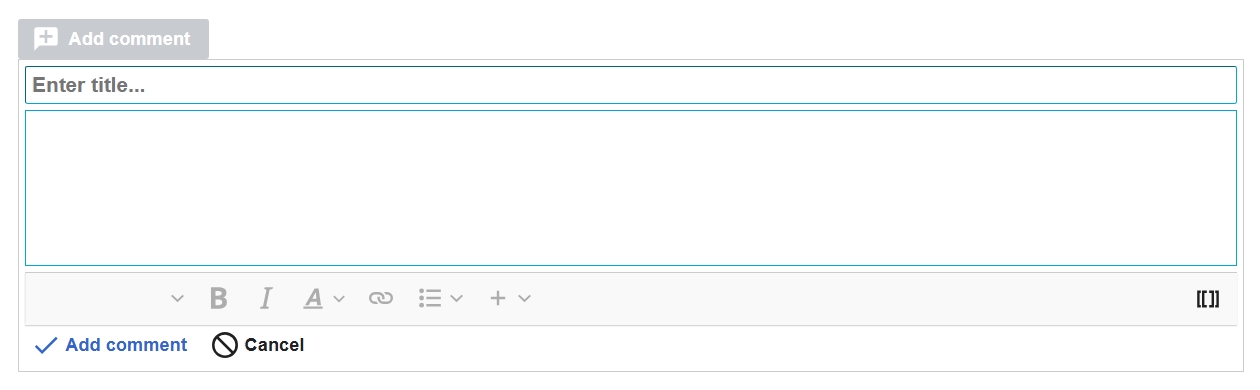
Are you a legal knowledge enthusiast and have research, insights, and knowledge resources to share with us related to any thematic are of law and justice? We’re inviting your insights and updates on existing Wiki pages through content contribution forms. The project team will coordinate with the community to ensure that your responses are incorporated on the Wiki. Alternatively, you can create an account on Wiki and add your comments at the bottom of the existing pages.
Looking to network with peers, legal professionals, and subject matter experts? You can join our Wiki community group to network and collaborate here:
We now have thematic area groups within the community that enable the community to flag issues, share content-level updates, and coordinate with the community. We envision these groups to be forums where the community members can take broader ownership by setting self-identified targets, forming working groups through community calls, and anchoring the development of Wiki content.
To know more about this, reach out to us at judicialdatacollaborative@dakshindia.org.
If you know someone who would be interested in this project, share this newsletter with them. The more people we reach, the greater our collective impact.
Your participation, big or small, helps us build a more just and informed society. We look forward to seeing what we can achieve together in the years to come.
Thank you for being a part of this incredible journey.
Warm regards,
The Justice Definitions Project
Judicial Data Collaborative

Comments
Nothing yet. Say the first thing.
Sign in to join the conversation.