
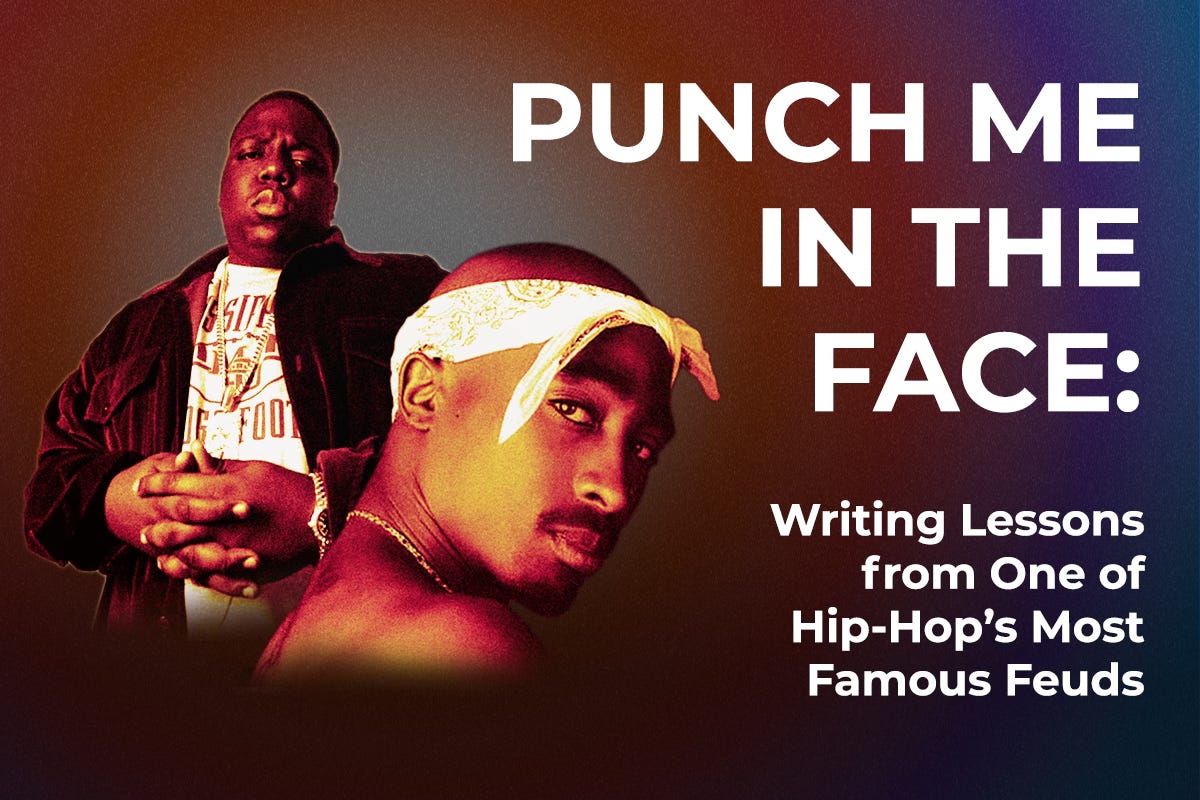
The mid-1990s rivalry between The Notorious B.I.G. (aka Biggie Smalls) and Tupac Shakur was more than just a clash of coastal titans or bling-studded egos. It was a fundamental war over how to deliver a message. One poetic prophet approached a song as a narrative to be unfolded. The other visualized it as a target to be hit.
Both artists were game changers in the hip-hop world, cementing legacies that have lasted far beyond their tragically short lives. But they are also important exemplars of how to communicate or deliver new ideas—models of Cicero’s five canons of rhetoric.
Hip-hop feuds aside, the most important writing advice I can give is this: Punch like Biggie, don’t linger like Tupac.
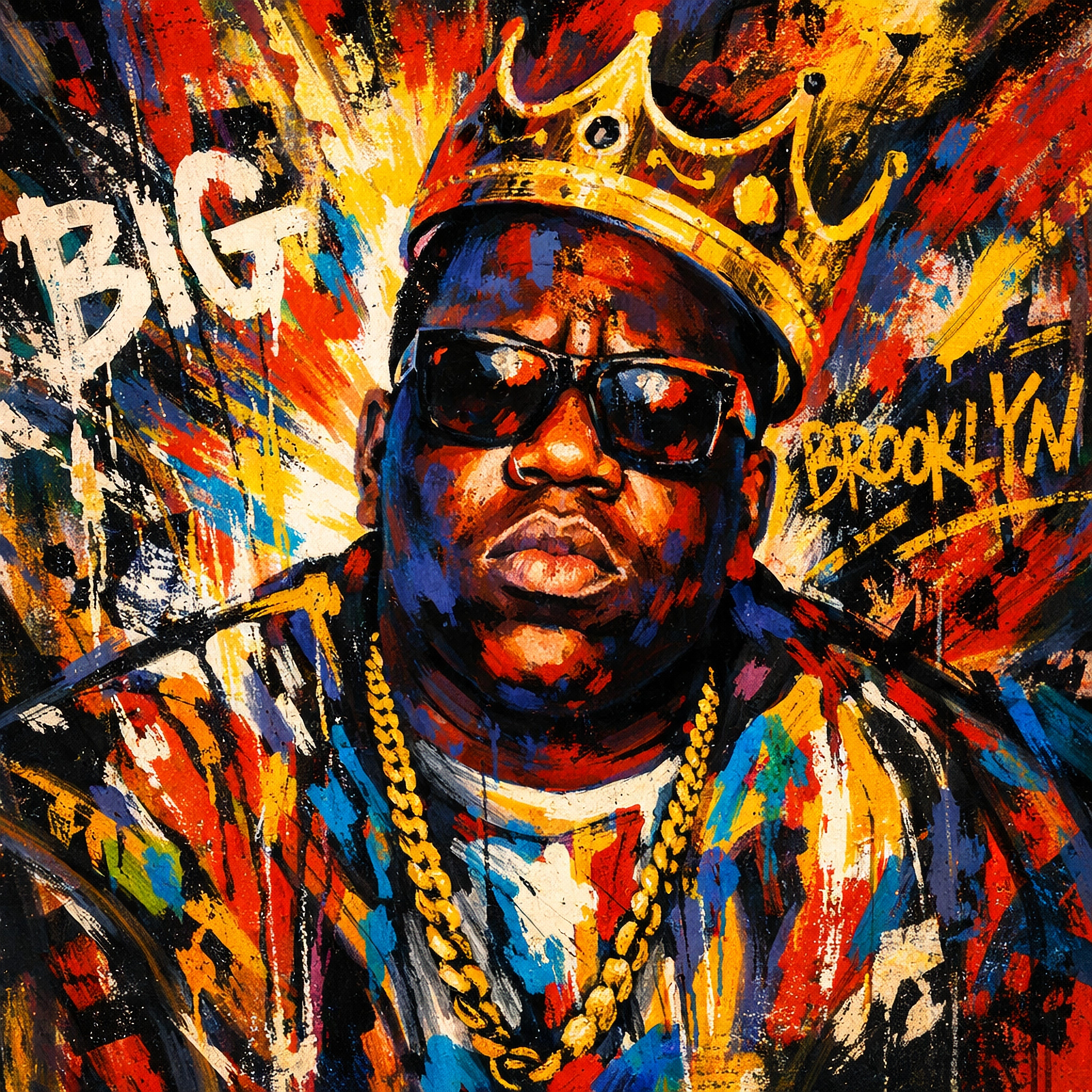
Lyrical Lesson #1: Writing to an audience inundated by the endless distractions of today, grab your reader’s attention with a punch and refuse to let them look away.
Ding! The opening bell rings and the fighters come out of their corners. The first swing already comes:
“Who the f*** is this paging me at 5:46 in the morning?”
*BAM* The very first line of Biggie’s song “Warning” lands an immediate punch on the listener. The conflict is introduced before we know anything else. There is no time wasted on background exposition, stage-setting, or context. Just an opening salvo demanding your attention, inviting tension and curiosity about what comes next.
Taking aim at rival emcees, Biggie opens “Kick In The Door” with a big swing that makes his opinions clear:
“Your reign on the top was short like leprechauns…”
Biggie does not rely on warming up the crowd or building the audience’s anticipation before making his point. Known for his in-your-face style, he didn’t beg for permission to take up space or wait for the beat and melody to set the scene for him. Biggie didn’t linger—he came out swinging and didn’t stop until he was done.
Tupac, by contrast, was a master of the slow burn. Preferring to linger, he would step into the ring, swirling around his opponent like an unapologetic crop circle, waiting to deliver his heaviest blows. Rather than using an opening punch, Tupac’s genius lay in his ability to erect an emotional journey, guiding each listener through a narrative landscape before dropping a bomb at the very end. As an example, consider his approach in his breakout track entitled “Brenda’s Got a Baby”:
I hear Brenda’s got a baby
But Brenda’s barely got a brain
A damn shame, the girl can hardly spell her name
(That’s not our problem, that’s up to Brenda’s family)
Well, let me show ya how it affects our whole community
Now Brenda really never knew her moms and her dad was a
Junkie, puttin’ death into his arms, it’s sad ‘cause I bet
Brenda doesn’t even know…
Similar to a West Coast Dostoevsky, Tupac unpacks a contemporary version of Marvin Gaye’s “Inner City Blues” regarding systemic failure and the cost inflicted on individuals swimming in the residue of Jim Crow America. Building layers of background context, he waited to drop the devastating bomb—Brenda was tragically murdered while “working the streets.”
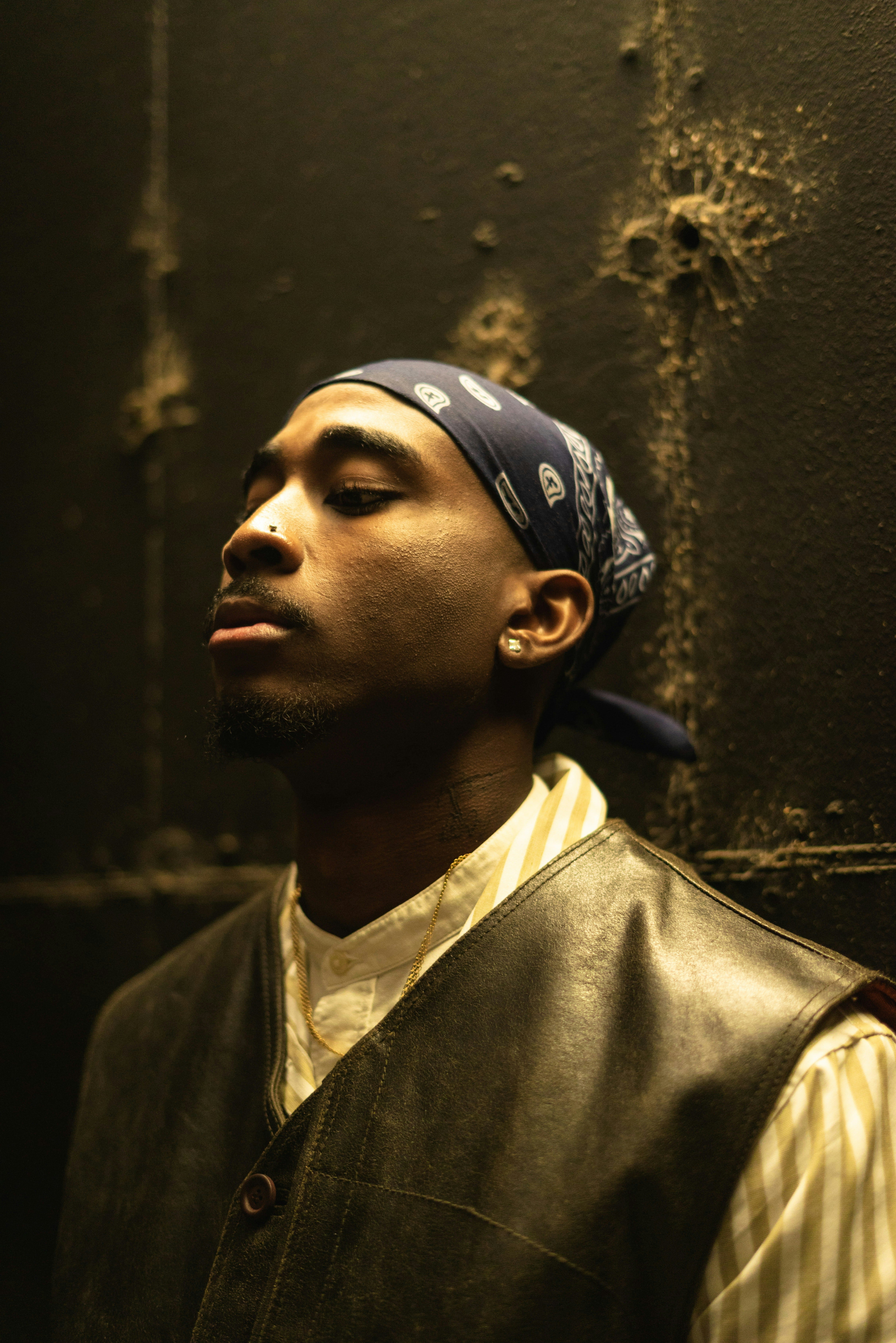
Or take his song “Dear Mama”. Slowly percolating under each layer of emotional weight is a deeply resonant appreciation of maternal struggle that is eventually made plain:
There’s no way I can pay you back
But the plan is to show you that I understand
You are appreciated
It’s a beautiful piece of art pregnant with hard truth for modern writers. But while the slow burn works wonders in an audio medium where the listener is already interred by a hypnotic melody, it is a risky strategy when writing prose. Saturated by an endless stream of digital noise and competing notifications, readers don’t have the patience to accompany you on a winding scenic route before you tell them where you are taking them. If you linger too long, they will close the tab. They will skim. They will leave.
Lyrical Lesson #2: Readers need to be punched in the face. No offense intended.
Just like a boxing champ, writers who want to punch like Biggie should master the art of the two-punch combo if they want to win their audience’s attention. Open with a strong hook in the first paragraph, then keep them locked in by landing a series of coordinated jabs in the first sentence of every paragraph thereafter.
Learn these moves well enough so that when you’re writing, they will echo in your head like Mickey coaching Rocky Balboa from the corner of the ring.
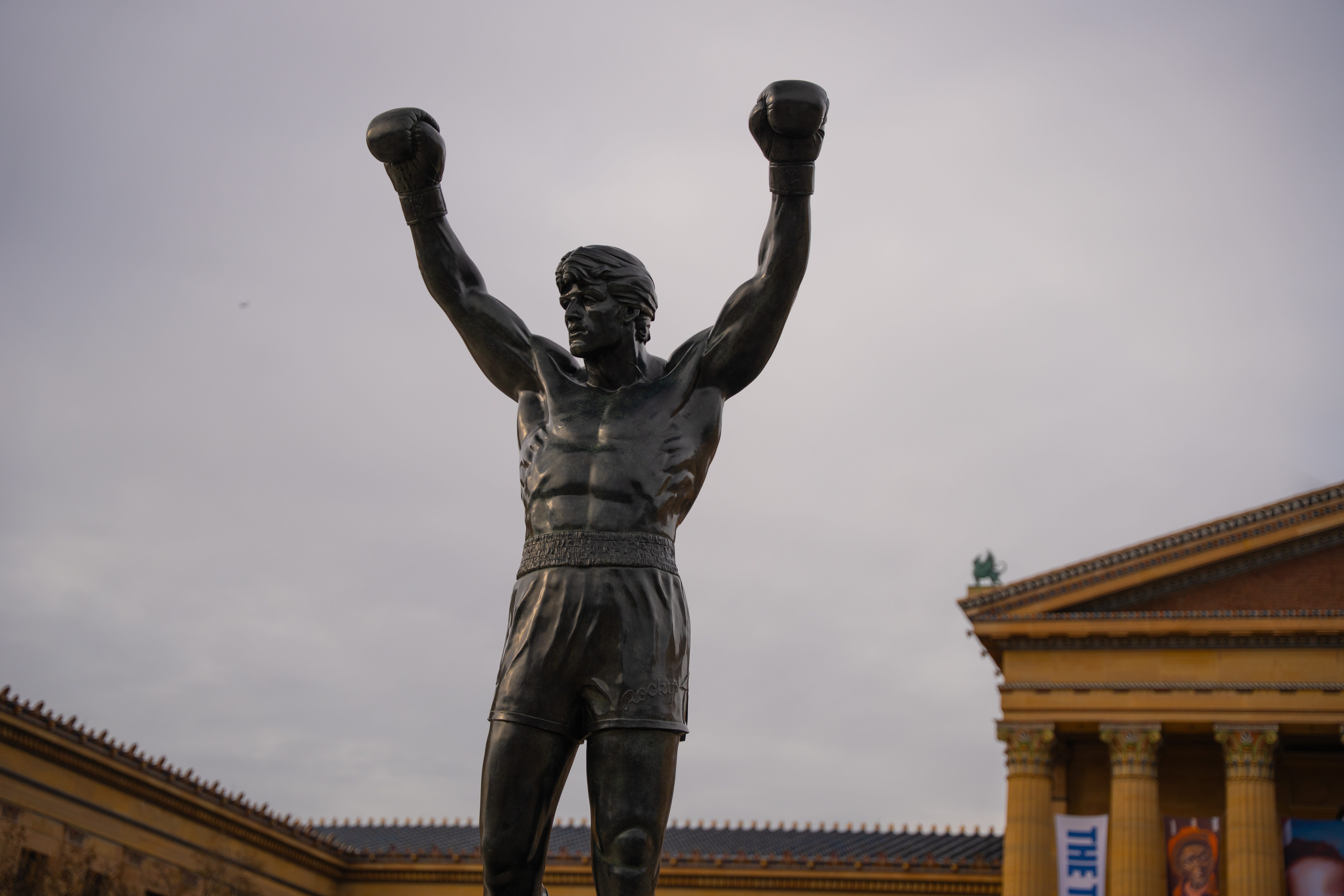
The Hook: Just like a punch immediately after the opening bell, starting your piece with a strong hook—the very first line—wakes the reader up and makes them pay attention. Setting the tone and rhythm for the entire piece, the hook forces the reader to brace for the next punch. Like a boxer, every piece of writing is only as strong as its hook.
The Jab: Jabs are the smaller attention-getting punches located in the first sentences of every paragraph. Once you have landed the opening hook, work in a series of coordinated jabs to keep the reader locked in. With each jab, focus on maintaining the tone and rhythm set by the hook. By keeping them engaged and taking punches, you prevent the reader from evading and bouncing around—or entirely out of—the ring.
To be able to punch like Biggie, work on honing your hooks (opening line) and jabs (first sentences), using them both to land your two-punch combos.
Lyrical Lesson #3: Instead of handing the microphone to someone else, use your own words and craft your first sentences without apology.
Biggie and Tupac were generational talents whose punches stretch far beyond their tragically short lives because of what they had to say. They had different styles and philosophies, but both said what they wanted to without holding back. Their audiences rewarded them for it. Treat your writing the same way: Use your hook and opening sentences of each paragraph to introduce your claims and then unpack them within the paragraph.
Do not open with a quote or paraphrase of someone else’s work and ideas (though, the ideas of others make excellent second, third, or fourth sentences). You are writing for a busy and distracted audience. If a reader only reads the first sentence of every paragraph, they should still be able to understand your entire argument.
Honing your hook and jabs will make every paragraph stronger, which will make each piece you write stronger. Professor Hollis Robbins beautifully illustrates the importance of a well-crafted paragraph in her Substack article “For the love of God, learn to paragraph”:
Strong paragraphs are essential for making strong arguments, for lodging ideas in a reader’s memory. Paragraphs are bricks. Each one has to hold together internally and bear weight in relation to the ones around it.
Just like building a house, your piece is constructed brick by brick, paragraph by paragraph. If they don’t hold together well enough, the whole structure can crumble. Biggie and Tupac meticulously built their masterpieces one line at a time. Approach your writing with the same kind of focus and intentionality.
Step into the ring swinging to ensure your writing cuts through the noise.
While building a scenic narrative has its poetic merits, you don’t own the luxury of lingering in a digital landscape crowded with endless distractions. Modern readers demand immediate impact.
No shade to Tupac; when it comes to crafting a paper, a post, or even a paragraph—punch like Biggie.
Issue Soundtrack: Runnin’ (Dying to Live) by Tupac (ft. Notorious B.I.G.)
Shrink or Sink?: I shared my thoughts about why a university would deliberately choose to shrink with the Chronicle of Higher Education in their recent feature “The University That Chose to Shrink”. Spoiler: it is, in part, because “Retention is the new Recruiting”––an idea I unpack in a recent Substack post.
Can Christian Higher Education Save Itself?: I had the opportunity to share my thoughts about the future of higher education with Christian Scholar’s Review in this recent article. It draws on my findings in Capitalizing on College and argues how faith-based higher education should lean into its intentionality in order to succeed in today’s college landscape.
Have you heard?: My book Capitalizing on College is now available as an audiobook! If you haven’t had a chance to yet, you can listen on Spotify, Audible, Barnes & Noble, or your other favorite streaming platform.
Comments
Nothing yet. Say the first thing.
Sign in to join the conversation.