
People think of Norseman as a cold race, and for the first few hours it is. At dawn the athletes jump off the ferry into the Hardangerfjord, swim 3.8 km through water sitting around 10°C, then ride 180 km up onto the mountains. I have run the medical and safety side of that race since 2005, and the cold fjord is what everyone asks me about.
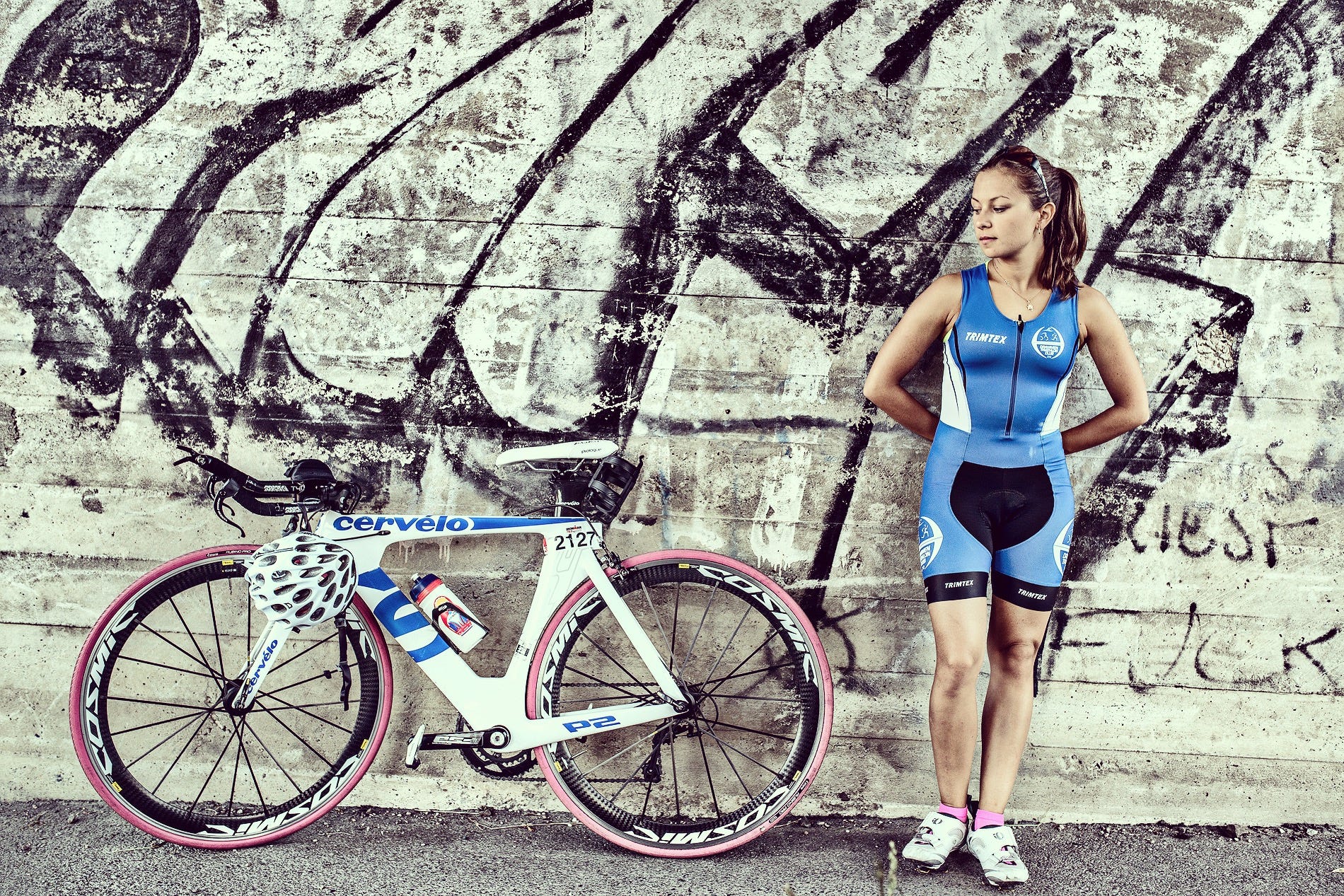
Then the marathon starts and the problem flips. The first 25 km run through the valley, and the valley is usually hot. By the time the athletes reach the foot of the long climb we named Zombie Hill years ago, the grind up toward Gaustatoppen, a lot of them are already overcooked. Not cold. Overheated, walking as often as running, and the name suits the faces. At this year’s Crew Race the valley sat above 30°C. The same athletes who started the day shivering in the fjord were now shedding heat as fast as their skin could manage.
What an overheating body needs is simple, and it is close to the opposite of what most people reach for. Not a chair and a cold drink. Water onto the skin and around it, as cold as we can make it, over as much surface as possible, and fast. Cool first. Everything else second.
That gap, between what feels right and what actually moves heat, is the subject of this issue. When it comes to a hot body, intuition is a poor thermodynamicist. You are reading this as clinicians and medics, so let me skip the throat clearing and go to the physics, because the rest falls out of it.
A body exchanges heat with the world in four ways: radiation, convection, conduction, and evaporation. On a cool day the first three do most of the work for free. On a hot day they quietly betray you. As air and surface temperatures climb toward skin temperature, the gradient that lets you dump heat by radiation and convection shrinks, and once ambient temperature exceeds skin temperature those routes reverse and start delivering heat into you.
That leaves evaporation. Every gram of sweat that evaporates carries off roughly 0.6 kcal, about 2.4 kJ, of heat. This is the dominant lever in the heat, and it is worth saying plainly to a clinical audience because it reframes almost every piece of summer advice: sweat that drips off the chin does nothing. Only sweat that turns to vapour cools. The body also drives heat to the surface by opening skin blood flow, and in the glabrous skin of the palms, soles, and face, the arteriovenous anastomoses act as purpose built radiators, shunting warm blood straight to the surface. Hold those two facts, evaporation and surface blood flow, and the rest of this issue is really just applied bookkeeping.
When a body is genuinely overheating, the single most effective intervention is cold water immersion. It is the standard of care for exertional heat stroke for a reason: water pulls heat out of skin far faster than air, and immersion recruits an enormous surface area at once. Cooling rates comfortably beat 0.15°C per minute and can run quicker with cold, stirred water, which is why the field mantra is cool first, transport second. Lowering core temperature below roughly 39°C within the first half hour is what changes outcomes, and that clock starts at collapse, not at the hospital door.
When a tub is not available, you build the same effect out of parts, in rough order of power. Cold water over the skin with air moving across it. Ice or cold packs to the neck, face, and those glabrous radiators at the palms and soles. Cold fluid or ice slurry taken internally, which cools from the inside and buys you thermal headroom. None of these individually matches immersion, but stacked together they are a serviceable substitute. The hierarchy is the useful part to carry: surface water and airflow first, targeted cold to high flow skin next, internal cooling alongside.
Every summer the same warning recirculates on social media: drink ice water when you are overheated and you can send your body into shock. It makes a good cautionary tale. It is, for practical purposes, a myth. When people do faint after cold water on a hot day, the culprit is almost always what was already going wrong, dehydration, heat exhaustion, an underlying condition, rather than the temperature of the drink itself. In healthy people the genuine downsides are minor and familiar: gulp a large volume of very cold water very fast and you may earn some gastric discomfort or a bout of brain freeze. Sip rather than chug and even that goes away.
There is one nuance worth keeping in the back of your mind, because it connects to the next section. Cold in the mouth and stomach slightly suppresses the sweat response. In dry heat, where evaporation is doing the heavy lifting, that is a small mark against a very cold drink. In practice the direct heat sink of the cold fluid usually wins, which is exactly why ice slurry ingestion is an evidence based cooling strategy rather than a hazard. The myth has it backwards. Cold water is mostly a tool, not a threat.
Here is the one that makes people at dinner put their glass down. Under the right conditions, a hot drink lowers your heat storage more than a cold one.
The mechanism is elegant. Thermoreceptors in the mouth and, more importantly, in the abdomen sense the warm bolus and report a larger thermal load than the drink actually delivers. The sudomotor response overshoots. You sweat out considerably more than the modest heat the drink added. If that extra sweat evaporates, the books close in the negative and you end up slightly cooler than you started. Bain and Jay showed exactly this in the laboratory with hot versus cold fluids during exercise.
But read the condition again, because it is doing all the work: if the extra sweat evaporates. Put the same person in humid air, or under clothing that traps moisture, and the bonus sweat simply runs off or sits on the skin. Now you have paid the heat cost of the drink and collected none of the cooling. So the hot drink trick is a real, measurable effect in dry heat with exposed skin, and a bad idea in a sauna or under a raincoat. It is less a life hack than a clean demonstration of the principle that evaporation, not the temperature of what you swallow, is what decides the outcome.
The same physics explains why tropical nights are miserable. Sleep onset depends on a fall in core temperature of roughly half a degree to a degree, achieved by dumping heat through the skin of the hands and feet. A hot bedroom blocks that fall and fragments sleep, cutting into slow wave and REM. The counterintuitive fix, well supported in the literature, is a warm, not cold, shower an hour or two before bed. It floods the distal skin with blood, and the enhanced heat loss that follows drops core temperature and speeds sleep onset. Beyond that it is unglamorous: a cool room around 16 to 19°C, moving air, light bedding, feet out from under the duvet.
As for why some people wilt in heat while others barely notice it, most of the variance is not mysterious. Acclimatization is the big, trainable one: ten to fourteen days of heat exposure expands plasma volume, lowers the sweating threshold, raises sweat output, and drops both heart rate and core temperature at a given workload. Aerobic fitness buys some of the same. Morphology matters too, since a larger mass with more insulating fat stores heat and sheds it slowly, while a smaller body with more surface area per kilogram dumps it faster. Age blunts sweating and skin blood flow. And a good deal of what gets filed under sex differences turns out, on closer inspection, to be body size and shape rather than sex itself.
None of this is really a collection of tricks. It is one idea wearing different clothes. The body is a heat engine obeying a short list of rules, and evaporation and surface blood flow sit at the top of that list. When a piece of summer advice sounds surprising, the fastest way to test it is to ask what it does to those two things. Hot drink, ice water, warm bath before bed, the answers stop being paradoxes and start being arithmetic.
That is the same discipline I keep coming back to, in the cold fjord and in the heat. Do not trust the feeling. Check it against the physics.
Stay cool. Or warm. Whichever the day is asking of you.
This blog post represents my personal views and does not necessarily reflect the opinions of my employer or any organizations. I have no affiliations with any companies relevant to this.
I’d love for you to join my Substack blog!
If you find this interesting and want to support my work, consider selecting the monthly paid option.
A good deal of this issue lives in cold water, so if any of it caught your interest, I have written some short, science-based books you might enjoy.
Cold Water Swimming: A Mini Book is a friendly, short guide to enjoying cold water safely, confidently, and with a big smile. It draws on years at the Norseman Xtreme Triathlon, research with elite military swimmers, and my published work in cold-water physiology. Calm, clear, trustworthy guidance for anyone curious about stepping in.
No posts
Comments
Nothing yet. Say the first thing.
Sign in to join the conversation.