
Hello and welcome to my newsletter about how football explains global politics, money and power.
I’ve been mixing the schedule up during the World Cup, but weekly Friday morning service resumes here.
Throughout the tournament I’ve been writing about the political and historical connections behind every single World Cup game:
I’ve been talking about this on Instagram too. We’ve had 102 World Cup games now and there are just two to go!
On Sunday is the World Cup final in New York/New Jersey.
In Miami, 24 hours earlier, is the bleakest game in football — the third place play-off, or ‘Bronze Final’ as FIFA is calling it…
🇫🇷 France v England 🏴
Three Lions on the shirt? They’re French lions. There is an incredible amount of history between the two nations separated by a narrow channel of water which was crossed by William the Conqueror’s army in 1066. That’s the origin story of the British monarchy — King Charles III can trace his ancestry back to William I.
A few decades later, Geoffrey Count of Anjou married into England’s (Norman) royal family. Geoffrey is later depicted with gold lions on a shield, which is one of the earliest known depictions of a coat of arms in the world. It can be seen today in the city of Le Mans.
It was really his grandson, Richard the Lionheart, who made the lions famous. Richard I of England was born in Oxford but raised in France, spoke French, and barely set foot in England as king. The number of lions varied a bit but settled on three with Richard’s second Great Seal of 1198.
The three lions stuck, and they’ve been on the royal coat of arms ever since.
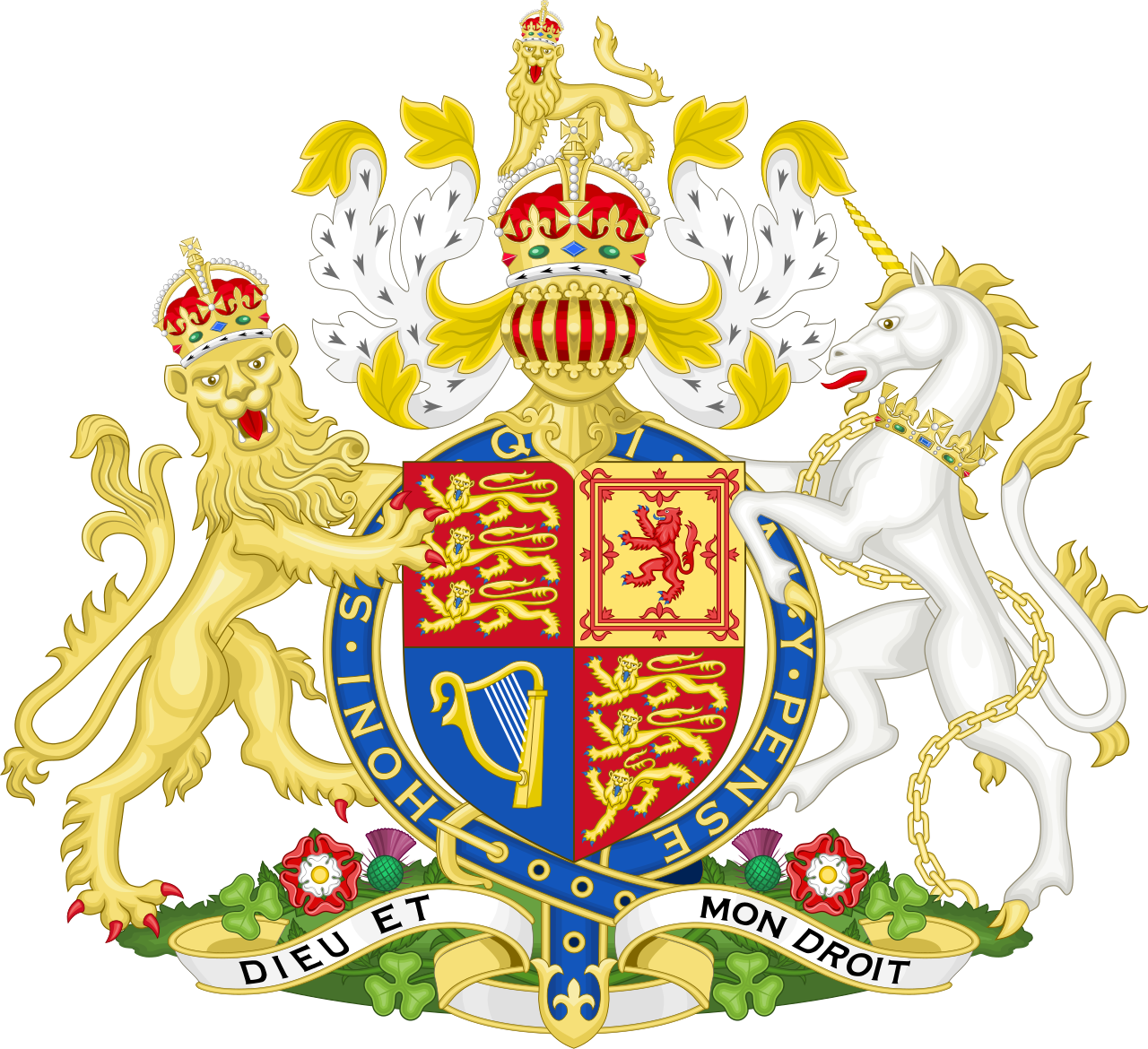
For three centuries after 1066, the kings of England spoke French, and for even longer, they claimed lots of territory that makes up modern France. Still, today, most laws passed in Britain are approved in Norman French: “Le Roy le veult,” meaning “the King wills it”.
In 1872, those three lions became the Three Lions when the first ever international football match took place, between England and Scotland, in Glasgow.
The Scots had their national symbol, the Lion Rampant, sewn onto their dark blue shirts. The English had three lions sewn onto their white kits. They were still there when England lost to Argentina in Atlanta on Wednesday.
For what it’s worth, the French Football Federation’s symbol is a rooster because of an ancient pun — the word gallus means both “Gaul” and “rooster”.
🇦🇷 Argentina v Spain 🇪🇸
The word “silver” in Latin is “argentum” — Argentina literally means “land of silver”. The body of water on which Buenos Aires sits, meanwhile, is called the Río de la Plata or “river of silver”.
That’s because early Spanish explorers had heard there were huge silver deposits in the land that is now Argentina. One was the nobleman Pedro de Mendoza, who crossed the Atlantic with more than a thousand settlers and founded the city that would later be known as Buenos Aires.
It was a disaster. They found no silver. The local Querandí people were understandably hostile, and settlers were soon starving, reportedly eating their horses, then rats, and then their own shoes.
The city was completely abandoned before being settled again a few decades later.
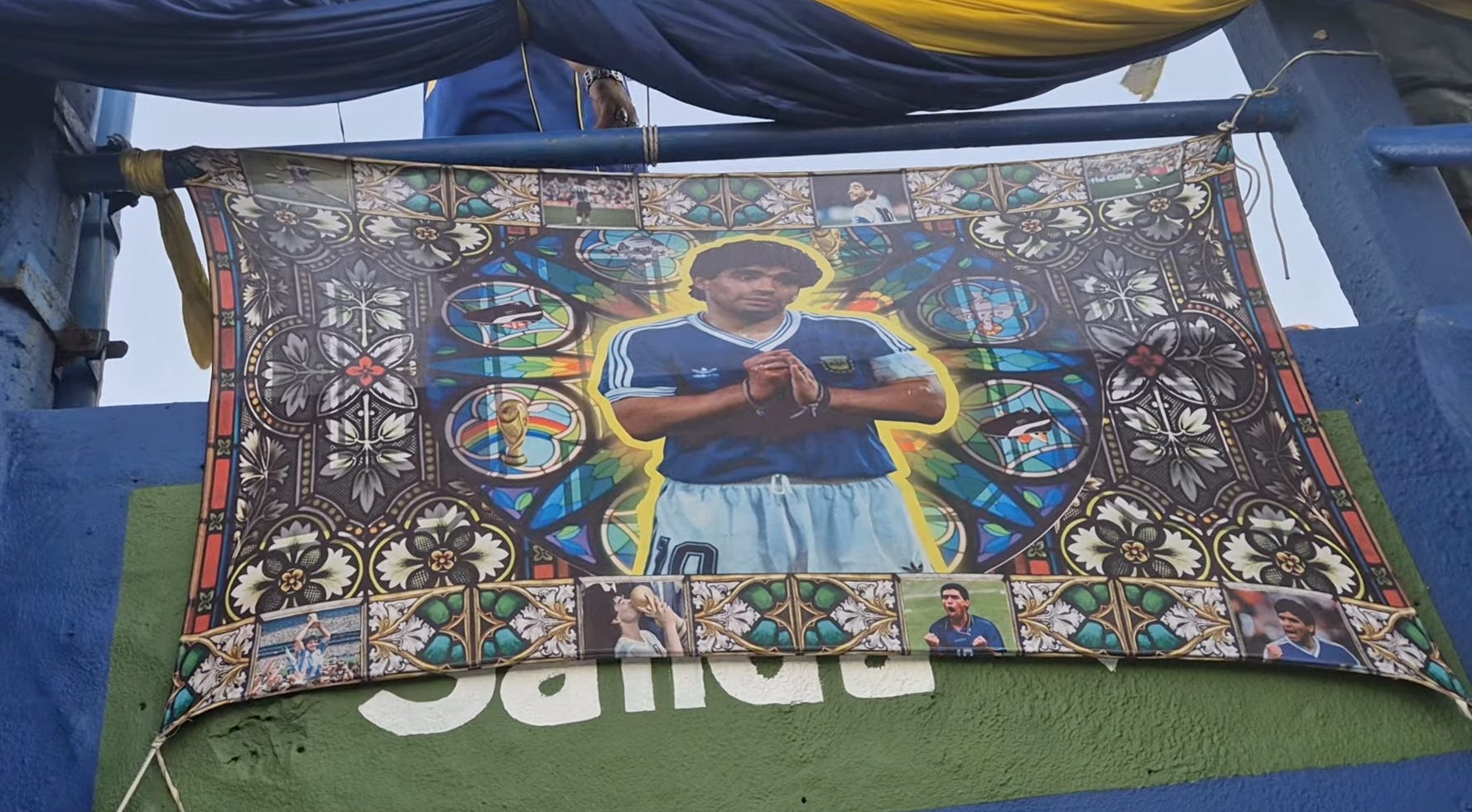
The myth of silver wasn’t totally wrong, but it was in totally the wrong place. More than a thousand miles away at Potosí, in what is now Bolivia, Spanish explorers found silver. Loads of it. Potosí boomed and indigenous labourers were exploited in underground mines.
The Spanish Empire got rich, but Buenos Aires didn’t, as silver went to Europe via the Pacific Coast, and Buenos Aires remained a backwater for a long time.
Argentina eventually became independent in 1816, a decade after fighting off two British attempted invasions which are far better remembered in Argentina than in Britain.
The British came back, with capital to build railways and banks… and carrying footballs.
Britain gave Argentina its greatest pastime and more Argentines have ancestry from Italy than anywhere else.
But it is Spain whose language means both sets of players in Sunday’s final will be able to converse, should they want to.
This is my last World Cup email, after finding 104 political links between countries, in 104 World Cup games… alongside plenty of other stuff too!
I’m not going anywhere. I’ve got some exciting stuff in the pipeline which subscribers will be first to hear about.
If you’ve enjoyed all this, please consider a paid subscription which will allow me to keep doing it in the longer term. Annual subscribers get a signed book posted anywhere in the world.
No posts
Comments
Nothing yet. Say the first thing.
Sign in to join the conversation.