
Back-to-school shopping used to mean pencils, notebooks, and if you were really lucky, a Crayon box with a built-in sharpener.
Now we’re buying laptops, protecting kids’ hearing, figuring out how younger children can call home without getting the whole internet, and trying to keep the family calendar from living exclusively inside Mom’s brain.
So we went deep this year—testing the big-ticket tech and the small, clever gadgets that can make school mornings, dorm rooms, and everything in between a little easier.
WATCH THE TODAY SHOW SEGMENT HERE
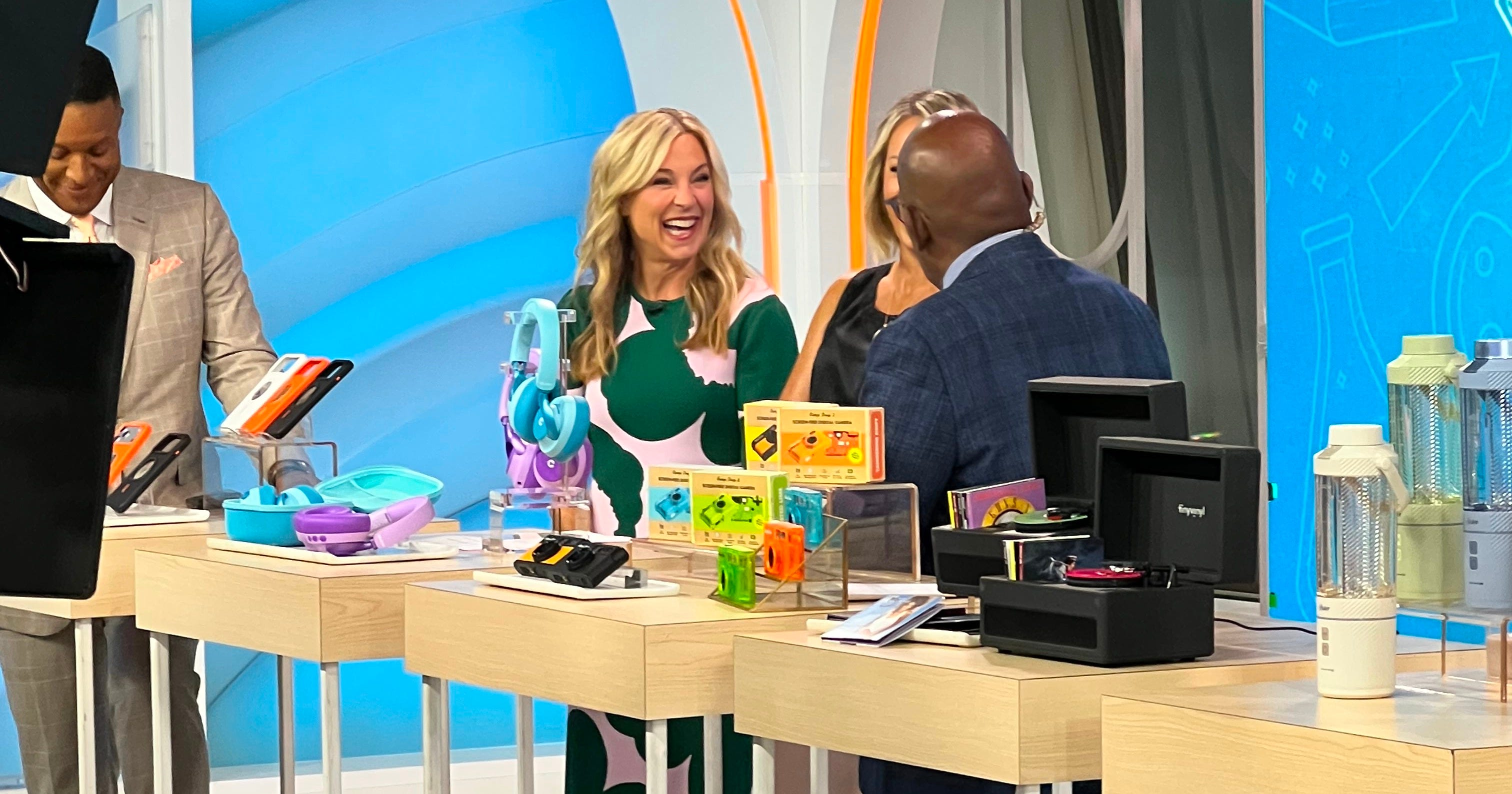
That includes a foldable phone that opens into a tablet, laptops for three very different budgets, a working record player smaller than a shoebox, and a phone case that changes pictures.
Not every family needs all of it. But every pick here solves a real problem, earns its space, or is just too darn fun to ignore.
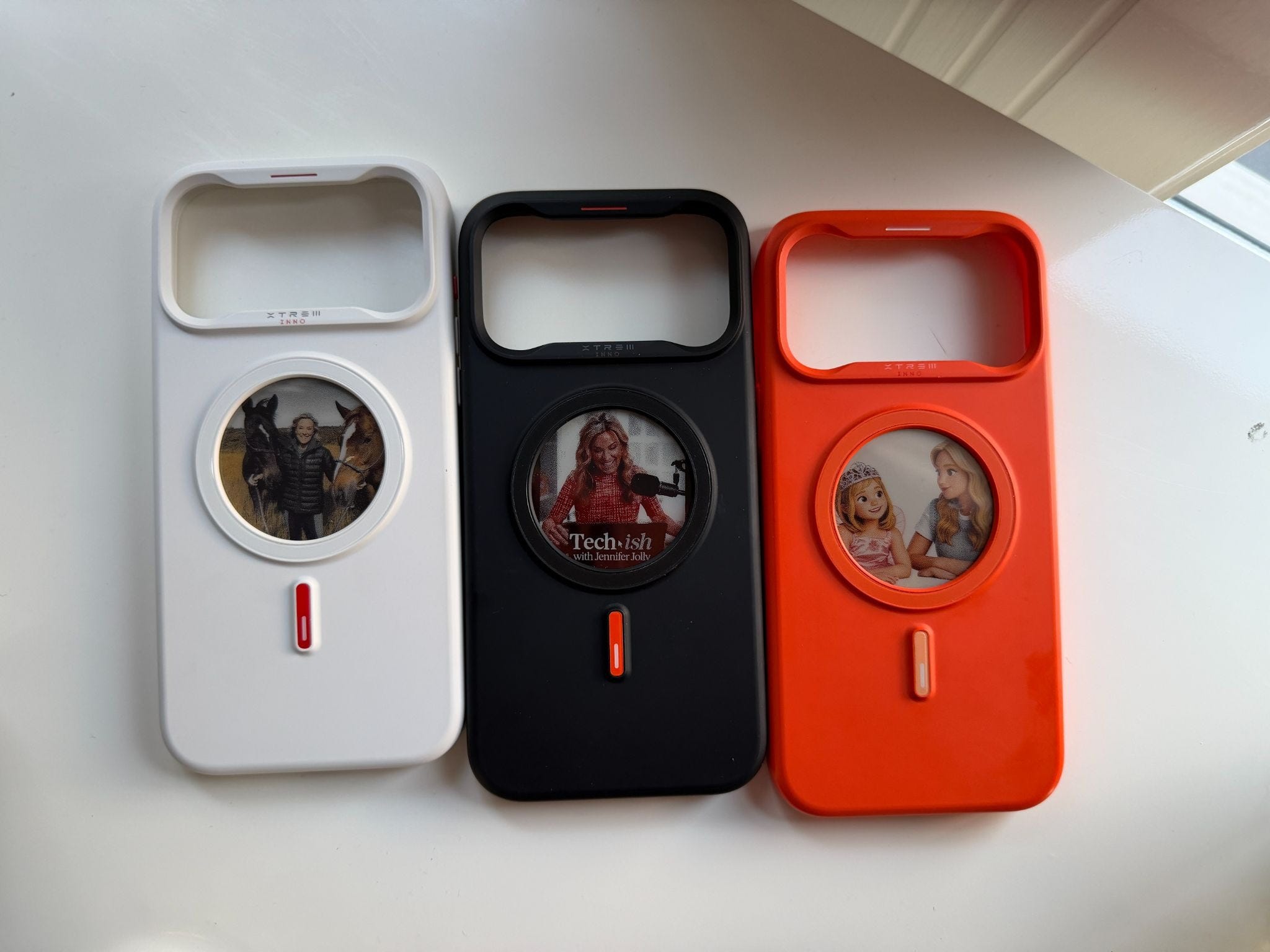
The XTREM case puts a small e-ink screen on the back of your iPhone, so you can change the picture whenever you feel like it. First-day-of-school photo today, the dog tomorrow, your kid’s artwork on Friday.
Open the app, choose a photo or design and tap once. A few seconds later, it appears on the case.
Because the display uses e-ink—the same basic idea as a Kindle—it does not glow, need a battery, or require charging. Once the picture appears, it stays there until you replace it, even when the phone dies.
You can also turn photos into illustrated characters and other designs inside the app. The newest sharing feature lets people link their XTREM cases and send pictures directly to one another, although the recipient controls what actually appears. That gives it a bit of the long-distance-grandparent magic of a digital photo frame, only on the back of a phone.
The case supports MagSafe charging and accessories and currently fits several iPhone 14, 15, 16, and 17 models.
Price: Around $74 *Exclusive 20% off discount code for Techish:TECHISH20*
Shop: HelloXTREM.com
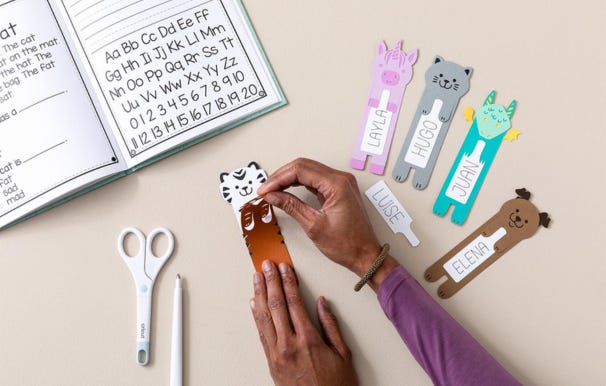
The Cricut Joy Xtra is a cutting machine about the size of a loaf of bread. It turns designs into stickers, labels, decals and iron-on lettering.
Create a design in Cricut’s free phone app, send it to the machine and let it do the cutting. A few minutes later, a student’s name is on the water bottle in lettering that can survive the dishwasher. The backpack has an iron-on label, so it might actually come home with the correct child. The supply bins, lunch containers, and gym shoes can sport your student’s unique sense of style and personality.
Think you’re not crafty? There’s an AI image generator inside the app, so all you have to do is describe the design you want, and the app creates it for you. That’s awesome for someone like me, who loves the idea of making things but breaks into a light sweat when someone says “craft night.”
Price: $179 for the machine or $219 with starter materials
Shop: Amazon or Cricut.com
Anyone who has handed a child headphones knows exactly what happens next: volume up, volume up, volume up—and apparently nobody can hear you calling their name from six inches away.
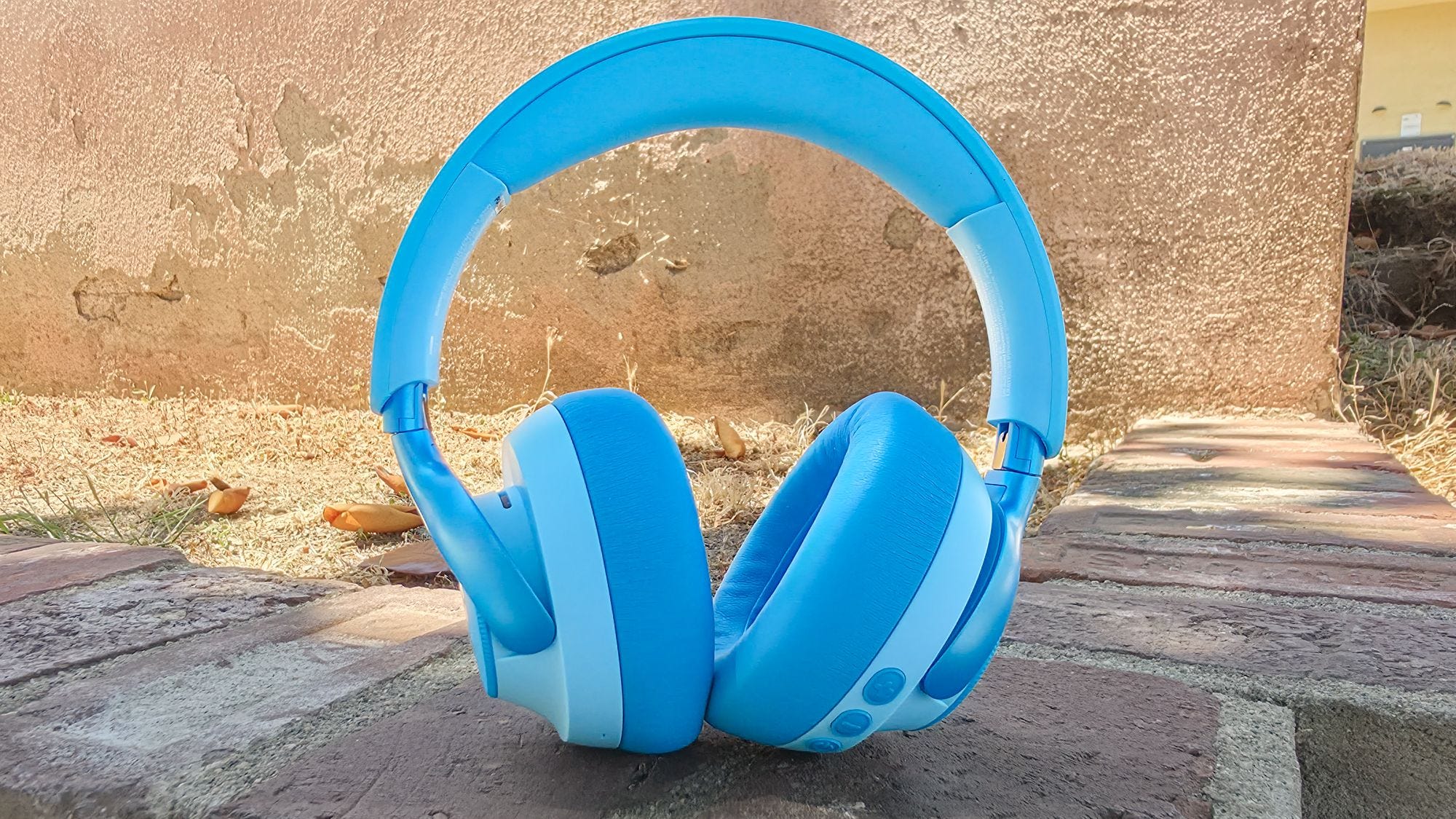
The iClever Q950 headphones cap the sound at 80 decibels. Your child can mash the volume button all they want; the headphones will not blast past that limit.
That is the part parents care about. The part kids care about is the active noise cancellation, which cuts up to 35 decibels of airplane, classroom and back-seat racket. That can also reduce the temptation to turn the music up just to drown everything else out.
Transparency mode lets outside sound back in when they need to hear a teacher, parent or boarding announcement.
These are also built for actual children, not children who sit motionless in catalog photos. The headband is reinforced, the hinges are metal and iClever says the design survived 3,000 twisting tests. Battery life reaches up to 60 hours with noise cancellation off or 35 hours with it on. Two pairs can also share audio from one device.
Price: 54.98 (at time of publication on Amazon, $70 on iClever site)
Shop: iClever and Amazon
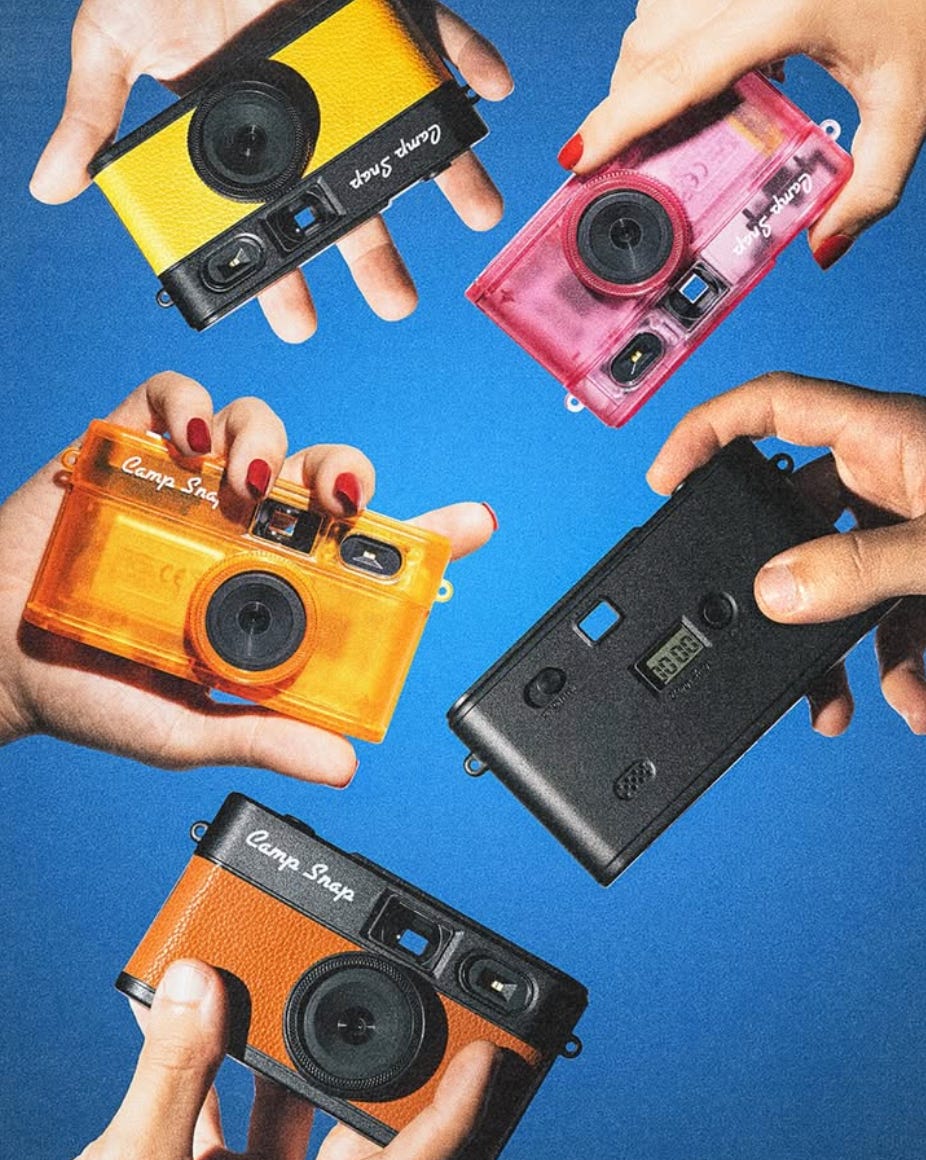
This is for anyone who takes 47 pictures of the same moment—and somehow misses the moment.
Camp Snap 2 is a rechargeable digital point-and-shoot camera with no screen. You aim, click, and keep moving. No checking the photo. No retaking it twelve times. No wandering from the camera app into texts, TikTok, and forty-five minutes you will never get back.
It brings back the fun of a disposable camera, minus the film, developing costs and single-use plastic. When you are ready to see what you captured, connect the camera by USB-C to a compatible phone, tablet or computer and transfer the pictures.
It comes with six filters built right into the camera, including vintage, analog and black-and-white looks. The included memory card holds roughly 2,000 photos, and the battery lasts for about 500 shots per charge.
Kids come home with pictures from their day instead of spending the day staring at pictures. College students get a fun party-and-travel camera that does not risk their $1,000 phone. And the see-through jelly colors are straight out of a very good 1990s fever dream.
Price: $74.95
Shop: CampSnapPhoto.com
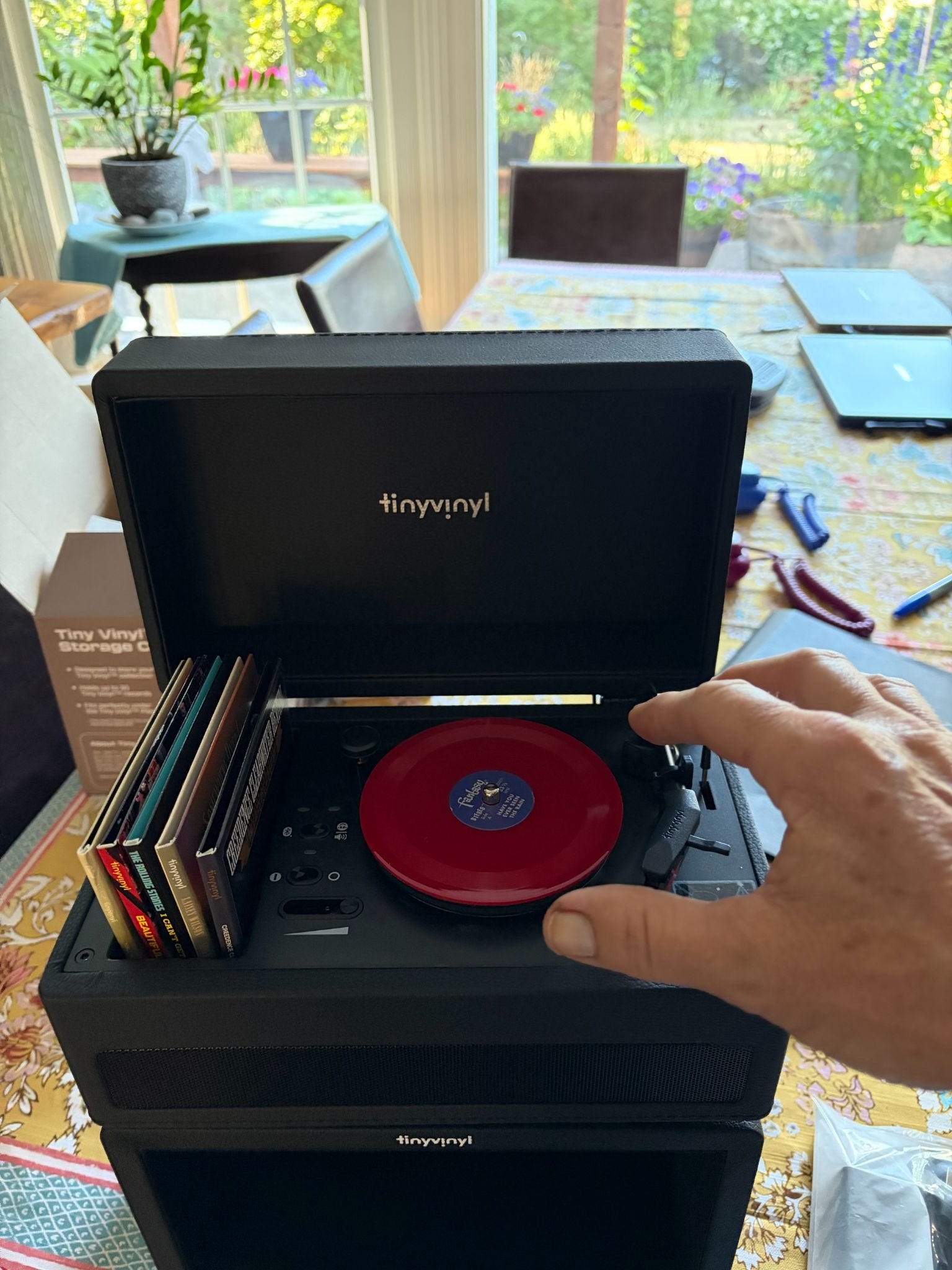
Nobody needs this because it is the world’s finest way to listen to music. You want it because it turns your favorite artist’s songs into tiny, playable collectibles—and the whole setup is absurdly cute.
TinyVinyl records are real four-inch records, traditionally pressed and played at 33⅓ RPM. Each one carries two songs, one per side, and every pressing has a number that helps verify the release.
The new player is roughly ten inches wide, comes in a little black leatherette case and has built-in speakers. You lift the arm, drop the needle and flip the record yourself. It can also send the sound to a Bluetooth speaker or headphones, which is probably the better move when you care more about the music than the miniature aesthetic.
A normal vinyl setup can take over a dorm-room desk and devour several hundred dollars. This player costs $50, and the records are $15 each. TinyVinyl also sells little display frames and a miniature crate, because even tiny record collections apparently develop storage problems.
One caveat: the TinyVinyl player only plays TinyVinyl records. The records themselves can work on many standard manual turntables, but not every automatic model can reach their grooves.
Price: $49.99 for the player; records are $14.99 each
Shop: Target exclusive
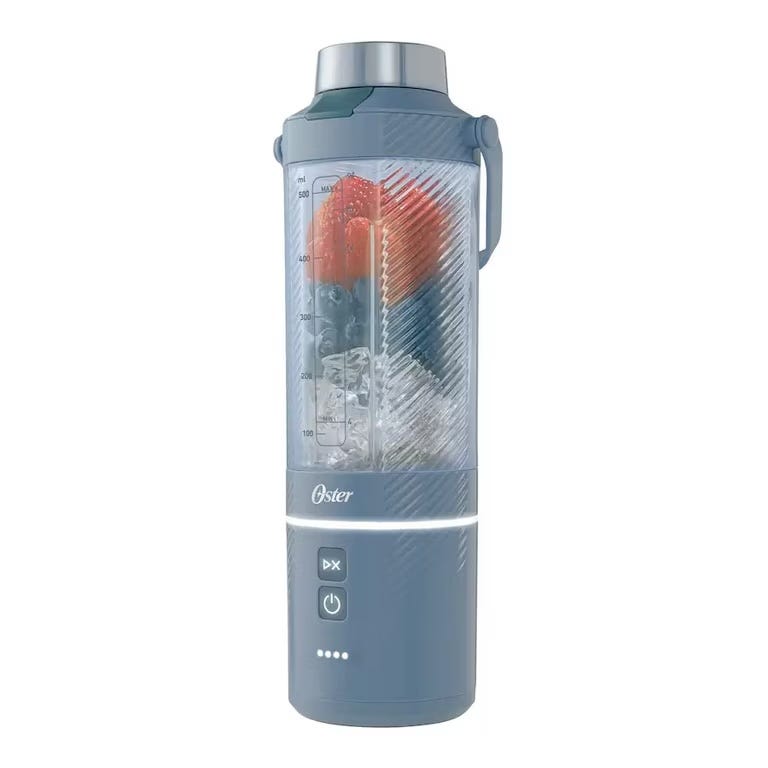
The blender is at home. You are not. Somehow, this problem costs nine dollars every time it happens.
The Oster GoMAX turns the blender cup into the cup you drink from. Fill the 20-ounce container with frozen fruit, greens, protein powder or whatever you claim makes spinach taste good, then press the button.
If an ingredient jams the blade, Oster’s anti-jam system automatically reverses it rather than making you stop and shake the whole blender like a maraca.
When the smoothie is ready, pop open the leak-resistant lid and drink from the same container. No outlet, no second cup and no giant blender pitcher sitting in the sink until someone else finally gives in and washes it.
It charges by USB-C, and Oster says one charge can power up to 15 smoothies. The detachable parts can also go in the dishwasher.
This makes sense in a dorm, at the gym or during the morning school scramble: blend it, grab it and go.
Price: $44.60 at time of publication, normally around $70 for the blue $
Shop: Amazon
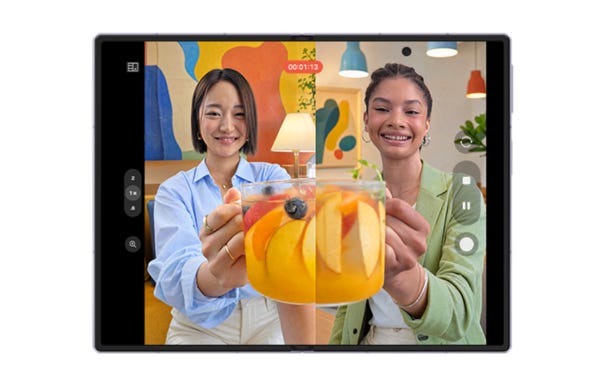
Folding phones are all the rage, and this is hands-down the best one I’ve ever seen. Gone is the center crease and feeling that a fold-in-half phone is more novel than necessary.
That said, this is a really high-end phone for the college or grad student who does everything, everywhere, all at once. This just-unveiled flagship foldable from Samsung opens from a regular smartphone into a mini-eight-inch tablet.
That makes for some serious multitasking for the student taking notes, researching, answering messages, and editing a video—possibly all at the same time.
Its new Snapdragon processor keeps everything moving quickly, while the bigger screen gives students enough room to run several apps without constantly flipping back and forth.
The camera is just as ambitious: The 200-megapixel main camera captures enough detail to crop way into a photo without turning it into a blurry mess. Nightography helps with dim gyms, concerts and late-night campus life, and it can shoot video in 8K.
This is for that student content creator or filmmaker. On a good day, it can replace their camera, tablet and even their laptop—and it has enough power to carry them through graduation and beyond.
Starting price: $2,100, with trade-in and financing offers available
Availability: Preorder now; available later in August
Shop: Samsung.com
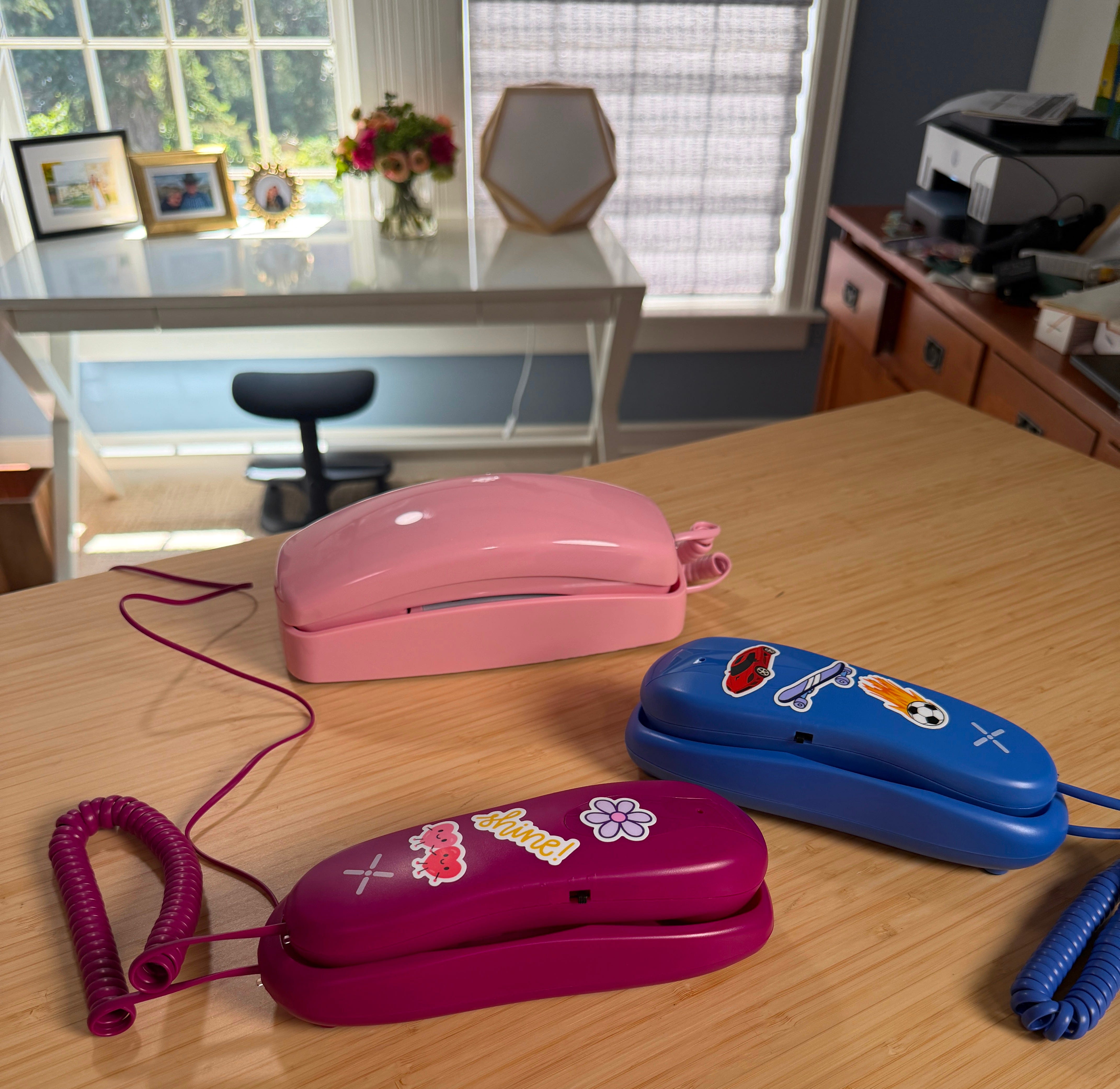
I am a huge advocate for NOT letting kids get smartphones until high school, and for using a series of “training wheel” tech gadgets to help them grow and learn how to use tech healthfully without all the caveats that come with too much too soon.
A lot of parents want their younger kids to be able to call home without handing them texting, social media, a browser and the entire internet.
My answer lately is a landline. Just not the beige one that used to hang in your grandmother’s kitchen.
Pinwheel Home is a small, screen-free Wi-Fi phone that lets kids call only the people their parents approve. You control who can ring the phone and what hours calls are allowed. Unknown numbers do not get through, and there are no apps, texts, social feeds, or a browser to wander into.
It takes about ten minutes to set up, uses Wi-Fi and does not need a phone jack or an installer. Calls between Pinwheel devices and access to 911 are included. Calling regular outside numbers requires a monthly plan starting at around $7.
This gives younger kids a way to call a parent, grandparent or approved friend without turning a simple phone call into their first smartphone.
Price: Starting at $68; outside calling plans start at about $6.99 a month
Shop: Pinwheel.com
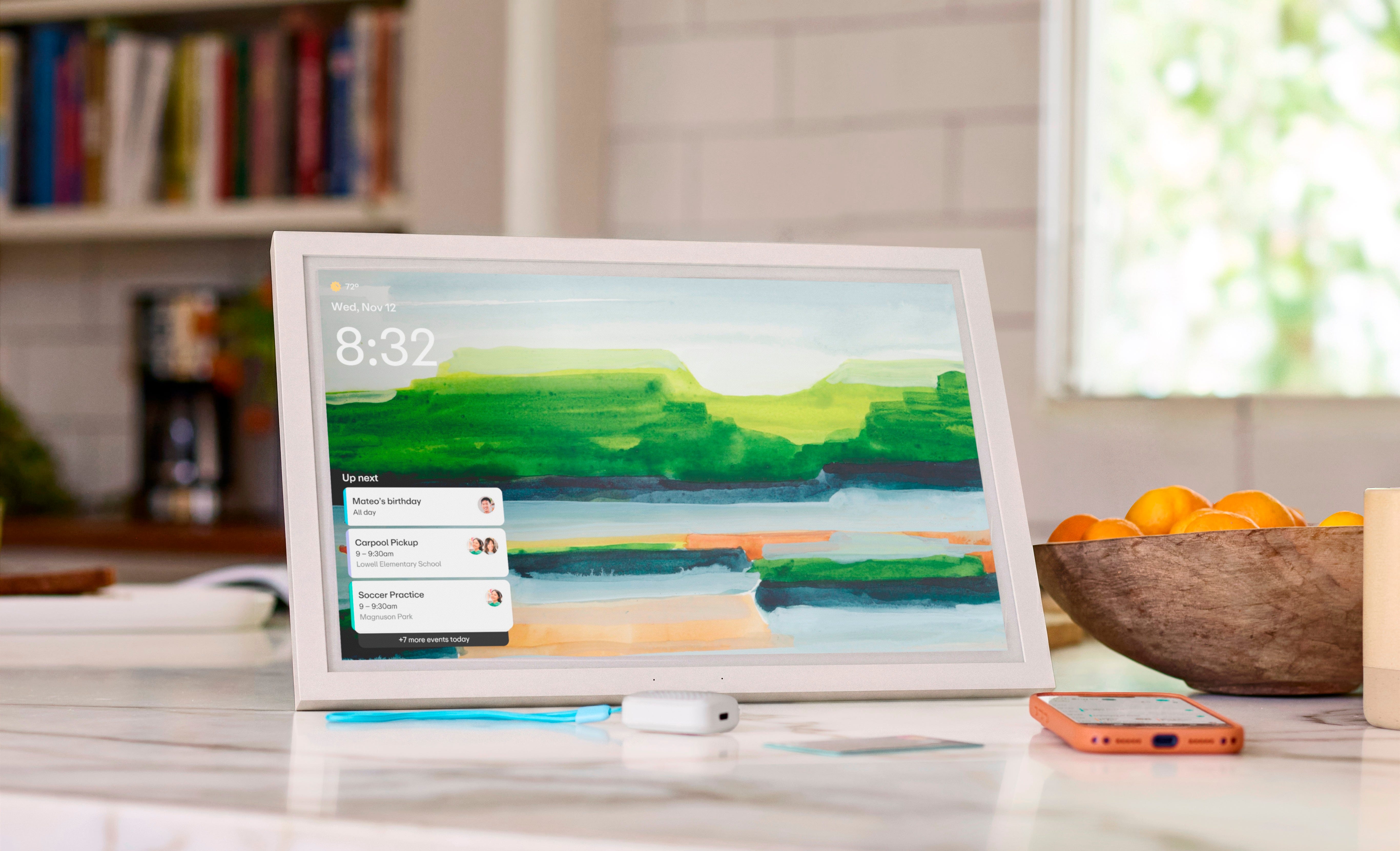
Every family has a calendar. The problem is that it usually lives on one parent’s phone, where nobody else looks at it.
The Greenlight Family Hub puts the whole operation on a shared screen in the kitchen: calendars, chores, grocery lists, reminders, family photos and all the places everyone needs to be this week.
It comes in a 10-inch version for $199 and a 15-inch model for $299. You can sync your existing calendars rather than rebuilding the family schedule from scratch, then give kids their own chores and routines. Greenlight can also tie chores to allowance and rewards, which means you may finally stop answering, “Did you send me my money?” six times a day.
The paid Hub+ plan adds an AI family assistant, real-time family location and additional safety tools. Unlike sticking an old tablet on the counter, there is no open app store or browser for kids to disappear into.
Is another family screen absolutely essential? No. But having the schedule somewhere everyone can see it may prevent more household chaos than another beautifully color-coded calendar buried inside Mom’s phone.
Price: $199 for the 10-inch model; $299 for the 15-inch model
Service: Free basic version; Hub+ starts at about $9.99 a month
Shop: Greenlight.com
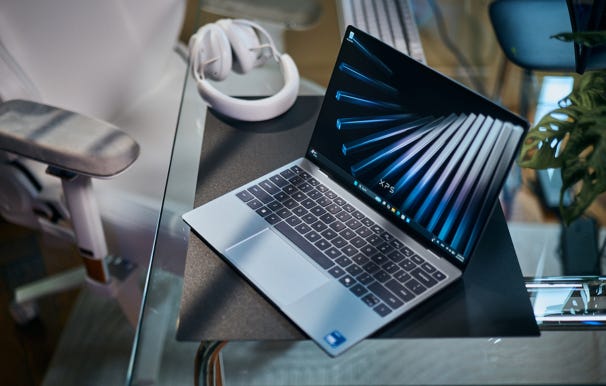
The new Dell XPS 13 weighs just 2.2 pounds. That is less than some of the textbooks you’ll cram into a backpack with it.
It is the thinnest, lightest laptop Dell has ever made, but doesn’t feel the least bit stripped down. It runs on Intel’s latest Core Series 3 processors and has a sharp 2.5K touchscreen with a 120-hertz refresh rate, which makes scrolling, video, and everyday work noticeably smoother.
The backlit keyboard helps during late-night library sessions. Quad speakers make dorm-room movies sound better. And with up to 17 hours of streaming, it should last from the first lecture of the morning through the final “I’ll just finish this one thing” study session at night.
The bigger story here is that students no longer have to lug around a bulky, expensive machine to get strong performance and a great screen.
Student price: Starting at just under $600 for students ages 16 and older, for a limited time
Shop: Dell.com
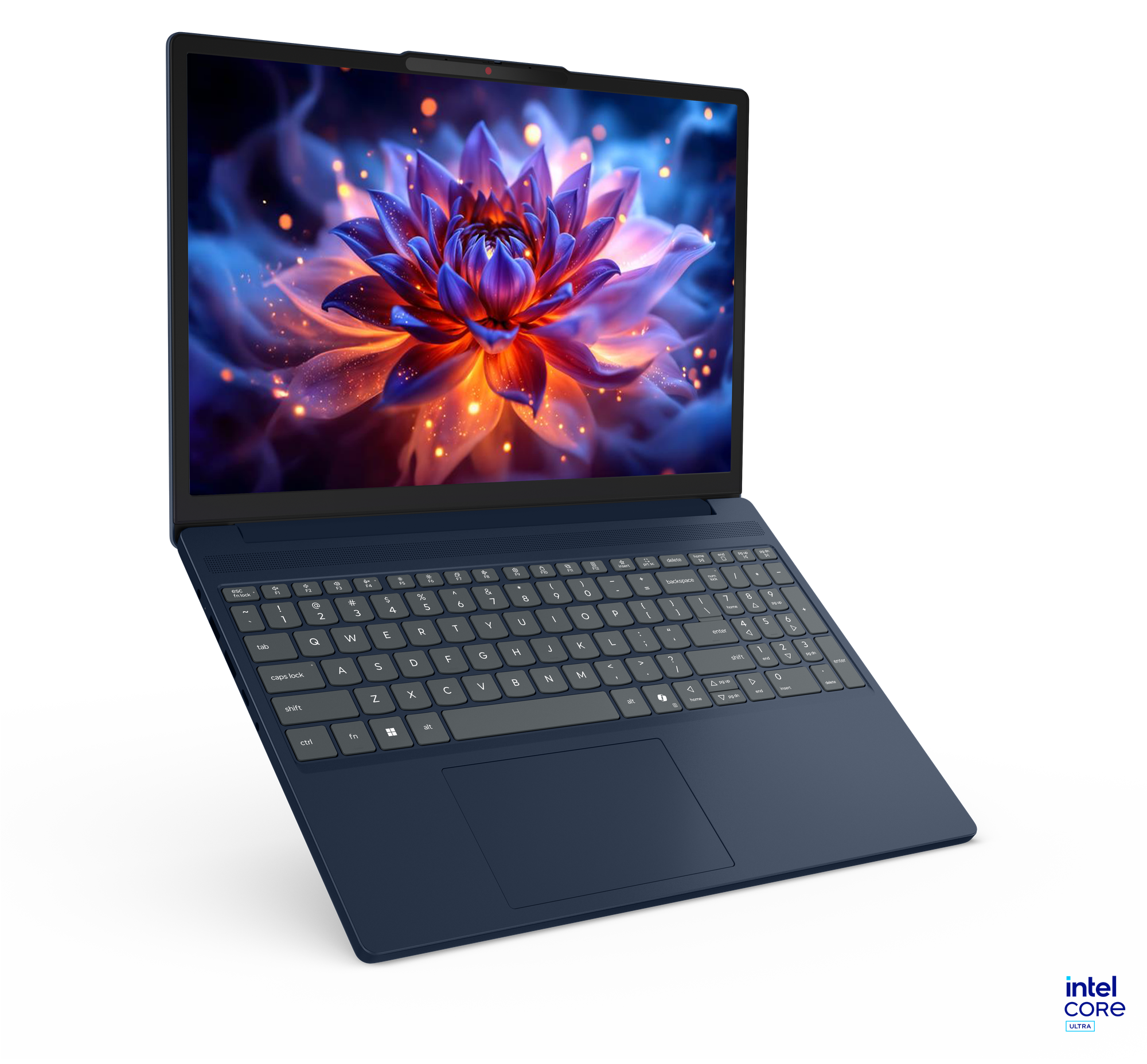
Most students need a laptop that runs everything they use for school, survives getting shoved into a backpack, and does not require a second mortgage.
The Lenovo IdeaPad Slim 3i has a roomy 15.3-inch 2K touchscreen, 16GB of memory and 512GB of storage—the combination I would look for in a new school laptop right now. There is enough power for research, writing, video calls and the seventeen tabs your teenager insists are all essential.
It weighs about 3.5 pounds, has the ports students still need, and is tested to military durability standards. That does not mean you should throw it down the stairs, but it gives me more confidence than a laptop that feels like it might crack under the weight of a math textbook.
Lenovo says it can last up to 12 hours while running work apps and more than 18 hours while streaming video. Real-life battery life will vary, but it should get most students through a school day without turning outlet hunting into an extracurricular activity.
At around $850 on sale, this is the sensible sweet spot: a strong screen, enough memory and storage to last, and no money wasted on power most students will never use.
Price: Around $850 on sale
Shop: Lenovo.com
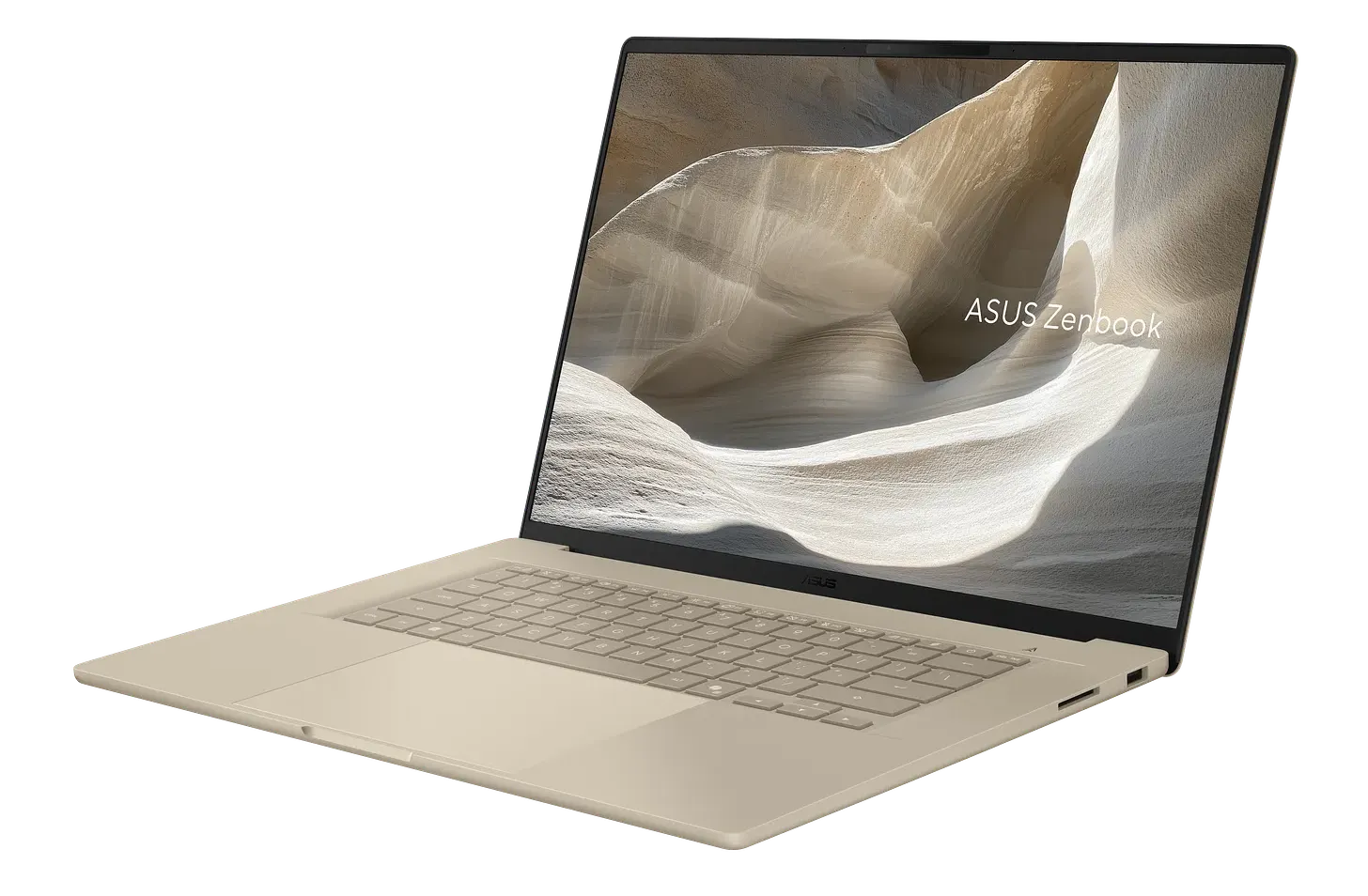
The ASUS Zenbook A16 gives you a giant 16-inch screen in a laptop that weighs only about 2.6 pounds. That is kind of ridiculous—in a good way.
Its 3K OLED touchscreen is gorgeous for schoolwork, streaming, photo editing, and every other excuse your student will use to keep it open instead of sleeping. It also packs 48GB of memory and 1TB of storage, which is much more than the average student needs today but gives them plenty of room to grow into it.
The body uses ASUS’s ceramic-and-aluminum material, so it feels premium without weighing down a backpack. The Snapdragon X2 Elite Extreme processor also handles some AI tools directly on the laptop, which can make them faster and keep more of that work on the device instead of constantly sending it to the cloud.
This is not the budget pick. It is for the college student doing video, design, engineering work, or serious multitasking—or the parent who plans to reclaim it the moment the kid graduates.
One thing to check before buying: it runs Windows on an Arm-based processor, so students who need specialized school software should confirm that their required programs are compatible.
Price: Around $1,700
Shop: Best Buy and ASUS.com
Students now carry years of schoolwork, photos, videos, and creative projects on one laptop. That’s convenient right up until the computer runs out of space—or something disappears the night before it is due.
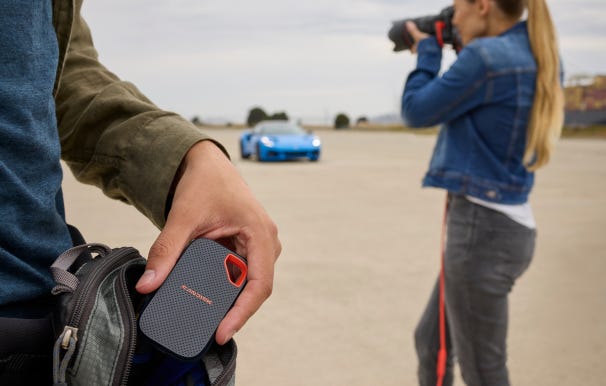
The SANDISK Extreme Portable SSD gives students and creators up to 4 terabytes of extra storage without paying to upgrade the entire computer.
It can transfer and back up giant photo and video files in seconds instead of leaving you staring at a progress bar. Plug it in, drag the files over, and toss it into a backpack.
It is especially useful for photography students, video editors, gamers, or anyone whose laptop has started sending increasingly desperate “storage almost full” warnings.
One important rule: use this as a second copy of important work, not the only copy. Keep school projects backed up in at least two places—such as the drive and the cloud.
Price: Starting at $239.99 for 1TB (price at time of publication)
Shop: Sandisk.com
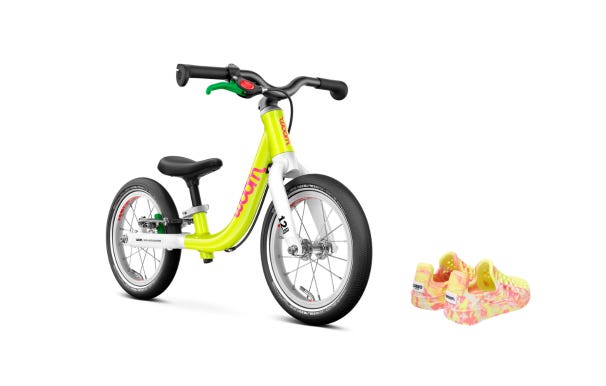
woom (yes, it’s all lower-case) is one of the biggest names in premium kids’ bikes—for a good reason. The company designs them for children from the ground up, rather than shrinking an adult bike and calling it kid-size.
That means lighter frames, smaller grips, seats shaped for little bodies, and brake levers that small hands can actually reach. Some woom bikes weigh up to 40 percent less than conventional kids’ models.
That weight difference is huge when the rider weighs only 40 or 50 pounds. A lighter bike is easier to balance, steer, stop, and pick up after the inevitable driveway wipeout. Kids spend less time wrestling with the bike and more time actually riding it.
woom makes bikes for every stage, from toddlers learning to balance to preteens ready to roam the neighborhood. For back-to-school season, the woom GO comes in neon lime, and the EXPLORE comes in neon pink.
Both currently include a free pair of matching Lusso Cloud shoes while supplies last.
Price: Starting at $269
Shop: woom.com
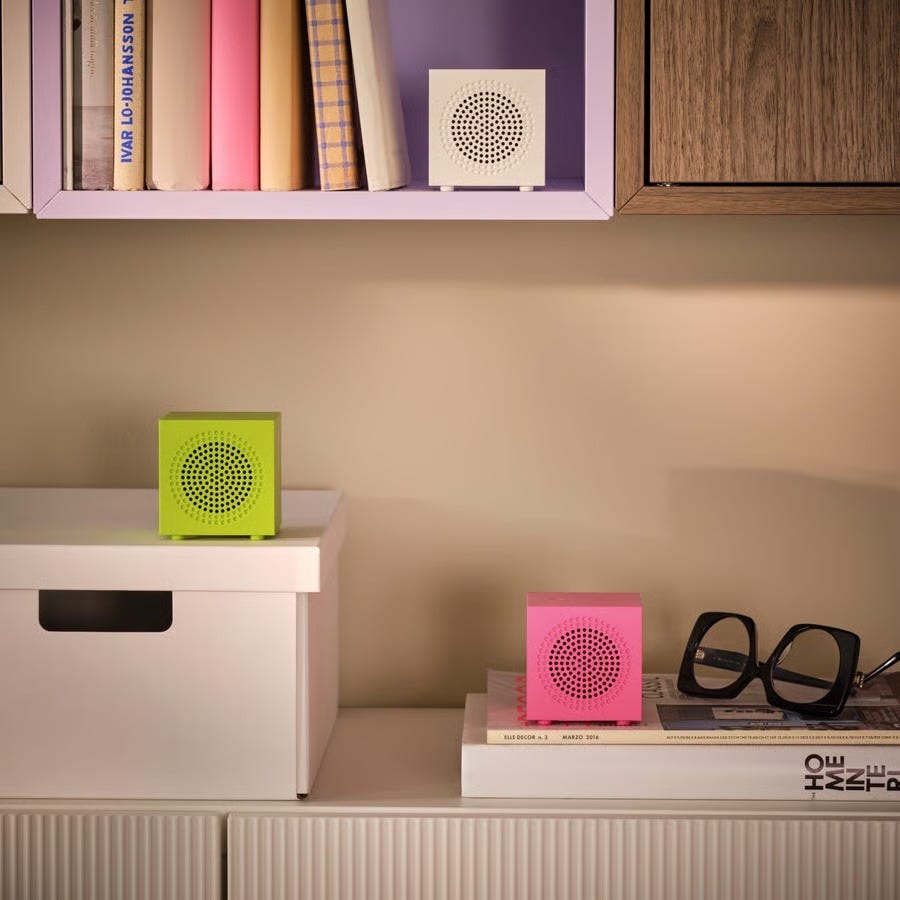
IKEA made a Bluetooth speaker for ten bucks, and it sounds far better than a tiny plastic cube has any business sounding.
The KALLSUP is about the size of a Rubik’s Cube, so it can sit on a dorm-room desk, tuck onto a nightstand or disappear into a backpack. Its rechargeable battery lasts up to nine hours at half volume.
You can also connect several KALLSUP speakers and play the same music through all of them. Put one in the kitchen, one in the bedroom or one in every kid’s room so they can stop stealing yours.
This is still a $10 speaker. It will not rattle the windows, fill a giant party or replace a premium sound system. IKEA also does not list a waterproof rating, so keep it away from the pool and the overly enthusiastic side of the shower.
It comes in pink, white and an aggressively cheerful yellow-green. One small bit of fine print: the USB-C charging cable and wall adapter are sold separately.
Price: $9.99
Shop: Ikea
Our production or marketing team may work with some companies featured in this article. Those relationships remain separate from our editorial coverage and reviews and never apply to anything you see Jennifer demonstrate or talk about on the Today Show.
Some links in this post are affiliate links. If you purchase through them, we may earn a small commission at no additional cost to you. That support helps us keep producing practical, independent technology coverage.
Prices and promotions are accurate at the time of publication and may change.
Comments
Nothing yet. Say the first thing.
Sign in to join the conversation.