
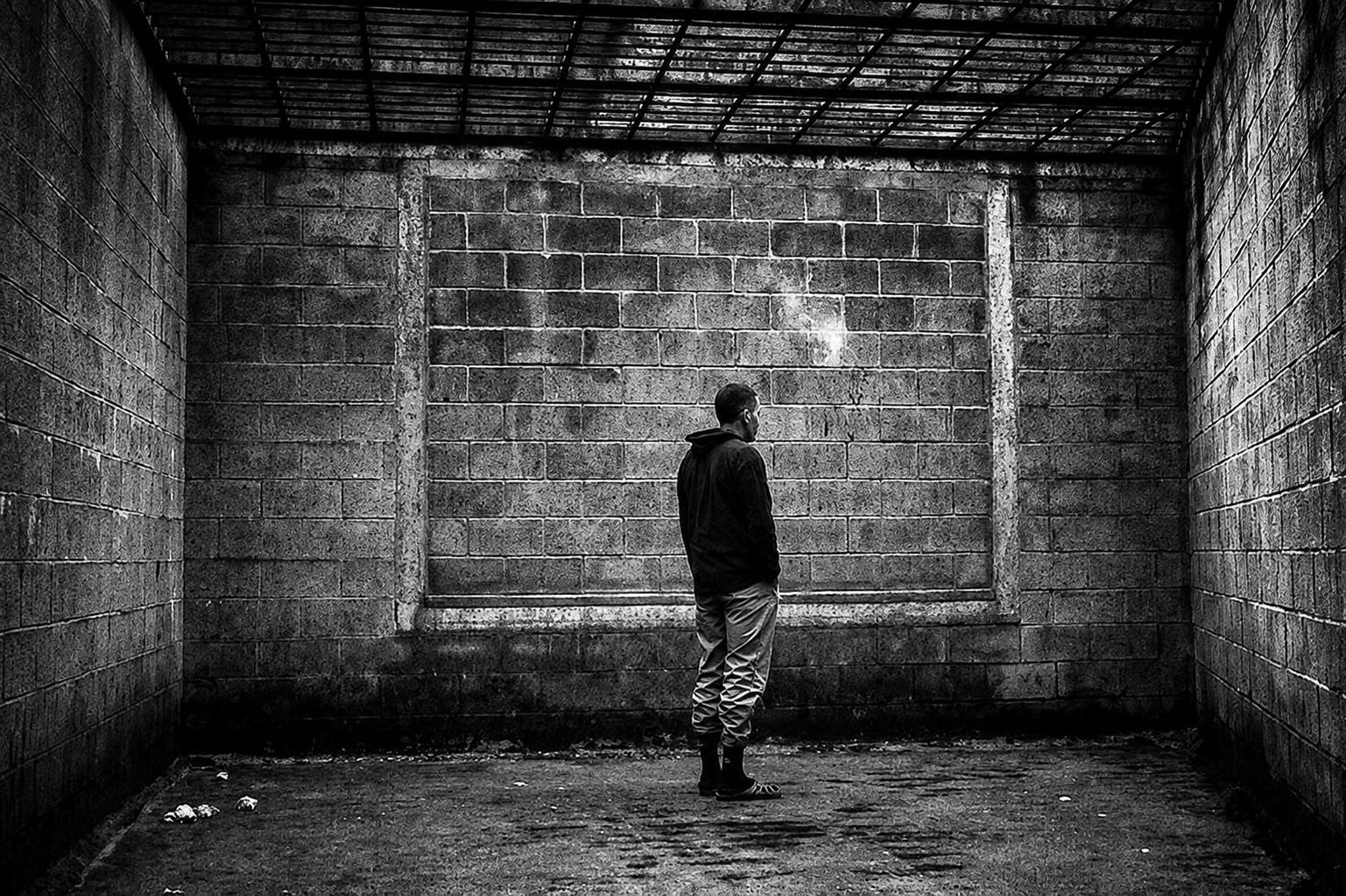
I have spent a great deal of time inside prisons. I have entered them as a chaplain and worked pro bono as a spiritual director with people who were incarcerated and those attempting to build a life after release. I have sat across from people convicted of serious crimes, listened to the histories that preceded those crimes, and witnessed the long human aftermath that no sentence can fully contain.
One of those encounters began with a letter from a man on death row. He had read Divine Nobodies and asked if I would come to see him. He knew that he was going to die. Before that happened, he wanted to tell someone his story.
I went.
I did not go to determine whether he deserved sympathy, revise the facts of his crime, or offer a final interpretation of his life. I went because a human being facing death had asked to be heard. He wanted someone to know that the worst thing he had done, however terrible and consequential, was not the only thing that had ever been true about him. He wanted to place his life in the presence of another person before the state brought it to an end.
That encounter has remained with me. So have the stories of others I have met inside prisons and after their release. Their experiences have forced me to think more carefully about what incarceration takes from a person, what accountability requires, and whether our institutions leave any meaningful possibility for someone to become more than the name of an offense.
This article grows from those encounters. It does not argue against accountability or minimize the suffering of victims. Nor does it presume that listening to someone’s story settles the moral meaning of what they have done. It begins with a narrower and more neglected question: What happens to a human life when an institution assumes control over its time, identity, agency, belonging, and future?
I call that condition existential custody.
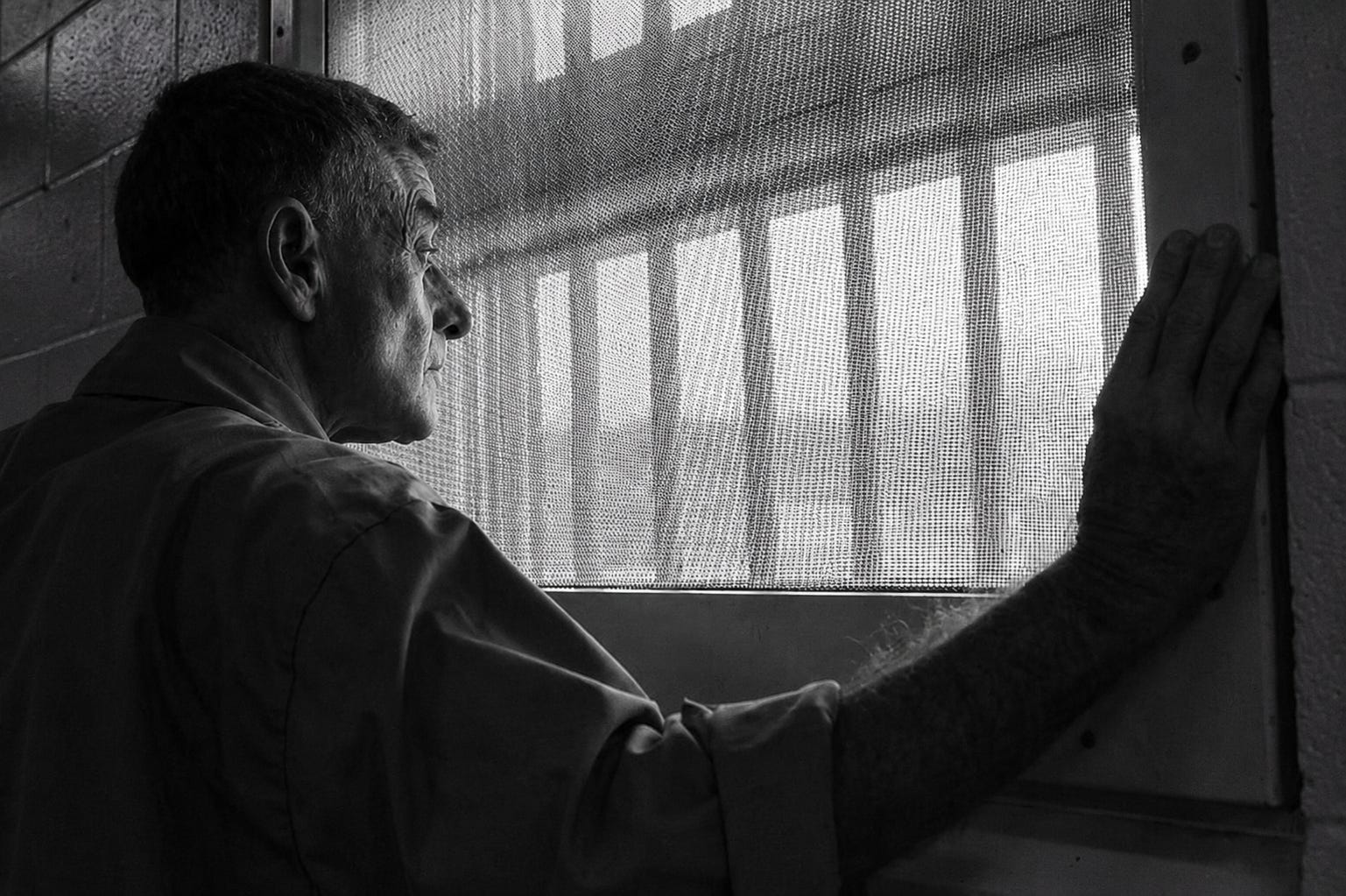
What, exactly, does a prison sentence take from a human being?
The most obvious answer is freedom. A person can no longer decide where to go, where to sleep, what to eat, whom to see, or how to spend the day. Movement is restricted, privacy is diminished, relationships are interrupted, and ordinary decisions become matters of institutional permission. The loss is concrete enough to be measured in years, months, and days.
Yet the deprivation of liberty does not remain confined to movement. It reaches further into the structure of a life. Time changes its character. Identity becomes attached to an offense and administered through a classification system. Agency contracts around the demands of survival and compliance. Belonging becomes uncertain. The future no longer feels open in the ordinary way because its possibilities are filtered through a sentence, a record, a parole board, and the enduring judgment of others.
These effects are typically interpreted through the disciplines already equipped to study them. Psychology examines trauma, depression, anxiety, adaptation, and institutionalization. Public health addresses illness, mortality, addiction, and the unequal distribution of harm. Sociology traces family disruption, racial inequality, poverty, social exclusion, and the consequences of imprisonment for communities. Criminology considers punishment, deterrence, rehabilitation, recidivism, and public safety.
Each reveals something indispensable. None, by itself, fully names what happens when an institution gains extensive power over someone’s relationship to being someone, belonging somewhere, exercising meaningful choice, and having a future.
That is an existential event. To say this does not sentimentalize people who have caused harm, deny the gravity of their actions, or relieve anyone of accountability. It identifies another dimension of confinement that our moral and institutional vocabulary leaves underdeveloped. A society has legitimate grounds for restricting liberty in response to serious harm while remaining obligated to ask which forms of deprivation are justified, which are destructive, and what kind of people its institutions are preparing to return to the world.
The argument I want to pursue is that incarceration places more than the body under custody. Time, identity, agency, belonging, and futurity also fall under its control. I call this existential custody: the condition in which an institution acquires disproportionate power over the fundamental coordinates through which human beings inhabit their lives.
Seen in this way, rehabilitation and reentry begin to look different. Completing programs, securing employment, obtaining housing, and avoiding rearrest remain essential. Human reconstruction reaches deeper. Those emerging from prolonged external control must recover the capacity to make choices, inhabit an identity larger than an offense, belong without erasing responsibility, and experience the future as something more than the continued administration of the past.
That is the work of existential health.
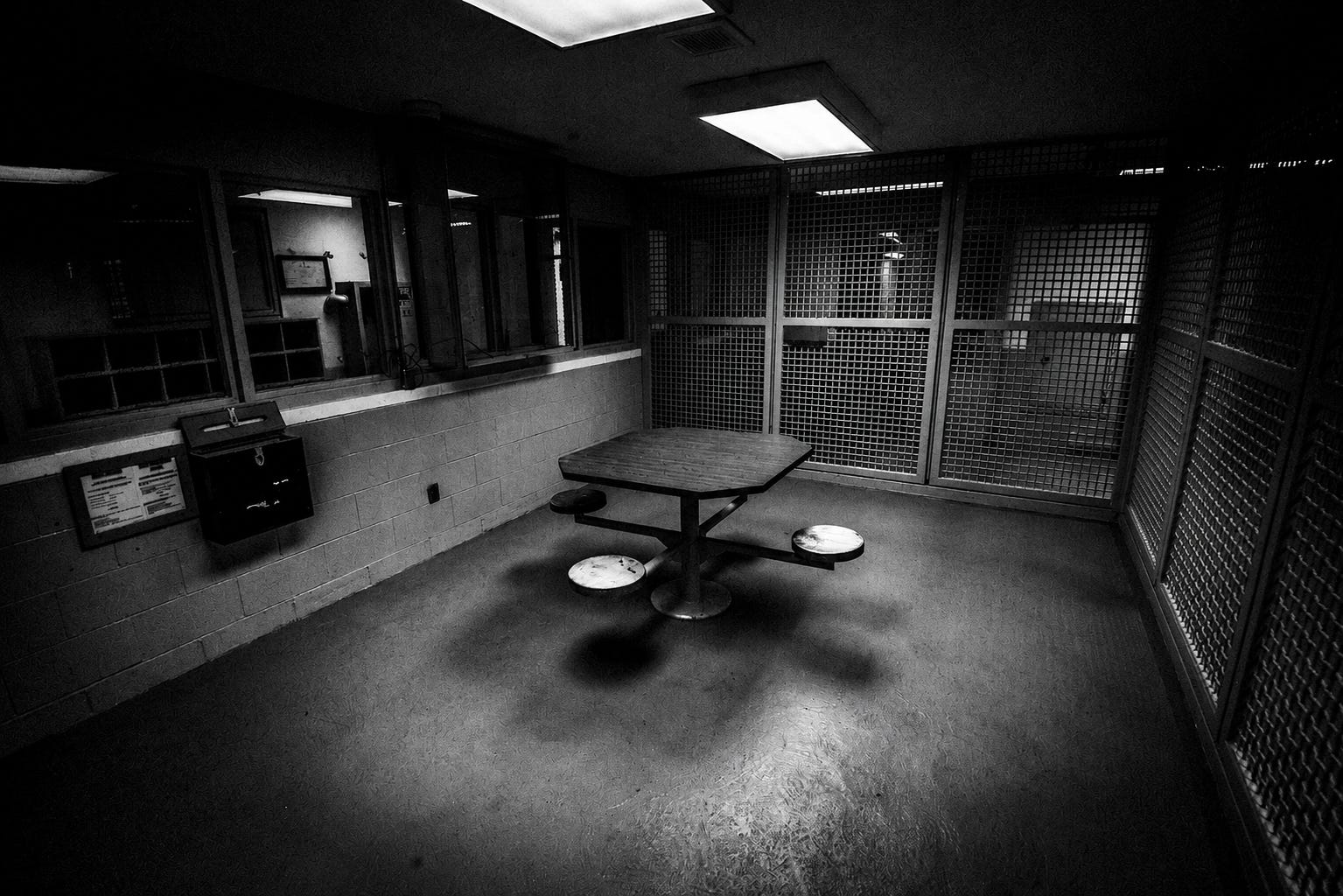
A legal sentence specifies a punishment within formal boundaries. It names a period of confinement, a term of supervision, a fine, or some combination of these. The apparent clarity is reassuring. A wrong has occurred; the state responds; the punishment has a defined shape. Whatever moral disagreements surround the severity of the sentence, the law presents it as something bounded.
Lived punishment rarely remains within those boundaries. The sentence follows those who have served it into housing applications, employment decisions, professional licensing, education, voting rights in some jurisdictions, family relationships, and social reputation. Long after the formal period ends, the conviction continues to organize access to ordinary participation. The law declares the debt paid while the social world continues collecting.
I call this extension sentence expansion: the process by which a legally defined punishment spreads into domains of life that were never fully named at sentencing and continues long after formal custody ends. Sentence expansion helps explain why release often feels less like the end of punishment than a change in its administration. The walls become less visible, but the record travels. The institution no longer controls every movement, yet its judgment remains active in the decisions of landlords, employers, agencies, neighbors, and sometimes family members.
The scale of this reality in the United States makes it impossible to regard as an exceptional concern. The Bureau of Justice Statistics reported 1,254,200 people in state and federal prisons at the end of 2023. At midyear 2024, local jails held another 657,500 people and recorded 7.9 million admissions over the preceding twelve months.
Jail and prison are distinct institutions, and people move through them under different legal conditions. The human consequences also differ according to sentence length, age, gender, race, disability, family position, and facility conditions. Even so, the figures reveal the enormous number of lives exposed to some form of carceral control. They also obscure a crucial moral fact: in 2023, 70 percent of people in local jails had not been convicted of the charge for which they were being held.
Public discussion frequently divides these lives into two moral abstractions. One presents incarcerated people mainly as threats from whom society requires protection. The other presents them mainly as casualties of structural injustice. Both perspectives disclose truth, and both risk flattening the individual. Human beings exercise agency while being shaped by circumstances. They cause grievous harm and carry histories of harm within themselves. They bear responsibility without becoming reducible to the worst act of their lives. A serious account of incarceration must hold these realities together.
Existential health begins precisely where reduction fails. It asks what conditions allow a human being to face reality, take responsibility, sustain a coherent identity, remain in relationship, and participate meaningfully in life. Those capacities concern public safety as much as personal well-being. An institution that weakens them may achieve confinement while undermining the human resources upon which any durable rehabilitation depends.
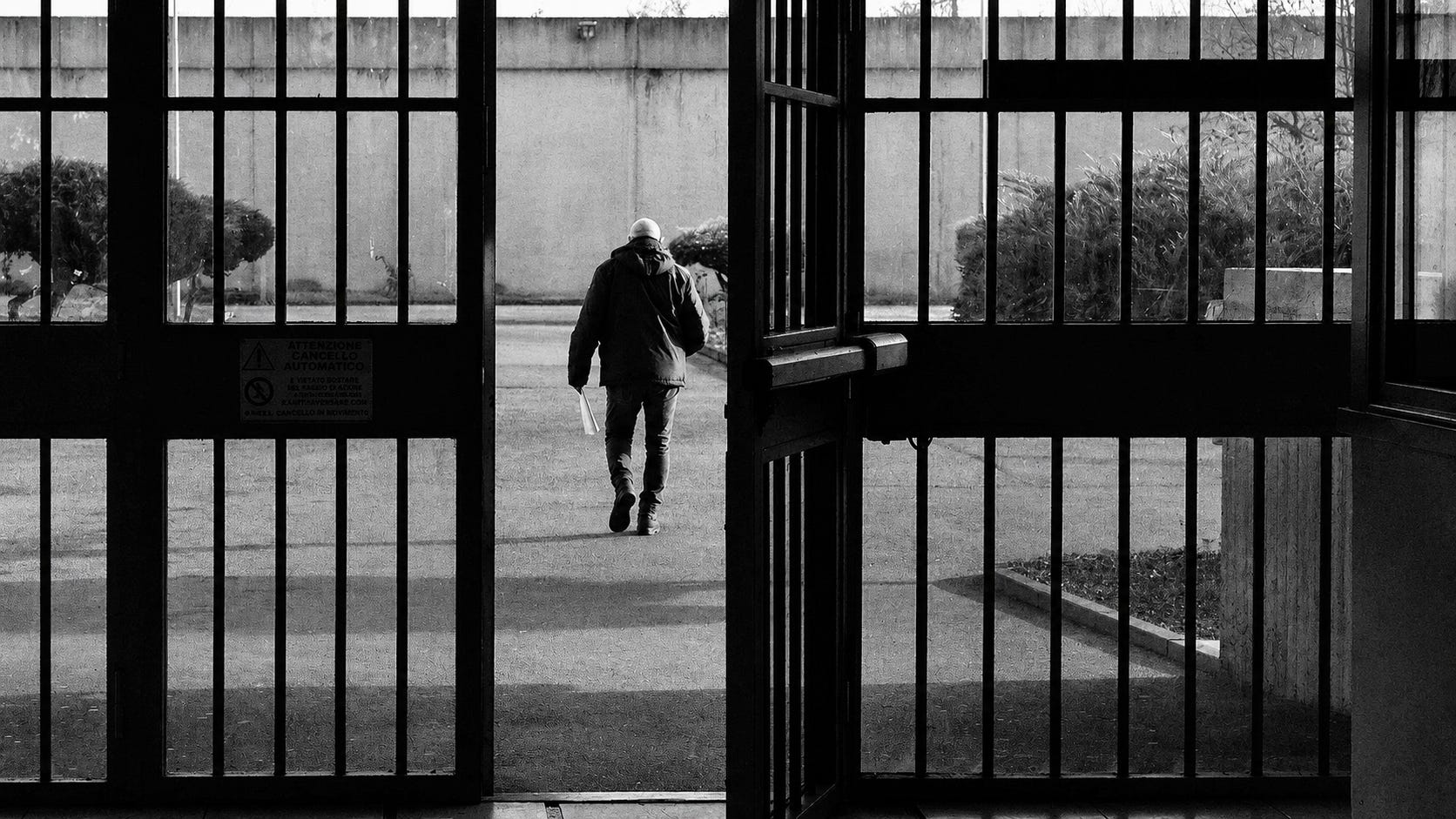
Prison sentences are expressed in temporal units, as though a portion of life could be measured and removed. Five years, twenty years, life. The language gives the impression that punishment consists of taking a quantity from someone, much as a fine takes money. Yet confinement involves more than spending one’s days in an undesirable place. The experience itself changes when a person loses authority over how the present moves toward a future.
Outside prison, life is organized through projects, relationships, responsibilities, seasons, and anticipated events. Much of our existence involves moving toward something, even when the direction remains uncertain. We prepare for birthdays, raise children, change jobs, plan trips, care for aging parents, or simply expect next year to remain available for revision. These activities make our passage through life participatory. We shape its unfolding and are shaped by what we are moving toward.
Incarceration converts this participatory experience into an administered one. The day belongs to the schedule, the count, the meal call, the work assignment, the hearing, and the release calculation. Someone else determines when movement occurs and which events are possible. The future often narrows to a date, and for those serving life or indeterminate sentences, even that organizing horizon disappears. Waiting ceases to be an interval between meaningful activities and becomes the dominant form of existence.
I call this temporal dispossession: the loss of a person’s ordinary power to organize time around chosen commitments and an inhabitable future. Temporal dispossession does not mean that incarcerated people become passive or incapable of creating meaning. Many study, mentor others, sustain relationships, make art, organize, work, practice faith, and build forms of community under severe constraints. Such activity demonstrates human agency under pressure. It should not be used to romanticize the pressure itself.
The effects of temporal dispossession become especially visible in long sentences. The world outside continues without the participation of those incarcerated. Children grow, parents die, technologies change, neighborhoods disappear, language evolves, and intimate relationships take forms that letters and scheduled calls cannot fully sustain. Those inside may remain vividly connected to these developments while being unable to enter them. They are alive in history yet prevented from joining much of its movement.
Release does not automatically restore temporal freedom. Someone who has learned to endure time often struggles to initiate it. Choice requires anticipation, which easily becomes threatening after years in which most consequential decisions were made elsewhere. The open calendar that signifies freedom to one person feels like exposure to another. A reentry plan filled with mandatory appointments often reproduces the administered time of incarceration under community supervision, leaving little room for the gradual recovery of personal rhythm.
Existential health therefore asks more than whether a person is occupied. It asks whether they are recovering a future in which they have a part. Education, work, treatment, and routine contribute to that recovery when connected to personally meaningful commitments. Without that connection, activity remains another schedule imposed from outside. The decisive movement occurs when time becomes capable of carrying intention again.
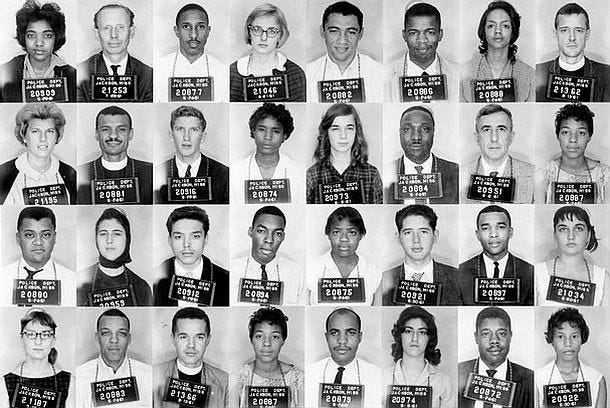
Every prison must classify. Administrators need to know who requires medical care, who poses a security risk, where someone should be housed, and which services are appropriate. Classification serves real operational purposes. Its danger emerges when an administrative description becomes an ontological verdict, when a category used for management begins to stand in for the human being it describes.
Prison intensifies a process already present in criminal law and public culture. A complex life is compressed into an offense: murderer, addict, thief, violent offender, sex offender, felon. Some of these terms describe acts, patterns, or legal statuses that cannot be ignored. Through repetition, however, the description acquires the force of identity. Grammar performs a moral transformation. Something someone did, even something terrible, becomes who they are.
Under these conditions, the institution assumes a form of authorship. It produces the official account through case files, risk scores, disciplinary records, diagnoses, security levels, and parole reports. Each document may contain relevant information. Together they form an administrative self that often becomes more consequential than the living person. The file travels where the person cannot, speaks when the person is absent, and frames how every later action will be interpreted.
This is institutional authorship: the power of a system to produce the identity through which someone becomes legible to authorities and, eventually, to themselves. Institutional authorship differs from simple labeling because it carries material force. The description determines housing, movement, eligibility, credibility, and release. Resistance is readily interpreted through the description itself. Denial demonstrates lack of insight; anger confirms dangerousness; reserve signals evasiveness. The individual enters a narrative whose terms they did not choose and whose authority they cannot easily contest.
The effects reach inward. The self is partly relational. We learn who we are through the ways others meet us, remember us, and expect us to behave. When nearly every institutional encounter begins with suspicion and every privilege depends upon compliance, self-perception adapts. Some people internalize the role of the criminal. Others construct a hardened persona capable of surviving its imposition. Still others preserve an inner life hidden from the institution. Each response carries intelligence, cost, and risk.
Existential health does not offer the fantasy of an untouched “true self” waiting beneath these imposed roles. People are changed by what they do, what is done to them, and the environments they must navigate. The task is to recover authorship without falsifying the past. That requires language capable of holding continuity and change: I did this; I am responsible for this; this act belongs to my life; my life exceeds it; the person I become remains an open moral project.
Such language is demanding. Condemnation is easier because it freezes identity. Exonerating self-invention is easier because it evades responsibility. Self-authorship occupies the harder ground between them. It allows a person to tell the truth about harm without granting harm permanent possession of the self.
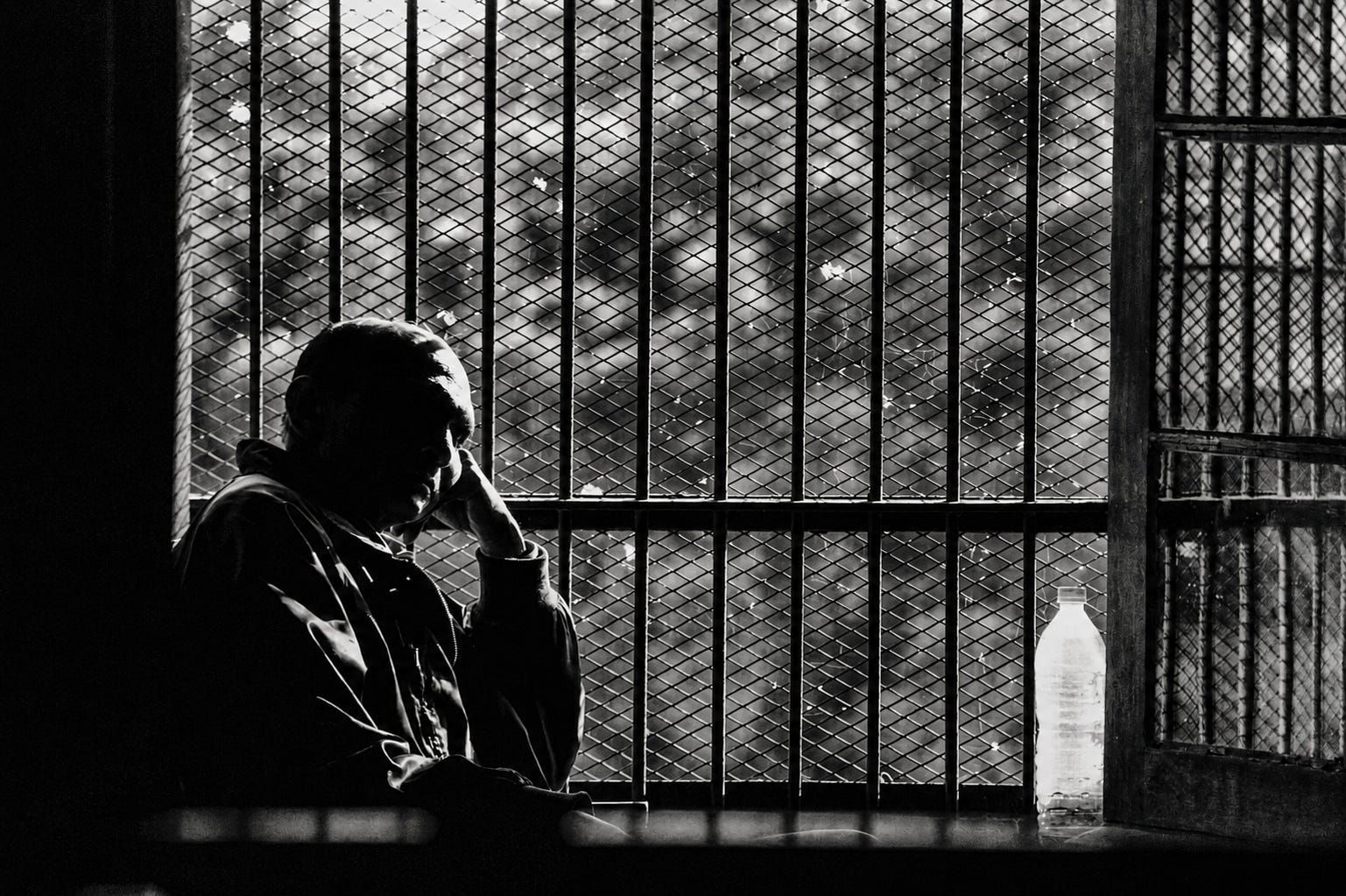
Correctional institutions often say they want people to become responsible decision-makers. Daily prison life frequently works against that goal. Rules regulate minute aspects of existence, incentives reward compliance, and punishment follows unauthorized action. Some degree of regulation is necessary for safety and order. Over time, however, a system that manages most decisions risks weakening the very capacity for judgment it later expects someone to exercise.
Agency is more than having options. It involves interpreting a situation, weighing competing goods, tolerating uncertainty, accepting consequences, and acting from an internally organized sense of responsibility. Compliance requires a narrower capacity: determining what authority expects and adjusting behavior accordingly. Compliance is often prudent, ethical, and essential to collective life. It becomes a poor substitute for agency when treated as evidence that agency has developed.
The prison environment produces an agency paradox. People prove their readiness for freedom by succeeding under conditions that offer little freedom. They are expected to demonstrate independent judgment through obedience, emotional regulation under chronic constraint, and social trust within a setting structured by surveillance. The better someone becomes at adapting to confinement, the more poorly those adaptations often fit the world beyond it.
Survival frequently depends upon forms of attention that make sense inside and become costly outside. Someone learns to monitor the room constantly, conceal vulnerability, avoid dependence, limit emotional expression, respond rapidly to perceived disrespect, or rely upon rigid routines. These behaviors are later described as dysfunction, but that description misses their context. They are forms of carceral competence, capacities developed for navigating an environment in which threat, uncertainty, and unequal power are woven into daily life.
Carceral competence deserves respect because it reflects adaptation rather than defect. Respect does not require treating every adaptation as permanent or harmless. Hypervigilance exhausts the body. Emotional concealment obstructs intimacy. Suspicion makes community difficult. A rigid relationship to routine turns ordinary unpredictability into a source of destabilization. Those leaving prison therefore face an agonizing exchange: capacities that helped preserve life inside often interfere with building life outside.
Reentry programs often focus on choices while overlooking this transition between environments. People are told to make good decisions without enough opportunity to practice meaningful decision-making. They receive rules for success from professionals prone to interpreting hesitation, mistrust, or inconsistency as a lack of motivation. Yet the recovery of agency cannot be commanded into existence. It develops through graduated responsibility, trustworthy relationships, room for error, and real participation in decisions that shape one’s life.
An existential approach would treat self-authorship as a practical capacity. It would ask where choice is currently present, where it feels dangerous, what consequences the individual is prepared to hold, and which commitments carry enough meaning to organize action. The goal is not unlimited autonomy. No one possesses that. The goal is responsible participation in one’s own life.
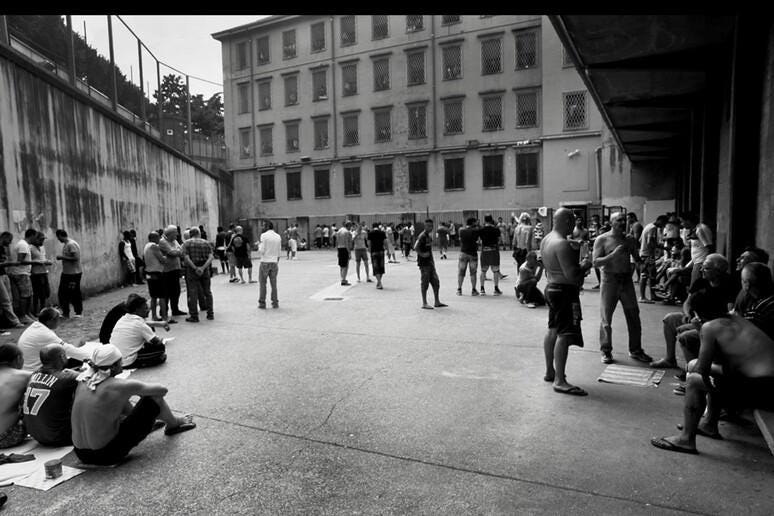
Incarceration removes a person from a place, but its social meaning reaches beyond separation. The incarcerated person is often positioned outside the moral community, treated as someone whose claim to ordinary recognition has been suspended. This takes overt forms such as disenfranchisement, exclusion, and public stigma. It also enters intimate relationships through shame, silence, interrupted caregiving, and the redistribution of family roles.
The term social death has been used in several historical and sociological contexts to describe people who remain biologically alive while being treated as absent from the social world. Incarceration does not produce a single or complete form of social death. Families sustain bonds, communities organize support, and incarcerated people create relationships with one another. Still, the concept points toward a central feature of punishment: the state does more than confine a body. It authorizes a form of civil removal.
Belonging is often treated as a reward for good conduct. Earn trust, demonstrate change, remain compliant, and society will gradually allow you back. This logic contains an understandable moral intuition. Harm affects relationships, and no one has the right to demand trust from those who have been violated. Victims retain authority over their own boundaries. Reconciliation must never be imposed as part of another person’s rehabilitation.
Yet a person’s place in the human community cannot depend entirely upon moral approval. If full acceptability becomes the price of admission to any setting from which change is possible, transformation loses its social ground. People become responsible selves through participation in relationships where truth, limits, accountability, and human worth coexist. Exile often suppresses behavior. It rarely teaches people how to live among others.
This tension leads to an important distinction between relational restoration and universal belonging. Relational restoration concerns specific bonds damaged by harm. It may require repair, restitution, sustained change, consent from those affected, or permanent distance when safety demands it. Universal belonging names the more basic recognition that a person remains part of the moral world and retains a claim to dignity, care, and the possibility of development. The first cannot be guaranteed. The second should not be revoked.
The United Nations’ Basic Principles for the Treatment of Prisoners begins from this ground, affirming that prisoners retain inherent dignity and value as human beings. That principle is frequently interpreted as a minimum standard against abuse. Its significance is wider. Dignity sets a limit on institutional authorship. It declares that no state, sentence, file, or offense possesses the authority to define the total meaning of a person.
Communities also experience the removal. Children lose daily access to parents. Partners carry emotional and economic burdens. Neighborhoods with high rates of imprisonment absorb recurring absence and return. Those confined remain embedded in networks of relationships, so punishment travels along those lines whether or not the court intended it. A complete account cannot stop at the individual. Belonging is an ecology, and carceral punishment reorganizes the whole field.
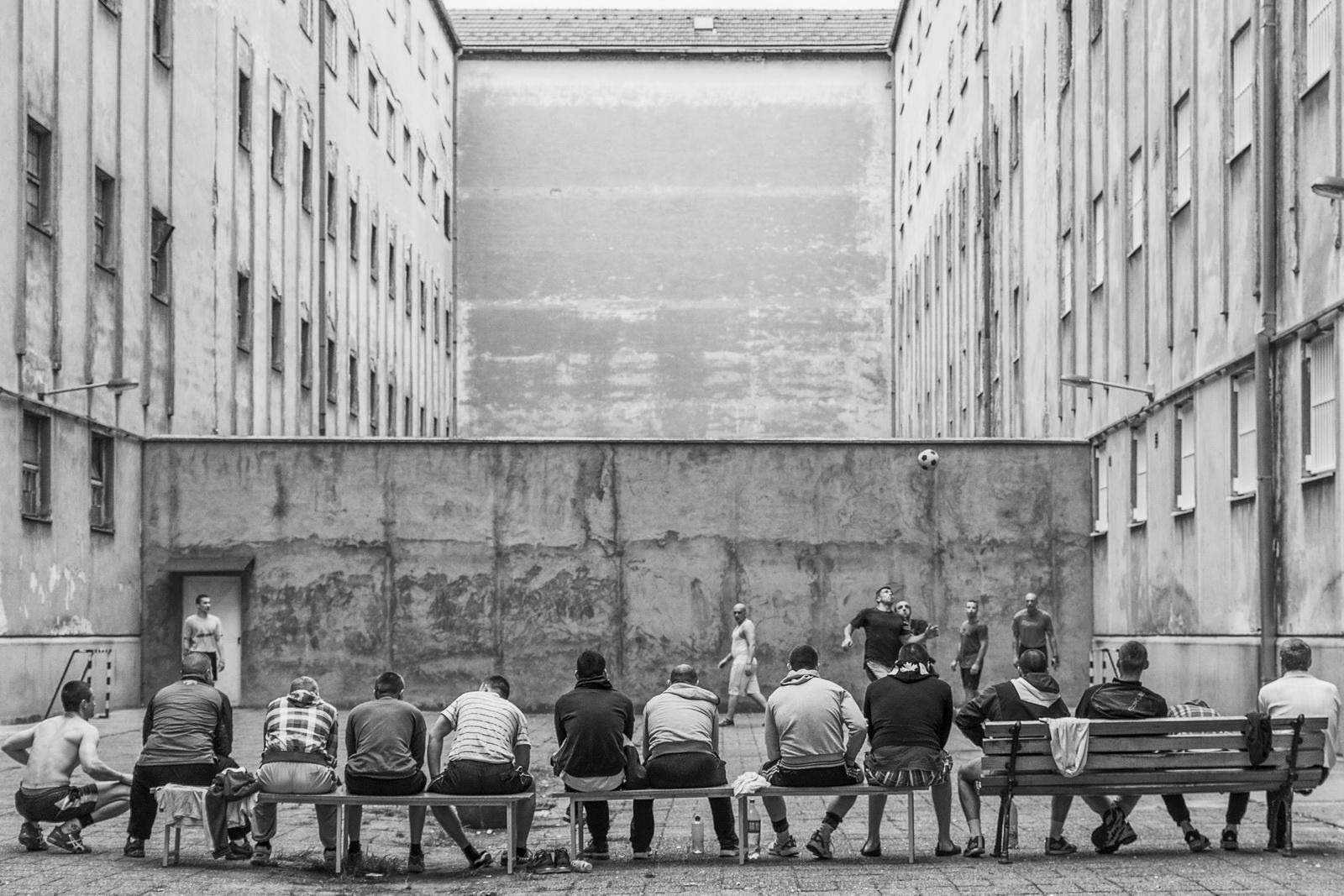
Human beings do not wait for ideal conditions before asking how to live. Meaning-making continues in prison because it is one of the ways consciousness responds to constraint, guilt, loss, boredom, terror, and hope. Religious conversion, philosophical study, political education, creative work, mutual aid, parenthood from a distance, and service to others offer ways of maintaining an interior life that the institution does not fully possess.
Meaning in confinement requires careful consideration. Stories of redemption inspire, but they also risk imposing another demand upon incarcerated people. The preferred narrative is culturally familiar: wrongdoing is admitted, suffering endured, faith or purpose discovered, reform achieved, and gratitude expressed for the experience that made transformation possible. Some lives genuinely take this form. The trouble begins when redemption becomes a performance required for recognition or release.
Institutions favor legible transformation. Parole boards, treatment providers, religious programs, and public audiences often expect a coherent account with the correct emotional sequence. Remorse must appear sincere, insight must use recognizable language, and the future must be narrated as a stable plan. Those seeking freedom learn which stories will be heard. The account may be true, partly true, aspirational, or strategically assembled. Under conditions of unequal power, no listener should assume that confession is free from coercion.
This creates redemptive pressure: the expectation that an incarcerated person convert suffering into an approved story of moral transformation in order to become intelligible as human again. Redemptive pressure distorts spiritual care when faith communities offer profound belonging and practical support while suggesting that divine forgiveness resolves injuries whose human consequences remain. Secular programs reproduce the same structure through therapeutic language when they demand insight, positivity, or a rehabilitated identity that conforms to institutional expectations.
Non-religious spirituality has a distinct contribution to make here. It holds questions of meaning, mortality, guilt, transcendence, forgiveness, and human worth without requiring adherence to a doctrine or treating belief as evidence of rehabilitation. It protects the person’s authority to interpret their experience while refusing narratives that excuse harm. Such accompaniment does not supply meaning. It creates conditions in which meaning may emerge without becoming another instrument of control.
Some suffering does not become meaningful. Years are lost. Relationships end. People die before reunion. Abuse within confinement cannot be redeemed by declaring that it produced strength. Existential health rejects the requirement that pain justify itself. A mature spiritual framework allows grief to remain grief, remorse to remain morally serious, and hope to exist without rewriting devastation as destiny.
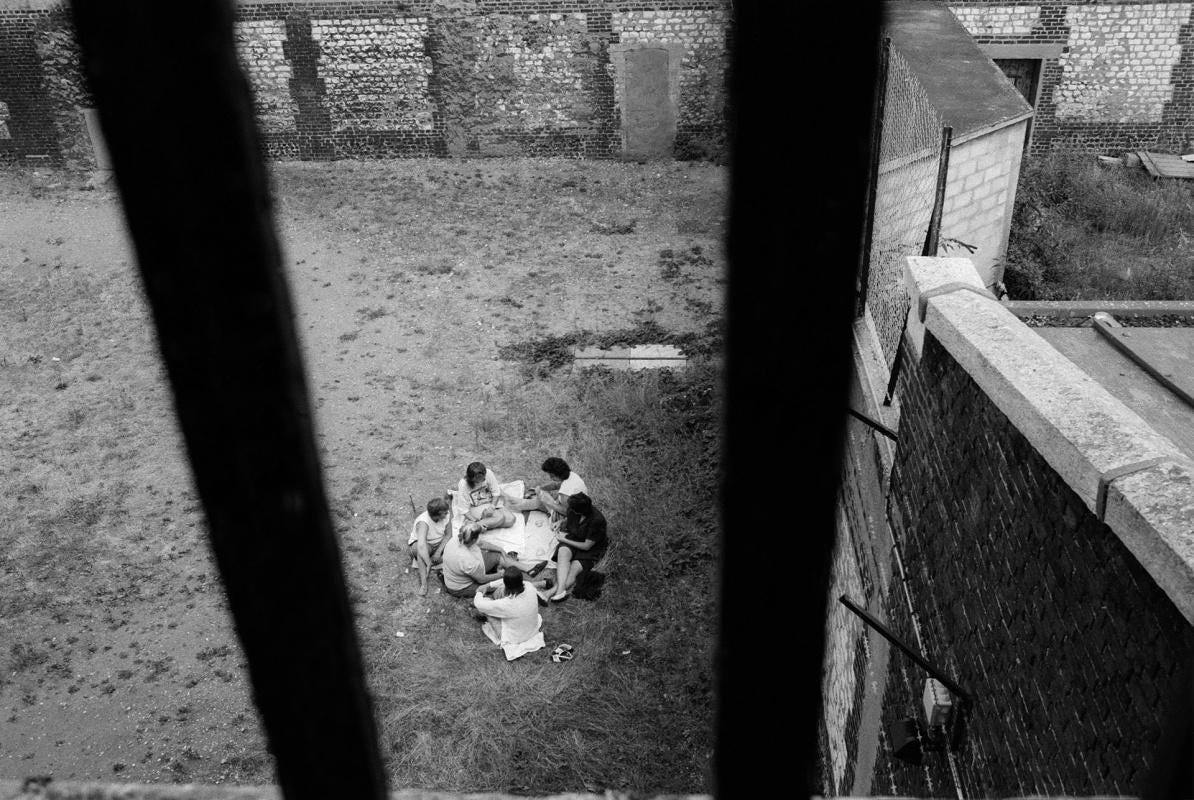
Any argument about the humanity of incarcerated people encounters a justified concern: what about those who were harmed? Discussions of rehabilitation often become offender-centered, shifting emotional and institutional attention away from victims whose lives were altered by violence, exploitation, or loss. Language about context risks turning explanation into excuse. Claims about dignity sometimes sound like requests to soften moral judgment before accountability has occurred.
These concerns should change how the argument is made. Victims are not instruments in someone else’s redemption. They do not owe forgiveness, reconciliation, testimony, or participation in restorative processes. Public safety is a real good. Some people present continuing dangers, and confinement remains necessary in those cases. Existential health cannot determine a sentence, replace legal judgment, or guarantee transformation.
Its contribution lies elsewhere. It distinguishes accountability from ontological condemnation, the judgment that an act reveals the exhaustive truth of the person who committed it. Accountability names actions, consequences, obligations, and continuing risks. Ontological condemnation converts moral judgment into a total theory of being. Once the person is understood as essentially and permanently what they did, punishment no longer requires a developmental horizon. Nothing important is expected to change because no morally significant self remains available for change.
This distinction protects accountability rather than diluting it. A person takes responsibility as an agent capable of responding. When identity is reduced entirely to pathology, evil, victimhood, or social causation, agency disappears. Condemnation and exoneration meet at an unexpected point: both may deny the person’s capacity to become answerable for a life.
Responsibility also requires reality contact. The person must face what happened, encounter its impact without controlling the victim’s response, and integrate the act into an honest account of themselves. Shame often obstructs this process because it threatens the entire self with annihilation. Denial, minimization, and blame often function as defenses against the fear that truthful acknowledgment will leave no self worth preserving.
A framework grounded in inherent dignity creates more room for truth. If human worth survives moral failure, those who have caused harm are better able to face what they have done without believing that acknowledgment requires self-erasure. This does not make accountability painless. It makes accountability humanly possible. The self remains present long enough to answer for the harm, grieve it, accept limits, and undertake repair where repair remains available.
Justice then acquires a developmental dimension. Punishment expresses condemnation of an act and protects others from further harm. A humane system also asks which capacities responsible living requires, whether inside prison or beyond it. Moral imagination, emotional regulation, perspective-taking, truthfulness, grief, self-command, and participation in community do not grow automatically through deprivation. They require environments and relationships that exercise them.
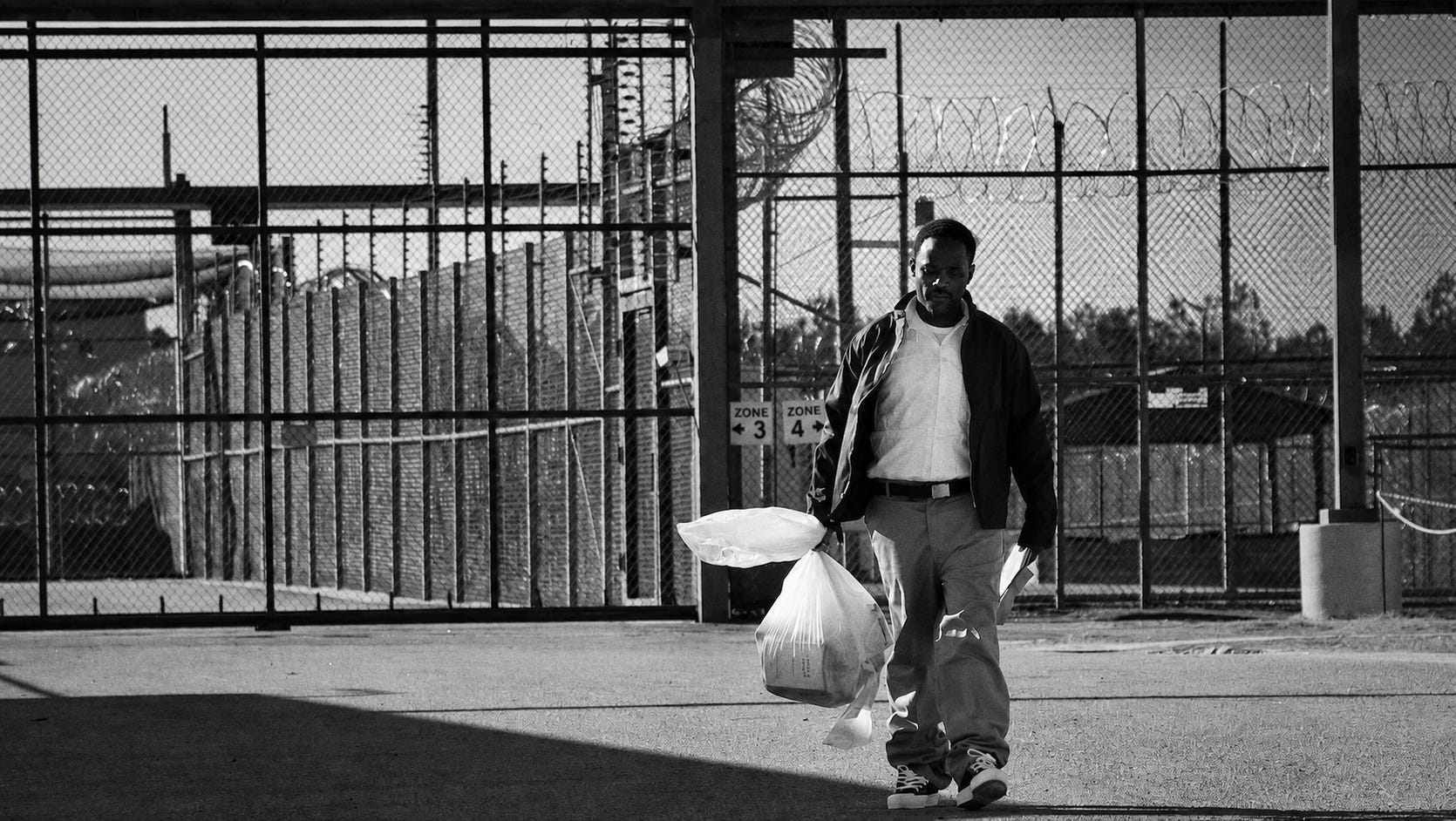
The language of reentry suggests movement back into a world one previously inhabited. For many people, no such world remains. Families have changed, communities have dispersed, employment histories contain long absences, technology has transformed ordinary transactions, and those returning have been changed by confinement. Release often involves entering a society known mostly through fragments while carrying an identity the society refuses to forget.
The practical barriers are formidable. Housing, employment, healthcare, identification, transportation, digital access, family reunification, and compliance with supervision often arrive simultaneously. The National Institute of Justice describes reentry as a continuum stretching from intake and programming through release planning, supervision, and reintegration. That continuum is valuable because preparation cannot begin at the gate. Yet even comprehensive service coordination risks missing the interior difficulty of becoming a participant in one’s own life again.
Imagine spending years asking permission for movement, adapting to scarcity, and treating attention as a form of safety. Then imagine being handed a phone, a schedule of appointments, a list of conditions, a bus route, a job application, and the instruction to make good choices. The choices appear ordinary to everyone else. To the returning person, they carry immense consequence. A missed appointment, misunderstood instruction, failed relationship, or moment of panic threatens housing, employment, supervision status, and freedom itself.
The dominant measure of post-prison success has long been recidivism, usually defined through rearrest, reconviction, or reincarceration over a set period. These measures answer legitimate questions about public safety and system involvement. The National Academies has argued that recidivism is too limited to serve as the sole measure of successful reintegration, which also involves housing, employment, education, health, and social connection. A human life amounts to more than an event that has not happened again.
Existential health extends that critique. External stability tells us little about whether someone experiences life as inhabitable. One individual avoids arrest while remaining socially isolated, governed by shame, unable to trust their judgment, and incapable of imagining a future worth sustaining. Another encounters setbacks while developing stronger relationships, deeper accountability, and a growing capacity to direct their life. The first looks successful in a narrow dataset. The second is engaged in the more substantial work of reconstruction.
I call that work existential reentry: the recovery of one’s capacity to participate in time, exercise responsible agency, inhabit an identity larger than institutional judgment, form sustaining bonds, and imagine a viable future. Existential reentry does not replace material reentry. The person cannot self-author their way out of homelessness, discrimination, poverty, untreated illness, or impossible supervision requirements. Interior capacity and social conditions interact. Each can support or sabotage the other.
Programs shaped by this framework would still address work, housing, health, and legal obligations. They would also create repeated opportunities for meaningful choice, reflection, contribution, and belonging. They would help people interpret the conflict between carceral competence and life outside. They would treat uncertainty as a capacity to develop rather than a failure to eliminate. They would recognize grief for lost years and lost relationships as part of reentry, not as an obstacle to positivity.
Most importantly, they would involve formerly incarcerated people in designing the conditions of return. No conceptual framework developed outside prison should claim authority over experiences it has not lived. Existential health can offer language and inquiry. Those whose lives have been shaped by incarceration must remain co-authors of the field’s application to them.
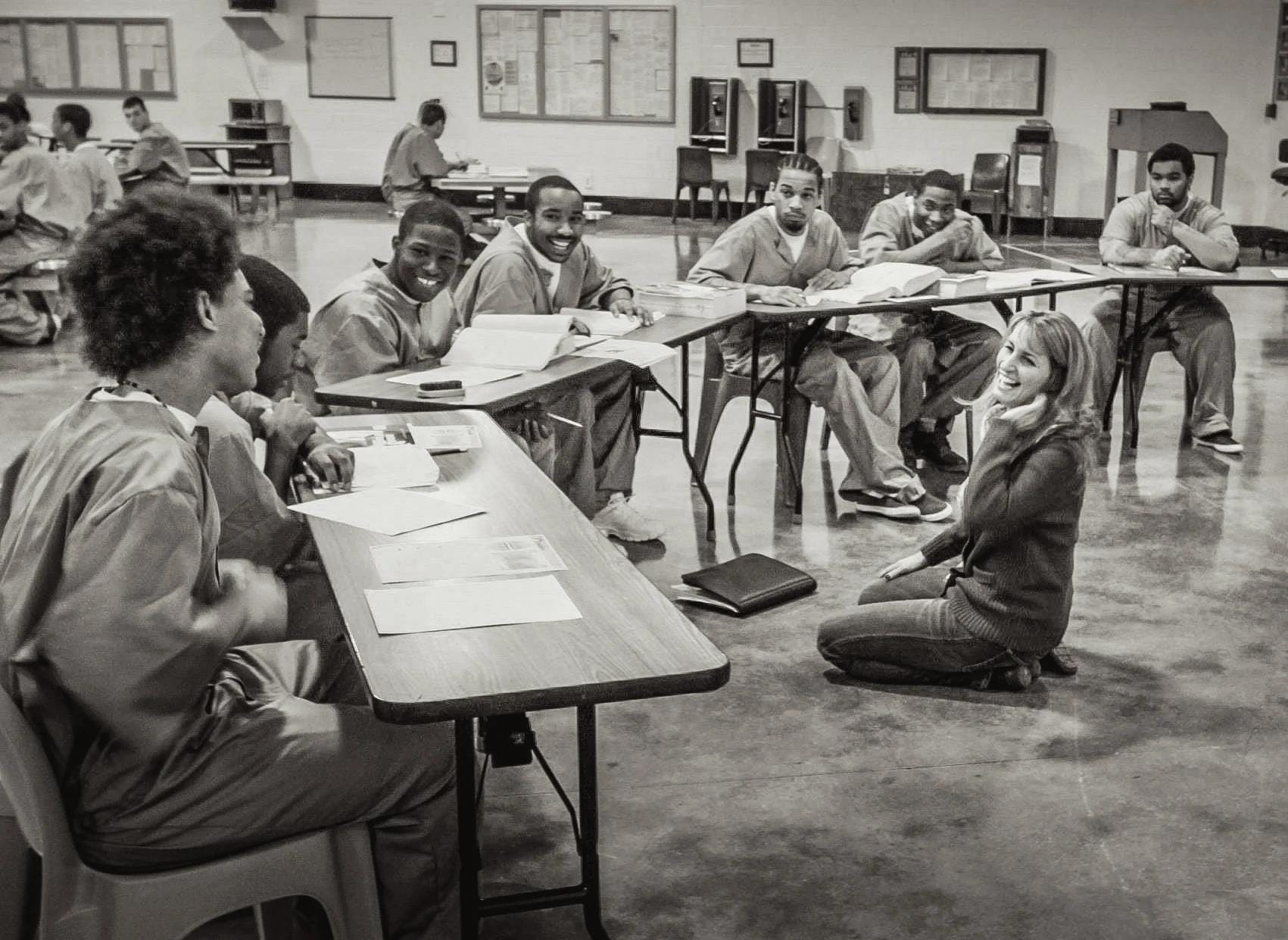
Rehabilitation is one of the central moral promises through which imprisonment justifies itself. The term suggests restoration of capacities that have been damaged or undeveloped. In practice, rehabilitation often becomes a collection of programs organized around risk reduction: education, substance-use treatment, cognitive-behavioral interventions, vocational preparation, anger management, and religious participation. Many of these programs help people, sometimes profoundly.
The limitation lies less in the individual intervention than in the surrounding anthropology. Correctional systems tend to approach the person as a set of risks and needs to be managed. The individual becomes an object of assessment whose success is defined by institutional outcomes. Even benevolent services can remain forms of institutional authorship when the person has little power to interpret what they need, contest the account given of them, or shape the future toward which the intervention is directed.
Human reconstruction begins from a different understanding. A person is a participant whose life contains moral agency, relational history, embodiment, culture, imagination, suffering, and unrealized possibility. Risk belongs within that account without becoming the whole account. Needs deserve attention, though people also possess capacities, commitments, knowledge, and forms of contribution that a needs-based model can overlook.
An existential-health framework would organize practice around several developmental capacities: remaining in contact with painful reality without collapsing into denial or self-annihilation; distinguishing responsibility from totalizing shame; tolerating uncertainty without surrendering judgment to a controlling authority; making meaning without using it to evade consequences; forming relationships that preserve both belonging and boundaries; and imagining a future that is neither fantasy nor a permanent repetition of the past.
These questions should never become another hidden test for release. This language is as vulnerable to weaponization as psychological or religious language. A parole board might convert “self-authorship” into a performance criterion. A provider may impose a preferred meaning upon a client in the name of personal development. A prison may celebrate resilience while leaving degrading conditions untouched. Any application of existential health to incarceration must therefore remain vigilant about power, consent, confidentiality, cultural difference, and the limits of professional interpretation.
The institution itself must also enter the analysis. It is ethically insufficient to teach individuals how to withstand conditions no one is willing to examine. If a facility systematically humiliates, isolates, threatens, or deprives people, the resulting distress cannot be treated solely as a deficit within the incarcerated person. Existential health includes the capacity for reality, and reality includes the institution. Sometimes the healthy response to a degrading environment is anger, grief, mistrust, or refusal. Care becomes complicit when it translates every intelligible protest into pathology.
This is where existential health meets institutional ethics. A prison committed to human reconstruction would evaluate its rules, architecture, staff culture, disciplinary practices, educational opportunities, visiting policies, and release procedures according to the human capacities they strengthen or diminish. Security would remain essential. Its pursuit would be constrained by a developmental question: does this practice protect safety while preserving the person’s ability to become more responsible, relational, and capable of life?

Even the best reentry program operates within a culture that often believes punishment should continue as memory. Criminal records make the past searchable. News archives, online registries, background checks, and social media can preserve an offense indefinitely, allowing it to enter each new relationship before the person has spoken. Digital culture gives institutional authorship a near-permanent audience.
This produces a carceral afterlife: the continuation of carceral identity and restriction after physical confinement has ended. The term refers to more than legal collateral consequences. It includes the social and psychological persistence of the prison’s categories. A person may leave the facility while continuing to see themselves through the anticipated gaze of employers, partners, neighbors, and authorities. Self-surveillance replaces the guard tower. They scan each encounter for the moment disclosure will become necessary and belonging will become conditional.
Modern culture has developed a complicated relationship with identity and change. We speak readily of growth, healing, and reinvention, while digital memory encourages permanent ethical legibility. Old statements, actions, allegations, and convictions become retrievable evidence of an essential self. The incarcerated person encounters the most severe version of a broader cultural tendency: the replacement of accountable remembrance with permanent judgment.
Remembering harm is necessary. Victims and communities should not be required to forget. Institutions need relevant information to assess safety. A society without memory cannot sustain accountability. Permanence makes a different claim. It assumes that the past must retain governing authority over every future, regardless of change, context, elapsed years, or demonstrated responsibility.
The distinction between memory and permanence allows a more mature public ethic. Remembering harm does not require a person to remain identical to it. Recognizing risk does not make risk destiny. Maintaining boundaries does not require converting exclusion into a metaphysics of human worth. Such an ethic places demands on the person returning and on the community receiving them. Reentry is a reciprocal social achievement. The individual must learn how to inhabit freedom; society must decide whether freedom will be allowed to become real.
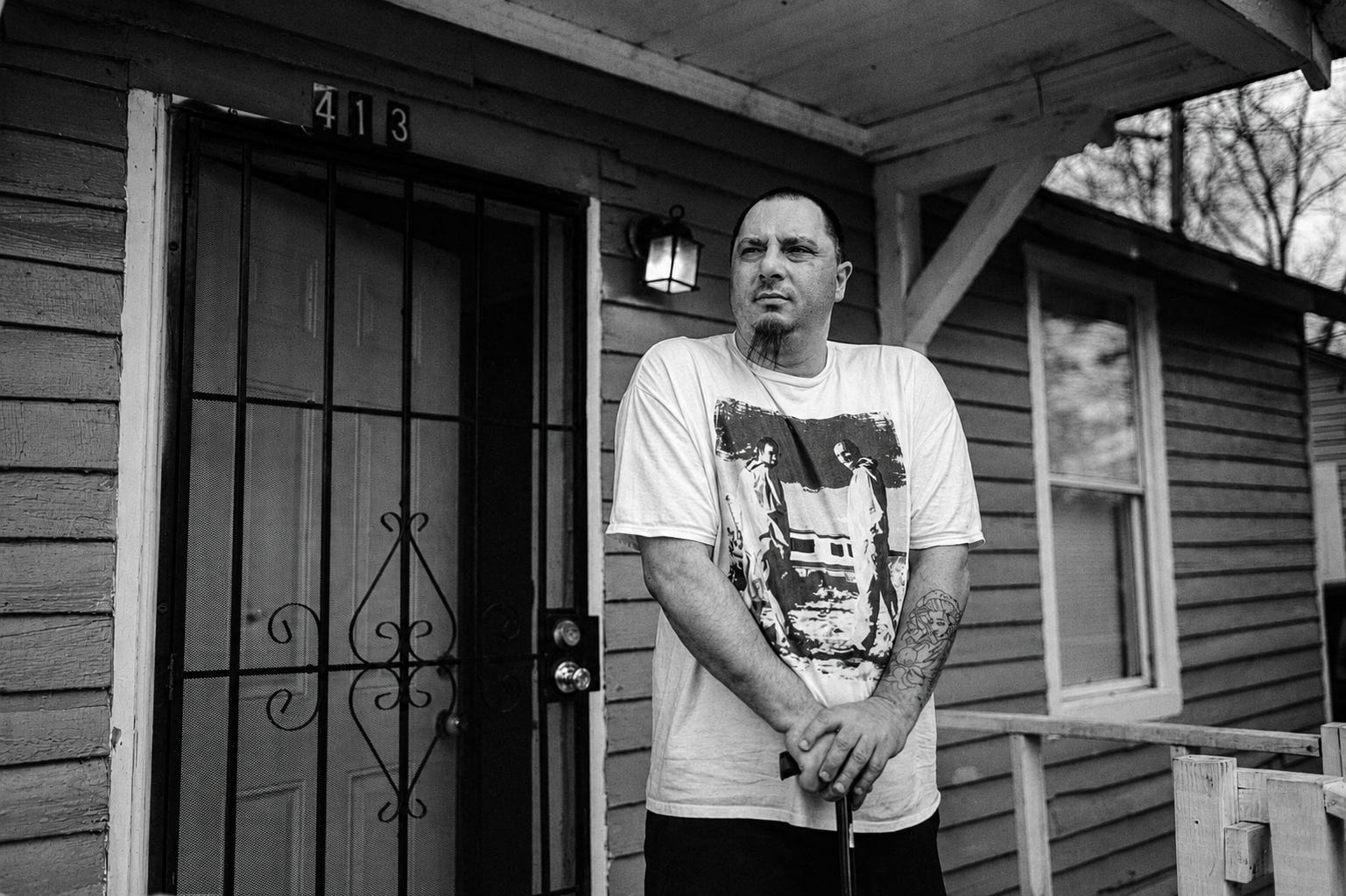
The prevailing conversation about imprisonment begins with a spatial image: someone is removed from society and placed behind walls. The image is accurate, yet incomplete. Incarceration reorganizes a life from within. It changes the texture of time, the range of agency, the terms of belonging, the story of identity, and the accessibility of the future. Its effects move through families and communities, then continue after release through law, memory, stigma, and self-perception.
Calling this a crisis of existential health does not transform every consequence of punishment into illness. Such distress is not automatically a psychiatric disorder, and many responses to confinement are intelligible adaptations to the environment. The framework also does not presume that every incarcerated person experiences prison in the same way. Sentence length, facility conditions, social location, prior trauma, community support, and individual meaning all shape the experience. Some people discover capacities and commitments in prison that they had never developed outside it. Their growth deserves recognition without being recruited as a defense of the conditions under which it occurred.
The larger claim is that justice cannot be evaluated only by what it prevents or punishes. It must also be evaluated by what forms of humanity it makes possible. A society reveals its moral imagination through the capacities it cultivates in those over whom it exercises the greatest power. If incarceration erodes agency and then demands responsibility, destroys belonging and then demands reintegration, freezes identity and then demands change, the contradiction belongs to the institution as much as to the individual.
Existential custody names the reach of that contradiction. Existential reentry names the work required to move beyond it. Between them lies a new field of inquiry and practice: how to protect society, honor those who have been harmed, preserve accountability, and still refuse the idea that a human life can be exhausted by its worst chapter.
Freedom, viewed from this terrain, involves more than the opening of a gate. It requires the return of a future. The person must experience time as open to participation, bear the weight of choice, risk relationship, and inhabit an identity that neither innocence nor guilt settles once and for all. Material support makes that return possible. Communities make it livable. Accountability gives it moral seriousness. Self-authorship gives it human form.
The deepest question is therefore directed toward all of us. Once the sentence imposed by law has been served, will we permit it to end? Our answer determines more than the fate of those leaving prison. It reveals whether we believe human beings remain capable of becoming, and whether justice exists to guard that possibility or close it forever.
E. Ann Carson and Rich Kluckow, Prisoners in 2023: Statistical Tables, Bureau of Justice Statistics, U.S. Department of Justice. The report records 1,254,200 people under state or federal prison jurisdiction at year-end 2023. View the report.
Bureau of Justice Statistics, Jails Report Series: 2024 Preliminary Data Release, U.S. Department of Justice. At midyear 2024, local jails held 657,500 people and reported 7.9 million admissions between July 1, 2023, and June 30, 2024. View the report.
Bureau of Justice Statistics, Jail Inmates in 2023: Statistical Tables, U.S. Department of Justice. At midyear 2023, 70 percent of the local jail population, approximately 467,600 people, was unconvicted, either awaiting court action on a current charge or being held for other reasons. View the report
If this article gave you language for something our usual moral and institutional categories leave unnamed, I invite you to become a paid subscriber ($50 annually).
Paid subscriptions make it possible for me to continue developing existential health as a field of inquiry and practice, including work on incarceration, religious deconstruction, identity, mortality, belonging, and the recovery of human agency. Your support sustains writing that takes the complexity of human lives seriously without surrendering accountability, dignity, or the possibility of change.
A paid subscription is $50 a year and includes complimentary membership in the Center for Non-Religious Spirituality, with access to its workshops, events, discussion circles, support groups, and wider community.
This work is possible because readers choose to make it possible. I would be grateful to have you with us.
Comments
Nothing yet. Say the first thing.
Sign in to join the conversation.