
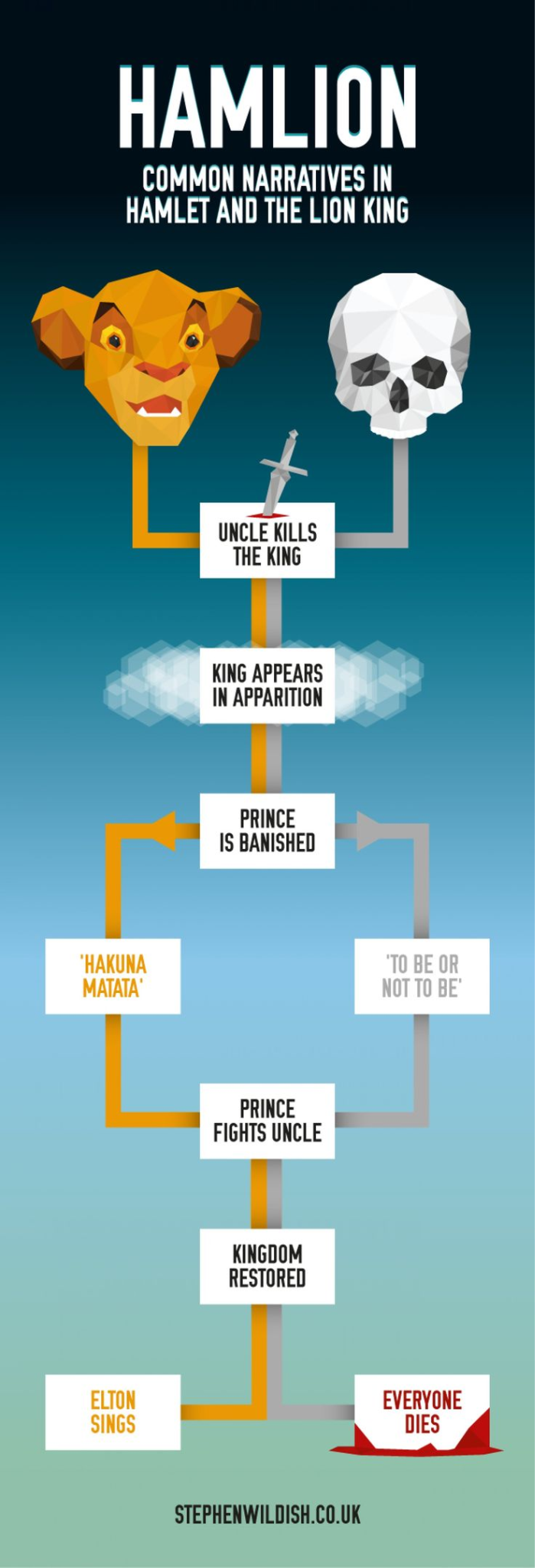
In Shakespeare’s Hamlet, the reigning king is murdered by a jealous uncle and the prince is exiled. The uncle takes over the reign, before the prince returns to his rightful place. Which film that follows a lion is based on this?
Answer at the bottom.
Homer’s Odyssey is a 24 volume book about a king of Ithaca called Odysseus, who spent 10 years fighting the Trojan War and another 10 years trying to get back home (life pre-Google Maps was not so easy). This past week saw the release of Christopher Nolan’s version of this fable for the big screen so in this newsletter, we take a look at modern adaptations of famous epics.
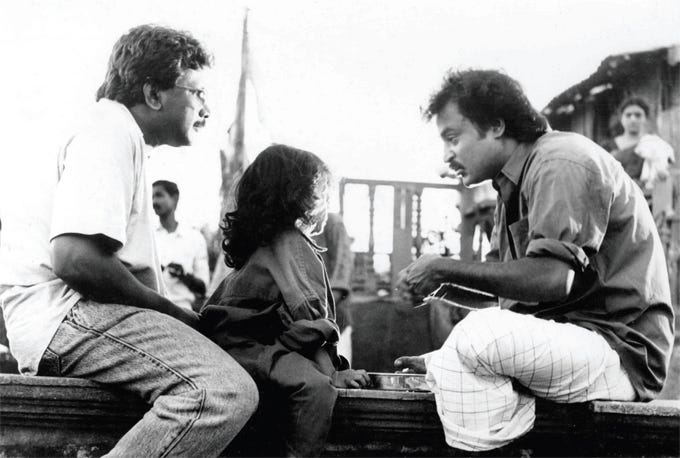
There are faithful adaptations. There are loose adaptations. And then there is Thalapathi, which tips its hat to the Mahabharata and then dials it to 11 with a magical Ilayaraja score in the background. Mani Ratnam’s 1991 masterpiece is essentially a modern day retelling of the Mahabharata. Rajinikanth’s Surya is Karna - an abandoned child raised outside privilege and fiercely loyal to the one man who gave him dignity. Mammootty’s Devraj is Duryodhana - a gangster with a moral code. Arvind Swami is Arjuna, Srividya is Kunti. All of this works because Mani Ratnam understood something about one of the oldest epics in the world - The Mahabharata is about impossible loyalties. Every character is trapped by a promise they once thought was noble. Karna cannot abandon Duryodhana because gratitude outweighs righteousness. Bhishma cannot abandon the throne because duty outweighs justice. Thalapathi brought to the light the key fact - plus ça change, plus c’est la même chose - the more the things change, the more they stay the same.
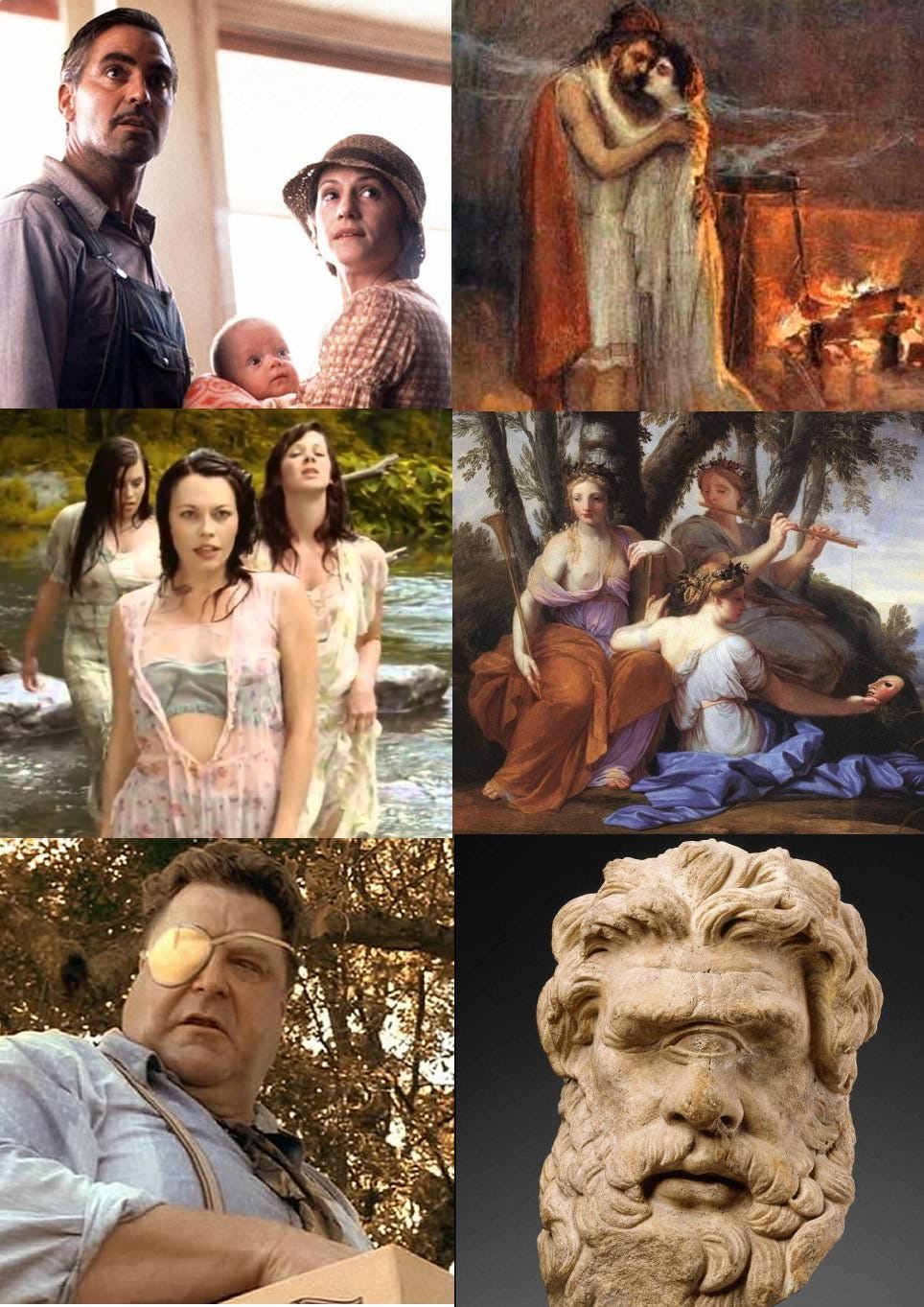
If The Odyssey is the original road trip, then O Brother, Where Art Thou? is what happens when somebody replaces the wine-dark sea with the Mississippi, the oars with a stolen Ford, and Homer with a banjo. The Coen brothers’ 2000 classic takes the bones of one of the world’s oldest adventure story and adds to it Depression era America and some occasional bluegrass solos. George Clooney’s Ulysses Everett McGill is Odysseus (but with better hair). Like his ancient counterpart, Everett is trying to get home to his wife. Along the way he acquires two loyal companions, blinds a one-eyed giant reimagined as a Bible-selling gangster with an eye patch, sidesteps seductive sirens by a riverbank, consults a blind prophet on a railway trolley and returns to find his wife courted by another man. Fun Fact for movie geeks: The title of the film is a reference to the 1941 Preston Sturges film Sullivan’s Travels, in which the protagonist is a director who wants to film O Brother, Where Art Thou?, a fictitious book about the Great Depression.
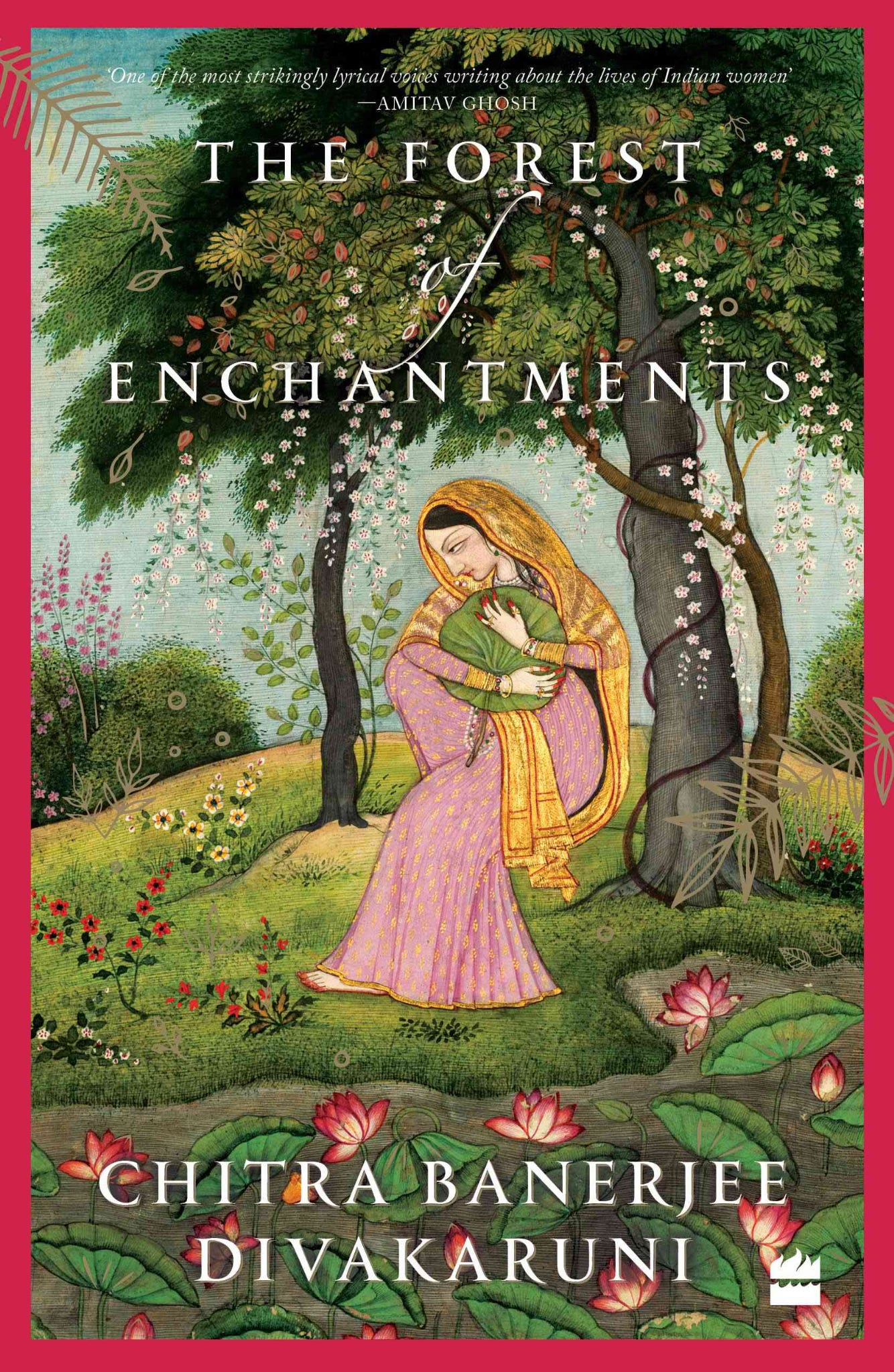
For milleniums, the Ramayana has been the story of Rama. He gets the bows, the battles and the dialogues while Sita is the damsel in distress - gets kidnapped, has to be rescued, is tested on the pyre all while having the patience of travelling through forests of India for 14 years. Chitra Banerjee Divakaruni’s The Forest of Enchantments is the story from the point of view of Sita. This isn’t a modern retelling though. The Dandakaranya forest remains the same, Ayodhya is still the Ayodhya of Rama and Ravana continues to make poor life choices. But the familiar episodes get a new emotional voice - the Agni Pariksha is no longer a proof of purity but an uncomfortable examination of why there was a need for it. Even the forest - often seen as a place of hardship emerges to be the one place where Sita has some freedom. See also: Chitra Banerjee Divakaruni’s The Palace of Illusions - a rendition of the Mahabharata as told from Draupadi’s viewpoint.
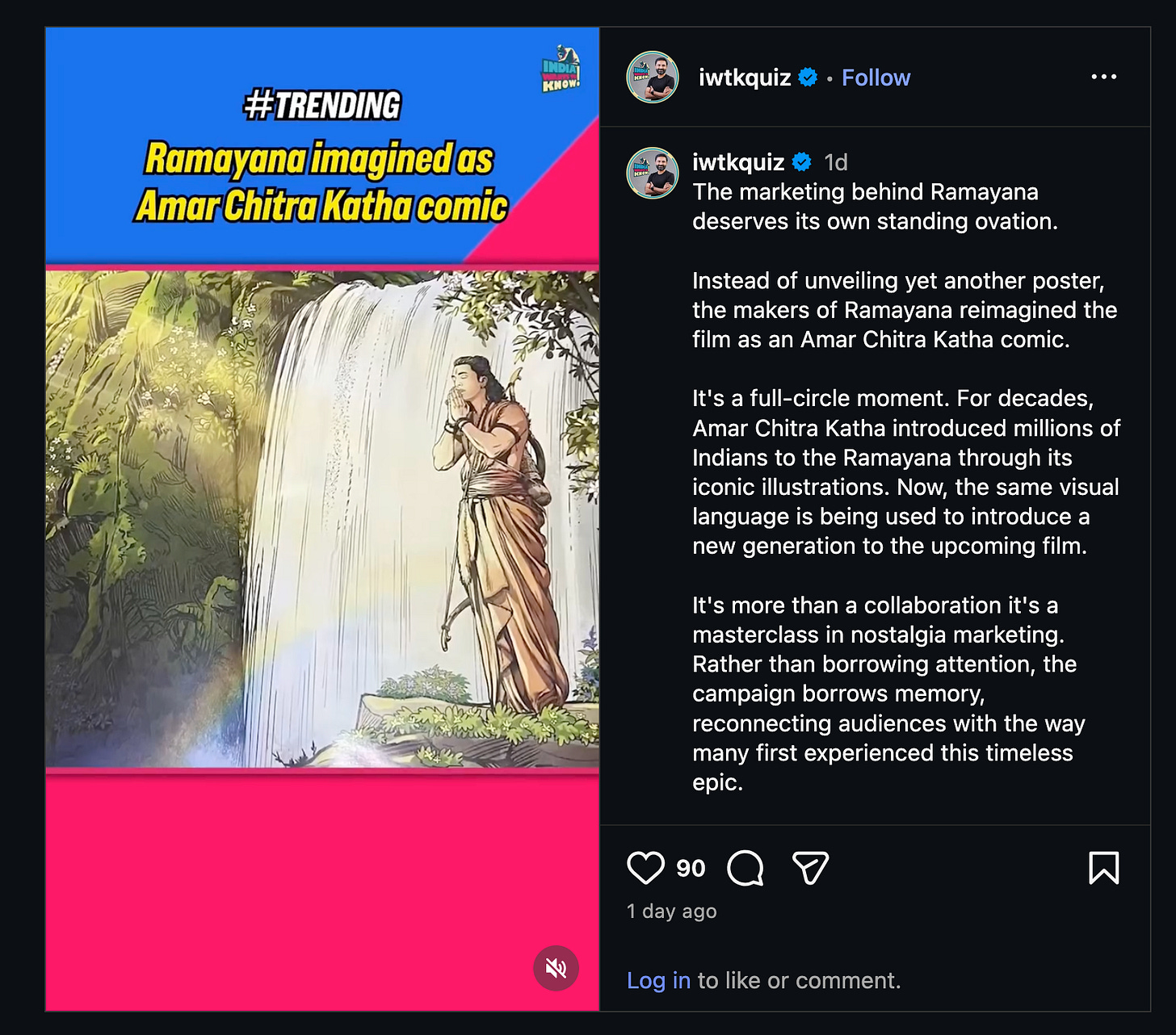
The upcoming film Ramayana has been reimagined as an Amar Chitra Katha comic. Know more here.
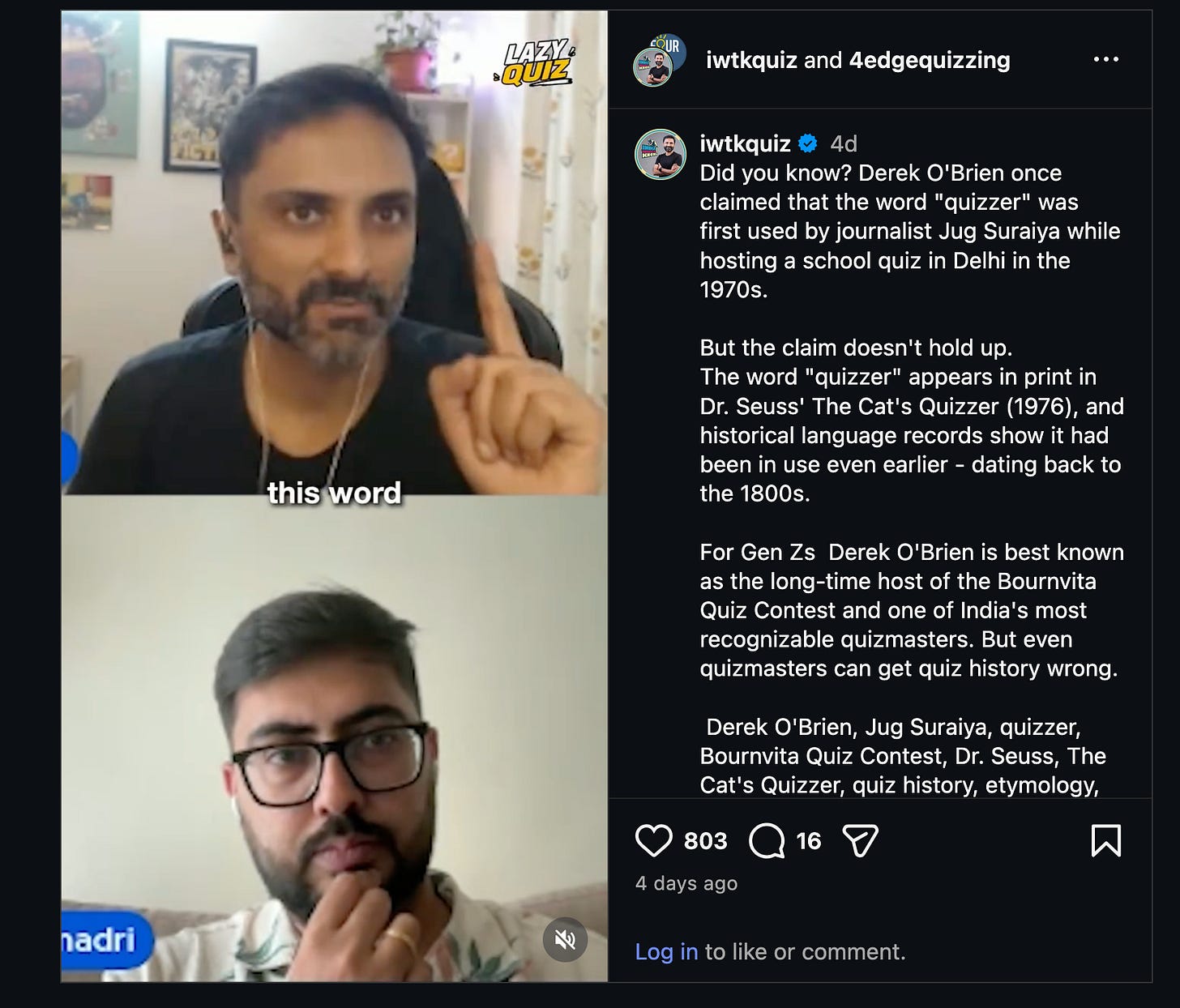
How do you explain Derek O’Brien to Gen Z? Sai Ganesh tries here.
“I wouldn't want to belong to a club that would have me as a member.”
The Lion King
💟 IWTK
Comments
Nothing yet. Say the first thing.
Sign in to join the conversation.