
Along the western coast, a chain link fence
A thousand miles, covered in forests dense.
Called the Sahyadris, Nilgiris and Cardamom Hills.
An unbroken mountain range with immense variety
Of nature, history, culture you won't find in any society.
Formed over 150 million years ago, the Western Ghats are a fragment of the supercontinent Gondwana. By comparison, the Himalayas began forming a mere 50 million years ago. The word “Ghat” itself comes from Dravidian languages - *kattu* in Tamil meaning mountain ridge, *gatta* in Kannada meaning mountain.
This week’s special edition celebrates the beauty and diversity of the Western Ghats. We asked Deepa, a teacher and poet from Bangalore, to contribute some verses on the topics. You can read more of her poetry on her AllPoetry profile. She also happens to be the mom of one of the regular authors of this newsletter. These nepo-parents these days smh.
The Mulligatawny soup needed some spice
A pepper or two, would make it sharp and nice.
The pestle sent a pepper corn flying
And me on all fours crying!
Coz pepper is worth its weight in gold
Voyages, conquests, wars it started, we are told.
The lush, tropical slopes of the Western Ghats in Kerala were the only place in the world where black pepper grew wild and was then domesticated. In fact it was such a rare item in Europe that in 408 CE, when Visigoth King Alaric I besieged Rome, the ransom he demanded included 5,000 pounds of gold, 30,000 pounds of silver, 4,000 silk garments and… 3,000 pounds of pepper! This scarcity continued till the Middle Ages, and it helped motivate the Portuguese to seek a sea route to India which was realized in 1498, when Vasco da Gama dropped anchor off Calicut, Kerala. His return cargo consisted largely of spices and was apparently worth 60 times the voyage’s cost. To paraphrase the old saying, “spice is the variety of life.”
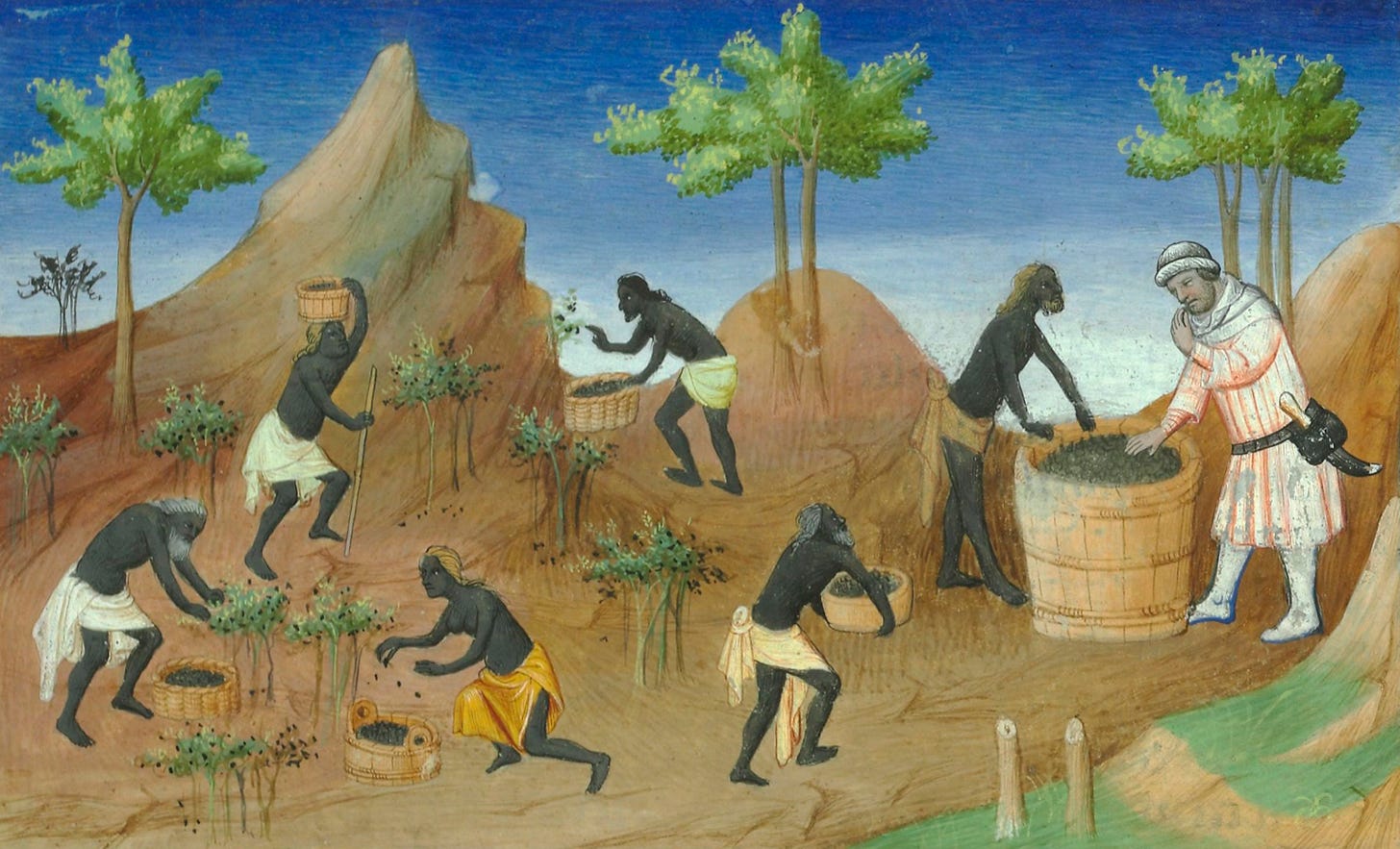
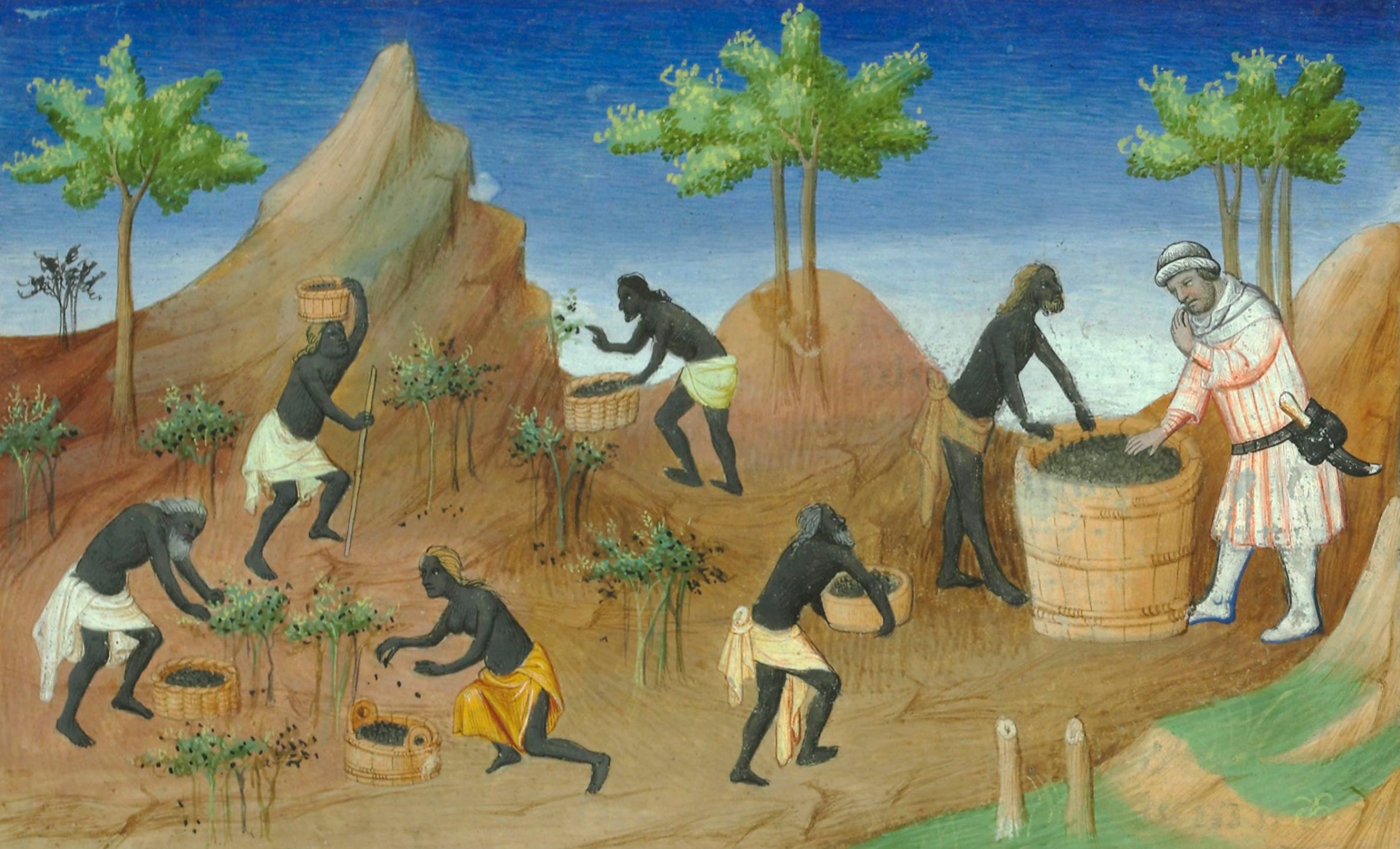
Pepper harvested for the European trade, from a manuscript of Livre des merveilles de Marco Polo
Draped in a cloud necklace
A Shola skirt with Neelakurinji lace
North to South the peaks stood guard.
The moist winds from crossing the sea, were barred.
Protecting flora, fauna and rushing rivers
This range is a benevolent giver.
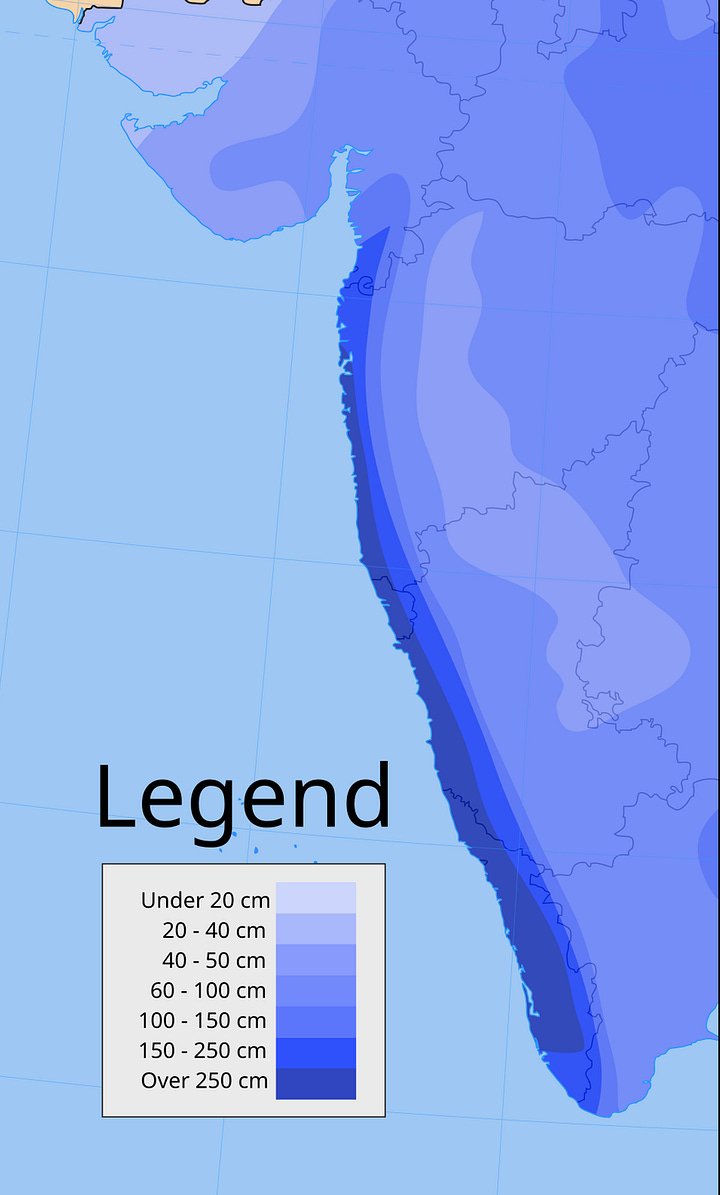
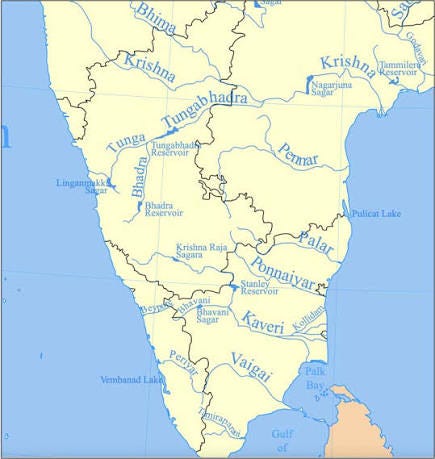
You may know that the Western Ghats are indirectly the source for all major rivers in South India but do you know that most of the water born there ends up on the opposite side of the peninsula! Turns out the western edge of the Deccan Plateau slope tilts eastward. As a result, major rivers such as the Godavari, Krishna, Kaveri, and Tungabhadra begin near the Western Ghats and then travel hundreds to over a thousand kilometers across South India before emptying into the Bay of Bengal. Meanwhile, the rivers flowing west from the Ghats are generally much shorter because the Arabian Sea is only a narrow coastal plain away. These waters sustain millions of people across the southern states, making the Ghats a vital ecological system that supports both wilderness and civilisation.
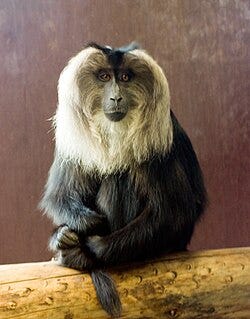
A pair of wise old eyes peered,
Making me pause, as it neared.
The white mane matched mine
But she was nimble and clinging to a vine
"Interloper!" She said, " Of my forest,
Your development, puts my land to the test!"
The Ghats region is a biodiversity hotspot, consisting of nearly 30% of all the species of flora and fauna found in India. Among the many creatures unique to these mountains, none is stranger or more striking than the lion-tailed macaque. In the 1970s, a proposed hydroelectric dam threatened Kerala's Silent Valley rainforest - one of the last undisturbed tropical forests in the Western Ghats. The endangered lion-tailed macaque became the face of the campaign to save these rainforests, helping galvanize public support and ultimately leading to the cancellation of the project and the creation of Silent Valley National Park in 1984. Mission accomplished as the lion-tailed macaque is no longer on ‘The World’s 25 Most Endangered Primates’ list.
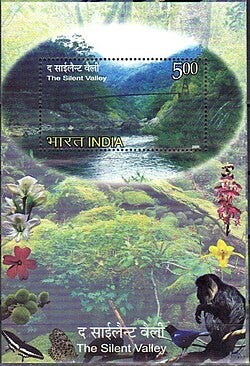
1990 and 2026 - different governments, similar protests. See more here

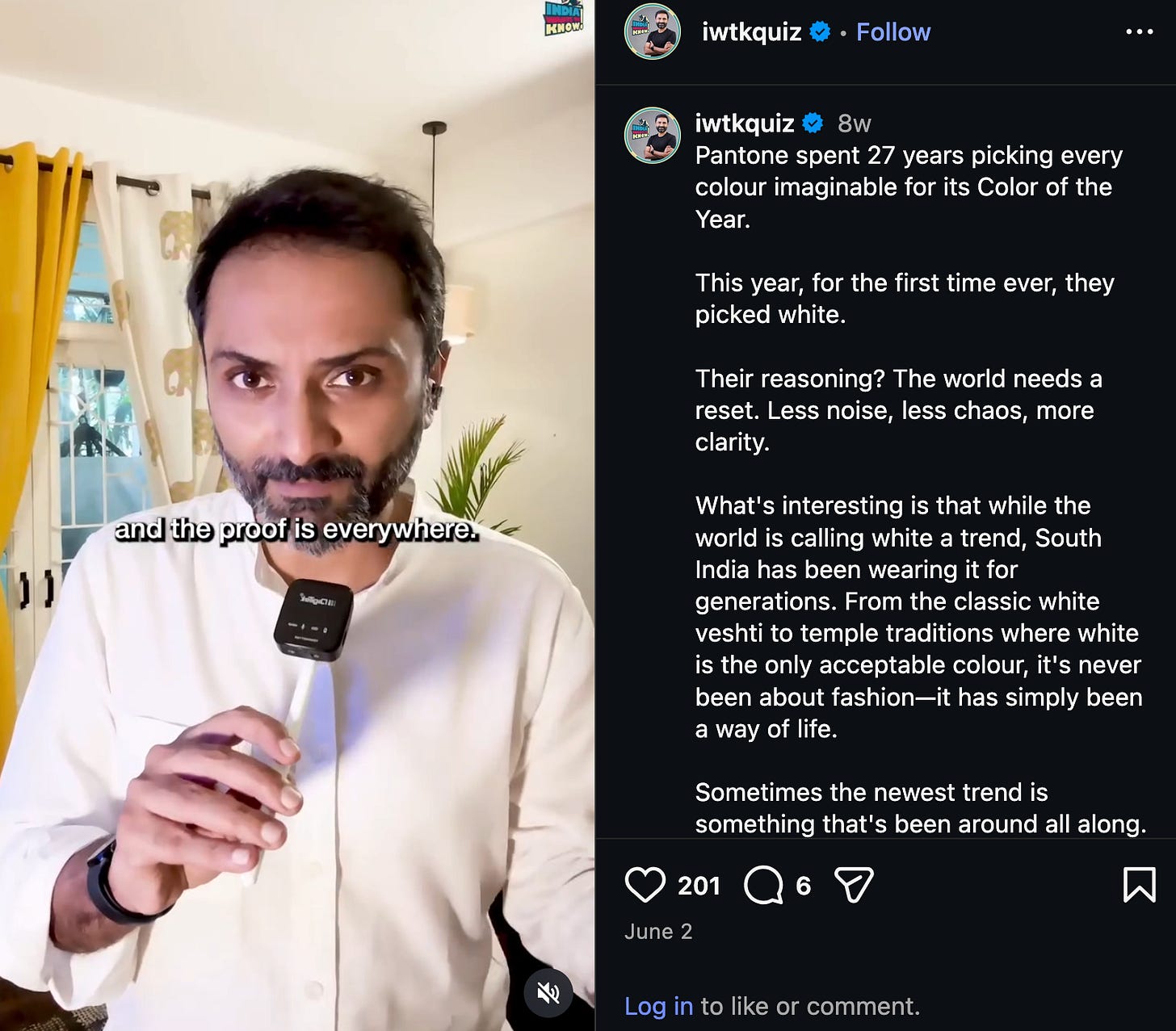
What has Pantone picked as the Colour of the Year? Find out
💟 IWTK
Comments
Nothing yet. Say the first thing.
Sign in to join the conversation.