
Fashion has always been a medium built on acts of observation. We look at clothes, at images, at one another, constructing meanings that often have little to do with their original intentions. Those tensions sit at the heart of Kat Qiu’s new project, Voyeur Voyeur, her East London concept store that reimagines retail as a ritual of entertainment, experience and provocation.
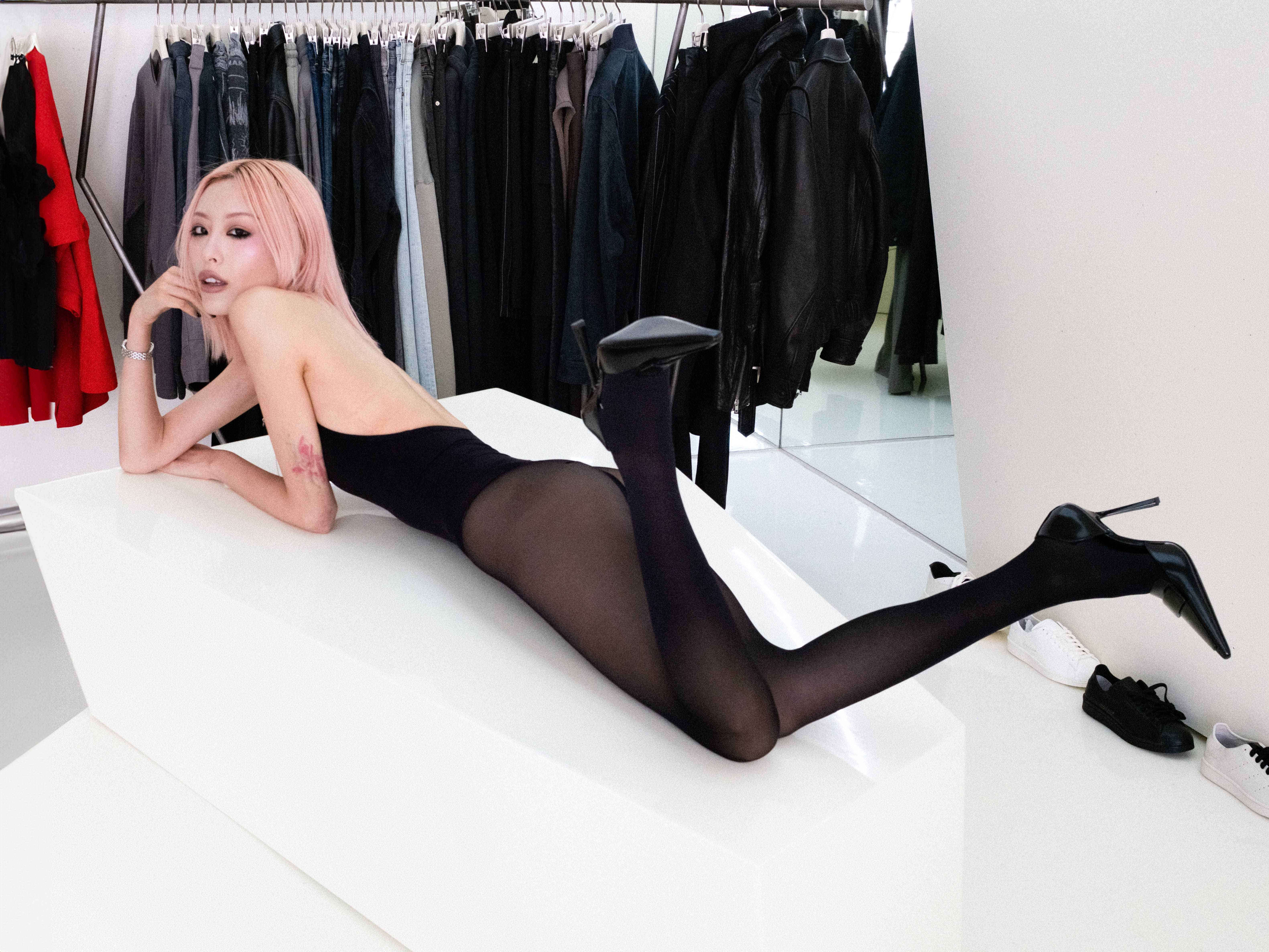
At a time when products are increasingly dematerialised and convenience has migrated online, Qiu proposes that physical retail should offer something algorithms cannot: surprise, interaction and a reason to gather. More than a shop, Voyeur Voyeur is an exploration of spectatorship, inviting visitors to reflect on the pleasure of looking and the thrill of being looked at. We spoke with Qiu about voyeurism, interpretation, the enduring value of physical spaces and why fashion remains one of culture’s most fascinating forms of participation.
Having experienced fashion both as a store owner and as a muse — in the position of both observer and observed — how has that perspective shaped the way you approach your journey in fashion today?
In a way, it has taught me to approach fashion with a little more under-thinking, for better or worse. Quite often, the observer finds interpretations the observed never intended. There’s a quote from Shakespeare’s Hamlet that I really enjoy: “There is nothing either good or bad, but thinking makes it so.” Having been in both positions, I often think the observer holds more power than the observed. As the name suggests, we invite you to be the observer while Voyeur Voyeur itself acts as the observed, and a hundred people will see a hundred different Voyeur Voyeurs. For that reason, I don’t think either side needs to overthink the intentions.
Your eye has shaped a very specific visual world over the years. How did that sensibility develop? Was there a moment when you realised you had a point of view?
I think everyone has a unique point of view, whether it’s the culmination of the literature they read, the films they watch, or the people around them. I might just be more stubborn about insisting on mine, and perhaps that’s what makes it read as specific.
What obsessions — visual, cultural, or personal — keep coming back in your work?
I’m obsessed with physicality and tactility. I tend to chase things that are overt to the senses. Hence the brick-and-mortar shop — even if I have a graphic I like, I’ll print it as a poster. I enjoy indulging more than one sense at a time, and physicality allows that. Something can smell as it feels and look as it sounds.
After all these years working with clothes and images, what still excites you about fashion today?
The same things that excited me when I first started still excite me now. There are constantly new streams of information in our industry, and existing concepts are always evolving. Our taste might have gotten worse or our tools might have gotten better, but nothing is ever stagnant in fashion. Everything is always intriguing.
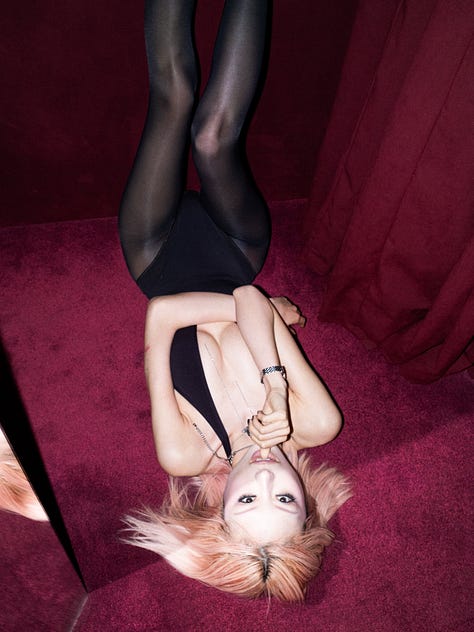
Why the name Voyeur Voyeur? What does the idea of voyeurism represent in fashion today?
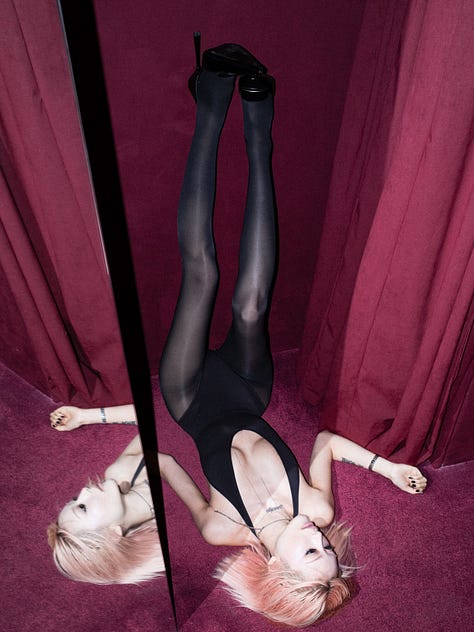
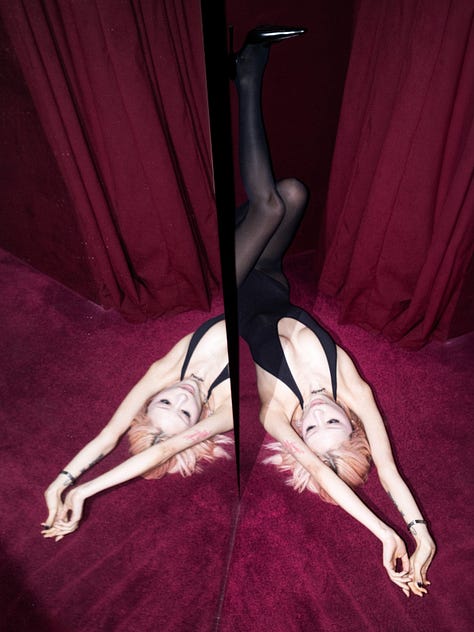
I know the term voyeur or voyeurism has a certain sexy inclination to it, and I do want to create something fun and a little scandalous, but it’s honestly simpler than that. Wearing clothes — aside from keeping warm, staying dry, and all the practical reasons — is about finding pleasure in the visual, the thrill of seeing and being seen. We’re all voyeurs. It seemed like the simplest and most consistent word to name a shop that sells clothes.
How important is community when building and sustaining a space like this?
It’s hard to discuss the importance of community in the building process because community is never really the intention for us, more something we hope to attract organically. Much like the saying, we don’t chase, we attract. Culture and community are very human, very old-world things that happen regardless of whether you intentionally build them or not. I hope that if I stay consistent enough in my journey, I’ll eventually attract like-minded friends.
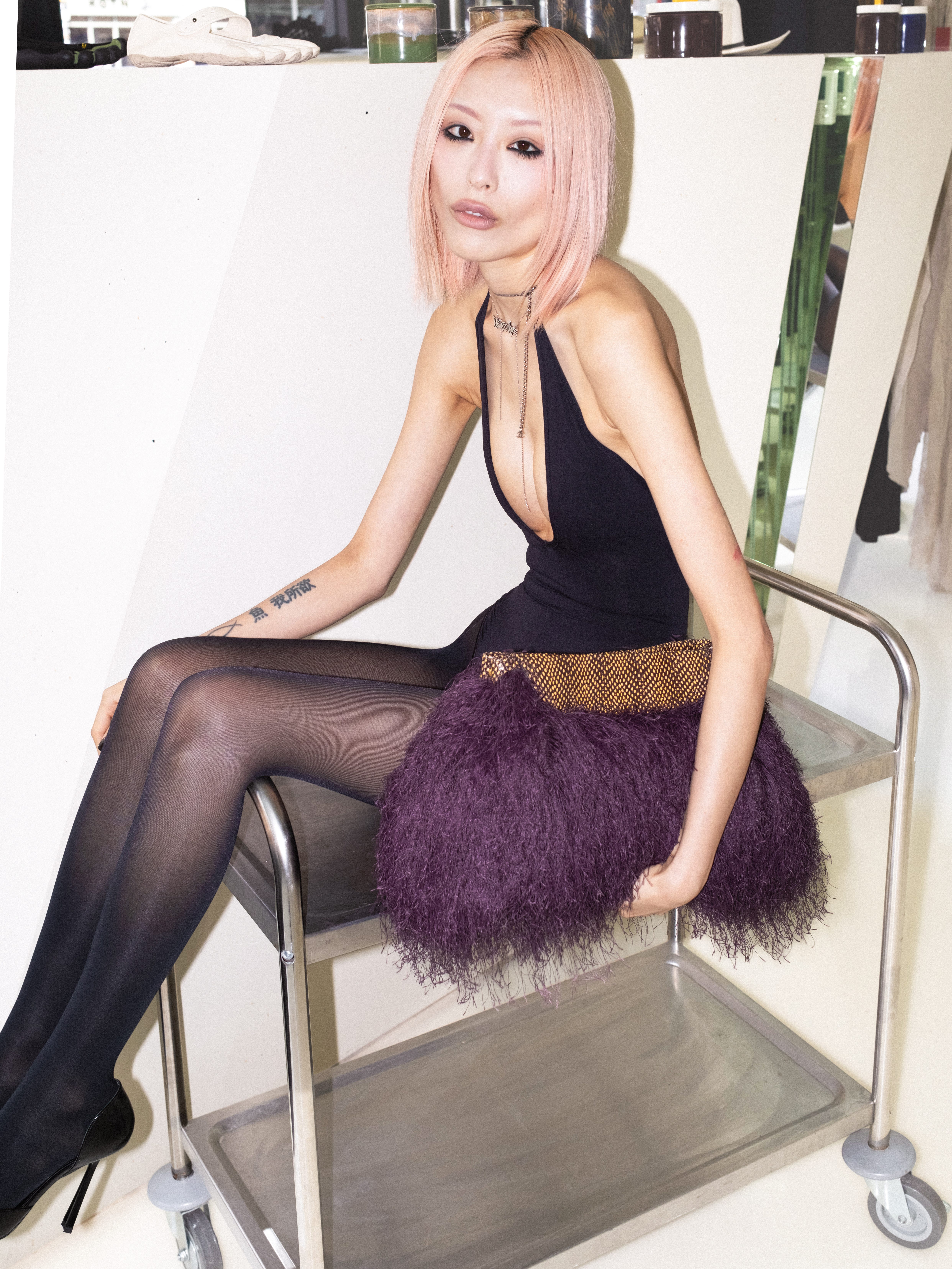
The role of fashion cities seems to shift every season. What does London still allow that other fashion capitals maybe don’t anymore?
Looking at fashion as a whole, I think London is slowly losing some of its lustre and advantages. However, in the case of brick-and-mortar spaces like mine, the access to great architectural minds to collaborate with is still unmatched. Voyeur Voyeur is located minutes away from some of Renzo Piano’s best work, in my opinion. There’s Norman Foster to devour to your heart’s content, and another beautiful retail space by 6A Architects just a short walk from us. We were incredibly happy with the collaboration we undertook with CRAB Studio, led by Sir Peter Cook, to build the store. To create a physical space, you need great architecture, and London still offers the best access to that.
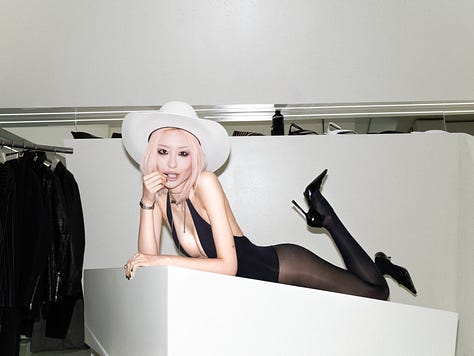
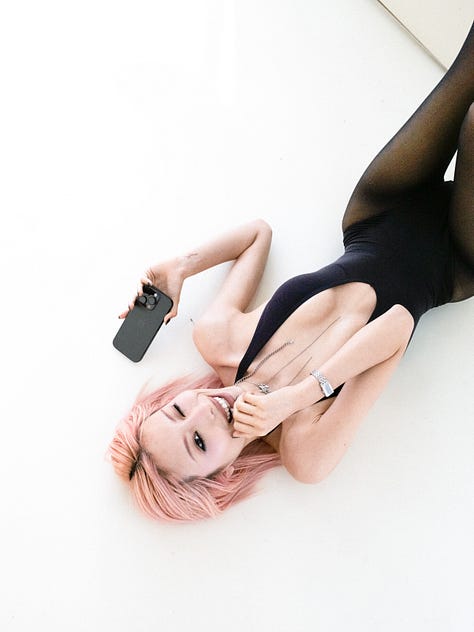
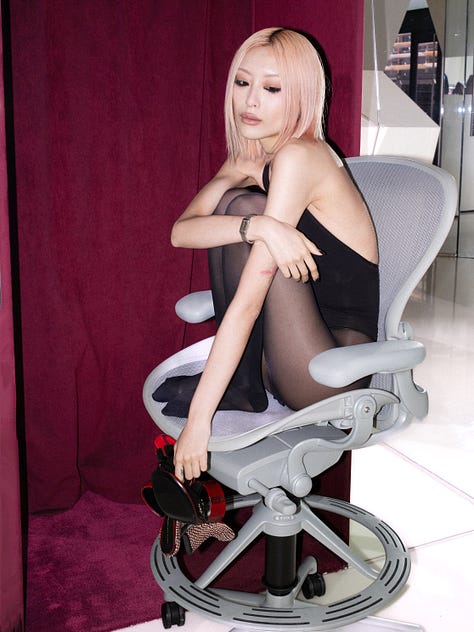
Retail is facing a particularly challenging moment. What kind of cure are you applying with Voyeur Voyeur?
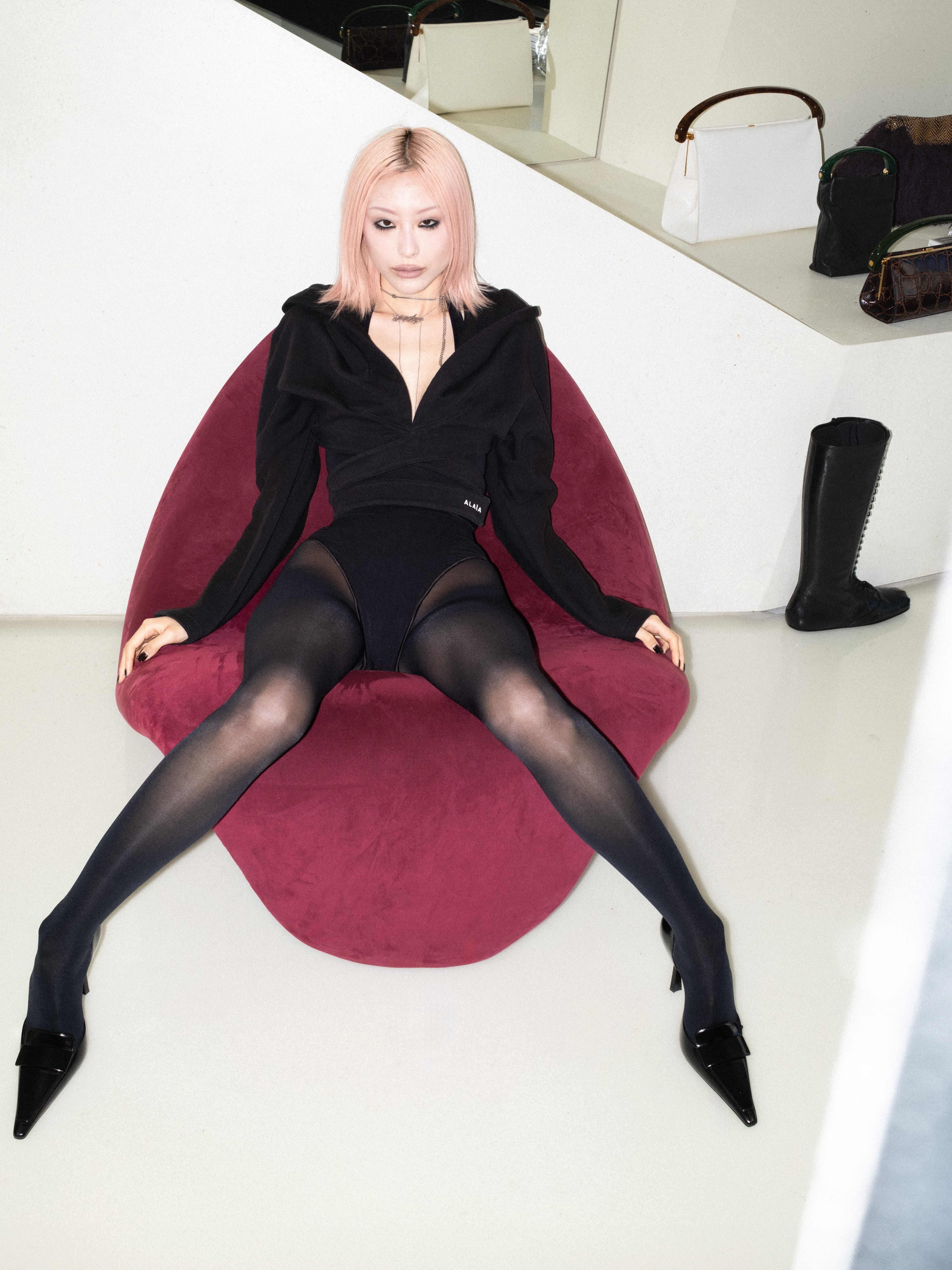
Voyeur Voyeur approaches retail as a form of entertainment. In today’s climate, products can be found online, price comparison is trivial, and convenience is solved elsewhere, so hospitality becomes the cure. Lounge in our Paulin, Paulin, Paulin chairs and have a Diet Coke. Retail is no longer simply about acquiring goods, but about entertainment itself. People don’t just want to shop — they’re bored, and they want to locate themselves, both physically and intellectually, somewhere they enjoy. Retail becomes part of the way we socialise.
Nessun post
Comments
Nothing yet. Say the first thing.
Sign in to join the conversation.