
Field Notes—Stephen Albert, in the Sonoma garden
The summer garden is still producing, but the fall garden is already beginning.
That may seem strange when tomatoes are ripening, beans are producing, and summer squash still needs to be picked every few days. But a successful fall vegetable garden is not planted when autumn arrives. It is planned while summer is still with us.
The key is to work backward.
Start with the harvest you want. Look at the average first frost date in your garden. Check the days to maturity for each crop. Then allow extra time for the shorter days and cooler temperatures of autumn.
And increasingly, watch the soil temperature.
That is the approach I use in my own garden, and it is the approach behind my Harvest to Table fall vegetable growing series.
If you’re planning a fall vegetable garden, start here:
The Complete Guide to Fall Vegetable Gardening: Planning, Planting, Growing, and Harvesting
This is my complete guide to planning a fall garden—from deciding when to plant and calculating days to maturity to choosing crops, preparing the soil, protecting plants, harvesting, and extending the season.
Read the complete guide: The Complete Guide to Fall Vegetable Gardening: Planning, Planting, Growing, and Harvesting
The complete guide will help you see the fall garden as a whole. Then, when you’re ready to grow a particular vegetable, the crop-by-crop guides below will give you the details for planting, growing, and harvesting.
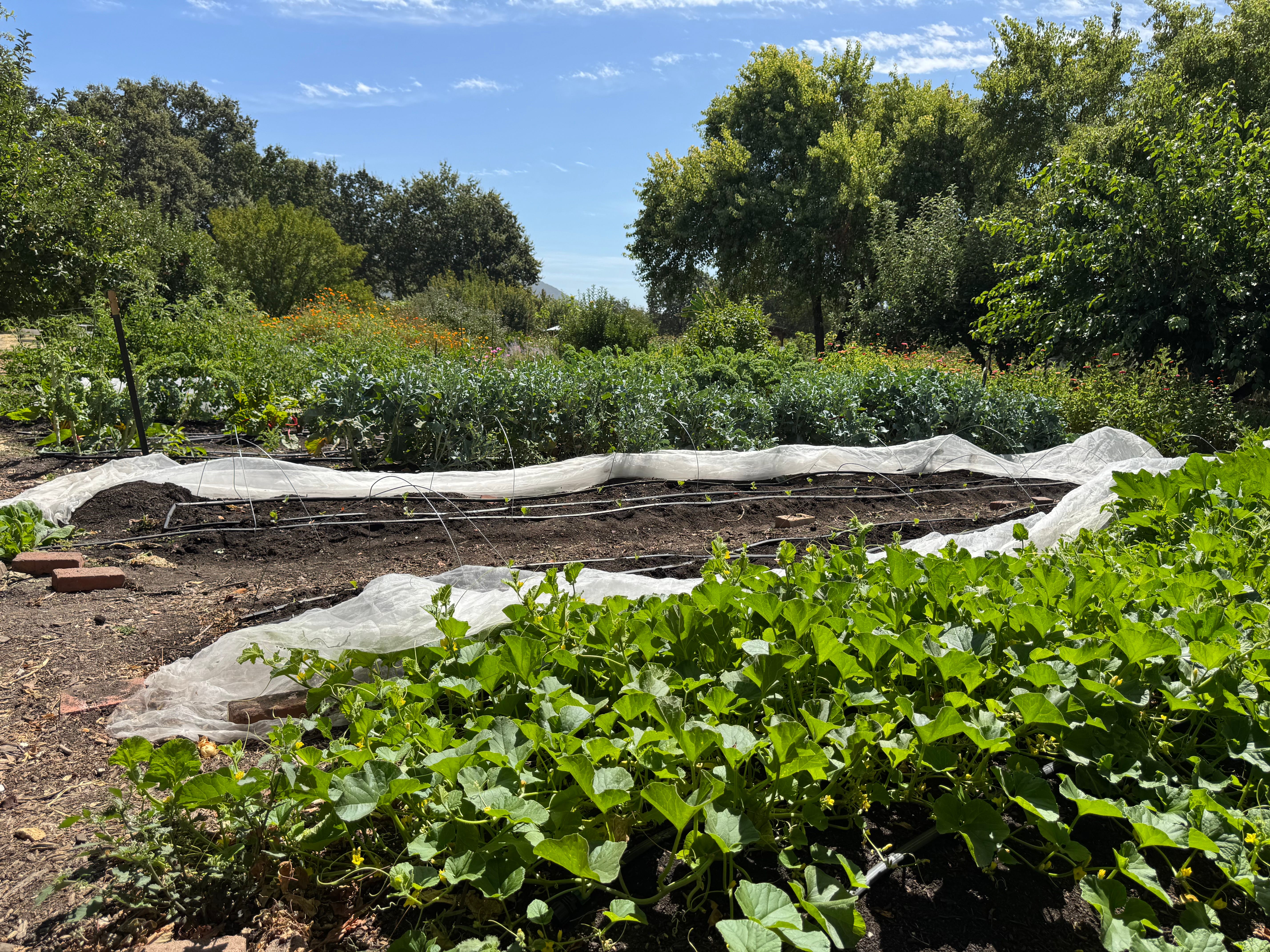
Cool-season vegetables have a useful characteristic: they like to begin life in warm soil and warm weather, but they produce their best harvest as temperatures cool.
That makes late summer an important planting season.
Broccoli, cabbage, cauliflower, carrots, beets, lettuce, spinach, chard, radishes, turnips, Asian greens, kale and many other crops can become the foundation of a second vegetable-growing season.
Some crops tolerate light frost. Others can withstand heavier freezes. With simple protection, the harvest can continue well beyond the first frost.
The goal is not simply to get vegetables into the ground.
The goal is to get them established while there is still enough warmth and daylight for them to mature.
The first step in planning a fall garden is to find the average first frost date for your area.
Then look at the number of days each crop needs to reach harvest and count backward.
But don’t count backward by the number printed on the seed packet alone. Crops generally take longer to mature as autumn approaches because the days are becoming shorter and temperatures are falling. Allow extra time for this slower autumn growth.
For example, a crop listed at 45 days to maturity may need considerably more time when planted for a fall harvest than it would when planted in spring.
That is why fall planting is a race against shortening days, not simply a race against frost.
The calendar tells you approximately when you should be thinking about fall planting.
Soil temperature tells you what you can plant now.
In my fall gardening system, I watch the soil as it moves through several temperature ranges:
75–80°F: Begin transplanting broccoli, cabbage, cauliflower and kale; direct-seed crops such as beets and carrots with careful attention to soil moisture.
65–75°F: This is an excellent range for many fall vegetables, including lettuce, spinach, carrots, beets, Swiss chard and Asian greens.
55–65°F: This is an excellent range for later sowings of spinach, arugula, cilantro, radishes and overwintering crops.
The important point is that the fall planting season is not one single date.
It is a moving window that follows the soil as it cools.
That is one reason I think soil temperature is a better planting guide than the calendar alone.
By late summer, the question isn’t simply whether to plant a fall garden. It is which crops make sense for your garden, your climate, and the amount of growing time remaining.
I have been building a Fall Planting Through Harvest Series at Harvest to Table to help answer that question.
The guides are organized around the things that matter most for fall gardening: soil temperature, planting window, days to maturity, growing conditions, and harvest.
You don’t need to read every guide. Choose the crops you want to grow and use the individual guides as you make your planting plan.
These are among the most useful crops for the fall garden because many mature relatively quickly and several tolerate frost.
Root vegetables are especially well suited to the fall garden. Many can remain in the soil after reaching maturity and be harvested as needed.
Broccoli, cabbage and cauliflower need more planning because they generally require a head start as seedlings before being transplanted into the garden.
The fall garden is also the beginning of next year’s onion and garlic harvest.
A fall garden does not mean abandoning the summer garden.
In a long growing season, there may still be time for a second planting of short-season warm-weather vegetables. Bush beans, some cucumbers, determinate tomatoes and other quick crops can produce a fall harvest if there are enough frost-free days remaining.
The important thing is to choose varieties that can mature within the remaining growing season.
Think of late summer as a transition, not a hard dividing line.
The summer garden is still producing.
The fall garden is getting started.
Both can occupy the garden at the same time.
Fall crops are often planted into beds that have already produced a spring and summer crop.
Before planting, clear away finished plants, refresh the planting bed, and add well-rotted compost or a commercial planting mix if the soil needs it.
And pay particular attention to moisture.
Warm late-summer soil can dry quickly, and newly sown fall crops need consistent moisture to germinate and establish.
This is especially important when soil temperatures are still high. A seed may have everything it needs to germinate—but if the upper layer of soil dries out, the planting can fail.
One of my favorite ways to organize the fall garden is by how long crops will occupy the bed.
Short-stay crops mature in roughly 30 to 60 days. Radishes, spinach, leaf lettuce, mustard greens and turnips are examples.
Medium-stay crops generally require 60 to 80 days. Broccoli, carrots, kohlrabi, Chinese cabbage and some other crops fall into this group.
Long-stay crops require 80 days or more. Brussels sprouts, cabbage, cauliflower, garlic and other long-season crops belong here.
Thinking this way helps you decide where crops should go.
Put crops with similar harvest dates together, especially crops that will need similar frost protection. That makes the garden easier to manage as autumn progresses.
Don’t wait for the first frost to think about frost protection.
Have floating row cover, frost blankets, hoops, plastic or other protection ready before you need it.
Many fall vegetables tolerate frost surprisingly well. Some actually improve in flavor as the weather cools. But young plants and frost-sensitive crops may need protection when freezing weather arrives.
With simple season-extension techniques, the fall garden can continue producing well beyond the first frost.
The most important lesson I have learned about fall gardening is that there is no single fall planting date.
There is a sequence.
First, determine your frost date.
Then calculate backward from harvest.
Then allow for the slower growth of autumn.
Then watch the soil temperature.
Then watch the garden itself.
The signs of the coming fall season are often visible before the calendar says autumn has arrived: nights begin cooling, morning dew becomes more common, summer crops slow down, daylight shortens, and late-summer flowers begin to bloom.
The garden tells you when the season is changing.
No posts
Comments
Nothing yet. Say the first thing.
Sign in to join the conversation.