
Field Notes—Stephen Albert, in the Sonoma Garden
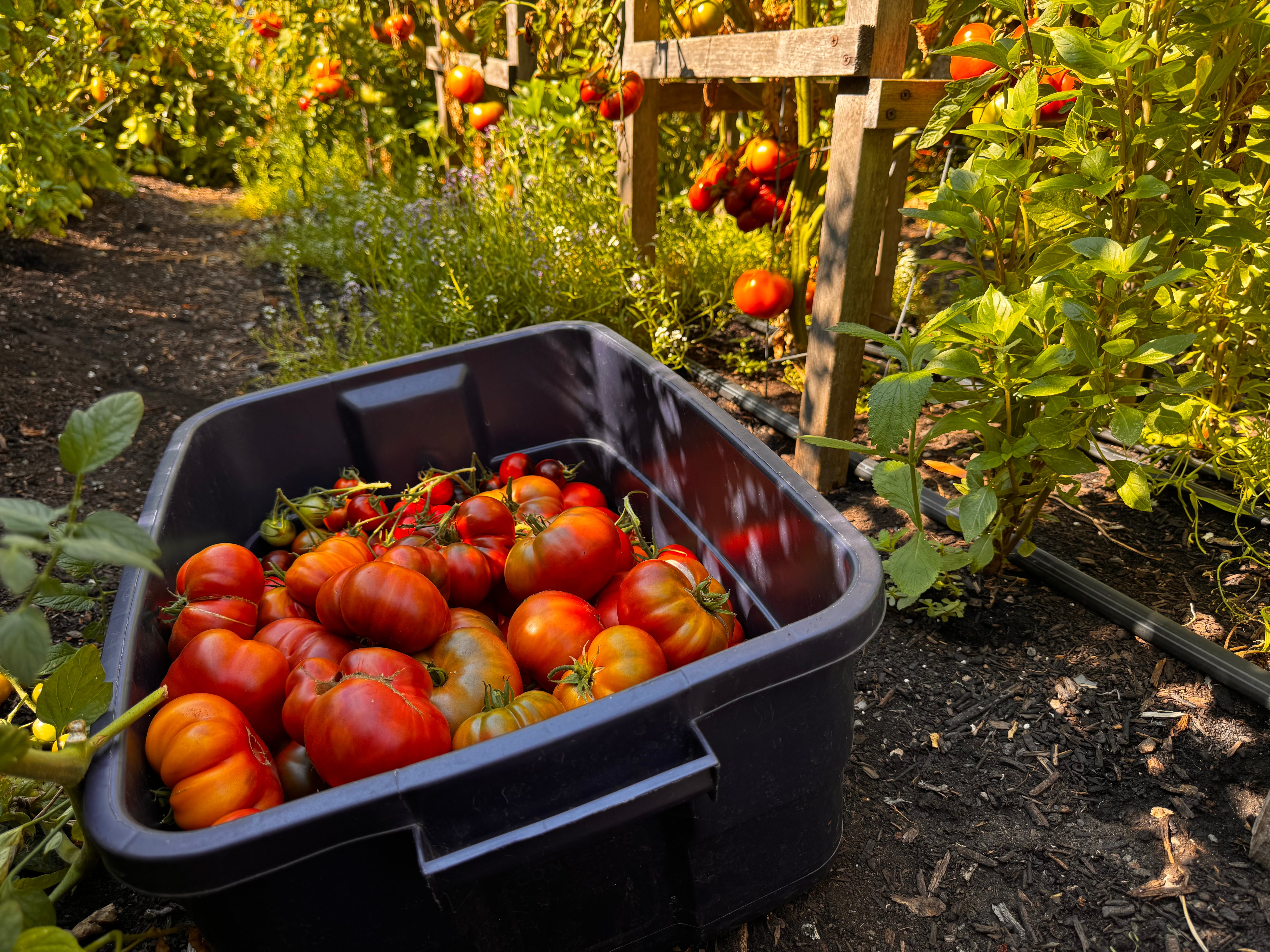
August is beginning to hint at the coming change of seasons. Afternoon temperatures are easing back into the 80s on most days, nighttime lows continue to fall into the low-50s here in Sonoma, and many gardens feel noticeably more comfortable to work in than they did just a week ago.
But beneath the surface, summer is still firmly in control.
The five-day average soil temperature in my garden remains 81°F, and several afternoons this past week pushed soil temperatures into the 90s. Soil changes much more slowly than air. Even as the weather begins to moderate, the ground continues storing weeks of accumulated summer heat. That warmth keeps roots active and drives rapid growth in tomatoes, peppers, cucumbers, squash, beans, melons, eggplants, okra, and sweet potatoes.
The challenge this week is no longer the heat alone—it is the combination of warm soil and a critically dry root zone.
Soil moisture has improved only slightly to 11% volumetric water content (VWC), still far below the 25 to 35 percent range where most vegetables perform their best. At this level, roots must work harder to absorb water and nutrients, and plants begin shifting energy away from producing flowers and fruit simply to survive the heat.
Many gardens will still appear healthy. Tomato vines remain green. Pepper plants are loaded with fruit. Cucumbers continue climbing. But appearances can be deceiving. The real story is unfolding below ground, where every hot afternoon draws more moisture from the root zone than many soils can replace.
This week’s goal is simple: rebuild and protect soil moisture.
Deep irrigation, a fresh layer of mulch, and harvesting vegetables regularly will help plants continue producing through the second half of August. The weather is becoming a little more forgiving, but the soil still needs careful attention.
This is also the week to begin thinking about the next season. While summer vegetables remain at their peak, wise gardeners start preparing for fall. Remove spent crops as space opens, add compost to empty beds, and begin planning where broccoli, cabbage, carrots, beets, lettuce, spinach, and other cool-season vegetables will go as soil temperatures gradually decline over the coming weeks.
Summer is still feeding the garden.
Autumn is quietly approaching.
Both seasons deserve your attention.
Across much of the country, August heat continues, although many regions are beginning to experience slightly cooler afternoons than they did in late July. Forecast highs this week range from the low 80s into the mid-90s, while nighttime temperatures here in Sonoma continue dropping into the mid-50s.
That combination creates an interesting balance.
Warm afternoons keep summer vegetables growing vigorously, while cool nights give plants valuable time to recover from daytime stress. During these cooler nighttime hours, plants replenish energy reserves, repair tissues, and prepare for another day of growth. Those nightly recovery periods are one of the reasons tomatoes, peppers, beans, cucumbers, and squash often continue producing well into late summer despite hot afternoons.
The limiting factor this week isn’t air temperature. It’s water.
Warm soil around 81°F encourages active roots and vigorous microbial activity, but both depend on adequate moisture. When soil remains this dry, roots cannot fully take advantage of those otherwise ideal growing conditions.
Watch for signs that plants are beginning to experience moisture stress:
Tomatoes producing fewer blossoms
Peppers slowing flower production
Cucumbers developing bitter fruit
Beans flowering less heavily
Squash dropping blossoms during hot afternoons
Basil flowering more quickly than normal
These are often moisture signals before they become heat problems.
This week, prioritize:
Water deeply rather than frequently.
Irrigate early in the morning whenever possible.
Keep 2 to 4 inches of mulch over the root zone.
Harvest vegetables regularly to encourage continued production.
Check containers daily—they dry far more quickly than garden beds.
Delay unnecessary cultivation that exposes moist soil to the sun.
The forecast is becoming slightly kinder, but the garden still depends on careful water management beneath the surface.
Not every garden is on the same calendar.
Instead of planting by date, plant by soil temperature.
With soil temperatures averaging about 81°F, most warm-season vegetables continue growing vigorously, while many cool-season crops still struggle to germinate directly in the garden. Soil temperature tells you far more than the calendar about what is likely to succeed.
This remains one of the best temperature ranges for succession planting warm-season vegetables while beginning the transition toward fall gardening.
Continue planting:
Bush beans
Pole beans
Cucumbers
Summer squash
Basil
Sweet corn
Pumpkins
Winter squash
In cooler regions where soil temperatures have already dropped into this range, begin direct sowing the first fall carrots, beets, Swiss chard, and perhaps early lettuce varieties.
This is where many gardens across the South, Southwest, and warmer parts of California now find themselves.
Continue planting:
Bush beans
Southern peas (cowpeas)
Okra
Sweet potatoes
Armenian cucumbers
Malabar spinach
New Zealand spinach
Heat-tolerant basil
Continue sowing beans every two weeks where the growing season remains long enough for another harvest.
Begin preparing beds for fall vegetables by removing declining crops, incorporating finished compost, and making plans for the first cool-season sowings once soil temperatures begin falling below 75°F.
Direct sow only crops that truly enjoy hot soil.
Choose:
Okra
Southern peas
Sweet potatoes
Armenian cucumbers
Malabar spinach
New Zealand spinach
Delay direct sowing:
Lettuce
Spinach
Broccoli
Cabbage
Cauliflower
Kale
Instead, start these crops indoors, in a shaded cold frame, or in protected seedbeds where the soil remains considerably cooler than exposed garden beds.
Water seedbeds thoroughly before sowing.
Sow seeds in the early morning or evening.
Keep newly planted beds evenly moist until germination.
Provide temporary afternoon shade where temperatures remain high.
Mulch around established seedlings as soon as they become well rooted.
Begin preparing open garden space now for your first fall transplants later this month.
Remember, the calendar says August. Your soil may still be saying July. Listen to the soil.
Warm soil doesn’t benefit only vegetables.
At around 81°F, billions of bacteria, fungi, earthworms, and other soil organisms remain active beneath your feet, breaking down organic matter, recycling nutrients, and helping roots absorb water and minerals. They are the hidden workforce that keeps a productive vegetable garden running.
But they need moisture just as much as your plants do.
At 11% VWC, microbial activity slows noticeably in many soils. Compost breaks down more slowly, nutrient cycling becomes less efficient, and beneficial fungi have greater difficulty extending through dry soil in search of new roots.
One of the simplest ways to support this underground community is to lay a thin layer of finished compost beneath your mulch. The compost feeds soil organisms, while the mulch helps preserve the moisture they need to remain active.
Healthy soil biology pays dividends far beyond this week. Every earthworm tunnel, fungal thread, and bacterial colony helps build the soil that will nourish both this year’s harvests and the fall garden now taking shape.
Feed the soil, and the soil will continue feeding your garden.
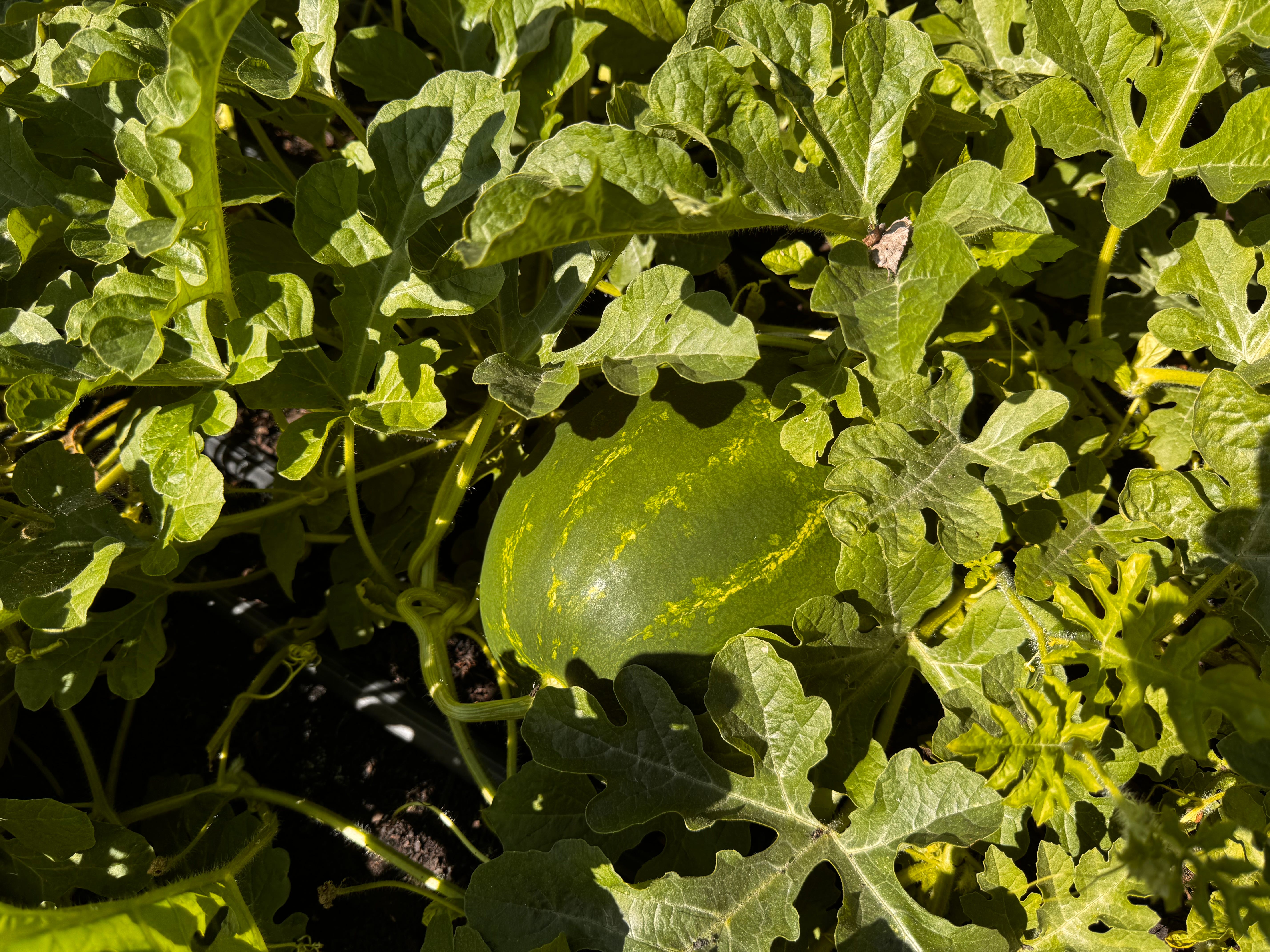
August remains one of the busiest harvest months of the gardening year.
Many warm-season vegetables are now producing at or near their peak. Regular harvesting keeps plants focused on making new flowers and fruit instead of finishing their life cycle by producing mature seed.
Harvest frequently:
Tomatoes
Peppers
Cucumbers
Zucchini
Summer squash
Bush beans
Pole beans
Eggplant
Basil
Okra
Melons
Whenever possible, harvest during the cool morning hours.
Vegetables picked early in the day generally have higher moisture content, better flavor, and longer storage life. Morning harvesting also reduces stress on both the gardener and the plants.
As you harvest, keep an eye on the bigger picture.
Every tomato you pick encourages another flower.
Every cucumber removed makes room for another fruit.
Every basil stem you cut delays flowering and produces fresh leaves.
Harvesting isn’t simply collecting food.
It’s one of the most effective ways to keep your summer garden producing until autumn takes over.
Walk through the garden early this week and you may think the difficult part of summer has passed. The mornings are cool, in many regions afternoons are no longer brushing 100°F every day, and the garden feels more comfortable than it did just a week ago.
Don’t let that fool you.
The soil is still holding weeks of accumulated heat.
With a five-day average soil temperature of 81°F and soil moisture measuring only 11% VWC, roots are still working under midsummer conditions. Every sunny afternoon pulls more water from the root zone, and plants continue using that moisture to cool themselves while filling fruit that is already on the vine.
This is one of the most productive weeks of the summer garden—but it is also one of the easiest times to become complacent.
Many gardeners water less because the air feels cooler. The plants haven’t received that message.
Tomatoes, peppers, cucumbers, squash, beans, eggplants, melons, and basil are all carrying heavy crops. Every pound of fruit represents water moving through the plant. Even a modest improvement in the weather doesn’t reduce that demand overnight.
This week’s challenge is maintaining consistency.
Keep watering deeply.
Keep harvesting regularly.
Keep the soil covered.
The plants that receive steady moisture now will continue producing well into late August, while those that experience repeated drying cycles will gradually slow, often without obvious warning until harvests begin declining.
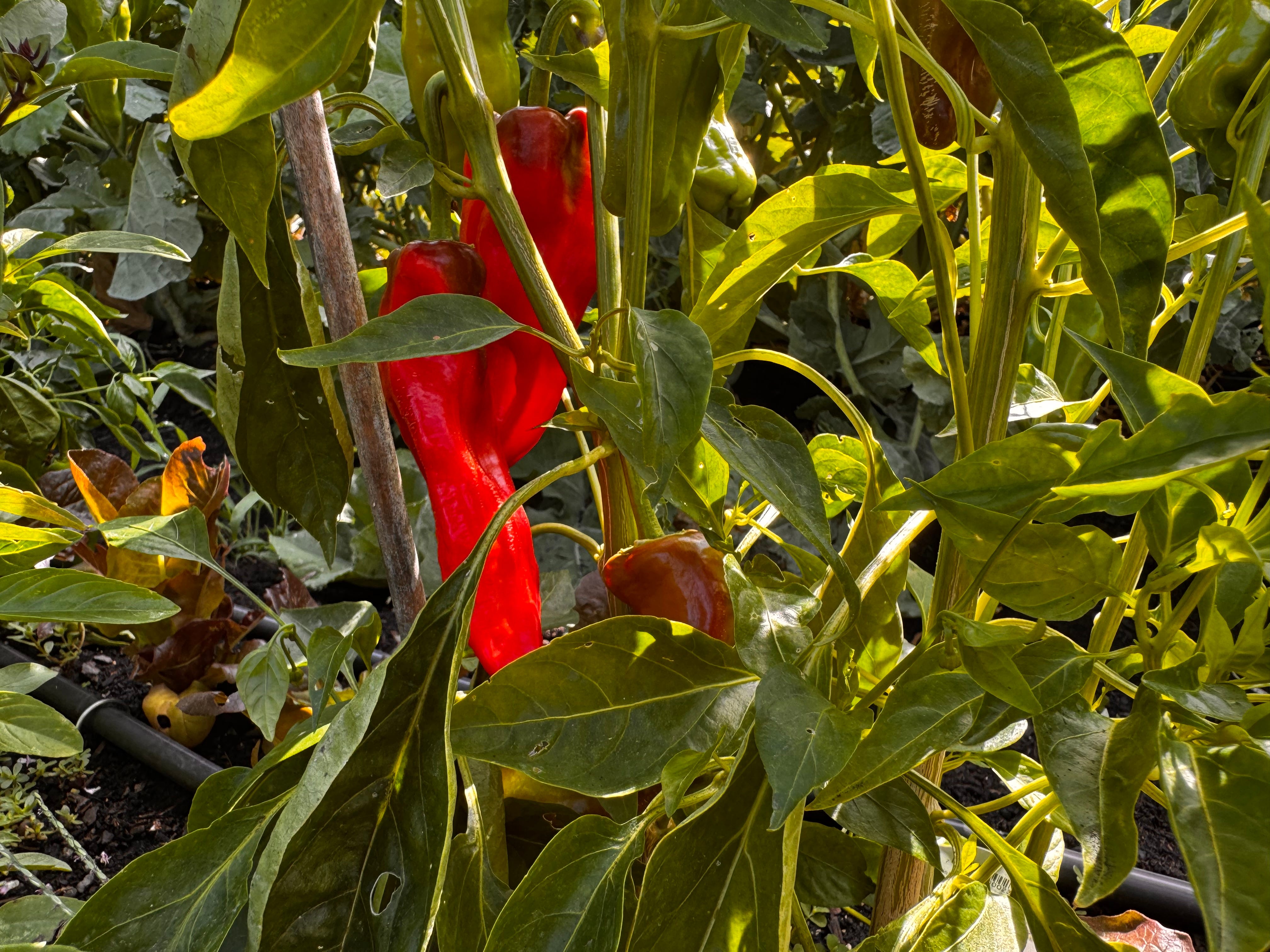
August is when tomatoes and peppers reward months of work.
Many plants are carrying mature fruit while continuing to produce new blossoms. That balance only continues when roots have reliable access to water.
At 11% soil moisture, watch carefully for:
Blossom-end rot
Blossom drop
Fruit cracking after irregular watering
Smaller tomatoes
Sunscald on exposed fruit
Afternoon wilting
Slower ripening during extended hot spells
Fortunately, this week’s forecast works in your favor.
Cool nights in the mid-50s allow plants to recover from daytime heat, rebuild sugars, and prepare for another day of flowering and fruit production. Those cool nights are one of the hidden advantages of late summer gardening here in Sonoma.
The goal is to make sure plants reach evening with enough moisture still available in the root zone.
Water slowly enough that moisture penetrates 8 to 12 inches deep. If soil has become extremely dry, it may take two or three irrigation cycles before water begins moving downward instead of running across the surface.
One deep watering is worth far more than several shallow ones.
Continue harvesting ripe tomatoes every few days.
Pick peppers as they mature rather than waiting for every fruit to reach its final color. Removing mature fruit encourages plants to continue flowering while warm weather lasts.
Remember: Healthy roots today become September tomatoes tomorrow.
Few vegetables respond more quickly to changing soil moisture than cucumbers and squash.
When the root zone begins drying, plants often continue looking vigorous while quietly reducing production. Flowers become fewer, young fruit abort, and cucumbers may develop bitterness long before leaves begin wilting.
Watch for:
Bitter cucumbers
Misshapen fruit
Blossom drop
Slower fruit production
Afternoon wilting that persists into evening
These plants grow remarkably fast. That rapid growth demands a constant supply of water.
Keep mulch around the root zone to reduce evaporation, and harvest every day or two. Oversized zucchini, cucumbers, and summer squash tell the plant that its work is finished. Frequent picking signals the opposite—it encourages the plant to continue flowering and producing.
One of the simplest ways to increase August harvests is simply to harvest more often.
Eggplants are reaching their prime just as many bean plantings enter another flush of production.
Both crops thrive in warm soil, and an average soil temperature of 81°F continues providing ideal conditions for active root growth.
Eggplants should be harvested while their skins remain glossy and firm. Once fruits become dull or begin developing large seeds, quality declines quickly, and the plant slows production.
Bush and pole beans also benefit from frequent picking.
Pods left to mature signal that seed production is complete, encouraging the plant to slow or stop flowering. Harvest every few days to keep vines producing as long as warm weather continues.
If you have room for another sowing and your growing season extends well into autumn, this may still be your final opportunity to plant another succession of bush beans.
These readings are from my Sonoma garden. Compare them with conditions in your own garden whenever possible.
81°F
Status: Warm and highly productive.
Warm-season vegetables continue growing vigorously. Roots remain active, beneficial soil organisms are working quickly, and fruit development remains strong.
Soil temperatures are beginning to moderate, but they still firmly favor tomatoes, peppers, beans, cucumbers, squash, melons, eggplants, okra, basil, and sweet potatoes.
11%
Status: Critically dry.
Although moisture has increased slightly from last week, the root zone remains far below the ideal range of 25 to 35 percent VWC for most vegetables.
Deep irrigation remains the highest priority in the garden.
82–95°F
Warm enough to sustain vigorous growth without the prolonged extreme heat of previous weeks.
53–55°F
Excellent recovery temperatures for most summer vegetables.
The weather is becoming more forgiving.
The soil is not.
Continue treating the garden as a midsummer garden below ground while beginning to think like an autumn gardener above ground. Protect this year’s harvest while preparing the beds that will produce the next one.
Volumetric Water Content (VWC) measures the percentage of water stored in the soil surrounding plant roots.
Unlike surface appearance, VWC tells you what plants actually have available below ground.
Most vegetables perform best when soil moisture remains between 25 and 35 percent.
At 11%, several things begin happening at once:
Roots absorb water more slowly.
Nutrient movement through the soil declines.
Plants reduce water loss by partially closing leaf pores.
Flower production begins slowing.
Fruit development becomes less consistent.
Heat stress increases even when air temperatures moderate.
One important point deserves repeating: Leaves often remain green long after the root zone has become too dry.
By the time vegetables begin wilting every afternoon, production has often already slowed.
The best gardeners learn to monitor the soil rather than waiting for the plants to ask for help.
Think of this week’s numbers as the story of two different seasons happening at once.
Above ground, autumn is beginning to whisper.
The afternoons are becoming a little gentler. The mornings are cool enough to enjoy working in the garden again. The first thoughts of fall planting naturally begin creeping into our plans.
Below ground, however, summer still has a firm grip.
An average soil temperature of 81°F continues powering vigorous growth, while an 11% VWC reminds us that roots remain thirsty.
That contrast explains much of what gardeners are seeing this week. Summer vegetables continue producing heavily because the soil is still warm. They begin slowing only when moisture becomes the limiting factor.
Restore moisture, and the garden keeps moving forward. Ignore the root zone, and harvests gradually begin fading long before summer officially ends.
This week, trust the soil more than the calendar.
The soil always tells the truer story.
Think of this gauge as a quick snapshot of how the garden is performing beneath the surface. Air temperature tells only part of the story. Soil temperature and soil moisture reveal how plants are actually growing.
🟢 70–80°F — Ideal
Excellent conditions for most warm-season vegetables. Root growth is active, beneficial soil organisms are thriving, and crops are capable of producing abundant harvests.
🟡 80–85°F — Monitor Carefully
Current Week here in Sonoma: 81°F
Warm-season vegetables continue growing vigorously, but water demand increases rapidly. Root systems remain active, yet even short periods of drought can begin reducing flowering and fruit production.
🔴 Above 85°F — Heat Stress Increases
Roots continue functioning, but moisture demand becomes very high. Nutrient uptake slows if soils become dry, and plants devote more energy to survival than production.
🟢 25–35% VWC — Ideal
The root zone contains enough moisture to support continuous growth, flowering, and fruit development.
🟡 20–25% VWC — Beginning to Dry
Monitor irrigation closely. Many vegetables still appear healthy but are beginning to experience moisture stress below ground.
🔴 Below 20% VWC — Water Stress
Current Week: 11%
The root zone remains critically dry. Deep watering and mulch should be the week’s highest priorities.
This week’s numbers tell an encouraging story with one important caution.
The weather is becoming gentler.
The soil is not.
Summer vegetables still have every opportunity to produce excellent harvests, but only if gardeners restore and protect moisture in the root zone.
One of the easiest mistakes in gardening is believing that seasons change overnight.
They don’t.
Long before leaves begin changing color or cool-weather vegetables fill the beds, another transition is already underway beneath your feet.
Warm soil continues supporting billions of bacteria, fungi, earthworms, nematodes, and countless other organisms that rarely receive the attention they deserve. These living communities recycle nutrients, improve soil structure, create air spaces for roots, and help vegetables absorb both water and minerals.
At a soil temperature of 81°F, these organisms remain remarkably active.
Their greatest challenge is not temperature. It is moisture.
Dry soil slows decomposition, reduces nutrient cycling, and limits the movement of beneficial fungi through the soil. As moisture declines, even healthy-looking gardens become less biologically active.
Fortunately, helping the underground ecosystem is surprisingly simple.
This week:
Spread a thin layer of finished compost around actively growing vegetables.
Keep soil covered with mulch.
Avoid leaving bare ground exposed to afternoon sun.
Water deeply enough to reach the active root zone.
Disturb the soil as little as possible.
Healthy harvests begin long before vegetables appear above the surface.
They begin with healthy soil.
August asks gardeners to do something unusual.
Harvest summer.
Prepare for fall.
Do both at the same time.
This week’s priorities are straightforward.
Continue watering deeply rather than frequently.
Allow water to soak slowly into the soil until moisture reaches the main root zone instead of remaining near the surface.
Check moisture several inches below the surface before watering again.
As beans finish, cucumbers decline, or early squash plantings slow, remove tired plants and prepare those spaces for fall vegetables.
Work finished compost into empty beds now while soil is still warm. Compost added today has time to begin integrating before cool-season crops arrive.
Late summer is an excellent time to inspect drip systems, emitters, hoses, and timers.
A partially clogged emitter can quietly reduce harvests long before plants show obvious symptoms.
Late-summer seedings and transplants require more attention than established vegetables.
Provide temporary afternoon shade if necessary, and never allow seedlings to dry completely during establishment.
If there is one job that continues paying dividends every day, it is maintaining mulch.
A two- to four-inch layer of organic mulch helps:
Reduce evaporation.
Moderate soil temperatures.
Suppress weeds.
Protect beneficial soil organisms.
Improve soil structure as it slowly decomposes.
Reduce water use throughout the remainder of summer.
Good mulch is not simply a weed barrier.
It is insulation for the living soil.
If your mulch has thinned during summer, replenish it now.
The benefits will continue through autumn.
Every handful of mulch becomes tomorrow’s organic matter.
As microorganisms slowly break it down, today’s mulch becomes part of next year’s fertile soil.
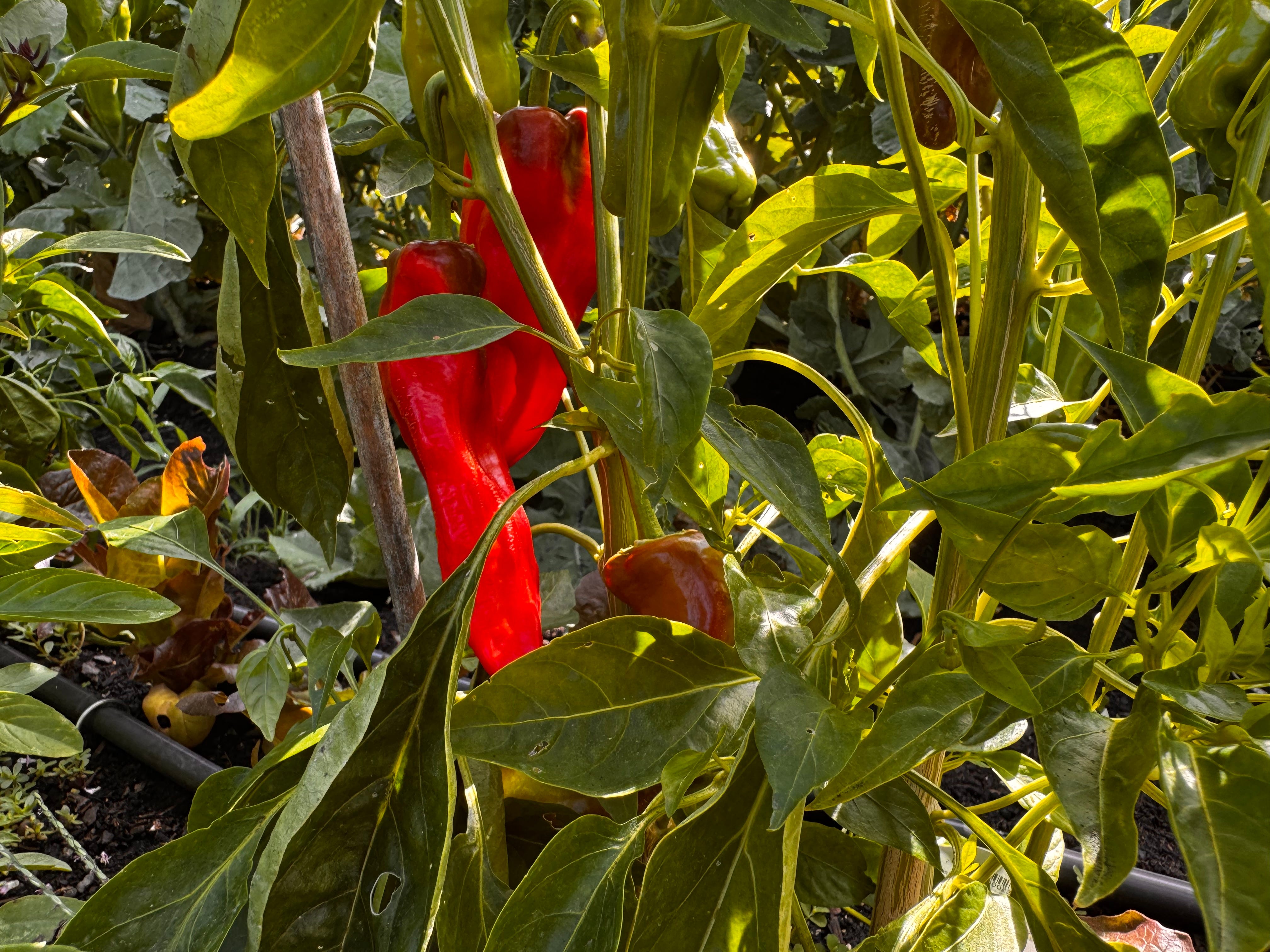
Regular harvesting remains one of the simplest ways to increase production.
Vegetables are programmed to produce seed.
When mature fruit remains on the plant, many vegetables interpret that as a signal their work is complete.
Frequent harvesting changes that message.
This week:
Pick tomatoes every two or three days.
Harvest cucumbers before they become oversized.
Cut zucchini while still tender.
Pick beans every few days.
Harvest peppers regularly, even if you prefer fully colored fruit.
Harvest basil often and remove flower spikes.
Pick okra while pods remain young.
Check melons daily as they approach maturity.
Each harvest encourages another round of flowers.
One extra trip through the garden often produces another week of harvest later in the season.
Allow a few herbs and flowering annuals to bloom nearby.
Basil, dill, fennel, alyssum, cosmos, zinnias, and sunflowers continue providing nectar for bees, hoverflies, lacewings, parasitic wasps, and many other beneficial insects that help keep the garden in balance.
The biggest mistake this week is assuming cooler weather means less watering. It doesn’t.
The garden has entered a transition period where air temperatures begin moderating while the soil continues behaving like midsummer.
Many gardeners naturally shorten irrigation as the weather becomes more comfortable. But, plants are still drawing heavily from the root zone.
Instead of watering according to the weather, water according to the soil.
Check moisture several inches below the surface. Watch how quickly containers dry. Observe newly planted crops closely. Keep mulch in place.
Continue watering deeply enough to support the roots that have carried your garden this far.
Remember: The leaves respond to today’s weather. The roots respond to the conditions that have been building for weeks.
Gardeners often watch the sky. Experienced gardeners watch the soil.
Air temperature changes from one day to the next. Soil changes slowly. It stores the warmth of yesterday, releases it gradually, and quietly determines what plants can do tomorrow.
That is why an August morning can feel almost like autumn while tomatoes continue ripening, peppers continue flowering, and basil keeps producing new leaves.
The calendar may be turning. The soil is still writing the final chapters of summer.
When you learn to read the soil instead of simply watching the weather, many mysteries of the garden begin making sense.
The soil remembers.
Good gardeners learn to remember with it.
Although summer vegetables remain the stars of the garden, the next season is already beginning.
Over the coming two or three weeks, soil temperatures will gradually decline across much of the country. As they fall into the 70s and eventually the 60s, opportunities for cool-season planting will expand rapidly.
Now is the time to begin making room.
Remove spent crops as they finish.
Add compost to empty beds.
Repair irrigation where necessary.
Gather seeds for broccoli, cabbage, cauliflower, kale, carrots, beets, lettuce, spinach, Asian greens, and other fall vegetables.
The gardeners who enjoy the finest autumn harvests rarely wait until autumn to begin. They prepare while summer is still generous.
Next week we’ll continue watching how changing soil temperatures affect both summer harvests and the first opportunities for fall planting.
The garden never stands still.
Each week beneath the soil quietly prepares the next.
If your soil temperature falls below 80°F, begin sowing carrots, beets, and Swiss chard.
If it falls below 75°F, start planning for lettuce, broccoli, and cabbage transplants.
If it remains above 85°F, continue focusing on tomatoes, peppers, beans, okra, and sweet potatoes while delaying most cool-season sowings.
Based on this week’s theme—warm soils, dry conditions, peak harvests, and preparing for fall—I’d recommend these posts:
These fit perfectly with this week’s message that autumn begins while summer is still producing.
My books provide detailed guidance to support this weekly Blueprint, showing you exactly how to sow, transplant, and care for your garden each week.
The Vegetable Garden Grower’s Guide is a practical handbook for growing vegetables from planting to harvest. It covers soil preparation, planting times, crop care, and troubleshooting common problems—everything you need to grow a productive vegetable garden.
Vegetable Garden Almanac & Planner is designed to sit beside you through the gardening year. It helps you track planting dates, garden tasks, weather patterns, and harvests so you can learn from each season and improve the next.
The Kitchen Garden Grower’s Guide is a practical vegetable and herb garden encyclopedia. This book has information you can use today. Here you will find all you need to grow more than eighty different edible plants.
Tomato Grower’s Answer Book gives you answers to every tomato growing question you’ll ever ask with solutions to every tomato growing problem you’ll every face. Nearly 400 questions and answers with 120 color photographs to help you grow.
If you’d like to learn more, you can find both books here:
For step-by-step guidance, visit the Harvest to Table YouTube Channel, where you’ll find more than 60 videos showing how to grow nearly every vegetable—from seed planting to harvest.
Harvest To Table’s Substack is a reader-supported publication. To receive new posts and support my work, consider becoming a free or paid subscriber.
No posts
Comments
Nothing yet. Say the first thing.
Sign in to join the conversation.