
Field Notes: Stephen Albert, in the Sonoma Garden
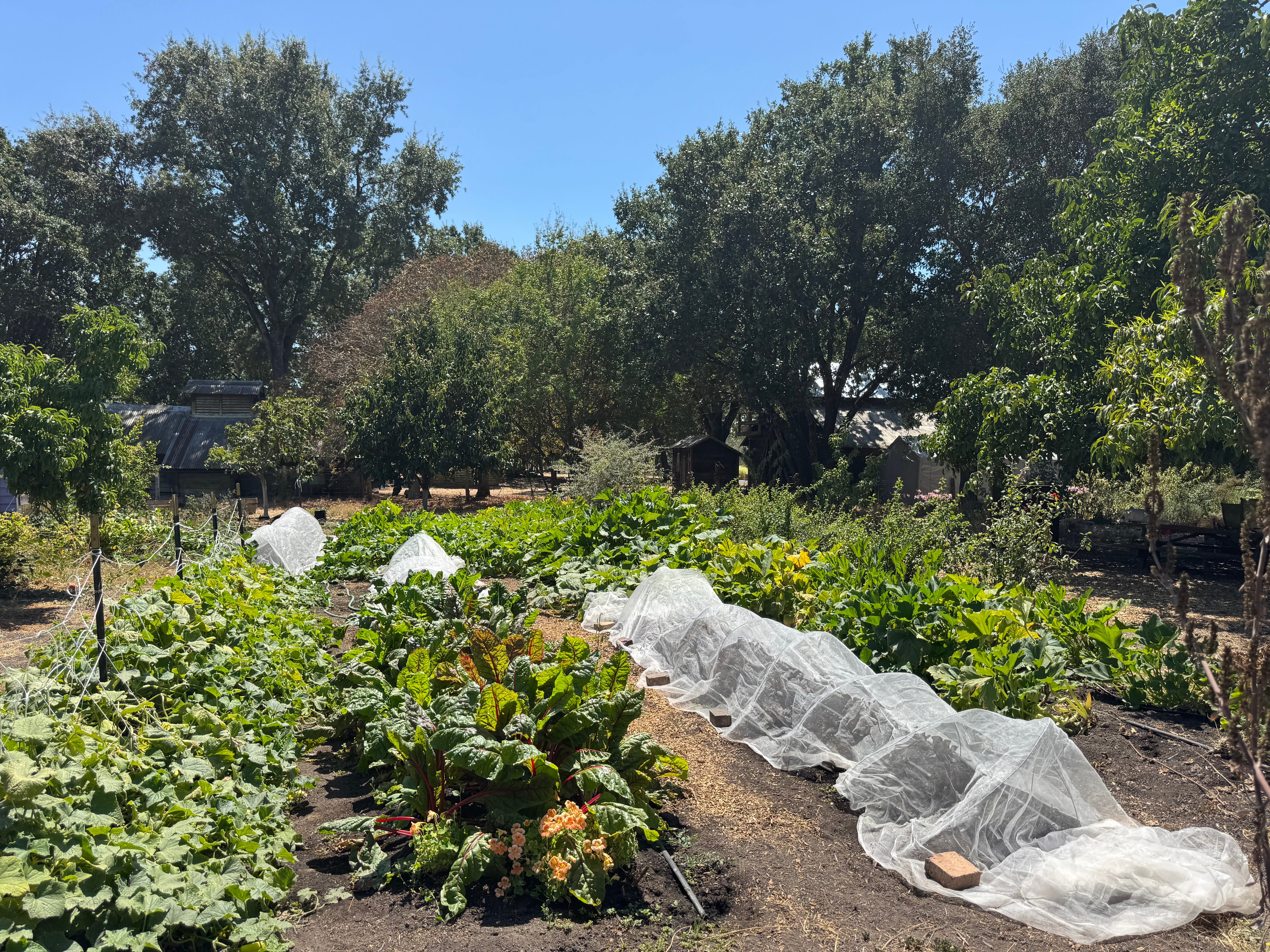
The garden is doing something gardeners see every year but sometimes fail to notice: summer and fall are happening at the same time.
The summer garden is at full speed. Tomatoes, peppers, eggplant, beans, cucumbers, and melons are producing heavily, and the warm soil is keeping them growing. But daylight minutes are decreasing each day
I’m tending the summer garden, but also beginning to plan and plant for fall.
This week I’m starting successions of cabbage, broccoli, chard, lettuce, and kale. The soil is still warm—78°F on average—and the weather still feels like summer. That’s fine. These fall crops don’t need cool weather to get started; they appreciate warm soil and need enough time to establish before cool weather arrives.
The one thing that demands attention now is water. Soil moisture has fallen to just 9%. The garden may look lush, but the root zone is extremely dry.
So this week’s report is really about managing the transition: keep the summer garden productive, keep the soil watered, and start the fall garden before summer is over.
The warm-season garden is thriving.
Tomatoes are in their heavy-production period, while peppers and eggplant are enjoying the combination of warm soil and warm days. Beans and cucumbers are producing rapidly, and melons are taking advantage of the heat as they move toward harvest.
These are the weeks when a vegetable garden can suddenly produce more than you can keep up with. Pick often, especially beans and cucumbers, and stay ahead of ripening tomatoes.
At the same time, the first fall crops are getting established. They won’t look like much compared with the exuberance of the summer garden, but they’re the plants that will carry the garden forward when the tomatoes and cucumbers finally begin to slow down.
That’s the rhythm of the garden now: harvest from one season while planting for the next.
The week of August 16–22 looks warm rather than intensely hot, with daytime highs of 81–89°F and nighttime lows of 54–56°F.
Those temperatures are very close to last week’s conditions, so there is no major weather change to alter the garden plan. The days remain warm enough for summer crops to keep producing, while the relatively cool nights give plants some relief after the heat of the afternoon.
The bigger concern this week is not air temperature—it is soil moisture. At just 9%, the soil is exceptionally dry. Even when plants look vigorous above ground, the root zone is under considerable water stress. Consistent irrigation is especially important for fruiting crops such as tomatoes, peppers, eggplant, cucumbers, beans, and melons, which are making heavy demands on the soil for water.
Soil Temperature: 78°F
Soil Moisture: 9%
Forecast Highs: 81–89°F
Forecast Lows: 54–56°F
5-Day Average Soil Temperature: 78°F
The soil temperature remains in the warm range and is nearly unchanged from last week. At 78°F, warm-season vegetables are still growing well, and there is no temperature barrier to summer production.
Soil moisture is the number to watch. At 9%, the garden is far below the roughly 25–35% range where most vegetables perform well. The priority this week is to restore and maintain moisture in the root zone rather than relying on brief surface wetting.
SOIL TEMPERATURE — 78°F
🟢 70–80°F — Ideal
The soil feels more like summer than fall.
The dry soil makes that transition especially important. A plant that is growing rapidly is also using water rapidly. The garden may look lush and productive, but beneath the foliage the soil can be much drier than it appears.
This is the week to garden with both seasons in mind: keep summer crops producing while giving fall crops a good start.
If your soil temperature has already dropped below 70°F, you’re moving into a very different part of the planting window. This is a good time to shift attention toward cool-season crops such as lettuce, kale, chard, broccoli, cabbage, and other fall vegetables.
In cooler climates, don’t wait for the calendar to say fall. Use the soil temperature as your signal. As the soil moves through the 60s and toward 55°F, conditions become increasingly favorable for cool-season vegetables, while warm-season crops will gradually lose their momentum.
The same soil-temperature approach works whether your garden is at 78°F in Sonoma or 65°F farther north: plant for the conditions you have, and for the conditions that are coming.
Current soil temperature: 78°F (in Sonoma; track the soil temp where you are)
At 78°F, the garden is still firmly in the warm-soil portion of the planting calendar. Beans, cucumbers, and other warm-season crops can still be planted where there is enough time for them to mature, but my attention is shifting toward fall.
For fall vegetables, this is a starting week rather than a harvesting week.
Cabbage: Start transplants or seedlings for fall harvest; protect young plants from intense afternoon heat.
Broccoli: Set out transplants or start seedlings for a fall crop; keep the seedbed evenly moist.
Chard: A good time to begin a fall succession, especially from transplants.
Kale: Begin a fall succession with transplants or seedlings; young plants will need reliable moisture.
Lettuce: Start a fall succession, but give seeds or seedlings shade and keep the soil consistently moist. At 78°F, lettuce seed can be slow or erratic to germinate.
Radishes and other quick crops: These can be started where fall conditions will arrive before harvest.
The important point this week is to start fall crops without waiting for the soil to cool. Seeds and young transplants can be started in a shaded, well-watered nursery area and moved into the garden as conditions become more favorable.
The fall garden begins with a little imagination.
Right now, the garden still looks like summer. Tomatoes are producing, cucumbers and melons are running, and the soil is warm. But the fall garden you want to harvest in October and November has to begin while summer is still going strong.
This week I’m thinking in terms of succession rather than replacement. I’m not tearing out productive summer crops to make room for fall vegetables. I’m starting the next generation of plants while the current generation is still producing.
Cabbage, broccoli, chard, lettuce, and kale are the first successions I’m getting underway. The goal is to have sturdy young plants established now so they are ready to take advantage of cooler conditions as they arrive.
The trick is managing the transition. The calendar says fall, but the soil still feels like summer. Young fall crops need steady moisture, protection from the hottest afternoon sun, and good airflow while they establish. As the soil gradually cools, they will settle into the conditions they prefer.
This is why I like using soil temperature as a planting guide rather than the calendar alone. The question isn’t simply, “Is it August yet?” The better question is, “What will the soil be like when this crop needs to grow?”
Think six to ten weeks ahead. What do you want to be harvesting then? Work backward from that harvest and start the plants now.
The best fall garden is often planted before the garden looks like fall.
The garden is beginning to shift, but it doesn’t happen all at once.
Above ground, it is still unmistakably summer. Warm days and warm soil are driving tomatoes, peppers, eggplant, beans, cucumbers, and melons into heavy production. Beneath the surface, however, the garden is telling a different story. With soil moisture at just 9%, the root zone is becoming a much more demanding environment for plants.
That makes water the connecting thread between everything happening in the garden this week. Fruiting summer crops are using water rapidly, while newly planted fall crops have small root systems and need consistent moisture simply to get established.
At the same time, the soil is full of life responding to the warmth. Roots, microbes, insects, and other soil organisms are active, decomposing organic matter and cycling nutrients. But biological activity also depends on adequate moisture. A warm, dry soil is very different from a warm, moist soil.
So the job this week is not to stop summer or rush fall. It is to manage the overlap.
Keep the summer crops productive. Keep moisture in the root zone. Give fall seedlings the conditions they need to establish. The healthiest garden at this time of year is one where both seasons have a place.
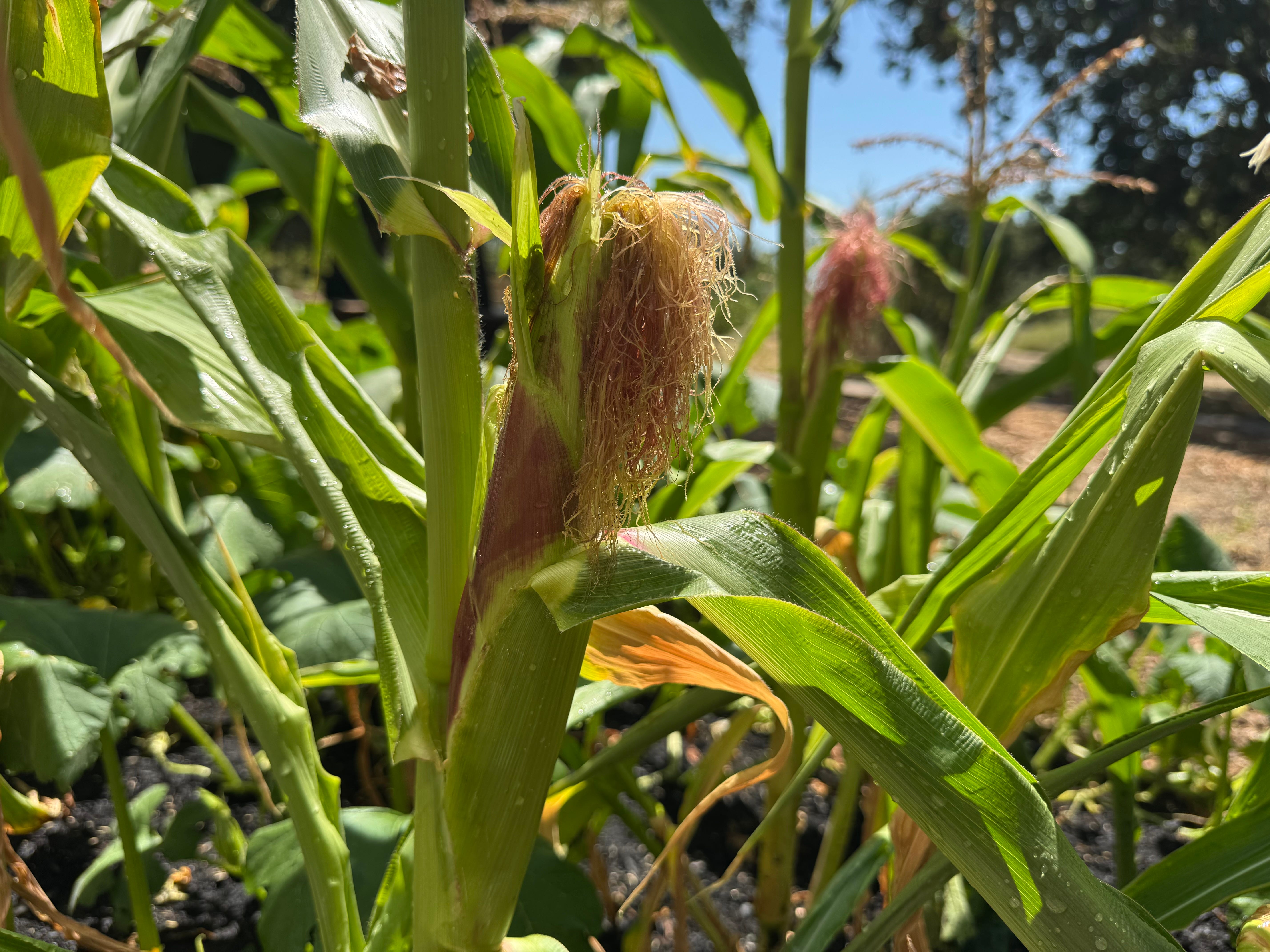
This is a week for harvesting generously.
Beans and cucumbers should be picked frequently while they are young and tender. Tomatoes, peppers, and eggplant are coming into their summer rhythm, and melons should be watched closely as they approach maturity.
Harvesting is not simply collecting what the garden has produced. It is part of managing the garden. Regular picking keeps beans and cucumbers producing and prevents overripe fruit from becoming a drain on the plant.
Tomatoes are likely to be arriving faster than you can eat them. Peppers and eggplant can remain on the plant longer, but don’t let them become oversized if you want continued production.
And don’t overlook the small harvests—the handful of beans, the cucumber ready one day earlier than expected, the first ripe pepper. A productive vegetable garden is harvested continually, not all at once.
Water deeply and consistently. The soil is exceptionally dry, so focus on replenishing moisture in the root zone rather than giving plants frequent shallow sprinkles.
Harvest summer vegetables frequently. Pick beans and cucumbers regularly and stay ahead of ripening tomatoes, peppers, and eggplant.
Start the next fall succession. Get cabbage, broccoli, chard, lettuce, and kale underway.
Protect fall seedlings from afternoon heat. Shade and steady moisture can make the difference between strong seedlings and stalled ones.
Check mulch. A good organic mulch can slow evaporation and help keep the root zone more evenly moist.
Make room gradually. As summer crops finish, clear them promptly so the next fall planting can move in.
Keep harvesting while planning ahead. Don’t let thoughts of fall cause you to neglect the productive summer garden in front of you.
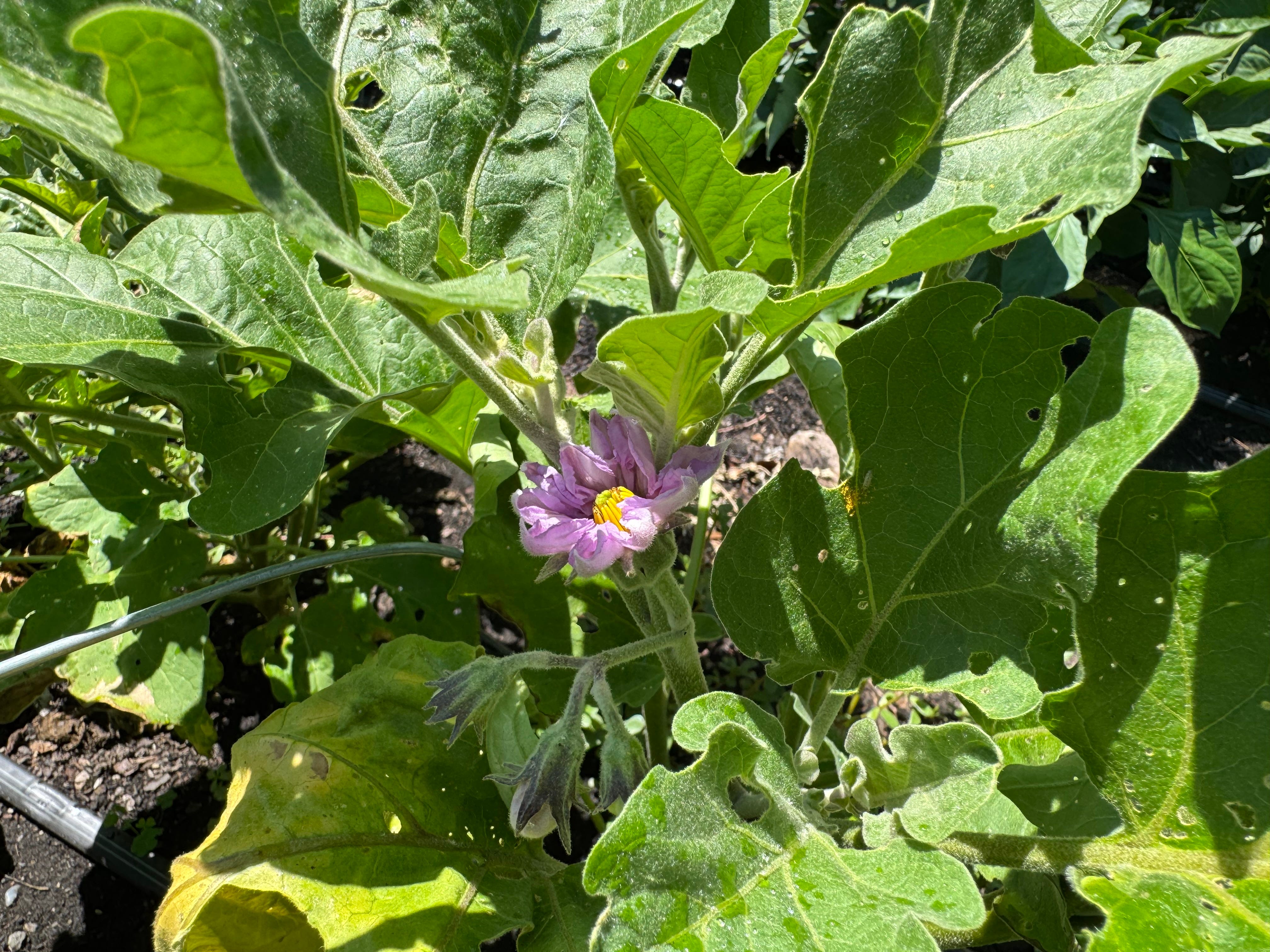
Watch the soil, not just the plants.
The garden may look remarkably good this week. That’s what makes very dry soil easy to overlook. Vegetables can continue looking healthy for a while even as the root zone becomes increasingly dry.
Watch tomatoes and cucumbers particularly closely. Drooping leaves in the afternoon may be a first warning, but don’t wait for plants to wilt before checking the soil.
Also watch newly planted fall vegetables. Young cabbage, broccoli, lettuce, kale, and chard have shallow root systems and can dry out quickly in warm weather.
And watch the transition itself. As the days begin to shorten and nights remain cool, some summer vegetables will eventually slow down even though the soil remains warm.
Don’t wait for the soil to cool before starting the fall garden.
It is tempting to look at 78°F soil and think, “It’s still summer; I’ll plant the fall garden later.”
Later may be too late.
Fall vegetables need time to establish before cool weather slows their growth. The trick is not to wait for perfect fall conditions. Start them now, then help them through the warm period with moisture and, when necessary, afternoon protection.
The calendar may say August, but the garden is already working toward October.
One of the pleasures of a vegetable garden is that it is never really in just one season.
While you are harvesting tomatoes, you may be sowing lettuce. While beans are producing heavily, broccoli seedlings are getting established. While melons are ripening in the sun, kale is being started for cooler weather ahead.
A productive garden is always looking forward.
The mistake is to think of fall as something that begins when summer ends. In a well-planned vegetable garden, fall begins while summer is still producing.
This week, enjoy what the summer garden is giving you—but plant for the garden you want to have six, eight, and ten weeks from now.
The next few weeks will be about the transition from summer abundance to fall succession.
The soil will gradually begin to cool, even though warm days may continue. As that happens, conditions will become increasingly favorable for the cabbage, broccoli, kale, chard, lettuce, and other cool-season crops getting started now.
Summer crops will eventually begin to show their age. When they do, don’t be too quick to pull them out if they’re still producing. Harvest them as long as they remain healthy, and use the spaces they leave behind for the next succession.
For now, the priorities are simple: keep the root zone moist, keep harvesting, and keep planting ahead.
The garden is not finished with summer—but fall has already begun.
If you’re making the transition from summer to fall, these guides will take you a little deeper:
The Complete Guide to Fall Vegetable Gardening: Planning, Planting, Growing, and Harvesting — the big-picture guide to planning and growing a fall garden.
How to Transition Your Vegetable Garden from Summer to Fall — how to overlap summer production with the first fall plantings.
Succession Planting — how to keep the garden productive by following one crop with another.
How to Water the Vegetable Garden During a Heat Wave — how to protect the root zone when summer soil is exceptionally dry.
My books provide detailed guidance to support this weekly Blueprint, showing you exactly how to sow, transplant, and care for your garden each week.
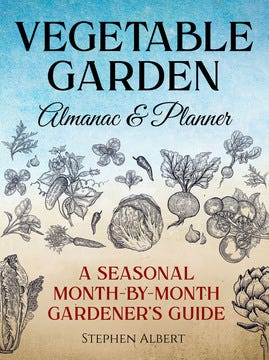
Vegetable Garden Almanac & Planner is designed to sit beside you through the gardening year. It helps you track planting dates, garden tasks, weather patterns, and harvests so you can learn from each season and improve the next.
The Vegetable Garden Grower’s Guide is a practical handbook for growing vegetables from planting to harvest. It covers soil preparation, planting times, crop care, and troubleshooting common problems—everything you need to grow a productive vegetable garden.
The Kitchen Garden Grower’s Guide is a practical vegetable and herb garden encyclopedia. This book has information you can use today. Here you will find all you need to grow more than eighty different edible plants.
Tomato Grower’s Answer Book gives you answers to every tomato growing question you’ll ever ask with solutions to every tomato growing problem you’ll every face. Nearly 400 questions and answers with 120 color photographs to help you grow.
If you’d like to learn more, you can find both books here:
For step-by-step guidance, visit the Harvest to Table YouTube Channel, where you’ll find more than 60 videos showing how to grow nearly every vegetable—from seed planting to harvest.
No posts
Comments
Nothing yet. Say the first thing.
Sign in to join the conversation.