
Pregnenolone is one of the most important hormone we have. Every other hormone is made from pregnenolone.
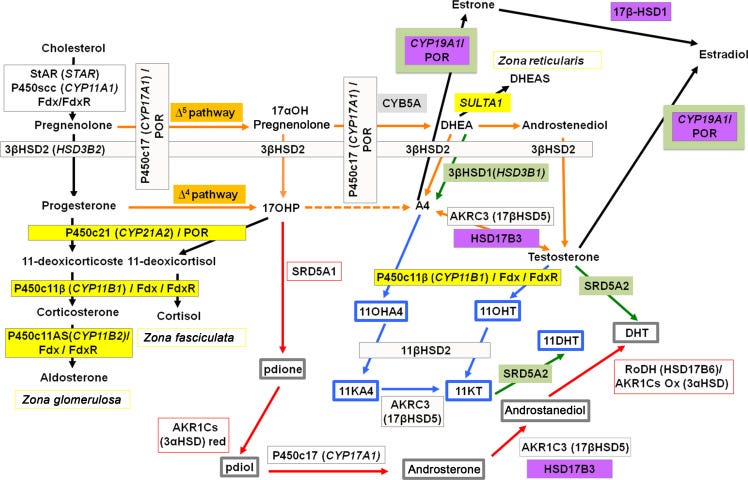
But pregnenolone isn’t just the precursor to all other hormones, it also has unique effects/benefits of its own.
Also, the way you take pregnenolone (dose, route (oral, topical, sublingual, etc.) will determine how you feel on it.
In this article, I break down:
The mechanisms of action and benefits of pregnenolone
The pregnenolone steal
Different routes and doses of taking it
How to enhance the calming effects of pregnenolone
How to enhance the nootropic effect of pregnenolone
I also compare it to other hormones like progesterone, DHEA and testosterone with the different routes of administration to help clarify how each route is most likely to “behave” and effect you.
Strip away the anti-aging and “hormone balance” marketing, and the clinical evidence for pregnenolone clusters around a narrower, more specific set of findings:
Adjunctive benefit for negative symptoms in schizophrenia: reduced blunted affect, avolition, and anhedonia
Greater reduction in depression ratings versus placebo in trial data
Meaningful pain relief in veterans with chronic low-back pain: roughly half of pregnenolone-treated participants hit a 20%+ reduction in pain intensity, versus about a quarter on placebo
Reduced provoked craving, anxiety, and autonomic stress response in early alcohol-use-disorder research
A 2025 preprint reporting lower craving and reduced cocaine use at 300mg/day
Lower irritability scores sustained over 12 weeks
Neuroprotective, anti-inflammatory, and myelination-supportive effects in animal models
These are the main human data on it. There are a host of other interesting animal research, however, we don’t know if it’s applicable to humans at all. We know that what often happens in animals due to a specific dose/compound, rarely translates to humans like that.
So for now, I’m not going to focus on what the animal research shows.
For a long time it was thought that pregnenolone was only a precursor to other hormones. However, pregnenolone itself has beneficial effects.
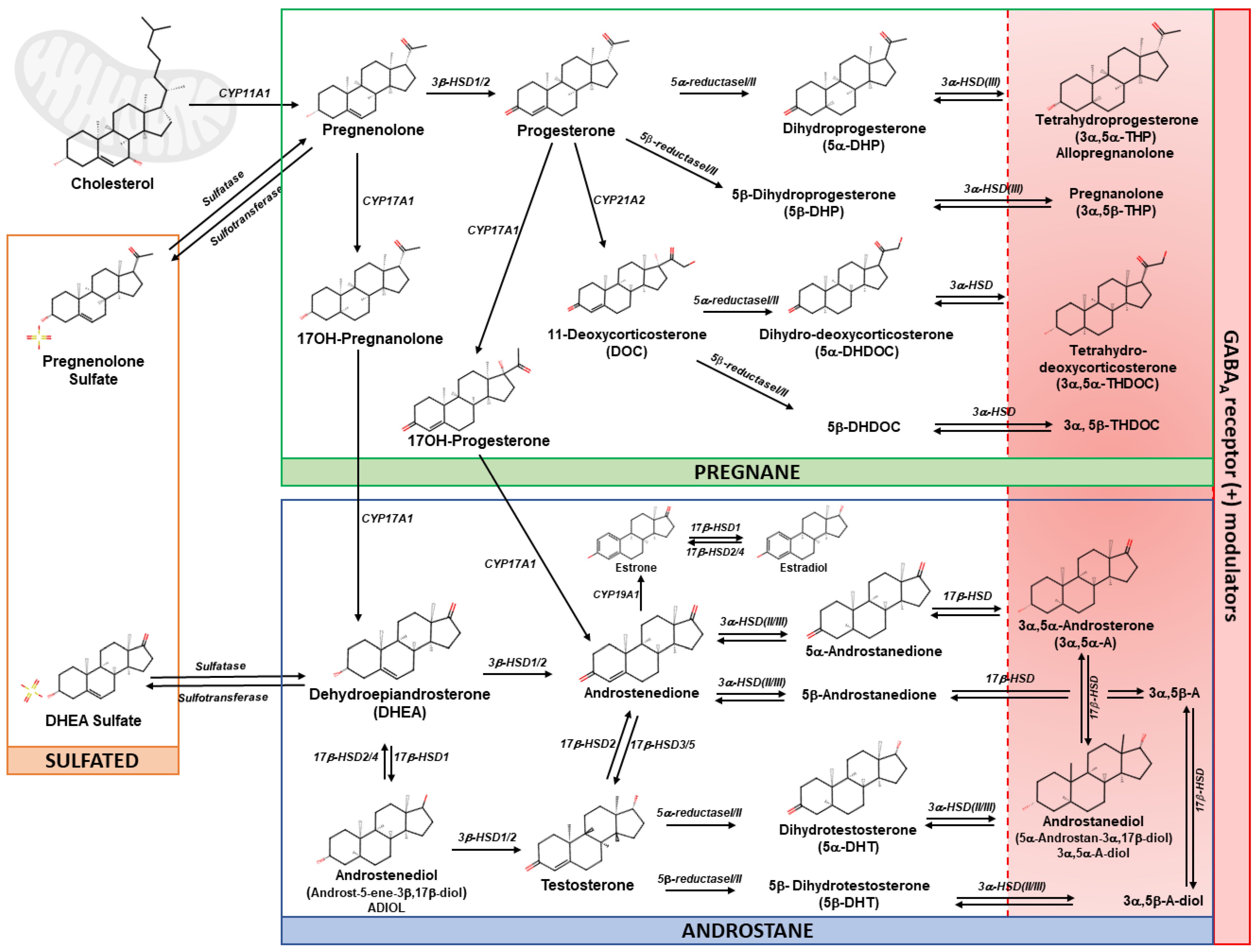
When pregnenolone is made in large amounts, it gets turned into pregnenolone sulfate (PS), kind of like a storage form. And PS also has effects.
Increases NMDA receptor signaling, which can support alertness, plasticity, dopamine tone, and memory encoding, but can also tip someone toward excitation and anxiety depending on baseline glutamate load.
Inhibits the GABA-A receptor signaling, the opposite of what most people expect from a “calming hormone precursor.” Meanwhile allopregnanolone, further downstream, is one of the most potent positive GABA-A modulators known, which is exactly why it’s now an FDA-approved postpartum depression drug under the name Brexanolone.
Acts as a negative allosteric modulator/inhibitor of glycine receptors. This can help with more alertness or arousal, greater sensory responsiveness and potentially improved NMDA-dependent plasticity. However, it can also contribute to anxiety, irritability, disrupted sleep, increased pain sensitivity, or susceptibility to overstimulation.
Acts as a sigma-1 receptor agonist alongside DHEA-S. Sigma-1 receptors influence calcium handling, ER-mitochondria signaling, ion channel trafficking, pain processing, ATP production, neuroplasticity and mitochondrial quality control.
TRPM3 activation: pregnenolone sulfate activates this calcium-permeable channel, with downstream effects on pain and neuroendocrine signaling.
CB1 modulation: native pregnenolone appears to act as a pathway-specific negative modulator of certain CB1 signaling, which may blunt some THC effects without functioning as a conventional cannabinoid antagonist.
CLIP-170 binding: native pregnenolone binds this microtubule plus-end protein and promotes microtubule polymerization and cell migration in experimental systems, a mechanism that hints at nerve repair and neurodegeneration applications that haven’t been clinically tested yet.
TLR4 antagonism: pregnenolone (via conversion to allopregnanolone, and pregnenolone sulfate directly) interferes with TLR4 signalling (the endotoxin receptor), thus reducing inflammation.
The net effect of pregnenolone (especially the sulfated form) is excitatory, but also anti-inflammatory.
If your physiology routes pregnenolone toward pregnenolone sulfate, DHEA, and androgenic, excitatory signaling, you’re more likely to feel activated, clearer, restless, anxious, acne-prone, or wired at bedtime.
If it routes toward progesterone and allopregnanolone, you’re more likely to feel calm, sleepy, less anxious, or even emotionally blunted.
This is the actual mechanism behind why pregnenolone reports on X are so wildly inconsistent.
The only way to know for sure is to test for yourself.
Some people are afraid to use pregnenolone because of the idea that under stress, more pregnenolone will be used to create cortisol. This leaves less precursor for the production of allopregnanolone, testosterone and other androgens.
So if you’re under stress, taking pregnenolone will lead to higher cortisol.
However, it’s an oversimplification.
Stress-driven steroid shifts are governed largely by the brain, ACTH signaling, adrenal enzyme expression, and substrate availability, not by pregnenolone literally running out and getting hijacked by one pathway.
You have pregnenolone is different parts of the body (testes, adrenals, brain, etc). Under stress, adrenal pregnenolone production is upregulated to create cortisol. Keep in mind that cortisol can be converted to THDOC, which is a positive modulator of the GABA receptor, thus enhancing GABA signalling.
Stress doesn’t “steal” brain or testicular pregnenolone for cortisol production. But stress (ACTH and cortisol) can reduce testicular steroidogenesis, thus leading to lower levels of testosterones. This isn’t due to pregnenolone steal, but rather inhibition.
Taking pregnenolone will increase pregnenolone levels in different tissues of the body where it will be spot specifically/locally used, including the brain. In the brain it can be used to create allopregnanolone, which enhances GABA-A signalling and can dampen stress-responsive CRH-neuron activity and reduce ACTH responses to specific stressors.
The rest of this article is for premium members.
We’ll cover:
All four ways to take pregnenolone (oral, topical, sublingual, and intranasal)
What actually differs between them
Which one you probably want based on what you’re after
Doses
Pros and cons of each
How to stack additional compounds to supercharge the specific effect you’re chasing.
Taking pregnenolone different ways produces genuinely different results, not just different intensities of the same result. How it’s stored, which metabolites it converts into, the ratio between those metabolites, and how long each one sticks around all shape how you actually feel on it. Change the route, and you change all four of those variables at once.
If you want my personal help digging into your specific case and building a protocol around it, here’s how to work with me.
Comments
Nothing yet. Say the first thing.
Sign in to join the conversation.