
On 22 April 2026 we celebrated Earth Day and on 5 June 2026 we’ll be taking stock on World Environment Day. The significance of these days on which, across the globe, people perhaps take a moment to consider their connectedness, got me thinking about what’s in our power to help our planet as plant people, every day! What resources are available to us and what ecologically minded choices we can make as consumers and caretakers?
This article is an attempt to answer these questions by looking at our indoor and outdoor gardens as ecosystems and to explore easy ways in which as individuals, we can contribute towards the greater, greener, good.
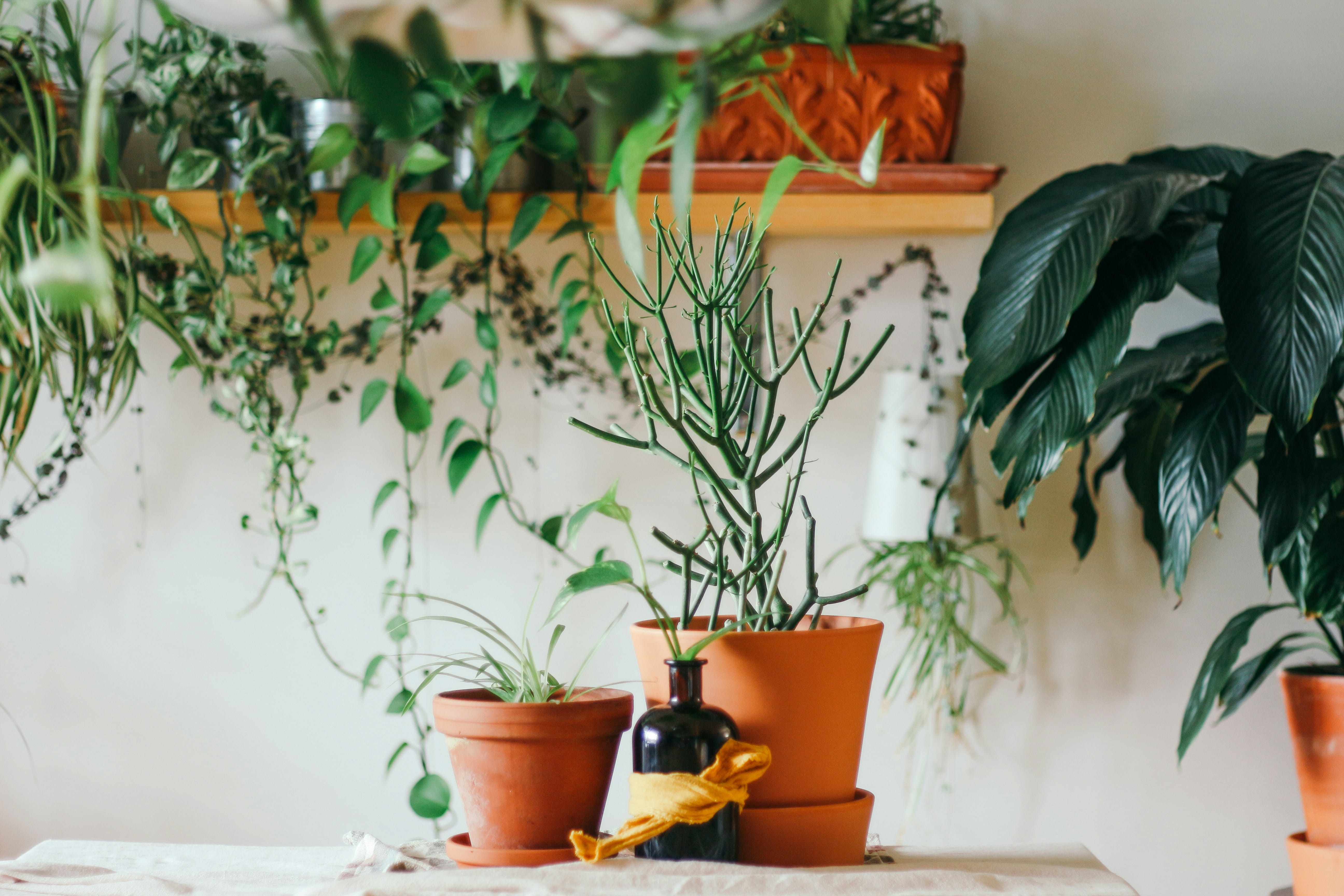
Photo by Brina Blum on Unsplash
There are countless small, easy changes you can make to your everyday thinking and habits that will both reduce your footprint and enable your plants and the natural world they’ve evolved to live in, to do a lot of the ‘work’ for you. Let’s get gardening …
🪴Before we get into some of the quick wins, perhaps the easiest and most fundamental choice you can make that will have long term benefits for both your indoor and outdoor gardens is choosing the right plants for your level of knowledge, expertise and growing conditions (light levels/ humidity/soil type etc). In doing so you immediately reduce the risk of struggling or dying plants that you may ultimately need to spend time and money on keeping alive or replacing.
Keeping your houseplants alive and healthy for as long as possible is perhaps one of the most ecologically sensitive steps you can take. Think of it as your contribution to conservation.
🏠Bear this in mind If you’re moving house or downsizing and you can’t take ALL of your indoor plants with you. Where possible, donate them, give them away to someone you know who will enjoy them or ask someone to care for them until you can reintegrate them into your lifestyle.
🪱Secondly, as much as possible, I’d encourage you to create ecosystems where plants and creatures (including humans) benefit each other, ultimately requiring less intervention. Although this ecosystem-thinking is more generally applied to outdoor gardens, it can just as easily be applied to your indoor garden (houseplants). We’ll dive into some of the ways you can do this below.
🤔Lastly, where possible, make sustainable choices. Are your plants grown in peat free compost? Where are they grown? What packaging do they come in ? The fact is that most houseplants are grown in a medium containing peat, but due to societal and legislative pressure, Growers are now working hard to move towards becoming peat-free. At Patch we’re working with our Growers to reach our goal to eliminate the use of peat in our products by 2030 and we couldn’t be more proud of our 100% recycled and recyclable packaging.
A choice that IS easy to make is to purchase peat-free compost when the time comes to pot up or repot your house and garden plants.
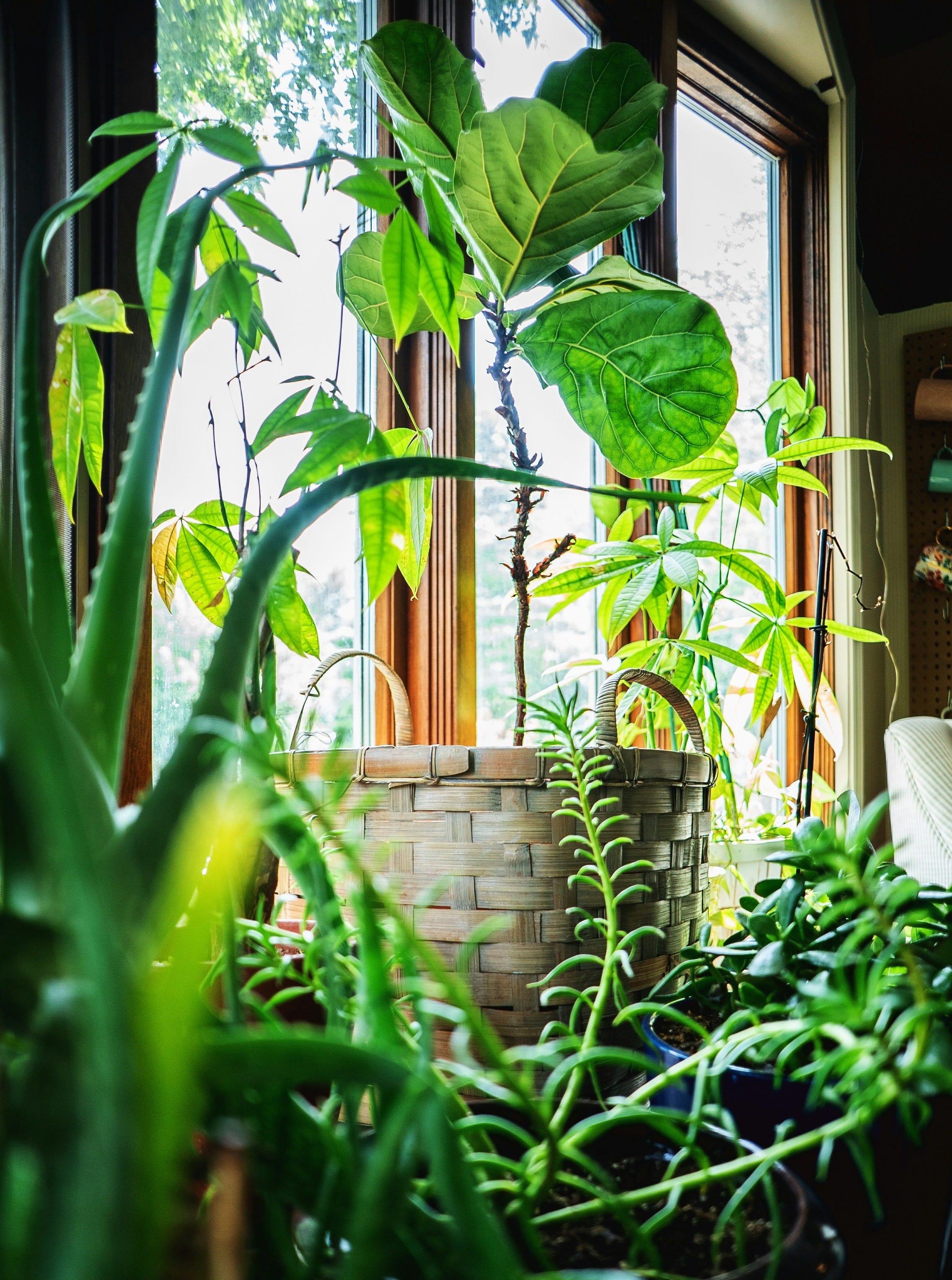
Photo by Evan Wise on Unsplash
Now that we’ve got some of the thinking out of the way, let’s get stuck into some of the doing, the practical, nitty gritty steps you can take to go greener. We’ll walk around indoors before venturing out . . .
🪲Be kind to be cruel
Rather than waiting until your houseplants have a full-on pest infestation and using insecticides, get into the habit of regularly applying a preventative natural pesticide. Mix up a couple of drops of dishwashing liquid into a litre of water, swirl (don’t shake) and mist onto the leaves and stems of your indoor garden plants. This creates a thin viscous layer over the leaf surface, making it more difficult for sap sucking pests like mealy bug, thrips and red spider mite to get their mouthparts into the plant parts. It has the added bonus of keeping leaves clean, maximising photosynthesis.
If your plants do get pests - which is inevitable in their lifespan - work with nature rather than against it. Use biological control, whereby you introduce natural predators that feed on the larvae or adults of the specific pest and enrich the micro-biome in which your plants are growing.
💧Be water wise
Where possible - even if it’s in a bucket on a windowsill or front step - collect rainwater to water your houseplants with. Not only does this save you paying for water but your plants will gain essential micro-nutrients that tap water just doesn’t have. It’ll also prevent the shift in pH, calcium build up and brown leaf tips that are often the result of consistent watering with hard tap water.
Be more water efficient and reduce your need to water as often. Put a topdress of grit or hydro-leca balls (expanded clay aggregate) around the base of your plants. This prevents rapid evaporation from this large soil surface area and helps retain moisture for longer. It has the added benefit of more slowly releasing humidity.
On the subject of humidity, which is something home growers often struggle with providing their more tropical houseplants, rather than investing in a plug in humidifier, work with the principles that plants grow better together and that nothing beats fresh air. Opening windows helps regulate the humidity between indoors and out (and it’s generally always more humid outdoors) and grouping your plants together, even if they’re in separate pots, enables them to create their own mini-microclimate, trapping water vapour amongst their leaves as they transpire.
🌱The gift that keeps on giving
Propagate your houseplants by taking cuttings or dividing them, either to increase your own collection or to give as gifts to friends and family. While doing so, save and reuse your plastic nursery pots that will otherwise go to landfill because they are often tricky to recycle . If you find yourself with an excess or need for specific sized nursery pots for repotting, ask your local florist, plant shop or nursery if you can donate to them or if they have any spare.
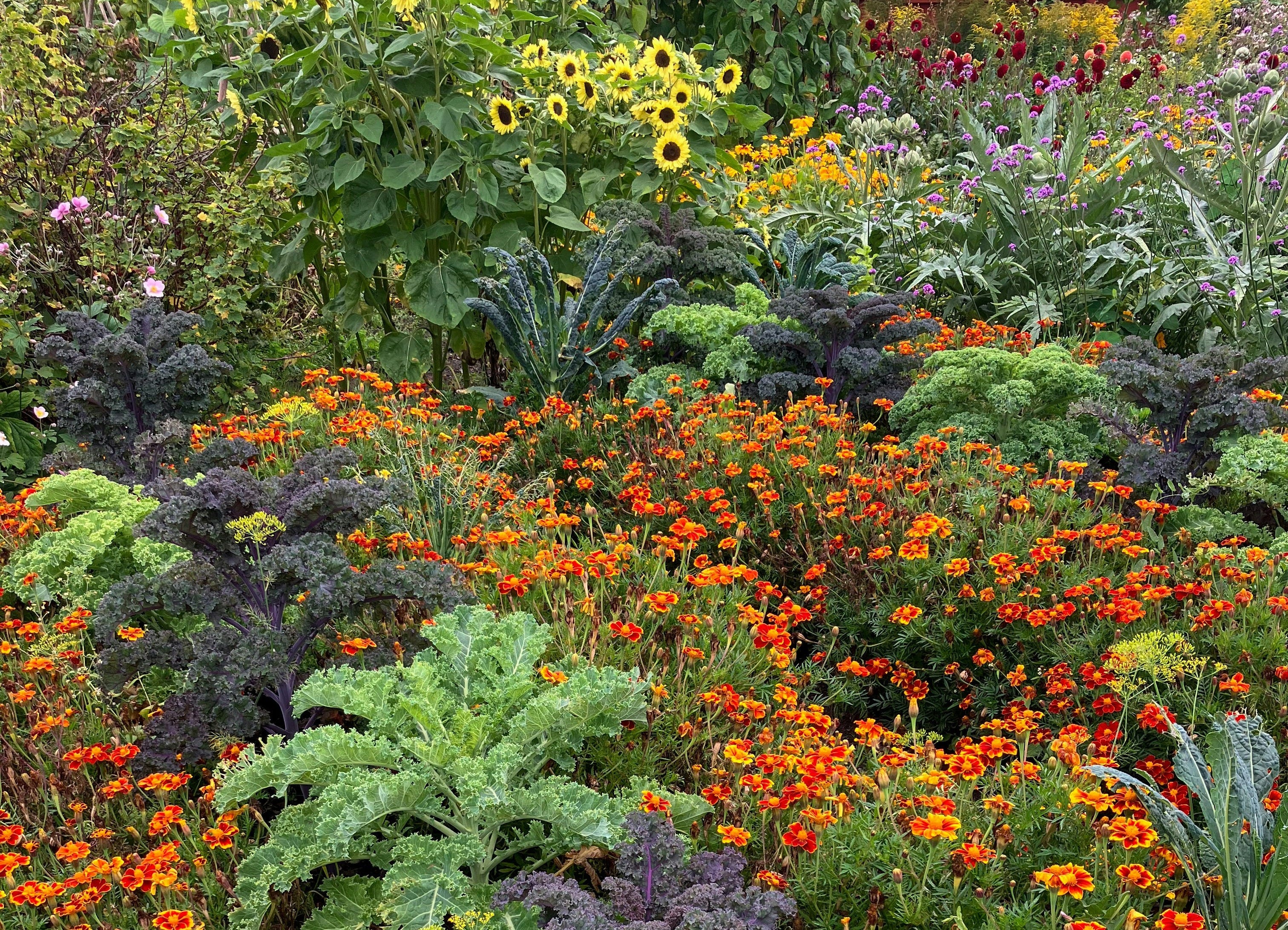
Photo by vigouroux gérald on Unsplash
🌿Nature knows best
Even if you have the smallest outdoor area, prioritise some space to make your own fertiliser. You can compost your household and outdoor waste, or, even better, if you have a garden large enough, make nettle or comfrey ‘tea’. Just mix the leaves with some water in a sealed container and let them rot down into liquid. While these ‘weeds’ can be invasive, they’re also full of natural nitrogen, potassium, phosphorus and other micro-nutrients that will promote the healthy growth of your more coveted garden plants. We obviously need to keep their spread in check (or they WILL take over!) but can we leave a little area for them to grow and harvest them before they seed?
Save yourself some work with the cut-and-drop technique. Whether you’re deadheading, doing the Chelsea chop (cutting back your herbaceous plants by one third in late May/early June to rejuvenate growth) or pruning trees and shrubs, rather than clear up, leave the clippings in place. As long as the cut material isn’t diseased and isn’t smothering your other plants, simply leave it on the soil surface to break down over time, returning nutrients to the soil. It can even act as a natural mulch, suppressing weeds and holding moisture in the soil for longer.
Use the natural properties of companion plants to deter pests from those you’re more precious about. Planting Marigolds alongside your crops like squash, tomatoes, carrots and cabbages, for example, puts off potential pests like white fly and aphids by releasing a strong odour. As a bonus, they attract insects like hoverflies and ladybirds which prey on aphids. Win win.
💦Be water wise
Ideally, plant your outdoor plants into the ground where their roots can go in search of water and rain will do some of the work for you. Where that’s impossible and you’re growing in pots, remove your plants from their nursery pots and plant them up directly into decorative pots - making sure these have drainage holes! This gives them a better chance of putting down more roots, enabling them to grow larger and stronger. Remember, terracotta and unsealed clay pots will dry out more quickly because they’re porous, so while they’re aesthetically pleasing they’re the least water efficient option.
Water your garden plants in the early morning or late evening when they’re not in direct sun. This will avoid water loss due to evaporation. Water the soil around the base of your plants rather than sprinkling their leaves. Plants absorb water most efficiently through their roots.
Recycle your bathwater or grey water by using this to water your outdoor plants and kill two birds with one stone (no birds will be harmed in the process!). There are a few caveats to this but it’s an easy win: use natural soaps, pour this water over the soil rather than the leaves, avoid using it on edible crops, and use it immediately (within 24 hours) rather than storing it for future use.
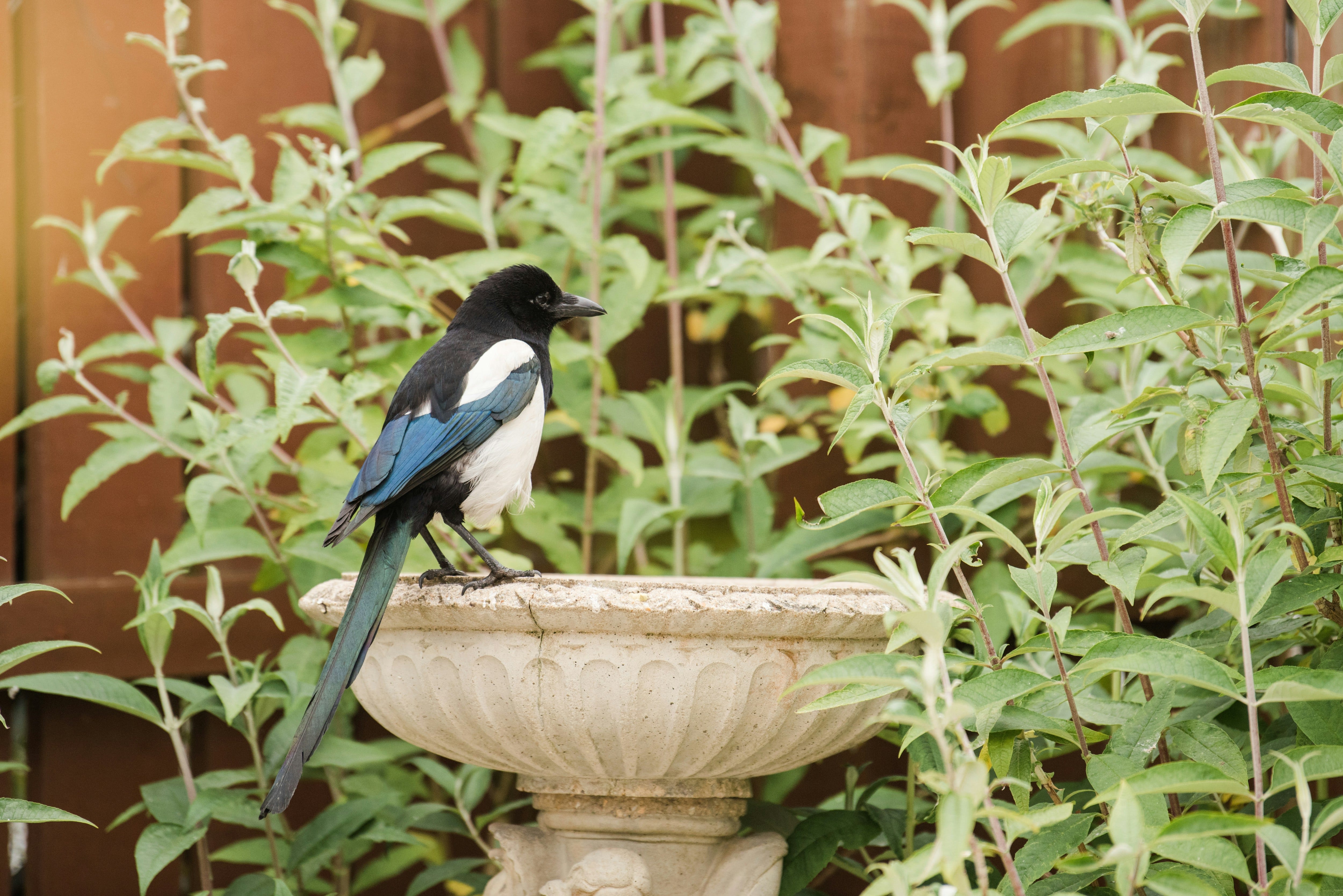
Photo by Nadin Thomson on Unsplash
🐦⬛Creatures large and small
Every gardener fears the damage that can be done by slugs and snails and while they too need to eat, there’s many things we can do to keep their numbers down. Let’s avoid using toxic slug pellets that have a horrid ripple effect throughout the ecosystem.
Whatever the size, do what you can to encourage birds like Thrush, Blackbirds, Robins, Magpies and Jays to your garden. They eat slugs and snails as well as providing joyous bird song! You can encourage them by having a birdbath, nesting boxes and most importantly, by creating the kind of habitat that they like. Plant a variety of trees and shrubs that provide cover from predators and ideally berries as a winter food source. Birds won’t only eat slugs and snails but spiders, aphids, worms and much more!
Create hedgehog habitat by raking up piles of fallen leaves and leaving some areas of your garden overgrown and a bit ‘messy’. Go a step further and create runways or thoroughfares by leaving a hole in the wall or fence between you and your neighbours. Hedgehogs are one of the best predators of slugs and snails.
Create a pond to encourage frogs and toads, which also eat slugs! You may even be delighted by dragonflies.
If you have a lawn, avoid mowing (and not just in May!). Get creative and grow a meadow with paths you can walk through. Meadows are important habitats for a wide variety of insects that are in drastic decline across the UK, many of which are pollinators and a source of food for other creatures in your garden. While meadows do require some management, they’re far less labour intensive and kinder to the planet than a lawn.
These tips only just scratch the surface of some of the more sustainable ways in which you can shift your thinking and gardening practices. Even if you start with one or two, you will be making a difference. One for all and all for one ✊🌱🌳🐞🐝🐦⬛🦡🦔
Comments
Nothing yet. Say the first thing.
Sign in to join the conversation.