
As West Dean’s gardens come alive for spring, Patch’s Creative Content Editor Ellen Millard speaks with Head Gardener Tom Brown about his love of the great outdoors, planting for pollinators and how he’s futureproofing a historical landscape.
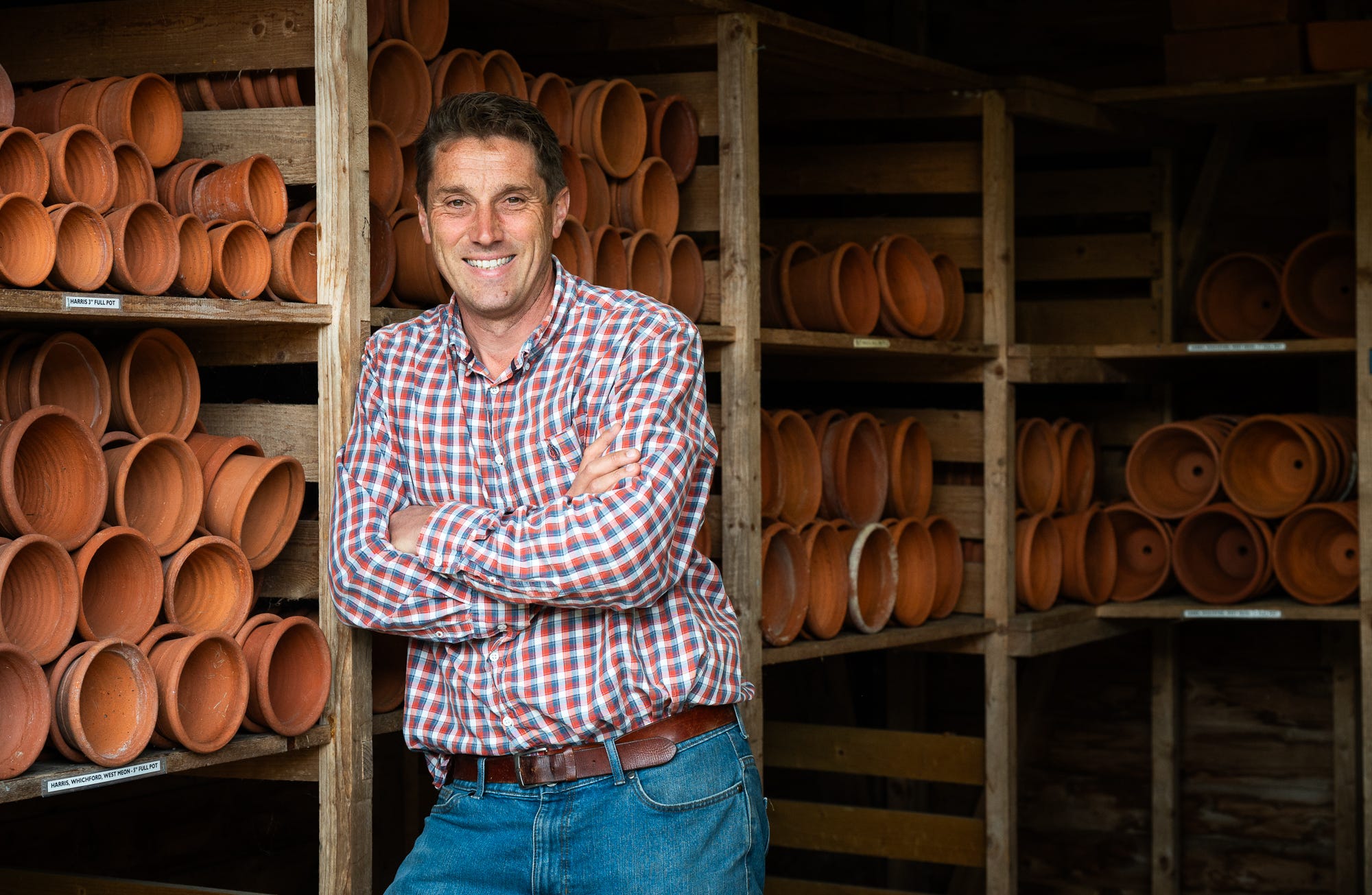
Tom Brown, Head Gardener at West Dean Gardens
British weather has always been famously unpredictable, but changes to the climate are making it even trickier to second guess. It doesn’t just make getting dressed more challenging, but presents new obstacles for our outside spaces too. Scorching hot summers, high winds, warm winters and inconsistent rainfall mean planting needs to be carefully considered, giving your garden the best chance of surviving a future of increasingly temperamental weather conditions.
But what happens when those gardens are rooted in history? It’s a challenge being tackled by Tom Brown in his role as Head Gardener at West Dean College of Arts and Conservation. Dating back to 1061 (it was a house before it became a college in the 1970s), West Dean is a Grade II listed country estate nestled on the border of the Sussex Downs and home to one of the finest restored gardens in the country. There’s a Walled Kitchen Garden, an orchard, an Edwardian pergola and a 49-acre arboretum that can be explored on a circular walk, taking you through open woodland and expansive glades dotted with vibrant rhododendrons and azaleas. There are 13 Victorian glasshouses that provide the perfect conditions for exotic plants, orchids and fruit plants to thrive, plus a Spring Garden with secret walkways and hidden bridges.
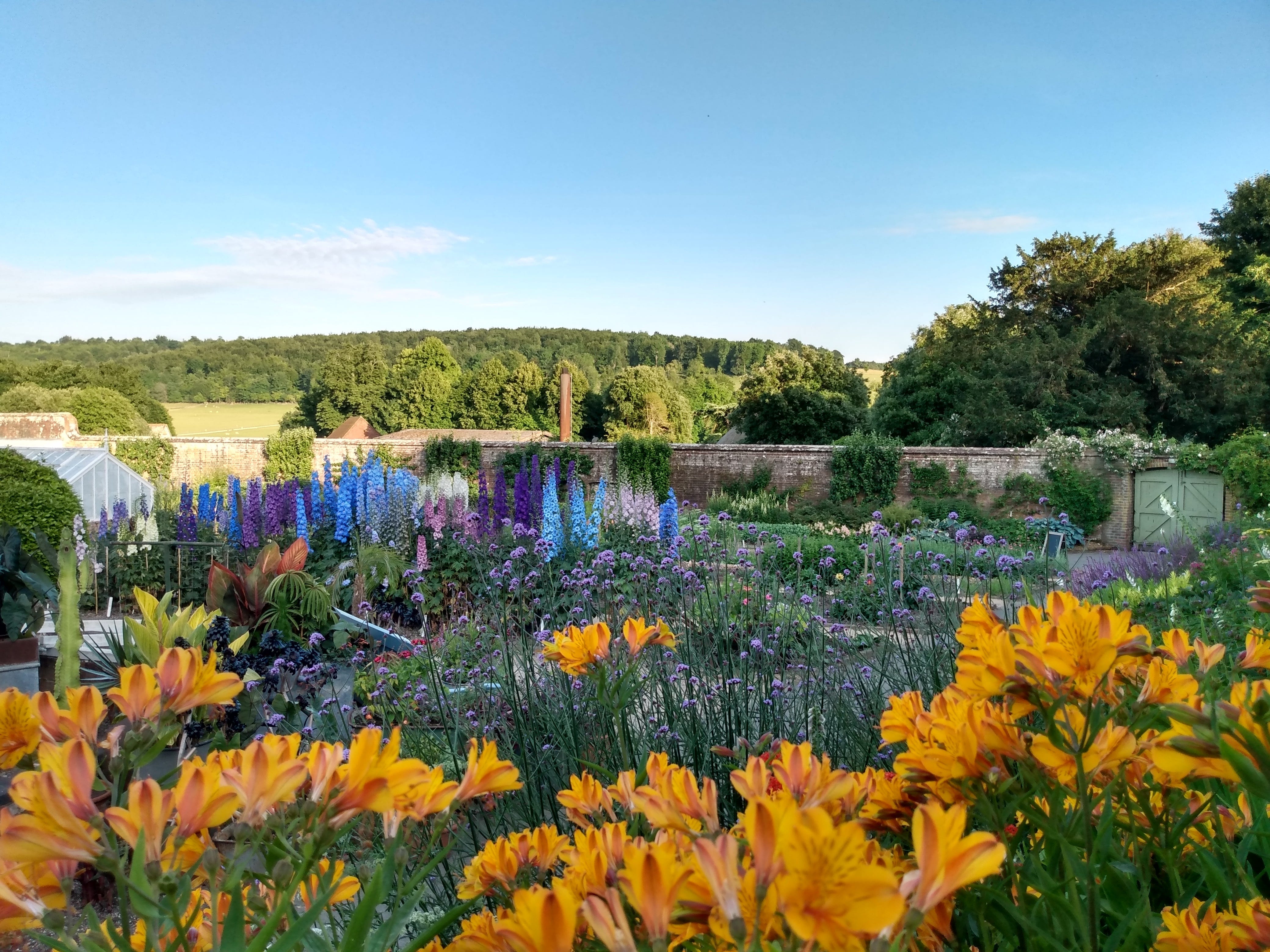
The Cutting Garden
It may seem a world away from the patios and balconies of our own outside spaces, but the work Tom and his team are undertaking to futureproof on a large-scale can serve as inspiration for our own (cosier) patches of land. Since Tom started at West Dean in 2019, he has worked hard to ensure this historical landscape is by no means stuck in the past, leading the charge with sustainable planting methods that are sensitive to the climate change and biodiversity loss of the modern day. “It’s all about respecting the past and working to maintain a unique identity to the gardens,” he says, “but we’re working through a big period of change, meaning that the way we garden and the accountability associated with that is at the forefront of everything we do.”
This includes reducing the amount of fertiliser they use, avoiding chemicals to grow plants, watering only where necessary and removing peat-based composts from the glasshouses. He’s diversified the trees, shrubs and perennials, using both local and exotic varieties to give the gardens the best chance of survival, and refreshed West Dean’s Spring Garden to create a drought-tolerant meadow of pollinator-friendly plants. “We’re using local and recycled stones to grow beautiful borders without the need for irrigation or fertilisers,” Tom adds, “creating displays that are not only tolerant of the hot, dry summers but the wet winters too.”
Simply put, it’s about “working with nature rather than trying to control her,” making spaces that can survive and thrive in an ever-changing climate, while also ensuring they’re beautiful enough to be enjoyed by their year-round visitors. Some of these projects have been among Tom’s favourite to work on. “I’m enjoying our recent projects using aggregates [materials like gravel, grit and sand, which improve drainage, aeration and moisture retention] to grow plants,” he explains. “Although there is great joy in plants, it’s taken to another level with plantings that support large numbers of pollinators, which these projects deliver.”
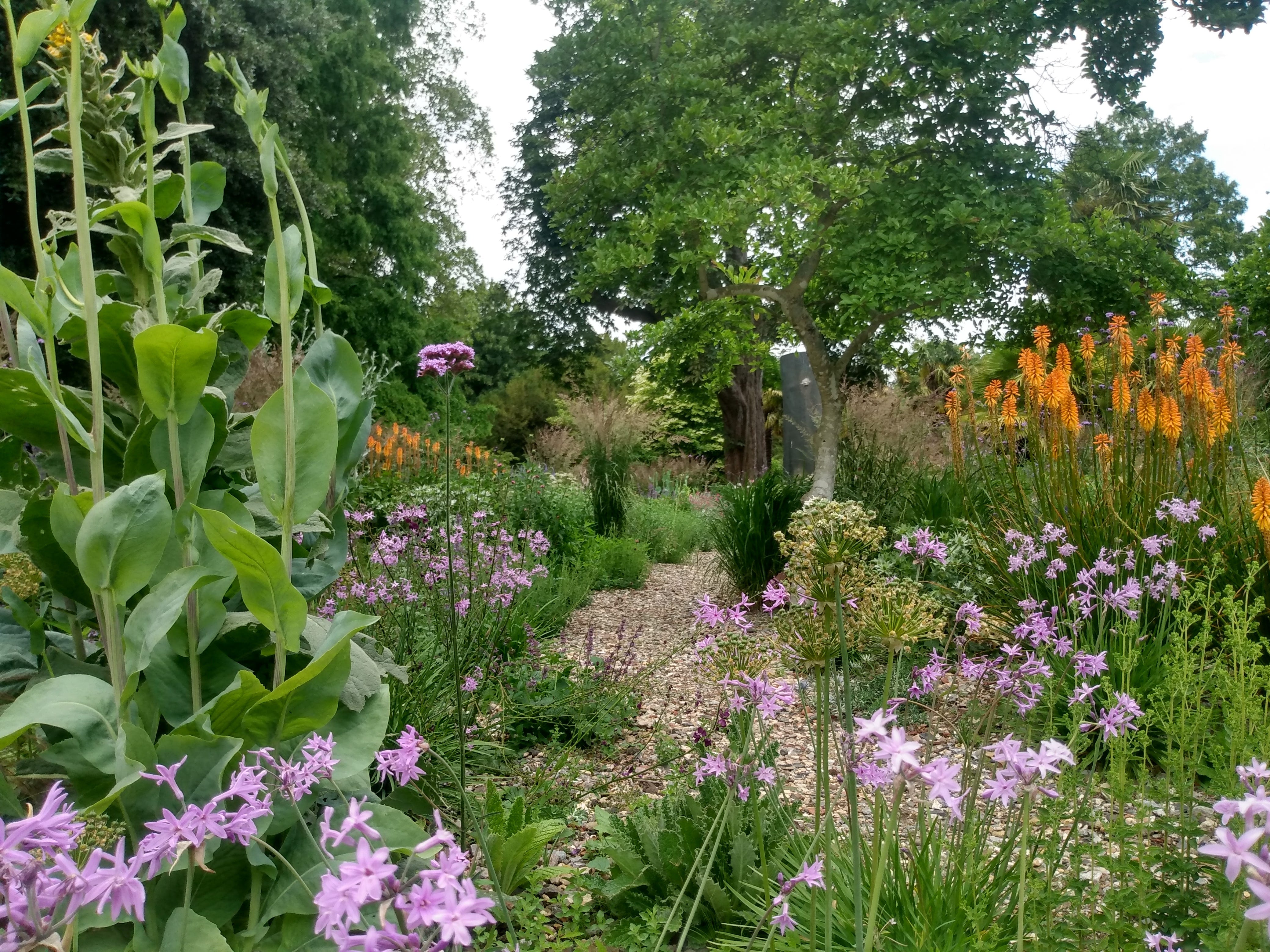
The Dry Garden
Finding joy in plants is, in part, what inspired a life in horticulture for Tom, whose childhood hobby unexpectedly blossomed into a career. “It began with a love of the outdoors and nurturing living things,” he says. “The passion for being outside started to gather pace around the age of 16, although it wasn’t exactly what the cool kids were doing and school never encouraged a career in horticulture, so it felt more like a hobby than a way of life at that stage.”
Now he spends his days outdoors, starting early with a team meeting at 7:30am before visitors to the gardens arrive an hour later, and the gardeners spend time interacting with them and carrying out seasonal jobs. Tom himself is in the process of setting up training schemes to help new gardeners break into the industry, while also working on seasonal food production in the gardens. “The day winds up around 4:00pm when the team head home and I have an hour to the garden to myself before locking up,” Tom says. “It’s my favourite part of the day, when I can reflect and enjoy the peace of being in the garden without another soul.”
It’s a feeling every Gardener will recognise, whether professional or beginner, outdoor or indoor – the quiet solace of tending to nature and seeing the fruits of your labour flourish are hard to beat. Tom sums it up best when asked what gardening means for him: “Being in tune with the seasons and nature around me to create a beautiful space and provoke happy responses from people, with the ability to look back on our work with a clear conscience.”
Find out more about West Dean here, and follow Tom on Instagram here
Comments
Nothing yet. Say the first thing.
Sign in to join the conversation.