Weekly Bias: 🟢 BULLISH Structurally, we’ve got the strongest setup since February. I’m still not chasing it.
Week Type: ⚡ TRENDING I expect a range into Wednesday CPI after which dealer hedging can make the move much larger once it starts.
Position Size: HALF Dealer hedging is now 6.8x higher than it was 3 weeks ago. Gold can go a long way without changing the underlying setup.
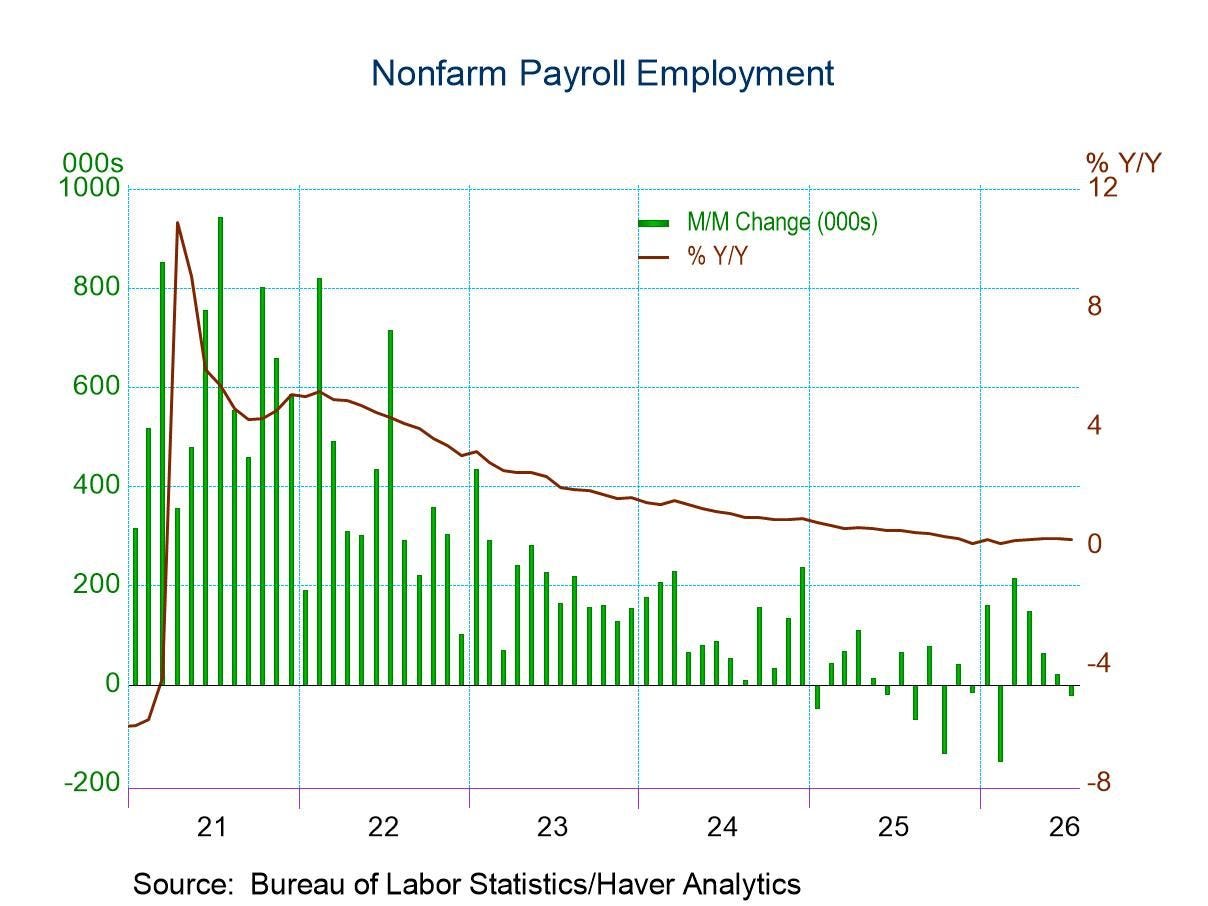
Before the report, markets were pricing a 67% chance of a September rate hike. The expectations fell to 44.1% right after payrolls showed US economy lost 23,000 jobs vs 80,000 gain expected. The revisions were also brutal. May and June payrolls were revised down by a combined 103,000.
It was an objectively weak report and it was enough to change the trade for the rest of Friday. Though my view is that for the Fed’s actual decision-making process, these NFP numbers are a much smaller deal.
Fed does not look at payrolls in isolation. It’s trying to work out if the labor market is roughly in balance and how that fits with inflation.
Last week I briefly mentioned Warsh’s framework for monetary policy:
The starting point for both is a balanced job market. That’s where Barkin comes into picture.
On Friday, Barkin basically said that the data doesn’t feel great, but it is what it is. He also mentioned he’s been seeing this pattern for 12-18 months, and a labor market where companies barely hire and barely fire can still be in equilibrium - just not necessarily a healthy one.
There is another reason I don’t want to use Friday’s payroll number as a simple argument against a hike - while payrolls fell, the unemployment rate fell too.
This is a slightly ridiculous combo, but the reason is that ~264,000 people left the labor force, the participation rate fell and in the end, fewer people were looking for work.
A little statistics refresher: the unemployment rate only counts people who are actually looking for a job. So someone leaving the labor force can make the unemployment rate look better even while the underlying labor market is becoming weaker.
This explains why Barkin can look at a weak payroll number and still describe the labor market as roughly balanced.
The Fed is not trying to maximize the number of jobs at any cost, but rather balancing employment against inflation. Right now, the weakness in employment doesn’t’ seem to be large enough to change that balance.
Last week, six Fed officials made the case for higher rates, but five of them spoke before Friday’s jobs report.
🗣️ Musalem said on Thursday that he wanted a 25-basis-point hike in July.
🗣️ Williams said a hike would make sense if inflation was not moving towards 2%.
🗣️ Cook said she would support a hike if necessary.
🗣️ Paulson, who is a voter, left both options open.
Then there is Warsh who looks ready to raise rates as soon as September if the inflation data comes in hot enough.
All of that sounds pretty hawkish. Yet none of these officials has spoken since Friday and we have no idea how much the jobs report changed their view.
Markets made a large adjustment on Friday. We now need to see whether Fed officials look at the same data and make the same adjustment.
Imagine the Fed gets several more months of weak hiring, falling unemployment and shrinking participation. At some point, the data starts pulling in different directions. The headline unemployment rate says the labor market is holding up. At the same time, companies are hiring very few people, and fewer people are looking for work.
Headline employment then becomes a less reliable measure of what’s actually happening in the labor market and inflation will carry even more weight in the rate decision.
That’s why I think markets may be moving a little too quickly by treating Friday’s payroll report as the main event for September.
The jobs report changed the market’s starting point, but Wednesday’s CPI is when the decisions will be made.
A soft CPI, along with that weak jobs report, will shift the balance towards a September hold or cut.
A hot CPI would again put inflation straight back at the centre of the September decision. The market has just removed 23 percentage points of September hike pricing, and those can come back just as quickly.
This is where the free report ends...
You now know what’s moving Gold. The paid report is about what to do with that information.
Inside this week’s plan:
Every support and resistance zone on my chart
5 setup ideas with exact entries, stops, and profit targets I’m using
My capital protection plan with exact alerts when to reduce/cut my position
The interactive Trade Board: input the current price and it shows you which setups are live and which need extra confirmation.
One trade won’t make your year. A process you can repeat every week just might.
When you join premium, you also get:
My proprietary ‘Gold Spotter’ tradingView warning system: Imagine knowing 3–5 days before everyone else when Gold is about to reverse. This leading custom-built tool does just that.
Proprietary SAGE - a rule-based indicator designed to put you in high probability buy setups and keep you away from bad ones.
Mid-week level updates on Telegram - Markets change. Levels shift. When they do, you’ll know immediately.
This isn’t for everyone. I want traders who are serious about making money and feeding their families, just like me.
If that’s you, it’s time to stop guessing and start trading with a plan.



Comments
Nothing yet. Say the first thing.
Sign in to join the conversation.