
As a reminder: This article and all of my articles are written from the perspective of a gardener with a 1/4 acre lot in suburban Philadelphia, Pennsylvania, US, zone 6b/7a, with heavy clay, rocky soil.
All of my long form posts so far have been earnest and serious. It’s time for some fun, maybe even a little trolling. Let’s have a juicy, provocative discussion this time. Let’s talk about our gardening pet peeves, our surprising opinions, and the rules we love to break. I’ll end by adding things I adore to finish on a positive note. This may be the Substack version of the social media meme, “We listen and we don’t judge.” This is meant to be fun, not mean. Please read it in that spirit, and comment accordingly. I’d love to hear about your own gardening pet peeves, surprising opinions, and rule breaking in the comments.
I don’t like when garden plants are sculpted into cubes or other unnatural shapes: hedges, topiary, spheres, whatever. It especially bothers me when a plant with a lovely, unruly growth habit is sculpted into cube or a sphere, like azalea, forsythia, or mock orange. Why anyone would ever want to spend their time with a hedge trimmer sculpting a yew into a precise rectangle is beyond me. When I was active on Instagram and Monty Don shared a photo of that garden bed of his filled with the cone shaped topiary I would groan internally. He always made up for it, though, with the photos of his dogs and wildflowers, so we’ll forgive him the topiary thing.
I don’t like when people plant arborvitae as privacy fences where I live. A lot of deer live here, too. The deer browse the arborvitae from the ground to as high as their necks will reach. The arborvitae end up looking ridiculous, like a phallic symbol, instead of a nice tree. Furthermore, because the deer have eaten the bottom of the tree, they aren’t screening much of anything from view.
I don’t like mulch as a design feature. I don’t like mulch volcanoes piled up trees. I don’t like the fact that mulch glue is a product that exists in the world. A garden bed should be full. Plants should touch each other. The garden beds I see in my suburban neighborhood are too full of mulch and have too few plants.
I don’t like plant breeding for the cut flower industry that removes pollen from flowering plants. Some seed catalogs will list seeds for some plants as “pollen bearing” or “non-pollen bearing” in the descriptions, some do not. I would like it better if there was a big warning that says, “this flower does not bear pollen; it is not insect friendly.” People should know what they’re buying.
I don’t like the word landscape as a verb. It means to plant trees improperly, too deeply, with mulch shaped like a pyramid high around their trunks. It means to mow the lawn, mow the leaves, and blow the trimmings, making a terrible racket all day. People who “landscape” instead of “garden” tend to have a patio in an an empty lawn that no one spends time in except for that one time every year when people come over for a cookout. Speaking of bad uses of the word landscape, landscape cloth is a big pet peeve, too. I dedicated a post to how much I don’t like landscape cloth. Here’s a link.
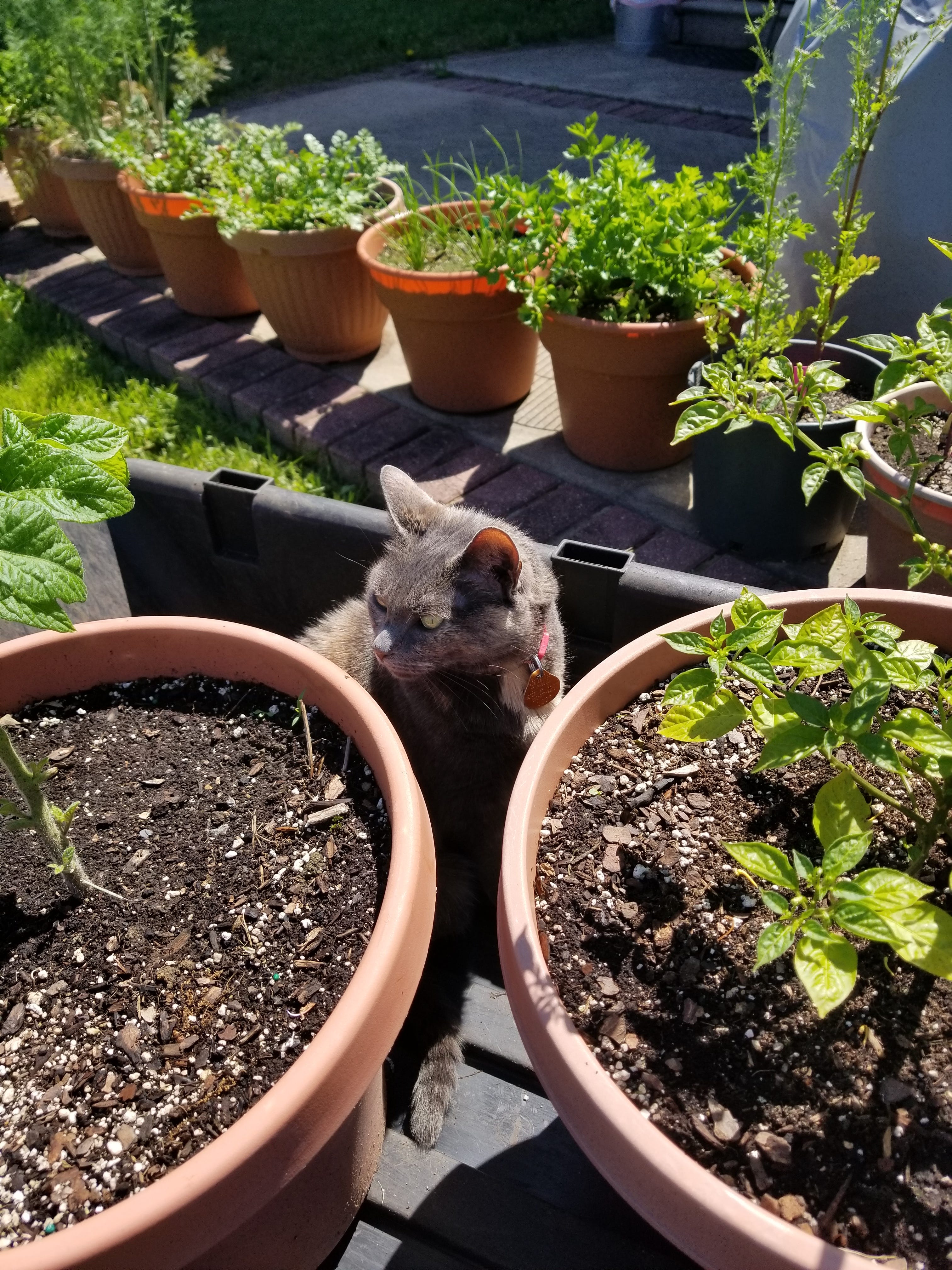
I don’t like to garden in containers now that I have more space to plant in the ground. They take too much watering, and because they take too much watering, they take a lot of feeding, too, as all the nutrients from the potting medium wash out with the twice daily watering many container grown plants need in very hot weather. When I gardened in a smaller space, I used containers happily enough. In 2018 through 2020, the first three years I gardened in this space, I used containers. Since I’ve gradually expanded my garden space here, I’ve been happy to give them up, for the most part. I still grow mint and lemon balm in containers like this, but that’s about it.
I’m not into gardening products as a cure all and I roll my eyes when I see people extolling the virtues of any product sold in a plastic spray bottle for uses that don’t make sense according to their label or one they mix up from any number of products they find in their kitchen cupboards. Read the label entirely before you buy a product and if you buy it, make sure you use it according to the label. Things you mix in your kitchen aren’t tested at all for efficacy or unintended harm.
I don’t grow houseplants. I don’t like them. I like to garden outdoors. When I give garden talks, I dread a houseplant question during the Q&A portion; I know nothing about them. People just assume that I like houseplants because I like garden plants.
Furthermore, I don’t like to do indoor seed starting. I like to garden outdoors. I do it anyway, because it’s not economically possible to buy as many plants as I grow, nor could I buy plants for many of the less common food crops I grow. When all the plants are finally outside in mid-May I am relieved to turn off the grow lights until the following January. It’s direct sowing for me once the threat of frost has passed.
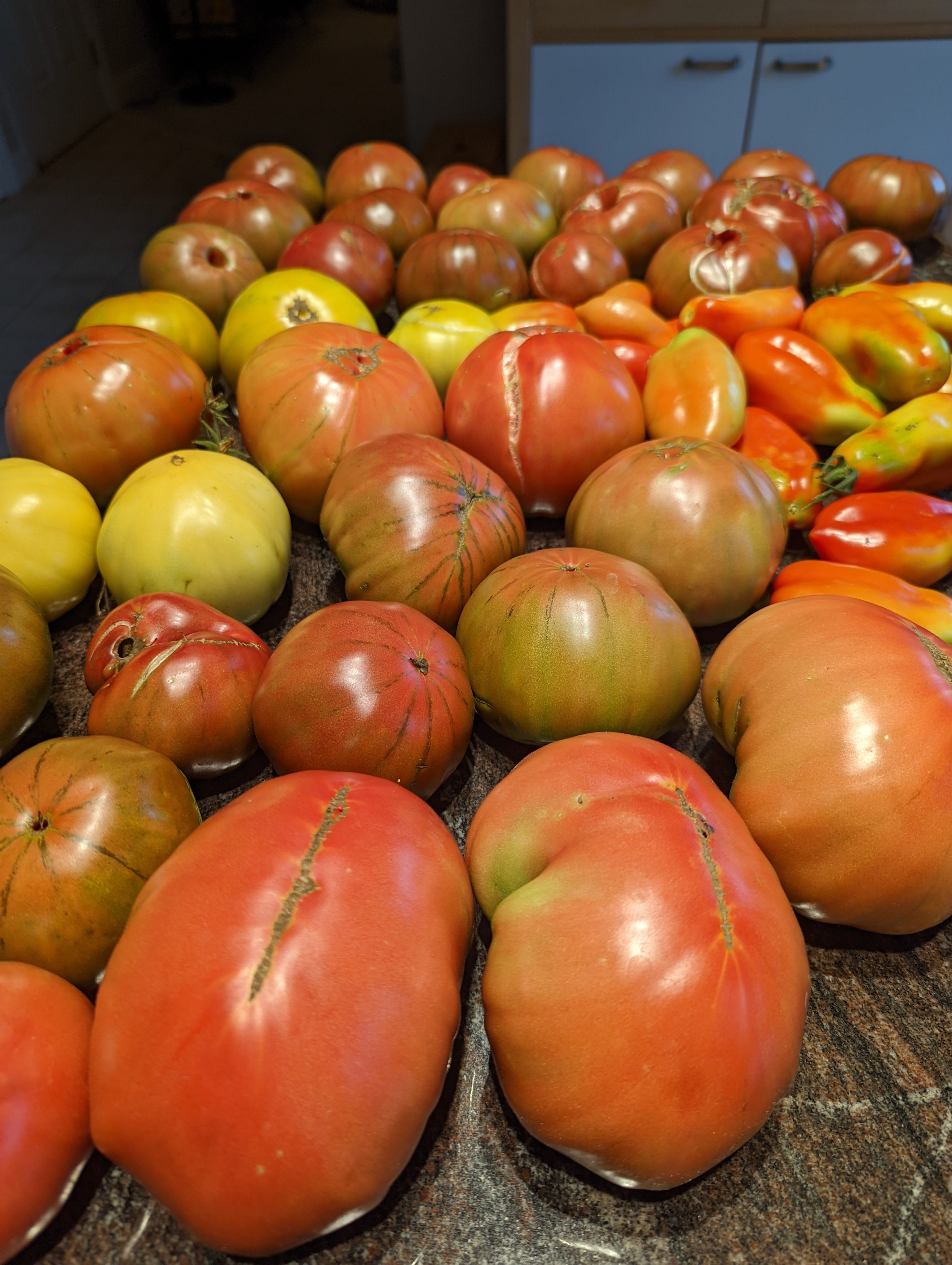
I don’t love cherry tomatoes, and I don’t really grow them. They’re all tough skin and not enough silky interior. I prefer large slicing tomatoes. I used to grow Black Cherry tomatoes for their intense, delicious flavor. In 2020 when I started working from home full time, I realized the only reason I liked them is because they were easily eaten without cutlery at my desk at work. I haven’t grown them since. I am growing them this year, however, in 2025, because I need to renew my seed stock after five years. I might need cherry tomatoes again if my job changes and I need a commuter’s lunch.
Commonly loved garden plants like peonies, irises, daffodils, hyacinths, tulips, hostas, azaleas, and lilies aren’t for me. I like to see some of these plants in other gardens. I can objectively recognize their beauty. They’re just not for me. It’s sort of the same way I can look at a woman’s artful and precisely drawn black eyeliner on the cover of a magazine at the checkout at the grocery store and admire it for what it is, but never want to draw that line on my own face.
Italian basil’s not that great. I prefer almost any other herb. I’d rather eat tomatoes, sliced on a plate, with slivered onions, and chopped cilantro, parsley, and dill than a typical Caprese salad.
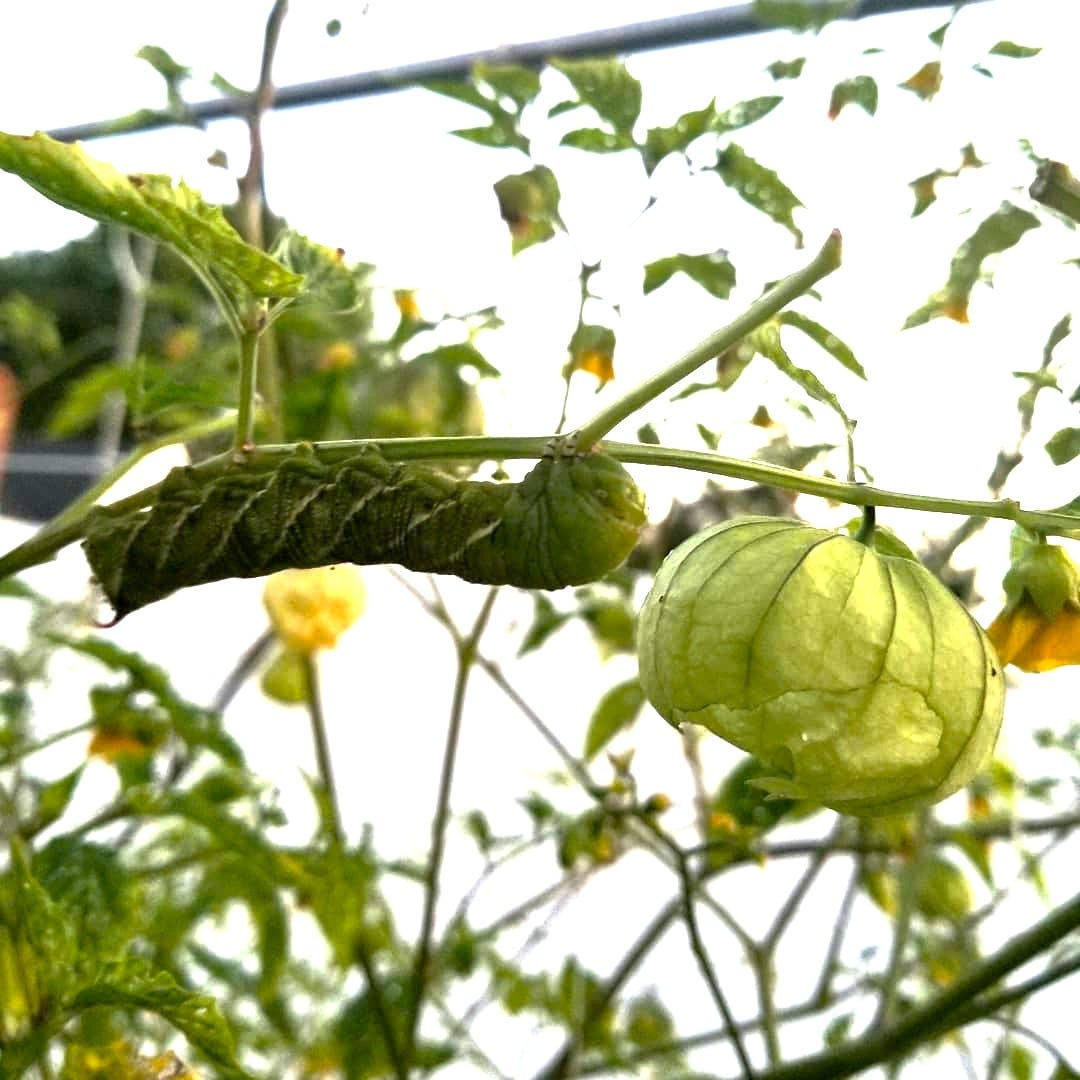
I grow nightshade family plants for the Tobacco Hornworms with the same love and adoration as I do milkweed for Monarchs. All of the Tobacco Hornworms in my garden are named Waldo. I play “Where’s Waldo” when I see their poop on the leaves of my nightshades. That’s the thing with Tobacco Hornworms, you tend to see their weird, square, poop before you see the caterpillar.
I think a lot of companion planting advice I see online is rubbish. I interplant where plants fit and make sense because of days to maturity and size compatibilities. For example, I’ll interplant smaller, rapidly maturing plants between large, slow to mature plants. I plant lots of flowers with my vegetables to attract pollinators, predators, and parasitoids. I plant diversely. Do I think onions are going to prevent an herbivore from eating my lettuce? I don’t think so, but my fence sure helps. Sometimes the deer won’t eat the front yard pepper plants surrounded by lavender, sometimes they do. It’s not reliable. Do I think marigolds will deter every pest insect under the sun, as is a claim made by many gardeners? No, but I sometimes plant them because I like them for themselves, especially the yellow ones.
Speaking of yellow flowers, I love yellow flowers. I was surprised to read somewhere that yellow flowers are considered “common” by some garden writers. To me, nothing is more cheerful than a yellow flower reaching toward the sky, a sunny spot of color between the green foliage below and the blue expanse overhead.
I think crop rotation in most people’s gardens is useless for insect pest resistance purposes. I live on a quarter acre, and where I live, that’s a lot of land. Bugs have legs; some of them even have wings, you know! (Read that last sentence colored with an appropriate amount of sarcasm.) Moving my cucumbers three garden beds down next year isn’t going to do much to fool Striped Cucumber Beetles when they emerge for the season. It makes more sense on a farm, or at least a larger garden than the typical suburban garden. It also makes sense to rotate crops to avoid disease and for soil health. Insect pests? Not so much on the backyard scale.
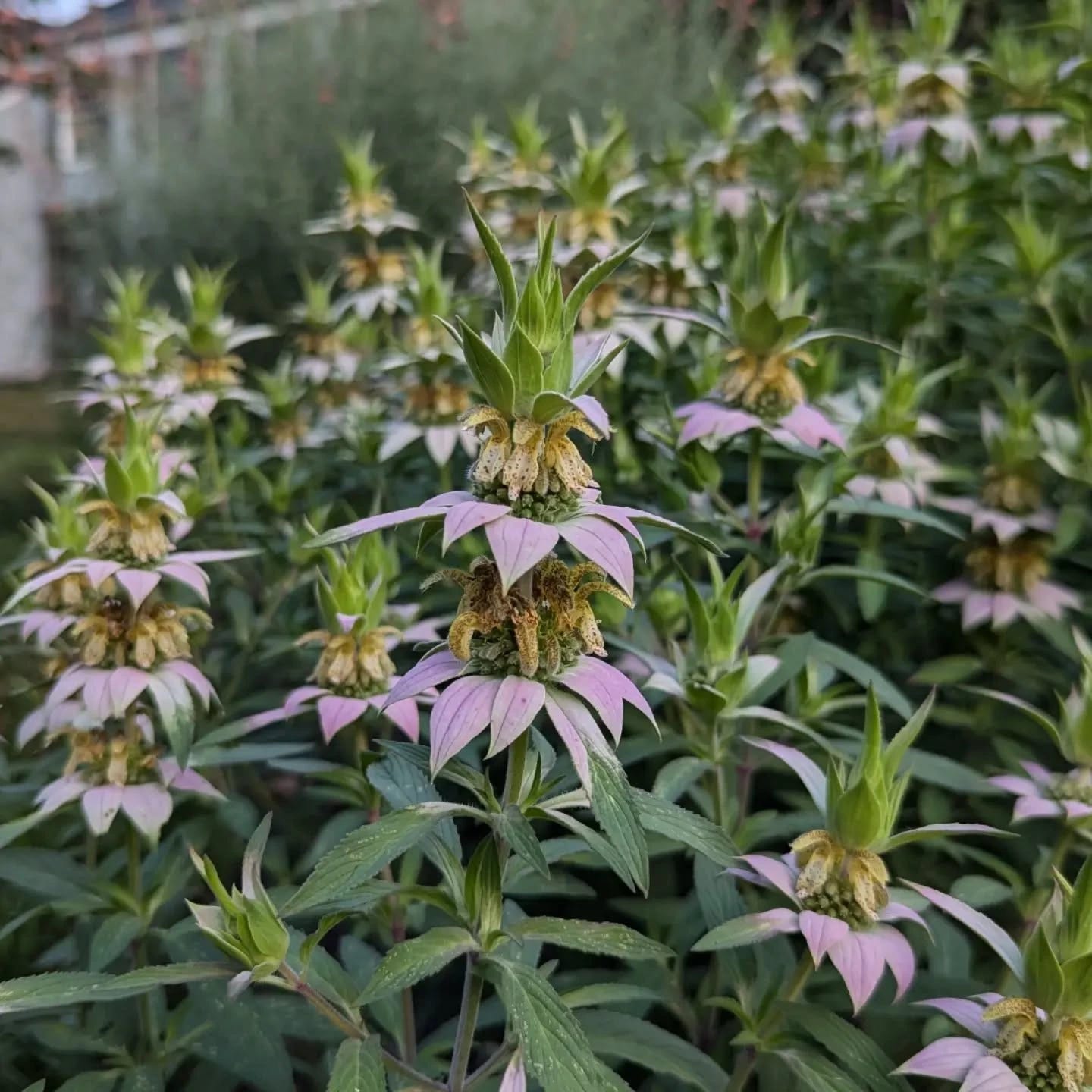
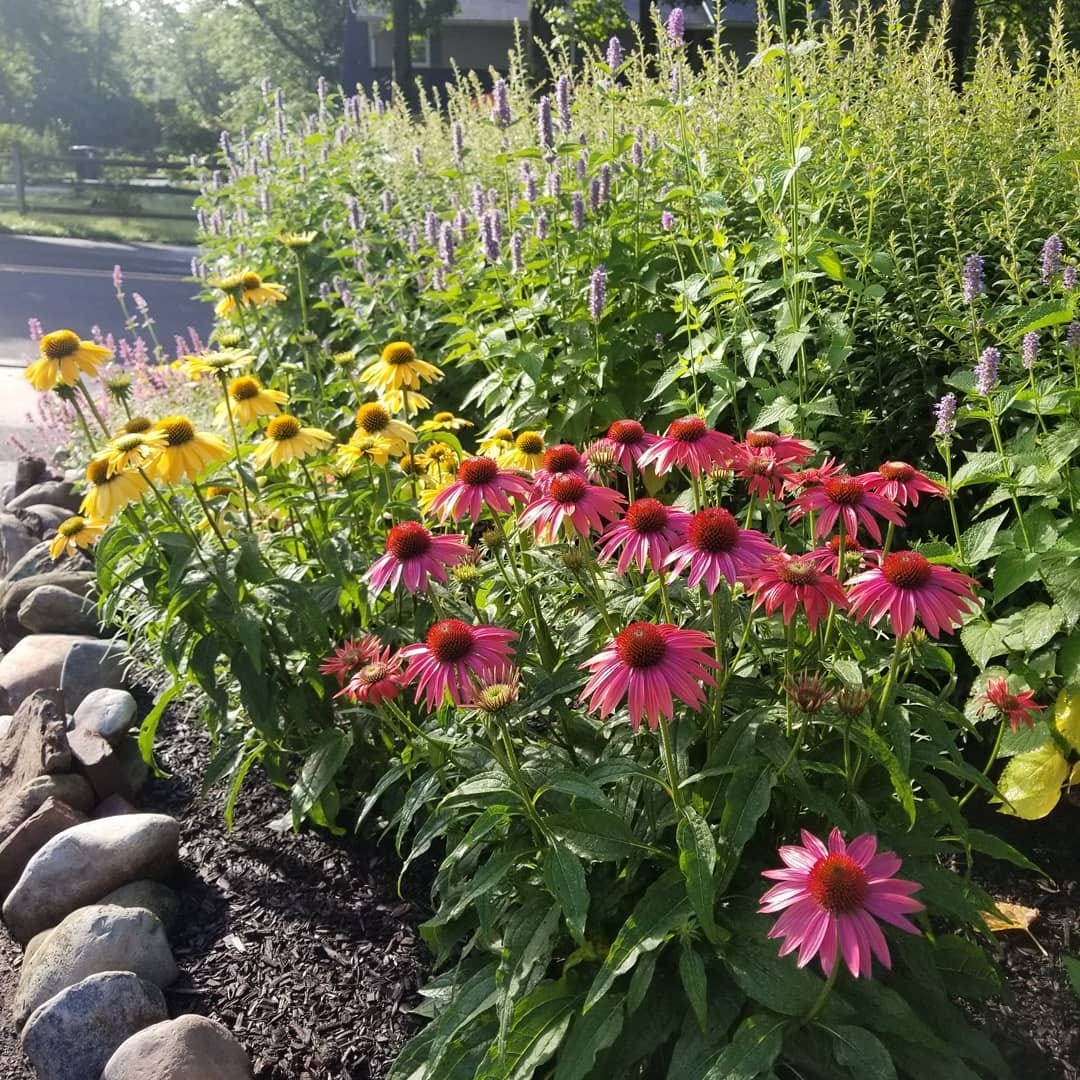
Spotted Bee Balm is the very best of all the Bee Balms. Scarlet Bee Balm is nice, but it doesn’t measure up to these beauties. Wild Bergamot has a delicate purple color, but it doesn’t have this dramatic layered inflorescence. Lemon Bee Balm is dark purple and it has a tiered flower, but it’s second behind Monarda punctata, Spotted Bee Balm.
Even though I don’t particularly like watering my vegetable garden, I have absolutely no interest in setting up drip irrigation in my production vegetable beds. During most growing seasons, I turn over some of my beds entirely or partially three times. In every growing season, I plant intensely and use interplanting to increase my yield in a small space. I wouldn’t be able to do that with drip irrigation. I’m planting in the space those hoses take up. I’m planting in patches, not in rows. In order to use drip irrigation, I’d have to change the way I garden, and that’s not an attractive prospect right now.
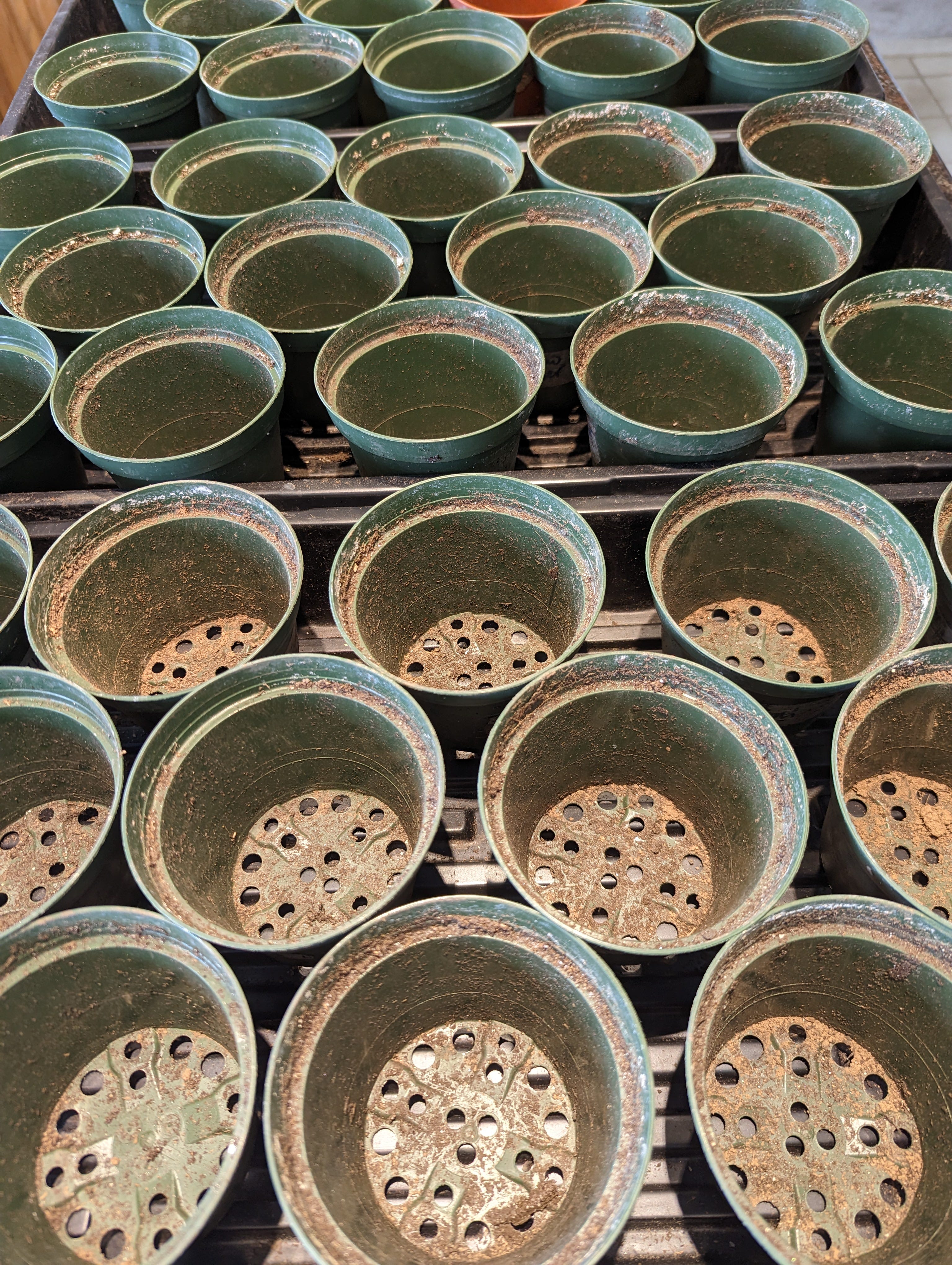
I never wash any of my seed starting nursery pots, flats, or daisy trays. I shake the loose soil out and store them in my shed when I’m done with them for the year. When it’s time to start indoor seed starting again, I’ll fetch them from the shed, shake out more loose soil, and sow seeds. Some of the dirt on my nursery pots is old enough to obtain a driver’s license in the US at this point. It’s never been a problem.
I top water my seedlings. People say that bottom watering is best to prevent damping off. That may be true. Damping off hasn’t ever been a problem for me, so it’s not a consideration. Top watering seems easier for me, given my seed starting situation, so that’s what I do.
I never chit my seed potatoes.
I never turn my compost piles.
I don’t worry about insect pests. I net the brassicas against the multitudes of cabbage pests. I net the onions and chard against leaf miners. I plant diversely everywhere else, attracting predators, parasitoids, and pollinators. The insects and birds create their own balance of hunters and hunted and I don’t really lose anything but the weight of worry.
Speaking of emotional weight, I completely let go of or reduce as much as possible all gardening practices that do not bring me joy. Gardening is my vocation, not my career. It’s what I do for fun. It’s work, but it’s work I do for recreation, satisfaction, and joy. If I’m feeling garden overwhelm of any kind, I spend some time reflecting on what I’m feeling overwhelmed about, why I’m feeling that way, and if there would be any negative consequences that would bother me more if I just stopped doing what’s bothering me. This equation has different inputs and different results every season. I stopped keeping track of my yields entirely many years ago and never took it up again. Sometimes it takes planning and time to reduce tedious tasks, for example, getting the perennial beds full of mature plants so that they don’t need supplemental mulching for weed suppression. It helps to know a plan is in place and an end is in sight for tasks like this. This year, I didn’t want to water my vegetable garden every day, so I stopped sowing seeds in July. This year the tedium of watering and the yearn to reduce the chore of watering outweighed the desire for the usual autumnal cold season crops. Last year, that equation had a different answer. Every season is different. I let go of the pressure and keep the joy instead.
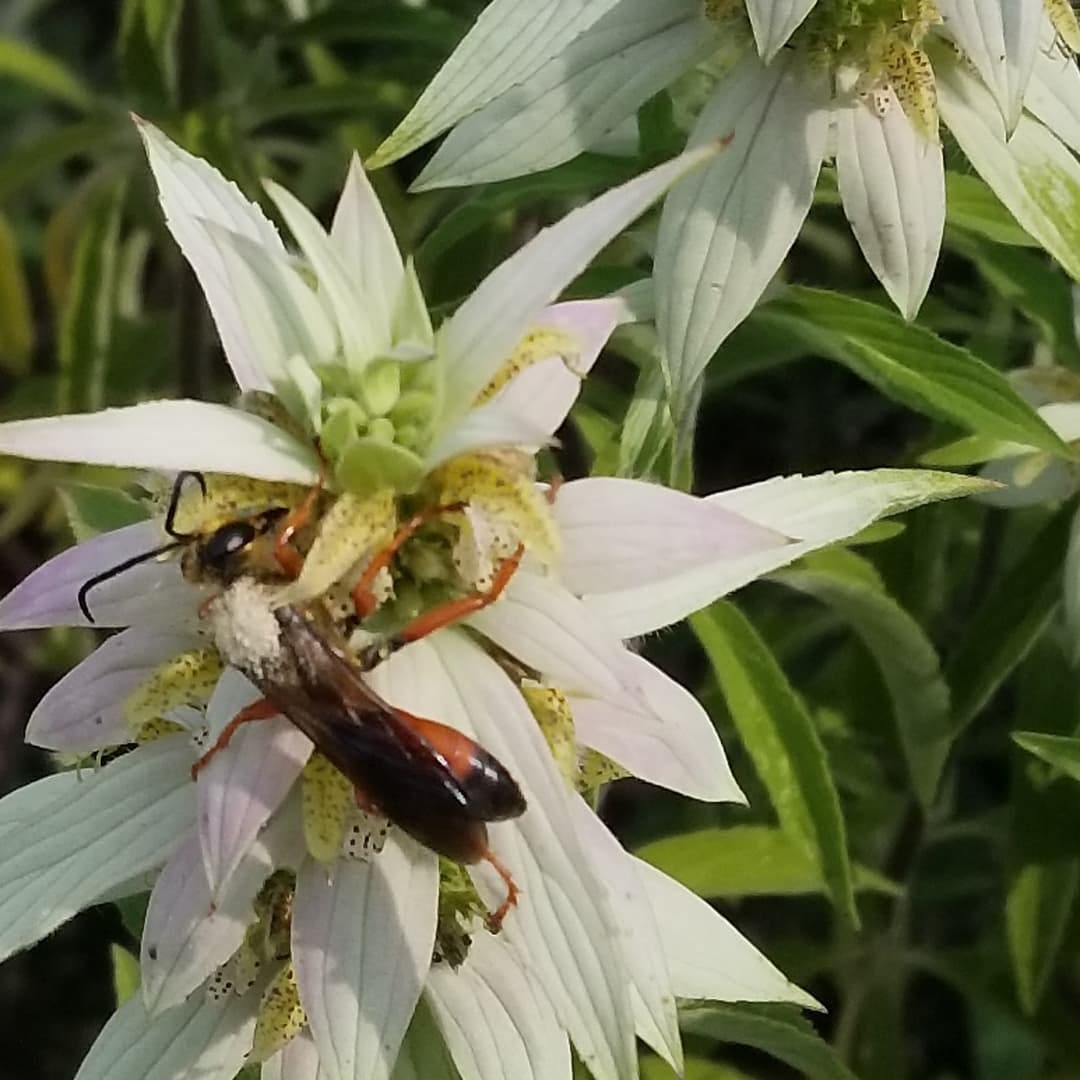
I love insects. The best thing about my garden is the time I spend in it watching who is eating my plants, who is eating the things eating my plants, learning about them, their life cycles, wondering if they’ve lived their whole lives here, and otherwise crawling along my garden beds looking at what insects are doing. My favorites are caterpillars of all kinds, Sphex genus wasps, and sleeping bees.
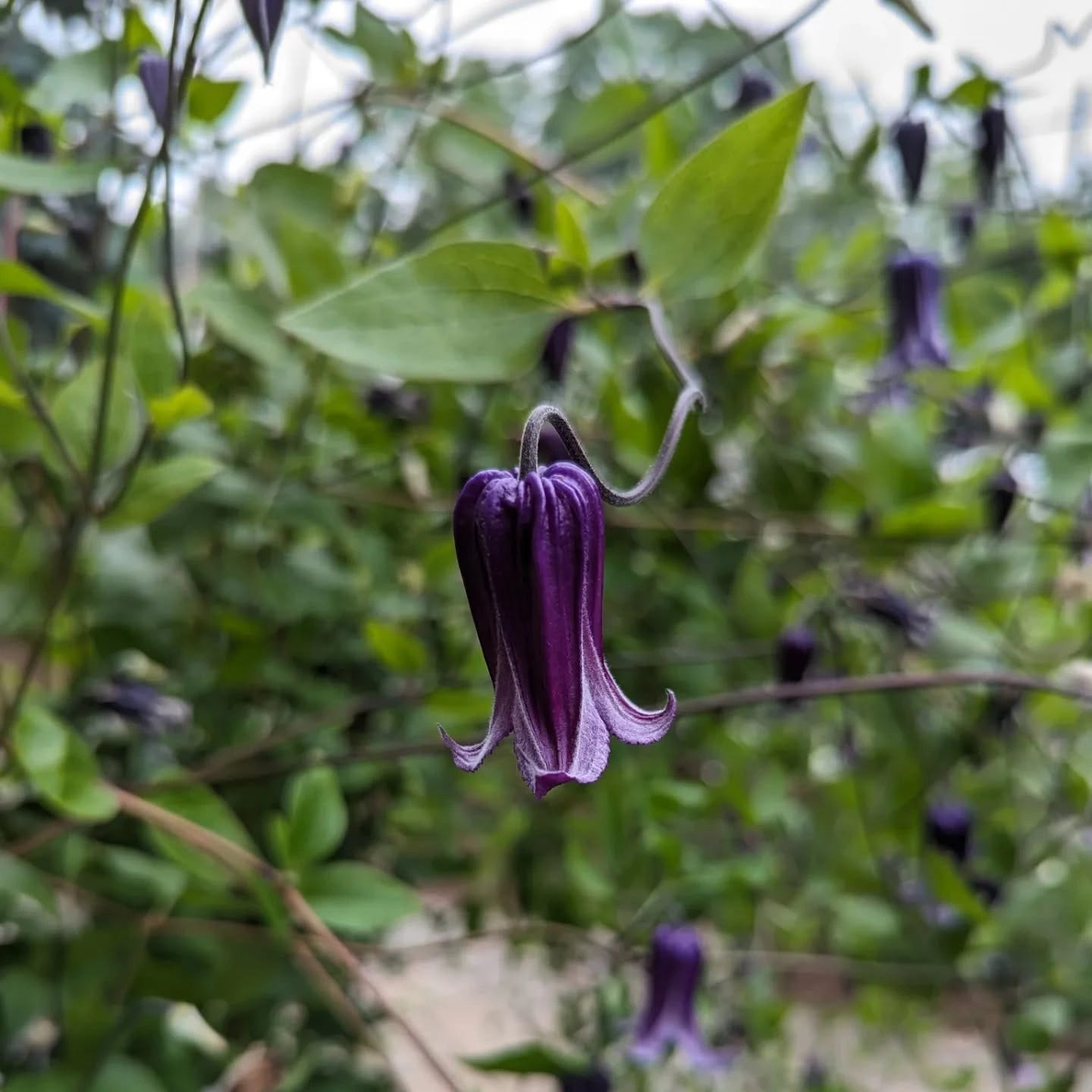
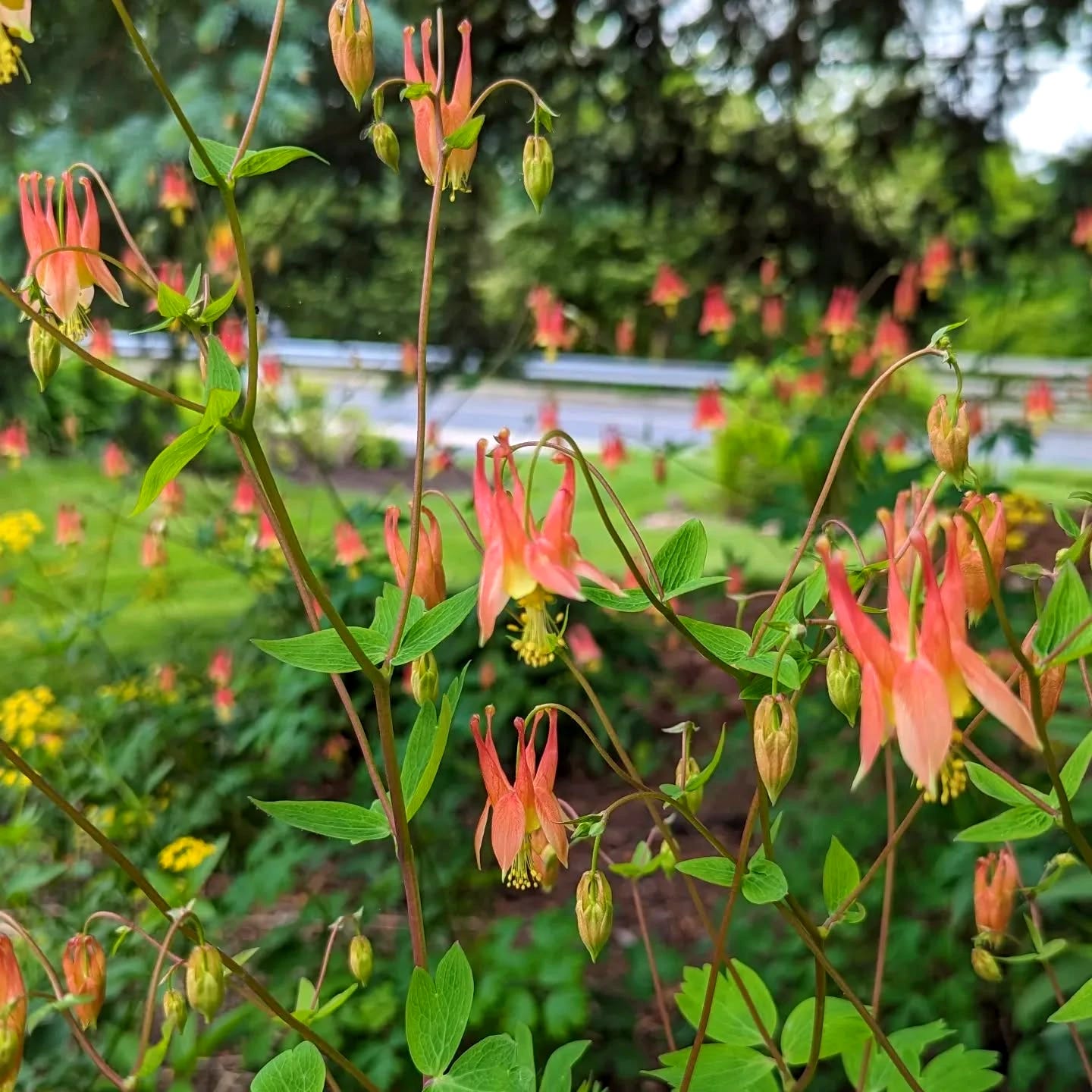
I’m a sucker for bell shaped flowers like Foxglove, Penstamon, Wild Red Columbine, and Clematis rooguchi.
I love wispy, thready, foliage: Nigella, Cosmos, Threadleaf Bluestar, Hummingbird Mint, and Pink Tickseed.
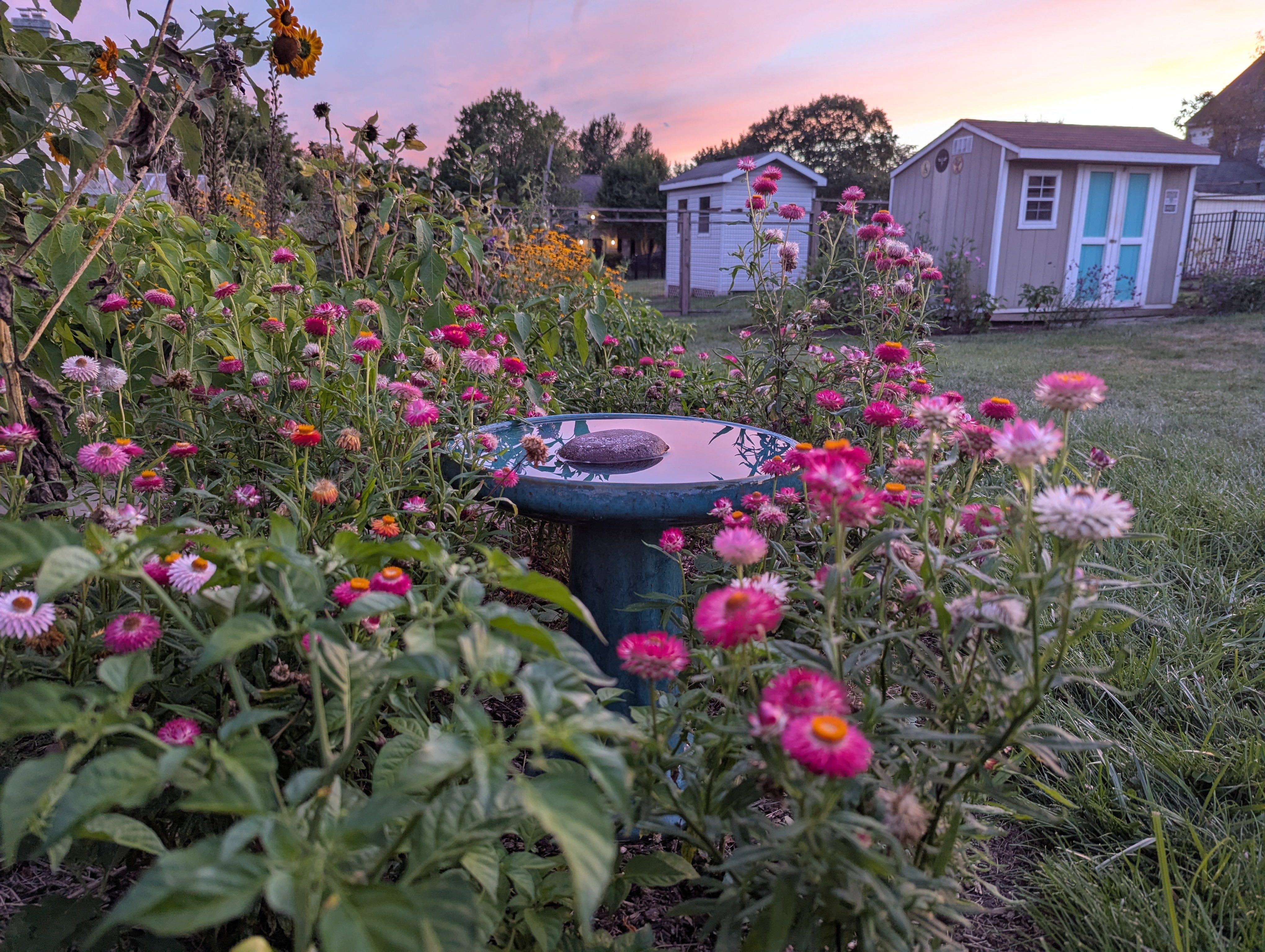
I love volunteers. Some of my favorite annual volunteers are: Heartsease, Dwarf Strawflower, Partridge Pea, and Sunflowers. I love a spreader like Common Milkweed, sending roots all over the garden bed and shooting up where it wants. It feels like collaboration. After a couple of years of unsuccessfully trying to establish Swamp Milkweed in the extra damp parts of my garden, where all the seed vendor information says it should go, I gave up on that species of milkweed and concentrated on the others that were easier to please. Two years ago I had two Swamp Milkweed volunteers show up in the highest, driest ground, in two different places, underneath other plants that completely shade them out and through which they didn’t have clear space to grow. They are, of course, thriving. When they showed up in those unlikely places, I figured I was being offered a lesson, so I have one Swamp Milkweed growing under a clematis and a second Swamp Milkweed growing through clumps of Royal Catchfly. Plants grow best where they plant themselves; lesson learned.
I hope you enjoyed this less serious article. My intent with this post was to start some fun interaction, not to instruct people on what they should like or what they should do. I hope there’s some good discussion in the comments. I especially want to hear everyone’s garden pet peeves and surprising opinions. Feel free to tell me some of the things you adore about gardening as well.
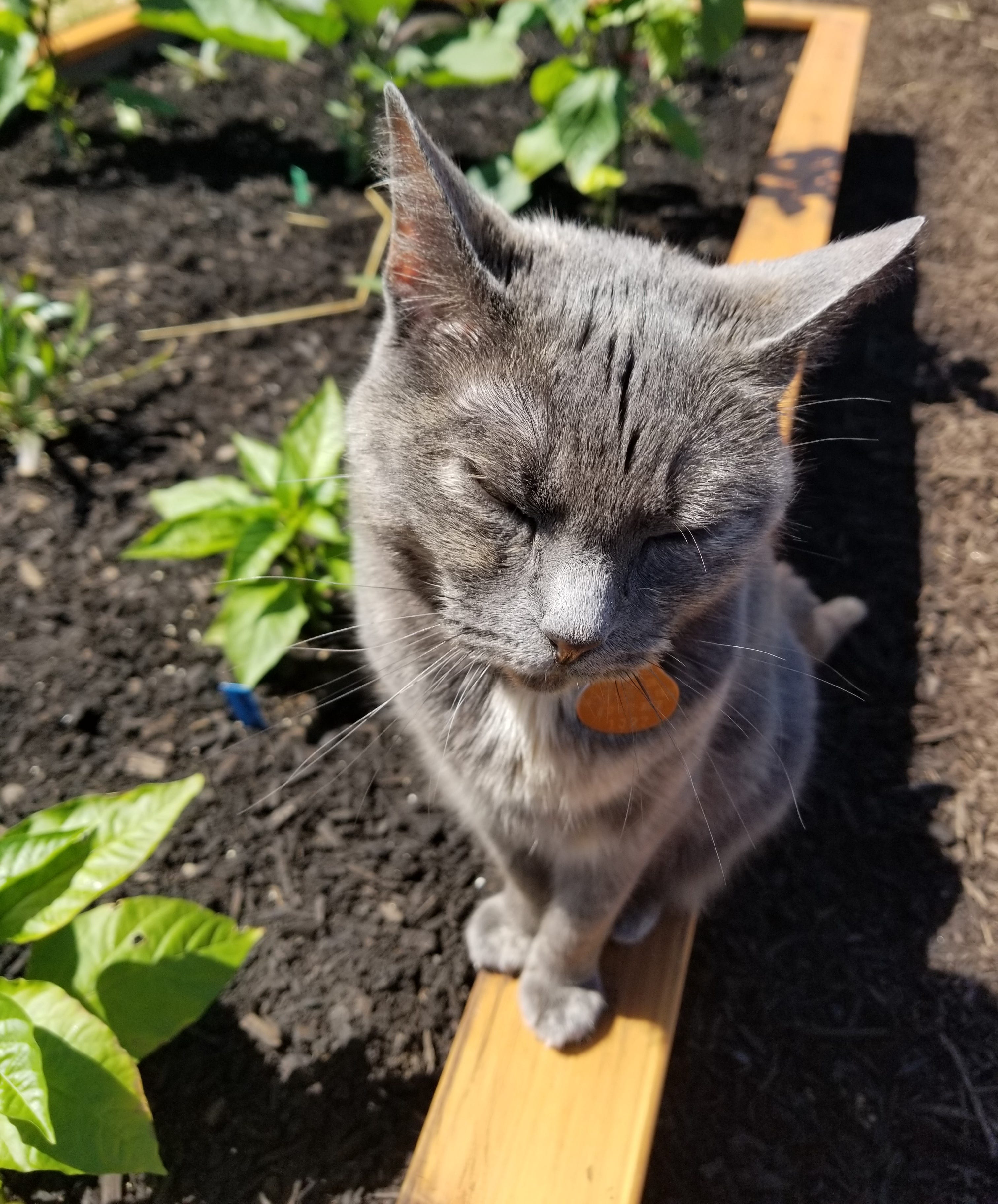
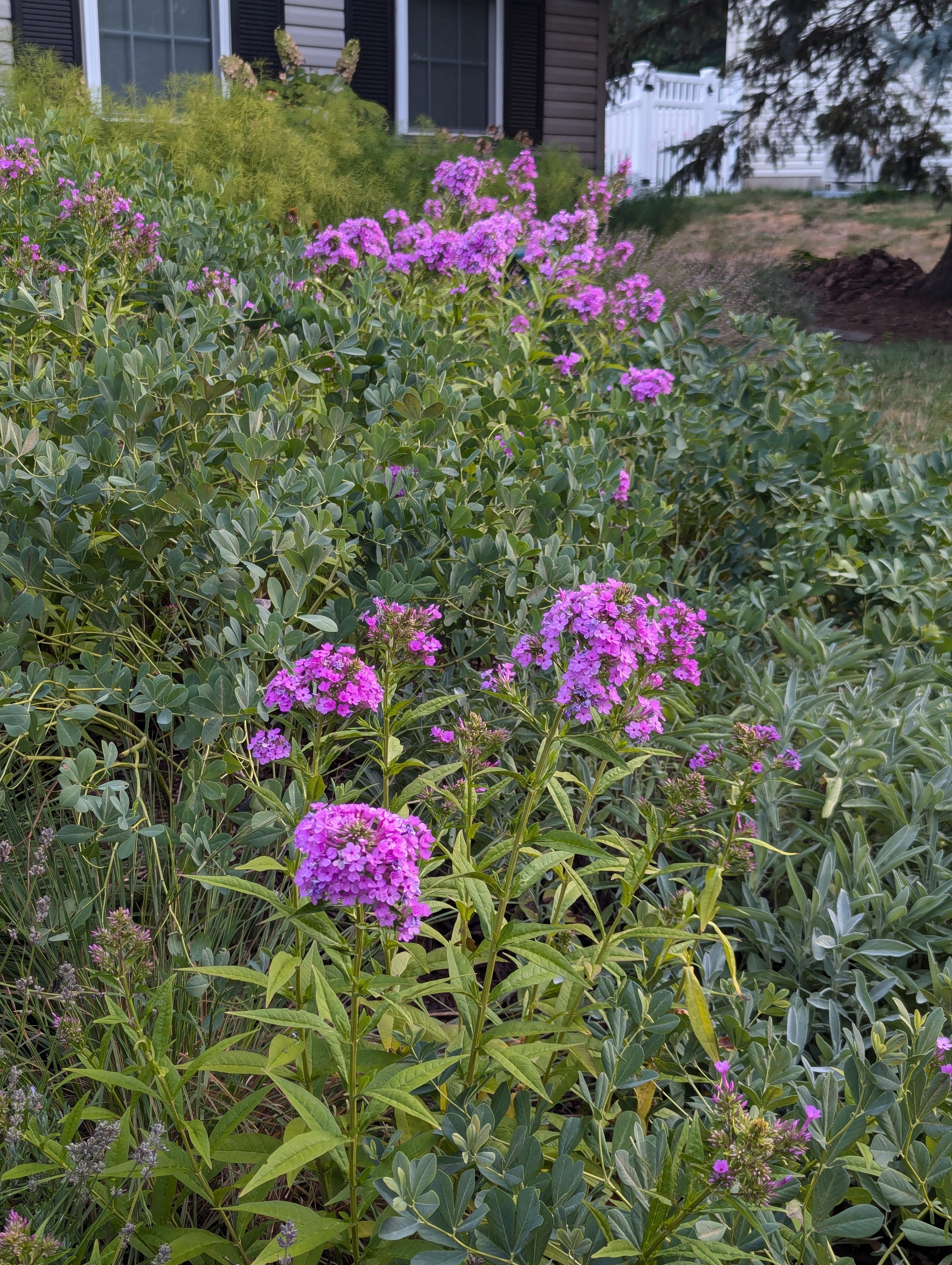
As always, all of the photos in this article were made by me, of my own garden, of my own produce, of my own pets, and of the insects who spend their lives in or visit my garden, here, in the Philadelphia suburbs.
Comments
Nothing yet. Say the first thing.
Sign in to join the conversation.