
Part 1 of The New Game: Power, Product, Place
The player data war: access, ownership and control. Why football’s next revolution will not start with contracts. It will start with code.
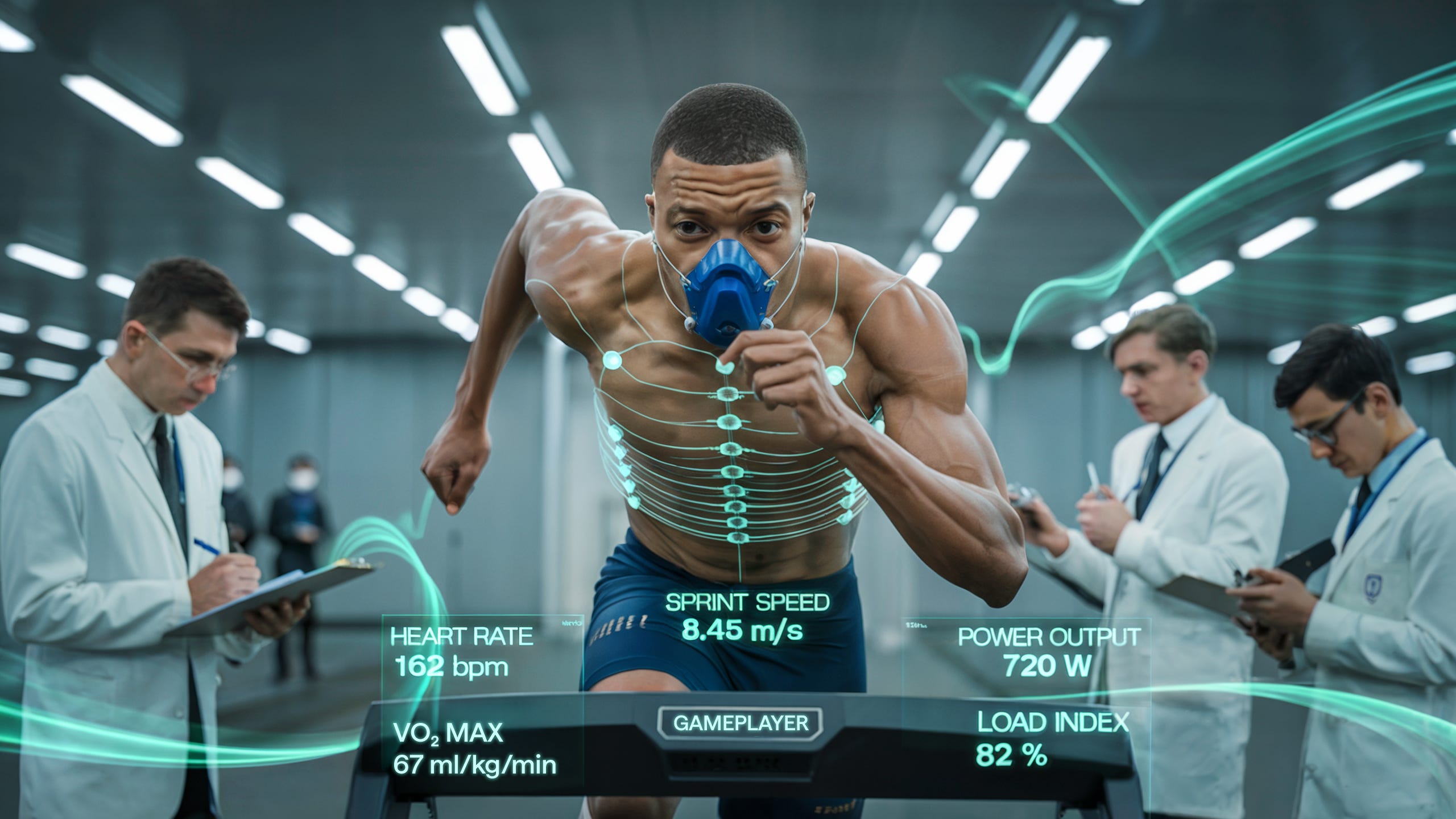
I have seen players fined for trying to get better. Not for missing sessions or breaking rules, but for doing extra; working with their own coaches, recovery specialists or analysts outside the club bubble.
That says everything about the way football still works. Clubs celebrate control more than progress.
This piece is about that control. Who owns the data. Who decides how it is used. And why football still treats transparency as a threat instead of an advantage.
In American sport, doing extra is expected. It is part of the job. Athletes invest in themselves. They hire their own nutritionists, recovery specialists, data analysts and coaches. Teams celebrate that. They understand that personal investment turns into team performance.
Look at LeBron James. The guy reportedly spends around $1.5 million a year on his body and recovery, with trainers, cryotherapy, hyperbaric chambers and nutrition. That’s not indulgence, that’s the standard.
I kid you not, in England the same behaviour can get you punished with fines. Clubs have become obsessed with control. Some have even introduced blanket policies banning players from working with outside performance staff. The public line is always the same: “We are protecting players from risk. Third parties do not know their load or recovery plan.”
It sounds responsible, but it is really about control. If data sharing and open communication prove that extra work improves performance, why shut it down? People fear what they cannot control or understand.
Instead of blocking it, clubs should make space for it, learn from it, and embrace it.
This issue isn’t new. In 2021, Project Red Card saw more than 800 professional players threaten legal action against betting and data companies that profited from their stats without consent. Under GDPR, that data is personal.
Ben Smith, who led performance analysis at Chelsea before co-founding BreakAway Data, explained the scale of the problem:
“At Chelsea, when we did some research around GDPR, our best guess was that it would take about 14 days of manpower if a player came and asked for their data… We did not have a way to share it.”
Fourteen days of admin for a player to access what is, by law, their own information. That alone raises the question: if players already have the legal right to see their data, why does football still treat it like a privilege?
“It’s not culturally normal for clubs to systematically and consistently share data with players. Generally, players are given information when a club wants them to do something, meaning they have curated exposure to what’s going on. The idea that it will stay this way for the next five years seems highly unlikely to me.”
In an industry obsessed with control, even basic transparency becomes revolutionary.
Look at the difference in resources. An NFL team might have twenty to thirty staff across strength, conditioning, recovery, data and rehab for around fifty-three players, according to Sports Illustrated. Some within the industry estimate that means roughly one performance coach or physio for every three athletes.
By contrast, a Premier League club may have eight to ten people in total across those same departments, covering squads of twenty-five to thirty players. Drop down the leagues and that number shrinks even further.
It is not hard to see the imbalance. The NFL can personalise. Football has to ration.
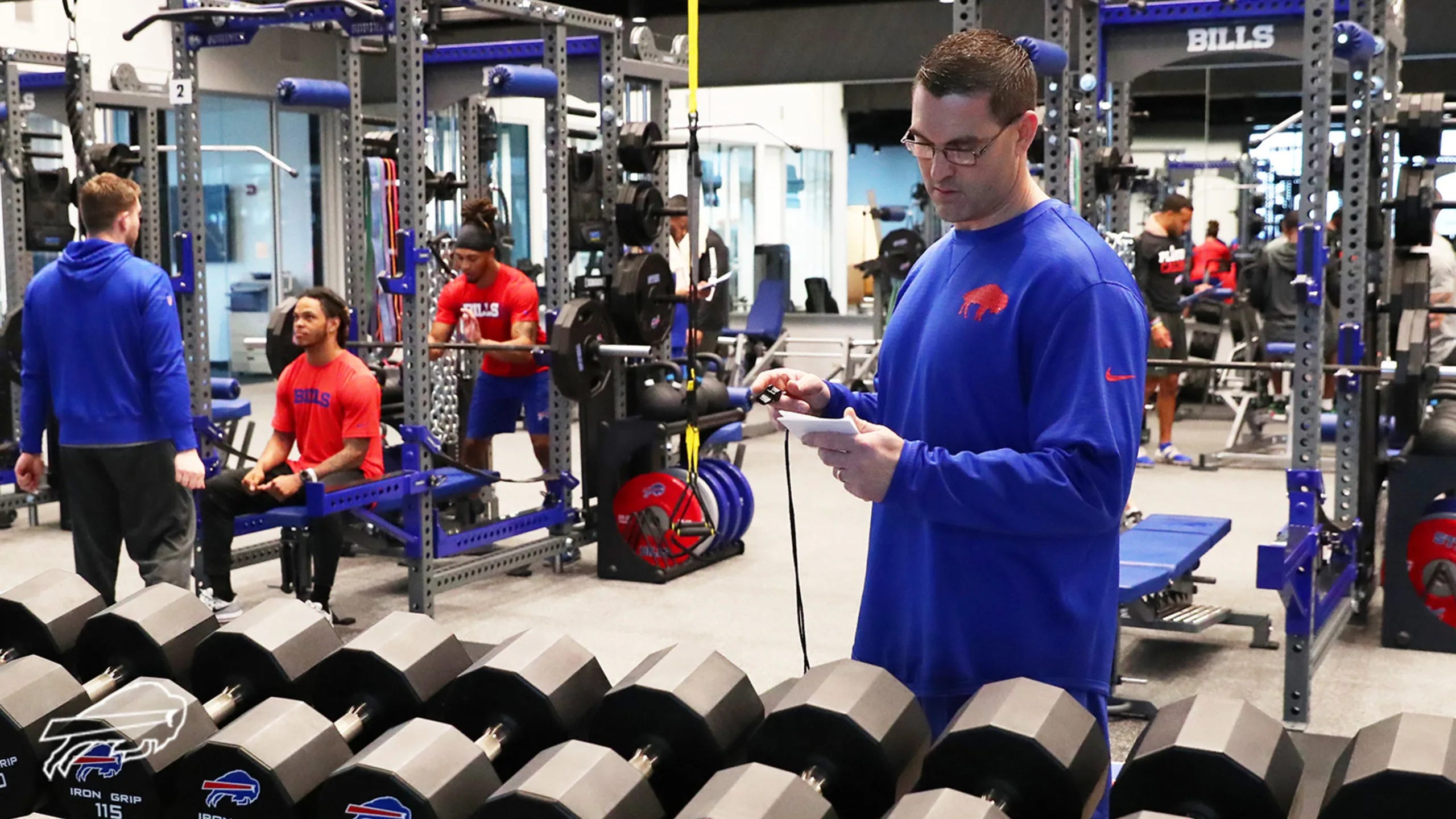
So when a player brings in extra help, is that really defiance? Or just common sense? A forward hiring a nutritionist or a defender using a biomechanics specialist is filling a gap the club cannot cover. If that work helps them stay fit, recover faster and perform better, everyone benefits.
The gap is not just about how many staff you have. It is about what you can see. AI and performance tech are already changing the game, whether people like it or not. Data does not just tell you what happened anymore. It hints at what is coming. The clubs that can read those signs early, before the rest even notice, will pull away.
You can already see where it is heading. A robotics lab recently trained humanoid models to move like athletes, mapping jumps, turns and recoveries straight from human motion data (TechXplore). Watching the replica of Kobe Bryant’s movements even brought a hit of nostalgia. Mamba Mentality lives on, just in code.
It is wild to think about, but it says everything about where performance is going. The body has become data.
The smart clubs will invite that world in. They will collaborate, test, share and build. The rest will keep their walls up and pretend it is not happening, until they are left wondering why everyone else looks faster, fitter and a step ahead.
What clubs call player protection often means stay in your box. It is a culture built on fear of losing control, not fear of losing players to injury.
England still runs on the idea that trust is obedience. But most performance departments are stretched thin and cannot possibly manage every player in detail. The infrastructure simply does not match the demands of the modern game.
Across the Atlantic, teams have already built scalable systems. They rely on shared data, clear communication and a belief that empowering players improves results. That way of thinking is slowly finding its way into football, helped along by American ownership that expects transparency and modern practice.
It will take time, but the shift is inevitable.
Let players own their data.
Clubs should be stewards, not gatekeepers. Players deserve access and the right to work with whoever helps them perform.
Encourage the right kind of “extra.”
If a player’s off-site work improves their metrics, reward it. Treat it as part of the system, not something to hide or block.
Be transparent, not territorial.
Collaboration should replace secrecy. Shared data builds trust.
Let ownership models lead culture.
The most progressive investors already expect athlete empowerment. The rest will eventually catch up.
Football loves to talk about ownership: clubs, rights, image. But the most important kind is personal. It is the information that comes from your own body, the work you do when nobody is watching, and the freedom to decide how that data is used.
If that work makes you better, why should it be anyone else’s problem?
The future belongs to players who take responsibility for their own progress, and to clubs smart enough to let them.
A three-part series exploring how power, creativity and ownership are reshaping modern football.
I don’t just write about the future of football, I help shape it. If this hit a nerve, I’m probably already thinking about how we could build something together.
Thanks for reading GAMEPLAYER.
Through EDEN, CAOS, GAFFER, and over 100 football contracts, transfers, brand deals, and equity-driven partnerships, I’ve seen power shift from clubs to investors, brands to athletes, and legacy to culture.
I break down what matters. Private equity takeovers, athlete-led media, billion-dollar sports IP, and the future of merchandising and streaming.
This isn’t just commentary. It’s about who’s making the real moves and what’s coming next.
Comments
Nothing yet. Say the first thing.
Sign in to join the conversation.