
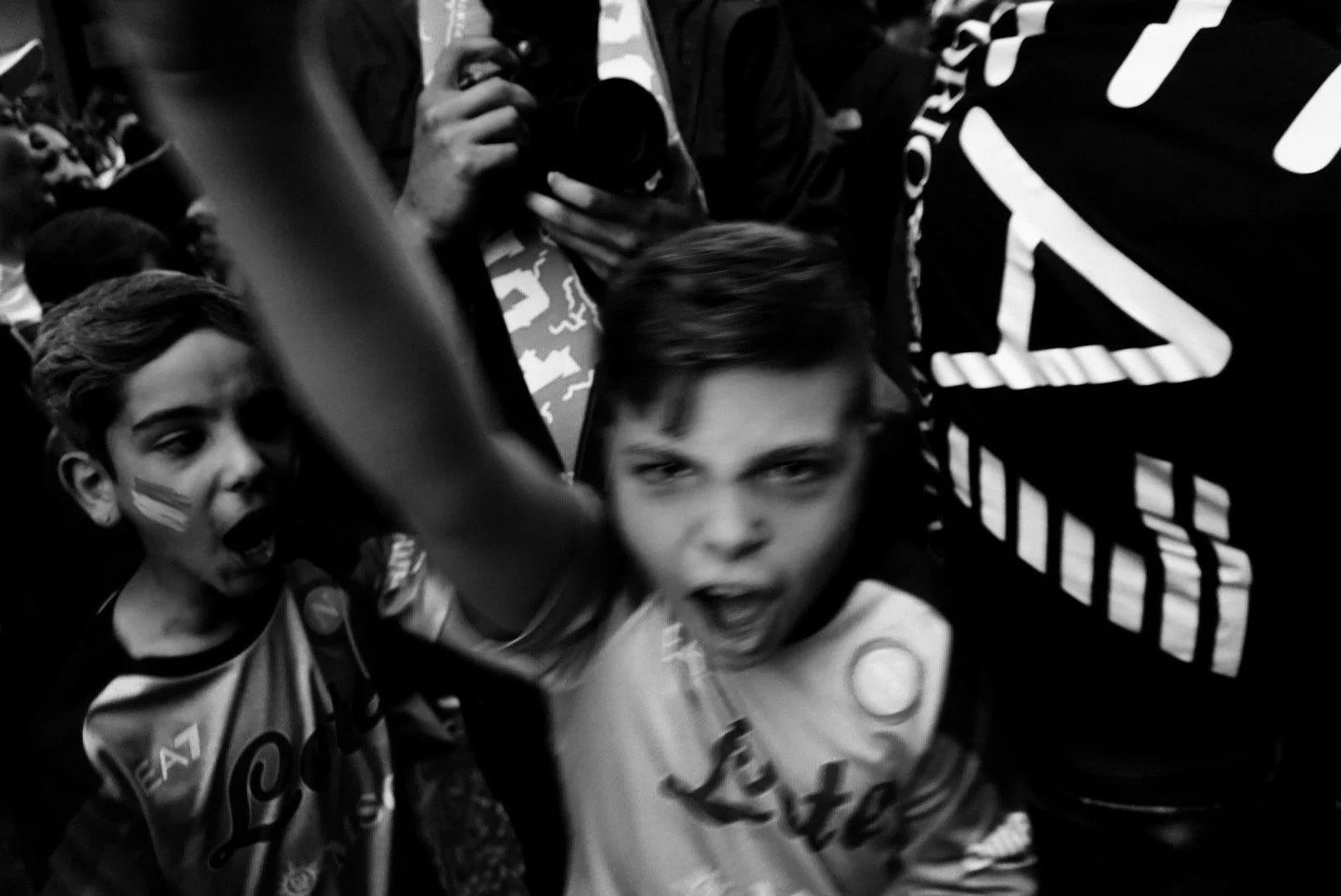
It’s been a while since I’ve written here. I’ve been busy in the shadows on projects that will see daylight soon. And I took a long summer by the pool, travelling, watching, listening. Sometimes the best perspective comes when you’re not chasing the ball but observing the game from the sidelines.
But one question kept circling in my head these past few months: what would the world even look like without football?
Because football isn’t just the most-watched sport on the planet. It’s the cultural operating system. It shapes our calendars, our weekends, our summers. It drives broadcast schedules, dictates brand campaigns, and supplies half the memes on your feed. Deloitte’s latest Sports Industry Outlook projects the global sports market passing $300 billion by 2030. Football is responsible for more than half of that gravitational pull. Remove it, and the whole thing shakes.
Football is more than sport. It is the ritual that billions build their lives around. The Premier League is not just 38 games, it is the backbone of Sky’s programming model. The Champions League anthem is not just music, it is Europe’s prime-time theme song. World Cups and Euros are not just tournaments, they are cultural resets that dictate advertising calendars for years.
Take football away and the ripple effect is violent. Broadcasters lose their biggest anchor. Social media platforms lose their most reliable source of global conversation. Fashion loses its most accessible catwalk. Local communities lose their strongest sense of identity. Football is not just a sport; it is the shared language that allows São Paulo and Seoul to talk to each other in real time.
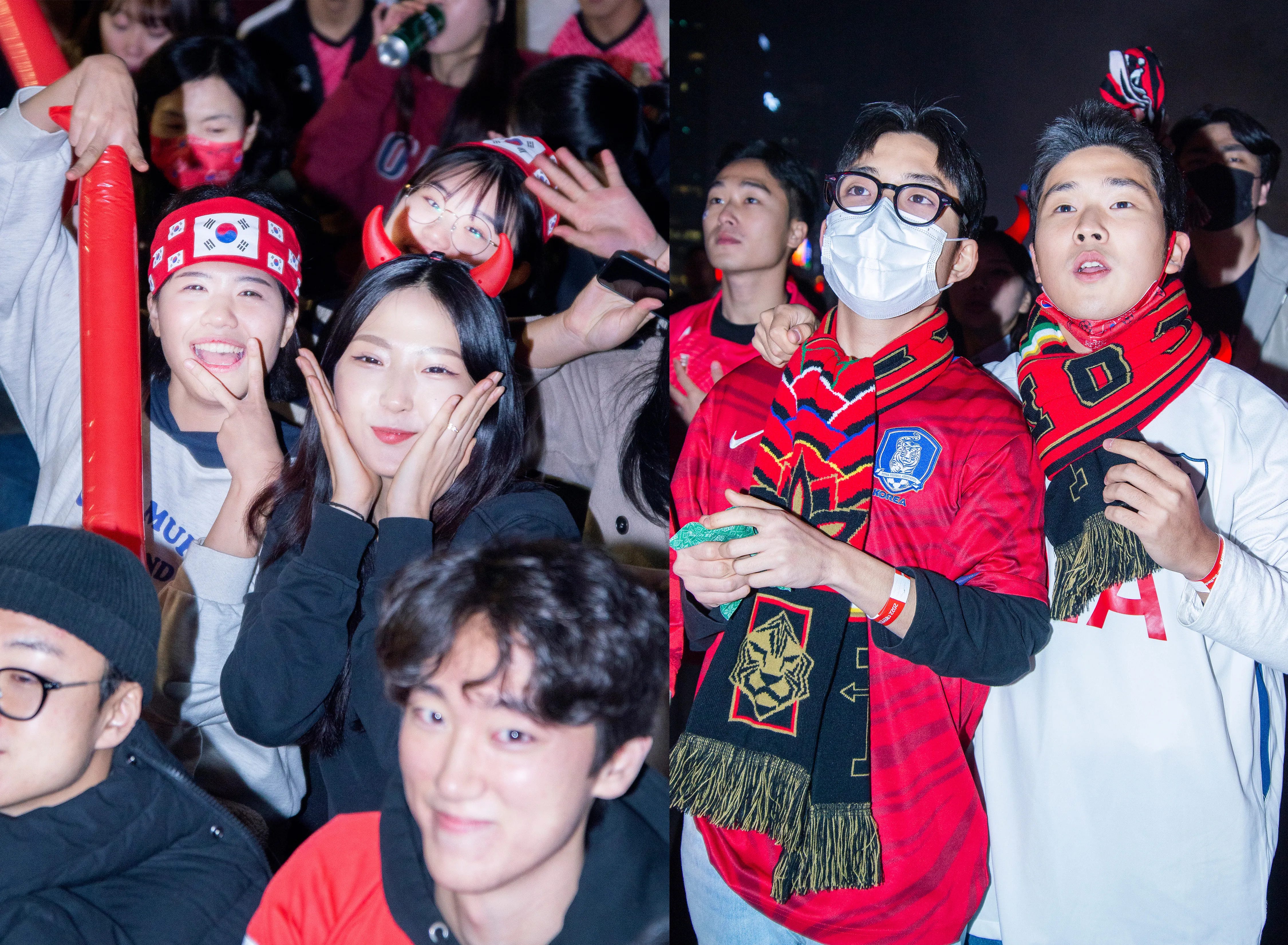
If football disappeared tomorrow, where would attention flow?
Basketball is the most obvious candidate. The NBA has already cracked the formula that football clubs are still fumbling towards: players as media companies, narratives packaged into seasons, highlights built for social. Basketball is digestible, global, and its stars are fashion icons before they ever step on the court. Deloitte’s data already shows the NBA as the fastest-growing league for sponsorship revenue outside football. Strip football out and basketball accelerates into the void.
Combat sports such as boxing, UFC and influencer fights supply the dopamine that football gives: fast, dramatic, shareable. They have the chaos factor, the meme value, the one-punch highlight reel. But they lack ritual. Football gives you a rhythm, a weekly heartbeat. Fighting is intermittent, volatile.
Gaming and esports cannot be ignored. Deloitte found that Gen Z spends more time gaming than watching live sport. Titles like Fortnite or Valorant build communities that are stickier than most clubs. Ironically, even FIFA the video game would outlive football itself. But gaming is fragmented, niche by nature. It does not unite billions in the same way.
And then there is music. If football is religion, music is spirituality. The stadiums would still be full, but for Bad Bunny or Beyoncé, not Barcelona. Festivals are already replacing fixtures for younger audiences as the communal gathering of choice. Without football, music becomes the primary global language.
Think about what culture would actually lose.
Fashion? Gone are the collaborations that push football shirts into streetwear staples. No Jude Bellingham as the face of Louis Vuitton, no Mbappé fronting Dior. The footballer-as-style-icon pipeline disappears overnight.
Advertising? Without the World Cup or Champions League, the tentpoles collapse. Nike, Adidas, Beats and Pepsi lose their most important creative playground. Agencies would scramble for the next cultural anchor and there is not one with the same scale.
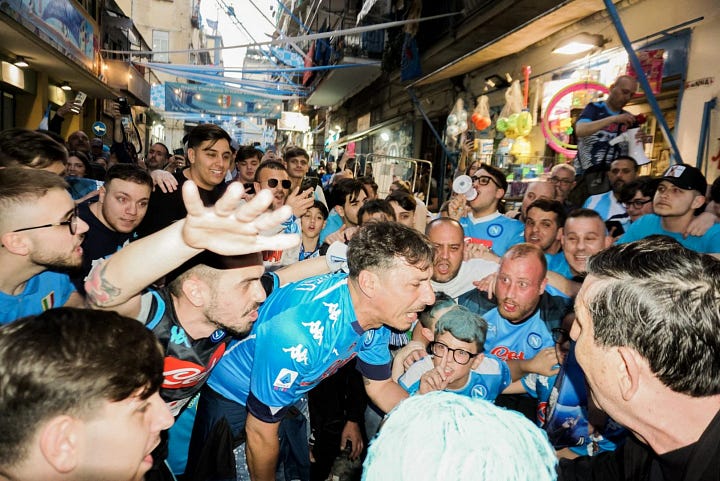
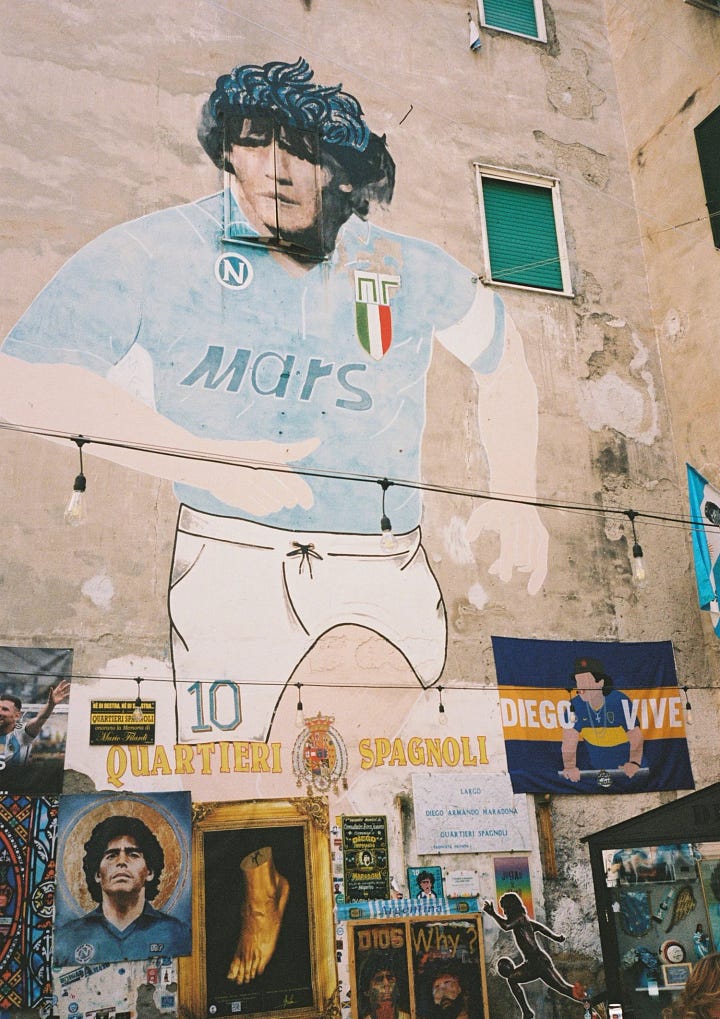
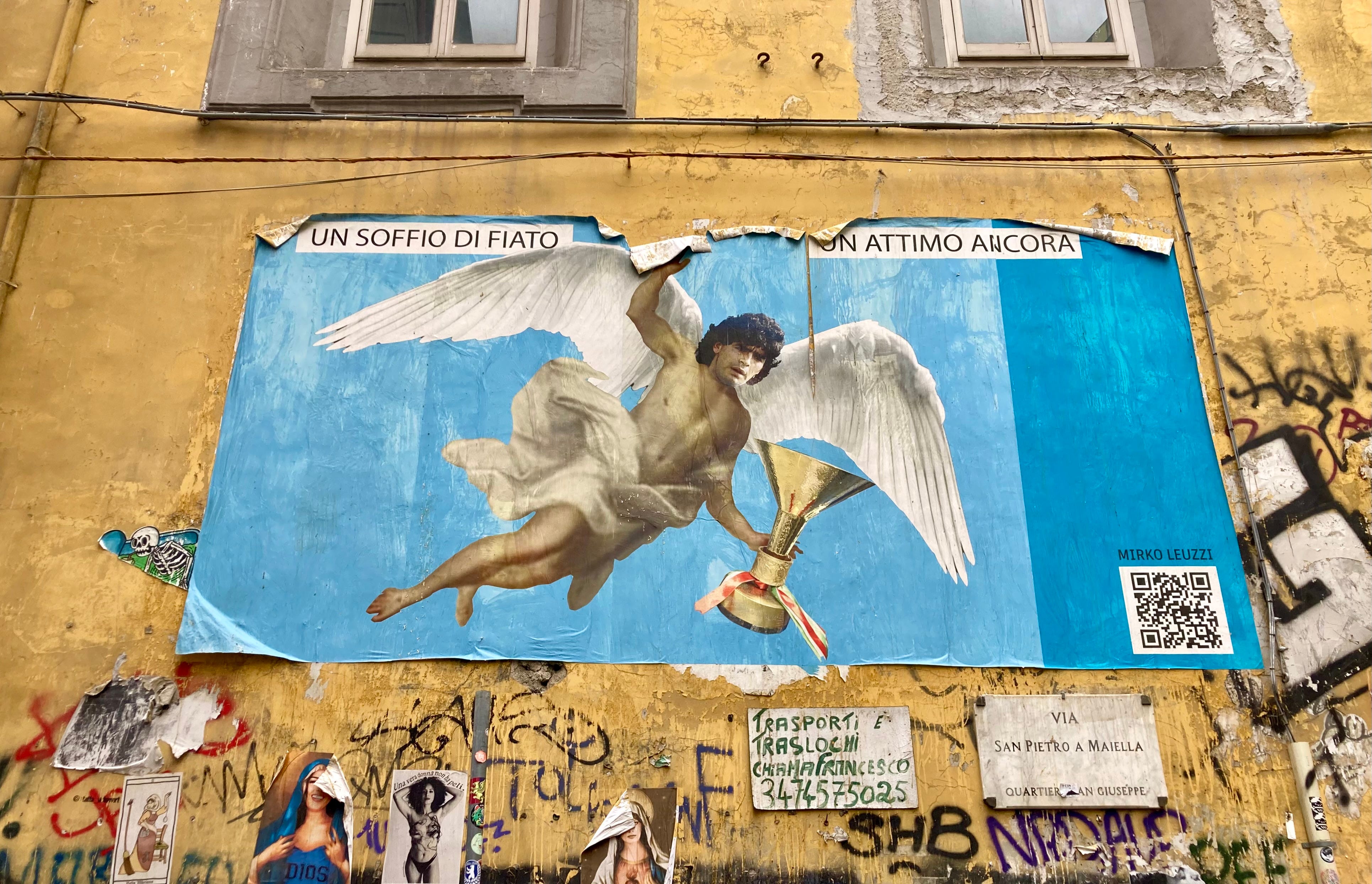
Local identity? Football clubs are often the last link between a city and the global stage. Naples is Napoli. Marseille is OM. Without football, civic pride loses its amplifier.

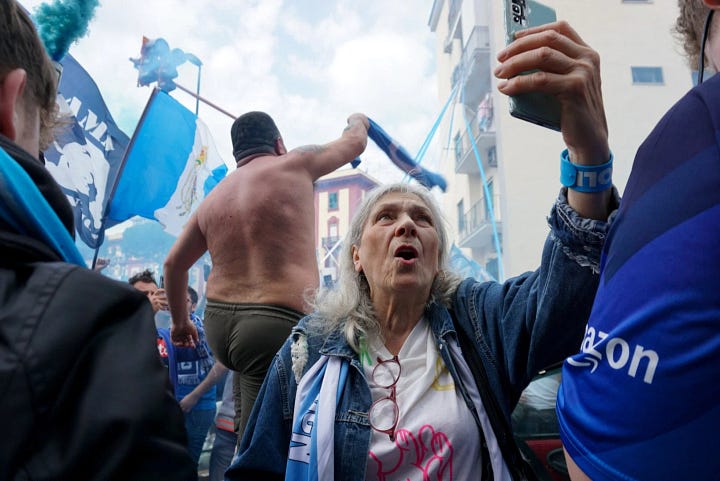
The point is not that football is disappearing. It will not. In fact, football is still expanding globally, especially in the US and LATAM where audiences are growing faster than anywhere else. Deloitte noted that these regions will deliver the next billion dollars of value for the game. I wrote about this earlier in Football’s Future Is Global, Not Digital, and that remains true. The global growth story will sustain football’s dominance, but it will not protect it from the fragmentation of attention.
So ask the sharper question: If Gen Z stop watching 90 minutes, who are brands really talking to?
Basketball is rising. Gaming is everywhere. Combat sports are exploding. Music remains undefeated. Football still has the crown, but it is no longer unchallenged. And that changes the equation for brands, broadcasters and clubs alike.
Football is still the king. But kings fall, not overnight, but through erosion. If you are a brand betting your cultural strategy entirely on football, you are exposed. The smart move is to hedge now. Invest in the adjacencies: music collaborations, gaming IP, basketball markets. Build cultural equity where the next generation already spends time.
Because sooner or later, the monopoly is gone. The shared gravity of football will not be replaced by a single thing. It will fragment across platforms, sports and cultures. The winners will be those who saw the cracks forming and positioned themselves ahead of the shift.
So what would the world watch without football? Some would tune into hoops. Some would live on Twitch. Some would only show up for Coachella. But the bigger truth is this: the rehearsal for a world without football is already underway.
Fans are grazing. Brands are hedging. Gen Z is drifting. Deloitte calls it the age of attention liquidity. I call it the slow collapse of football’s monopoly.
Football will not vanish tomorrow. But nothing else will ever have the same gravity. And if you are in the business of sport, culture or brand strategy, the real play is not just to ask what replaces football. It is to be ready for a world where nothing does.
Because that world is already here.
Whilst you’re here, a few more worth your time.
I don’t just write about the future of football, I help shape it. If this hit a nerve, I’m probably already thinking about how we could build something together.
Thanks for reading GAMEPLAYER.
Through EDEN, CAOS, GAFFER, and over 100 football contracts, transfers, brand deals, and equity-driven partnerships, I’ve seen power shift from clubs to investors, brands to athletes, and legacy to culture.
I break down what matters. Private equity takeovers, athlete-led media, billion-dollar sports IP, and the future of merchandising and streaming.
This isn’t just commentary. It’s about who’s making the real moves and what’s coming next.
Comments
Nothing yet. Say the first thing.
Sign in to join the conversation.