
As much as it hurts my ego to admit this, I didn’t invent de-googling. It’s a whole movement, with discussion groups, subreddits, infographics, and detailed step-by-step guides. Even PewDieDie is de-googling.
One de-googling guide – or, at least, an attempt at a guide – was made by the popular YouTube tech channel Linus Tech Tips. Even though they were on the Google-owned YouTube, they posted “De-Google Your Life - Part 1: Start With Chrome” just fine, but Part 2, which discussed alternate YouTube clients, was a step too far. Shortly after posting, YouTube removed the video, claiming it violated Community Guidelines for including “harmful or dangerous” content.
This was serious. The first violation of YouTube’s Community Guidelines is just a warning, but after that it’s three strikes: a one-week ban, then a two-week ban, then a permanent and total ban for the channel.
Linus Tech Tips has been on YouTube since 2008 and has amassed over 32 million subscribers and 11 billion views. Instead of that granting a bit of goodwill from YouTube, it just made the consequences even more dire. “Not posting for even just one week would result in significant damage to our business,” explained Linus Sebastian, the titular Linus, “and with around a hundred people working here, supporting families, that just isn't a risk we're willing to take, no matter how cheeky I'm personally feeling about the situation.” They never posted a Part 3.
Linus had just discovered the outer walls of his own garden – walls that surround so many artists and content creators in the modern world.1
No longer would artists be beholden to the whims of movie studios, publishing houses, and record companies. In the bad old days, a handful of record companies were the only ones with the apparatus for putting out a record: they had the recording studios, the distribution warehouses, the media buys, and the contact lists to book a tour and get radio play. They also had enough cash that they could throw a bit at the artists, and by doing so, tie them down into restrictive, years-long contracts. There’s a reason that so many musicians have songs about making a deal with the devil!
The internet would end all that. Now you could do it all yourself. Record an album in your home studio using open-source tools, then release it with the click of a button to Spotify, Tidal, Apple Music, and a dozen other services. Build your own following using Facebook, Instagram, and TikTok. Book your own tour with a bit of Googling and Facebook Messenger. Promote your album with music videos you shoot yourself on an iPhone and publish yourself to YouTube, then take out some social media ads to push it further.
This was democratizing art: anyone with passion and talent could find and connect with their audience directly, with no one in between… except for Spotify, Tidal, Apple Music, Facebook, Instagram, TikTok, Google, and YouTube.2
As it turns out, we've swapped one set of middlemen for another, and the new middlemen are bigger, meaner, and don't even hand out record contracts. Instead, they’ve realized that many artists and content creators, driven by passion, will be more than happy to offer up their art and fill the platforms with content, demanding little to nothing in return. To earn the equivalent of one hour of work at Ontario’s minimum wage, a song on Spotify would need to be played roughly 3,000 times, while a video on YouTube would need roughly 5,000 views.3
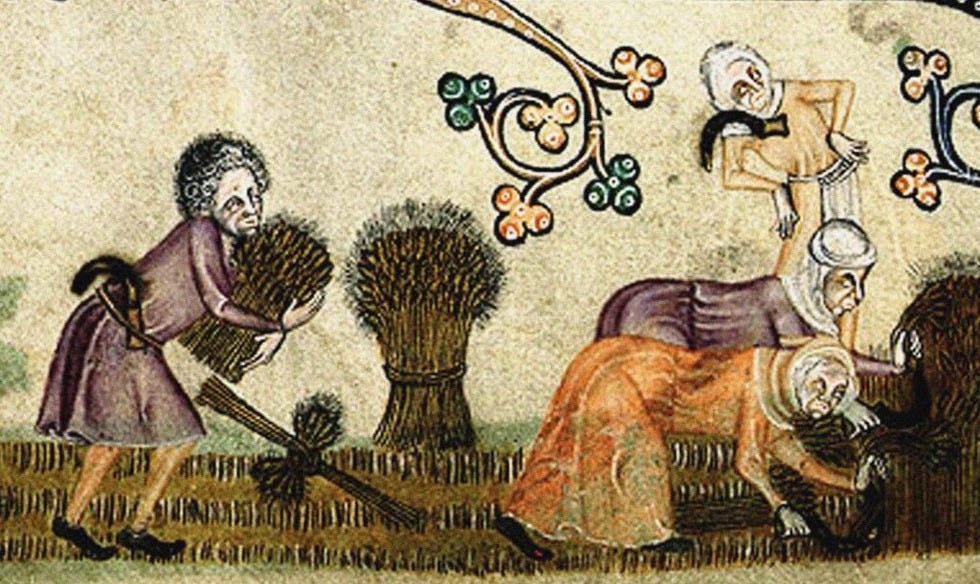
The rest of us are free to cultivate the small plots of land that we’ve been granted, but we’ll forever be beholden to the whims of the digital platform owners, who set the terms of the agreement and who benefit the most from what we grow.
“We, the armies of digital peasants, scramble for subsistence… lucky to receive scraps of ad dollars here and there, but mostly getting by, sometimes happily, on social rewards—fun, social connections, online reputations,” wrote Marina Grobis, discussing the $315 million sale of Huffington Post to AOL. That sale resulted in a class-action lawsuit, filed on behalf of the thousands of bloggers who had spent years pumping content into HuffPo over the years without any compensation. Shouldn’t we be entitled to some of that $315 mil? they said, Or at least get a say in what happens to our site?
The answer, of course, came back, No.
But it goes beyond profit-sharing. Increasingly, the feudal lords are making bolder demands about what is and isn’t allowed on their land, as Linus Tech Tips discovered.
Last month, popular video game distribution platforms Steam and itch.io started pulling adult games off their platforms. On social media, creators who touch on hot-button topics like suicide, abortion, or Palestine find their content buried by the algorithm or outright removed. On the other side of the political spectrum, the current American president, along with a gaggle of right-wingers, were first banned from the mainstream platforms for their extremist views, then later welcomed back with open arms when the political winds shifted – the wills of the content lords are extremely fickle.
A ban is disastrous to the artist themselves, but it also has a ‘chilling effect’ on the community at large. Once people know the limits, they self-censor what they post, and the end result is that the platform is manipulating what kind of art gets made, gets shared, and has a chance at success.
In many ways, A.I. feels like the logical end-point of this feudal relationship, with the digital lords now able to simply generate their own content, which they own and control entirely, without the need for all those uppity peasant-creators. The artists who spent years on these platforms, who clicked “I Agree” to Terms of Service that permitted these companies to use their data “to help improve services for everyone,” have unknowingly been feeding the beast everything it needed to destroy them. Meta is unleashing A.I.-generated ‘users’ onto Facebook and Instagram, and Spotify has already seen its first A.I.-generated hit with The Velvet Sundown and its 900,000 monthly listeners.
For some artists, it’s simply to leave. We’re seeing a proliferation of small streaming upstarts and independent platforms that are focused on creator control. Linus Tech Tips used the de-googling controversy to promote their own subscription service, Floatplane, and many YouTubers are making exclusive videos for Nebula. Conservatives have created the likes of Rumble and DLive, substituting the commons for an angry echo chamber. There are also individual subscription options, like Patreon, OnlyFans, or even Substack. The more tech-literate creators may even fully cut out the middleman, setting up their own independent subscriptions through their websites.
But in order to make these work, artists first have to build their audience, gaining fans who will be willing to follow them to their new home. This often means starting off with years of cultivating a plot of land on the digital fields of the tech lords.
For users, it’s also hard to leave YouTube – and not just because so many of alternatives cost actual money. In a future post, I’ll go more in depth on some of the alternative platforms, and even ways to access YouTube videos without using YouTube itself, but there’s no perfect answer. If I want to leave Google Calendar, I can download one of a dozen calendar apps that do roughly the same thing, but leaving YouTube means leaving behind creators I love and a wealth of their works.
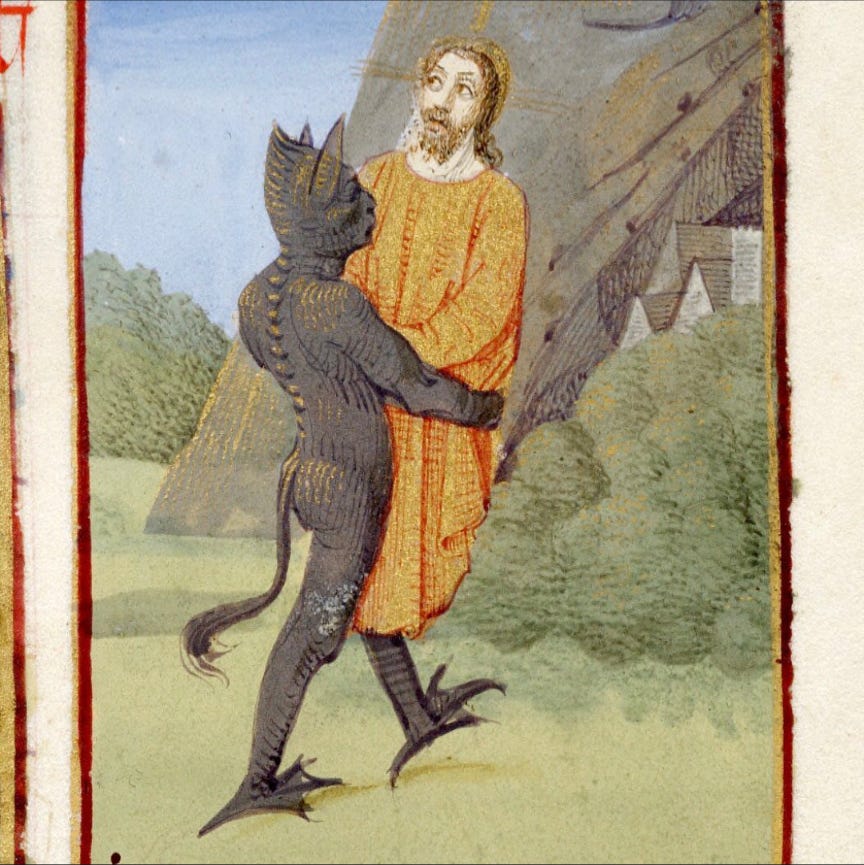
The internet gives us access to all the world’s art and information, often for free… but no matter what, we’ll always be making a deal with the devil.
Trigger warning: this post is going to use the phrase “content creator,” and will sometimes refer to things made online as “content.” It may even treat “content creators” and “artists” as equivalent. I’m sorry if that offends you; there’s just no way of getting around it.
Even without the problems of platforms, the idea that free, open platforms are always more democratic is suspect. The need to put out stuff for free privileges those with time and money to spare. The algorithm favours material that’s safe and non-controversial. And people from marginalized communities are often attacked, abused, and pushed off the platform by others who are just out there enjoying all that freedom and openness.
Based on a minimum wage of $17.60/hour. Also, these are extremely rough estimates, based on average reported payouts. The fact that it’s hard to get a straight answer about artist compensation is a further sign of just how bad it is for artists and creators.
Comments
Nothing yet. Say the first thing.
Sign in to join the conversation.