
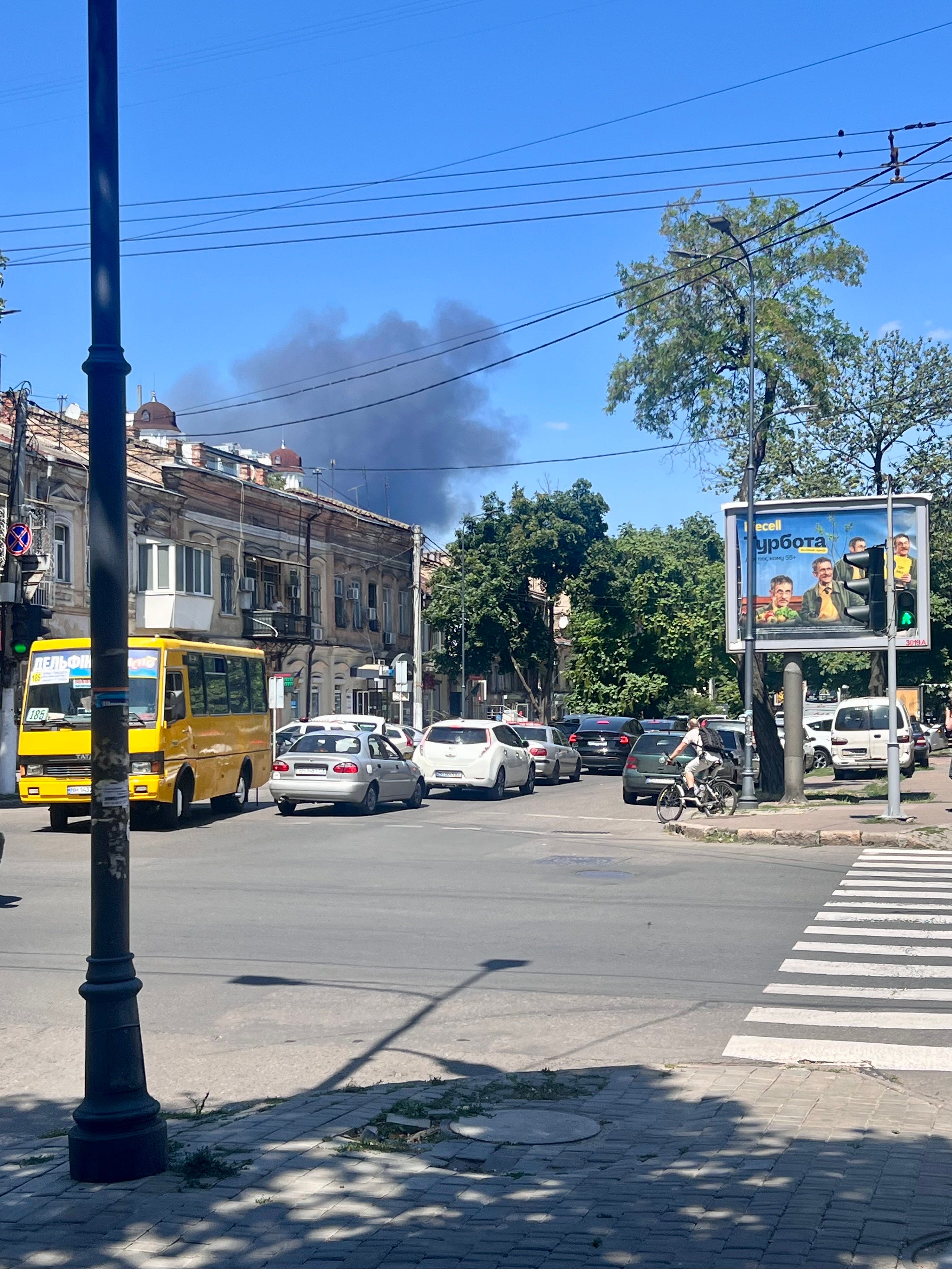
You quickly learn the sounds of war. The dull boom of outgoing artillery, the flatter, louder thud of incoming. The crash-bang of a guided air bomb, sometimes close enough to make the windows rattle in protest. The screech of a missile flying directly overhead, the persistent buzz of a reactive drone, the higher, gnat like whine of an FPV. The ack-ack rattle of anti aircraft fire. They are all the sounds of lethal skies.
Some of your friends are so used to these sounds that they sleep through ballistic missile strikes, barely roused by the tongues of fire which drift high above the horizon. Others react to the warnings with iron discipline, immediately running to a basement or under the leafy cover of trees.
Along with the sounds, there is a whole unwanted lexicon of new terms: so many words for how they kill us, says a friend. There are North Korean cruise missiles now, along with the Iranian drones. Russia has equipped them with jet propelled engines, with cluster warheads and fibre optic cables which can’t be jammed. They fire small drones from a mother drone, modify air bombs to fly further and with heavier payloads. So many ways to destroy.
You meet a dear friend who you haven’t seen for several weeks and suddenly realise you have spent half an hour in deep conversation about the new hybrid Banderol missile drone and how long it takes to fly here, and how long you usually have to find a shelter. She spots a car driving past adorned with REB - which means electronic warfare, or jamming, and we spend several minutes working out the equivalent English acronym for РСЗВ. We agree it is MLRS: ‘Multiple Launcher Rocket System!’ she cries, as if she has got the answer right in a pub quiz. “Why on earth are we talking about these things?” she adds, shaking her head, “when we should be talking about walks in nature, or cooking, or books and films”. Why, indeed?
But the absurdity of life in wartime catches you everywhere. You are walking back from buying fruit in the market when the air alarm sounds: “quick, it’s a missile heading here”, your friends say, directing you down a staircase where the word ‘укриттяʼ is stenciled on the wall. One young woman, whose husband is serving on the frontlines, refuses to budge. She lights a cigarette instead, and stares resolutely at the sky.
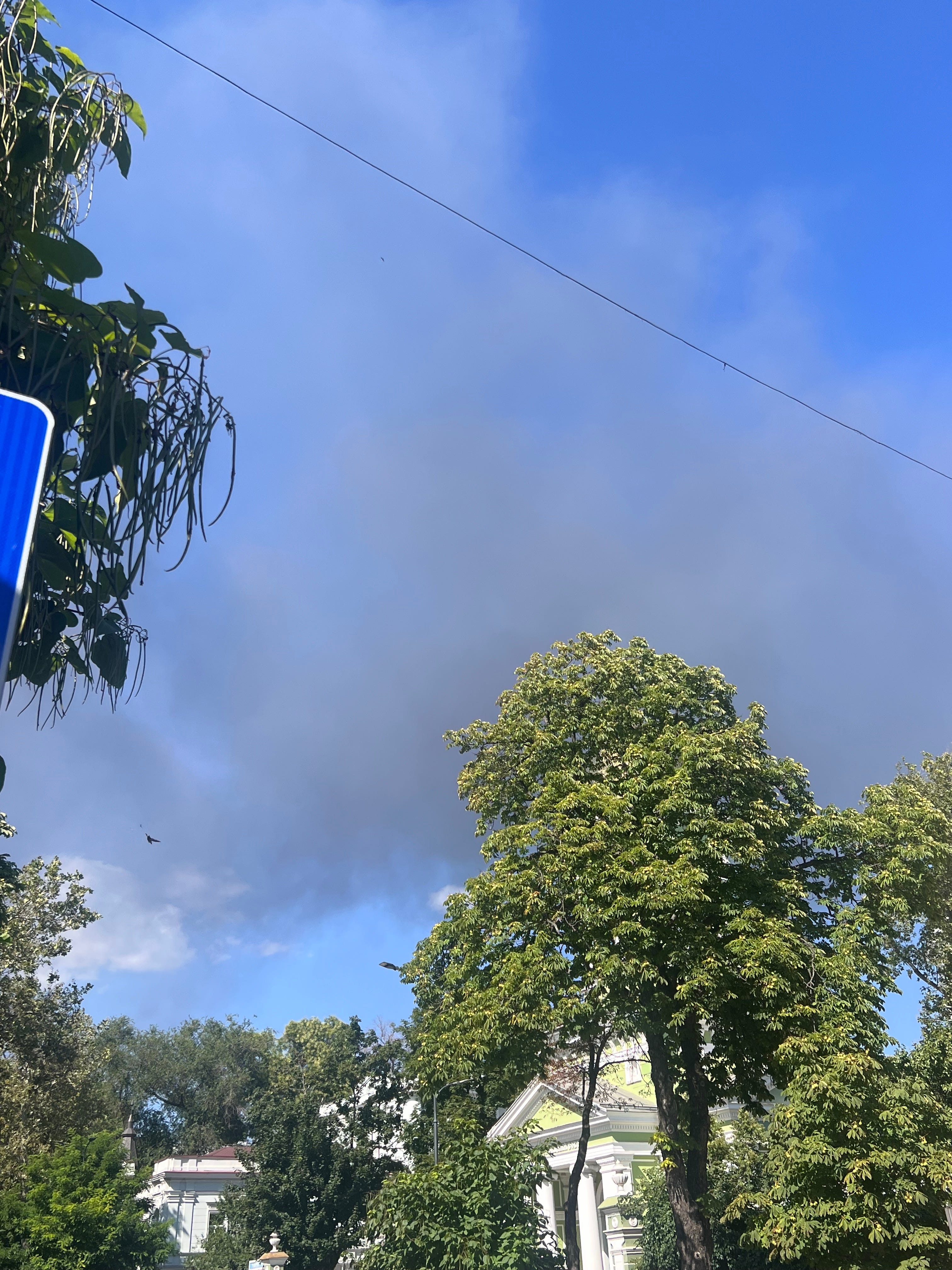
The door at the bottom of the staircase leads into some kind of cocktail bar, which since it is barely eleven in the morning, is in preparation mode. Posters on the wall advertise a new type of VR experience, as if by wearing goggles into a virtual world, you could truly escape the reality outside. You peer through the open doorway: there is a whoosh followed by a loud explosion, and a dark cloud of smoke blooms and billows, blocking out the cobalt sky .
The famous photographers Kostyantin and Vlada Liberov take a photo of this strike from the beach: their image is beyond surreal, the smoke rising above a pair of giant model dinosaurs, while families lie on sun loungers across the sand below.
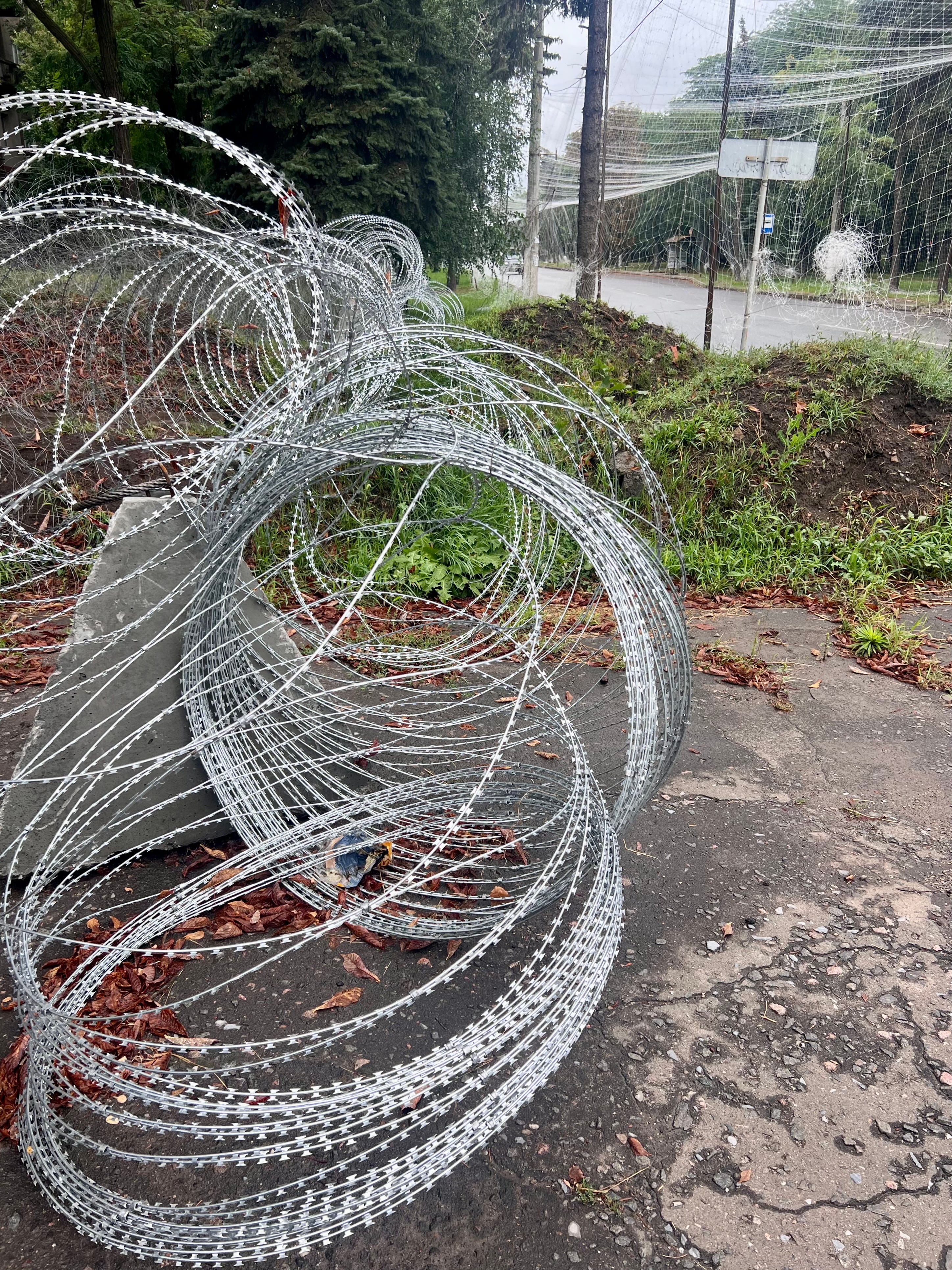
In another city on the edge of the frontline a friend instructs you on the necessary art of dodging FPV drones. Don’t wear headphones. Scan the sky. If you hear one, run quickly inside or under a tree, she says, but don’t keep together - it is important to scatter. In the centre of town, you are walking through a park when you catch that distinctive high pitched whine. “There it is, FPV”, says your translator, pointing upwards. “Come, come, quickly, under these trees.” She seems unconcerned. “They don’t usually attack civilians here”, she says. “They are looking for military cars.”
We peer through the foliage as the drone flies away and later, the translator points out a burned out car by the side of the road, scorch marks streaking across the tarmac. There are shards of blue plastic almost embedded into the ground, a piece of metal from a propeller. Among the debris, cyrillic letters lie scattered around: they were once the sign above a shop of which there is now nothing left but a heap of bricks and tangled metal.
On the remaining fragment of wall someone has written neatly “I hate Russia’.
No posts
Comments
Nothing yet. Say the first thing.
Sign in to join the conversation.