
You probably don’t have time to read every investigation, every breakdown, every file we’ve opened this week. We get that. So, here’s our weekly recap of our deep dives. We are Front Page Detectives, and this is where the story actually is.

Long before Nick Reiner was accused of murdering his parents, his family had already spent years trying to survive his addiction, psychiatric struggles and repeated attempts at recovery.
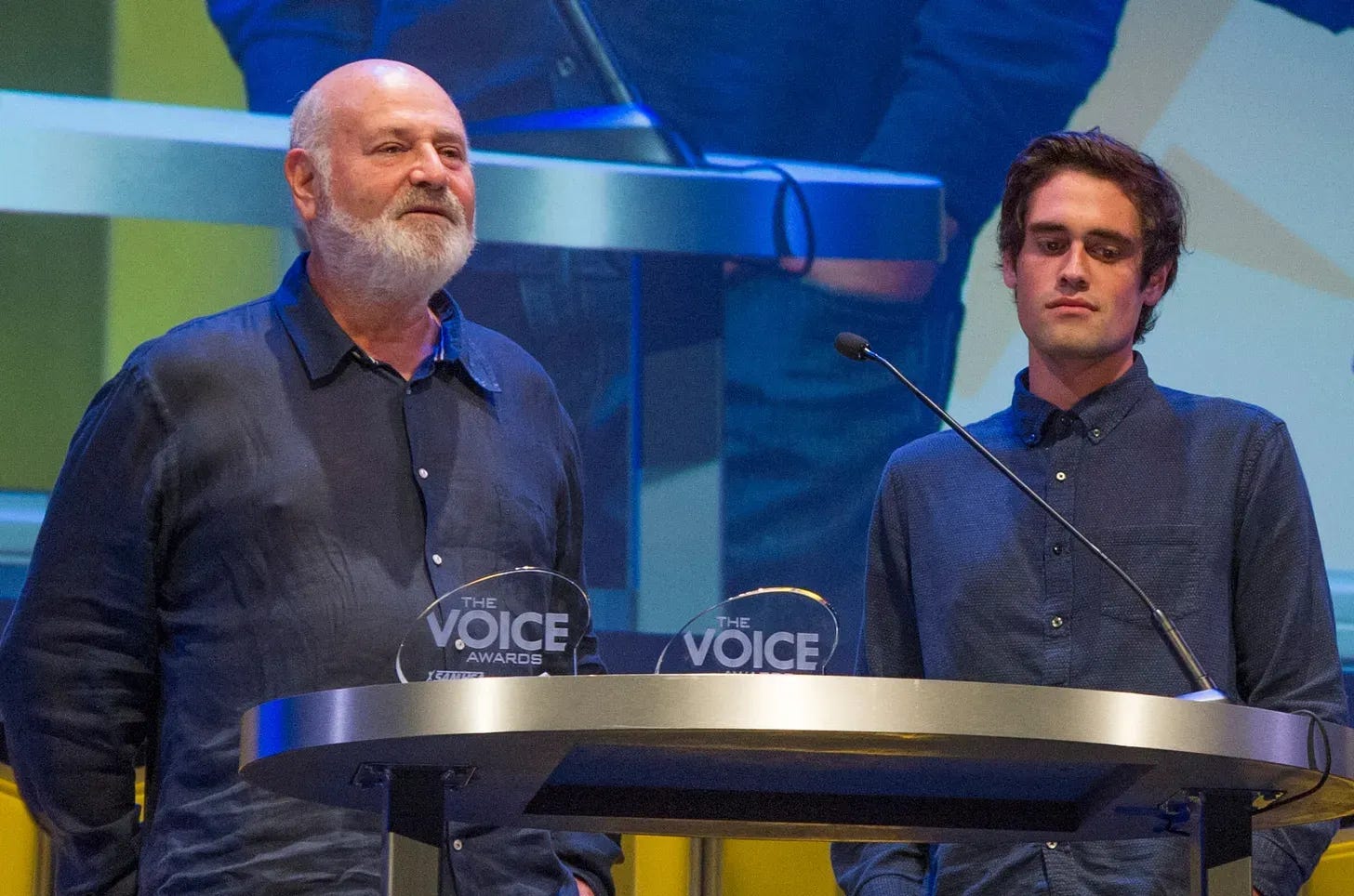
Rob Reiner and wife Michele Singer Reiner raised Nick inside their sprawling Brentwood home, where his increasingly troubled adolescence eventually gave way to heroin, methamphetamine, repeated rehab stays and periods of homelessness. Father and son later transformed some of that history into the 2016 film Being Charlie, saying the experience had finally helped them understand each other after years of conflict.
Nearly a decade later, everything ended inside the family home. Rob and Michele were found stabbed to death on December 14, hours after attending Conan O’Brien’s holiday party with Nick, where witnesses recalled some form of confrontation. Nick was arrested later that night in Los Angeles and charged with murdering both parents.
Since then, the case has expanded into questions over Nick’s schizophrenia treatment, his ability to pay for a private defense, nearly two terabytes of evidence and a secret grand jury proceeding that produced a new allegation prosecutors say could prove the killings involved “lying in wait.” Nick has pleaded not guilty.
What happened between the Reiners leaving that party and police discovering the bodies remains largely hidden from public view. Eight months later, the case is finally beginning to reveal its shape — but the most important hours in this extraordinary Hollywood family tragedy are still missing.
Full file
Somebody appears to have stolen Rockstar’s spotlight — and may be leaving investigators a trail while doing it.
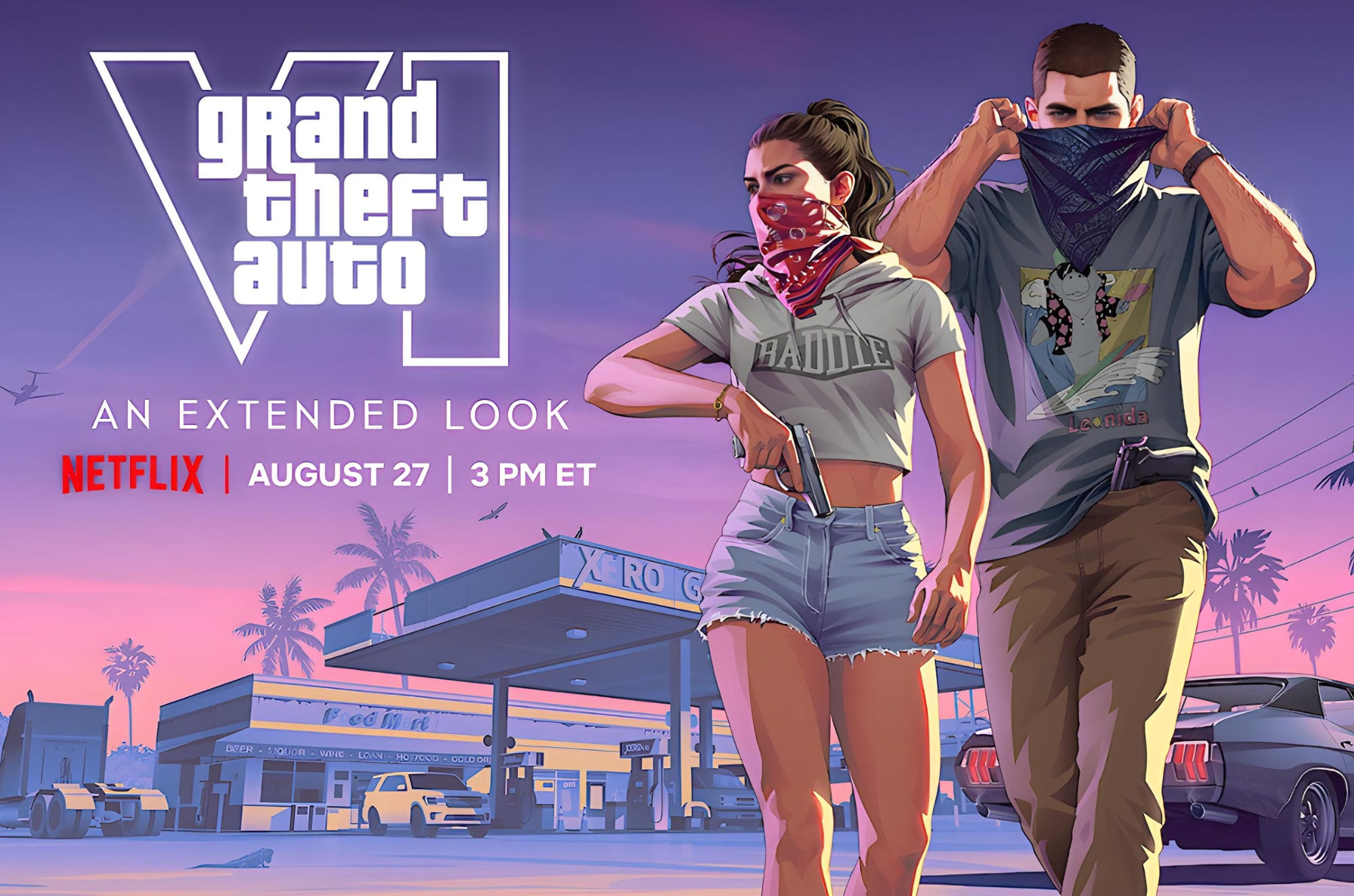
A person or group calling itself CyberLeek has spent days releasing apparent Grand Theft Auto VI development footage, an alleged map and messages demanding changes to digital game ownership, while Take-Two has raced to remove the material online.
Then the leak escalated. One video showed someone apparently controlling a playable GTA VI build, landing an aircraft before firing bullets into a surface to spell “LEEK.” The stunt suggests the source may be able to create fresh footage rather than merely possessing an old folder of stolen clips.
CyberLeek has also promoted a cryptocurrency, while online sleuths have floated competing theories involving a possible Rockstar India compromise and an older German-language “cyberleek” account with links to a Swiss technology forum. None of those identity theories has been proven.
Every upload, wallet transaction and online taunt potentially creates another piece of evidence. Rockstar already helped bring one GTA VI hacker to court after its massive 2022 breach. CyberLeek now appears determined to find out whether lightning can strike twice.
Full file

Gareth Williams spent his career cracking secrets. His own death became one Britain still cannot decode.
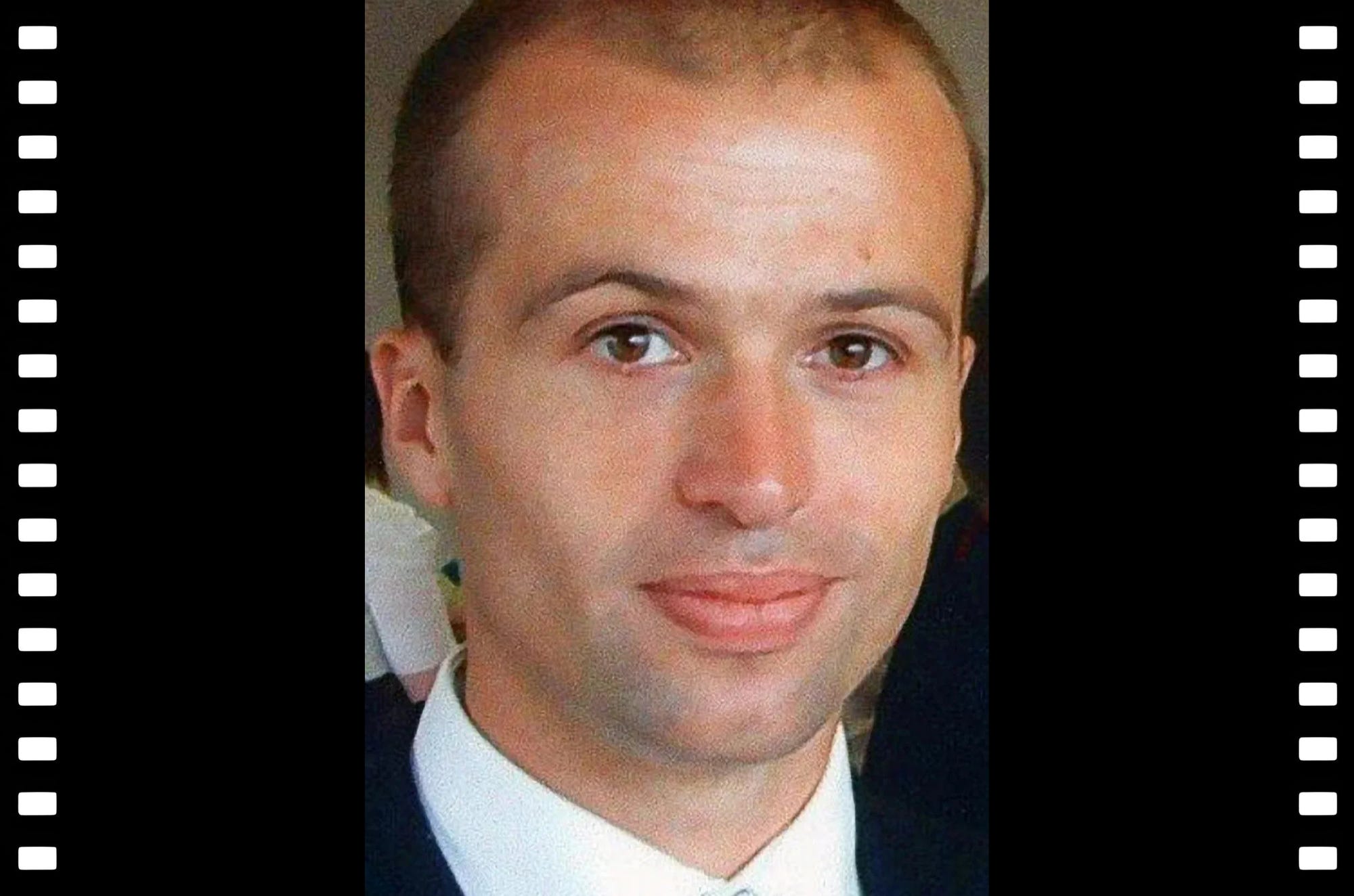
The 31-year-old GCHQ codebreaker, then seconded to MI6, was discovered dead in August 2010 inside a padlocked red North Face holdall sitting in the bathtub of his London apartment. He was naked, tightly folded inside and the key was trapped beneath his body.
Experts repeatedly struggled to recreate how Williams could have climbed inside and secured the external lock himself. Yet police found no definitive forensic evidence proving another person had been there, creating a contradiction that has haunted the case ever since.
A coroner concluded in 2012 that Williams was probably unlawfully killed and that another person was likely involved. Scotland Yard later shifted toward the opposite view, saying an accidental death while Williams was alone was the “most probable scenario.” A renewed DNA review completed in 2023 produced no breakthrough.
Was it an extraordinary self-restraint accident, a private encounter that went catastrophically wrong or something connected to the intelligence world Williams inhabited? Sixteen years later, the little brass padlock still refuses to give up the answer.
Full file

The Colombos didn’t need a rival Mafia family to ruin them. They managed that themselves.
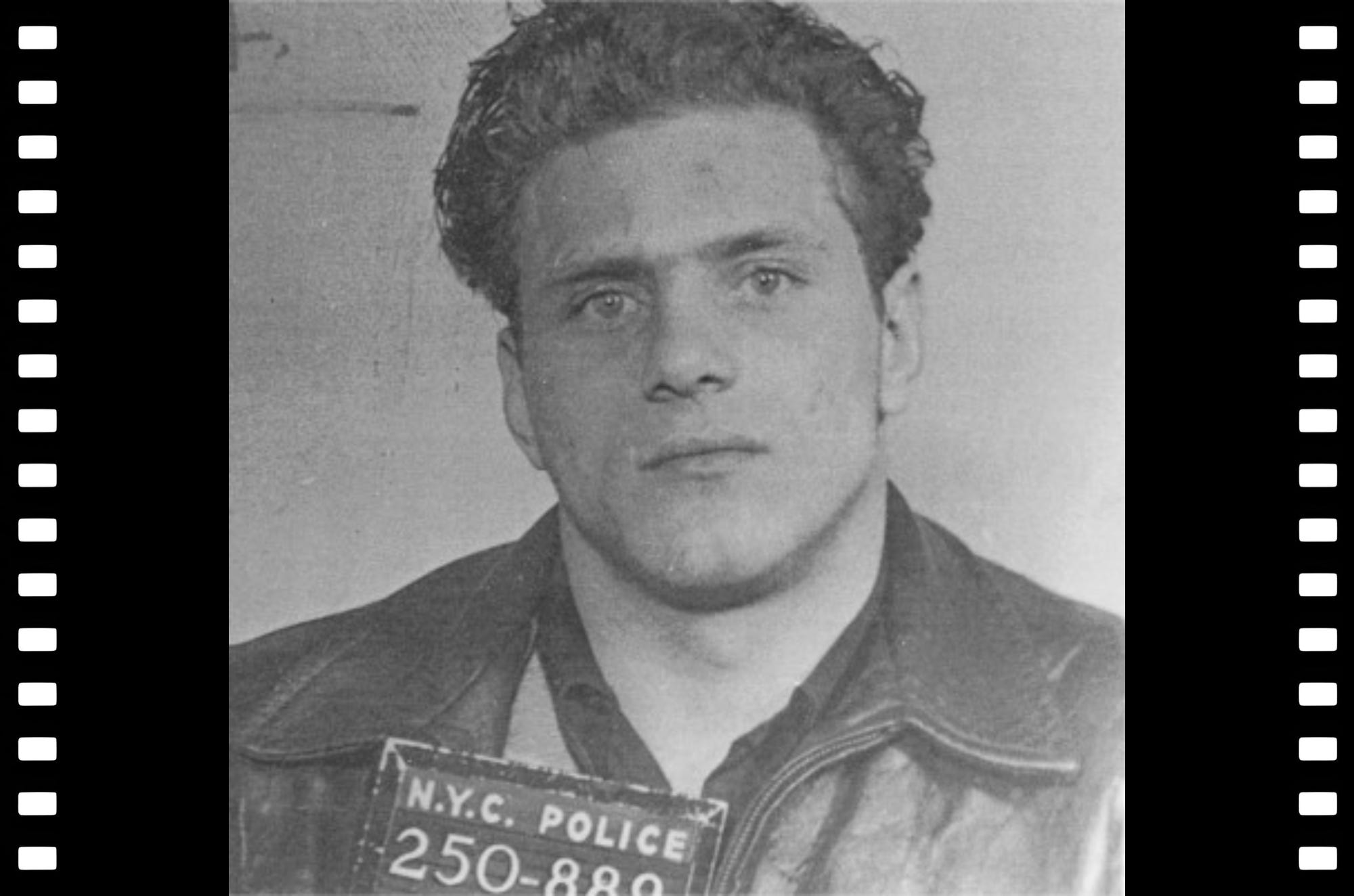
Across three decades, New York’s youngest and most volatile Mafia family repeatedly turned its guns inward, beginning with the Gallo brothers’ rebellion against boss Joe Profaci in the early 1960s.
The bloodshed produced some of organized crime’s most notorious episodes: Larry Gallo nearly strangled in a Brooklyn club, boss Joseph Colombo shot at a 1971 rally and “Crazy Joe” Gallo gunned down inside Umberto’s Clam House while celebrating his birthday the following year.
Then came Carmine “The Snake” Persico. Even after receiving a 100-year federal sentence, Persico attempted to control the family from prison — helping ignite another civil war when acting boss Victor “Little Vic” Orena challenged his authority in the 1990s.
By the time the guns finally quieted, murders, RICO prosecutions and informants had gutted the organization. The Colombos survived in name, but their greatest enemy had always been waiting inside the family.
Full file

Two years before the Black Dahlia shocked Los Angeles, another young woman was murdered in a case the city never solved.

Georgette Bauerdorf was a wealthy 20-year-old New Yorker who volunteered at the Hollywood Canteen, dancing with servicemen and often helping young soldiers passing through wartime Los Angeles.
On October 12, 1944, she was found raped, beaten and strangled inside her Fountain Avenue apartment, lying face down in an overflowing bathtub. Investigators discovered a tampered exterior light, cigarette butts that may have belonged to another person and signs that Bauerdorf had fought ferociously against her attacker.
Her car was later found abandoned miles away after running out of gas, while a witness reported seeing a tall man with a limp flee the area. Dozens of leads followed, but none produced a killer.
The strongest possibility may be the simplest: somebody Bauerdorf trusted enough to help or invite inside turned that kindness against her. Eight decades later, Los Angeles still does not know his name.
Full file

Flowers beneath a corpse. Blood-smeared false teeth. Two walking sticks laid across dead bodies. Nothing inside Number 74 looked accidental.
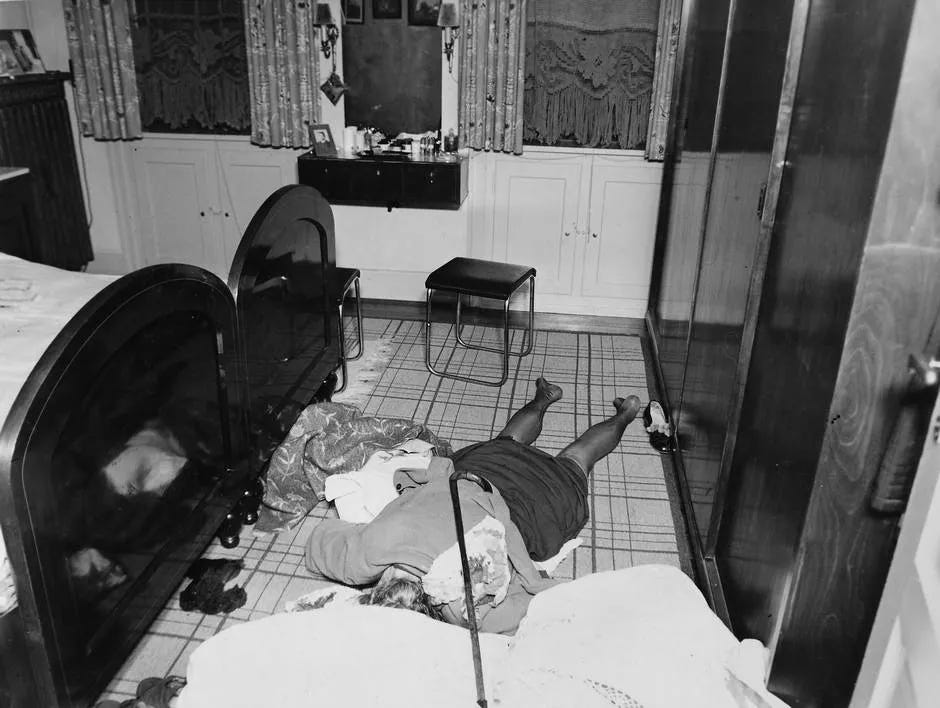
Vilhelm and Inger Jacobsen were found murdered inside their Copenhagen apartment in February 1948, their bodies carefully covered and surrounded by bizarrely arranged objects that appeared almost ritualistic.
The killer had cut telephone wires, closed curtains and apparently remained inside for hours. Money and two checks disappeared, yet valuable antiques were untouched. A bouquet of tulips was placed beneath Vilhelm’s head, while Inger’s earrings, combs and false teeth were deliberately arranged and smeared with blood.
Over the decades, suspects and theories have multiplied: a suspicious family friend with a contradictory alibi, an alleged lover, gambling debts, corrupt police, black-market criminals, wartime collaborators, resistance fighters and even connections to Swedish spy Jane Horney.
Nearly 80 years later, the apartment still seems to be saying something. Nobody has managed to work out what.
Full file
Comments
Nothing yet. Say the first thing.
Sign in to join the conversation.