
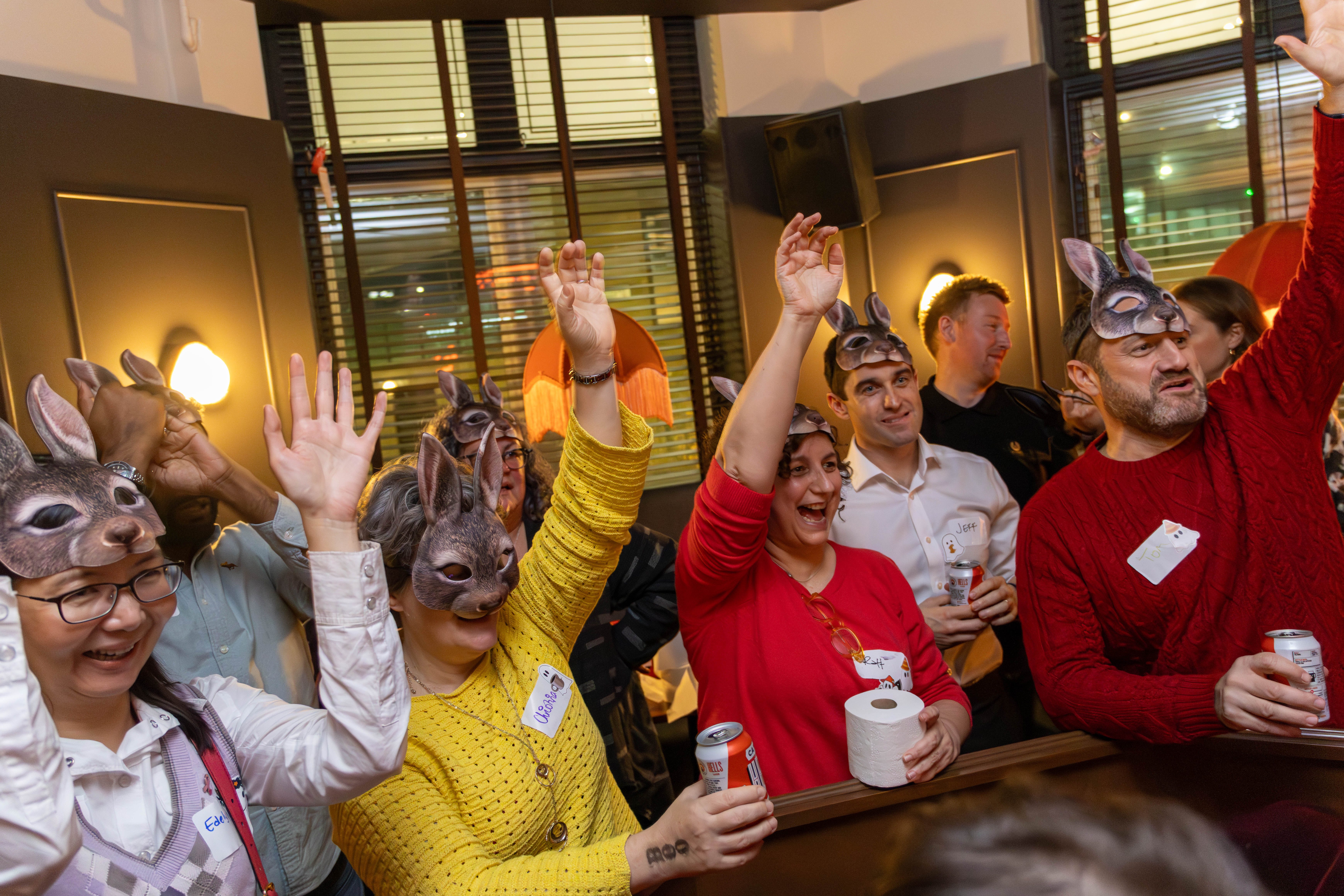
I was asked to write an article for December’s edition of PharmaTimes that looked ahead to the health comms trends of 2026 (read it here!). One of the predictions I included was that the boom in niche communities would continue, fuelled by a desire for more real human interaction and connection, and that comms people really need to pay attention to this. Keen to dig into this properly, I’ve dedicated this month’s post to a celebration and exploration of community building in healthtech.
What’s going on?
Since late 2024, I’ve watched a rapid growth in the number of groups emerging to unite people with shared passions and professional ambitions in health and tech. These aren’t your standard LinkedIn groups. They are typically referral-only, closed memberships that thrive on a mix of digital and physical connection. They have regular IRL touchpoints (meetups, panel events, parties), they keep the conversation flowing in WhatsApp groups and Slack channels, and they deliver genuine value through Substacks, podcasts, and content.
I’ve been part of this evolution myself in 2025, recently joining the One HealthTech London Hub team to help plan and organise inclusive, unique events, connecting with Voyagers for several dinners and to deliver THE FIX festival in September, and being a proud early member of both NXGN and Ministry of Healthtech (more on those later).
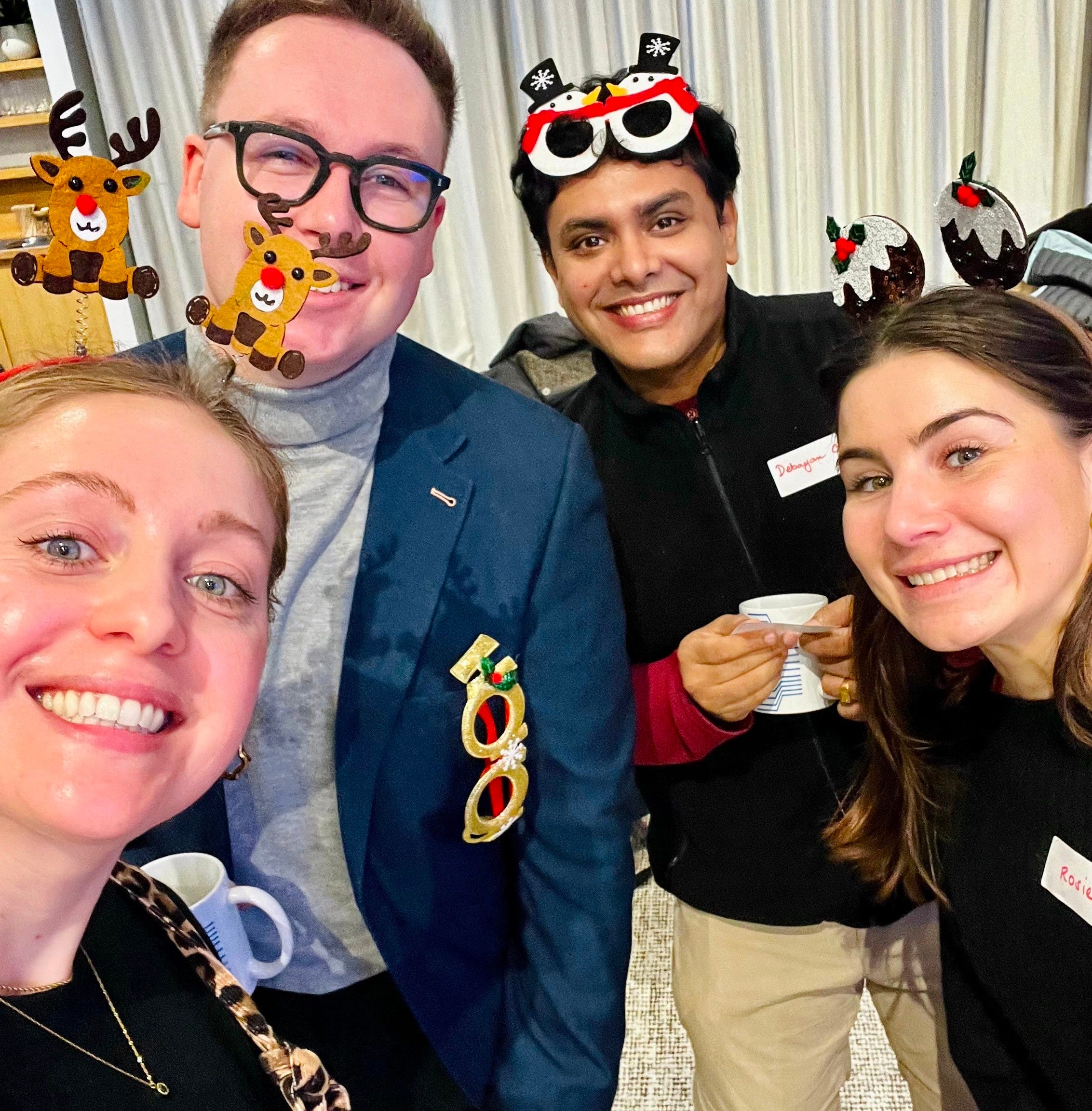
Are you curious about launching your own community, or about how brands can best work with communities for mutual success? To help you get under the skin of this movement, I spoke to leaders from two of my favourite new healthtech communities: both of which happen to be among the fastest-growing groups of the year.
First up in the interview seat is Dr Alice McGee, Chair of NXGN UK. They launched in the summer and saw a massive influx of members immediately.
Please introduce NXGN in a couple of sentences. NXGN is a healthtech and biotech community connecting the people actually building the future of care: founders, operators, clinicians, and investors who like their science sharp and their chat human. Through our community, regular events, and the NXGN newsletter, we spotlight the bold ideas, messy realities, and real-world wins shaping what comes next in healthcare.
You had a huge influx of members when you launched. Why the sudden appetite? Honestly, it felt like we opened the doors on something people had been waiting for. So much of healthtech/biotech networking is either too fluffy or too formal. NXGN landed in the middle: operator-led, clinically literate, and actually fun.
Founders, clinicians, and builders were craving a space where you can talk trials, product, and funding in the same conversation, without dumbing things down or turning it into a pitch-fest. That mix of real talk, connection, and momentum is what drove the influx.
How do you keep members engaged and the numbers growing? We think about it less as “growth tactics” and more as “earning the right to stay in people’s week.” A few things we’re doing:
The newsletter: We use it to spotlight members and surface what’s actually moving the needle, not just press releases dressed as insights.
Member-led moments: We’re handing the mic to the community for “Ask Me Anything” and “here’s what I learned the hard way” sessions.
Tight feedback loop: We constantly ask, “What do you want more/less of?” and then actually change things.
What is the Committee’s vision for the future? We’re building NXGN to be the home for people actually moving the needle. The vision is a globally connected, locally rooted community.
We want NXGN to be the place where you can pressure-test an idea with clinicians on a Tuesday, find a co-founder on a Thursday, and announce a trial to a tuned-in audience any week of the year.
Long term, that looks like NXGN as infrastructure: community, content, capital, and clinical insight under one roof.
How can brands and organisations work with you authentically? Authentic partnership means you show up as a thought partner rather than a passive funder. The best partnerships add clear value: helping our members go faster or learn quicker.
Co-created events: Roundtables or workshops where your team contributes expertise and lived experience
Content + insight: Collaborating on playbooks or deep dives that are actually useful (e.g., navigating pilots or reimbursement). No bland sponsored content here please!
Talent + pathways: Creating visible routes for NXGN members into fellowships or roles inside your organisation.
Any lessons from the past 6 months? Two big ones. First, Curation > Scale. The strongest communities aren’t necessarily the biggest; they’re the most intentional. Second, Real talk wins. People don’t want innovation theatre. The unpolished, “here’s what actually happened” conversations build trust faster than any keynote ever could.

Next, I spoke to Jimmy Endicott, co-founder of the Ministry of Healthtech (MoHT), which just celebrated its first anniversary.
Please introduce the Ministry in a couple of sentences. The Ministry of Healthtech is the UK’s largest and fastest-growing community for aspiring healthtech leaders. We provide a space for talent to network with peers and industry veterans in a hierarchically flat, friendly, and supportive space.
You’ve had a stellar first year - podcasts, parties, partnerships and more. Was this planned? It’s followed the path we intended, just at a much greater velocity! We launched with a Christmas event last year, and when it sold out within a week, we realised we were answering an unmet need. Soon after, our socials hit 1,000 followers, and the podcast is on track for 10,000 downloads by the end of 2025. It’s been a case of nudging things in the right direction and letting nature take care of the rest.
How do you maintain the MoHT distinct personality as you scale? It’s been really important to know what we are and what we aren’t. At first, the essence was based on a conversation between two founders in a bar. As you grow, you have to define that so others can understand it. We’ve found classic brand definition exercises much more useful than trying to write generic “mission, vision, values” statements.
How can brands work with MoHT? We’re a community-led organisation, so an authentic partnership has to be a win-win. As we’ve grown, we are being approached by more organisations wanting to connect with our audience. This is where sticking to our brand values is vital.
We have a nice portfolio of channels now, so we approach partnerships on a bespoke basis. If partners invest in us, we have a responsibility to work hard for them: they deserve more than just sticking their logo on the bottom of a newsletter.
What is the Cabinet’s vision for the future? We’ve spent time aligning on where we want to go so that the community stays in the driving seat. Fundamentally, Ministry is about connecting people. But now that we have a good cadence, we’re asking: what else can we do? Whether it’s lobbying the centre for industry reform, supporting equity and diversity, or just doing little things to help independent workers who don’t have an office or colleagues.
Any advice from your year of community building? Act from your heart. We were surrounded by incredible people who didn’t necessarily know one another - we felt there could only be positive outcomes if we helped them connect. If you want to be true to that, you have to give some of your time to help others. If everyone does the same, only good can come of it.
Why does this matter for us? Because the leaders of these groups are the new influencers.
These communities have created the spaces where the healthtech industry is actually networking, learning, making business decisions, and crowd-sourcing ideas. If your organisation wants to reach the most ambitious founders, investors, and decision-makers, you need to be where they are investing their time.
But a word of warning: these communities are not for sale. People join these groups for social value and because they’re tired of being bombarded with promotional content.
To cut through, you need to prove you are committed to helping the community thrive. Be a participant first and foremost!
If you’re interested in joining or working with NXGN or Ministry of Healthtech please reach out to Alice and Jimmy - and hopefully I’ll see you at one of their events very soon.
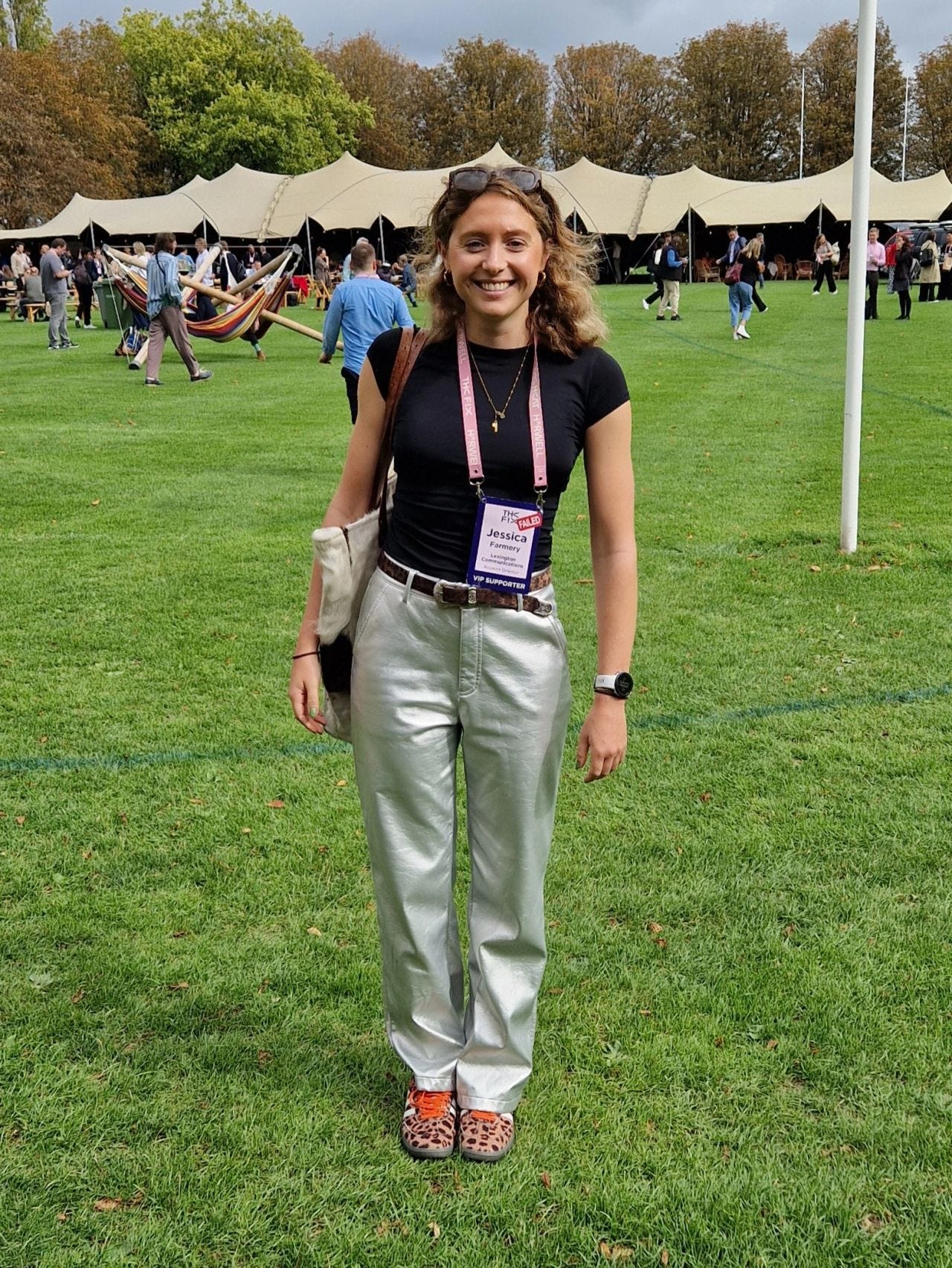
Not much space for bonus content this month, but I’ll shout out a couple of interesting things I’ve consumed:
👁️A slightly terrifying Guardian article about the proliferation of AI-generated deepfake TikToks and videos of doctors whose words have been manipulated to help sell supplements and spread health misinformation.
🤓One for the real PR nerds - a thesis paper written by Kimberly Oguilve Solís that draws on extensive research to present a structured framework to understand how media relations can support startup development and growth. I promise that reading this will help you win your next client!
🏃♂️➡️ And finally, a health comms treat on the PR Week podcast: Evie and Siobhan interview national treasure Joe Wicks and and Julia Bainbridge, partner at Freuds Group, who leads the health and behaviour change unit, about their recent public health campaign work and the shifting landscape of influencer comms.
That’s all folks - thanks for reading For Immediate Release in 2025!
No posts
Comments
Nothing yet. Say the first thing.
Sign in to join the conversation.