
As an undergraduate, I spent three years at Cambridge in centuries-old libraries devouring ethnographies in book-form and then writing essays about them. I loved how the style of writing and study transported you right into the lives of people and communities, providing a completely new perspective on what it means to exist in, and move through, the world.
So, this month, I’ve been rediscovering my love of ethnographic storytelling and learning about the powerful role it can play in health communications. The following interview with Nick Leon, an ethnography videographer, is definitely one of my favorite Substack pieces yet. I hope you find it as fascinating as I did!
Nick, who trained as a user-centred researcher in design, founded research and filming agency Naked Eye over 22 years ago. He describes his role as “bringing together ethnography and filmmaking to help organisations see and understand the reality of people’s lives”. Below, Nick explains his work, its meaning, and its impact, in his own words.
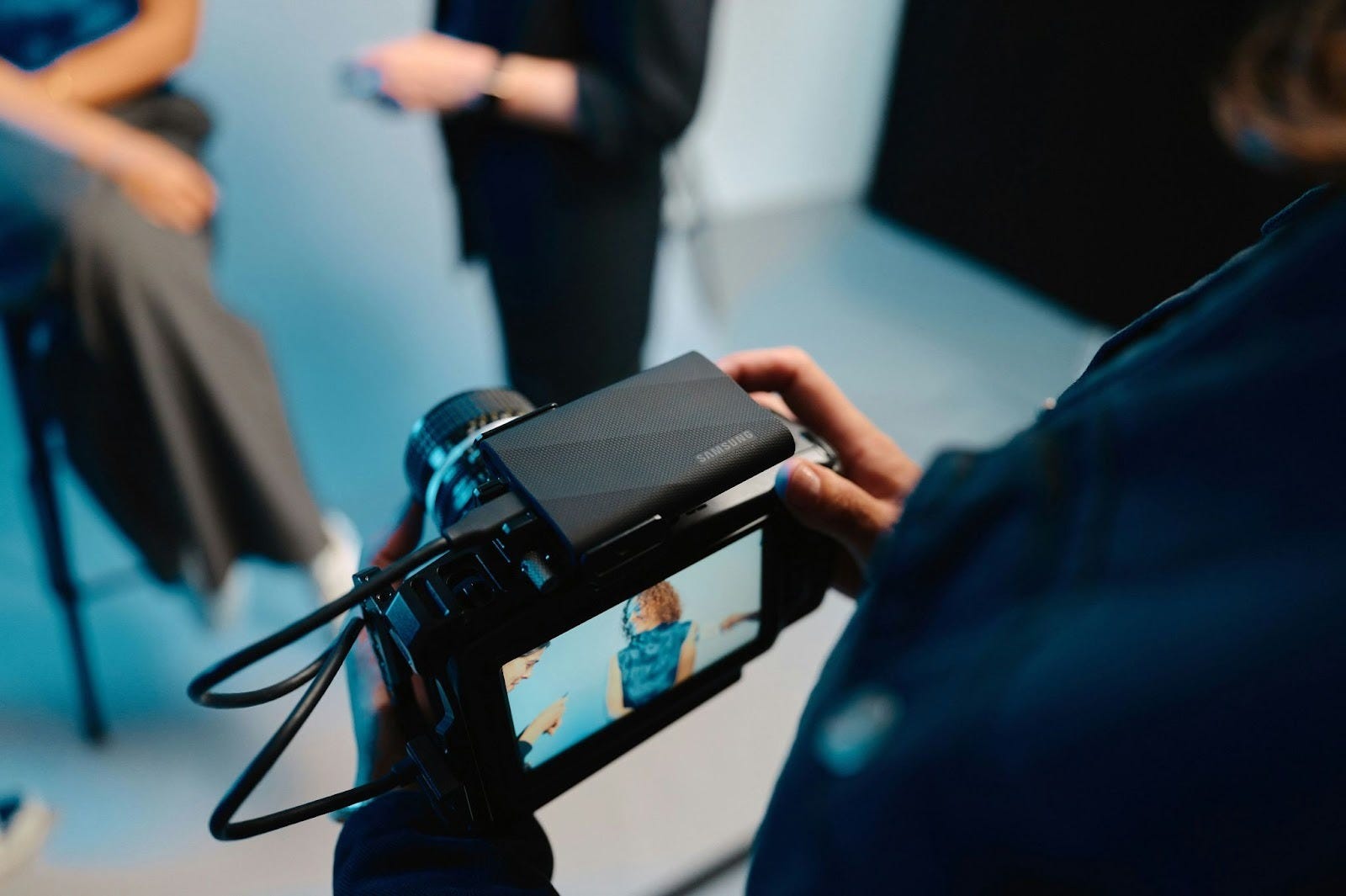
“The real-life behaviours and experiences of patients whether they are living with a rare or chronic disease is still relatively unseen. It’s incredible to hear some experts and healthcare professionals have never seen the reality of people with the disease they treat and how it really impacts their lives. My work shines a light on this.
“Ethnography is a way to study people. For decades ethnographic research, a qualitative research method with its roots in anthropology, has given organisations a way to understand the reality of the people who are their partners, customers, or end users. Ethnographers do this via observation, participation (walking in the person’s shoes), empathy, and by talking to the person about how they imagine their world.
“I spend time with patients in their home, on the go. Across different social situations, across different times of the day documenting their behaviour on film, making sense of what matters to them and how they see their world. Listening is a big part of it. Trying to make sense from their point of view, their motivations, frustrations.
“Like all of us, there are truths a person might feel but can’t articulate easily. Behaviour, context, language, culture, social norms - all offer a way into unlocking this.
“People don’t remember data and numbers. They remember human stories because they are relatable and engaging. They make audiences feel something. Video ethnography explains what numbers and data driven tools miss. They keep people’s real lives front of mind and when paired together both data and storytelling create greater trust and impact.
“Insight doesn’t come from measurement alone but from understanding the lives behind the data. Storytelling’s (and video ethnography’s) superpower lies in its ability to humanise data for stakeholders.
“My work helps comms and PR teams connect science to lived experience and to think in more human-centred ways. The value is in creating emotive, trustworthy content (stories, films, messaging) to support disease awareness and patient advocacy campaigns. Embedding patient-centred thinking across the organisation is also a big part of it.
“Projects that take you to different countries – particularly emerging markets or places that have distinct culture and relationships to heath - are fascinating for ethnographers and filmmakers. But equally I’m drawn to stories from anywhere that challenge assumptions.
“I once worked with a person that had spinal muscular atrophy. I filmed him in his home. Then a few weeks later speaking on stage at the World Economic Forum alongside the CEO of a Fortune 500 company. He wanted to be the first disabled astronaut to go into space. His sense and belief about himself, his ambition, what you can do with your life despite ‘obstacles’ is beyond inspiring. These experiences live and stay in your mind and change your perspective. So it’s not just about landing a message but challenging norms and convention. Those stories are always memorable.

“My advice for health communicators who want to tell patient, healthcare worker, or scientist stories in a more authentic and powerful way is always: spend more time with patients understanding their reality. Find stories that move you. Share them. Prioritise human connection and understanding real-world context over slick production or AI generic content. Use the learning and experience to shift your perspective, spark new connections, that change how you and others imagine the lives of people you want to learn from.
“It’s important that telling other peoples’ stories feels like a collaboration. Many patients say they don’t want their story to sound sad or downbeat, but instead hopeful and inspiring to others. So before a project begins, check your assumptions at the door and take time to ensure you’re telling their story in the way they want it to be told.
“I’m always deeply moved when people at the end of a project - whoever they are - tell me “Thank you for letting me tell my story”. It happens more than you might think. Filmmaking and ethnography, far from being intrusive, gives patients space and time to tell their unique story. The fact that comms agencies and clients can supercharge their reach gives them the impact they deserve.”
Huge thanks to Nick for sharing these reflections and advice - if you want to book a consultation with the Naked Eye team, reach out via email: nick@nakedeye.london
📰 The British Journalism Awards shortlist is out! Find the nominees and links to their articles here - some wonderful examples of the talent, persistence, bravery and creativity of UK journos.
📰 Another new tech media brand has launched, helmed by ex-TechCrunch editor Mike Butcher. Called ‘Pathfounders’, Butcher promises “informed reporting, analysis, and opinion on the top tech startups and VC firms across Europe, and their bridges to Silicon Valley” and a focus on “wider, under-reported, international tech startup ecosystem, from the Middle East, to Africa, Asia, and Latin America.”
👁️ Have scientists created a bionic eye? BBC Inside Science
🚺 What can we learn from the Government’s new women’s health strategy? Healthtech Pigeon
⚡PR friends - are you tired of being stuck behind the scenes, never getting the credit for client successes and struggling to articulate the value you bring to the boardroom?
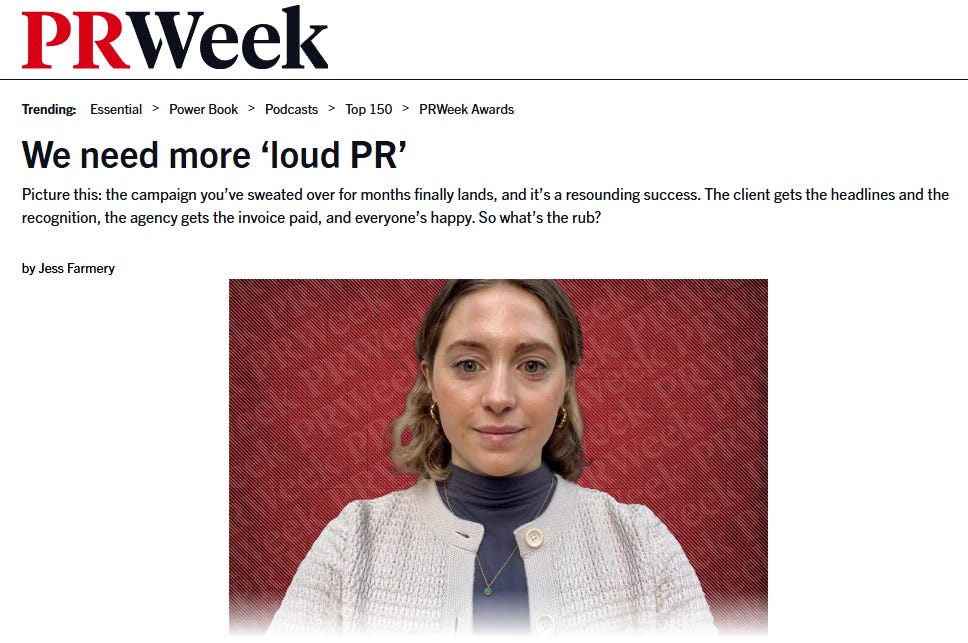
I wrote an article for PR Week this month calling for more ‘Loud PR’ - that means speaking up when our work has moved the needle, and using hard data to tell the story of the impact via as many channels as we can. Read it here, and let me know how you’re planning to put Loud PR into action this month.
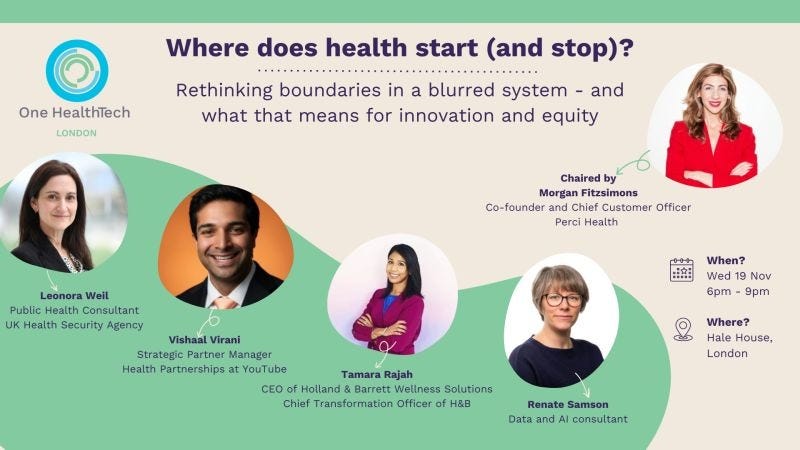
🎤 OHT London: Where does health start (and stop)? Rethinking boundaries in a blurred system - and what that means for innovation and equity
📅 Wed 19 Nov 2025, 6:00–9:00pm
📍 Hale House, London
🎤 Women’s Health Innovation Showcase: As part of London Life Sciences Week, this showcase brings together founders, investors, practitioners, and industry leaders to spotlight breakthrough innovation in women’s health
📅 Thursday 20 November, 8:30 - 13:30
🎤 PRCA Members Christmas Drinks: this annual event is always a great chance to celebrate the end of the year and reflect on highs and lows with fellow PRs
📅 3rd December, from 6:00 PM
Thanks for reading For Immediate Release. This post is public so feel free to share it.
No posts
Comments
Nothing yet. Say the first thing.
Sign in to join the conversation.