
Building a profile was, for a long time, something I would pour all my effort into doing for other people. After all, it’s bread-and-butter work if you’re a PR in health, tech or any other sector. It is easy to let your own professional identity sit on the back burner while you focus on the day job.
However, once I understood that having a professional personal brand is just as important for PRs as it is for our clients, I began to experiment with applying the same strategies and tactics I’d been using to help companies and founders. It was liberating to have free reign, and I felt a lot less stressed about getting it wrong!
Over the past few years I have invested a lot of time and energy into network-building, community-building, and trying my best to show up and build a reputation that reflects who I am and what I care about. It’s definitely been a steep learning curve and I’ve made plenty of mistakes along the way, but it’s unlocked exciting opportunities for me and for my clients and I’ve met many amazing people. In the spirit of paying it forward, I thought I’d share some advice for those of you looking to take the first steps in profile building in 2026.
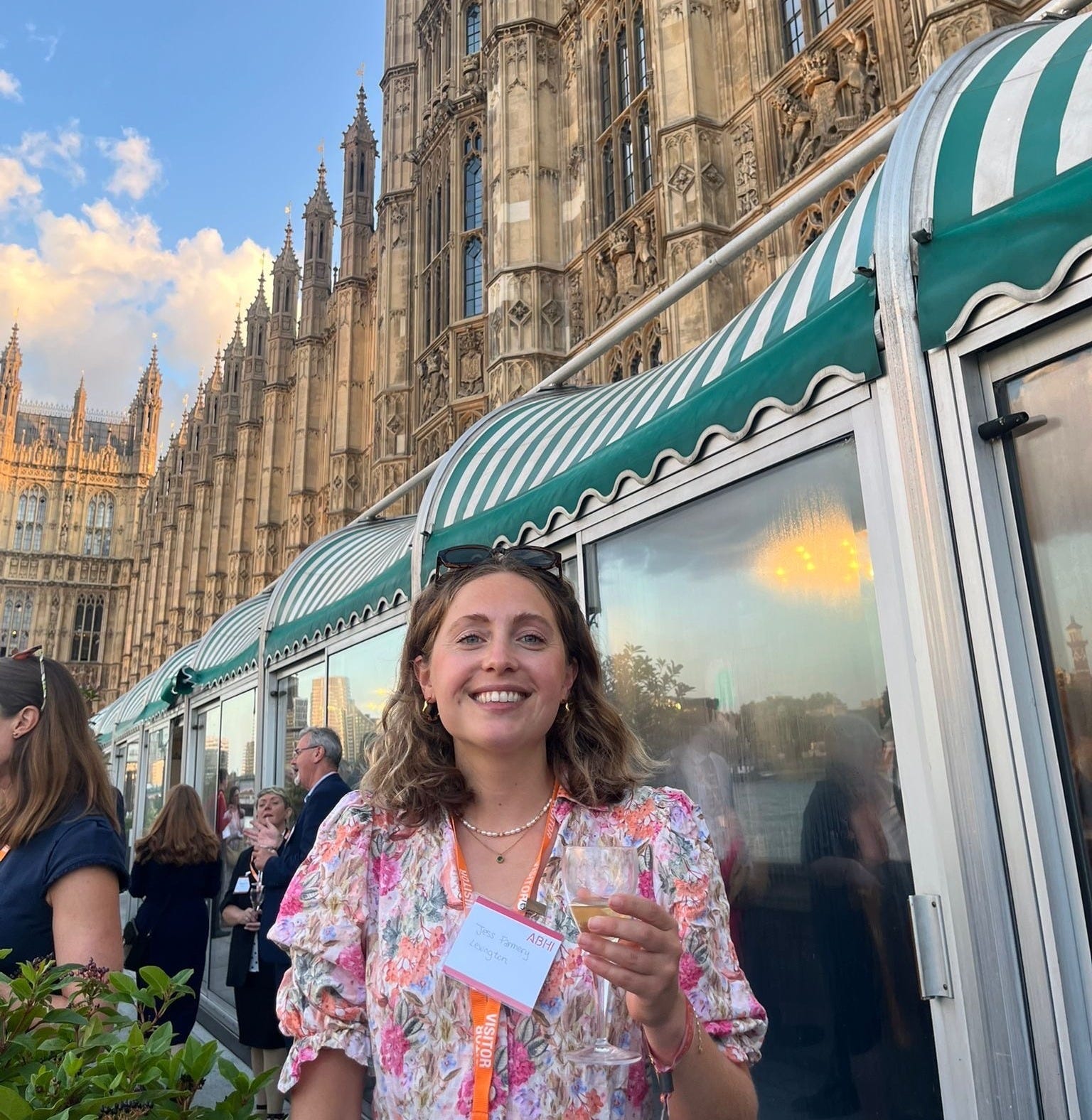
Scattered, ad-hoc activity rarely leads to meaningful connections. Start with a strategy!
What is your one line? The first question you’re going to be asked, 90% of the time at work events is “What do you do?”. Don’t just repeat your job title. Focus on the problem you solve. For example, instead of saying you are a Health PR, try “I help digital health startups communicate the value of their product to NHS decision-makers”. It is about being memorable and specific.
Identify your audience and your value-add Who do you actually want to talk to? If you are looking for a new role, your audience is hiring managers and recruiters. If you are a founder, it is investors and potential partners. Once you know who they are, ask yourself what you can offer them. Personal branding is not about shouting into the void; it is about providing value, whether that is sharing niche industry insights, curating relevant news, or offering a fresh perspective on health policy.
Choose your channels and pillars Do not try to be everywhere. For our sector, LinkedIn is the clear leader, but perhaps you find your community on niche Slack groups or Substack. Pick two channels and stick to them. Within those, define three ‘content pillars’: the specific topics you want to be known for. This keeps your output consistent and prevents wasted hours trying to think of ideas for a post.
I recently co-organised a panel event for One Health Tech’s London hub on a very similar topic: personal branding for clinicians. We heard from Dr Annabelle Painter, Dr Jonathan Andrews, and Alex Prinsley, who have all built significant profiles within the healthtech space.
The overwhelming consensus was that authenticity trumps metrics every time. In healthcare especially, credibility is the only currency that matters. Chasing viral posts or high engagement numbers is a distraction. Instead, focus on building trust. If you are a clinician moving into tech, talk about the realities of the frontline. If you are in PR, talk about the challenges of health communications. People connect with real experiences, not polished corporate speak.
But don’t take my word for it - hear what our guests learned from the session.
One of the best pieces of advice for anyone hesitant about LinkedIn comes from healthtech social media MVP Dr Zhong Wei Khor. He suggests a 90/10 approach: 90% of your spotlight should go on the issue you care about, and 10% on you.
In practice, this means the vast majority of your output should be about the industry/world you operate within: health equity, AI regulation, or NHS procurement, for example. This builds your reputation as an expert. The remaining 10% is where you get personal. This does not mean over-sharing about your last Hinge date disaster. It means sharing some of the human experience and emotion that drives you, motivates you, and makes you relatable. Why did you move into healthtech? What was a hard lesson you learned this week? This 10% is what makes people like and trust you, while the 90% makes them respect you.
If you want to move the needle on your personal brand before the month is out, here is a checklist of practical steps:
Update your bio: Ensure your LinkedIn headline reflects your one line rather than just your current employer.
Research five influencers: Find five people in the health, PR, or tech intersection whose work you admire. Follow them and, more importantly, engage with their comments.
Be active in communities: If you are in a professional Slack group or WhatsApp community, aim to answer one question or share one helpful link per week.
Commit to one event: Whether it is a formal panel or an informal coffee, get one in-person or virtual networking event in the diary.
Audit your pillars: Write down the three things you want to be known for and check if your last three posts or interactions reflect them.
Building a network is a marathon, but it starts with these small, intentional sprints. Personal branding is simply the act of making sure the right people know who you are and what you stand for. There is no better time to start than now.
PR Inspo

This brilliantly-executed integrated campaign from Saachi & Saachi for the British Heart Foundation saw 65 red benches across the UK, honouring 65 people who’ve survived heart disease and marking 65 years of lifesaving work by the BHF. The striking benches, each one with a human story, are a sure-fire PR hit across national, local and social media. Those photos!!
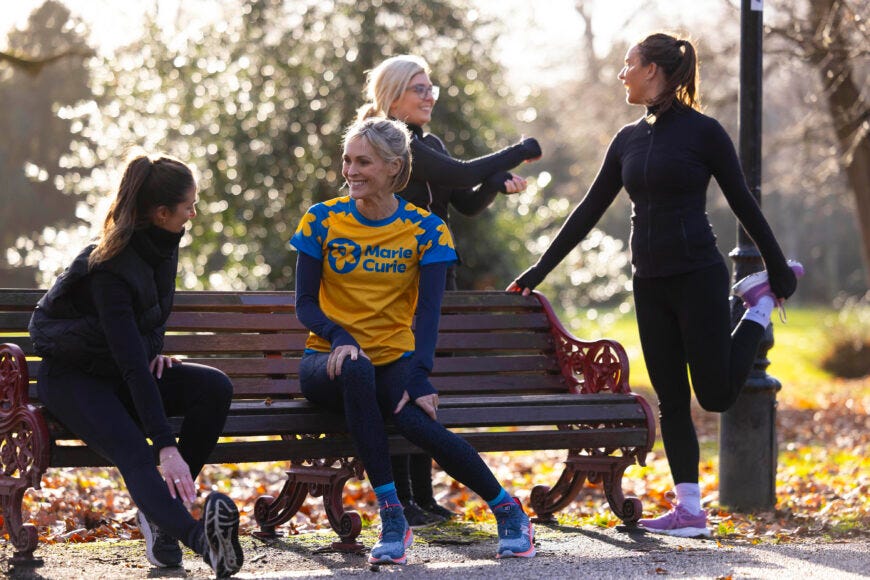
Marie Curie, the 2026 TCS London Marathon Charity of the Year, has partnered with running community Run Your Mind to launch ‘Grief run clubs’. The campaign by The Academy responds to new research revealing that over one in four people turn to running to cope with the death of a loved one. A great example of how real-world activations can be a force for good within communities, and perfectly aligned to Marie Curie’s position as a marathon charity.
📻 I’ve been listening to…
Too Much Information, a refreshingly honest podcast hosted by Issy Warburton that isn’t afraid to get right into the women’s health topics that are awkward, taboo, complex or silenced.
📘 I’ve been reading…
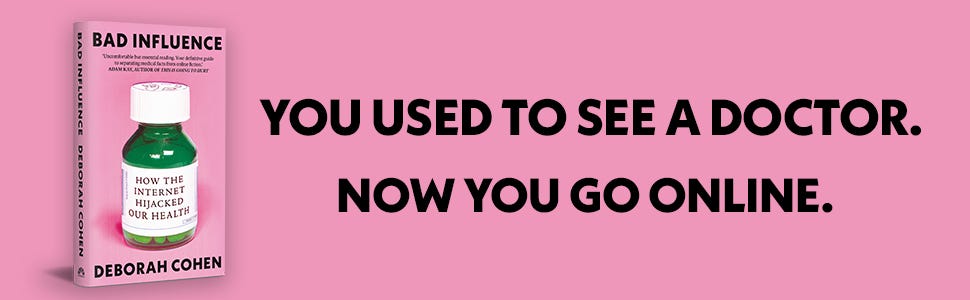
Veteran health journalist Deborah Cohen’s new book, Bad Influence: How the Internet Hijacked Our Health - a deep-dive into the commodification of health in an age of anxiety, asking if - and why -we can no longer distinguish medicine from marketing.
📲 Events in my diary for the next month…
28/01,Webinar from The King’s Fund: What’s in store for health and care in 2026?
28/01,100 Female Founders breakfast with Nexus and Barclays: Women’s health innovators, fundraising and GTM
29/01,Women in PR AGM
10/02,Bad Influence book launch hosted by LSE Health
11/02,One Health Tech breakfast at Hale House: The panel will be debating whether the patient’s voice is the most important voice in healthtech
24/02,100 Female Founders breakfast with Nexus and Barclays: Health Innovators, AI in women’s health
25/02,Women in PR Members Mixer
26/02,The Women’s Domain and CensHERship whitepaper launch event: Breaking the Digital Barriers in Women’s Health
Thanks for reading For Immediate Release! Send it to your pals, colleagues, and cousins…
No posts
Comments
Nothing yet. Say the first thing.
Sign in to join the conversation.