
The TV in my step-grandparents’ dining room was too big for the space. It sat in the corner like a third adult at the table, loud and certain, filling the room with a voice my step-grandfather trusted more than most people in his life. Rush Limbaugh. Or someone who sounded like him. A man explaining the world with the confidence of someone who had never been asked to question it.
We were there because of traffic. The commute from Van Nuys back to Palmdale was nearly fifty miles and some nights it wasn’t worth fighting. So we waited it out, squeezed around a table that felt small for the room, on chairs that felt small for the table, while the news played and the adults talked over it and through it and around it.
I was a kid who asked questions. That was my first mistake.
It didn’t matter what was being covered. The LA Riots, the Gulf War, something about a president and a decision that would be explained to me much later. What I remember is the pattern. I would ask why. Someone would start to answer. Then, reliably, the conversation would close with a phrase delivered like it was wisdom:
You’ll become more conservative as you get older.
It wasn’t an answer. It was a door shutting. A way of saying: your questions are a phase. Your discomfort is immaturity. Wait long enough and you stop noticing the gap between what you feel and what you say.
My step-grandfather was an immigrant from France. He had built a life here and Limbaugh had given him a language for protecting it, one that came with a convenient set of people to blame. The racism wasn’t loud. It was the ambient kind. It came out in the margins of news stories, in who deserved sympathy and who didn’t, in what “law and order” meant depending on whose neighborhood it was being applied to.
I understood, even then, that something was wrong. I didn’t have the words for it yet. I knew that the answers I was getting weren’t answers. They were instructions. Stop asking. Stop feeling. Wait until you’re old enough to stop caring.
I never did. I don’t think that makes me exceptional. I think it makes me someone who believed the adults who told me I could make the world better.
Here we are, thirty years later. Different wars, same accounting.
The U.S. defense budget hit $919 billion last year. The proposed budget for next year crosses a trillion for the first time. The Iran conflict, launched in February and still burning, has cost an estimated $10 billion in its first ten days. Roughly a billion dollars a day.
A single Tomahawk missile costs $2.2 million. That same $2.2 million could cover 775 children on Medicaid for a year.
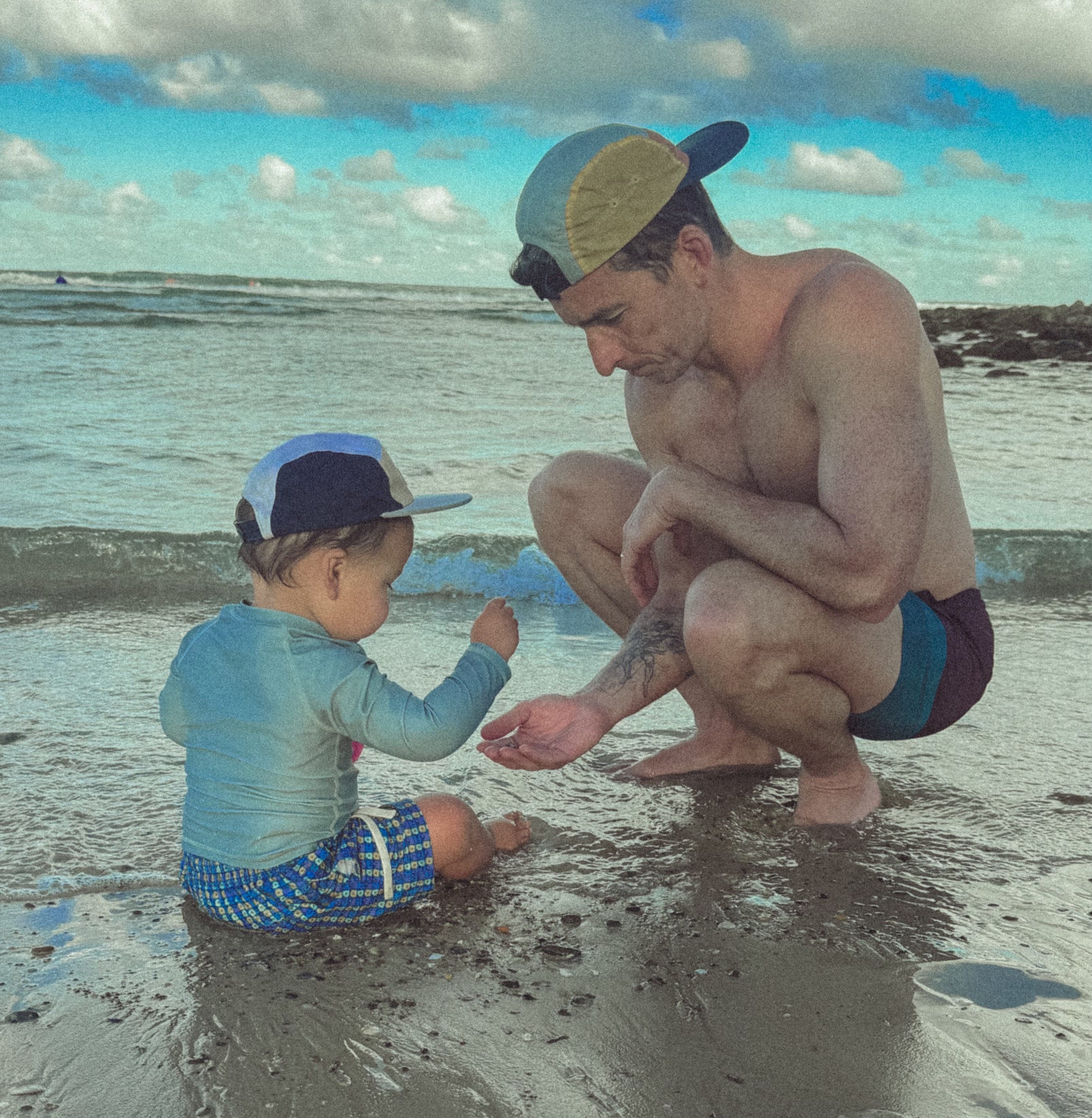
I’m not sharing that statistic to win an argument. I’m sharing it because I can’t unknow it. Because I have a son now, and he is going to sit at a table someday and ask why. I am thinking very carefully about what I say when he does.
The thing that haunts me about that dining room isn’t the racism or the Limbaugh or even the dismissal. It’s how easy it was for the adults in that room to live with the contradiction. To say we can’t afford to feed people while watching billions leave the country on missiles. To invoke the “greatest country on earth” while shrugging at its children going without. To hand a kid a phrase, you’ll understand when you’re older, that was really just permission to stop thinking.
That phrase wasn’t wisdom. It was a trauma passed sideways. A way of saying: I couldn’t reconcile this either, so I stopped trying, and I need you to stop too.
I don’t want to hand Rheo that.
Not the politics. Not even the conclusions I’ve reached. The thing underneath: the permission to keep asking. The refusal to make peace with contradiction just because it’s more comfortable. The understanding that caring at a high volume isn’t naive. It’s what you do when you’re paying attention.
Parenting confronts you with every version of yourself you’ve ever been. The kid at the table who didn’t have words for what he was feeling. The teenager who swallowed it. The adult who had to figure out what to do with what came up.
Now this: a man trying to raise a child in a world that is making the exact same arguments it made in that dining room in Van Nuys, from the same people who made them thirty years ago. We can’t afford it. Stop asking. You’ll understand when you’re older.
I keep thinking: older than what? Older than now? I’m staring at the same TV, the same accounting, the same sleight of hand, and I understand it better than I ever have.
What I understand is that the line was always a lie.
We can afford what we decide to afford. That has always been true. The question is who gets to make that decision, and who gets told to wait quietly until they stop asking.
I don’t know what my step-grandfather ever made of any of it. I stopped seeing that family when I was seventeen. What I know is that the voice in that corner of the room, certain, loud, incurious, shaped something in me. Not in the way it was supposed to. It showed me exactly the kind of man I didn’t want to become.
That’s something, I suppose.
Rheo is almost two. He doesn’t ask why yet. Not in words. He will. When he does, I’m going to try to do the one thing no one at that table could manage.
Answer him.

Comments
Nothing yet. Say the first thing.
Sign in to join the conversation.