
Dear Friends,
I can’t not start by telling you how the green here in the mountains of Southern Oregon is so lush and verdant that it almost hurts the eyes. We live in a Mediterranean climate, this is peak green, from here things will turn tan. Last week, I heard a tip about keeping one’s brain stimulated by choosing a color, say green, and then spending a period of time seeking that color in your day-to-day, while thinking about the various names for the different tones of that color. My whole landscape is green, so if I were to choose green it wouldn’t be much a challenge. And then it would be all the greens, deep forest greens, blue-hued greens on distant mountains, pops of chartreuse in the unfurling maple leaves, vivid kelly green meadows and fields, and the young, fresh, lime green leaves of the ash trees along the creek. In less than a month, I will be looking at shades of tans.
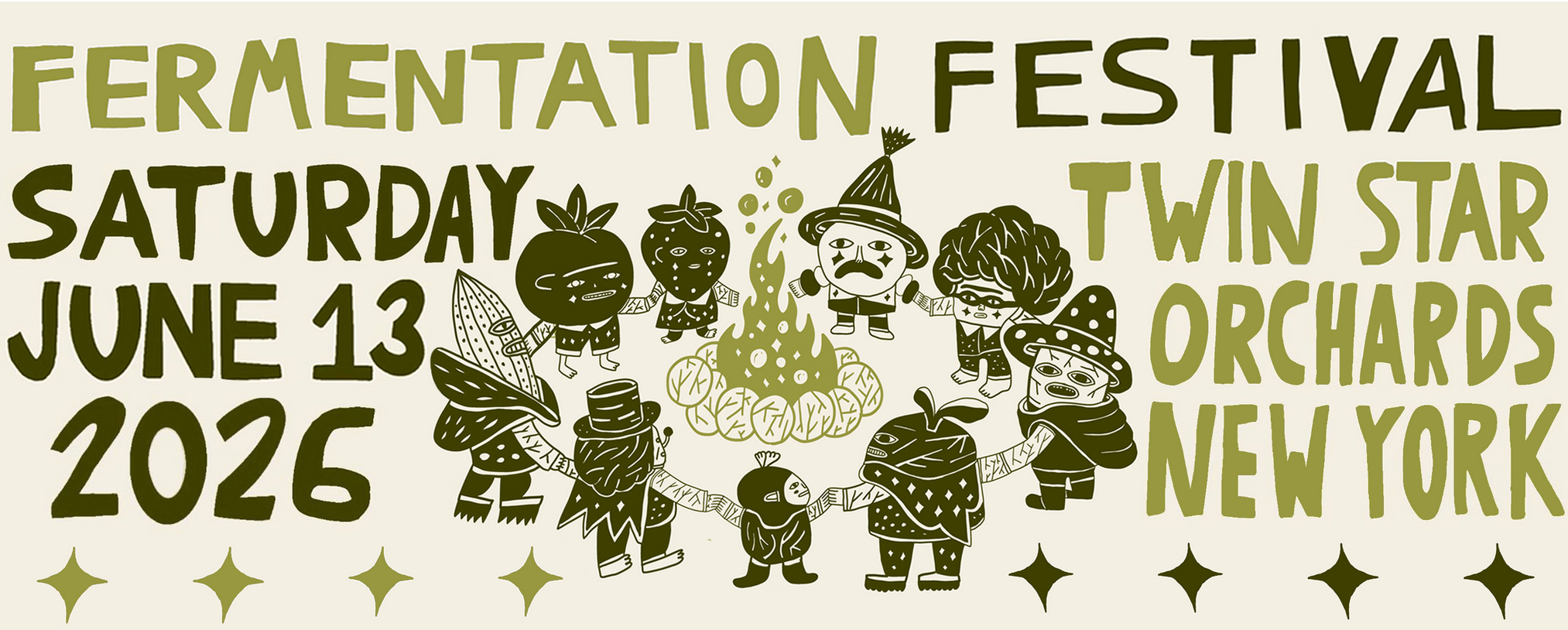
In exactly one month, I will be in the Hudson Valley of New York State, getting ready for a vinegar making class and fun at the Fermentation Festival at Twin Star Orchards. I hope you can join me.
Today’s post is from the Dear Fermentista Help Desk. Today, we will be looking at things that grow on top of ferments—is it mold or yeast, and can I eat it? And a question many of you may have. What else can I do with my fermented vegetables? (This includes some tips and a recipe.)
Remember, that as a paid subsciber you may submit your questions to me for guidance when you are just not sure.
Comments
Nothing yet. Say the first thing.
Sign in to join the conversation.