
Today, December 10th, marks International Human Rights Day, commemorating the adoption of the Universal Declaration of Human Rights (UDHR) on this day in 1948. Alongside fundamental political and civil rights, the UDHR recognizes the rights to education, medical care, social security, paid holidays, and an adequate standard of living, among many others.
Despite helping craft the UDHR, however, the United States has long been reluctant to take a rights approach to core social and economic needs. Unlike most constitutions globally, ours includes no protections for the rights to health, education, or income support. Our social policies reflect this same orientation: the US is one of just 7 countries globally with no paid maternity leave, and one of just 9 countries without paid sick leave.
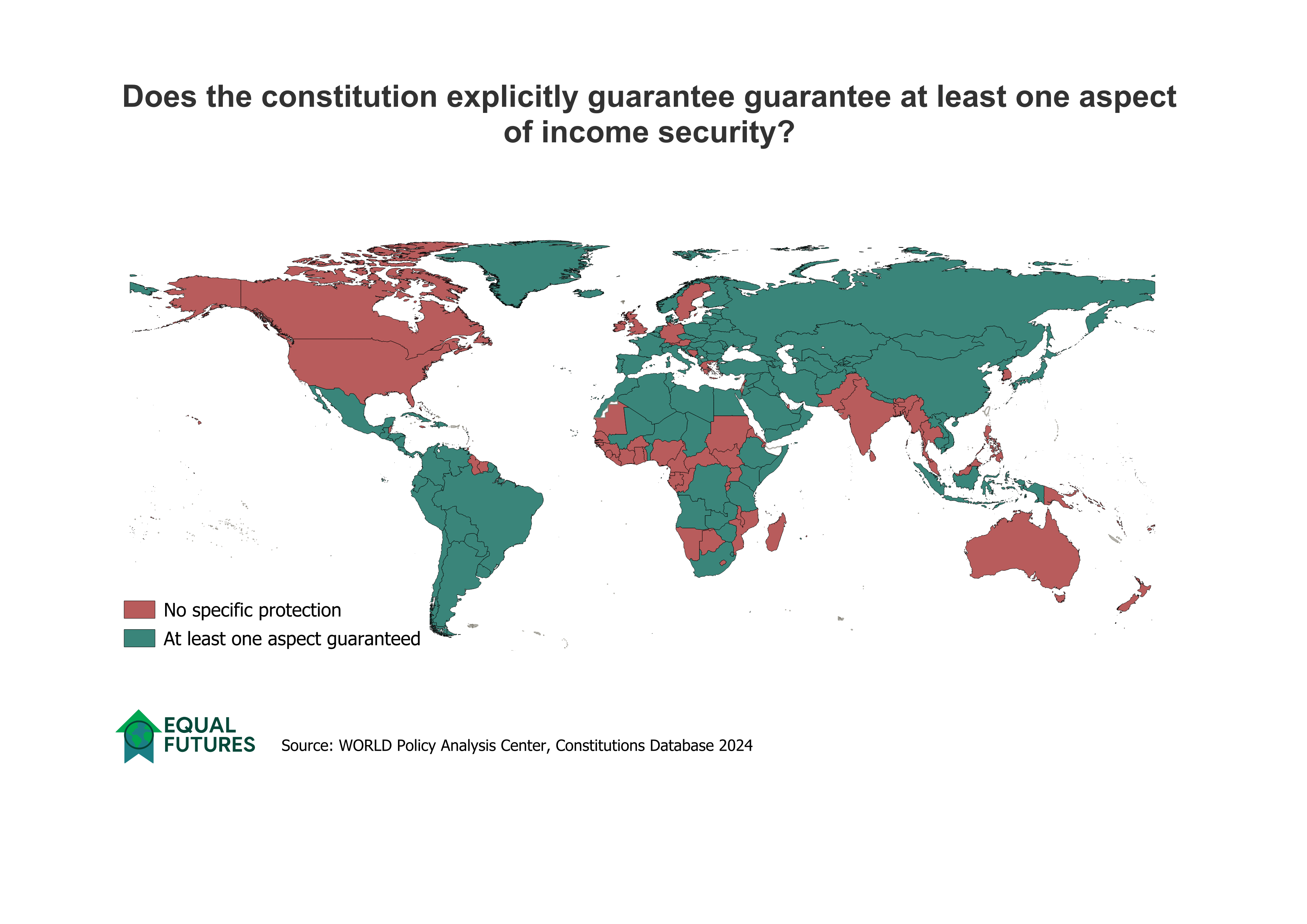
Meanwhile, Americans’ economic anxiety is surging, while trust in government is at its lowest in 70 years. Amidst these simultaneous crises, it’s worth asking: could taking a stronger approach to meeting households’ fundamental needs both ease the pain that so many are feeling and restore some faith in democracy?
The recognition that meeting fundamental needs matters to core American values has a long history. Some of the most influential leaders and strongest social movements in US history have made explicit claims to social and economic rights. Franklin Delano Roosevelt, noting that “true individual freedom cannot exist without economic security and independence,” called for a second bill of rights in 1944, which would include the rights to education, adequate income, housing, medical care, and social protection, among others. Likewise, Dr. Martin Luther King called for a “contemporary social and economic Bill of Rights,” which would include basic income as a human right–a key demand of the National Welfare Rights Organization (NWRO).
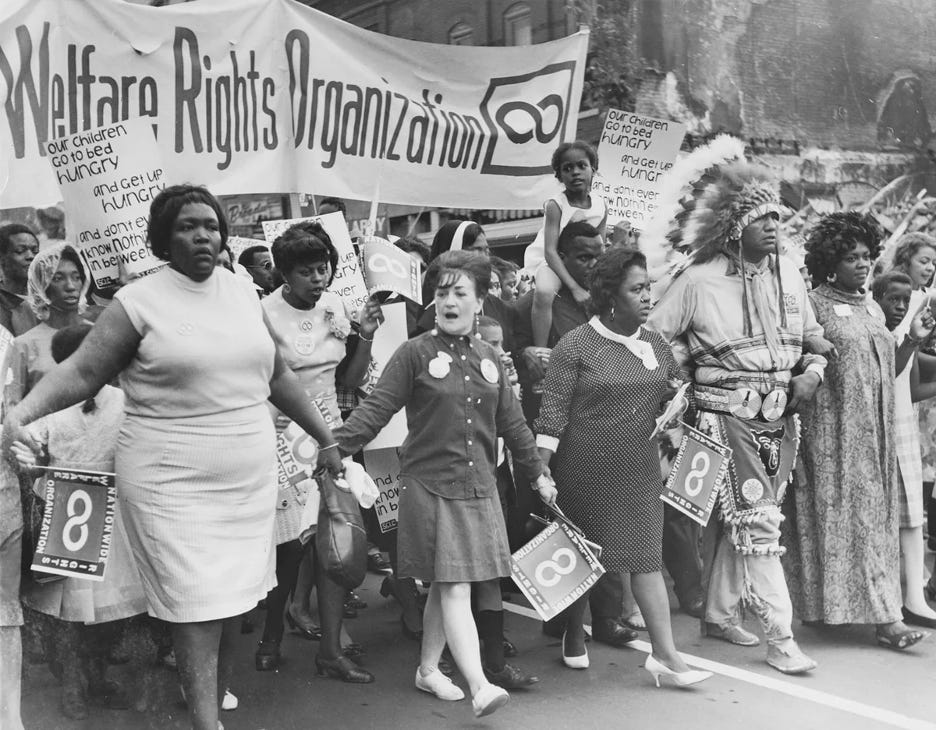
Nevertheless, these movements largely fizzled out by the late 1970s, hindered by broader backlash against the civil rights movement, an economic downturn, and a series of Supreme Court decisions limiting the potential of the US Constitution to address social and economic inequalities. These included rulings rejecting the idea that the Constitution guarantees a basic level of assistance, requires due process before benefits can be taken away, protects the right to education, or prohibits discrimination based on socioeconomic status.
Over the past several months, the consequences of the US’s failure to guarantee fundamental social and economic rights have been glaring. Amidst the government shutdown, millions of Americans lost access to basic food assistance overnight–a cruel and unnecessary policy choice that not only caused immediate harm but threatens to undermine SNAP long-term, as would-be participants understandably question its reliability. Lower uptake of government services is a known indicator of distrust in government. And even with funding restored, newly expanded work requirements going into effect in December—which eliminate exemptions for older adults, veterans, unhoused people, and youth aging out of foster care, among others—will end SNAP benefits for millions.
Meanwhile, the imposition of work requirements for Medicaid is expected to strip health insurance from over 5 million adults, despite overwhelming evidence these requirements are costly and don’t work. This policy choice will have devastating consequences for health; it may also diminish political engagement. As documented by political scientist Jamila Michener, “When Medicaid is administered via processes that are belittling and degrading, beneficiaries come to believe that it’s hopeless to try to change the system, or influence the world.”
Can the tide turn? Some signs point in that direction. In New York, voters overwhelmingly favored a mayoral candidate who campaigned on reducing housing costs and strengthening the provision of public goods like transportation and childcare. In Virginia and New Jersey, similar messaging around affordability widely resonated. Polls of young voters indicate they want the government to do more, not less, to meet fundamental human needs, while the share of Americans who believe providing healthcare is a government responsibility has surged to its highest level in a decade. Guaranteed income pilots are proliferating around the US, elevating the same messages around agency and autonomy that the NWRO did some 60 years ago. And even though enshrining social and economic rights in the US Constitution is unlikely to happen anytime soon, states have been enacting some important provisions of their own.
One thing that the UDHR makes clear is that human rights are indivisible and interdependent. The fulfillment of basic needs–adequate food, housing, and healthcare, among others–is a prerequisite to the ability to fully participate in civic and political life. Moreover, there’s a feedback loop there: when governments meet the needs of their citizens–and treat them with dignity in the process–voting and political engagement increase. If we want to protect our democracy amidst unprecedented threats, people first need to believe that it can actually work for them.
No posts
Comments
Nothing yet. Say the first thing.
Sign in to join the conversation.