
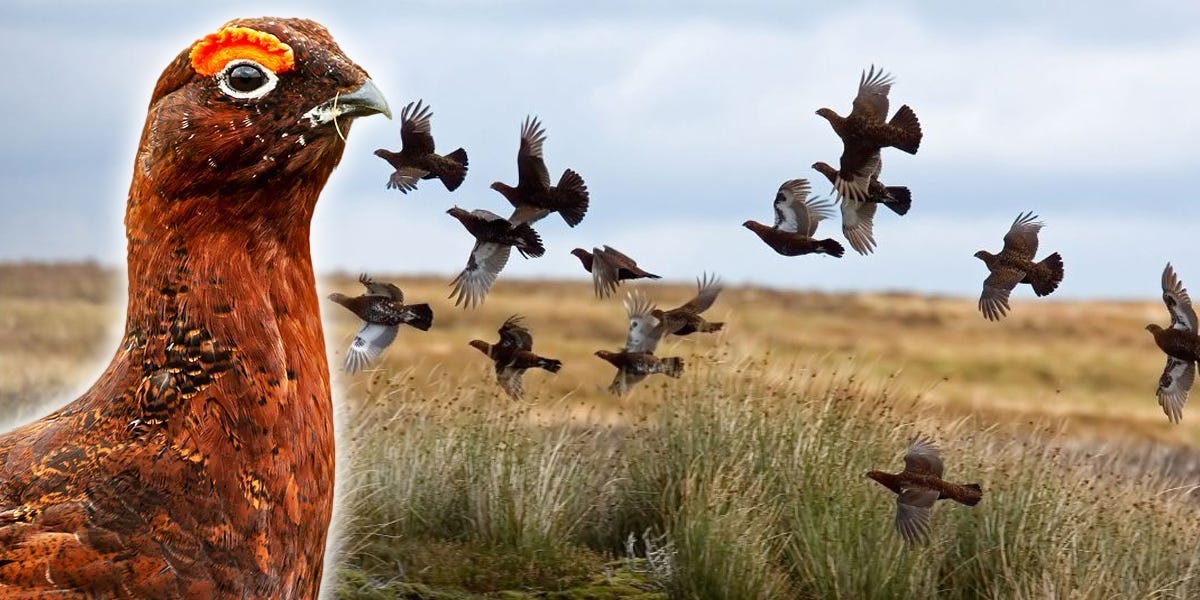
Every August, as the “Glorious Twelfth” is toasted in shooting lodges across the uplands, a different reality unfolds on the moors: lines of guns waiting for beaters to drive terrified Red Grouse into the air, so that clients can shoot as many as possible before lunch.
There is nothing glorious about it. It is time we all used the term popularised by Mark Avery over a decade ago - the ‘Inglorious Twelfth‘.
Let’s explain why…
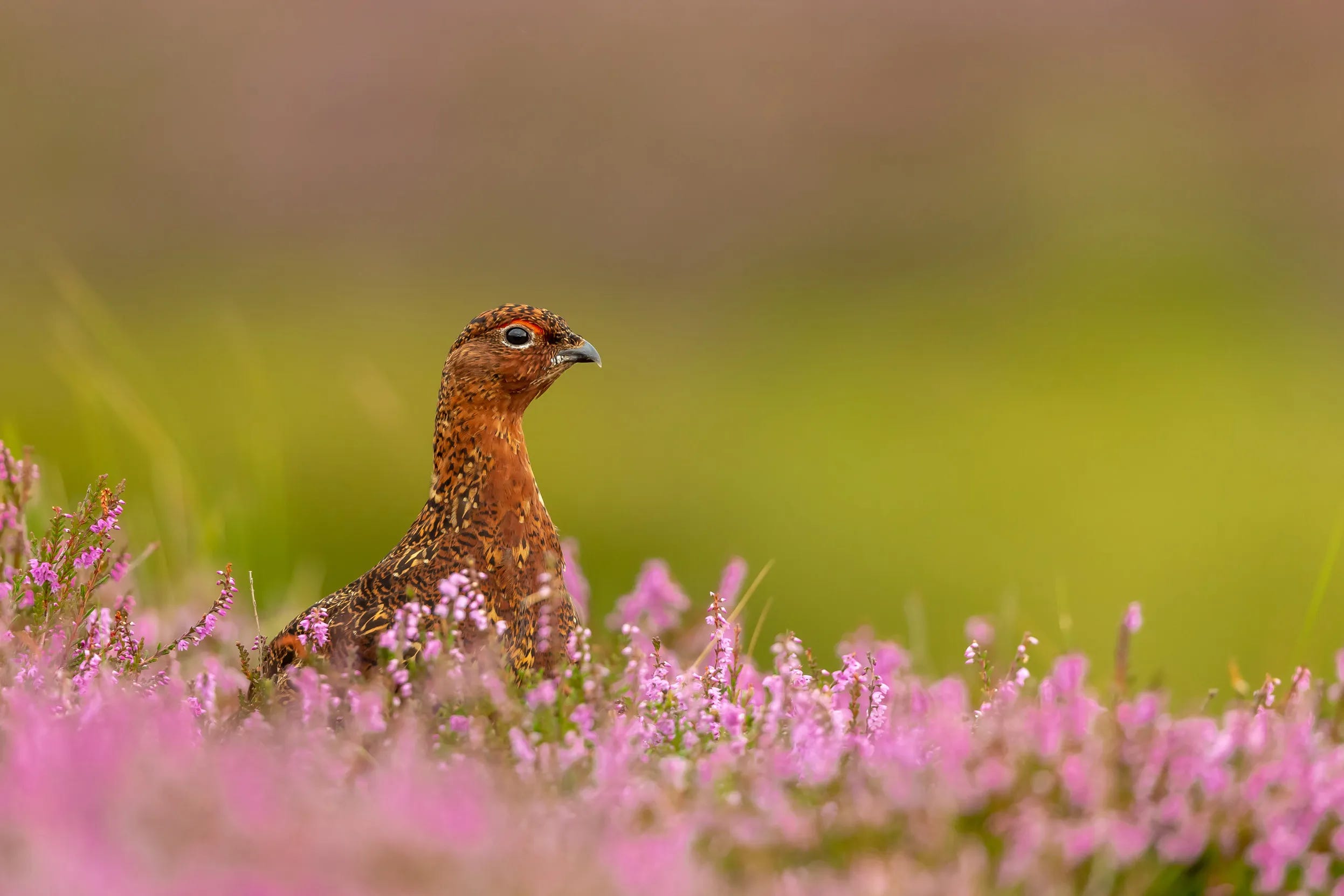
Red Grouse are one of only two bird species endemic to Britain and Ireland. They are found nowhere else on Earth. A bird found here and nowhere else is treated not as a national treasure but as a live target, bred in artificially inflated numbers purely so that paying clients can blast them out of the sky.
Hundreds of thousands of Red Grouse are shot dead every year to service a pastime that most of the country never asked for and increasingly wants to see the back of.
That, alone, should give any society that claims to value its wildlife pause, but grouse shooting does not only impact Red Grouse. It requires an entire, brutal infrastructure to keep grouse numbers artificially high enough for a day’s “sport” to be worthwhile - and that infrastructure is where the real cost is paid, by species that have nothing to do with the guns at all.
Birds of prey are the most obvious casualties. Hen Harriers, Golden Eagles and other raptors prey on grouse, so on many estates they are illegally trapped, poisoned or shot to protect the “stock.”
Satellite-tagged birds vanish over grouse moors with grim regularity. A 2025 RSPB report – titled unambiguously Hen Harriers in the firing line – stated that record numbers of Hen Harriers were illegally killed or went missing in suspicious circumstances over the past five years, and that the majority of the 102 incidents occurred on or near grouse moors. It also said that the average life expectancy of a young Hen Harrier in the UK is now just 121 days.
A report by the Cairngorms National Park published in 2025 stated that the estimated number of Peregrine pairs within the National Park had declined by 56% since 2002, and laid the blame on - amongst other things - “upland management factors”, ie grouse shooting.
This is despite legal protection for birds of prey stretching back over seventy years. The problem isn’t a gap in the law. It’s that gamekeepers keep breaking it, on land that is vast, private and almost impossible to police: a majority of individuals convicted of raptor persecution are connected to the shooting industry, with over half actively employed as gamekeepers at the time.
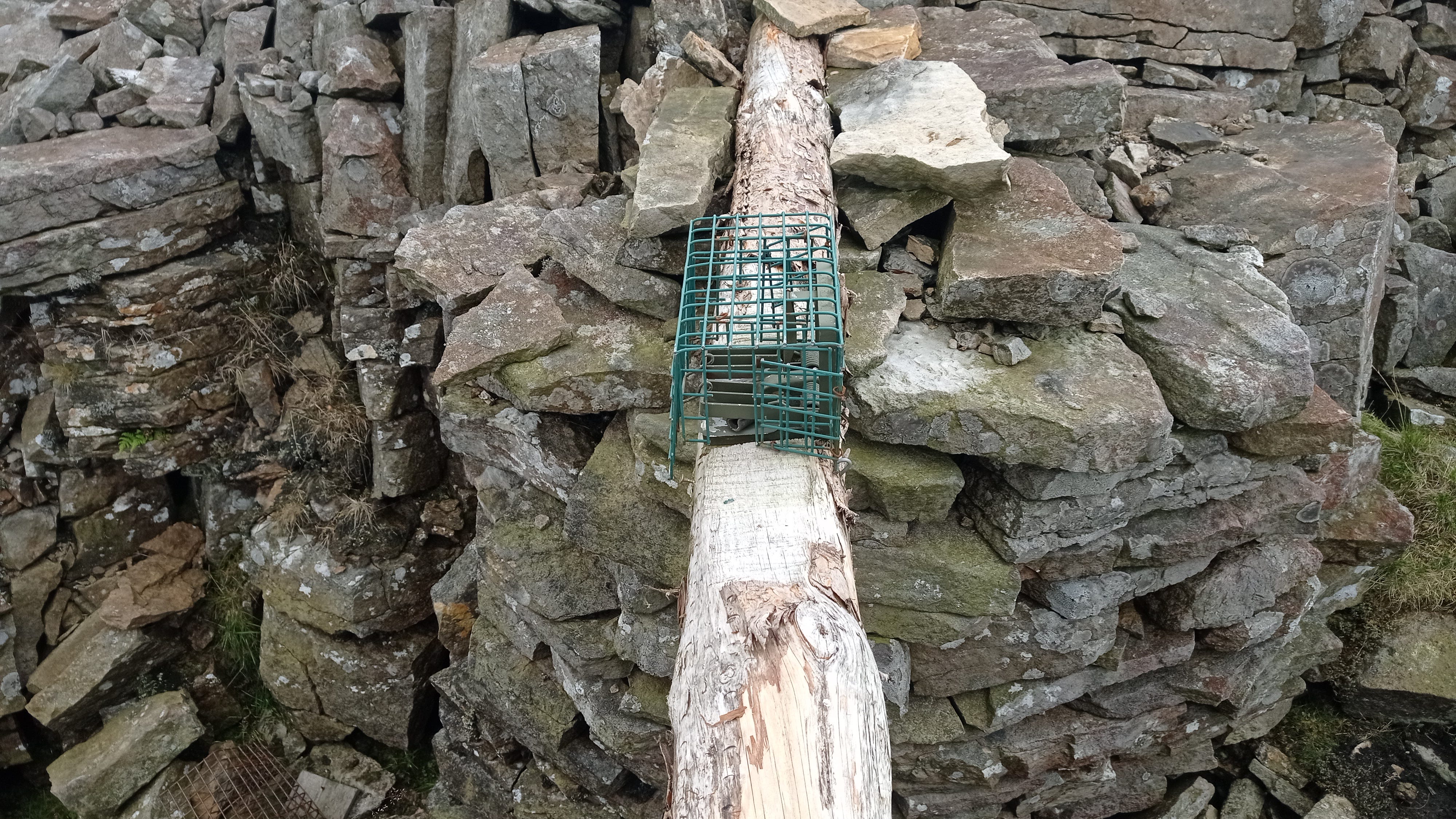
Raptors aren’t the only targets, of course. Snares and Fenn traps are set across the uplands in their thousands to kill foxes, stoats, weasels and corvids - native predators that have lived on these moors since the last Ice Age. These wild animals are trapped and killed in huge numbers, not because they threaten anyone, but because they might eat a grouse chick before a client gets the chance to shoot the adult.
An entire native ecosystem is being suppressed to ‘protect’ one species for slaughter by so-called ‘sportsmen’.
Muirburn is the deliberate burning of heather moorland to create the tender new shoots grouse feed on. Much of this burning takes place on peatland - Britain’s largest terrestrial carbon store, built up over thousands of years.
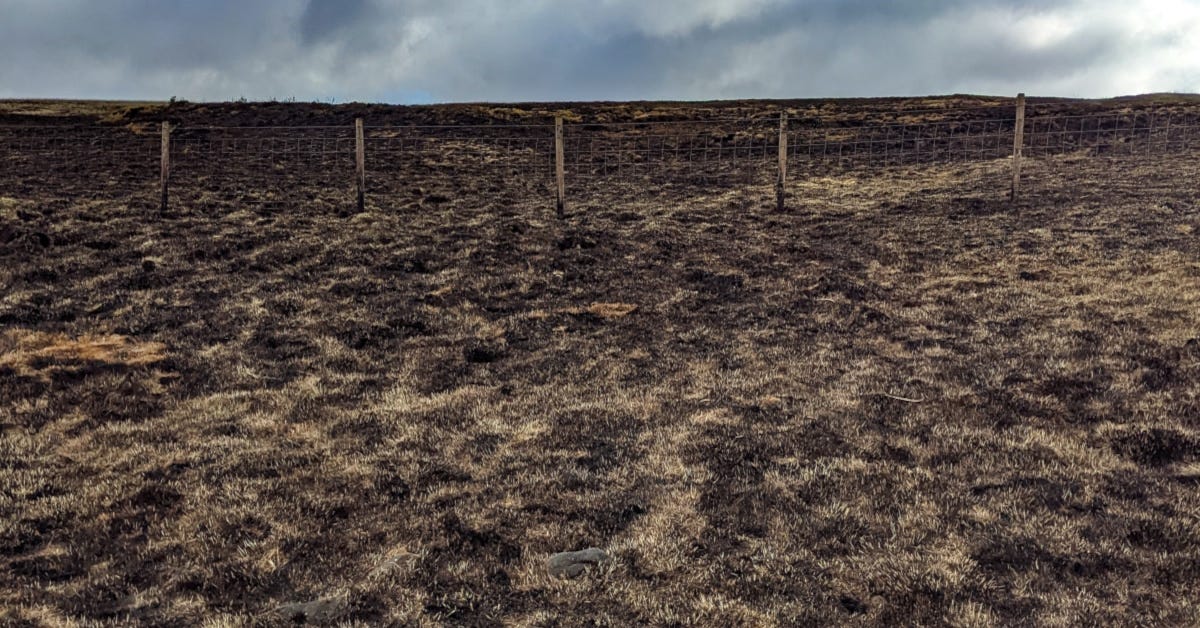
A 2026 study by the RSPB and the University of Leeds found that burning on moorland in the UK, largely carried out to support “recreational shooting”, led to almost one in five people in affected areas being exposed to unsafe levels of pollution. The scientists said that on days burning took place “millions of people” were exposed to increased pollution with PM2.5 concentrations exceeding World Health Organisation air quality guidelines.
As well as creating air pollution, burning dries out and degrades peat, releasing stored carbon, and damages the moor’s ability to hold water, increasing flood risk downstream.
Grouse moor managers will point to sustainable-burning guidelines, but guidelines mean little when enforcement is as weak as it is for raptor persecution, and vast stretches of upland Britain already lie parched and degraded as a result of climate change. Just when we should be protecting peatland as a climate solution, continuing to burn moorland purely so more birds can be shot is not just cruel; it is indefensible.
None of this happens without the client. Every part of grouse shooting’s savage machinery is switched on for one reason: because someone is willing to pay to walk onto a moor and pull a trigger. Take away the client, and the whole apparatus has no reason to exist.
That is the plain arithmetic of it. Nobody is forced to book a day’s shooting. It is a choice, made for pleasure, by people who could not care less what it costs everyone else - the eagles, the harriers, the burned peat, the pollution drifting into the towns below the moor. It is no different to getting behind the wheel after a bottle of wine: perfectly aware, entirely avoidable, and utterly indifferent to who pays the price.
The industry’s blood is on their hands.
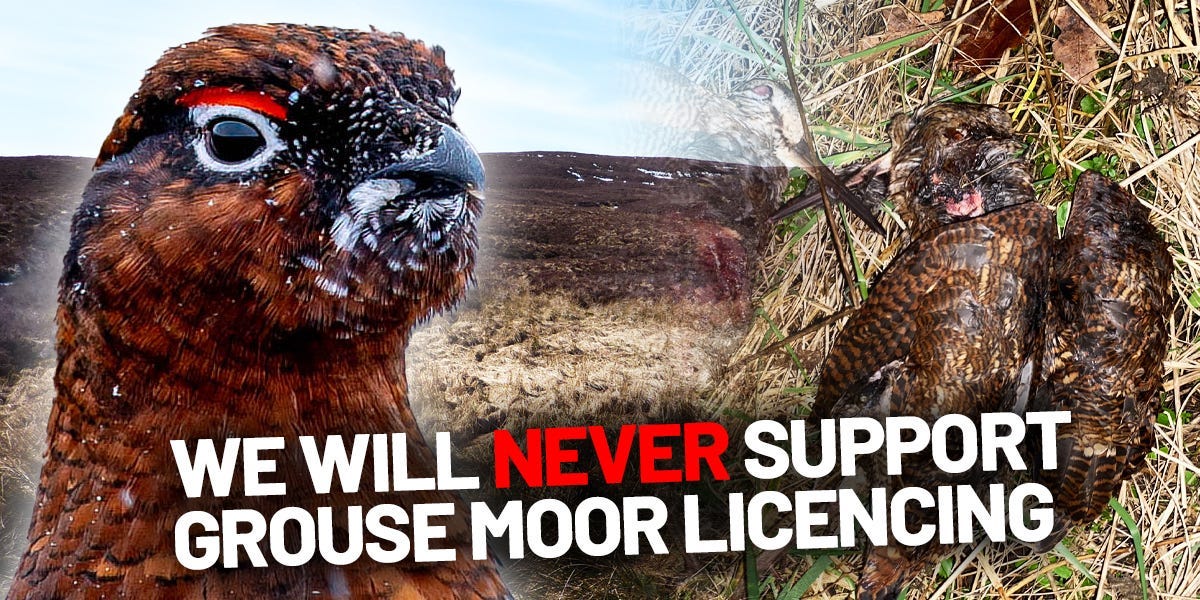
Organisations like Protect the Wild, through its End Bird Shooting campaign, reject the idea that licensing grouse moors - as introduced in Scotland under the Wildlife Management and Muirburn Act - is any kind of solution. We call it a “licencing lifeline” because that is exactly what it offers a dying industry.
Licensing does not stop a single grouse being shot, does not stop predator traps being set, and does not stop the burning. It simply hands an anachronistic pastime an official stamp of approval and legitimacy, and makes it harder, not easier, to ban outright.
If anyone remains unconvinced, Scotland’s licensing system was meant to curb raptor persecution, yet within months regulators had already caved to pressure from estate owners and shrunk the land it covers. Killings have continued regardless.
There is nothing remotely ‘glorious’ about August Twelfth. It’s a date which is entirely synonymous with the killing of endemic birds, the trashing of the uplands, and making as much money as possible on moorland estates owned by so-called ‘aristocrats’ or hedge funds.
But it doesn't have to be this way. Across the UK, a different kind of upland is already taking shape - moors where heather is left to grow tall instead of being burned back, where native woodland is creeping up the glens, where beavers are re-engineering rivers, and Golden Eagles are being reintroduced rather than shot out of the sky.
Rewilding projects from the Cairngorms to the Tarras Valley are showing what these landscapes can become when they're allowed to be wild again: richer in wildlife, better at storing carbon, better at holding back floodwater, and open to everyone rather than fenced off for wealthy clients each August.
That is a genuinely glorious use of the uplands - not driving terrified birds into gunfire, but letting the land breathe again.
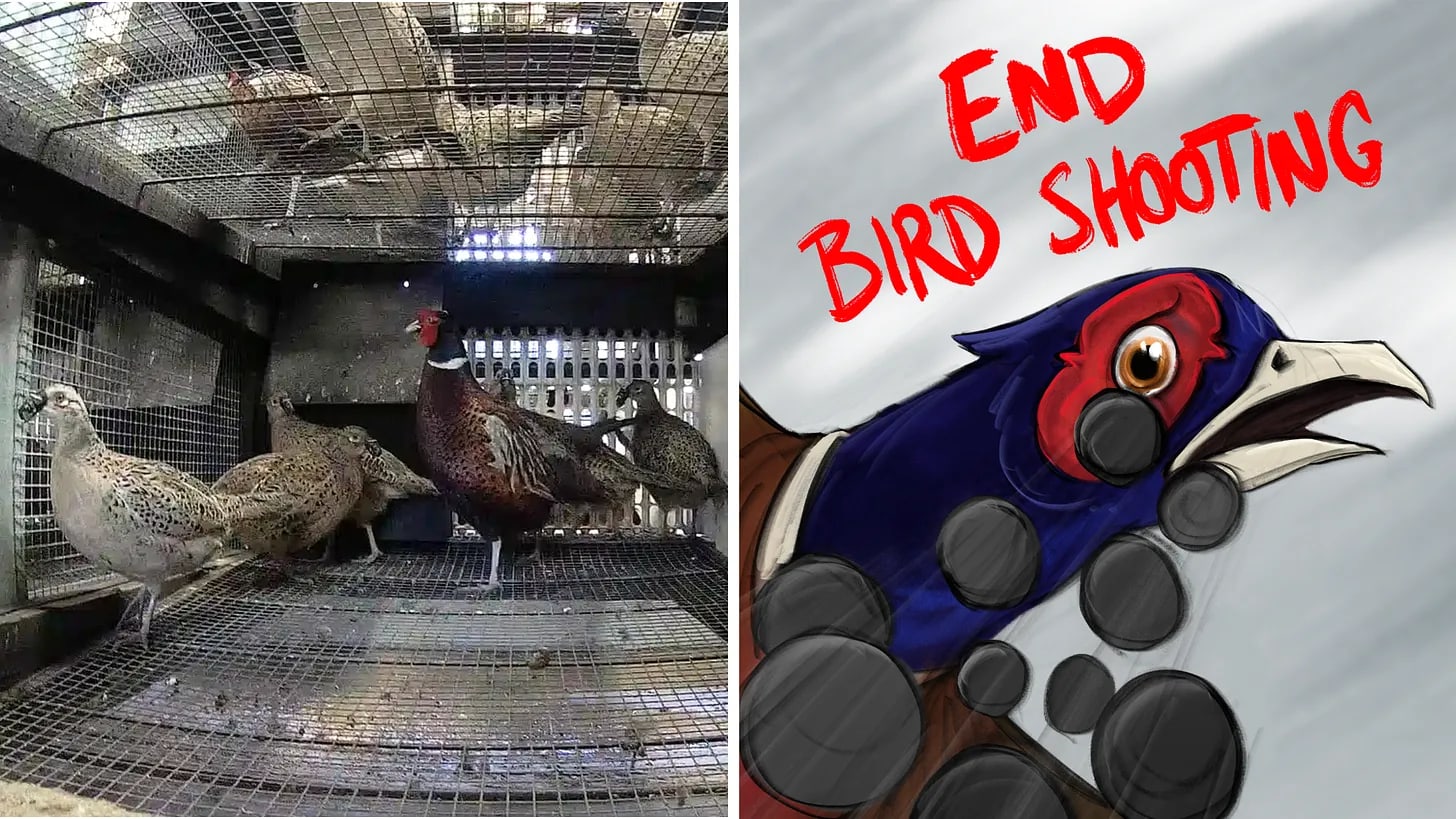
Over the coming months our campaign will look at the shooting industry at every level. We will highlight the suppliers — the farms, hatcheries, importers and breeders producing tens of millions of birds under conditions that would provoke public outcry if applied to any other animal. We will expose the providers — the estates and syndicates that take those factory-farmed birds and sell the experience of killing them as leisure. And we will look at the clients — the paying guns who are fully aware of the wildlife crime, the trapping of native predators, and the mass suffering involved, and who have decided that none of it is reason enough to stay away.
This industry survives because suppliers supply, providers provide, and clients pay. We intend to examine them all.
We are working to END BIRD SHOOTING. This suffering has to stop. Please share this article. Share our socials. Follow us for updates.
We are asking you to become a Game Changer. To stand with us as we take this fight forward, week by week, piece by piece, until the public, the media and the politicians can no longer look away.
This is the beginning. Please be a part of it.
Comments
Nothing yet. Say the first thing.
Sign in to join the conversation.