
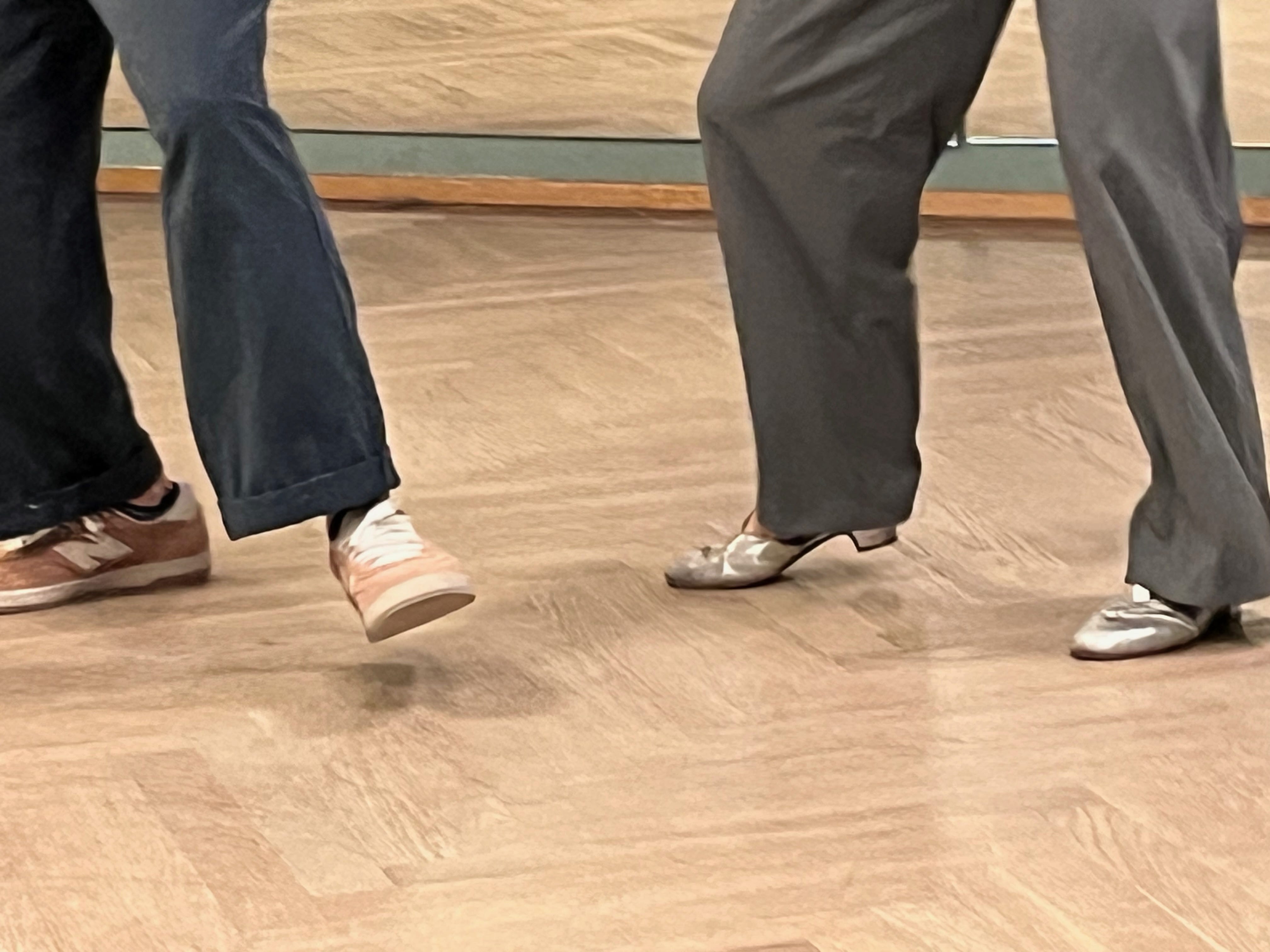
Who is the best dancer? The person who looks at their feet and counts the beat out loud or the person who listens to the music and trusts their body will keep time?
Who is the more compelling speaker? The one who checks their notes and stammers when they make a mistake, or the one who talks from the heart and believes they know enough to answer a tricky question?
Good communication is not just about being correct, it is about creating connection. The best way to do that is to show something of yourself, even if you stumble.
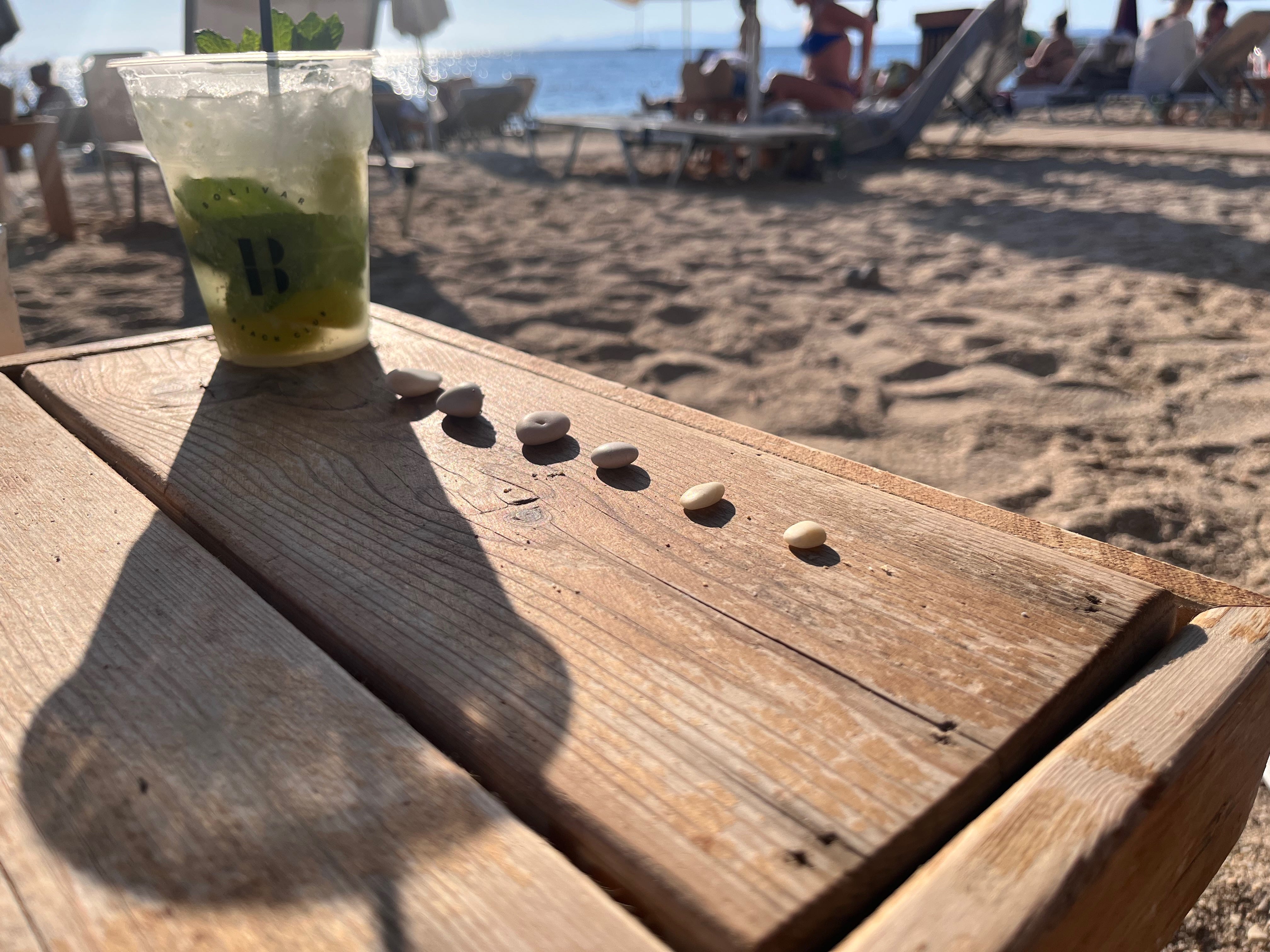
I put the “winging it” philosophy into practice when I spoke at a journalism festival in Athens last year. Of course I prepared talking points and slides, but rather than spending the night before inside learning my lines, I treated myself to a sundowner at the beach. I was more relaxed, and more myself, the next day on stage.
In workshops I run to prepare senior leaders for media interviews and public speaking, the people who struggle most are the ones who are most worried about making a mistake. And that is often the women in the classroom.
During one such workshop at a big international organisation, I introduced a classic framework to help improve communication known as the “message house”. The roof of the house is the overarching theme, held up by several core messages, or pillars, which rest on a foundation of data or evidence.
I asked participants to use this idea to prepare talking points on a topic of their choice a day before I grilled them for a practice interview in an intimidating TV studio.
When the spotlights were on, who was the more convincing on screen? The people who arrived at the studio late with no notes and little apparent preparation or the people who clutched crumpled pages of prepared answers, who tried to reproduce phrases they had stayed up late to learn?
No prizes for guessing the gender of the overprepared perfectionists. Nor for guessing who came across as more relaxed, authentic and authoritative.
In retrospect, the last thing these senior women needed was more preparation or more homework. Instead, I should have given them a crash course in the benefits of winging it a bit more like their male colleagues.
“Everybody out there is winging it to some degree… the difference between the amateurs and the professionals is simple: The professionals know they’re winging it. The amateurs pretend they’re not,” writes Amanda Palmer in The Art of Asking.
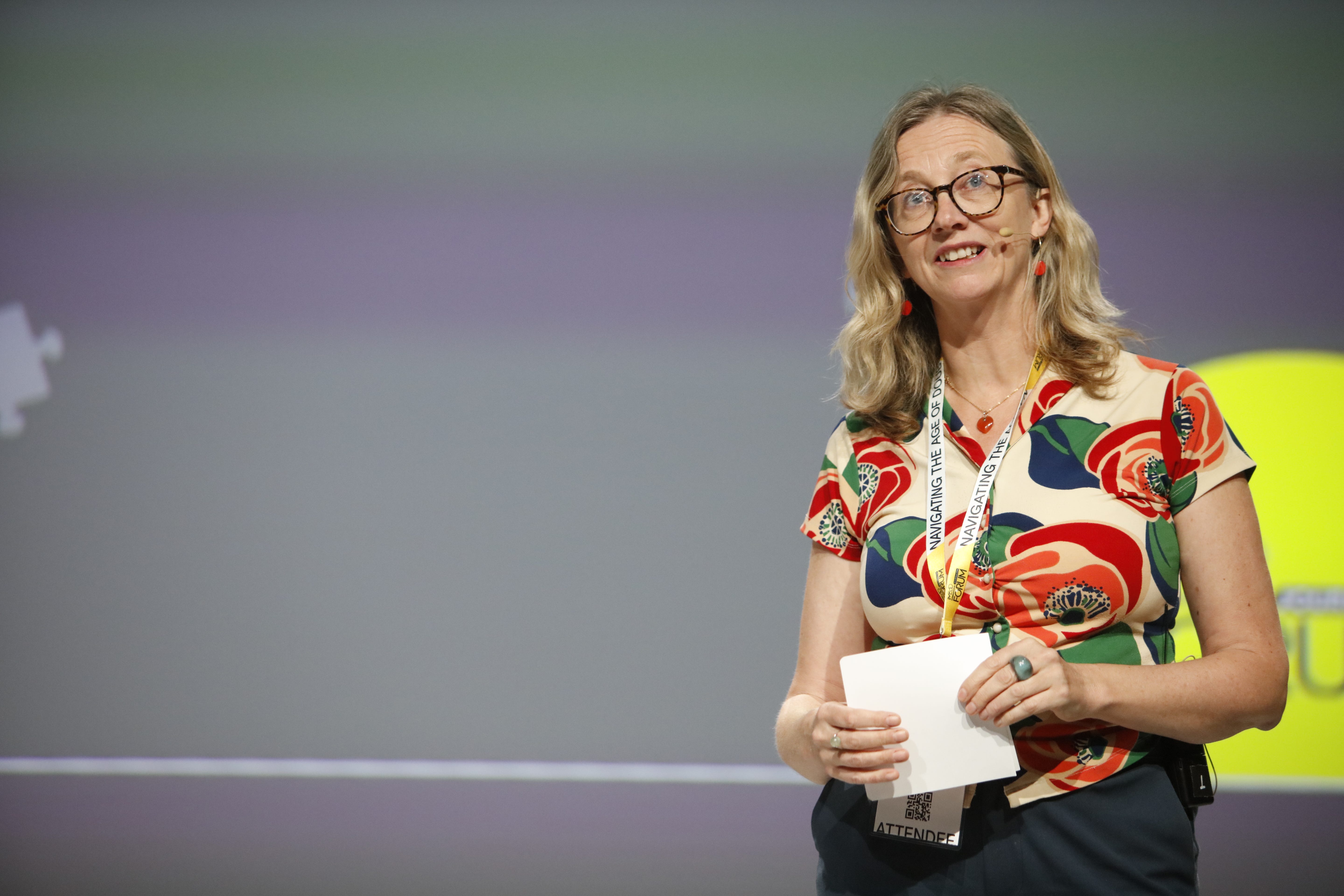
In the TV studio, I encouraged one of the nervous women to put away her notes and reminded her that she is a world expert in her subject, with a PhD and more than 20 years of experience. The pep talk worked: she relaxed into her chair and even told a personal story. However, when we watched the recording back, she could only see her minor factual errors rather the warm and engaged impression she made.
The performance of these men and women at my workshop reminded me of the contrasting styles of Donald Trump and the expert lawyers who ran against him for the presidency – Hillary Clinton and Kamala Harris. Trump tried to score points in the presidential debate by saying that Clinton had missed days off the campaign trail to overprepare. Of course, Clinton was ready with a comeback: “I think Donald just criticised me for preparing for this debate,” Clinton said. “And, yes, I did. You know what else I prepared for? I prepared to be president. And I think that’s a good thing.”
I am not suggesting that preparation is a bad thing, or that I prefer Trump’s bluster to Clinton’s steely intelligence, but meticulous preparation only takes you so far and it does not always help project authority.
“Ignorance more frequently begets confidence than does knowledge,”
Charles Darwin wrote in 1871 in The Decent of Man.
This tendency has since been described as the Dunning-Kruger effect, a cognitive bias that means that high performers systematically underestimate their skills, while the reverse is true for those with low ability in a particular area. Not mentioning any names. And studies show that women are more likely than men to underestimate their intelligence, across ages and cultures: dubbed the male hubris, female humility effect.
There are good reasons for female humility: women leaders are expected to walk a tightrope between projecting competence and likeability. Former Finnish Prime Minister Sanne Marin fell foul of that when videos emerged of her dancing at a party. The “double bind” is even more harshly policed for women of colour.
Writer Deborah Levy takes this dynamic into account when she creates female characters, she explains in her living autobiography Real Estate.
“She must not make herself too big or too small. That is to say she must not constantly undermine herself in order to beg readers to like her nor must she make herself grander on the page than she actually is in life. It is hard to claim fragility and strength in equal measure but that mix is what we all are.”
The public scrutiny of women’s behaviour, appearance and intelligence explains why many of us hope that high standards might shield us from criticism. While I know that there are plenty of male perfectionists out there, studies suggest this is a particular issue for high-performing women.
“Women and people of colour may feel additional pressure to disprove negative stereotypes, leading them to adopt more rigid perfectionistic behaviours to compensate… the heightened need to perform flawlessly under such pressures can intensify stress and deplete resources more quickly, further contributing to the perfectionism-stress cycle,” writes Rachelle Martin from the University of Missouri-St. Louis.
“Be Prepared” is the motto that was drilled into me as a Girl Guide. A school for girls in London proclaims “Fortior quo paratior”, or “The Better Prepared the Stronger” – one of the reasons a friend chose not to send her daughters there.
I’m inclined to pick a new motto for myself and the leaders I advise and train: “Trust yourself”. As I have written before, we have gone too far in deifying rationality and intellect over instinct and emotion. Women in leadership – myself included – often feel that they must put their heads before their hearts to be taken seriously. That can mean aping the suits and strutting of the male world and ignoring our own intuition.
A senior woman recently confided in me that she feels like she is winging it a lot of the time with her team. I challenged her on that sentiment: surely what she is doing is acting wisely, drawing on her many years of professional experience plus her qualities as a mother, daughter and friend. That to me is the essence of true leadership.
Freedom by Jonathan Franzen - I failed to get into this brick of a book when it came out in 2010, but this time was carried away by the rather too close-to-home story of midlife crisis, teenage rebellion and empty nests. Should I try Crossroads next?
Still Life by Sarah Winman - I loved this friends-as-family saga featuring a talkative parrot that starts with a chance encounter between a British soldier and an art historian in World War Two in Florence. I enjoyed the audio book featuring Winman’s lively narration of her own narrative and dialogue, particularly the parts set in an East End pub called the “The Stoat and Parrot”.
Comments
Nothing yet. Say the first thing.
Sign in to join the conversation.