
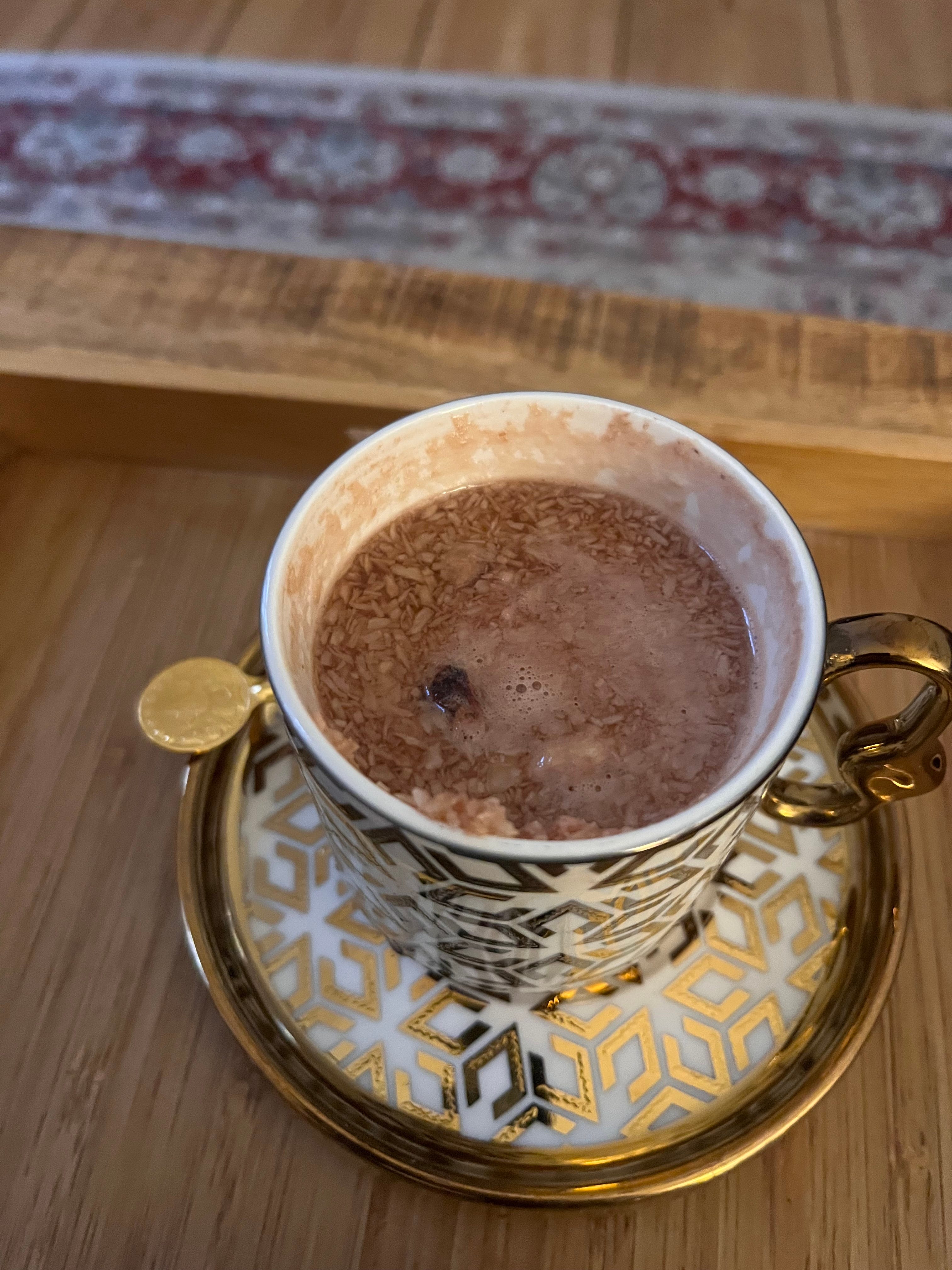
It was a special day. A friend was celebrating 40 days since the birth of her baby son. She presented me with a warm drink, thick with nuts and wafting of cinnamon, a bit like muesli soaked in chai tea, but much more delicious. It is a Palestinian tradition for new mothers, (and their lucky visitors) to be given this drink for 40 days after giving birth to help them recover and breastfeed.
A 40-day period of “lying in” for mother and baby is also common in Mexico and India, accompanied by special massages and nourishing food, with the mother waited upon by female relatives. Forty days of complete rest sounds wonderful. I had my first son in the Netherlands, where insurance covers the cost of a health worker to cook and clean and give tips to new mothers, but only for a week. She made me delicious fruit salads, but no massages unfortunately.
In many parts of the world, 40 days is also important at the other end of life. In Russia, a person’s soul is only believed to depart the world after 40 days of wandering the earth to visit important places from their lives. So mourning lasts 40 days too.
Why is the 40-day period so important in rituals around the world? This week, Christians embark on 40 days of abstinence for Lent in the run-up to Easter to remember Jesus fasting for 40 days and nights in the desert. This is just one of the many Biblical references to 40 days: the great Flood lasted 40 days and 40 nights, Moses was on Mount Sinai for 40 days.
As I have done since my childhood, I made pancakes the day before Lent started, a tradition that has its roots in using up all the eggs and butter before embarking on a plainer diet for 40 days. In Germany, filled donuts are the more common treat while Catholics celebrate with carnival parades. I usually try, and fail, to abstain from chocolate for 40 days, not helped by the fact my birthday falls in Lent.
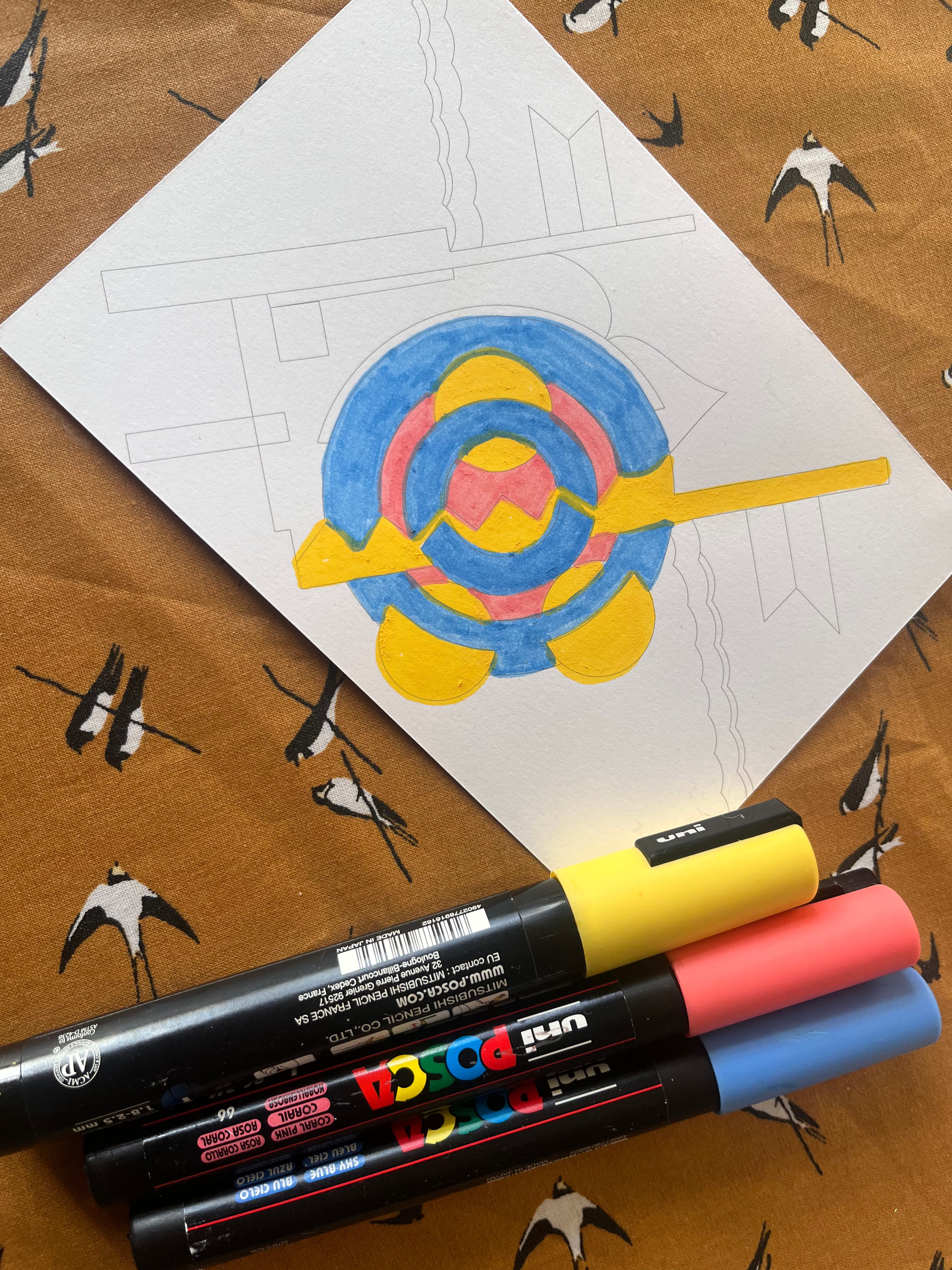
But I might try something less puritanical this year. Hindus create colourful mandalas for 40 days to foster inner change, while some Buddhist monks meditate for the same period to seek enlightenment.
What all these traditions have in common is the idea of transformation: 40 days to become a mother, or a prophet, to mourn a loved one, or to connect with a higher power. The message in all these cases is that real change takes time and, is a period when we need to retreat into ourselves, while also relying on others for support.
I haven’t found a definitive reason why the number 40 is so important: why not a lunar cycle of 28 instead? Some sources suggest that it takes 40 days for our cells and tissues to renew, and for a full process of physical detoxification and healing.
Perhaps that explains why the Venetians isolated ships for 40 days before passengers could go ashore during the plague in the Middle Ages: the origin of the word “quarantine”. A decade ago that concept might have seemed like a quaint relic of darker times, but most of us have lived through an even longer isolation during the pandemic, that has bought many changes to our societies, for better or worse.
Some spiritual traditions suggest we need 20 days to break old habits and 20 days to form new ones. But James Clear, author of the best-selling book Atomic Habits, questions the 40-day rule: he says it takes about 66 days before a new behaviour becomes automatic, citing a study by Phillippa Lally at University College London.
I’m sticking with the simplicity of 40 days. My favourite idea for how to spend the run-up to Easter comes from Elif Shafak’s beautiful novel “40 Rules of Love”:
“Whatever you speak, good or evil, will somehow come back to you. Therefore, if there is someone who harbours ill thoughts about you, saying similarly bad things about him will only make matters worse. You will be locked in a vicious circle of malevolent energy. Instead, for 40 days and nights, say and think nice things about that person. Everything will be different at the end of 40 days, because you will be different inside.”
The Safekeep by Yael van der Wouden - I raced through this story set in the brooding years of post-war Netherlands: a sparse but simmering tale of dark secrets, repressed emotions and love, set in a house that is a vivid character in itself.
The Bright Side by Sumit Paul-Choudhury - A book that explores the science and the history of the philosophy of optimism that I wish I had written myself! It has this striking opening line: “I became an optimist the night my wife died.” It is a call to action in these dark times, describing optimism as a shared duty:
“We have to trust that we are more cooperative than competitive, more generous than selfish, more willing to struggle and challenge and overcome than to sit back, wait and watch.”
Comments
Nothing yet. Say the first thing.
Sign in to join the conversation.