
I used to always say that I love most things about Berlin, except for the long, grey winters. This year, I decided to embrace the cold and the way it forces us to retreat inside and into ourselves. The icy streets made me lock up my bike. Snow fell like a fluffy blanket over the city and briefly dampened the traffic noise.
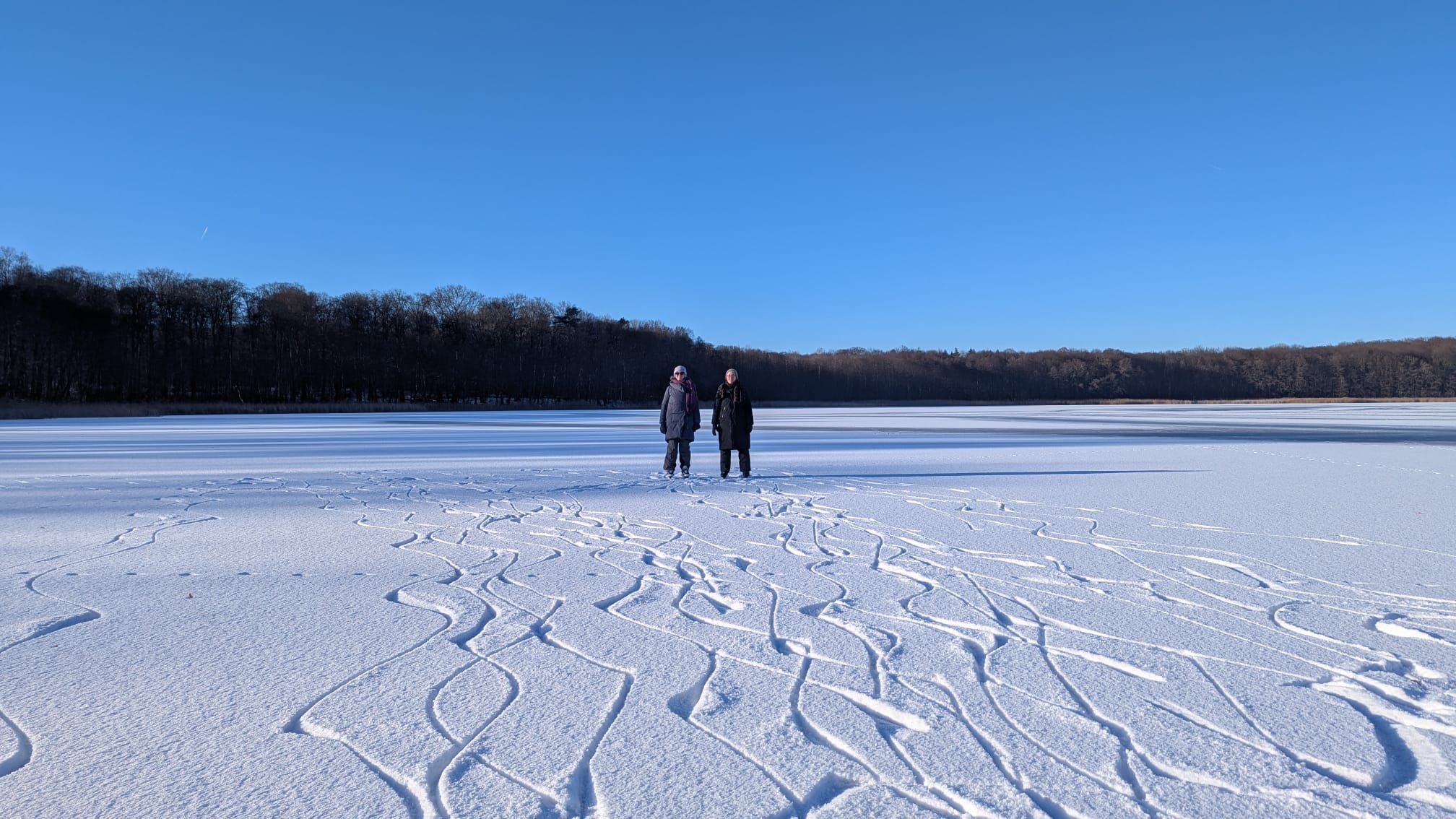
After an intense 2025, I really needed to slow down. For the first time since Reuters gave me a Nokia phone more than a quarter of a century ago, I went offline at a yoga retreat in November. I only managed three days without the Internet, and even that was terrifying. And I admit that I didn’t even switch my phone off completely – just put it into flight mode as I still wanted to use the camera and the alarm clock. While I am not brave enough yet for a full silent retreat, I tried to make space for thoughts and feelings rather than fill the time with other distractions like hiking or reading novels. Even yoga classes can sometimes feel like a way to avoid being with yourself.
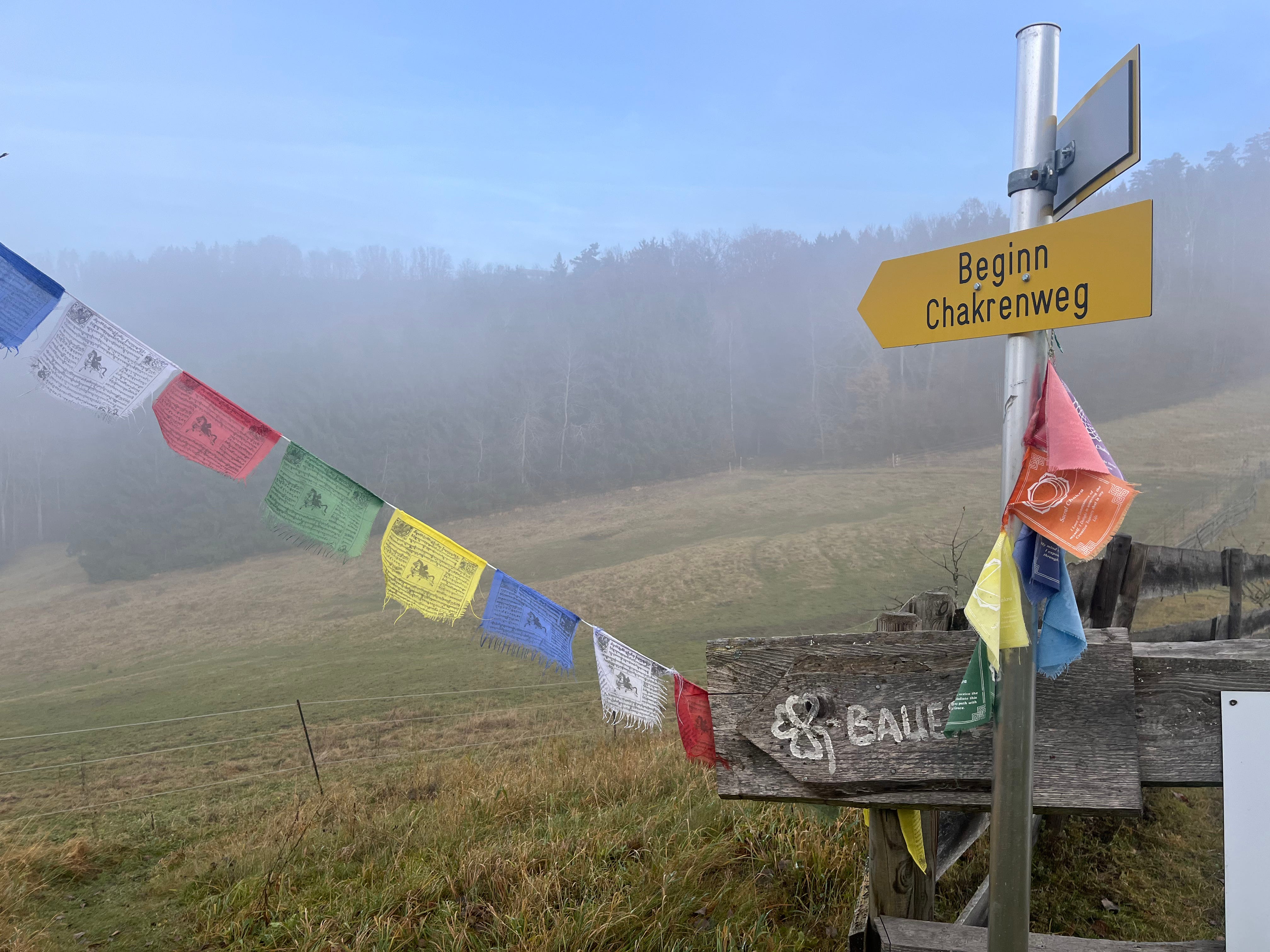
In the years I worked as a Reuters journalist, the only connection I had to any spiritual practice was through Eastern traditions like martial arts, yoga and meditation. But celebrating winter has made me interested in rituals closer to home, including those with their roots in pagan seasonal rites. I have already written about the power of rituals, but some friends look at me like I have lost my marbles. Anything with a whiff of mysticism might sound suspicious to some of you. But since leaving Reuters, I have been consciously trying to complement my dominant rational - dare I say it masculine - side, with something more intuitive and feminine. Perhaps even witchlike. That feels like a radical act in a world driven by male power and norms. While it is OK for Silicon Valley bros to expand their minds with meditation, Tai Chi and microdosing LSD, exploring the power of the divine feminine and nature’s cycles is somehow suspect.
It is worth noting that this is not something only open to women. I have been intrigued by the journey taken by my former Reuters colleague Matthew Green in exploring different approaches to collective healing to recover from his PTSD and connecting with the subconscious, including by offering Tarot card readings.
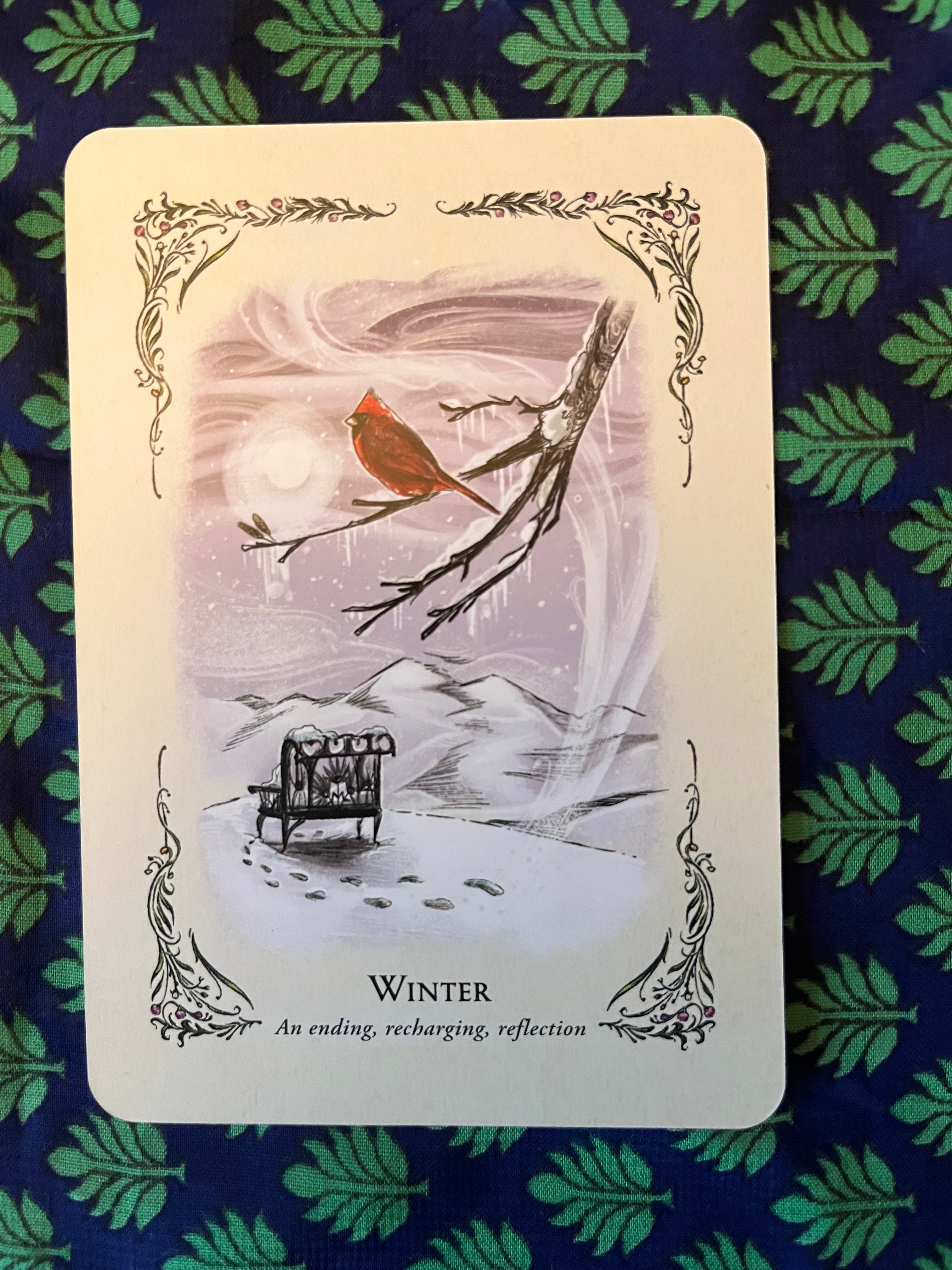
So to kick off 2026 I tried out an old German practice to mark the turning of the year called the “Rauhnaechte” or smoky nights. The tradition includes burning dried herbs or incense for 12 nights, making 13 wishes (one for each month of the coming year, plus a bonus), and choosing oracle cards. The 12 nights usually take place between Dec. 25 and Jan. 5, but I only started on Jan. 1 as I was in the UK over Christmas.
Growing up, my only connection to Twelfth Night – apart from studying Shakespeare at school - was my mother’s superstition that it was bad luck to leave up Christmas decorations longer than Jan. 6, when Christians celebrate the three kings visiting baby Jesus. But it turns out that the British also used extend the Christmas festivities into the new year and celebrate with a big party on Twelfth Night. However Queen Victoria discouraged the tradition because it was too rowdy, while industrialisation meant that the factories couldn’t spare the workers for such a long break.
Germans used to consider the turning of the year to be a liminal space when spirits roamed, so women were not allowed to hang up washing for fear of trapping ghosts and were also supposed to refrain from cleaning or baking, apparently the origin of long-lasting fruitcakes common at Christmas because they could be made in advance.
Now I’m not keen on fruitcake, but I like the idea of a break from washing, cleaning and baking. Perhaps it was an early feminist trick – scare everyone with stories of ghosts to get some respite from domestic tasks. This week, I have had a break from chores as I am home alone for the first time since my first son was born 19 years ago – he is working abroad, his brother is on a school trip and my partner is travelling.
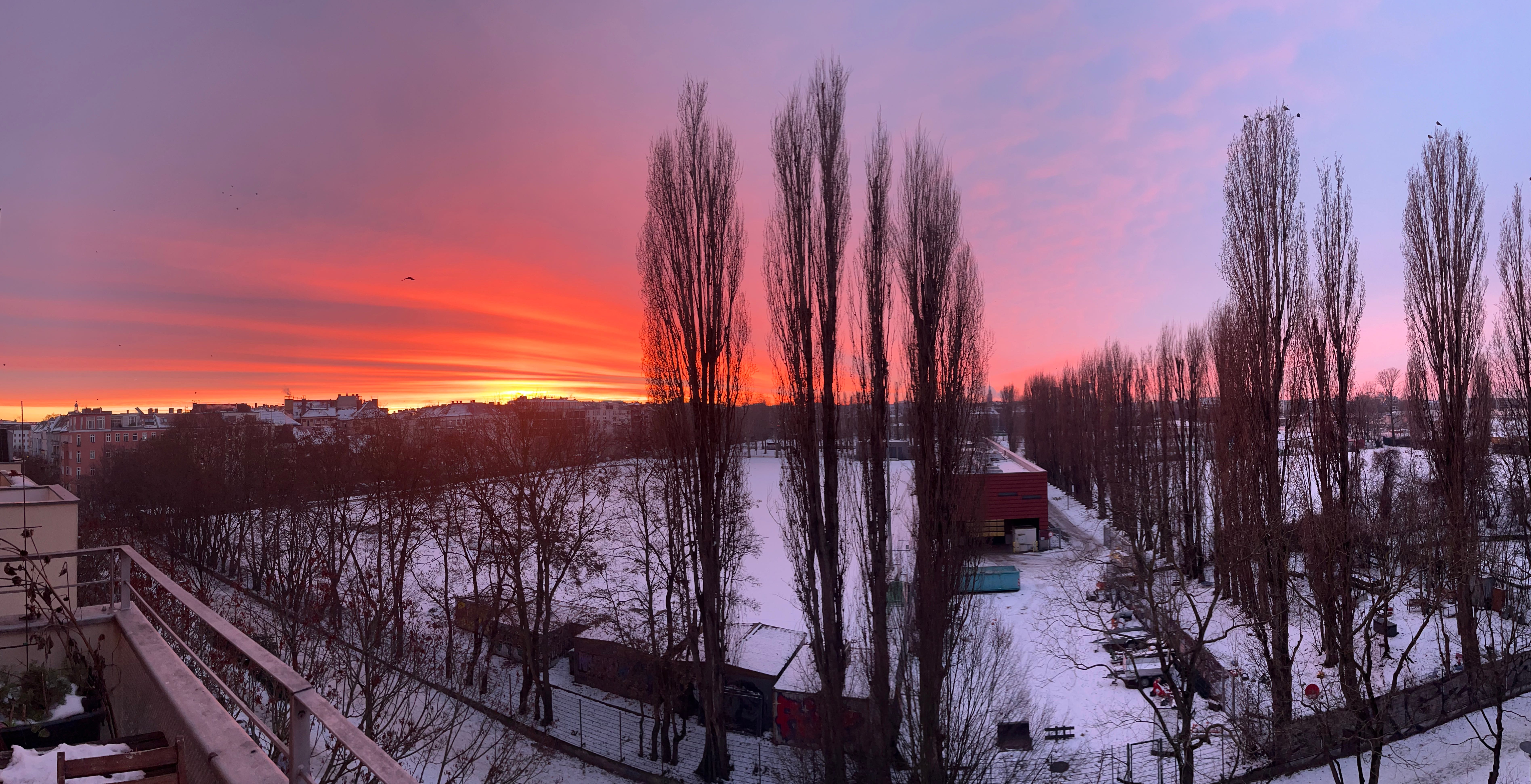
Outside, dreary rain has turned the snow to a slushy puddle. But instead of resisting the winter, the “Smoky Nights” tradition has helped me to enjoy a proper hibernation for the first time. I plan to explore other rituals that connect with the seasons in 2026. Next up is the Celtic festival of Imbolc on Feb. 1 that marks the beginning of spring, known as St Brigid’s Day in Ireland, where it is a new public holiday.
As my newsletter is called Bridgit after the goddess of healing, fire and poetry, and my mother’s middle name, this should be an important one for me. In Berlin, we will probably have to wait a couple more months before there is any sign of spring. Just as well as that means more time to enjoy the thrill of ice dipping in the freezing lakes. What rituals do you want to try out to keep your spirits up in these difficult times?

Hello Beautiful by Ann Napolitano - I loved this story of four very different sisters in Chicago. It is a compelling tale of sibling drama, beauty and love and I don’t want to give any more details for fear of spoiling the twists and turns of the plot.
The Examined Life by Stephen Grosz - This is the condensed wisdom of 40 years of Grosz’s psychotherapy practice told through compelling vignettes. On grief, he writes: “Closure is an extraordinarily compelling fantasy of mourning. It is the fiction that we can love, lose, suffer and then do something to permanently end our sorrow.”
Comments
Nothing yet. Say the first thing.
Sign in to join the conversation.