
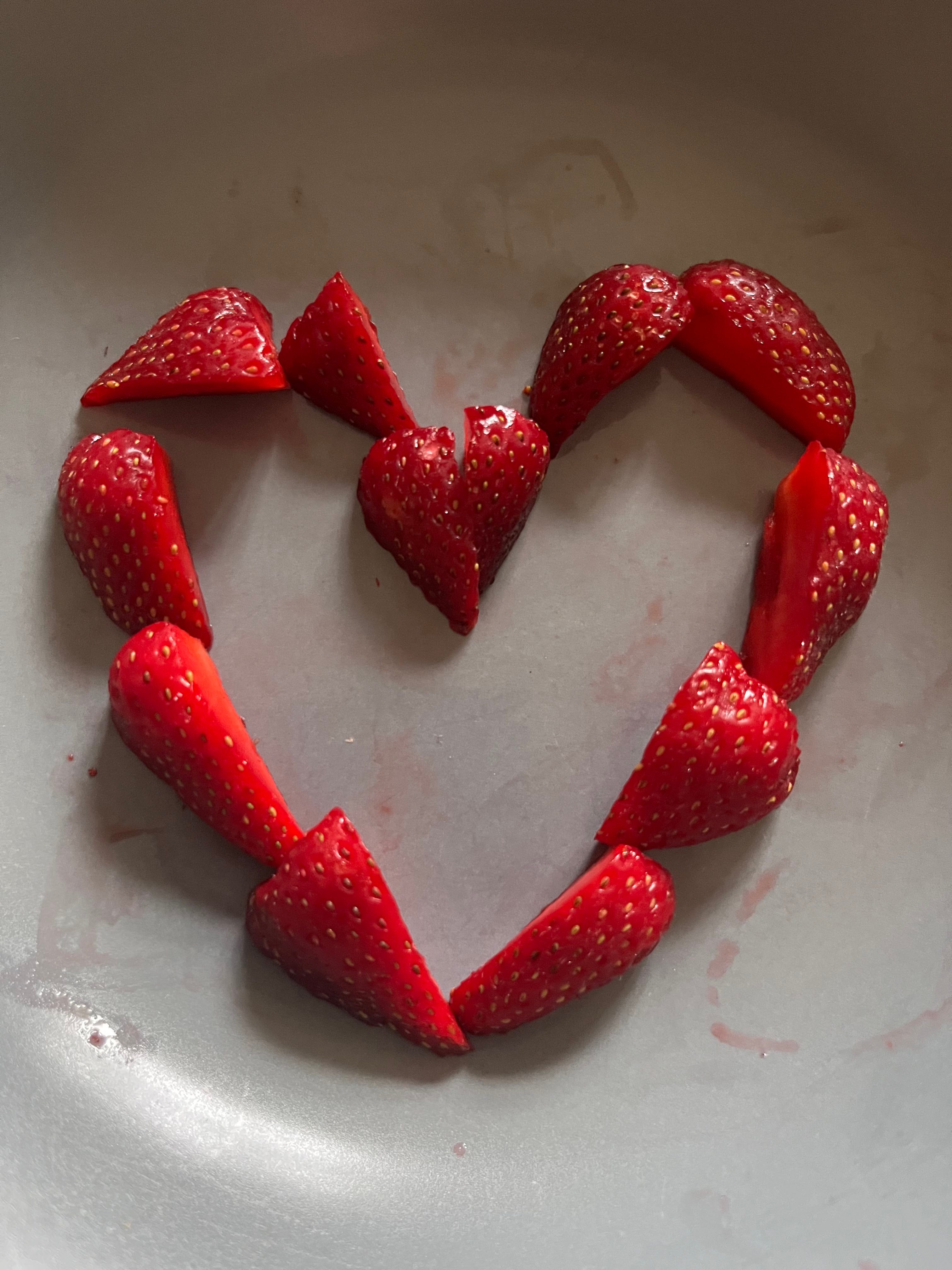
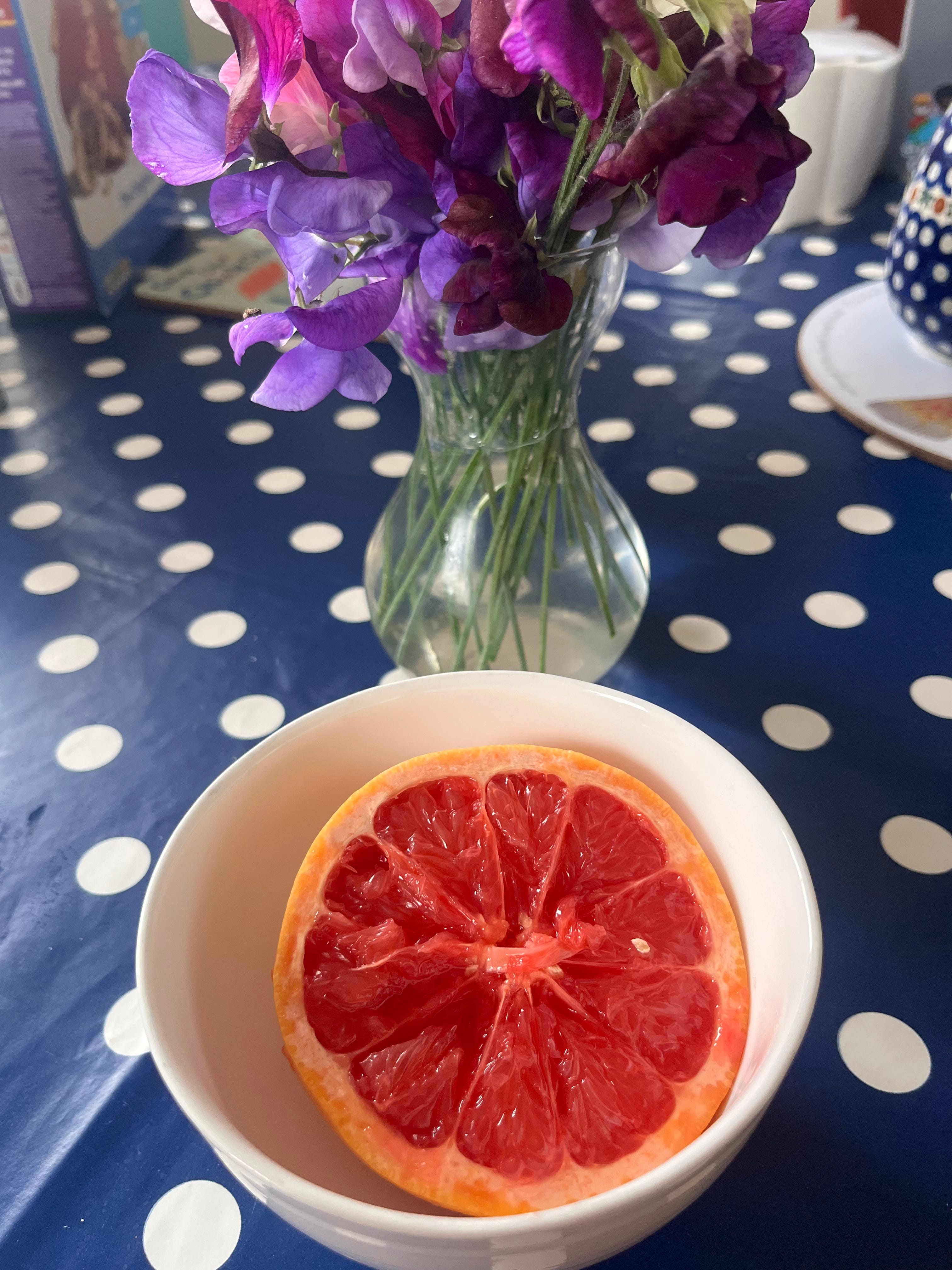
When I visit my parents in Northumberland, my mother often cuts me up a ruby grapefruit, knowing I don’t much like getting sticky fingers. It feels like the ultimate gesture of maternal love. The day my son graduated from his German high school, I chopped up beautifully ripe, almost wine-red strawberries to go with his muesli. I made the effort even though I was in a hurry – as usual - to get ready to dash across Berlin in time for a ceremony of speeches, music, bubbly and photos.
I feel like I have been running late for the last 12 years: racing to get the kids dressed, brushed, out the door, dropped off (or, later, on their bikes) so I can get to work on time. Then racing to pick them up again before the school closes, hurrying to meet the bus after a class trip, or rushing to get them to the doctor/dentist/physiotherapist.
How did I ever have time to cut up fruit? Who will cut up fruit for my son when he leaves home?
I made a montage of photos of my son’s 12 years of schooling, six years in a hippie bilingual primary school partially run by parents in former east Berlin, and six in a strict German grammar school in the former west of the city, where I chafed against the obsession with constant grading, even for sport and art, and the lack of pastoral care.
Still, the photos show my son smiling with his oldest friends, sports days, summer garden parties, classroom projects and concerts.
But what is missing from the photos?
I’m sorry to break it to younger friends who are just embarking on the crazy journey of parenthood, but the most demanding part of raising a future adult isn’t necessarily the infant years, intense as they might seem at the time. In my experience, peak parenting really starts when children go to school. Accompanying them through this obstacle course is even more emotionally (and organisationally) challenging than the sleepless nights and toddler tantrums. But I found it much more rewarding.
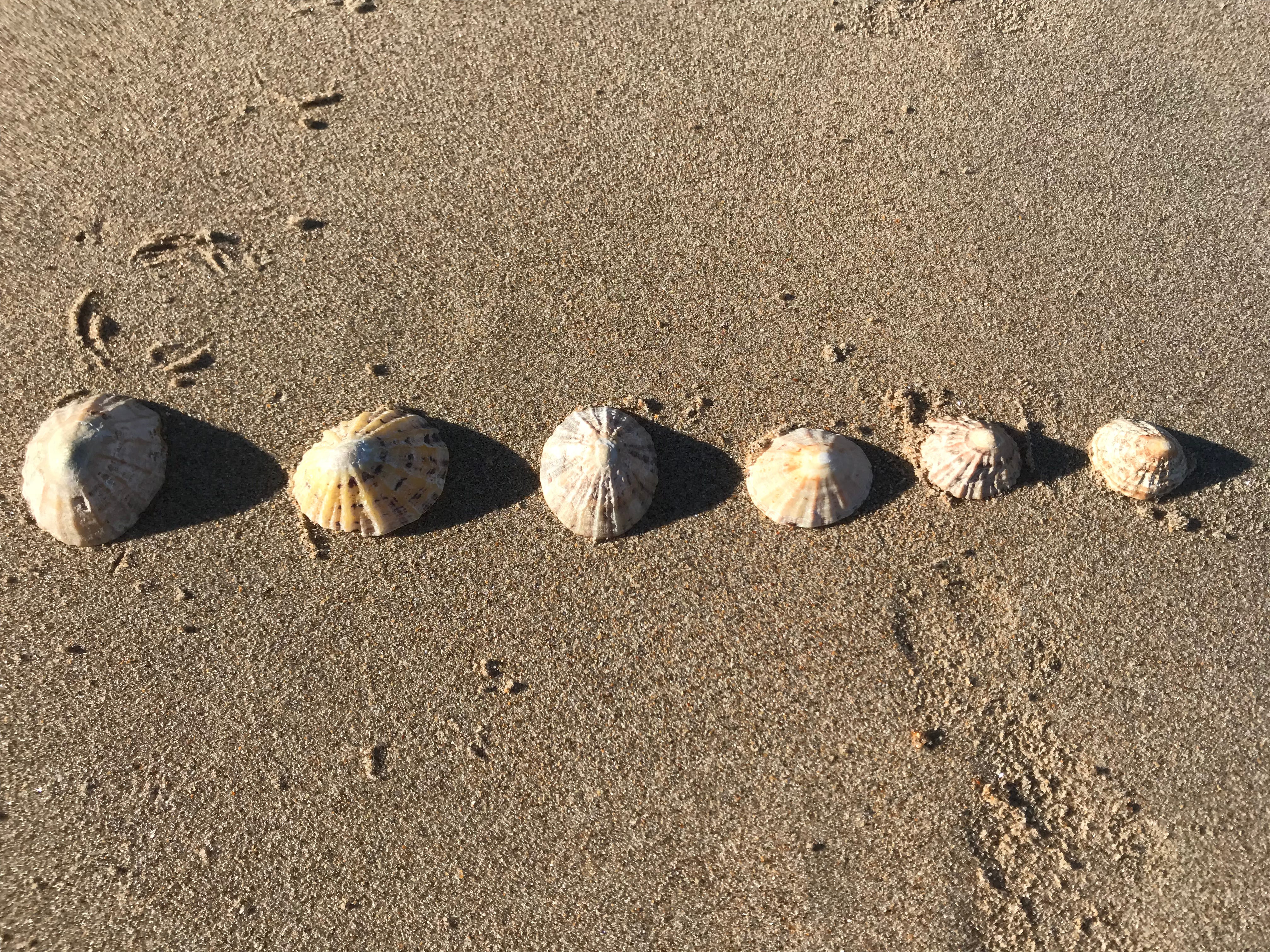
First, the school holidays. It came as a shock to realise that kids in Germany have about 12 weeks a year off school, compared to my six weeks of annual leave. How do you square that circle? With a last-minute dash to organise childcare, sports camps, weeks spent on Northumberland beaches, or doing holiday-trip relays with the partner. Anything to keep them busy and off screens.
Then there is the constant stream of childhood illnesses and injuries, not to mention the nits, ticks and worms that have to be dealt with, and the odd pandemic. Parents probably need at least another two weeks off a year to care for sick kids. My son’s bout of whooping cough lasted more than a month.
This was why I stepped back from the 24-7 leadership job that I loved when my older son started school. I was lucky I could afford to cut my hours, but I know many parents can’t, one reason most of us now rely on screens as babysitters.
About screens. As a journalist, I was an early adopter of the Blackberry and a reporter on the sly tactics of tech companies to make us addicted to our devices, so I was aware of the downside of digital distraction before many parents were - and I was one of the last to give my sons a phone. It remains a battleground. Unfortunately, German secondary schools have not yet caught up with those in places like the UK and France that now ban phones at school, so the teenagers spend a lot of time in the breaks gaming and scrolling, and probably under the desks too. Perhaps luckily, my older son got so annoyed when he lost a game on his phone that he smashed it. So at least for a good while, he was happy to revert a dumb phone.
That brings up another staple of parenthood: buying things, replacing things, repairing things, finding lost things, and recycling old things. Barely a day goes by when my sons don’t ask me to do one of these. They both lost their bank cards within a week of each other this summer, making me worry about plans for independent travel. At least, they both know how to use a sewing machine to mend clothes or sew on patches but usually prefer to wear things with holes in them.
Until recently, I had a complex system of boxes for hand-me-downs from a friend’s son, another for items that my older son had grown out of, but were too big for my younger son, and a collection to pass on to the neighbours’ kids. I spent hours trying to get rid of clothes and toys at flea markets, always coming home buying more than I sold. I have spent too much time rummaging in the lost-and-found box at school looking for missing water bottles, lunch boxes, favourite hats and coats. And where on earth have all the matching Tupperware lids gone, over the years?
Speaking of Tupperware, I can’t count the number of sandwiches me and my partner have made at speed in the morning, and lids we have spent hunting for, while also trying to get ready for work (a downside of German secondary schools: they don’t usually feed ravenous teenagers, focusing solely on filling their minds). Those plastic boxes have also been filled with dozens of birthday brownies and muffins, that I usually made late the night before. The German tradition is for the birthday child to bring in cake for all 32 classmates.
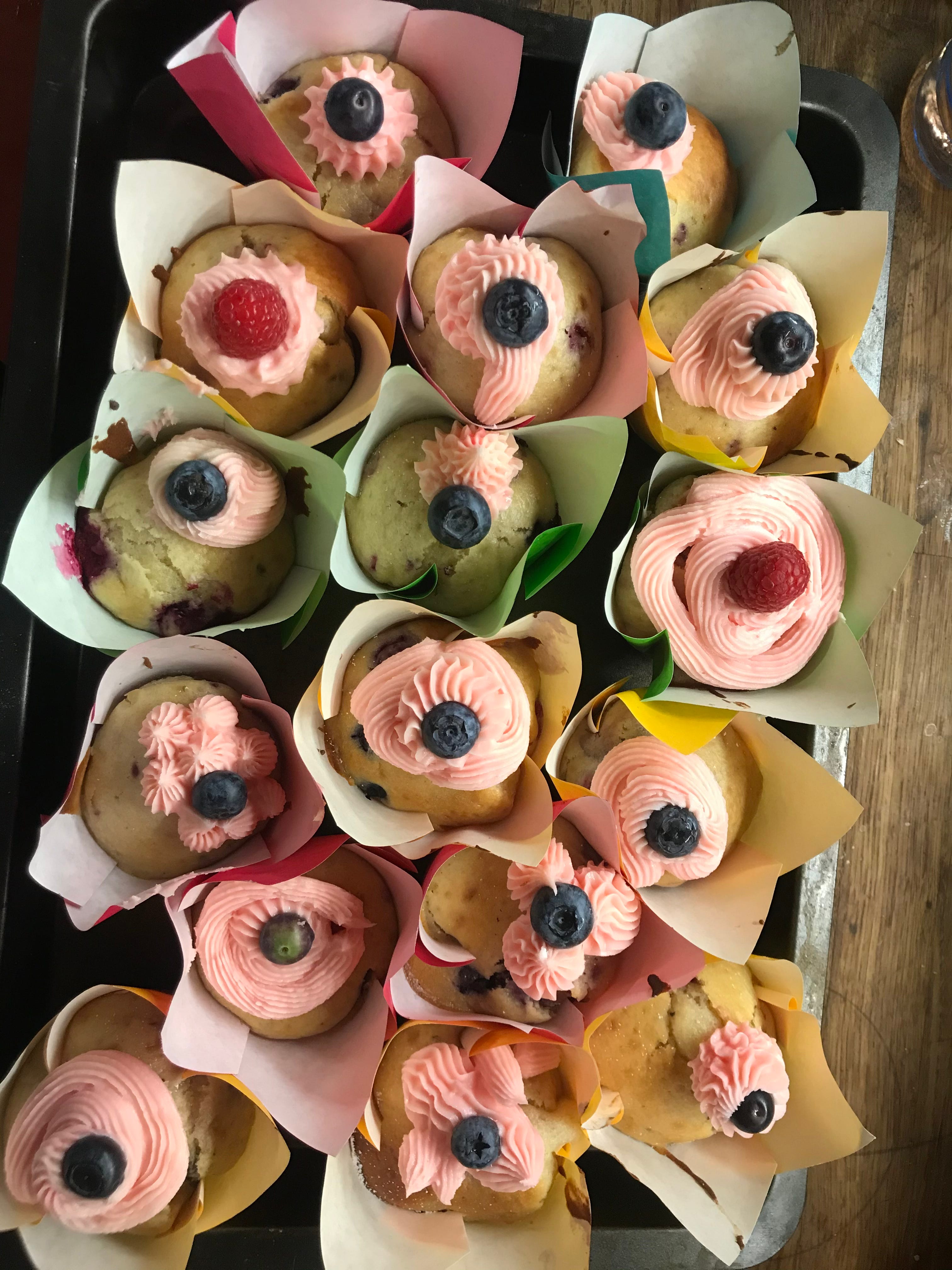
The pictures also don’t show the behind-the-scenes dynamics of the birthday parties: the delicate task of working out who to invite, the cake to bake, the food allergies to skirt, the activities to organise; and then the reciprocal buying of presents for my sons’ friends for their parties. While the cakes make it into the photo album, the pictures don’t show the tears and tantrums after the sugar rushes, the arguments with friends, the broken lego set, the lost treasure hunt.
Then, as they get older, the friendship dynamics get more complicated. Am I wearing the right brand of shoes? Whose birthday parties was I not invited to? These feel like tragedies to small humans that demand the full attention of weary parents, who were up the night before wrapping presents and wiping off cake crumbs from last year’s candles so they can be used again.
The pictures don’t show bedtime conversations in the dark about anything from black holes to the Holocaust. They came after cosying up for a story. As the boys got older, we tried many tricks keep them reading: a subscription to the Beano magazine, visits to the library, books about “warrior” cats, a sponsored readathon.
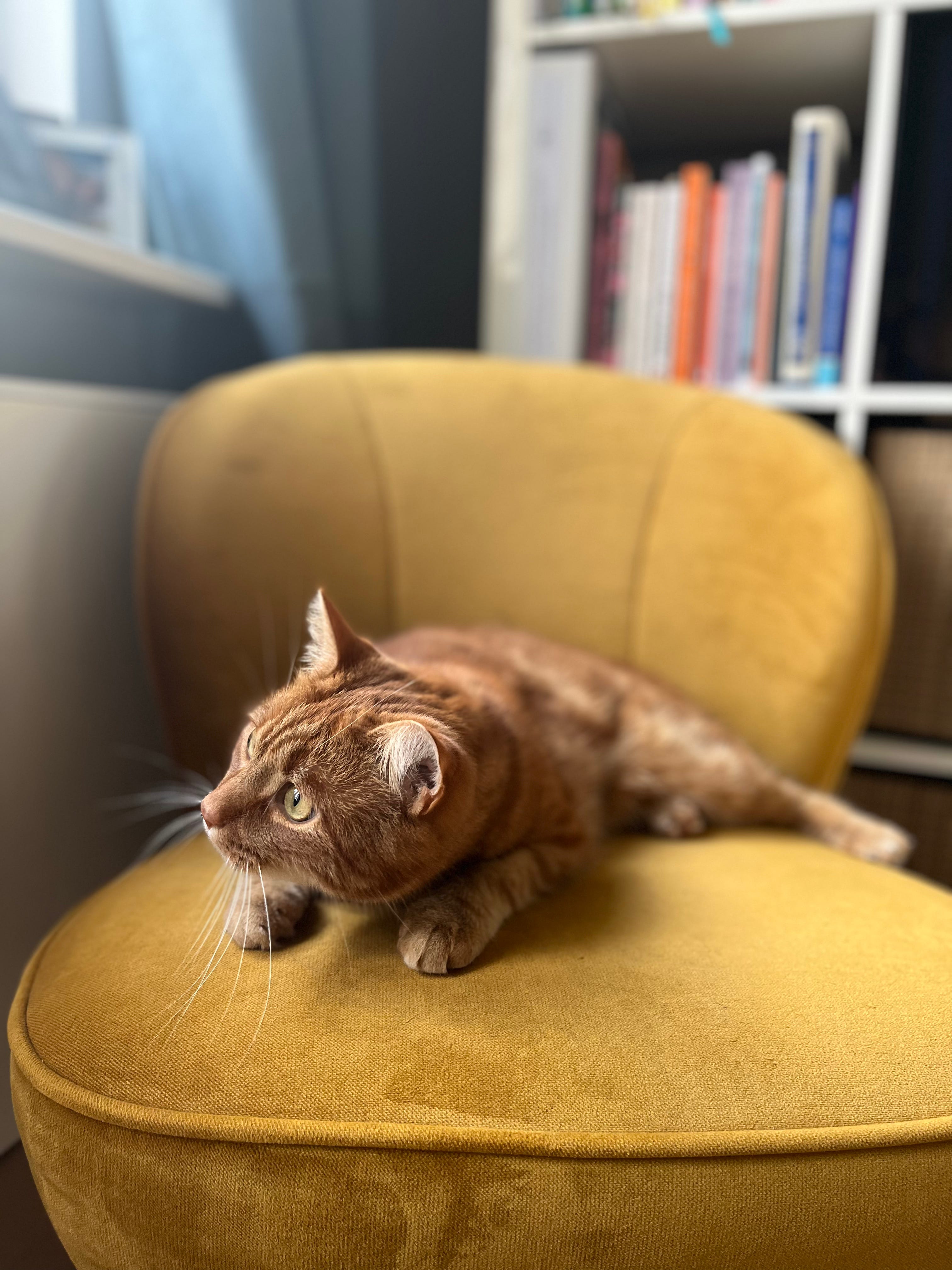
On the subject of cats, while we have many pictures of our furry friends, there is no record in the album of the fetid litter trays or the graves of Loki and Sona in our garden, nor the days of inconsolable crying that followed their deaths and the notes to the teachers to explain one son’s absence from school after they died.
What is also missing from the pictures is the WhatsApp group of the mums of my sons’ classmates at primary school, which is still going strong 12 years after we squeezed our knees under the low desks at parent-teacher meetings.
We are now sharing tips on how to help our offspring apply for jobs and study options after years of laughing and crying together through school concerts, 80s disco nights, cancer diagnoses, friendship dramas, mental health crises, divorce, and even one request for a feline blood donation for an injured cat.
This might sound like a lot of “helicopter parenting”, or if we’re honest about it “helicopter mothering”. I have vacillated between the “tiger mom” philosophy of child rearing that is more common in the UK and US and the more laissez-faire attitude of the German Mamas, who encourage more independence from an early age and embrace the attitude that “it will all turn out OK in the end”. That makes sense in a country with a strong welfare state and good quality, free education, although helicopter parenting is on the rise here too as social inequality increases.
I know I am lucky to have my lovely boys but they have brought me to my knees at times and we don’t talk enough about this maternal ambivalence. Much as I want to let go like my German friends, I am mourning my sons’ increasing quest for independence, even as I am relishing the restoration of some of my own freedom to travel without worrying about carrying their snacks, water, coats etc.
As a graduation present, I bought my son The School of Life – an Emotional Education by Alain de Botton, although he has scorned it… saying that it is a tautology. He can only learn the lessons it contains by living his own “school of life”. So I read it instead.
It is full of gems like this one.
“Many of the things we most want are in tragic conflict: to feel secure and yet to be free; to have money and yet not to have to be beholden to others; to be in close-knit communities and yet not to be stifled by the expectations and demands of society; to explore the world and yet to put down deep roots.”
I hope my son is entering adulthood feeling secure and yet free to explore the world, knowing he has deep roots in Germany and the UK.
Even if he doesn’t want to read Alain de Botton yet, I hope he has absorbed the message of this poem by Mary Oliver that hung on the wall of his primary school.
“I do know how to pay attention, how to fall down into the grass, how to kneel in the grass, how to be idle and blessed… Doesn’t everything die at last, and too soon? Tell me, what is it you plan to do with your one wild and precious life?”
At the school graduation, I found myself, and the mother sitting next to me, crying quietly as the choir sang Supertramp: “It’s raining again. Too bad I’m losing a friend.” But on reflection, a child becoming an adult feels more like gaining a friend than losing one, as my role shifts from caregiving to cheerleading.
That begs the question. What should I do with all my surplus nurturing energy? I still have to get my younger son through three more years of school. He is constantly encouraging me to go back to a leadership job… so I feel less need to manage his life. Perhaps that is the right next move for me but I also want time to be creative and to tend to my friendships and plants. And to cut myself some grapefruit.
There are Rivers in the Sky by Elif Shafak - I loved this ambitious saga that weaves together the lives of three protaganists across centuries between the rivers Thames and Tigris, including a Dickensian urchin who becomes a prolific archeologist. I came away keen to learn more about Mesopotamia and the persecuted Yazidi people in Iraq.
Sociopath by Padric Gagne - I was captivated from the first page by this memoir of an American woman, whose lack of shame and guilt pushed her into extreme risk-taking and criminal behaviour from a young age, even as she tried to cultivate love. Her story is a plea for more support, understanding and compassion for sociopaths.
The Names by Florence Knapp - The gripping novel starts with a mother trying to decide what to call her newborn son: the name of his violent father, Gordan, the cuddly name proposed by the baby’s sister, Bear, or the mother’s favoured name, Julian. The novel tracks the different trajectories of the boy with the three names. We agonised over my sons’ names: I think we chose the right ones…
Comments
Nothing yet. Say the first thing.
Sign in to join the conversation.