
What’s not to love about the majestic butterfly? They neither bite nor sting us, nor do they invade our space or swarm annoyingly around our faces. Their wings feature unique and vibrantly colored patterns that rival any artistic masterpiece. The mere sight of one naturally inspires wonder, awe, and curiosity in anyone who admires the mysteries of Nature.
Catching a glimpse of one of these ethereal creatures fluttering around the yard in the Spring serves to instantly uplift our spirits. Their appearance symbolizes transformation and rebirth, and they’re regarded as messengers of hope and optimism.
But the fact remains that they’re in the family of the creepy-crawly arthropods. And even those with an unconditional love and respect for all animals tend to unconsciously draw the line at insects.
Most have wished at least once that all mosquitoes would just cease to exist (especially those being created in labs and dropped out of military airplanes).
Many also wouldn’t mind the disappearance of wasps, hornets, and yellow jackets with their painful stings, whenever one is unlucky enough to encroach upon their territory. And who hasn’t wished that cockroaches and ants would just make their homes outdoors?
But then there are the exceptions: insects actually admired instead of being detested or inspiring repulsion. These are the ones who are viewed as belonging to a “higher” echelon. And butterflies are definitely at the top of the list, along with dragonflies, ladybugs, and grasshoppers.
As for CICADAS, they may not be the most aesthetically pleasing to look at, but they have cool red eyeballs, and they produce a symphony of the most hypnotic and soothing sounds on summer nights.
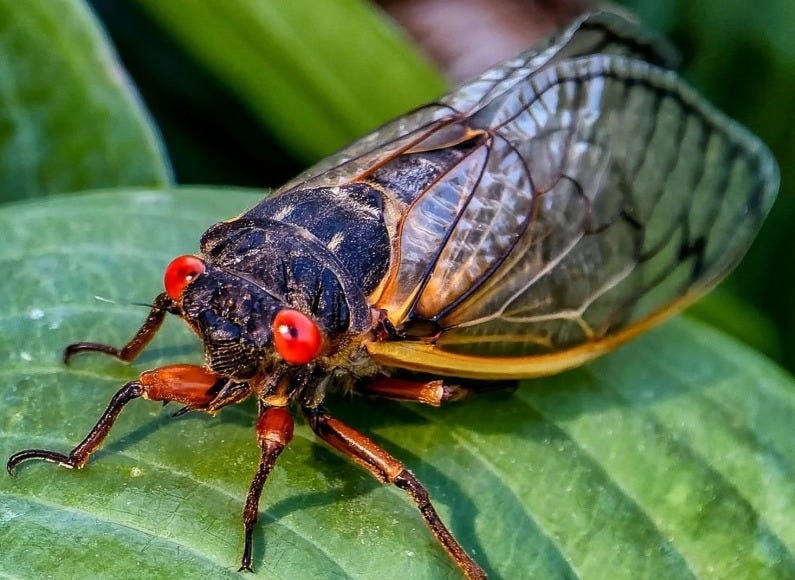
Rightfully, MOTHS should also be on that list of favored insects. They could even be considered the “nocturnal” version of the butterfly, and there’s really not that much difference between the two species of lepidoptera.Moths have a more muted wing coloration, and their bodies are a bit stumpier or thicker than a butterfly’s. However, the moth’s cocoon is much more glamous than that of the butterfly’s chrysalis, as they are spun from the finest silk.
But, unfortunately, the poor moth has become effectively stigmatized as an invasive pest.
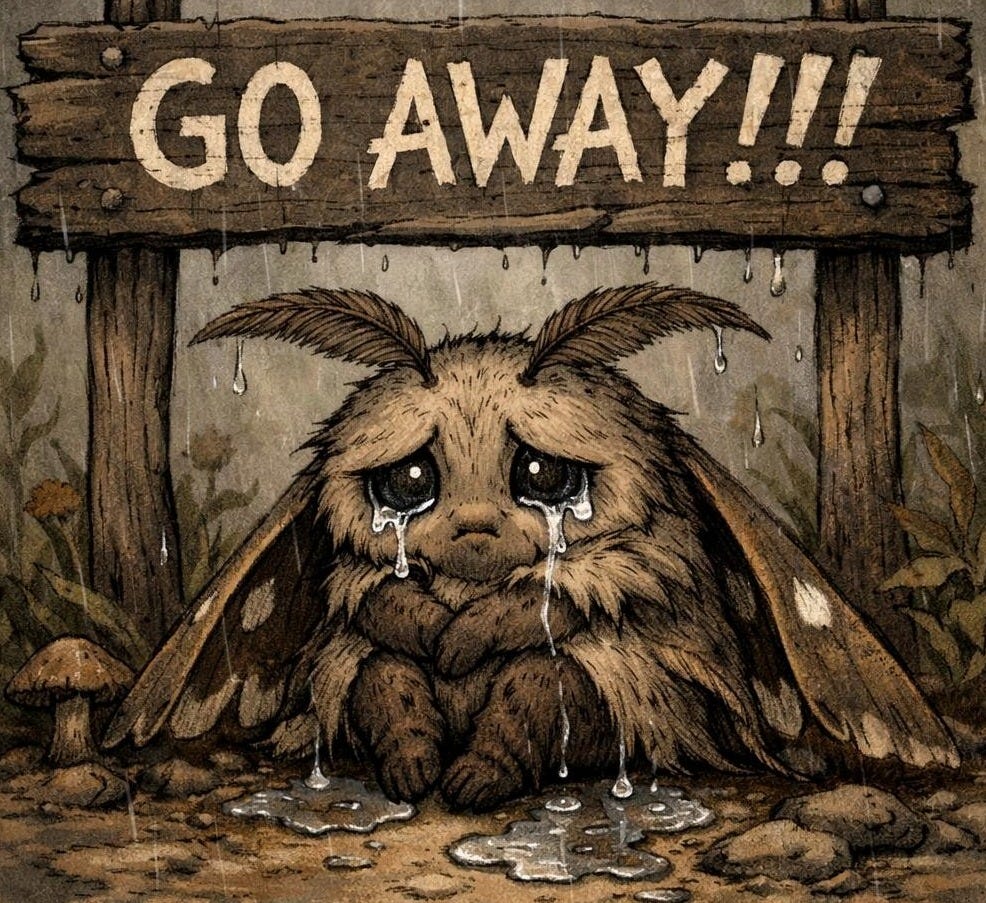
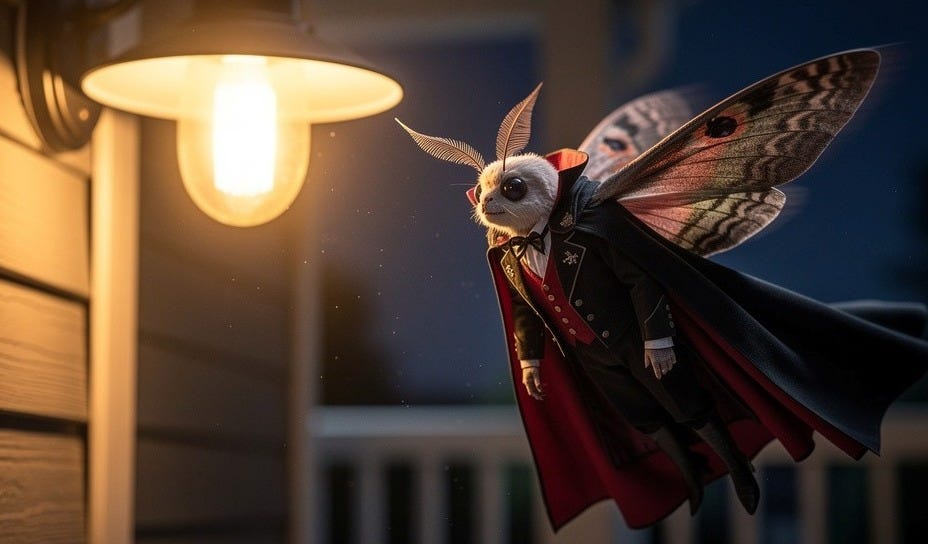
He’s acquired a public image much like that of a vampire who only comes out at night, bumping clumsily into porch light fixtures in the dark. And when you’re not looking, he creeps into your home, sneaks into your unlit closets, and vandalizes your clothing items by chewing through fabric.
But this is a misconception. It’s not the adult moth flying around who does such things. It’s actually the caterpillar who might be inclined to chew on materials he deems familiar, like wool or silk.
Of course, the silk used to make those garments was stolen from the larvae of the moths themselves to begin with – specifically, the domestic silkworm moth (Bombyx mori), who produces the silk from specialized glands in their bodies. And can you really blame the baby moth caterpillars for being attracted to the fabric and wishing to reclaim it as their own?
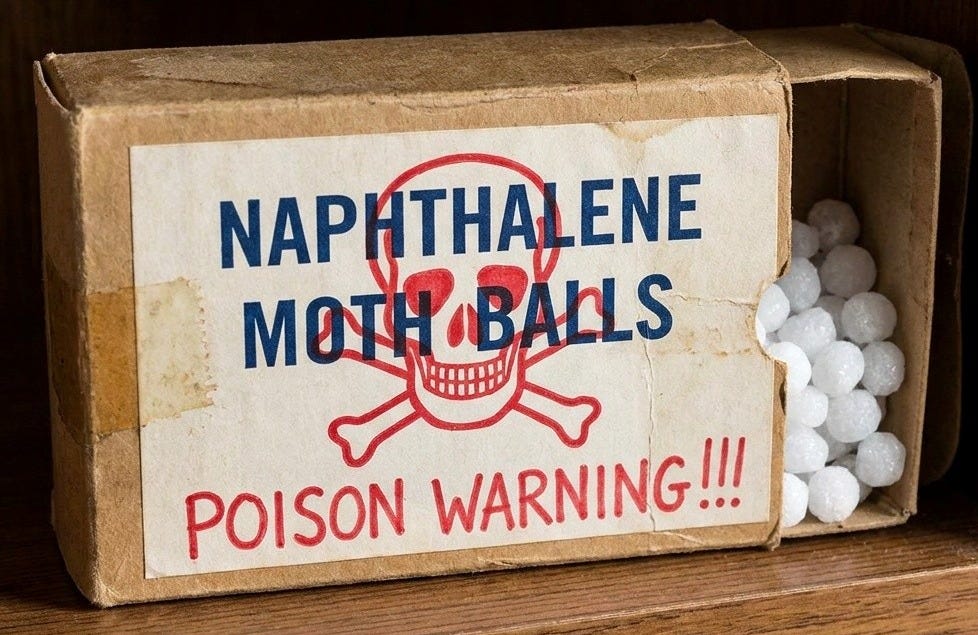
Nonetheless, this negative perception conveniently necessitated the advent of MOTH BALLS: small pesticide balls that release toxic vapors designed to kill and repel moths and other “fabric pests.” Moth balls also present real health risks to humans and pets if inhaled or ingested, including nausea, headaches, or more severe toxic effects.
And from the Ripley’s Believe It or Not files, did you know that MOTH CELLS were actually used in one of the “Covid-19 vaccines”?!? Created by Novavax, this was a subunit protein-type injection as opposed to an mRNA-type (Pfizer, Moderna) or a viral vector-type (Johnson & Johnson).
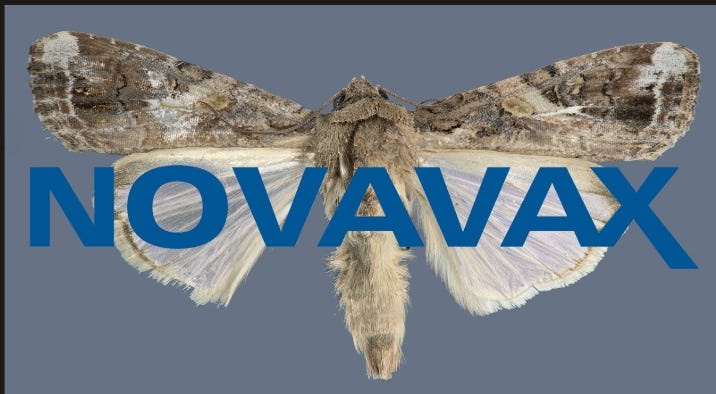

Novavax planned to inject as many customers as possible with this “bug virus” using actual cells from moths. They created it by putting genes into an insect virus called a baculovirus, which infected the moth cells. These cells would then replicate inside the body, invading human blood cells and creating spike proteins to take over the immune system.
NOTE: The moths did NOT give consent for their cells being used for such a diabolical purpose…
But this was not new technology. Some flu vaccines have also used moth cells, like Sf9 and Sf21 cells (established in 1977), which are derived from the ovarian tissue of the fall armyworm, Spodoptera frugiperda. This insect also belongs to the order Lepidoptera, and is considered even more of a “pest” than the poor moth is. He’s said to “pose a serious threat to food security” for his crime of snacking on crops.
Now here is a 1-minute-long clip of a video I made about moths, illustrating their beauty and grace while flying in slow motion…only to wind up in a scene from HELL with their cells in a vaccine!
But now back to the butterfly.
With their fascinating markings of stripes and spots, the fluffy baby caterpillars seem so endearing as they inch along tree branches or leaves of grass, making slow but steady progress. We admire their determination to get to wherever it is they’re going.
We wonder if they’re readying themselves for the inevitable mystical transformation into butterflies they will soon be undergoing.
And then there is the milkweed, which is the sole food source for caterpillars of the Danaus genus, which includes the Monarch butterfly. They are major pollinators, and will not lay their eggs on any other plant but the milkweed. The butterflies can drink nectar from all kinds of flowers, but the babies require their milkweed.
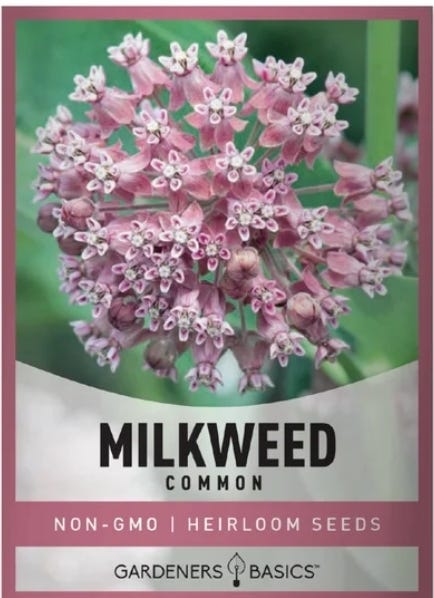
But this milkweed plant is something categorized as a “weed” in the most derogatory sense of the word. It’s a plant that has no value, and one which we are told by pest control companies we must get rid of. And its relentless eradication by Monsanto’s Roundup herbicidal “weed killer” has effectively devastated Monarch butterfly populations.

In stark contrast, herbalists consider milkweed not only valuable, but a potent herbal remedy for many ailments, including respiratory, digestive, and skin problems, as well as having diuretic and anti-parasitic uses. It’s been historically used by Native Americans.
But, most notably, it’s had confirmed success as a treatment for cancer. And God knows pharma and the Cancer Industry will not stand for THIS sort of competition. After all, it’s a plant that one could grow in their own back yard instead of partaking in those deadly chemotherapy and radiation treatments!

It is also falsely claimed that this milkweed is “poisonous” to humans – as if pharma’s own toxic treatments and drugs didn’t all contain lethal poisons with a myriad of side effects!
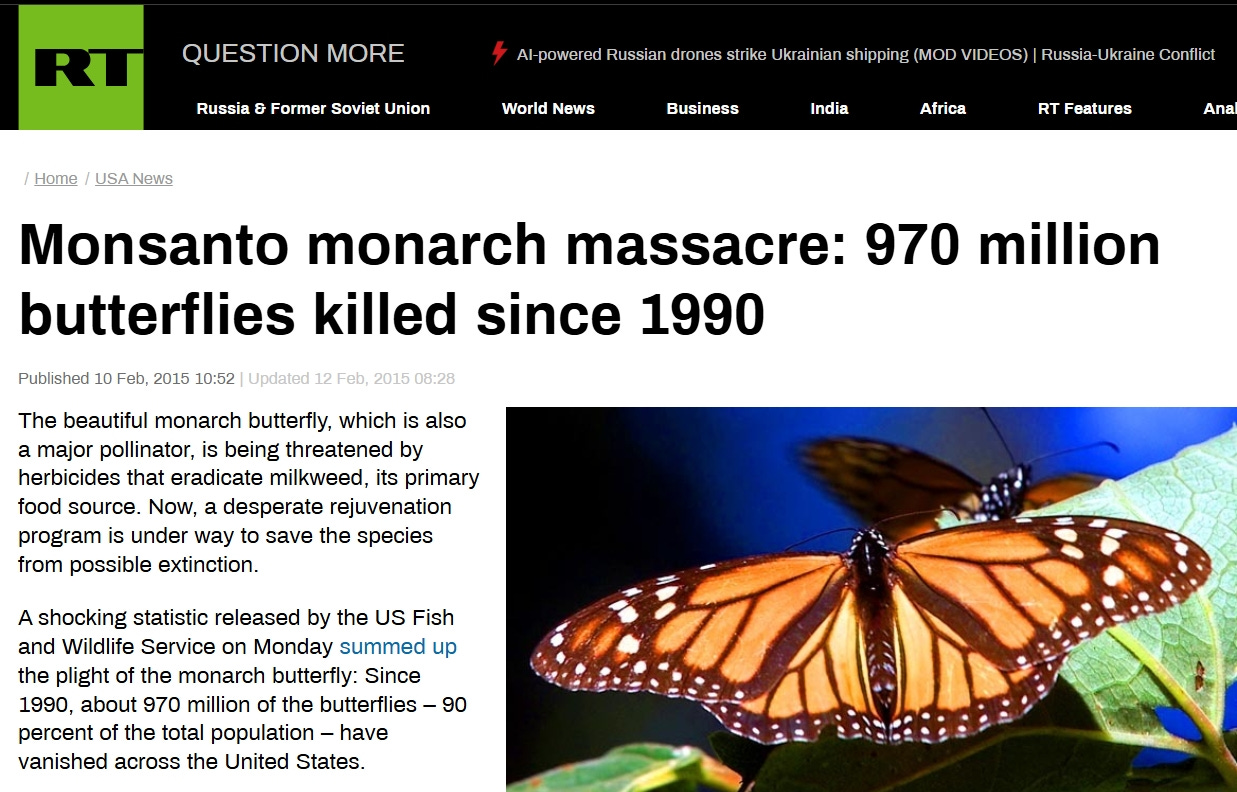
An article dated February 20, 2016 entitled “Monsanto Monarch Massacre: 970 Million Butterflies Killed Since 1990” stated that 90 percent of the total population has vanished across the United States. This statistic was derived from a 2015 report by the U.S. Fish and Wildlife Service. The cause was due in great part to the wanton and deliberate destruction of milkweed.
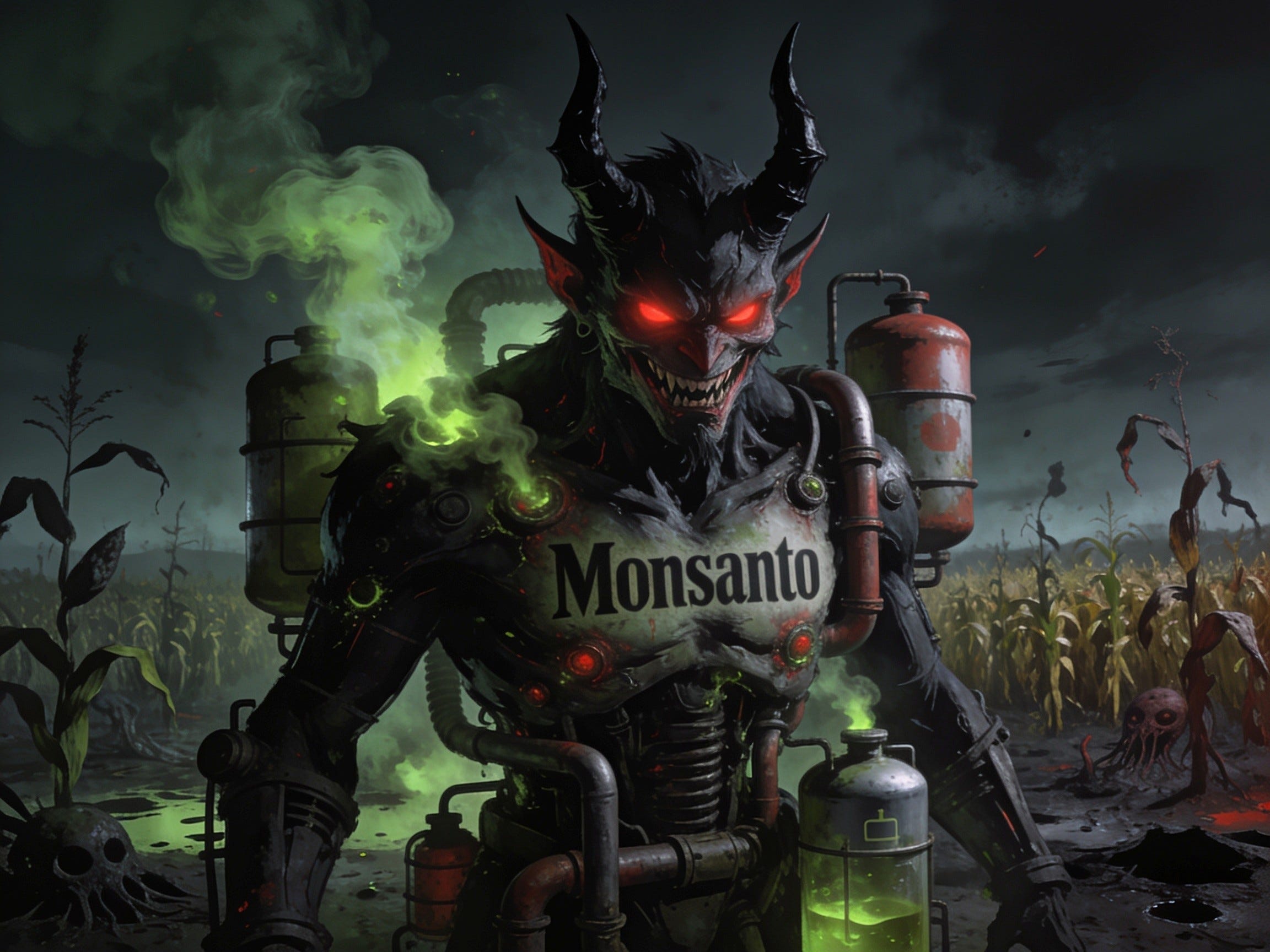
And in addition to the decimation of the plant by the weed killers, something referred to as “Monsanto’s Monarch Butterfly Program” has been deliberately genetically altering the cancer-curing milkweed.
But Monsanto only has altruistic intent, of course, claiming it has a “commitment to restoring habitats and supporting sustainable agriculture by protecting key pollinators like the Monarch butterfly.” In fact, they’ve been very busy in Hawaii over the past decade planting their own version of something called “giant milkweed,” also known as crown flower (Calotropis gigantea).
And if you think this isn’t a genetically modified plant, you don’t know Monsanto.
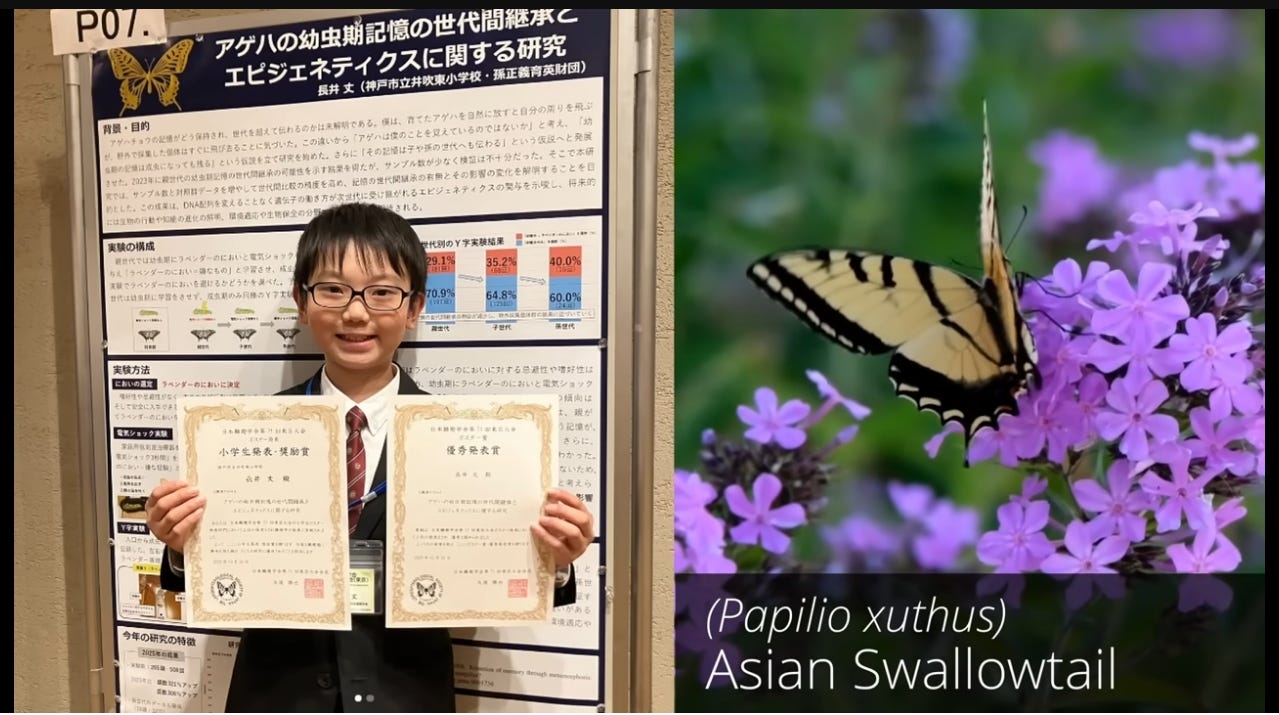
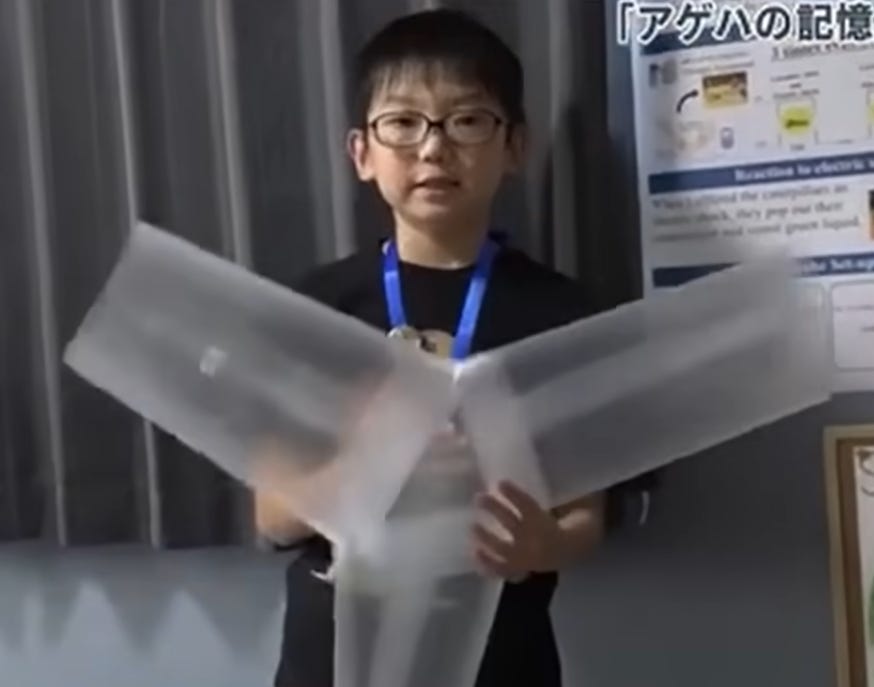
Which now brings us to the story of Jo Nagai, a boy from Kobe, Japan, who is widely being proclaimed as a “genius” for his experiments on these marvelous butterfly creatures.
At the 2024 International Congress of Entomology, ICE2024 Kyoto, the young boy was given a booth in which to present what was referred to as “his groundbreaking research on swallowtail butterflies.”
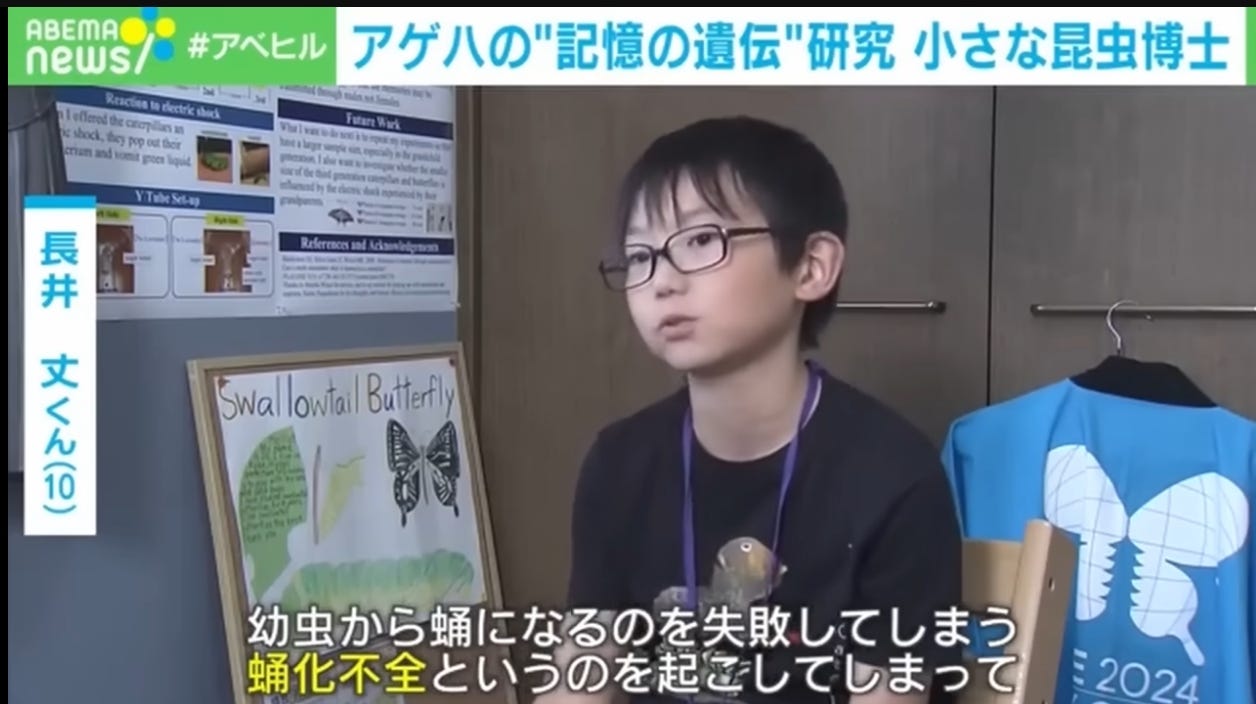
A recently-uploaded video entitled “Genius 10 Year Old’s Research Shocks Scientists Around the World” goes into detail about the boy’s endeavors, and it has received over 5 million views.(You will soon see that the “shocks” mentioned in the title is actually a double entendre, no doubt unintentional…)
There are over 14,000 comments on the video, all awash in praise and admiration for such intellect not usually seen in someone so young. But isn’t this just how most children in Japan are brought up? Japanese parents traditionally expect high achievements from the child, and play active roles in driving him to succeed all throughout his childhood. Much emphasis is placed on discipline, a strong work ethic, and perseverance.

And what’s unsettling about the comments is the proliferation of praise for the boy’s alleged compassion, empathy, and kindheartedness in his care of the caterpillars and butterflies he raised in his home science lab.
Why is this praise not deserved, you might ask? Because when you learn what the experiments actually entailed, the boy’s actual compassion and “love” for the butterflies definitely comes into question.
But it is not the boy himself who should be blamed. He does not appear to be anything but a well-behaved and rather sweet 10-year-old child. It’s his role models that seem to be influencing him and leading him astray that are the problem. He’s certainly learning these disturbing behaviors and mindsets from adults.
First off, the boy is shown proudly displaying his butterfly collection board. But the display doesn’t look quite so lovely when you realize that all the butterflies are DEAD.
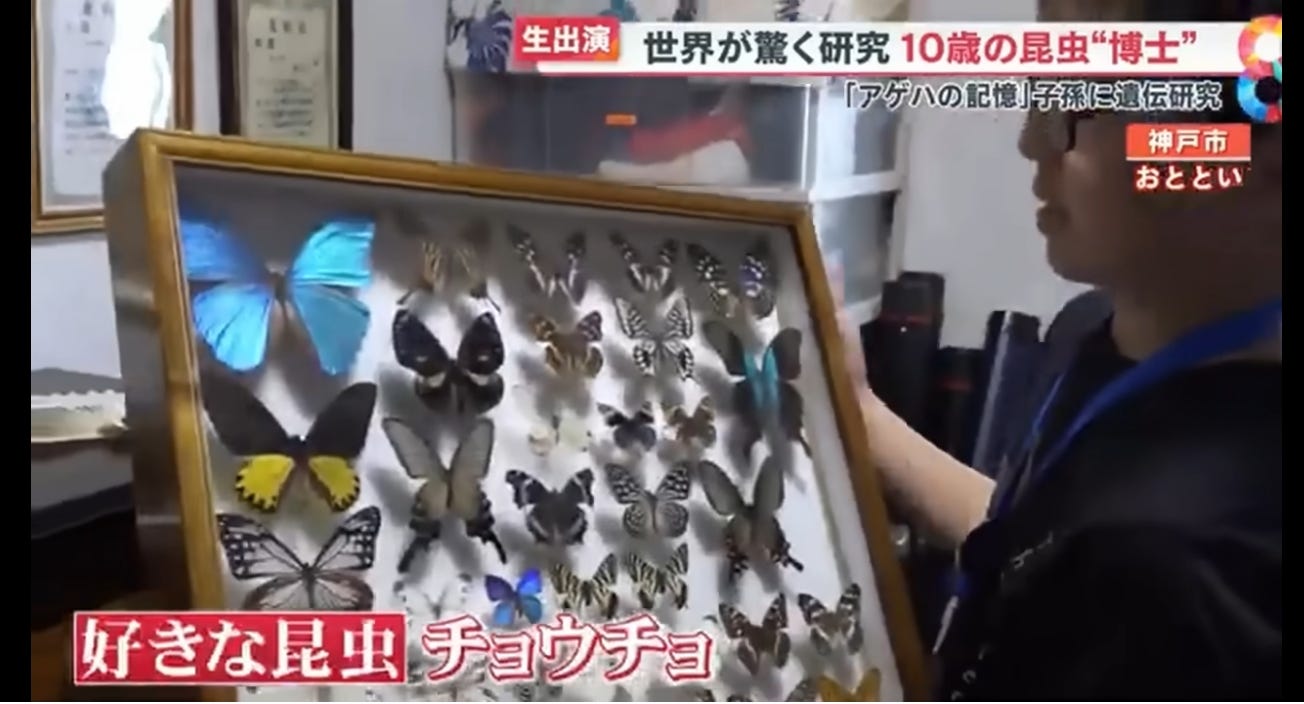
He’s had to kill each one in order to pin the lifeless body to the board, a common practice in “butterfly collecting.” He’s achieved this by using a chemical asphyxiant, which is chosen specifically for butterfly collecting and pinning.
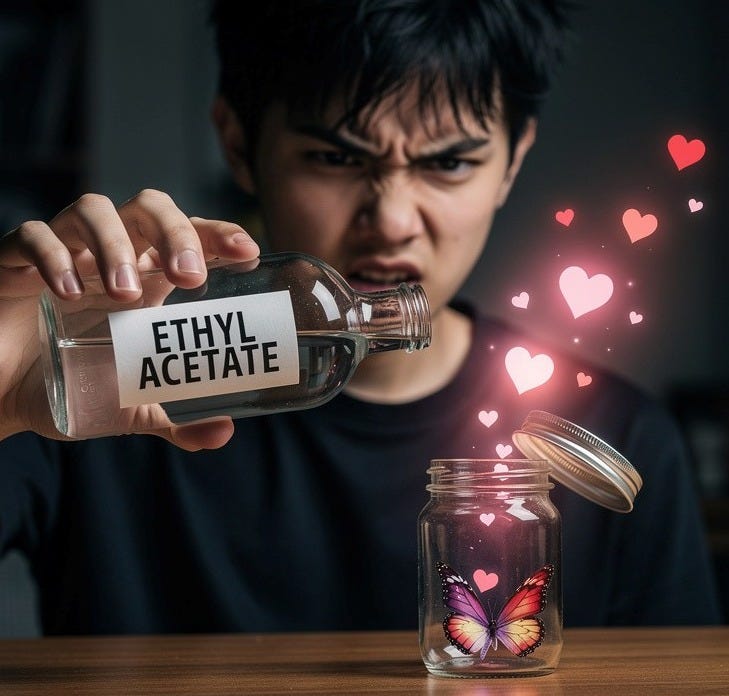
The procedure involves placing the insects in a wide-mouth “killing jar,” adding in ethyl acetate, and then tightening the lid closed. It takes about 15 or 30 minutes until the insect finally stops moving.
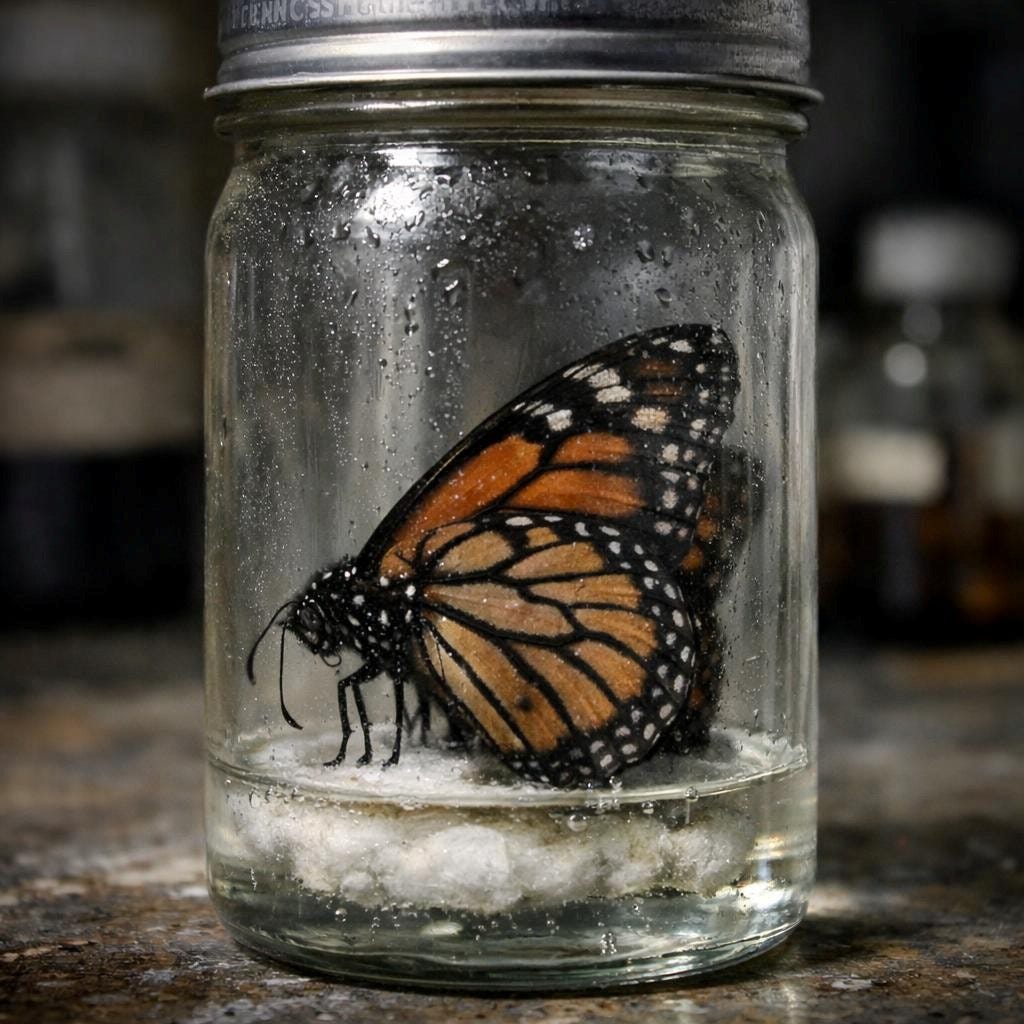
It’s not that pleasant of a way to die either, as it causes suffocation by either lowering oxygen levels in the air or preventing the body from using oxygen effectively. However, this is considered the “humane” way of advancing your collection of pinned butterflies. And in the collecting of scientific data, killing butterflies for the purpose of being put on display is just business as usual.
The narrator in the video then describes one experiment the boy conducted while he was in kindergarten. It entailed finding out how long butterflies could survive if they got “stuck” inside the chrysalis, which is the hard protective casing inside of which the caterpillar morphs into a butterfly.
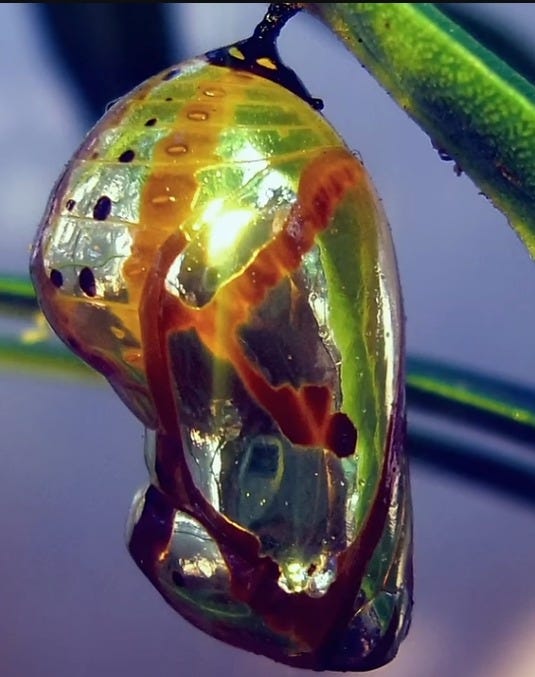
This procedure involved trapping them inside for longer and longer periods to see at which point they would expire. The amount of time spent inside this casing can range anywhere from 5 to 21 days. And in order to ascertain just exactly how this particular “experiment” affected the caterpillars, we now come to the sentience of these creatures.
Unlike plants, all insects have brains and central nervous systems. [Sorry, Plants Feel Pain activists!] Therefore, we can safely assume, at the very least, that this allows them to sense danger and feel physical pain. Their complex sensory processing and behavioral flexibility can also give the appearance of emotional responses.
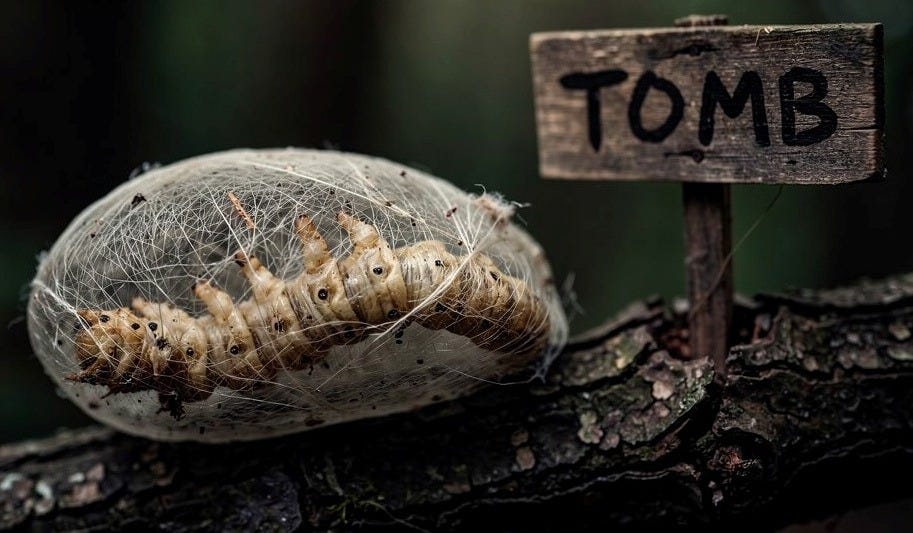
And so you can just imagine how the caterpillars may have experienced an overwhelming sense of PANIC and FEAR at not being able to escape when they knew it was time to break out of the casing.
THEY WERE HELD CAPTIVE IN THEIR CHRYSALIS
UNTIL IT BECAME THEIR TOMB…
UNTIL IT BECAME THEIR TOMB…
The boy’s next experiment involved exposing the caterpillars to different smells. Ostensibly, this was to see if they could learn to differentiate between the odors and react accordingly. However, it also entailed shocking the caterpillars with electricity. No worries, though, because in most insect experiments, delivering shocks is a common and normal part of the procedure.
First, Jo allowed the caterpillars to sniff some “clean air” with no consequences. Then, when he introduced the scent of lavender, he gave them the electric shock.
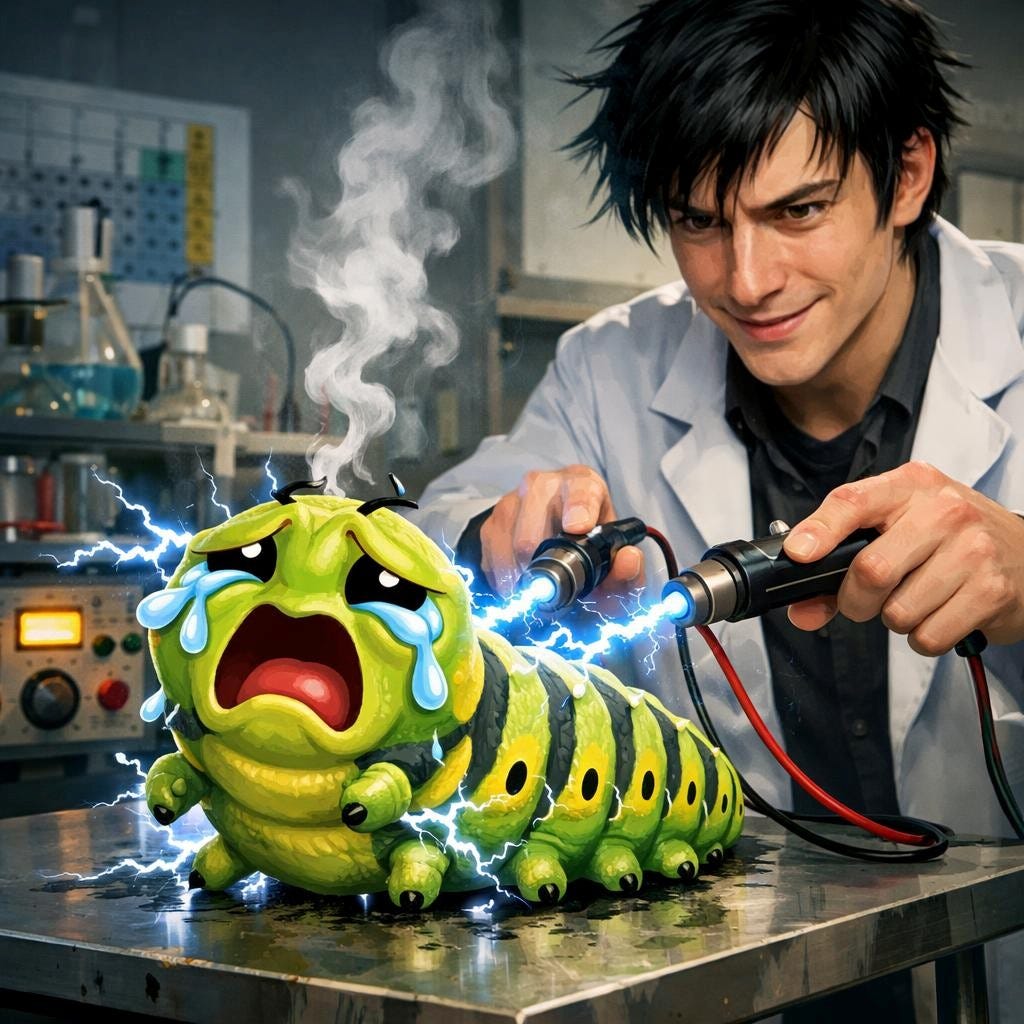
But what really swayed the viewers, and convinced them of the boy’s true empathy for the creatures, was the way he went about electrocuting the caterpillars. He started out at a low wattage of electricity, then gradually increased it until he saw them react in pain, at which point he then stopped. You see, he considered the caterpillars his “friends” and didn’t want to hurt them “any more than necessary.” What a kind and thoughtful friend to have!
It was claimed that the boy administered the shock in a way that enabled him to “empathetically” feel the voltage himself, by placing the electricity pad and the caterpillar on his arm. But this comparison is absurd, as the shock to the tiny creatures would have been about 90,000 times greater than what a human would feel.
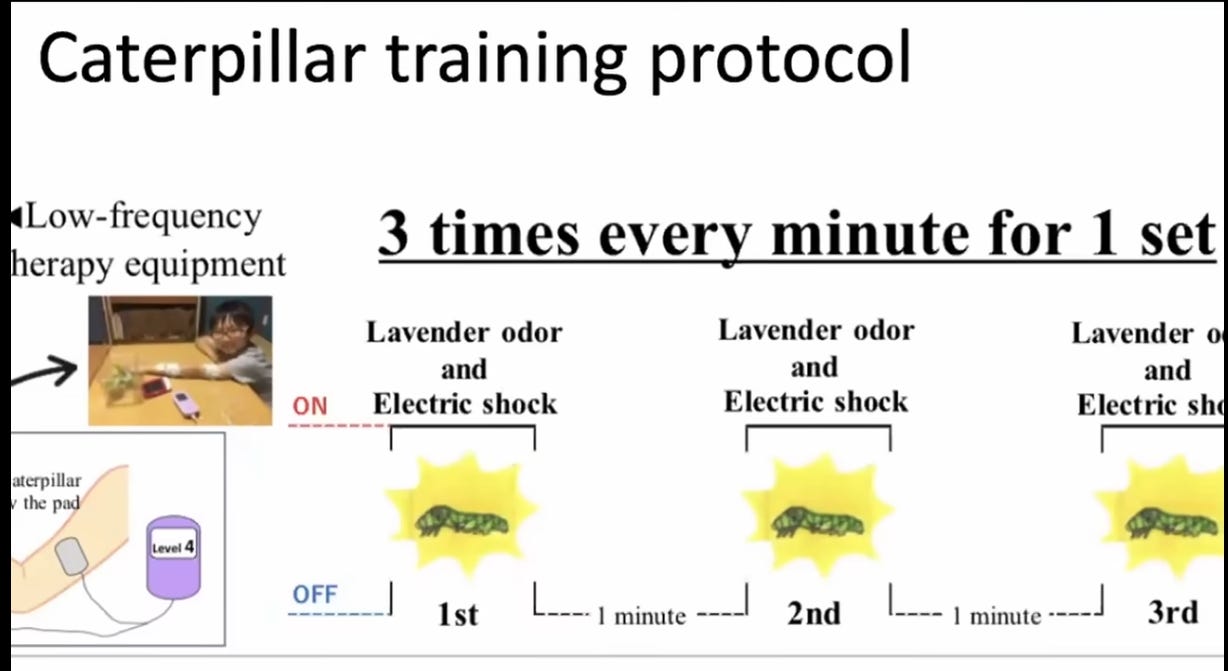
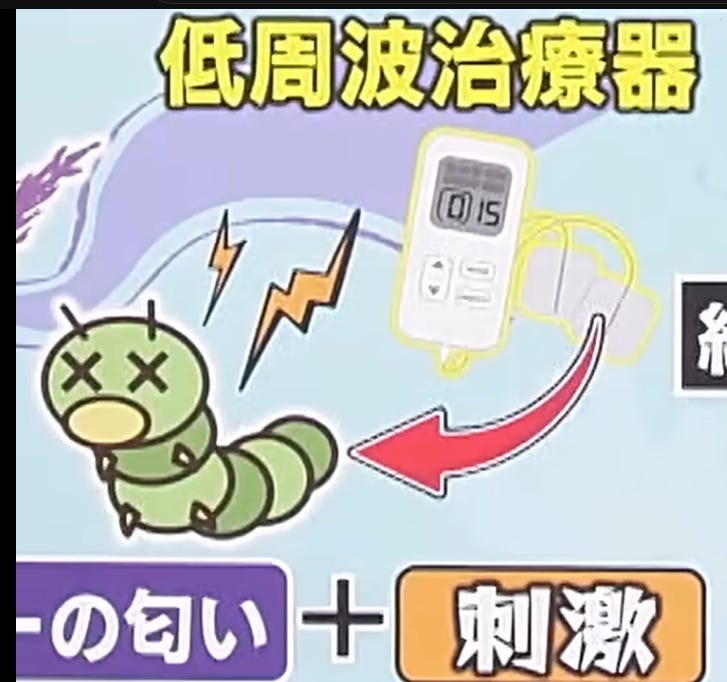
Over repeated trials, the caterpillars learned to avoid the lavender smell in order to prevent themselves from getting hit with an electric shock. But the question one should be asking is, why was ANY inflicting of pain even deemed necessary? This causation of pain is a key part of vivisection that runs predominantly all throughout these “scientific” experiments. Even just holding the creatures captive causes distress and discomfort.
And what, you may ask, was the purpose of all this smelling and electroshocking and unconditional love? Why, it was to prove that the memories of swallowtail butterflies could persist through metamorphosis.
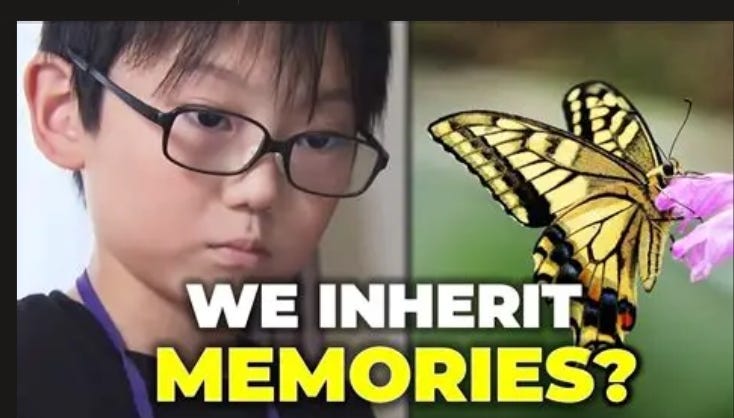
Apparently, the prevailing belief was that caterpillars developed some sort of amnesia as soon as they emerged from the chrysalis. They simply retained no previous memories after they became butterflies.
It is true that, in comparison, human children do not recall things that happened during their infancy. They don’t remember lying in a crib, or their first steps or first words. The earliest age a memory is evoked is typically upwards from ages two to three. This is actually something “medically” referred to as infantile or childhood amnesia.
But here’s the difference: The total lifespan of a butterfly is basically the blink of an eye compared to a human growing from baby to toddler to adulthood. It’s measured in months, not years, and sometimes it’s mere weeks.
So why would butterflies NOT retain memories of their former caterpillar selves? It would make more sense to assume they DID.
After all, the time spent from pupa to caterpillar spans about two to five weeks, with only one to two weeks left to live after emerging from the chrysalis. Some small butterflies only exist a few days, although the Monarch butterfly is able to survive up to 9 months; but it’s still a heck of a short life.
The boy stated that he thought it was amazing how butterflies could remember things “even though their brains were so small.” He then postulated that behavioral patterns were all “inherited” – not in humans, just in insects with small brains.
He did, however, make the odd comparison of these “inherited memories” to his intermediate family having allergic reactions to hay fever. The more logical belief, however, would be that this was due to having similar immune systems and/or proximity to allergens.
This “inherited memories” theory had already been put forth by a previous scientist’s study of moths. Entitled “Retention of Memory through Metamorphosis: Can a Moth Remember What It Learned as a Caterpillar?,” its author was Martha Weiss. The basic premise was that memories could be “inherited” throughout generations; essentially “transgenerational” memories.
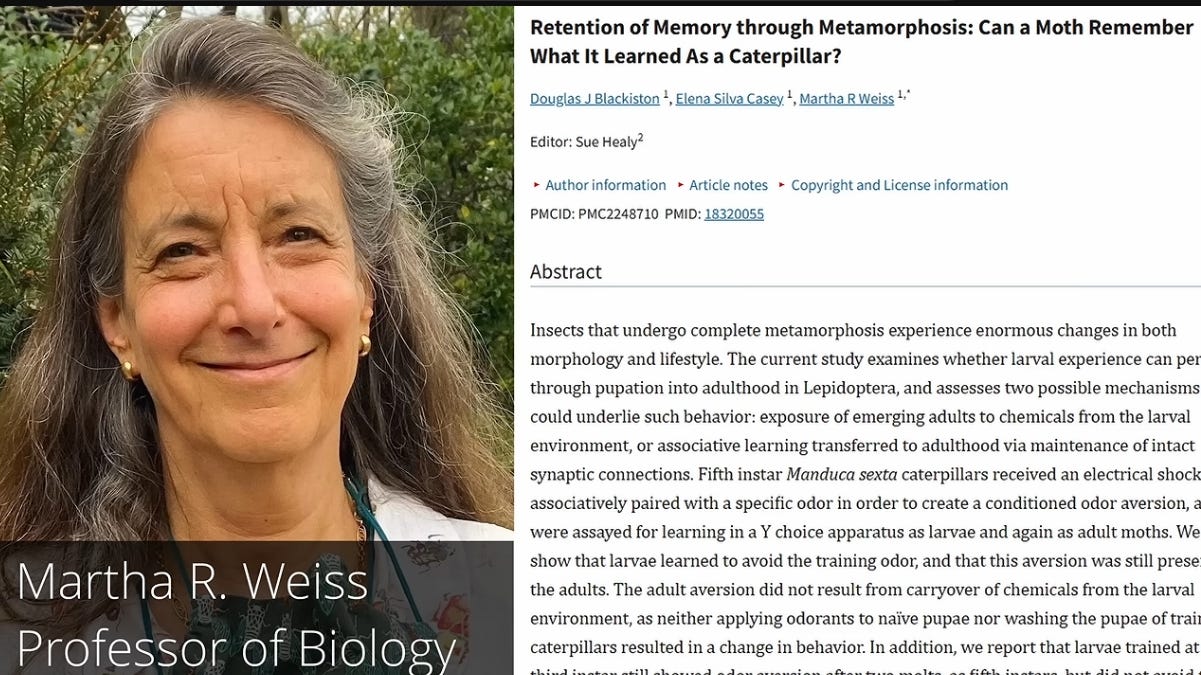
In essence, this theory was putting forth the notion that butterflies were not unique individuals, but more along the lines of FLYING MEMORY BOXES. They were simply repeating “remembered” patterns that had been passed down through generations.
The boy’s last experiment was having the butterflies make their way through a Y-shaped tube maze in order to see which path they would select. One of the sections contained a lavender scent, while the other held no scent.
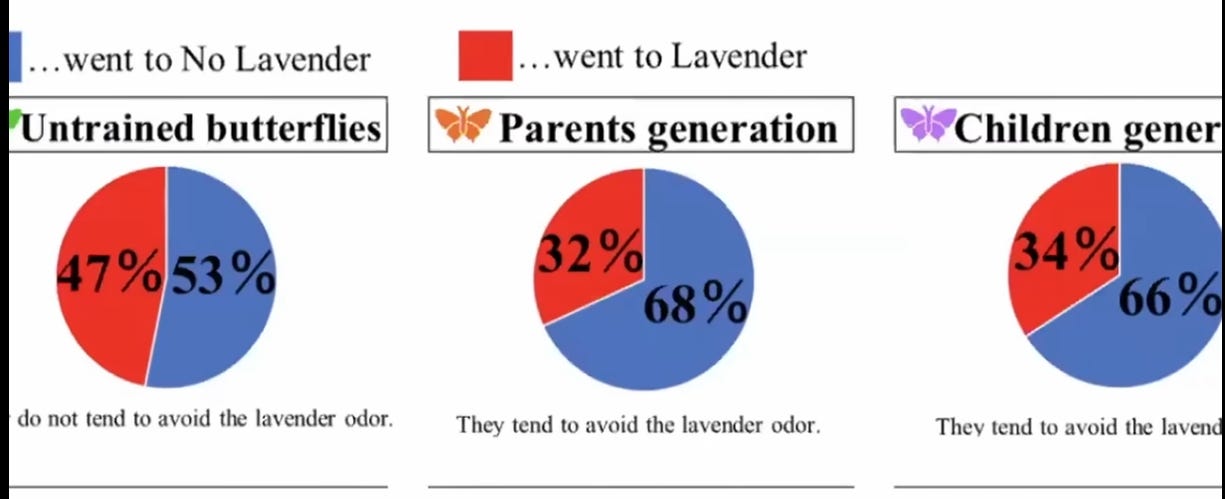
He noticed that some of the butterflies avoided the section of the maze that held the lavender scent. Most of these just happened to be the male butterflies. This gave him the idea that they somehow “retained memories” of their parents having been given electric shocks. But did anyone ever consider that perhaps the males were not attracted to the scent as the females were, and that’s why they selected the alternate path?
The narrator of the video then poses the question of how scientifically accurate the boy’s research could be. Good question. After all, at least 34% of the butterflies did NOT try to avoid the lavender scent in the maze, and the majority of those who did were males.
It could have just been a crapshoot of coincidence.
It could have just been a crapshoot of coincidence.
The boy then expressed surprise that the butterflies seemed to “remember” him from their time as caterpillars. But what is so unusual about insects with brains having memories, and being able to recognize scents and smells associated with humans?
The narrator stated that: “This whole thing wasn’t borne out of ambition or the pursuit of a scientific breakthrough. It was simply a 10-year-old trying to figure out whether his butterflies could actually remember him.”
But even if this were true, the amount of attention and acclaim the boy has been receiving for his alleged “breakthroughs” does not bode well for such altruistic intentions in the future.
The narrator then states: “To truly figure out how far this really goes, it will require more rigorous testing and replication ACROSS DIFFERENT SPECIES.”Of course. The perfect excuse to forever continue experimenting on captive animals in a laboratory, because it’s just never “conclusive” enough. Completely useless experiments endlessly repeated ad nauseam.
The boy himself has already said that he plans to do “more rigorous testing” in the near future with the caterpillars and butterflies.
But what happens when the day comes that he grows bored with the butterflies? Will he then replace the insects in the killing jar with beagles in cages?
And is it really that much farther along the vivisection path he’s already embarked upon?

+++++++++++++++++++++++++++++++
THANK YOU SO MUCH FOR READING!!!And now, if you enjoy my writing and haven’t already done so, please check out my book, “THE ENIGMA OF VITAMIN B12: NATURE’S ONLY MISTAKE?” to learn the complete sordid history and diabolical marketing of all synthetic supplements, which many have praised as fascinating, life-changing, and fun to read!(Only $14.13 FOR 300-page PAPERBACK!!!)
(Only $14.13 FOR 300-page PAPERBACK!!!)

Comments
Nothing yet. Say the first thing.
Sign in to join the conversation.