
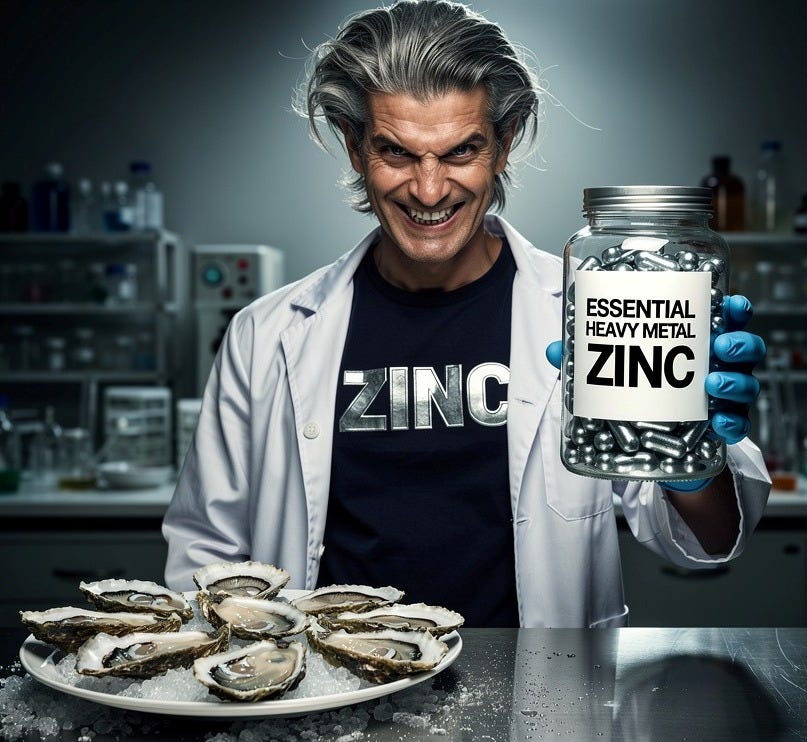
If Mr. Zinc comes off as a little self-important, he has every right to be. He’s considered a trace mineral that’s said to be “essential for life.” He’s also purported to be a cofactor for over 300 enzymes, and plays critical roles in DNA and RNA synthesis, cell division, and protein structure.
Unfortunately, we’re told that our bodies cannot produce this mysterious essential nutrient on its own, so it must be obtained daily through either diet or supplements.
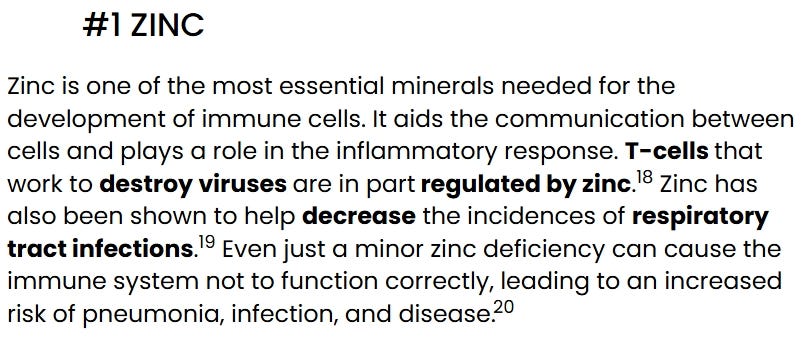
Those who are selling these vital, life-giving zinc supplements boast that ingesting it provides quite an impressive array of benefits. These include immune system support; wound healing; help in reducing the duration of colds; hormonal balance; slowing age-related vision loss; support of eye, skin, and reproductive health; and promotion of growth and development.
The faithful taking of zinc supplements may also provide protection against chronic diseases.
WOW!!! What IS this amazing substance that can do all these wonderful things?!? Apparently it can make you see better, grow taller, miraculously heal wounds, and ward off sickness!
But since this crucial nutrient/mineral/metal is so essential to our health and our very lives, we must be constantly vigilant that we have proper amounts of it circulating around in our bodies. This, of course, entails dutiful trips to the doctor for those all-important BLOOD TESTS to check for levels.
Although the signs of a Zinc Deficiency aren’t nearly as numerous as Vitamin B12’s (100-plus at last count!), some of the symptoms are oddly similar: fatigue and mood changes, irritability or depression due to its role in neurotransmitter function, as well as altered taste and smell.
Other possible symptoms of “low zinc levels” are hair loss, impaired immunity, delayed growth, skin issues, and digestive problems. Have we left anything out?!?
So how is a deficiency of zinc detected?
Common diagnostic tests include blood tests, urine tests, hair analysis, and taste tests to assess zinc levels in the body. ZINC is also proclaimed to be the second most abundant trace metal in humans, after IRON, with about 2 to 4 grams distributed throughout the body. Now THAT’s pretty darn prominent!
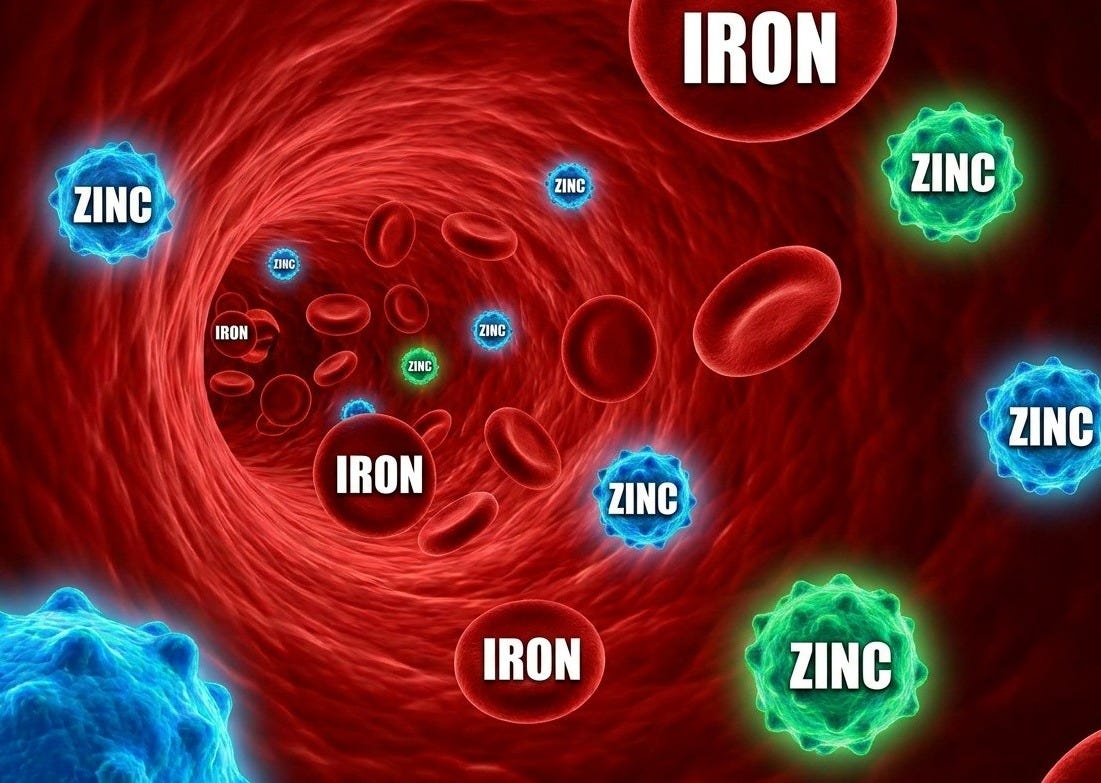
But if zinc is so ubiquitous in the body already, why would one need to take supplements?
Well, as it turns out, zinc has a lot in common with both Vitamin B12 and creatine, in that they can only be found in products derived from animals (or in jars of synthetic supplements). How convenient for the meat and dairy industry! Zinc in particular is claimed to be plentiful in oysters, beef, lamb, and pork, and to a slightly lesser degree in milk and eggs.
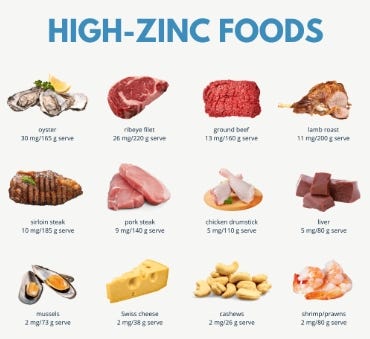
It’s the OYSTERS, though, that get top billing for having the highest amount of zinc – thanks to some fantastic PR and marketing!
And although beans, nuts and seeds have recently been added to the “Contains Zinc!” list, they are, of course, claimed to be far, far inferior to animal products. So this sends a message that anyone on a plant-based diet would be crap out of luck attempting to get enough of it from the food they eat.In other words, your only choices are to eat meat or take the zinc supplements! (Exactly as with B12…)
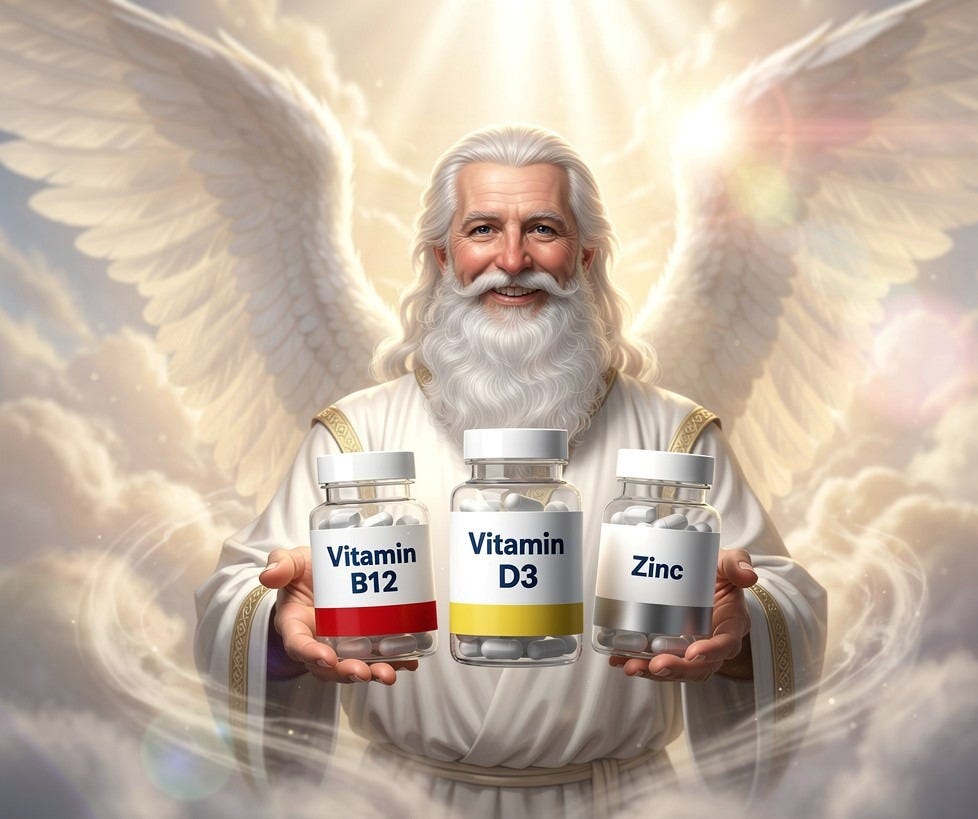
Once again, vegans and vegetarians have become the main group targeted as desperately needing to take supplements to prevent life-threatening deficiencies. They’ll now be told they must add zinc into their arsenal of MUST-HAVE vitamins, along with B12, D3, and creatine.
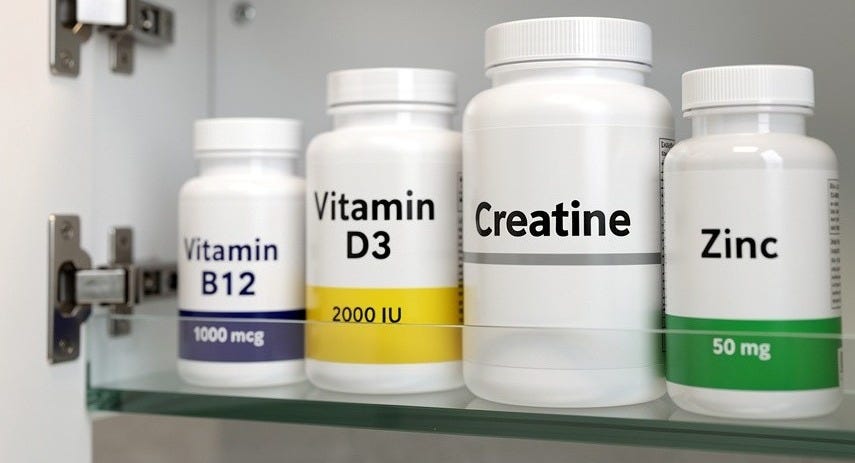
THANK GOD FOR SUPPLEMENTS, RIGHT?
Another trait that zinc shares with Vitamin B12 is that cobalamin’s main component of cobalt is also considered a HEAVY METAL. In fact, zinc is right up there with arsenic, lead, mercury, uranium, and iron in the list of heavy metals.
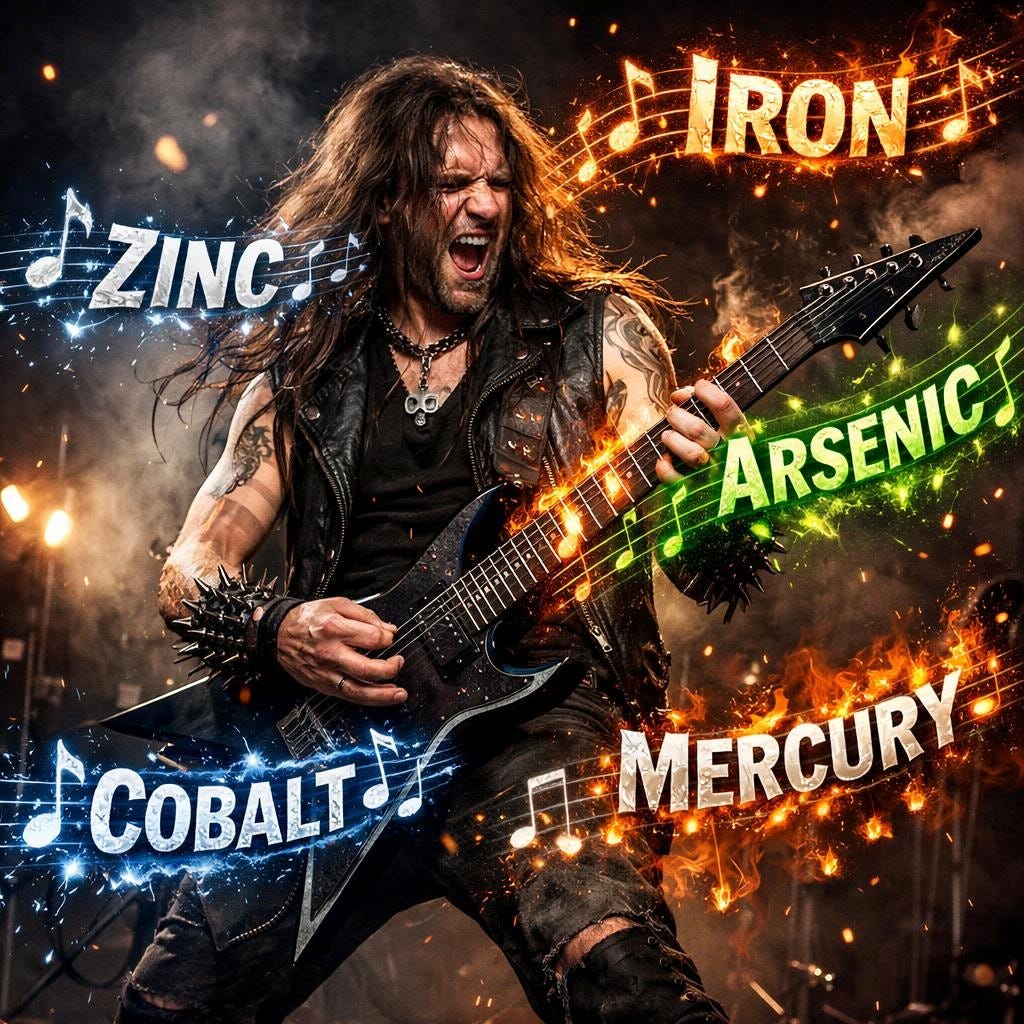
Technically, though, zinc is only considered a heavy metal by its density. And like the cobalt found in B12, it is also viewed as having a “crucial biological requirement,” which conveniently excludes it from the “toxicity” group.
In other words, if you’re considered a heavy metal, and you have supplements available for sale and ingestion, YOU CAN BE EXCUSED from being labeled toxic!
Nice loophole.
Truth be told, though, The U.S. National Toxicology Program lists cobalt and cobalt compounds as “reasonably anticipated to be a human carcinogen.” And cobalt is classified as “probably carcinogenic to humans” by the International Agency for Research on Cancer (IARC).
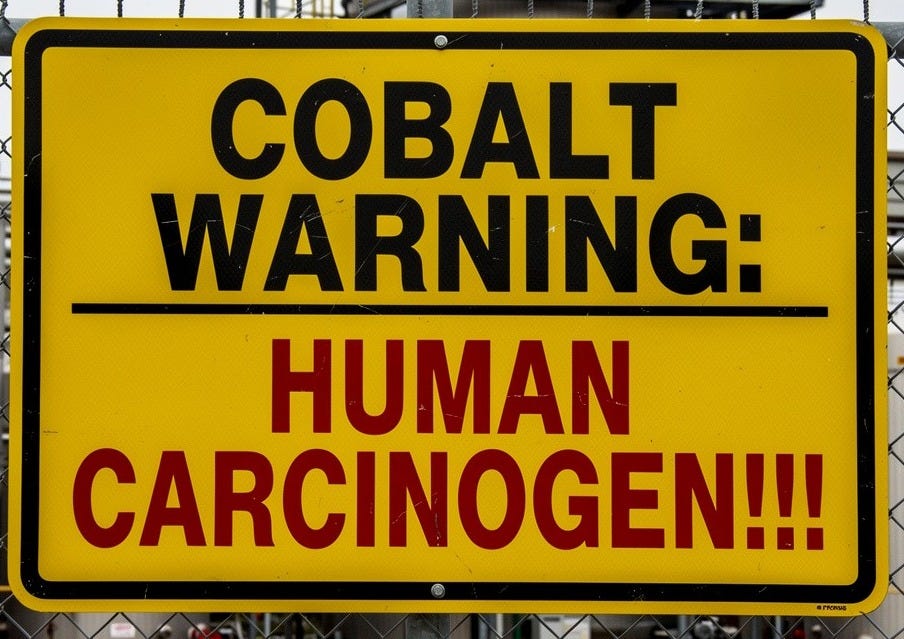
But don’t worry, it’s A-OK to ingest cobalt in supplement form as Vitamin B12/cobalamin, with zinc now being afforded the same special privileges of IMMUNITY!
But is this really true, that zinc is not toxic? Let’s take a look at Thermo Fisher Scientific’s Material Safety Data Sheet (MSDS).
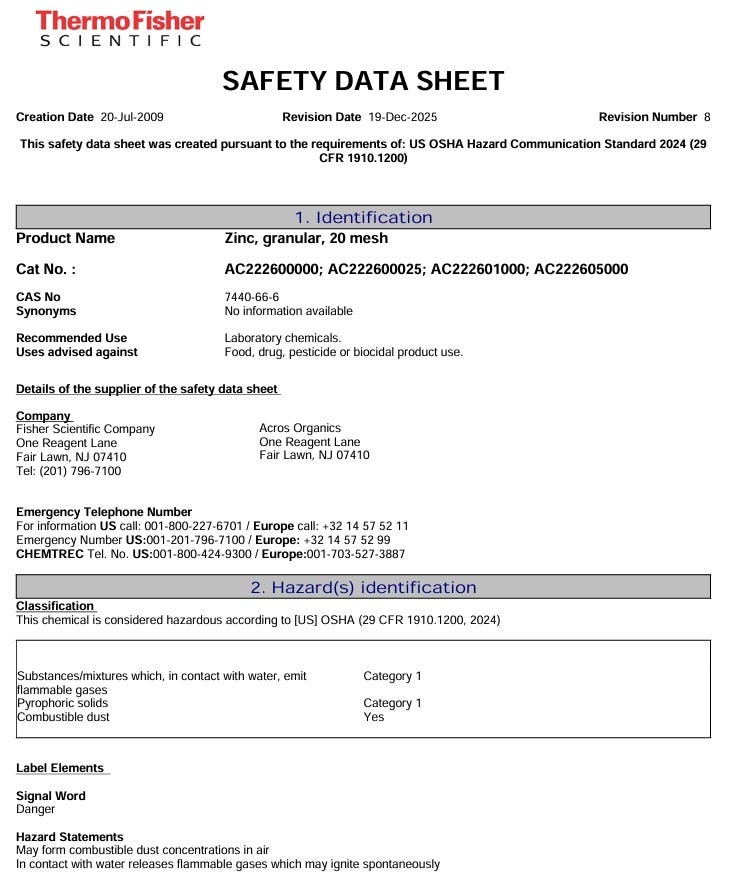
Right away we see that zinc is NOT recommended for any food or drug, and that it’s considered “hazardous” according to OSHA (29 CFR, 1910.1200, 2024). It’s also noted to be “very toxic to aquatic life with long-lasting effects.”

There is also a warning that contact with water could release “flammable gases which may ignite spontaneously,” and that it is “spontaneously flammable in air,” with the Signal Word being “Danger.” YIKES!!!
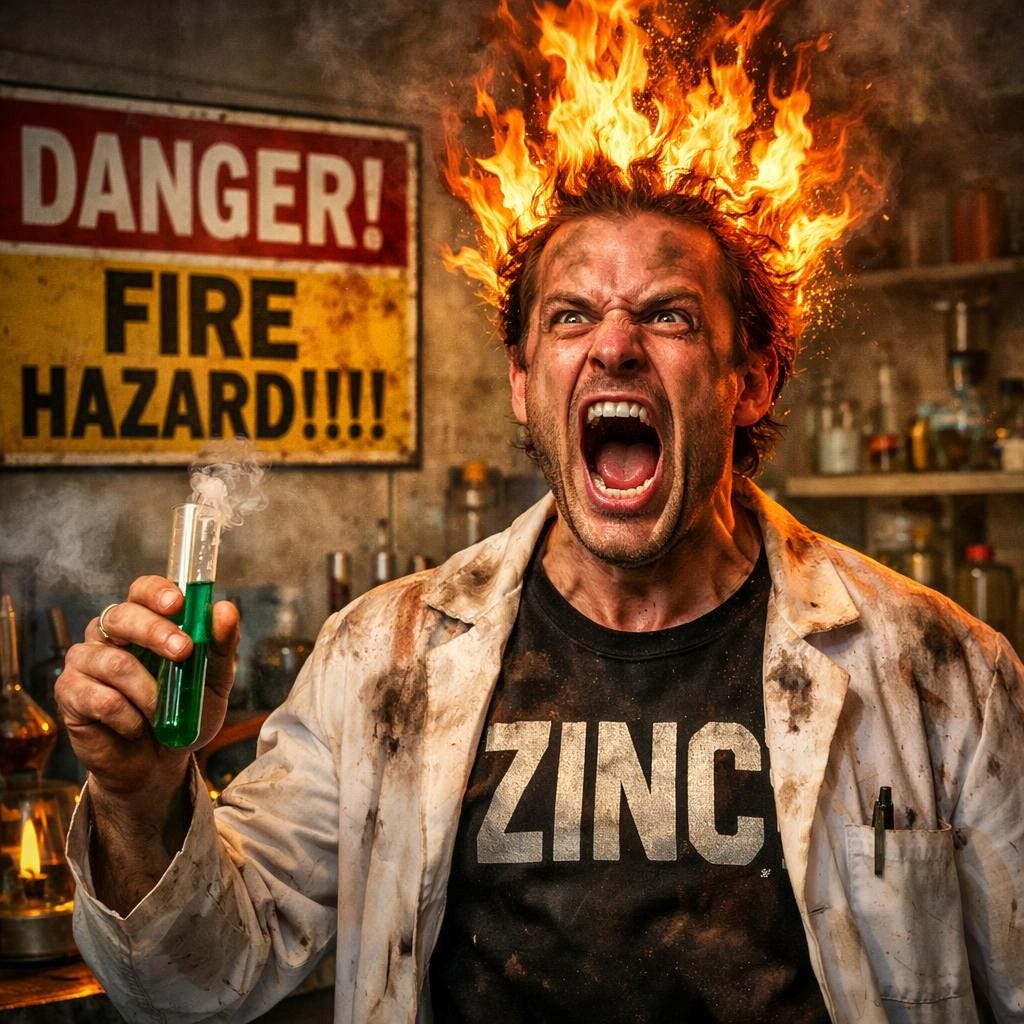
Sounds kinda “toxic” to me!!!
Yet another similarity to the cobalt in B12 is that zinc is also stuck in batteries and alloys, and used for die-casting and other industrial applications. Well, that makes sense, as they’re both HEAVY METALS!
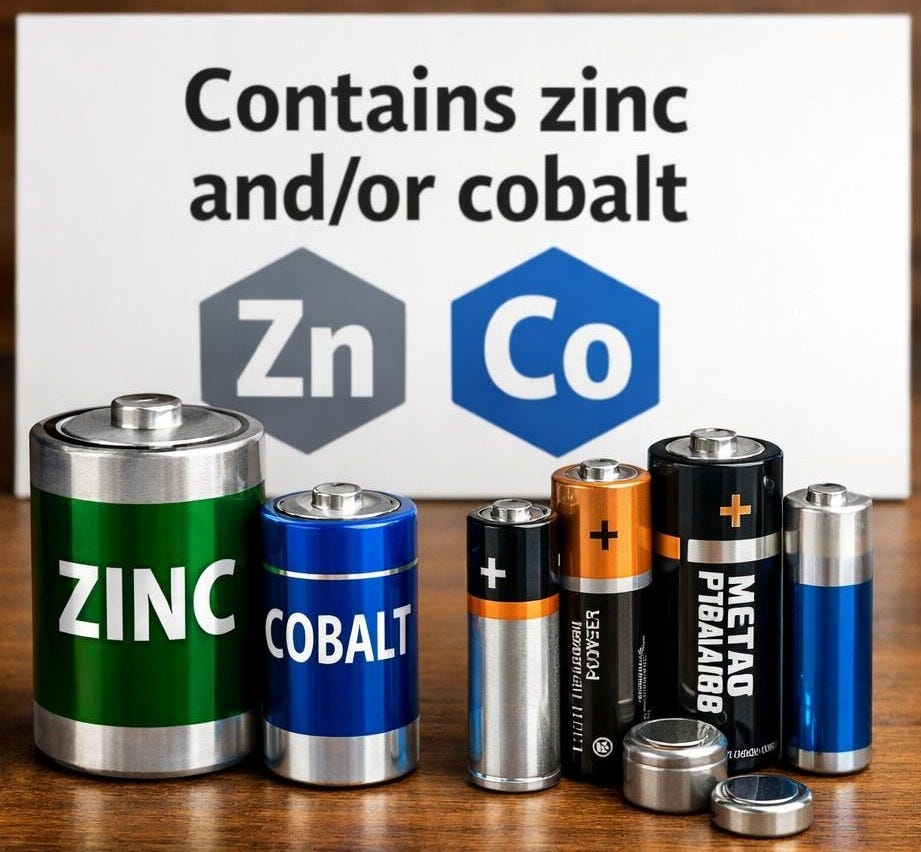
And, as with B12, there’s the contradictory dangers of both too-LOW and too-HIGH levels of zinc in the body. The Tolerable Upper Intake Level for adults is 40 mg per day. Acute overexposure can cause nausea, vomiting, and stomach cramps, while chronic high intake may lead to copper deficiency, anemia, and neurological issues.
Wait – so, high dosages can cause ANEMIA? But can’t we just take IRON supplements or those delicious Liver Extract Pills with Ox Bile to fix it then?!

According to Memorial Sloan Kettering Cancer Center, taking more than 75 mg of zinc supplements per day may increase the risk of prostate cancer. However, in cases declared as a DEFICIENCY of zinc, an increased risk of various cancers is also claimed. These include esophageal squamous cell carcinoma, head and neck cancer, and breast cancer.
So you’re at risk both coming and going!

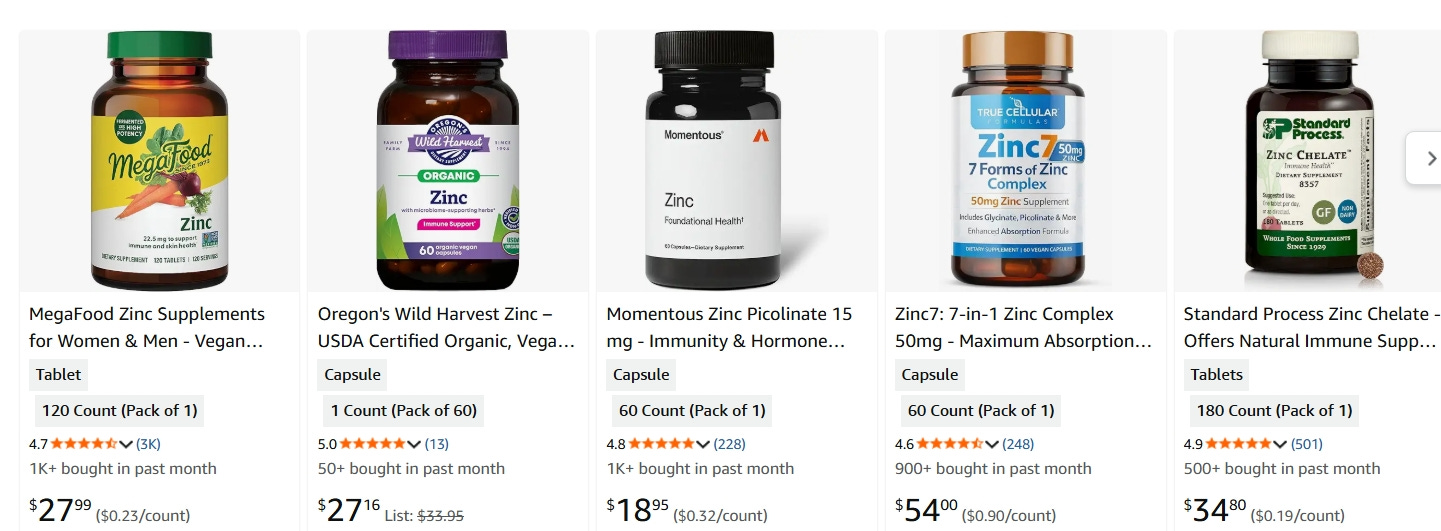
Fortunately, online stores like Amazon have HUNDREDS of zinc supplements for your shopping pleasure that are available in multivitamins, immune blends, lozenges, and gummies. There’s zinc picolinate, zinc gluconate, zinc citrate, zinc methionine, and zinc bisglycinate. (and not priced too cheaply, either!)
The first documented use of zinc in a supplement-like form occurred in the 1950s. The “deficiency” was allegedly first discovered in animals (swine), which created a market for zinc supplements to be sold to livestock – and later to humans. A skin condition called parakeratosis in the animals was blamed on “not enough zinc in the diet.”The illness couldn’t have anything to do with the conditions the animals were kept in…

How convenient it was that just a few years later, in 1961, a physician by the name of Ananda Prasad put together a paper announcing the existence and very real danger of zinc deficiency. Surprise, surprise, his “study” was linked to IRON DEFICIENCY ANEMIA! Can you say déjà vu, Vitamin B12 and Iron?!?
The paper was entitled “Syndrome of Iron Deficiency Anemia, Hepatosplenomegaly, Hypogonadism, Dwarfism and Geophagia.”

He claimed that some patients he examined – who obviously had stunted growth from malnutrition/starvation – were actually suffering from a deprivation of zinc. He said this caused severe growth retardation, sexual immaturity, and other health problems.
The conclusions in his “study” conveniently threw open the door for zinc supplements to be put on the market, and the FEAR of Zinc Deficiency was born!
Speaking of fear, we’re now being told that those naughty PLANT TOXINS known as oxalates can virtually destroy mineral absorption of this magical zinc when eaten with foods like oysters, beef, milk or eggs.
When spinach lost some of its coveted IRON status in the 1930s, it was blamed on those pesky OXALATES. Following the same sort of “logic,” the loss of zinc content is blamed on PHYTATES (phytic acid).
Both oxalates and phytates are naturally-occurring plant compounds classified as “anti-nutrients.” These bad boys are reputed to bind to minerals and reduce their absorption. In particular, the phytates “bind zinc and block its uptake.”
And although beans, nuts, seeds, and greens are said to contain a bit of zinc, the phytates block absorption by up to 50%. WOW! These malicious plants are depriving you of minerals needed to sustain life!

Promoting this idea of plant toxins decimating nutrients is the theme of one Youtube video. Entitled “Proof that Eating Plants with Meat Destroys your Zinc Absorption,” it’s incredibly misleading, bordering on blatant dishonesty. Its host specifically mentions a study involving feeding men oysters, but a quick look at the actual paper shows nothing of the sort.
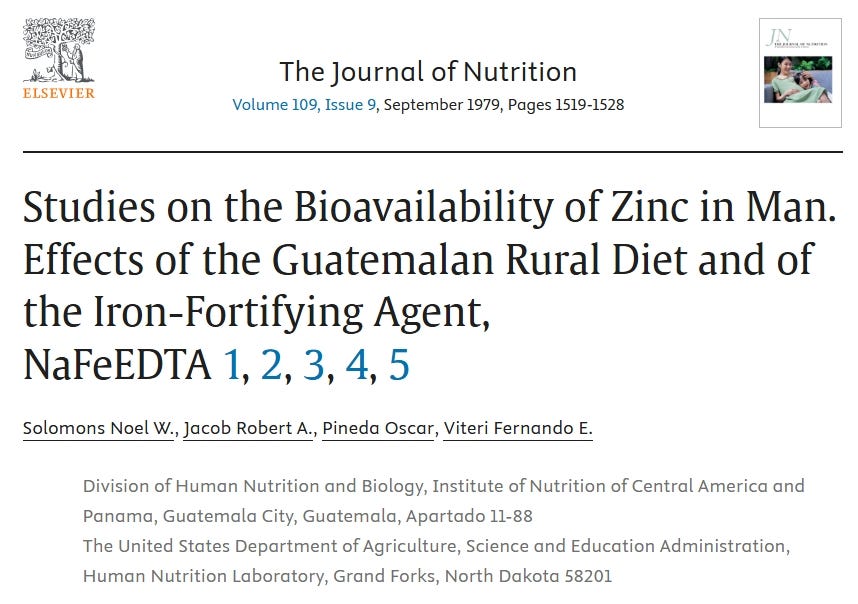
Published on September 1979 in the Journal of Nutrition, and entitled “Studies on the Bioavailability of Zinc in Man: Effects of the Guatemalan Rural Diet,” humans were given a 110 mg dose of lab-created zinc sulfate heptahydrate. They were then fed black beans and corn tortillas.

Their blood was then tested for levels of the zinc concoction, which appeared to have lessened in comparison to a period that involved fasting/no food. The conclusion was that “the basic Guatemalan diet, itself, impairs zinc nutriture,” and phytates were one of the culprits blamed. THAT’S IT! Certainly not earth-shattering, and nothing at all about oysters or meat was even mentioned. It seemed to be all about promoting the idea that if your diet consisted of a lot of bean tortillas, you were going to need to take zinc supplements.
Oddly enough, though, one of the funders listed on the study was The United States Department of Agriculture, whose job it is to “ensure the safety, wholesomeness, and proper labeling of the nation’s meat, poultry, and egg products through inspections, research, and public education.”
If I didn’t know any better, I might think they were there to ensure that BEANS were stigmatized as lowering those “all-essential zinc levels”!

And so that is the curious story of ZINC.
There are so many contradictions and questionable details that don’t make sense, you could almost say it could have been DREAMED UP IN A DRUG LAB!
I’d say unicorns and elves were definitely involved.

++++++++++++++++++++++++++++++++++
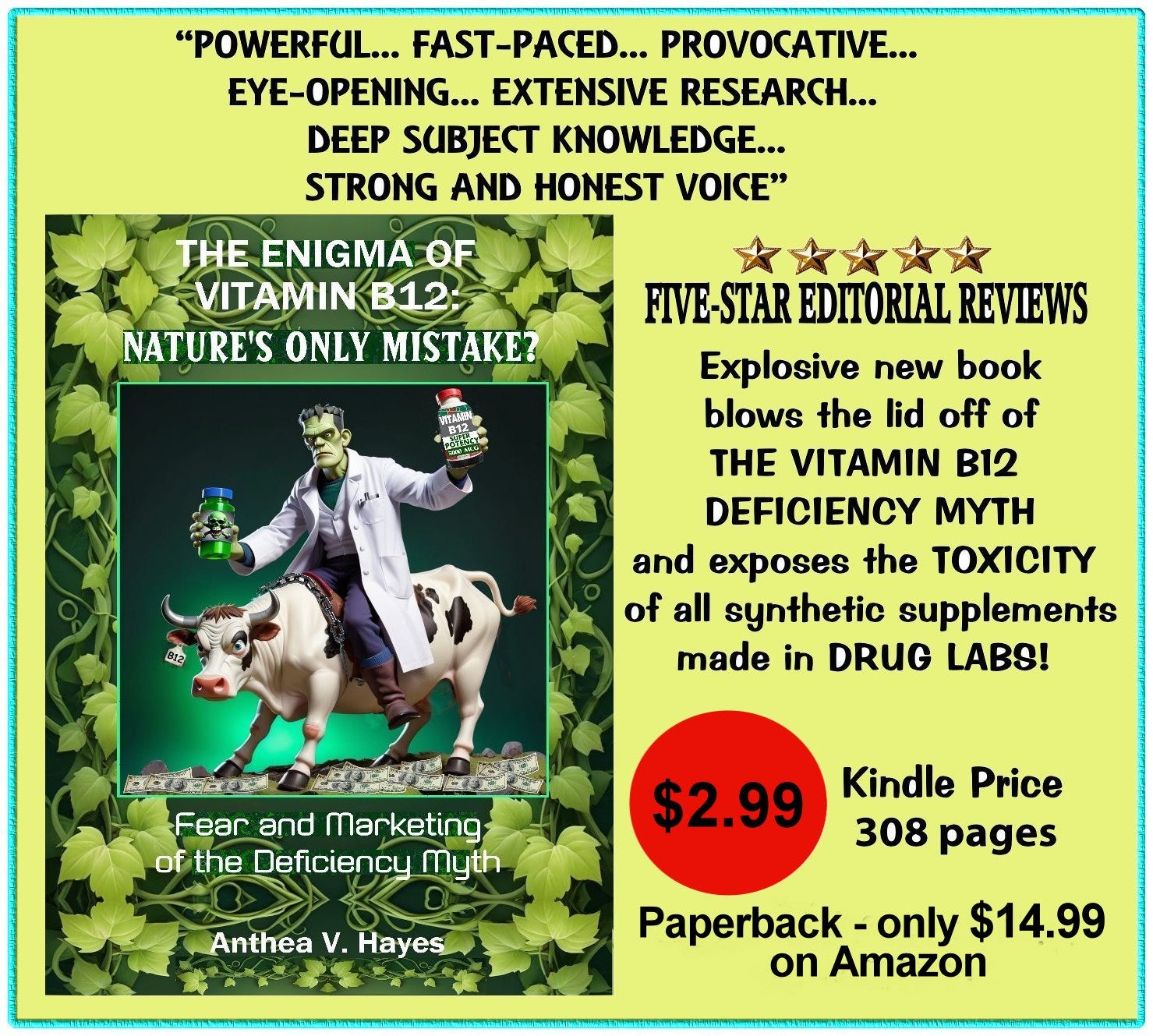
THANK YOU SO MUCH FOR READING!!!And now, if you haven’t already done so, please check out my book, “THE ENIGMA OF VITAMIN B12: NATURE’S ONLY MISTAKE?” to learn the complete sordid history and diabolical marketing of all synthetic supplements, which many have praised as fascinating, life-changing, and fun to read!
(Only $13.99 FOR PAPERBACK during promotional period!)LINK TO BOOK ON AMAZON
(Only $13.99 FOR PAPERBACK during promotional period!)LINK TO BOOK ON AMAZON
Comments
Nothing yet. Say the first thing.
Sign in to join the conversation.