
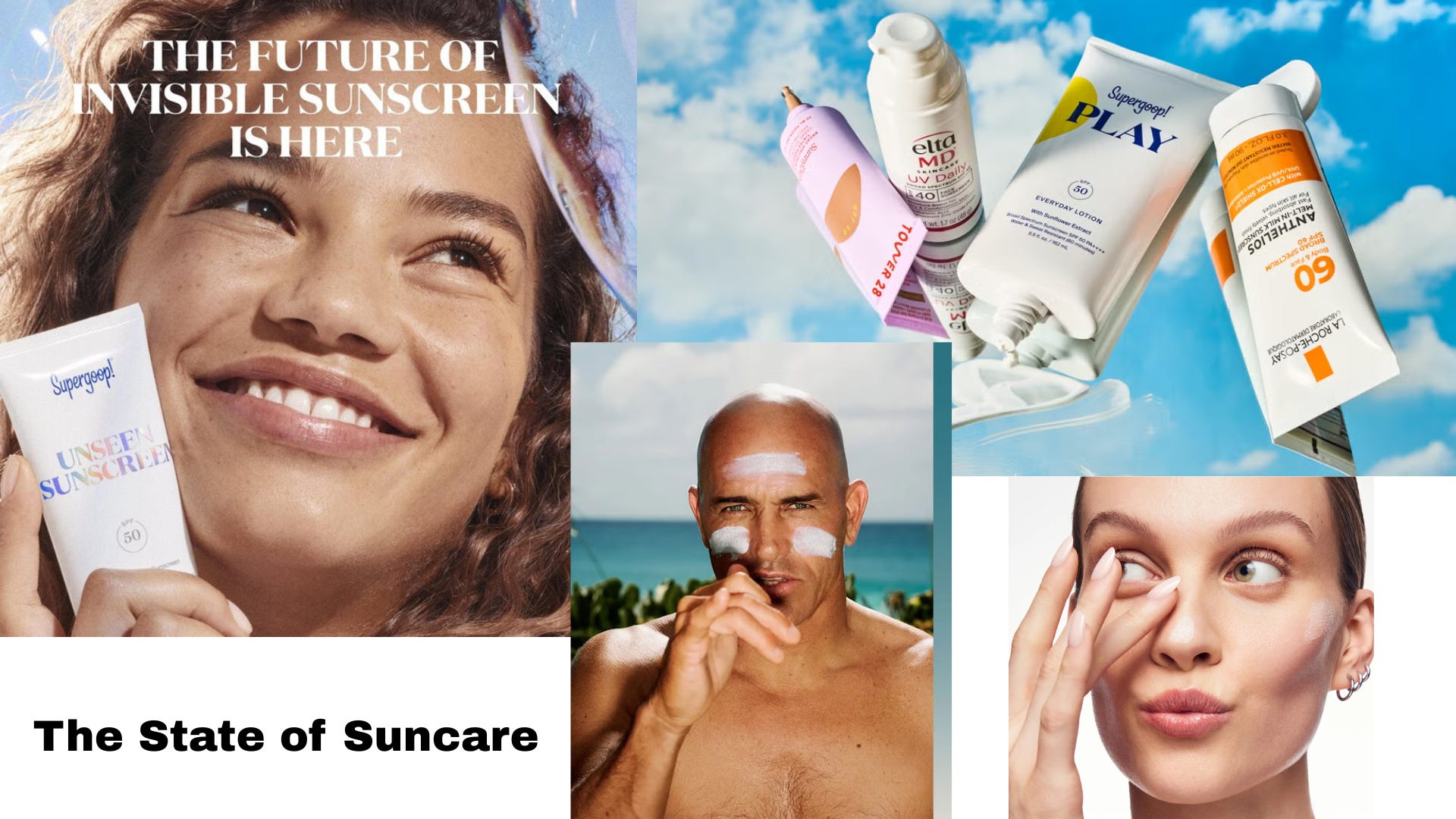
The FDA just approved its first new sunscreen UV filter in more than twenty years.
My friends know I’m a sunscreen girl, so this was big.
EltaMD has been my staple for years, and lately I’ve been reaching for Sofie Pavitt’s Screentime, which somehow manages to make my skin even glowier than I thought possible.
The sun care category, what it’s grown into, and where it’s going, has fascinated me for a long time. The category is growing up, and I think the most interesting shift is that protection is becoming something consumers want to incorporate into their everyday lives, not just something they’re told they should do.
My mom had a Micronodular Basal Cell Carcinoma that she initially thought was a stubborn pimple. By the time it was diagnosed, surgeons had to remove about a quarter of her nose. The reconstruction is remarkable (you’d never know), but watching her go through surgery permanently changed how my family thinks about the sun.
Afterward, my Mom became meticulous about protection. Sunscreen was just the beginning: hats, driving gloves, UPF shirts on hikes, gloves while driving, and always looking for shade. As kids, my siblings and I rolled our eyes, desperate to be “normal” and not covered head to toe in white, slimy goo.
For years, the message around sunscreen was simple: wear it because it’s good for you.
Today, the most interesting brands are taking a different approach.
They’re building on the consumer education that already exists and asking a different question: How do we make people actually want to use it?
Their answer: make sun protection feel seamlessly like skincare, beauty, and self-care rather than medicine.
Awareness isn’t the whole problem. Most people already know they should wear SPF, even if there is debate over whether to use mineral or chemical sunscreens. The bigger challenge is adherence. Creating products that actually earn a place in everyday routines.
Only 57% of Americans regularly use sunscreen, according to the American Academy of Dermatology. At the same time, the US sun care market was valued at more than $14 billion in 2023, and it’s projected to reach $21.44 billion by 2030.
The category spans sunscreen and sunblock, moisturizers, lip balm, and after-sun care. Driven by rising awareness of how UV exposure causes skin damage, premature aging, and skin cancer, along with the growing demand for cleaner, more natural formulations.
The sunscreen industry hasn’t been trying to prove sunscreen works. The challenge has been designing products people actually want to wear every day. Products that are easier, more enjoyable, and more habitual.
Today, we’re seeing the industry attack this in four ways:
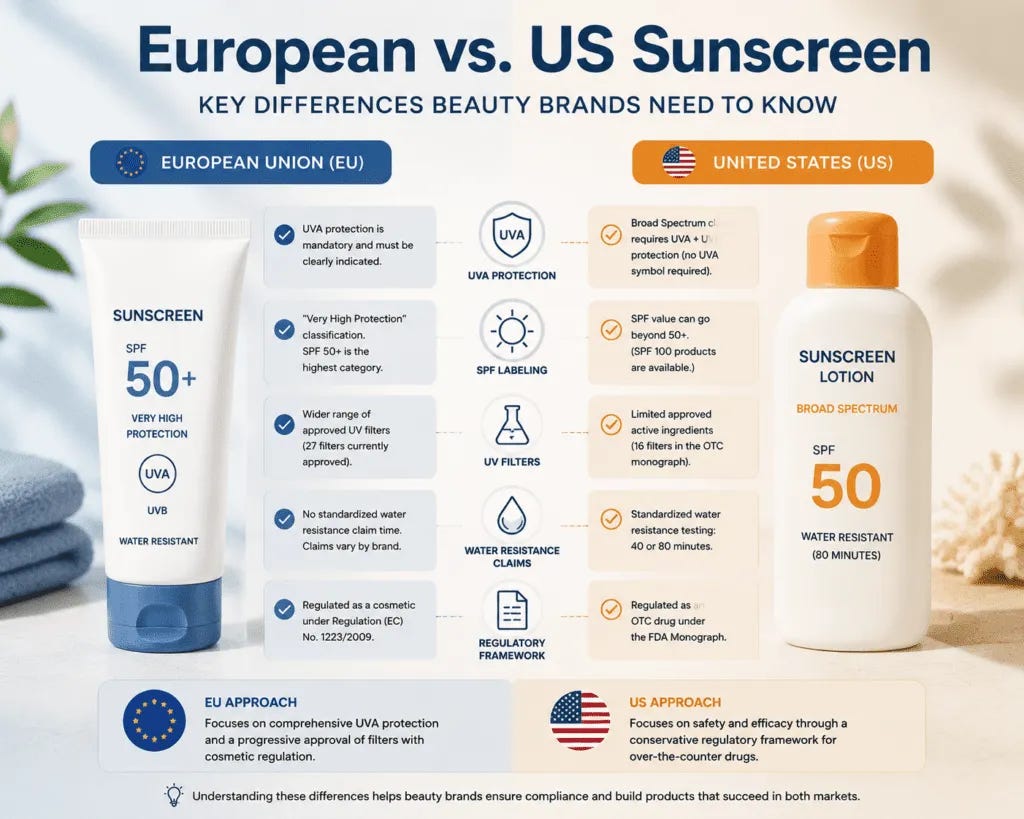
For decades, American consumers have only had access to a limited set of UV filters compared to consumers in Europe and Asia. In the US, we regulate sunscreen as an over-the-counter drug rather than a cosmetic. Therefore, new ingredients go through a lengthy pharmaceutical-style review.
In the EU, sunscreen is regulated as a cosmetic, giving manufacturers more flexibility to introduce new filters.
The result is that American consumers have been using older UV filter technology while newer filters have been available elsewhere for years.
The FDA’s approval of bemotrizinol gives formulators another modern UV filter to work with. Bemotrizinol protects against both UVA and UVB, is photostable, and can enable more elegant formulations. In other words, it creates opportunities to make sunscreen that people genuinely enjoy applying and reapplying.
This is a major step for the US because bemotrizinol has been used in European and Asian sunscreens for years.
Better chemistry isn’t without tension. Questions around absorption and skin sensitivity remain part of the conversation, and bemotrizinol won’t be everywhere overnight. But the direction is exciting: better protection, better products, and ultimately better adherence.
The shift isn’t only in the formulas. Perhaps the biggest consumer shift has been repositioning SPF from beach protection to everyday skincare and anti-aging skincare.
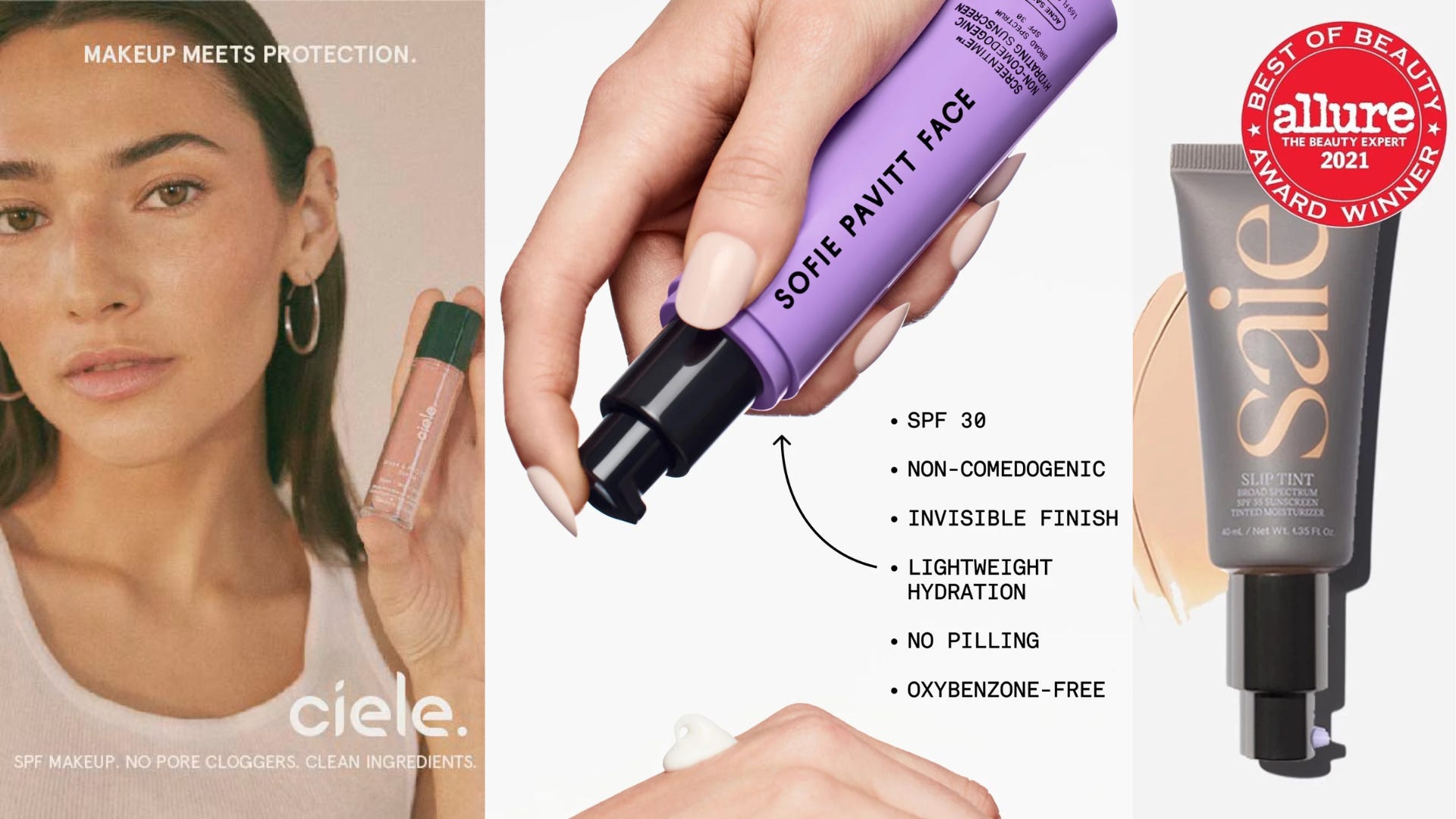
Supergoop helped normalize sunscreen as a daily skincare step. Vacation made sunscreen fun through world-class brand building. Now brands have taken sunscreen and adopted it as their own, each with their own angle: Sofie Pavitt, Saie, Tower 28, Ultra Violette, Good Weather Skin, Utu, and Minu. Each blurs the line between skincare, beauty, and sun protection.
Some go even further: Ciele combines broad-spectrum SPF into color cosmetics, with non-pore-clogging formulas. They’ve put protection, artistry, and performance into the same product. Now, you don’t have to add sunscreen to your routine because it’s already in your foundation.
Consumers are responding. Prestige sun care grew 23% and generated $323 million in value sales in the twelve months ending March 2026, according to Circana.
The market isn't just getting bigger. The part of it built around beauty and anti-aging is growing faster.
Protection is expanding beyond the bottle.
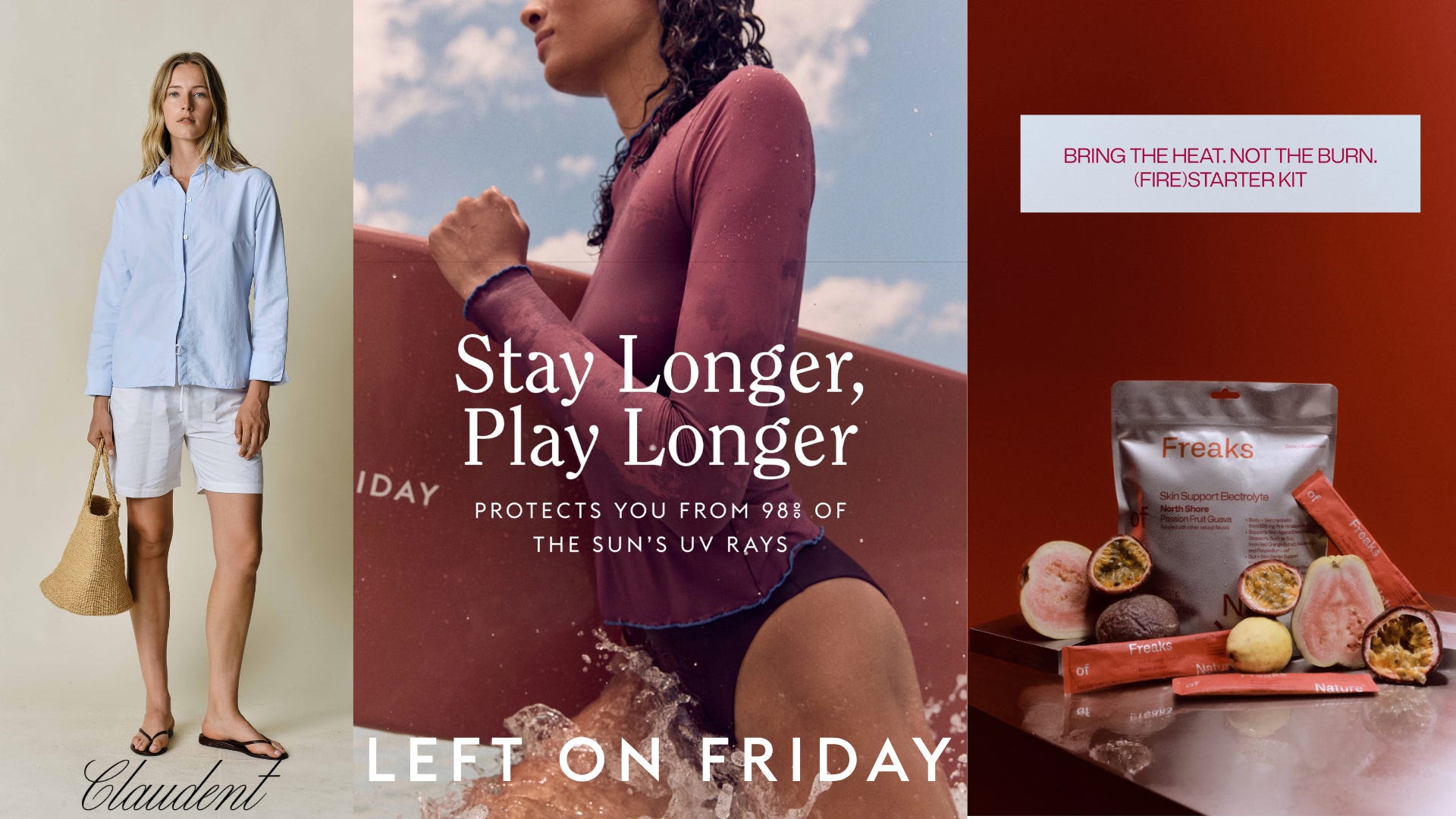
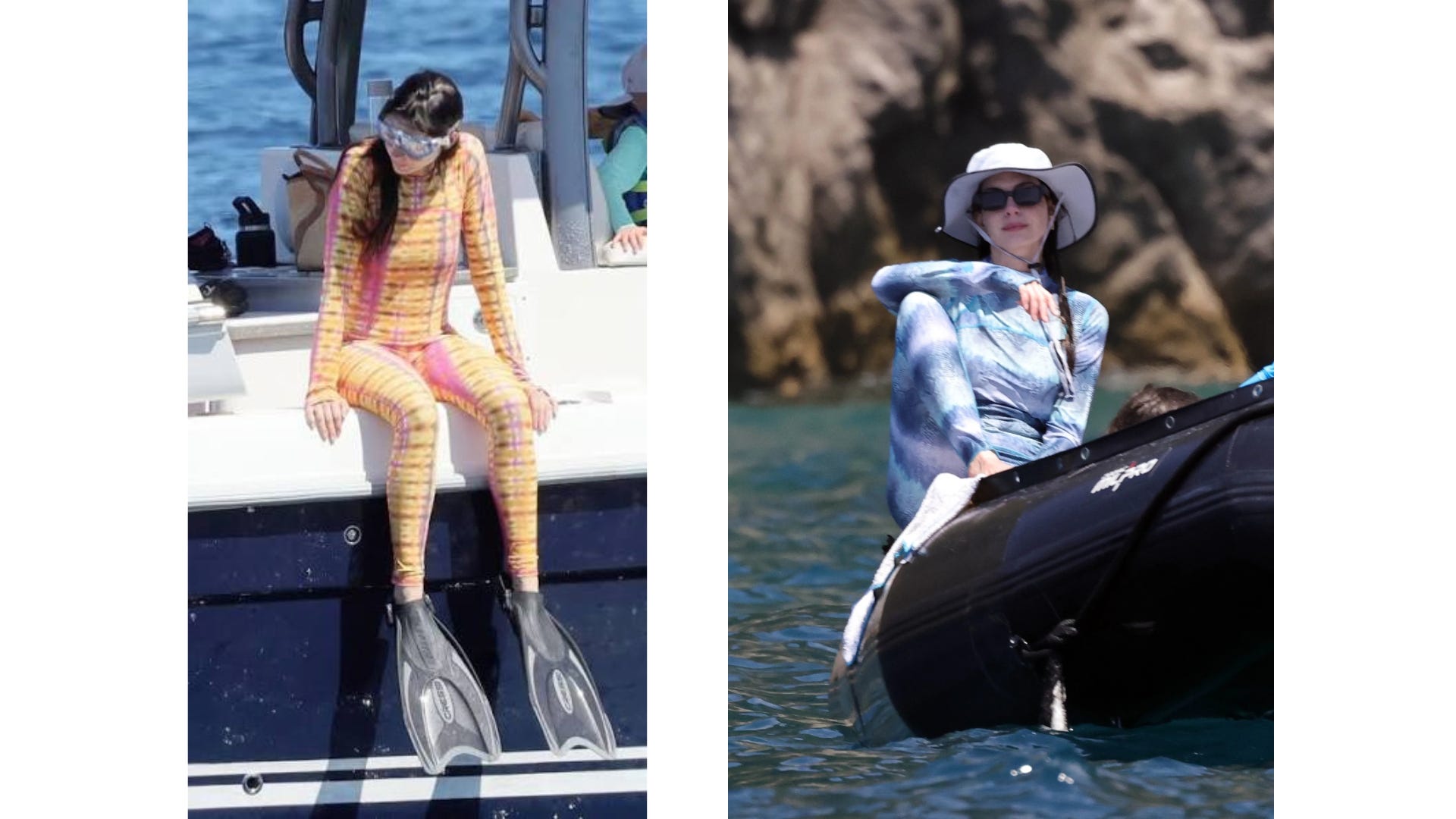
UPF apparel brands like Claudent design clothing that provides reliable sun protection without sacrificing style. Swimwear brand Left on Friday has a line called SunDays which offers UPF50 protection. Preventative care looks increasingly more aspirational.
Even performance brands are moving this way: Freaks of Nature, the clean mineral suncare line from surfer Kelly Slater, now sells a “Skin Support” electrolyte that has a unique blend of polypodium leucotomos, Red Orange Complex®, and astaxanthin that claims to provide internal protection and reduce skin damage as a result of UV exposure.
The idea isn’t to find one perfect solution. It’s to build in layers of protection.
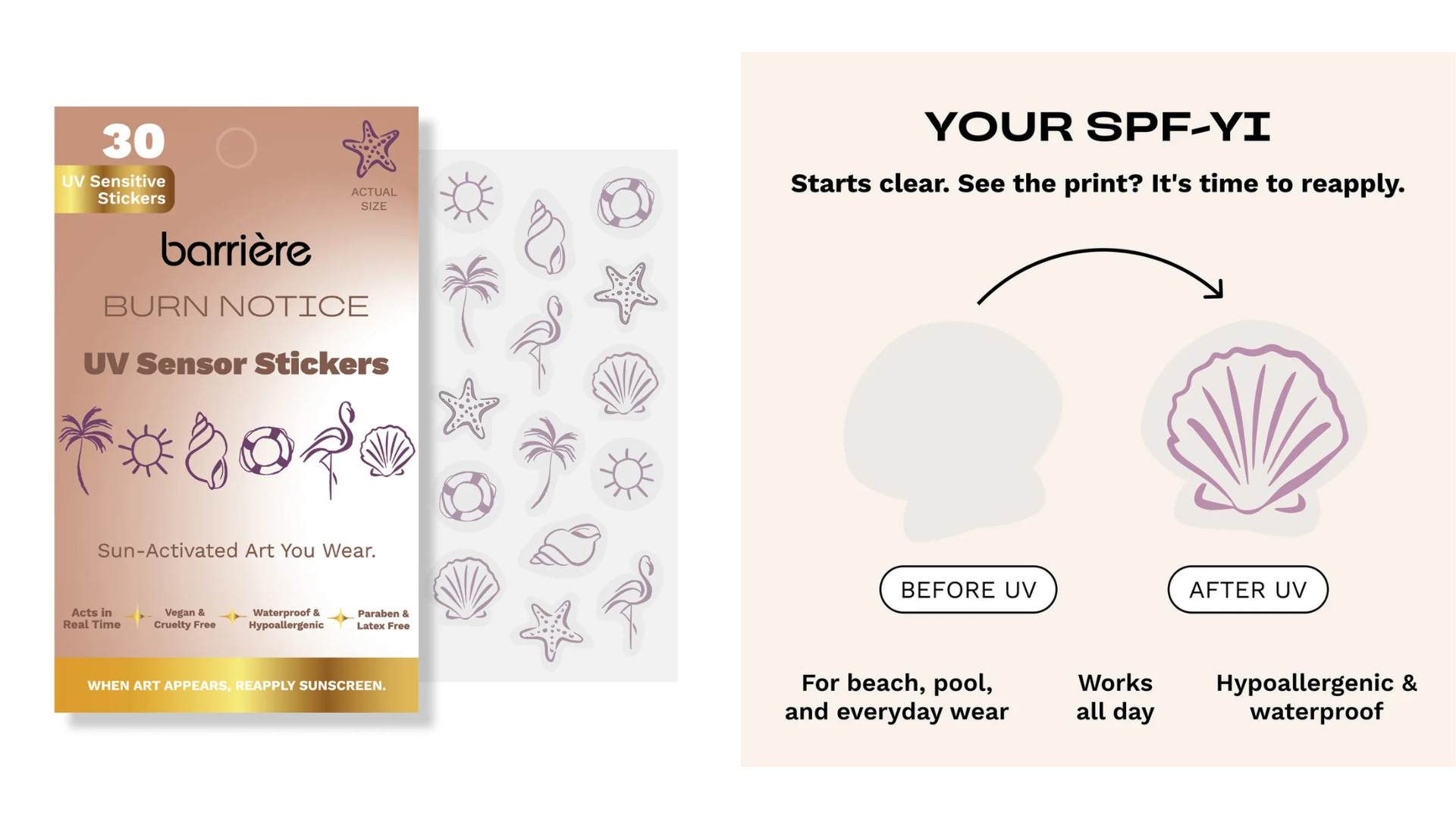
Another fascinating trend is making invisible risk visible.
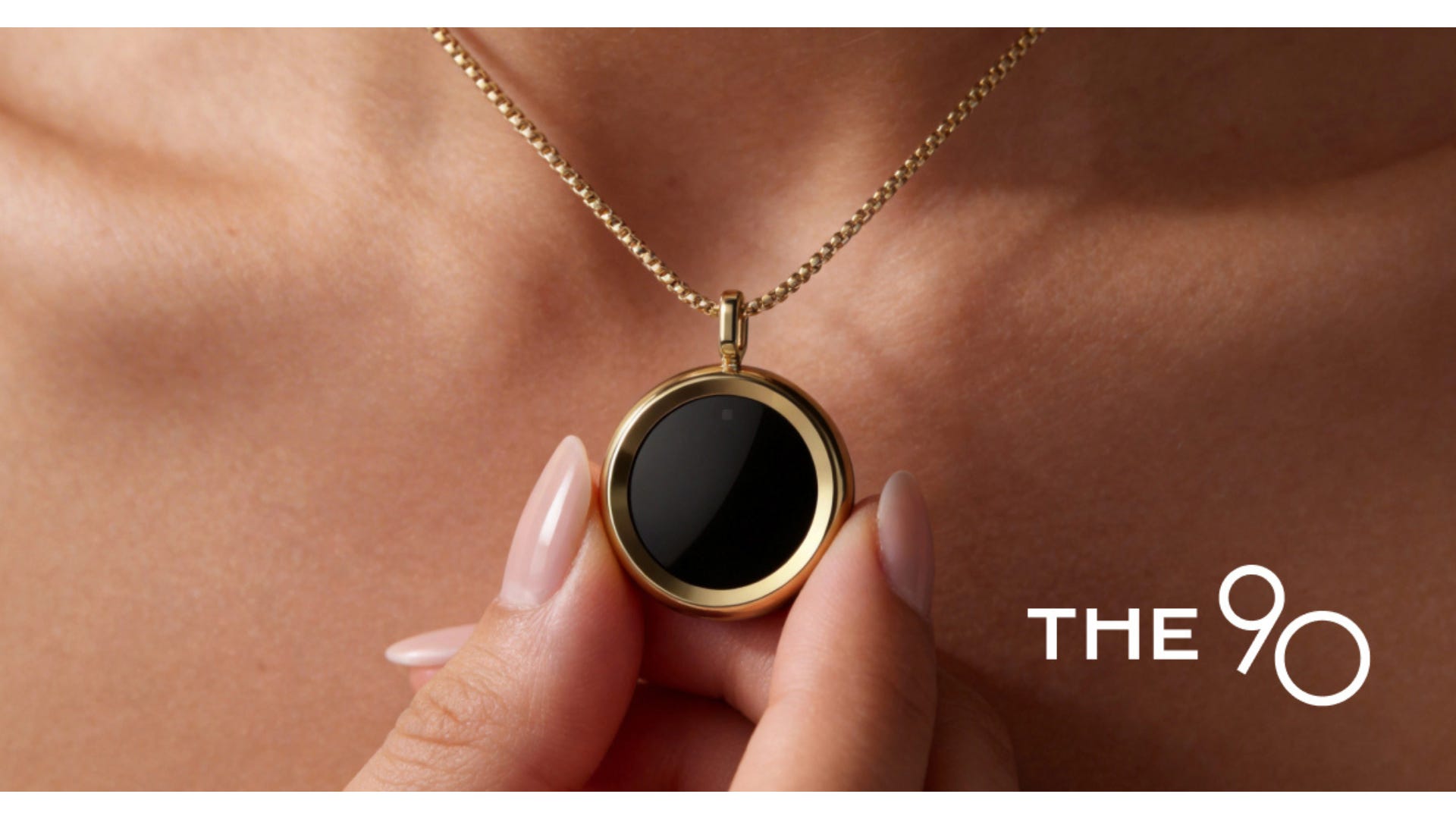
Companies like Barrière have developed UV-sensitive stickers that change color as UV exposure increases, giving consumers a real-time reminder to seek shade or reapply sunscreen. Similarly, The90 just released Gem UV-tracking jewelry, a signal that sun care may be turning into its own wearable category.
These products don’t replace sunscreen, they do help consumers follow through.
People don’t usually skip sunscreen because they don’t care. People often have trouble thinking about their future selves. We forget, underestimate the risk, and get distracted. Behavioral feedback can be just as powerful as scientific innovation.
What’s striking is that none of these innovations are competing with one another.
Better UV filters like bemotrizinol improve the product itself.
Anti-aging messaging creates stronger incentives for consumers today.
Combining SPF into everyday products like makeup and skincare creates a seamless application process.
UPF apparel removes the need to remember to reapply every two hours.
UV feedback tools provide timely nudges.
They’re all solving the same problem: reducing friction between intention and action.
To me, that’s what the best preventative health companies do. They don’t simply improve outcomes. They improve adherence.
My mom never found one perfect sunscreen. She built layers of protection: sunscreen, hats, driving gloves, UPF clothing, shade whenever she could.
Looking back, I realize she wasn’t searching for one perfect product. She was building a system.
I think the sun care industry is heading in the same direction.
The future of sun care isn’t one breakthrough ingredient or one perfect sunscreen. It’s an ecosystem of complementary solutions that make protection easier, more enjoyable, and ultimately more likely to become part of everyday life.
No posts
Comments
Nothing yet. Say the first thing.
Sign in to join the conversation.