
📚📚📚My friend Simone (“Simo”) Stolzoff does it again! His new book HOW TO NOT KNOW: The Value of Uncertainty in a World that Demands Answers, is, at its heart, about anxiety, which is driven by uncertainty. Through his journalistic storytelling, Simo gives us permission not to have all the answers, which can paradoxically lead to more confidence. Check it out today! 📚📚📚
💬💬💬 This week’s Community Chat, apropos to our topic: “What’s a small thing that helps you feel more relaxed or open around other people? ” CLICK BELOW TO JOIN! 💬💬💬
And now, on to the newsletter!
Hi everyone!
Dear reader Sok wrote in and asked:
Hi Ellen, Do you have any articles that you’ve written or read that dive deeper into helping people who relate to the Vivian character in your book, How To Be Yourself? Thank you!
No, but let’s change that! Here you go, Sok!
Recap: “Vivian” was a young client I worked with years ago who, at the time, was in her 20s. I saw her for social anxiety, but she broke every mold of what “classic” social anxiety looks like: she was forward rather than shy, stubborn rather than accommodating, irritable rather than agreeable.
What did Vivian’s version of social anxiety look like? In person and online, she would make snarky, “ack-tually” comments, correcting small slips in others’ grammar, behavior, or fact. She would feel threatened when trying to forge connections, and her anxiety came out as wounded, grumpy judgment: “I don’t know how to socialize, and anyway, everyone my age is really back-stabby and immature and superficial.”
Deep down, Vivian knew she was being cutting and critical because she was worried about being rejected, and was damned if anyone was going to get a chance to do that—she would get there first.
Therefore, this week, we’ll talk about the Vivians of the world: the 21% of folks with social anxiety who go into “fight” rather than “flight”—coming out swinging rather than diving for cover.
More importantly, if we recognize ourselves in that profile, we’ll talk about a few things we can experiment with to feel more comfortable and less prickly.

Vivian’s anxiety-driven irritability and subsequent snippiness can best be described as reactive aggression. Reactive aggression is just that—a reaction. It’s a response to a perceived threat. Reactive aggression is “person-directed,” meaning a cognitive and emotional reaction to a perceived provocation from another person, as opposed to “goal-directed,” meaning an unprovoked, premeditated acquisition of power or resources.
As you might guess, in the case of social anxiety, reactive aggression is driven by perceptions of judgment or criticism, like, “People are thinking bad things about me.”
If we find that we’re prickly or defensive when we’re socially anxious, what can we do? A lot! Whether we respond with fight or flight, we’re all just looking for social safety. Consider these tools:
Anxiety is driven by uncertainty. In the case of social anxiety, our brains don’t like uncertainty of, “Will I get judged?” and therefore create false certainty (and a lot of distress) by coming down on the “Yes, I probably will get judged” side of the equation.
But that affects our behavior: if we’re like Vivian, we get irritable and grumpy, and then we lash out. We get snippy and snappy, which doesn’t exactly make us a delight to hang out with. And people react accordingly, which reinforces our initial faulty assumption.
However, our crabbiness was driven by a perception—an assumption that we’re going to be found lacking unless we push them away first.
Therefore, assuming you don’t have lived-experience evidence to the contrary—that the people you’re with haven’t bullied or otherwise victimized you—try consciously acting as if the opposite is true. These people like you! They think you’re nice, competent, fun, etc. They’re glad you’re here! This assumption of social safety allows you to act accordingly, and sets up a virtuous cycle of goodwill.
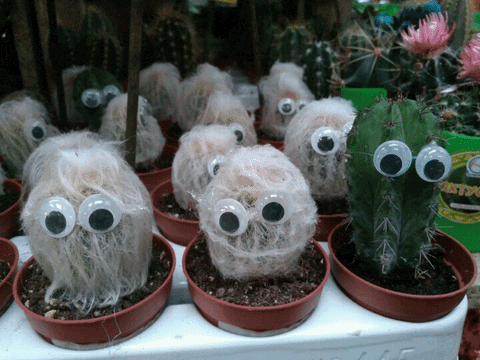
What does social threat feel like in your body? If you’re like me, it probably feels tense and wary. We feel closed and likely look closed: crossed arms, narrowed eyes, furrowed brow, defensive posture.
By contrast, what does social ease feel like? Probably loose and open: relaxed posture, warm expression, unguarded demeanor.
(The first step, of course, is noticing we’re creeping into irritable, crossed-arms territory. That’s easier said than done. I’ll refer you to literally any resource on mindfulness for more on that.)
But once we’ve noticed, rather than trying to force ourselves to relax or feel more comfortable, we can access our emotions via our body.
When you feel relaxed and open, your body reflects it. But it also works the other way: when your body is arranged in a relaxed and open manner, you start to feel it.
Share How to Be Good to Yourself When You're Hard on Yourself
What to do? Some intuitive moves: relax your shoulders, uncross your arms, sit back.
A less intuitive move: if you’re sitting, position your hands so your palms are face up. We associate this gesture with meditation, but it also signals being receptive and open and starts two feedback loops: one to your own body, but also one to others. You feel more open, and others interact with you as if you were more open.
My favorite non-intuitive move to arrange your body to feel better: lift your eyebrows. Not a shocked expression; just a little raise. Think of how you arrange your face when you greet someone with a handshake. That’s it. When you’re pleased to meet someone, your eyebrows are up, signaling openness and friendliness.
In sum, arrange your body to feel comfortable, and your emotions will catch up. And personally, it’s way easier to uncross my arms and wag my eyebrows than it is to convince myself to feel less on guard.
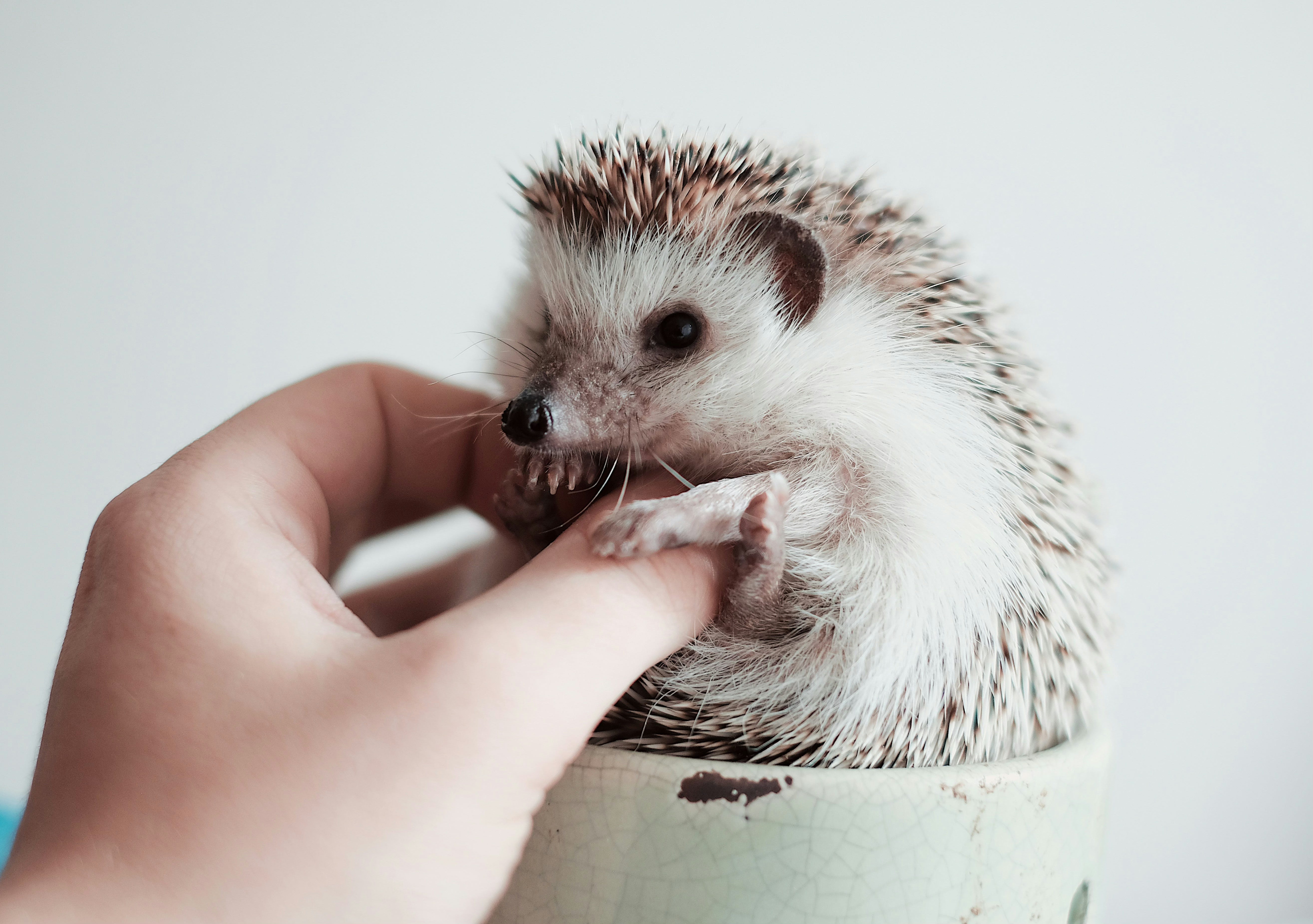
Vivian’s personal behavior standards for herself—be cool! look hot! be impressive! add value!—were so high and rigid that she felt like she was constantly failing. So when she saw others acting unbothered and confident, even when they made mistakes or accepted their human flaws, it irritated Vivian like a pebble in her show. She criticized them in her head:
What a stupid thing to say.
Ha, look at that acne—how lazy do you have to be not to take care of your skin?
She sounds like a teenage valley girl—try harder.
All the criticism was coming from Vivian’s own assumption that she herself wasn’t making the cut, so she made sure she was in good company by cutting others down as well.
As you might guess, traditional self-compassion wasn’t particularly effective with Vivian, so we tried a back door to self-compassion: compassion for others.
When Vivian felt a snarky thought arise, she consciously tried to extend some grace:
What a stupid thing to say…but I guess we’ve all been there.
Ha, look at that acne…but maybe she’s doing the best she can. Genetics are tough.
She sounds like a teenage valley girl—but I guess she’s not hurting anyone.
As Vivian went easier on others, she inched toward permission to go easier on herself, which in turn lowered her unnecessary defenses.
Vivian left my care before we were done with our work—she found a new job in another state and moved for a fresh start. Sometimes I wonder how she’s doing and hope that after acting like she was liked and accepted, plus a few other practices of bravery and kindness, she truly was liked and accepted for her good soul under all the prickles.
Be good to yourself!
Comments
Nothing yet. Say the first thing.
Sign in to join the conversation.