
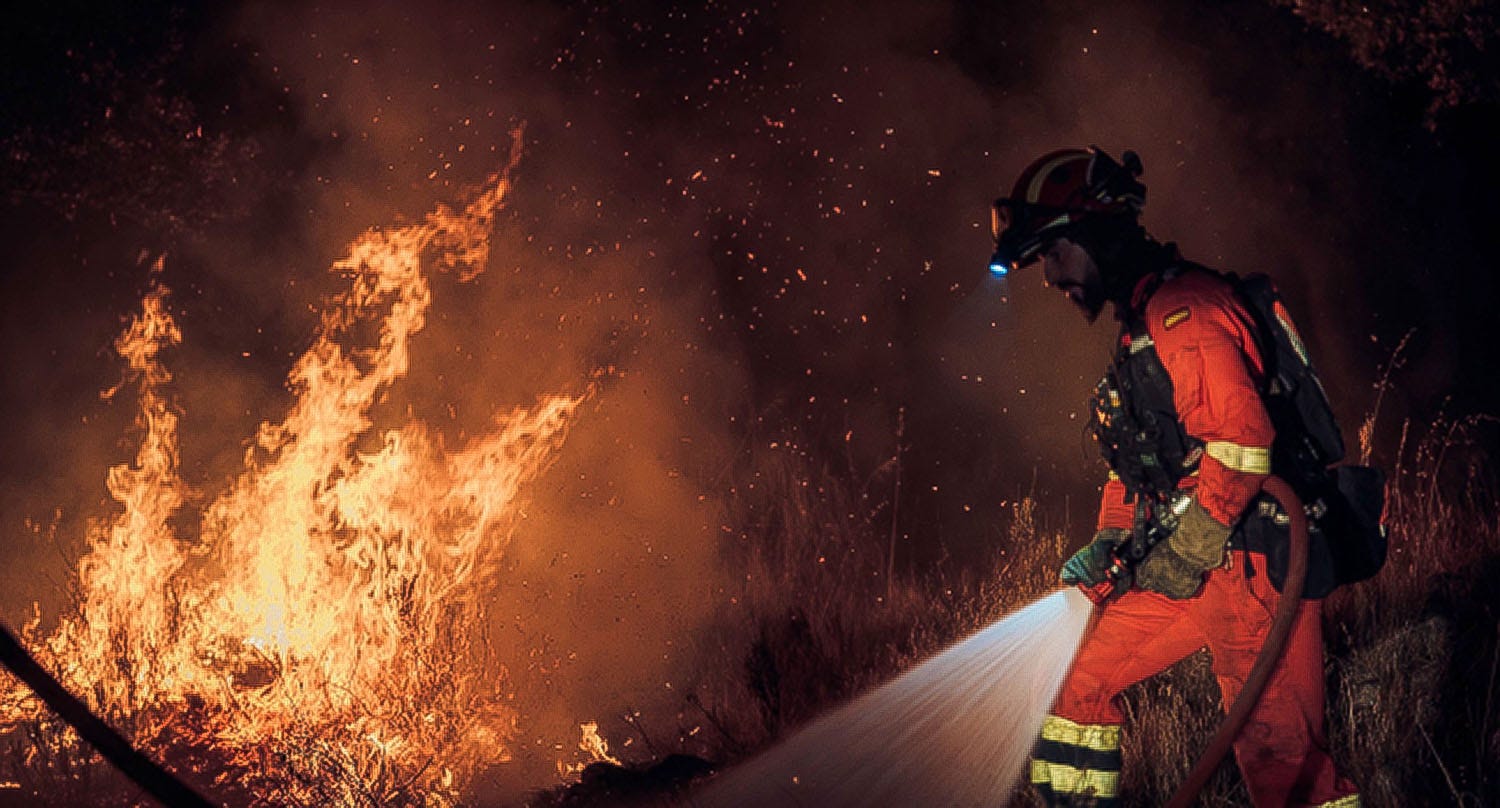
The enormous wildfires sweeping through Spain and France since Earthweek’s deadline early Friday have produced the images that now accompany almost every major fire disaster: towering flames, orange skies, water-dropping aircraft and residents fleeing with whatever they can carry.
But the story being told alongside those images varies greatly depending on where it is being reported.
In Spain, much of the coverage has placed the fires within the larger climate crisis. Prime Minister Pedro Sánchez has repeatedly called them part of a worsening “climate emergency” and urged political parties to support a national agreement covering climate action, fire prevention and disaster preparedness.
Spanish public broadcaster RTVE has also connected the fires with rising temperatures and the need to reduce greenhouse-gas emissions. Its reporting treats the flames not merely as isolated emergencies, but as warnings of what a hotter climate is bringing.
Much breaking-news coverage elsewhere—particularly on television in the United States—often concentrates on the immediate drama.
Reports show firefighters struggling against advancing flames, families being evacuated and vast areas of forest turning to ash. They explain where the fire is moving and how many people are threatened, but generally devote no time to explaining why such fires are becoming more extreme or what could reduce the danger in years to come.
There are important exceptions. Some American and international news organizations routinely connect extreme fires with climate change. But even reports that mention the connection often stop one step short of explaining it.
A BBC story on Monday about the European fires said climate change is driving temperatures higher and producing more intense wildfires. But it did not explain that the warming is primarily being caused by human emissions of greenhouse gases, particularly from burning fossil fuels. Nor did it mention the actions that could slow the warming.
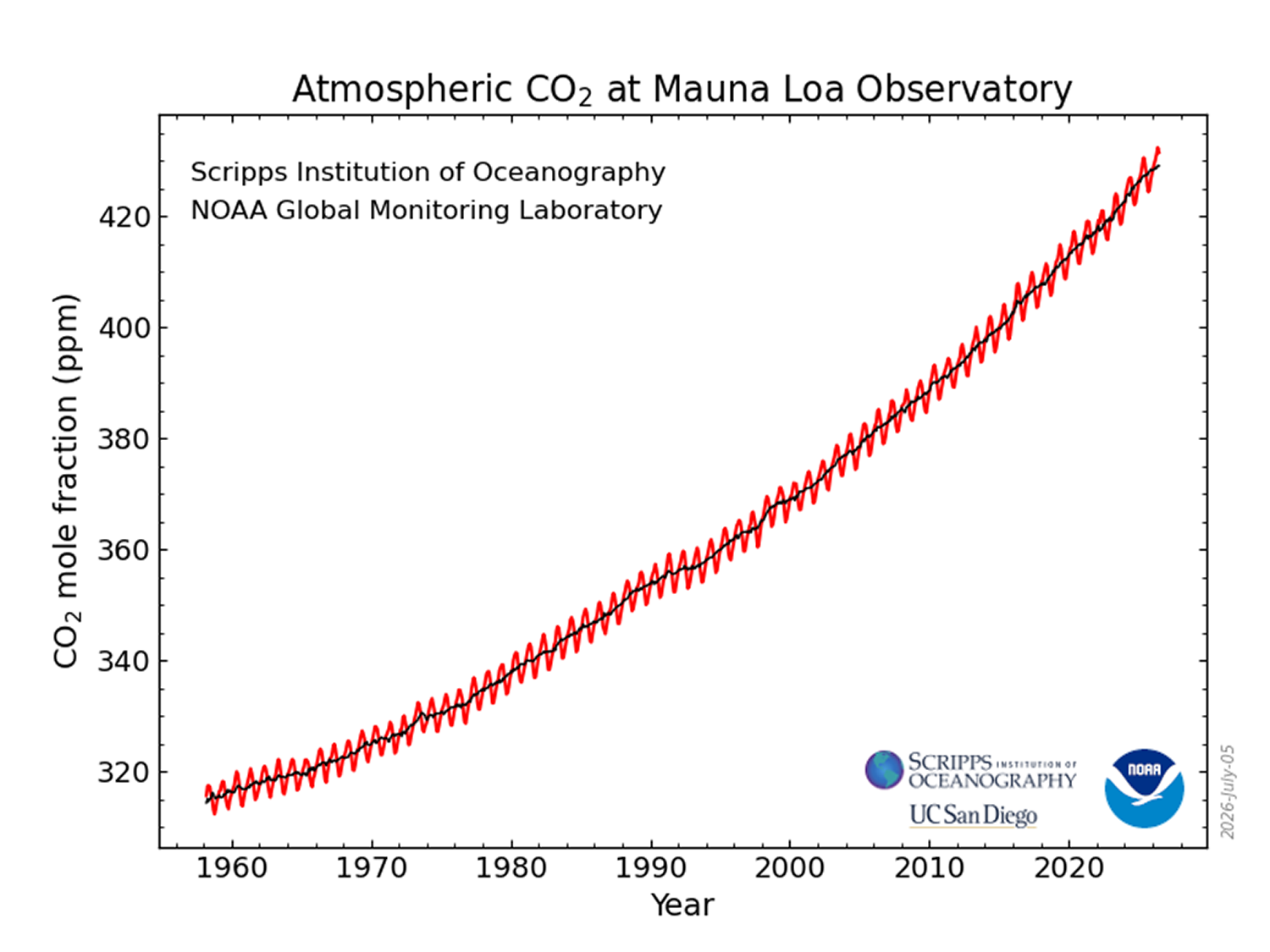
Disaster reporting has a structural bias toward what is happening now. Flames, rescues and evacuations provide compelling pictures and rapidly changing developments. Rising average temperatures, declining soil moisture and decades of energy policy do not.
Climate change therefore appears as a mysterious background condition—something happening to the world rather than something being caused by identifiable activities and influenced by public choices. The audience is told that the climate is becoming more extreme, but not why it is happening or what could be done about it.
As a result, audiences may receive only half the story.
Climate change does not usually provide the spark that starts a wildfire. Fires can begin through lightning, accidents, damaged electrical equipment, agricultural burning or arson. Poor forest management and the growth of communities near flammable landscapes can also increase the threat.
But the cause of ignition is not the same as the conditions that determine what happens next.
Sánchez acknowledged that fires have always occurred. What has changed, he said, is their magnitude and behavior, along with the extreme conditions surrounding them. Spain had already lost more than 370,500 acres (150,000 hectares) to fire by Sunday, while another heat wave threatens to worsen the crisis in the next few days.
News coverage that ignores this background can make every fire appear to be an unpredictable act of nature. The disaster arrives, firefighters respond, the flames eventually subside and cameras move elsewhere. When the next fire erupts, the same story begins again.
Explanatory reporting could add the missing pieces of the story.
Why was the vegetation so dry? How unusual were the temperatures? Has the fire season become longer? And what is being done to slow the global warming that is making extreme fire weather more likely?
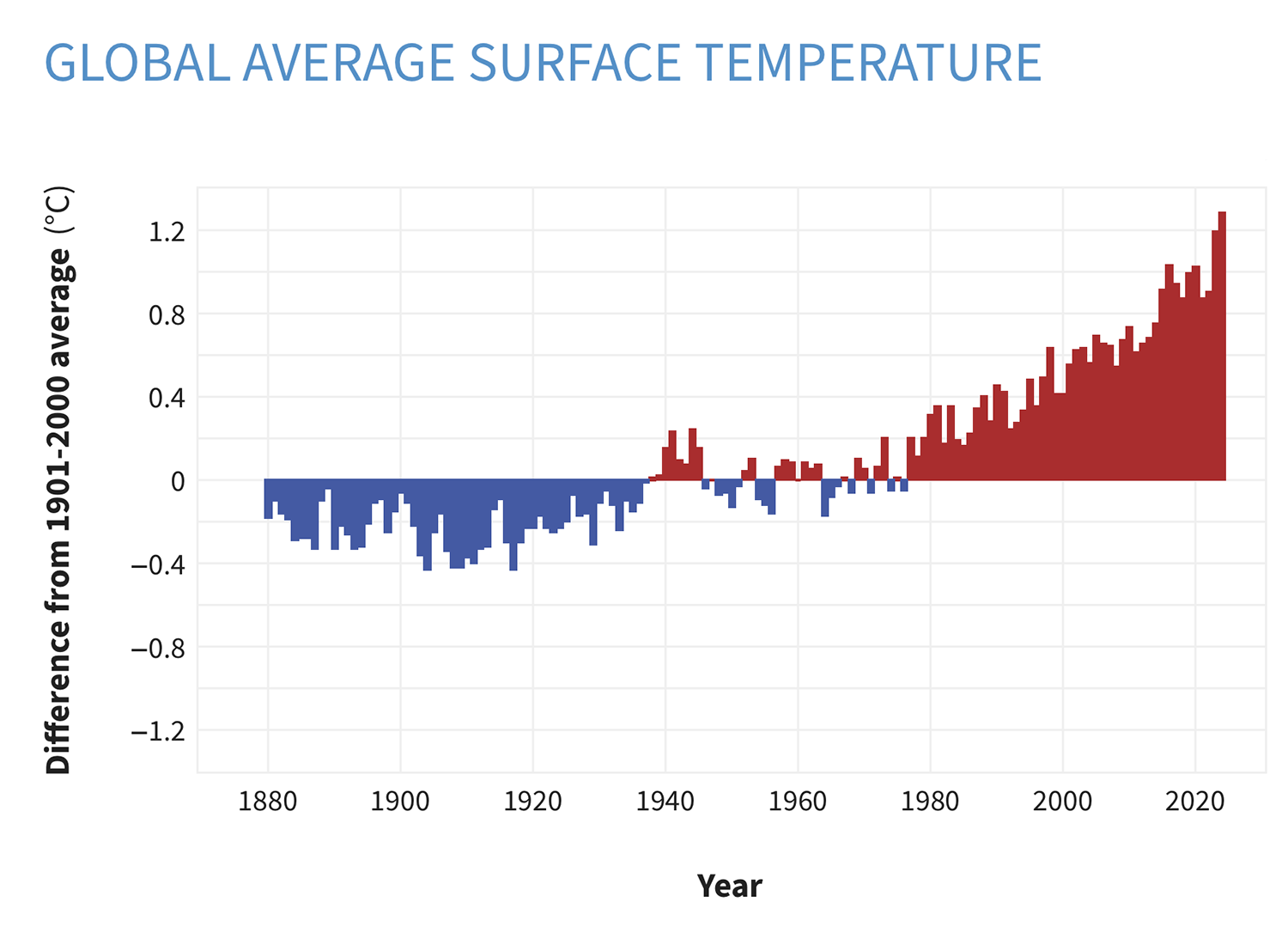
Mentioning climate change does not mean ignoring other causes. Nor does it mean attributing every fire solely to global warming. It means describing the full environment in which modern fires burn.
Communities need better evacuation plans, more resilient infrastructure, carefully managed forests and stronger firefighting resources.
Those measures can save lives now. But without sharp reductions in greenhouse-gas emissions, temperatures will continue to rise and the conditions favoring extreme fires will become increasingly difficult to manage.
A television camera can show where the flames are.
But journalism should also explain why they are becoming so difficult to stop—and what might prevent the next disaster from becoming even worse.
Steve Newman
©MMXXVI Earth Environment Service
No posts
Comments
Nothing yet. Say the first thing.
Sign in to join the conversation.