
Some climate-change deniers figuratively say they are “not losing any sleep” over global warming. But rising nighttime temperatures are literally robbing many millions of people around the world of the overnight rest they need.
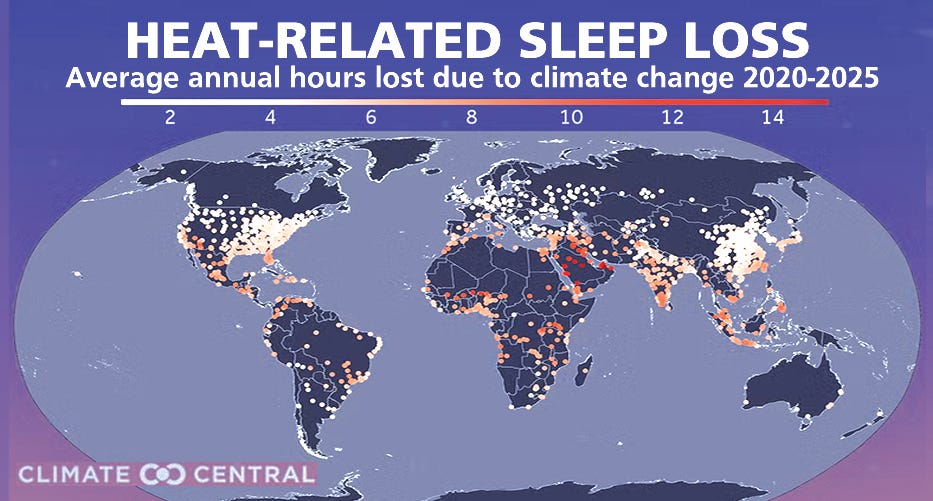
An analysis of 1,338 cities found that the average person lost nearly 56 hours of sleep each year between 2020 and 2025 because nights remained too warm. That is equivalent to almost seven full nights of lost sleep annually.
More than six of those hours—nearly one additional sleepless night—were directly attributable to warming caused by greenhouse-gas emissions and deforestation.
The climate-linked portion of sleep loss has at least doubled since the early 1970s in 1,335 of the 1,338 cities studied. It has at least tripled in 840 of them.
People in Saudi Arabia, Oman and the United Arab Emirates lost between 55 and 87 hours of sleep annually because of hot nights, including 12 to 16 hours directly linked to climate change. Residents of southern India and parts of Southeast Asia lost as much as 91 hours, while several West African cities recorded losses of 65 hours or more.
Spain was not spared. Valencia residents lost an estimated 42 hours of sleep annually because of nighttime heat, followed by Malaga with 41 hours, Seville with 40 and Barcelona with 39. About 12% of Barcelona’s heat-related sleep loss was attributed directly to climate change.
The effects are not evenly distributed. Warmer nights have more than twice the impact on people older than 65 as on middle-aged adults, and nearly three times the effect on people in lower-middle-income countries as on those in wealthier nations. Women and people already living in hot climates also tend to lose more sleep.
Air conditioning can reduce the disruption, but access remains highly unequal. Only about 35% of households worldwide had air conditioning in 2021, and many of the populations facing the hottest nights have the fewest resources to cool their homes.
Repeated sleep loss can impair mood, memory, concentration and productivity while increasing risks to cardiovascular and immune health. Hot nights are especially dangerous because they prevent the body from cooling and recovering from daytime heat.
Climate Central said the findings show that fossil-fuel-driven warming is affecting far more than extreme weather.
It is also reaching into bedrooms and taking away one of the most basic requirements of human health: a good night’s sleep.
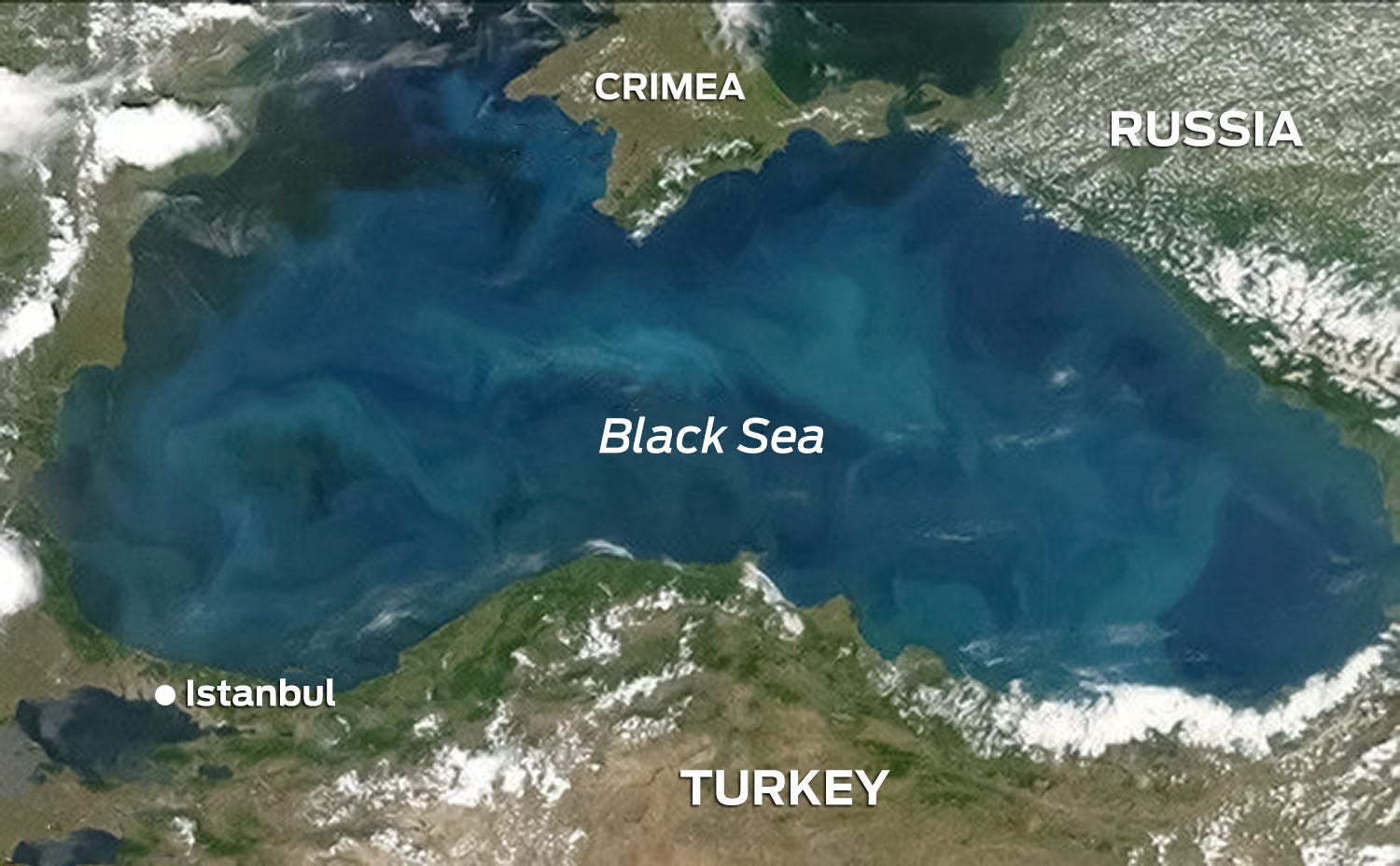
Oxygen is quietly disappearing from oceans, lakes, rivers and coastal waters around the world, threatening aquatic life and weakening natural systems that help regulate Earth’s climate.
A new scientific review concludes that aquatic deoxygenation has become so widespread—and is interacting so strongly with other environmental crises—that declining oxygen should be considered alongside climate change, biodiversity loss and ocean acidification as a threat to the stability of the planet.
“The health and stability of our planet depends on the health and stability of aquatic ecosystems, which need oxygen to function normally,” said lead author Erica Ferrer, who conducted the research at the Scripps Institution of Oceanography.
Water naturally absorbs oxygen from the atmosphere and from photosynthesis by aquatic plants and microscopic algae. But warmer water cannot retain as much dissolved oxygen as colder water. Climate-driven warming also strengthens the layering of the ocean, making it harder for oxygen-rich surface water to mix downward into deeper regions.
Pollution compounds the problem.
Nitrogen and phosphorus from fertilizers, animal waste and sewage act as nutrients that stimulate enormous algal blooms. When the algae die, bacteria consume oxygen while decomposing them. The process can create hypoxic “dead zones” where most fish and other mobile animals must flee, while less mobile organisms suffocate.
The global ocean has lost about 2% of its oxygen content since the 1960s. The area of low-oxygen open-ocean water has expanded by roughly 1.7 million square miles (4.5 million square km), while more than 500 oxygen-depleted coastal sites have been identified around the world. The volume of ocean water entirely lacking oxygen has quadrupled since the 1960s.
Even relatively small percentage declines can have far-reaching consequences because oxygen is not distributed evenly. Many marine animals already live close to the minimum oxygen levels they can tolerate.
Low-oxygen water can compress the habitat available to tuna, marlin, sharks and other large fish, forcing them toward the surface or into smaller areas. It can also favor jellyfish, microbes and other organisms that tolerate depleted conditions while displacing species that need more oxygen.
The consequences reach beyond individual species.
Oxygen levels influence the cycling of carbon, nitrogen, phosphorus and other elements within aquatic ecosystems. As oxygen disappears, chemical processes can release additional greenhouse gases or alter the ability of waters and sediments to store carbon, potentially reinforcing climate change.
The new review examined how deoxygenation interacts with all nine processes in the Planetary Boundaries framework, which defines environmental conditions necessary for maintaining a stable and resilient Earth. Researchers found particularly strong links with climate change, excessive nutrient flows, biodiversity loss and atmospheric pollution.
Some changes in deep waters could persist for centuries because the ocean circulates so slowly. But coastal waters, lakes and rivers can sometimes respond far more quickly when pollution is reduced.
Improved sewage treatment, more efficient fertilizer use, restored wetlands and limits on agricultural runoff can reduce the nutrients feeding algal blooms. Cutting the fossil-fuel emissions warming the planet would address the larger force reducing oxygen throughout the open ocean.
Scientists therefore say aquatic oxygen loss should not be treated as an isolated environmental problem. It is both a result of the other pressures humanity has placed on the planet and a force capable of worsening them.
The waters covering and nourishing Earth are not simply becoming warmer or more acidic.
They are also finding it harder to breathe.
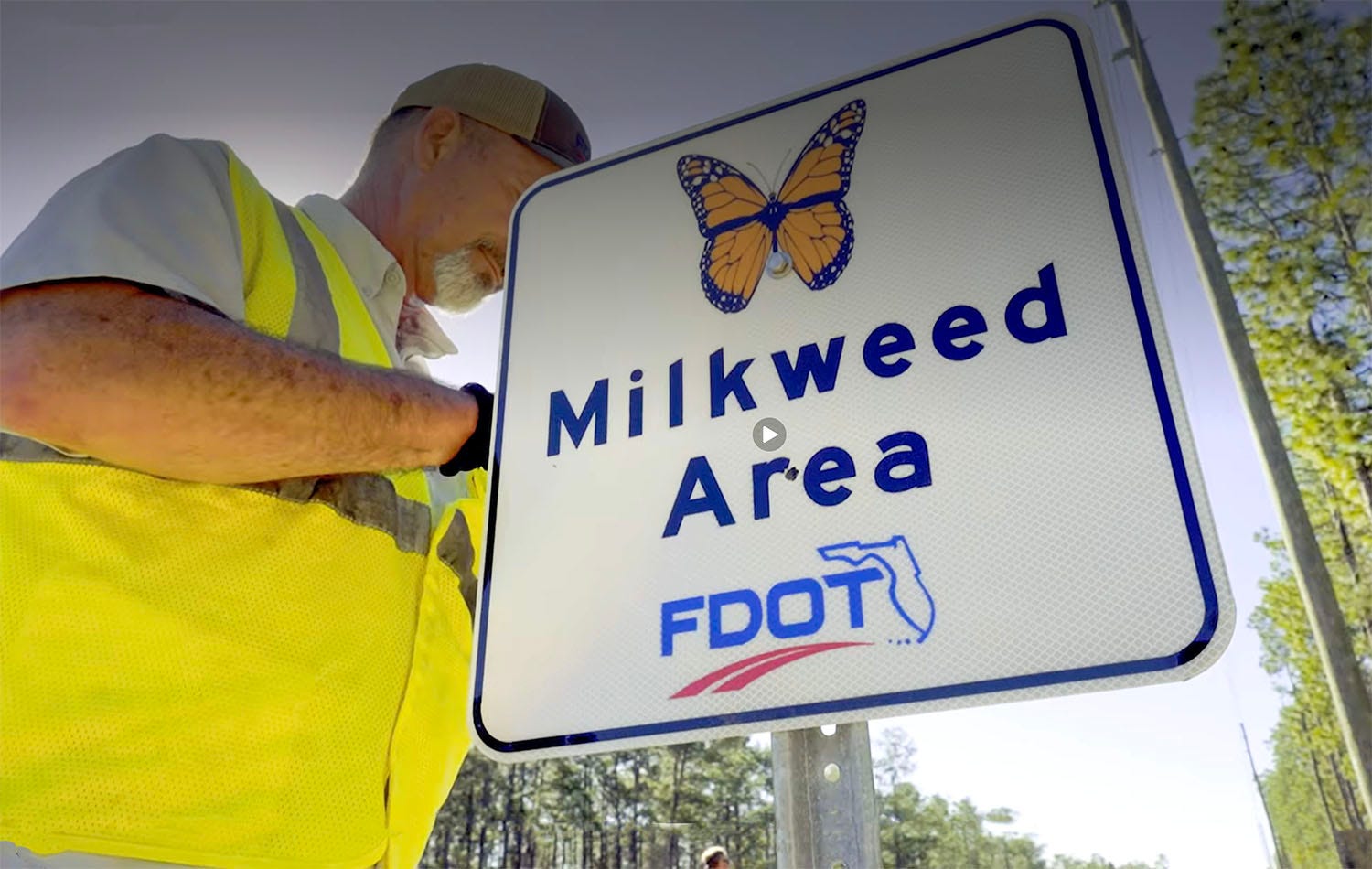
Researchers from the Florida Museum of Natural History and the Florida Department of Transportation are planting 15,000 native milkweeds along two-lane highways in the northern part of the state. The goal is to create scattered breeding and feeding sites where monarchs and other pollinators can rest, reproduce and move between larger patches of habitat.
The transportation department awarded researchers $150,000 in 2023 to grow, plant and monitor an initial 9,000 milkweeds over three years. The project has since been extended through 2029, with another 6,000 plants scheduled to go into the ground.
Florida also joined a national voluntary conservation program in 2024 and committed to managing about 10,200 acres (4,128 hectares) of roadside land to benefit monarchs and other wildlife. Rather than forming one continuous corridor, the managed roadsides could function as a network of habitat patches across the state. Early results are encouraging.
“We’ve had good success with plant establishment, and we’ve seen monarchs using the plants already in the field,” said Jaret Daniels, curator of butterflies and moths at the Florida Museum.
Milkweed is indispensable to monarch survival. Adult females lay their eggs on the plants, and newly hatched caterpillars eat no other kind of foliage. Milkweed flowers also provide nectar for adult monarchs, bees, moths, wasps and other insects.
Researchers initially tested six native species but are concentrating on pinewoods milkweed and butterfly weed, which naturally grow in the dry, sandy soils common along northern Florida highways. Seeds are collected from wild plants and raised at the University of Florida Native Plant Nursery before crews plant them during the cooler winter months.
The project deliberately avoids tropical milkweed, a nonnative species that can remain green through winter and encourage monarchs to breed when they would normally migrate. Extended breeding can also increase their exposure to a debilitating parasite. Florida conservation specialists recommend planting native milkweeds instead.
The monarch has declined steadily since the mid-1990s because of habitat loss, insecticide exposure and climate change. The U.S. Fish and Wildlife Service has proposed listing it as a threatened species, although it has not yet received final federal protection. The agency estimates that eastern monarchs face a 56% to 74% probability of extinction by 2080 without sufficient conservation, while the risk for the western population exceeds 95%.
Florida researchers say roadside land cannot replace large natural reserves. But roadsides are already maintained, making them an overlooked opportunity for conservation.
“We don’t have enough conservation lands to maintain pollinator populations through time in many areas,” Daniels said. “Roadsides are managed regardless, so why not do so in a way that confers greater benefits?”
The milkweed patches may also help nearby farms by supporting wild pollinators that visit blueberry and watermelon crops.
For monarchs capable of flying more than 100 miles (161 km) in a day, even small islands of flowers can make a long journey more survivable.
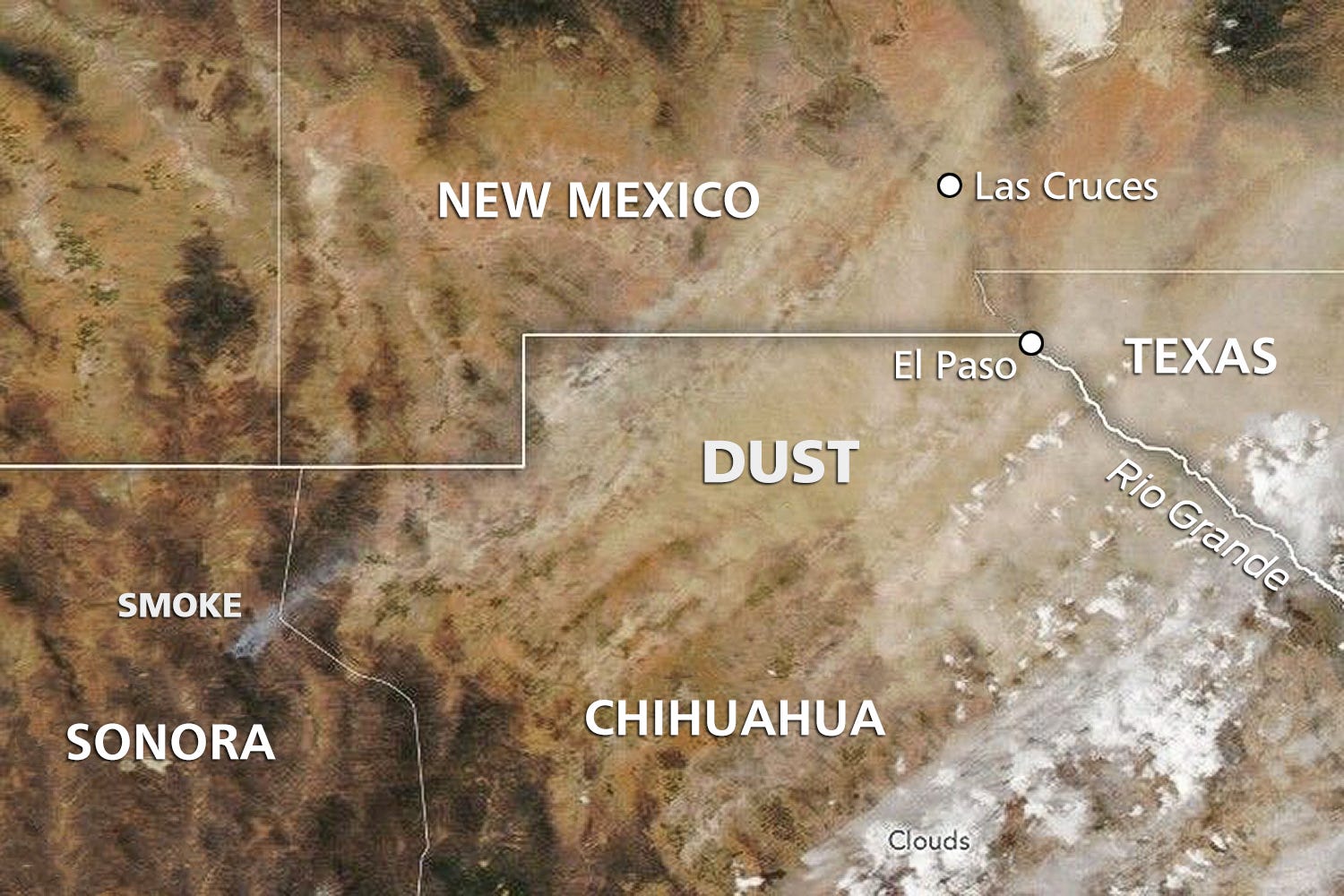
Enormous clouds of sand and dust swept across parts of China and the southern United States during 2025, producing some of the most intense storms recorded in decades.
El Paso, Texas, experienced 50 days of dusty weather—more than double its annual average—and the greatest number of dust storms there since 1935, during the Dust Bowl. At the height of a March outbreak, particulate pollution reached the highest hourly level measured in Texas since monitoring began about 27 years ago. Schools, highways and airports temporarily closed, public events were canceled and several fatal traffic accidents were reported.
A month later, dust blowing south from Mongolia engulfed northern China in the country’s worst sand and dust storm in a decade. Concentrations of inhalable particles exceeded 1,000 micrograms per cubic meter across wide areas, reaching 3,000 to 4,000 micrograms in some locations—many times above health guidelines, according to the World Meteorological Organization.
Around 2.2 billion tons (2 billion metric tons) of dust rise into Earth’s atmosphere each year. Most comes from arid regions such as the Sahara, the Gobi and the Arabian Desert, and some plumes travel thousands of miles across continents and oceans.
Dust storms are natural, but the World Meteorological Organization says drought, environmental degradation and poor management of land and water are increasingly worsening the hazard. The storms reduce agricultural productivity, disrupt aviation and ground transportation, strain water and energy systems and expose populations to dangerous levels of airborne particles.
The WMO is expanding international forecasting and early-warning networks, while researchers are testing artificial intelligence and improved satellite observations to identify dust sources and predict how storms will develop. No single AI method yet performs best in every situation: some are more effective with sudden local storms, while others better track large dust plumes traveling across regions for several days.
Because the storms cross borders, WMO Secretary-General Celeste Saulo said countries must share observations, forecasting data and warnings. More than 150 countries are already affected by airborne dust, making what rises from one damaged or drought-stricken landscape a threat far beyond the horizon.
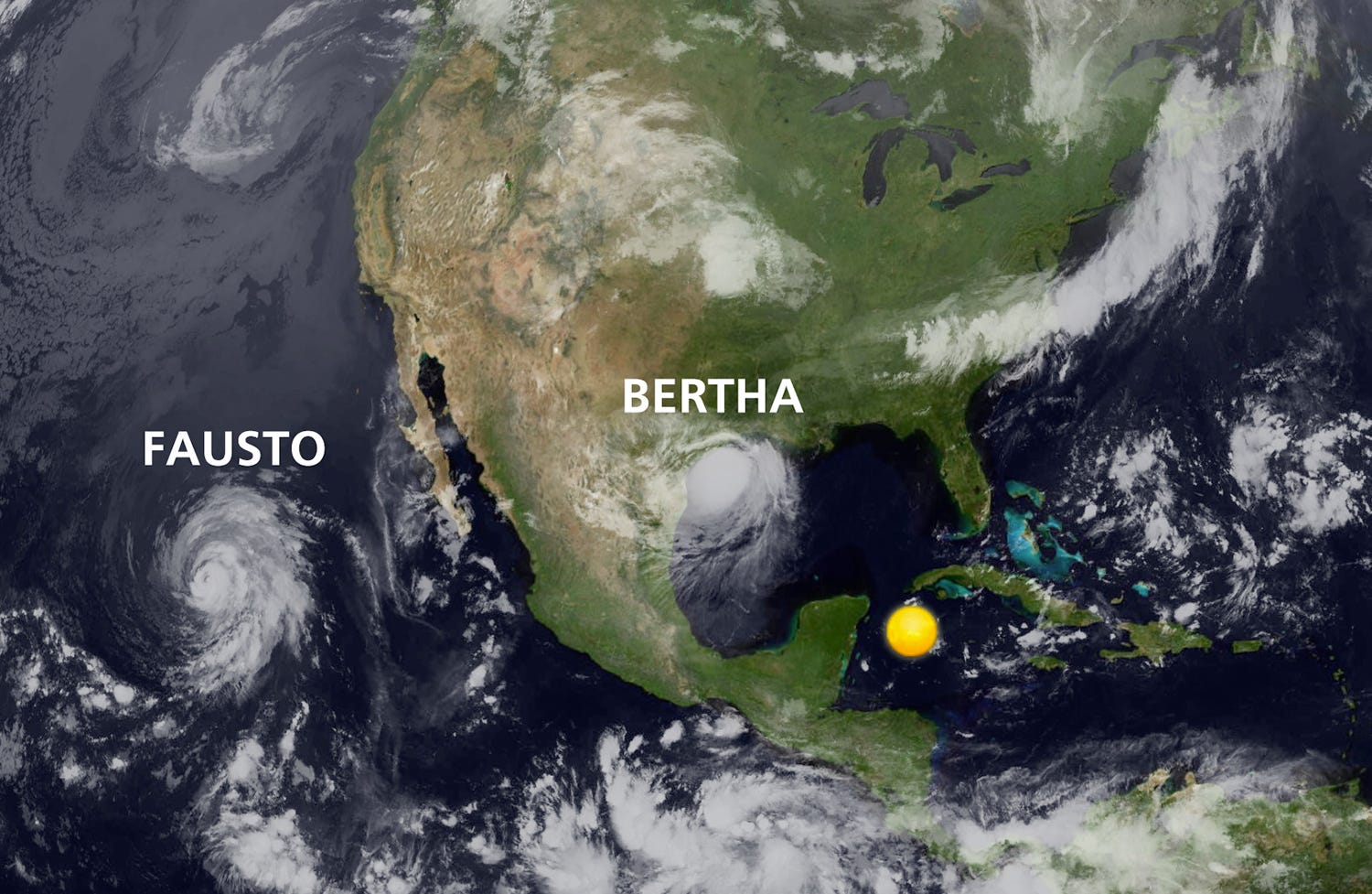
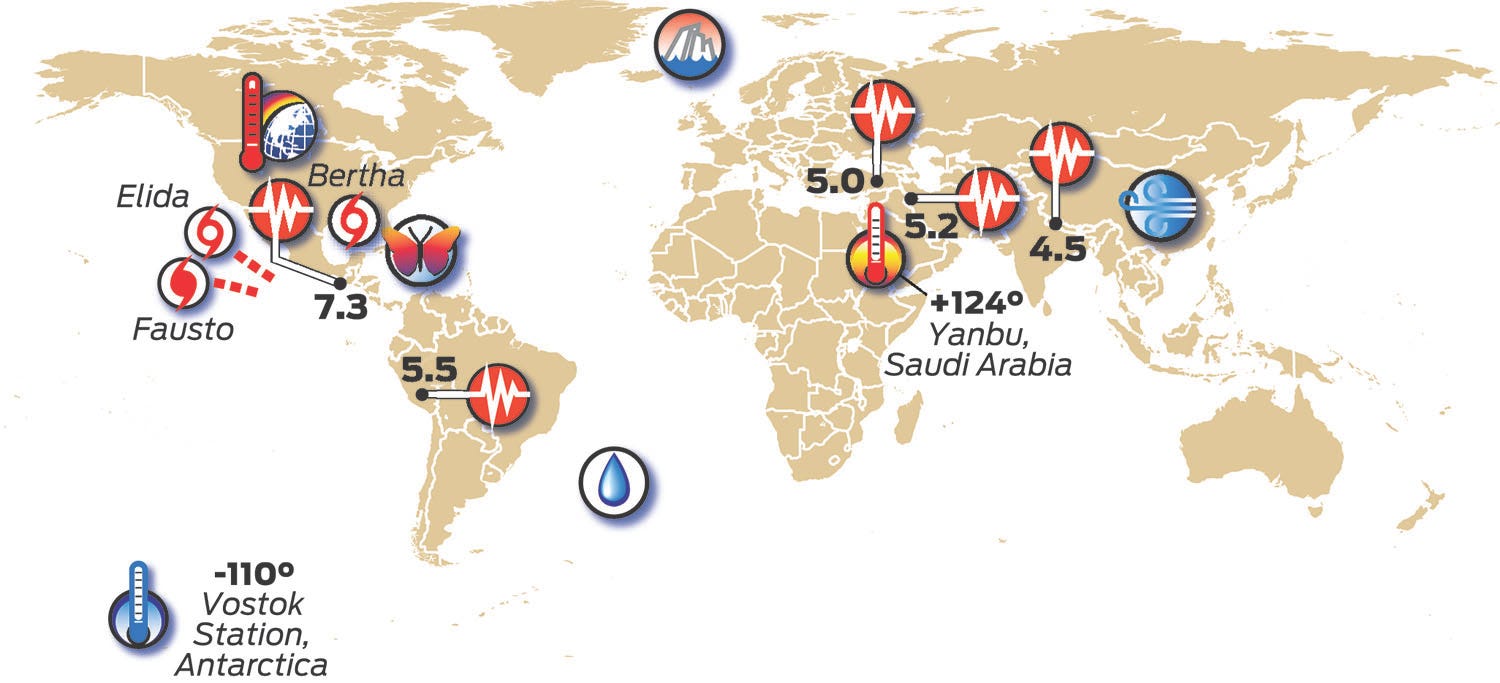
Tropical Storm Bertha moved into the Texas-Louisiana border region Thursday after first making landfall near Louisiana’s St. Bernard Parish on Wednesday. The storm carried sustained winds of about 45 mph and was expected to weaken after moving farther inland.
The greatest threats were heavy rainfall, coastal flooding and dangerous surf. Forecasters warned that parts of the Texas Gulf Coast and South Texas could receive 2 to 4 inches of rain, with isolated totals reaching 6 inches—enough to cause localized flash flooding, particularly in urban areas.
Storm surge had already pushed water into coastal Louisiana communities, while dangerous waves and life-threatening rip currents were affecting a wider stretch of the northern Gulf Coast. Gusty winds, beach erosion and possible travel and power disruptions were expected as Bertha crossed Texas and weakened inland.
In the eastern Pacific, Hurricane Fausto formed off the coast of Mexico and was predicted to remain far from land as it moved toward Hawaii over the weekend.
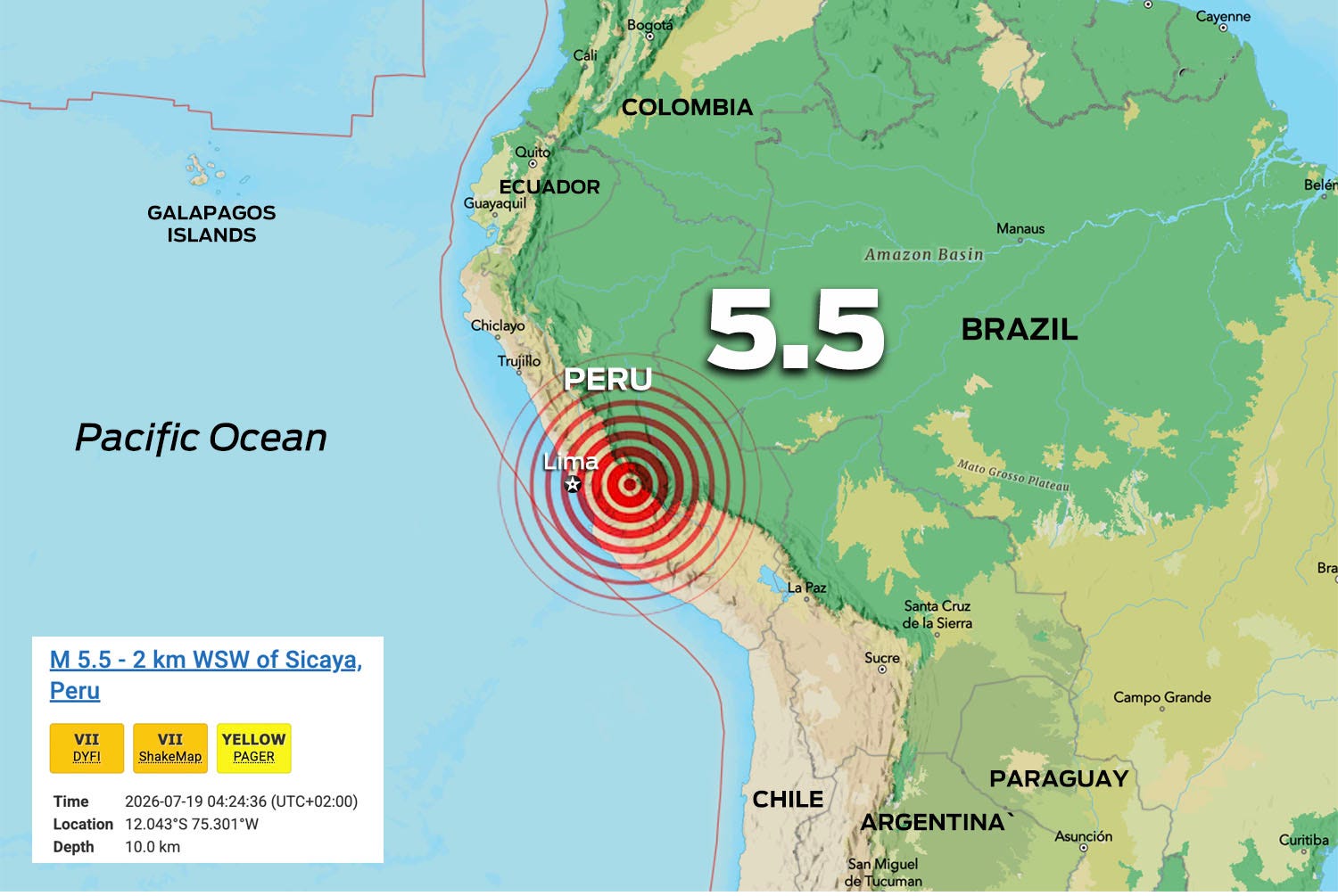
A magnitude 5.5 earthquake struck Peru’s central Andes on Saturday night, killing at least six people and injuring more than 30. Authorities said roughly 300 residents were displaced, while the number of people still missing remained unclear.
The shallow earthquake was centered near Sicaya in Huancayo province. Homes and other buildings—including a church and convent—collapsed or suffered structural damage. Officials said the widespread use of adobe construction contributed to the destruction.
Residents in some of the hardest-hit agricultural communities spent the night outdoors as authorities assessed the damage and searched the rubble. Peru experiences frequent earthquakes because it lies along the seismically active Pacific Ring of Fire.
Earth movements were also felt in:
• The far southern Mexico-Guatemala border area (7.3)
• Turkey’s Malatya province (5.0)
• Western Iran (5.2)
• Western Nepal (4.5)
• The hottest temperature recorded this week by the World Meteorological Organization’s 7,600 land-based synoptic weather stations was 124° Fahrenheit (51° Celsius) at Yanbu, Saudi Arabia, on the country’s Red Sea coast.
• The coldest temperature in an inhabited location was -110° Fahrenheit (-79° Celsius) at Russia’s Vostok Station, located in the middle of the East Antarctic Ice Sheet. The station normally hosts 30 scientists and engineers during the summer. In winter, their number drops to 15.
©MMXXVI Earth Environment Service
No posts
Comments
Nothing yet. Say the first thing.
Sign in to join the conversation.