
The Sun appears to have passed the most active portion of its current cycle, but it has not gone quiet.
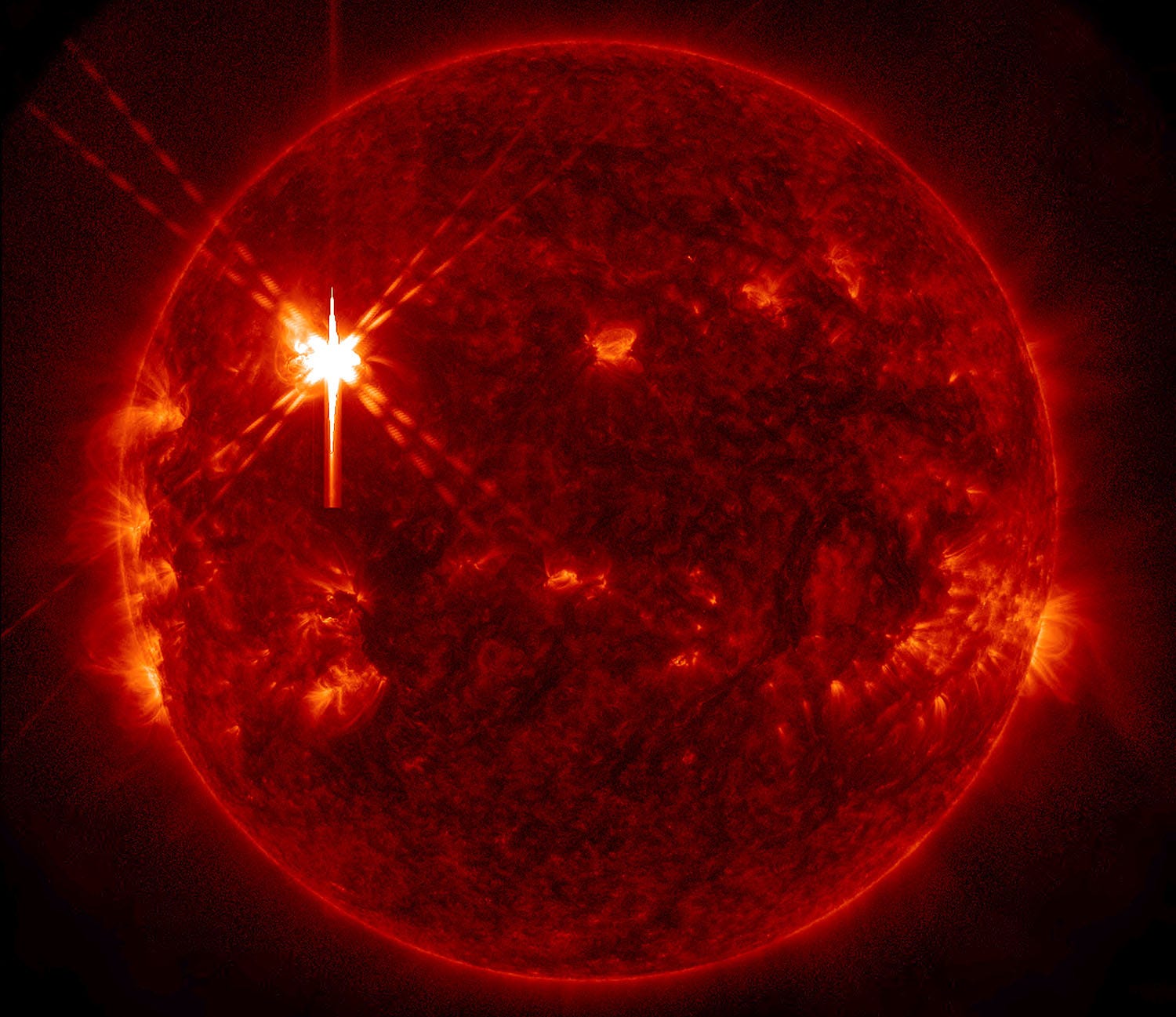
An eruption directed toward Earth produced a G3 strong geomagnetic storm in early July. On July 4, the Sun released an X1.3 flare, placing it within the most powerful class of solar flares.
Such events are reminders that solar maximum is not an on-off switch. Solar activity rises and falls over a cycle lasting approximately 11 years, but large eruptions can continue for several years after the peak.
The current activity also forms part of a longer and unexpected revival.
Beginning around 1990, measurements showed the solar wind—the continuous stream of charged particles flowing outward from the Sun—steadily weakening. Sunspot numbers declined, and by 2008 the Sun had reached its quietest measured state since spacecraft began monitoring it.
Solar Cycle 24, which followed, was the weakest of the space age. Some scientists wondered whether the Sun might be entering an extended period of low activity resembling the historic Maunder or Dalton minimums. It wasn’t.
A study by researchers at NASA’s Jet Propulsion Laboratory, published in The Astrophysical Journal Letters, found that the weakening trend reversed after 2008.
Using measurements collected by spacecraft between 2008 and 2025, the researchers documented increases in nearly every major solar-wind measurement. Proton density rose by about 26%, temperature by 29% and thermal pressure by 45%. The strength of the interplanetary magnetic field increased by approximately 31%.
The Sun has not fully recovered to the strength measured late in the 20th century, but the steady increase suggests that the exceptionally weak Solar Cycle 24 was an outlier rather than the beginning of a centuries-long solar lull.
For most people on Earth, the most visible result of increased solar activity is the aurora. When charged particles and magnetic fields from the Sun strike Earth’s magnetic environment, displays of northern and southern lights can spread far beyond their usual polar regions.
But the same space weather can also disrupt technology.
Solar flares can interfere with high-frequency radio communications. Coronal mass ejections—vast clouds of magnetized plasma thrown into space—can trigger geomagnetic storms that disturb satellites, degrade GPS accuracy and induce electrical currents in power systems. Increased atmospheric drag can also alter the orbits of satellites.
The risks are greater for astronauts beyond the protection of Earth’s atmosphere and magnetic field. Monitoring solar eruptions will be particularly important as missions carry crews back to the Moon and eventually toward Mars.
A separate NASA-led study published this month raised the stakes further. Scientists had long believed that Earth’s upper atmosphere reached a saturation point beyond which stronger solar wind produced little additional response. The new analysis suggests that this apparent limit may not exist, meaning exceptionally powerful storms could have greater consequences for our modern technological life than previously assumed.
No one knows whether the Sun’s longer-term strengthening will continue into future cycles. But even as Solar Cycle 25 declines, strong storms remain possible.
Switzerland’s glaciers have reached a dangerous point in the summer melt season far earlier than normal.
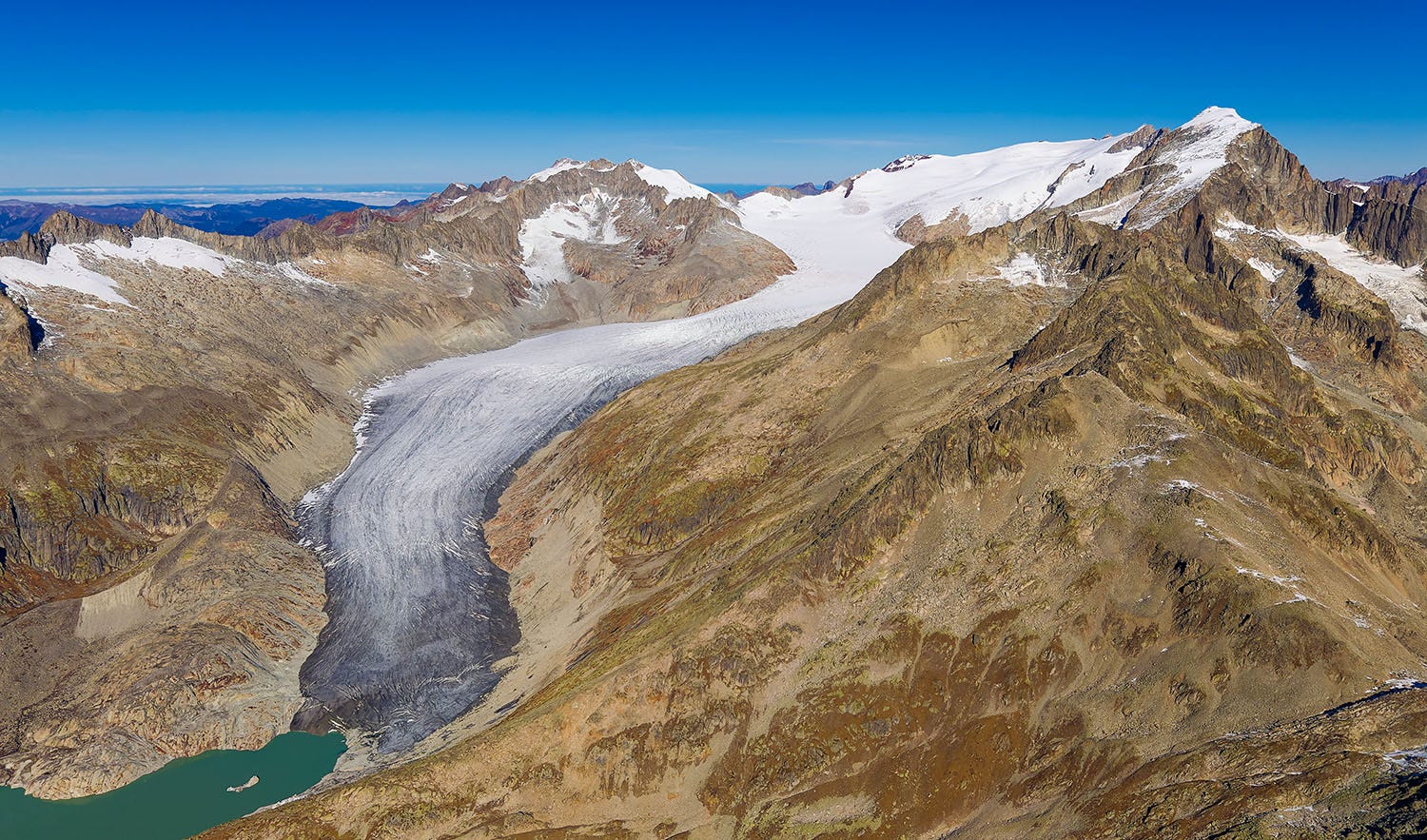
Researchers designated June 29 as this year’s “Glacier Loss Day”—the date when the protective snow accumulated during winter is effectively exhausted and further melting begins reducing the glaciers’ underlying ice.
The date was the second-earliest date on record in Switzerland. Only 2022, the country’s worst year for glacier loss, reached the threshold sooner, on June 26.
Glaciers depend on winter snow for more than replenishment. The bright surface reflects much of the Sun’s energy and insulates the darker ice below. Once that snow disappears, exposed ice absorbs more heat and melts rapidly.
This year’s glaciers entered spring with unusually limited protection. Snow cover was at record-low levels in some locations following a dry winter. Saharan dust deposited across the Alps darkened parts of the remaining snow, allowing it to absorb additional sunlight. Two early heat waves then accelerated the melting.
During the two weeks of extreme heat, Swiss glaciers released enough water to fill an Olympic-sized swimming pool every six seconds, according to Matthias Huss, director of Glacier Monitoring Switzerland.
At one monitoring site on the Rhone Glacier, about 5 feet (1.5 meters) of ice disappeared during the same period.
The early loss of snow means that the glaciers face months of direct ice melting before colder autumn weather arrives. Measurements taken near the end of June showed that Swiss glaciers were already melting at roughly twice the average rate recorded between 2010 and 2020 and were approaching the losses observed at the same point in 2022.
The cumulative decline is enormous. Swiss glaciers lost about half their volume between 1931 and 2016. Glacier Monitoring Switzerland reported that another quarter of the remaining ice disappeared between 2015 and 2025, while more than 1,000 small glaciers have already vanished.
For the moment, increased melting can add water to rivers during hot and dry periods. But that contribution cannot continue indefinitely. As glaciers shrink, they eventually reach a point where even rapid melting produces less runoff because too little ice remains.
That will have consequences for Alpine ecosystems, agriculture, hydropower and communities that depend on glacier-fed waterways during summer.
Glaciers store ice built up over decades or centuries. Once their winter snow protection disappears, a few weeks of extreme heat can remove layers that will not return within a human lifetime.
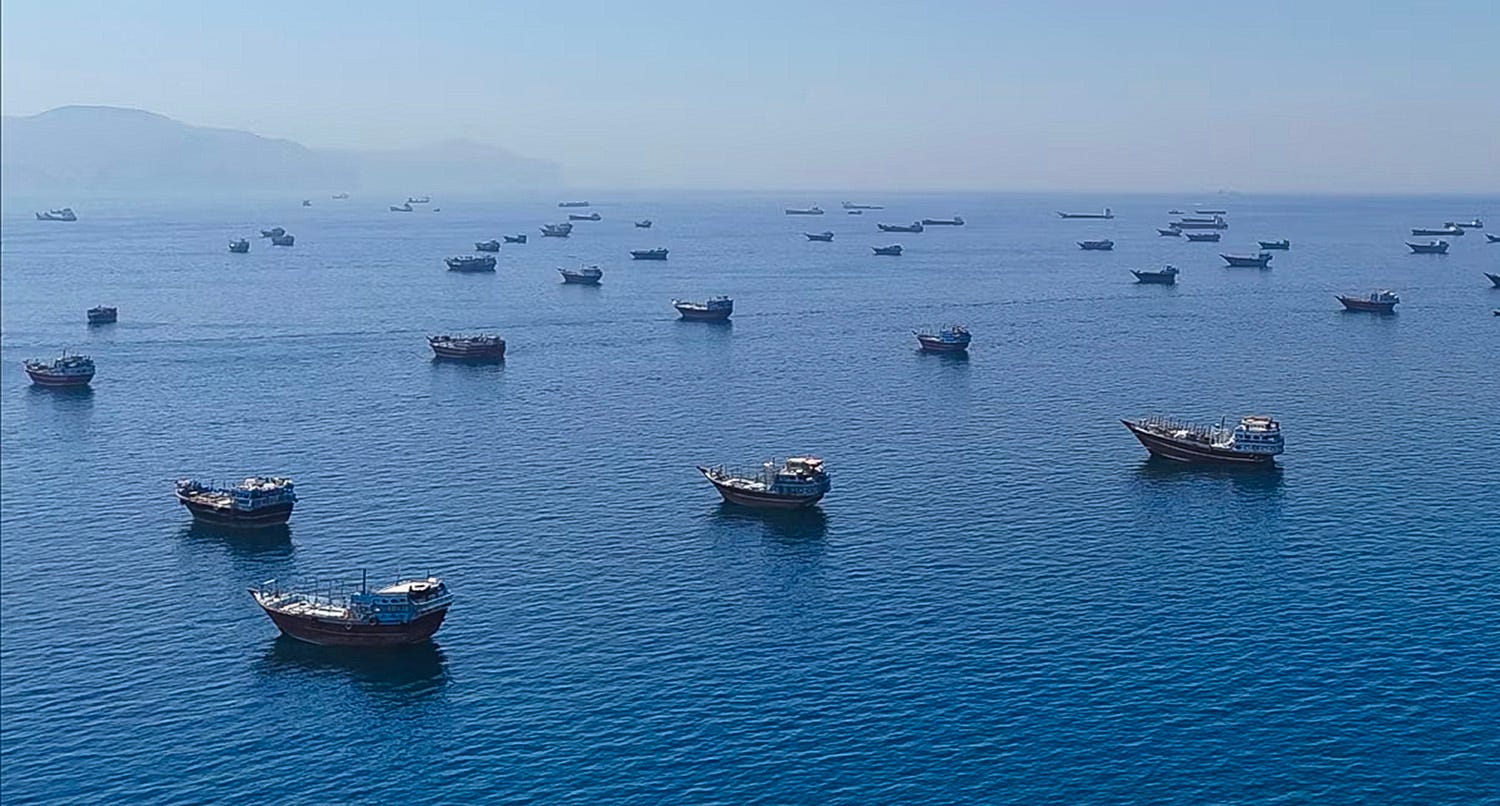
The closure of the Strait of Hormuz has stranded more than 1,500 commercial vessels in and around the Persian Gulf. When those ships finally depart, scientists warn that they may carry an unexpected cargo around the world.
Months spent motionless at anchor have allowed marine organisms to colonize the submerged surfaces of the vessels. Microbes and algae settle first, followed by barnacles, mussels and other invertebrates that form increasingly dense communities across hulls, rudders, pipes and water intakes.
Cargo ships normally remain in port for only a few days. That limits the time available for extensive growth, while movement through the water helps antifouling coatings keep hulls relatively clean. Many ships trapped by the closure have now remained stationary for months.
An international team of marine scientists describes the situation as a potential bio-invasion “super-spreader event”—one unprecedented in both its scale and duration.
When shipping resumes, organisms attached to the vessels could be carried into ports across the Indian Ocean, Mediterranean, Atlantic and Pacific. Some may establish new populations, displace native wildlife or introduce parasites and diseases into marine ecosystems with few natural defenses against them.
The Gulf is already considered a center for marine invasions introduced through commercial shipping. Its unusually hot and salty water adds another concern: organisms capable of surviving those extreme conditions may also be especially hardy travelers.
Ports with environmental conditions similar to the Gulf could face the greatest danger. Researchers highlighted destinations including Mumbai, Colombo, Singapore, Alexandria, Piraeus, Algeciras and Rotterdam as locations where authorities should be particularly alert.
The ecological consequences could be severe. Invasive species can reduce biodiversity, damage coral reefs, seagrass meadows and shellfish beds, disrupt fisheries and clog the cooling systems of coastal power plants. Once established, marine invaders are extremely difficult—and sometimes impossible—to eradicate.
Individual ships may also have released millions of larvae into Gulf waters while sitting at anchor. Those larvae can settle on nearby vessels, further mixing species among ships that will eventually travel along different global trade routes.
Researchers say the best defense would be to inspect and clean hulls before ships leave the region. But the urgency of restoring trade, limited cleaning capacity and the need to protect stranded crews may make that impossible for many vessels.
Ports expecting arrivals from the Gulf should therefore monitor for unfamiliar species, track vessel movements and prepare rapid-response plans. Early detection could make the difference between containing an isolated introduction and confronting a permanent invasion.
The comparison with infectious disease is deliberate. Biofouled ships act as carriers, ports become points of transmission and global shipping routes provide the network through which organisms spread.
The ships trapped near the Strait of Hormuz are likely already accumulating substantial marine growth. Whether they trigger a worldwide biological invasion may now depend on what happens before, and immediately after, they begin moving again.

Japan’s long history of vending-machine innovation has produced something new for a dangerously warming world: a refrigerator large enough to hold a person.
The Do Hiemon Box, developed by refrigeration and vending-machine manufacturer SDRS, allows an overheated person to sit inside a chamber cooled to 59°F (15°C). Colder air is directed toward the head, neck, shoulders and back, providing noticeable relief within about five minutes. Sessions automatically end after 20 minutes to prevent excessive cooling.
The $9,300 movable booth is intended for construction sites, factories, warehouses and outdoor events. One of the first units has been installed at a city hall where members of the public can use it free of charge.
What resembles a novelty today could become increasingly useful in a hotter world. Human-sized cooling booths may eventually appear at transit stations, parks and other public places, offering valuable refuge during extreme heat—although they cannot replace the greenhouse gas emissions reductions needed to slow global warming.
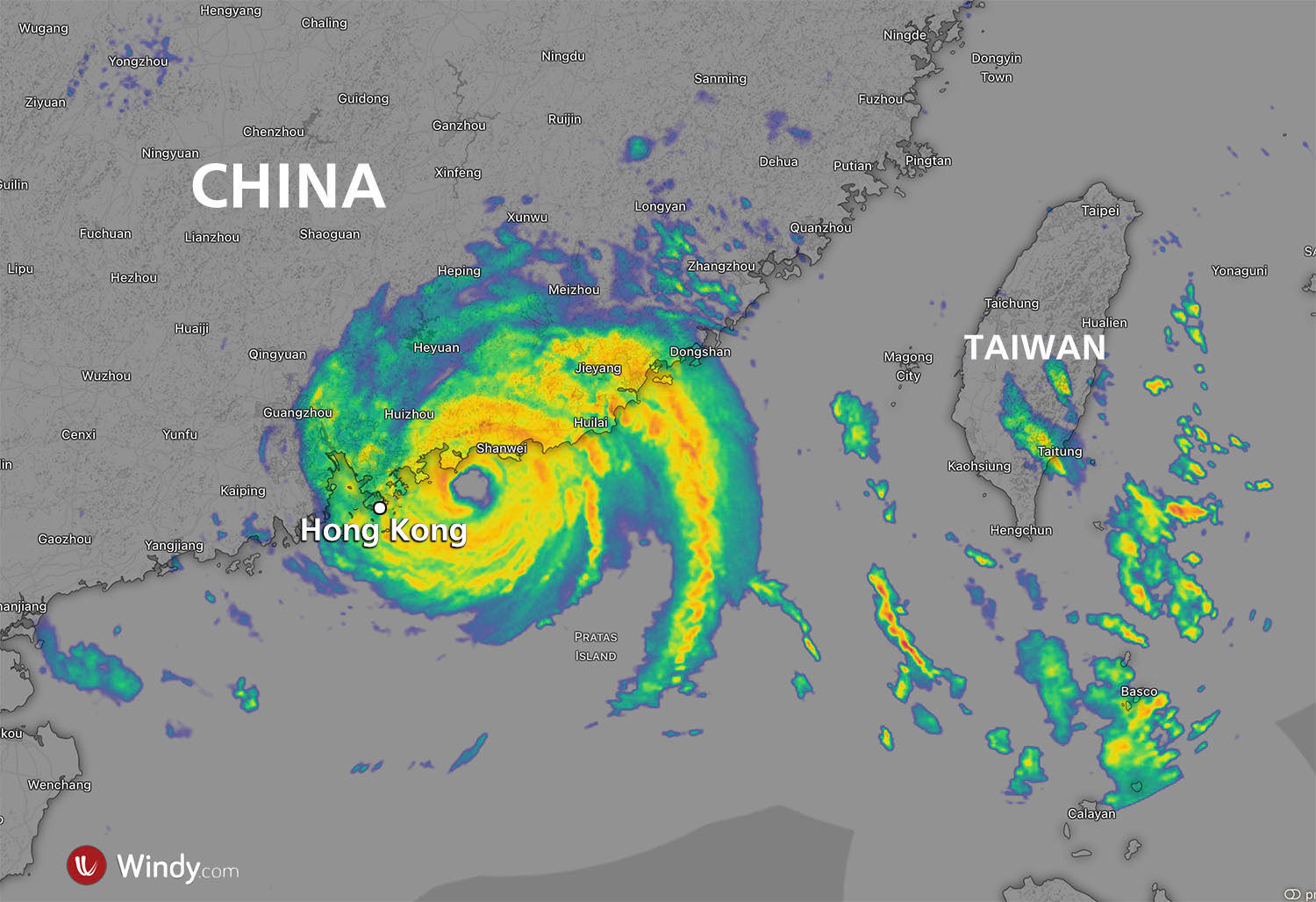
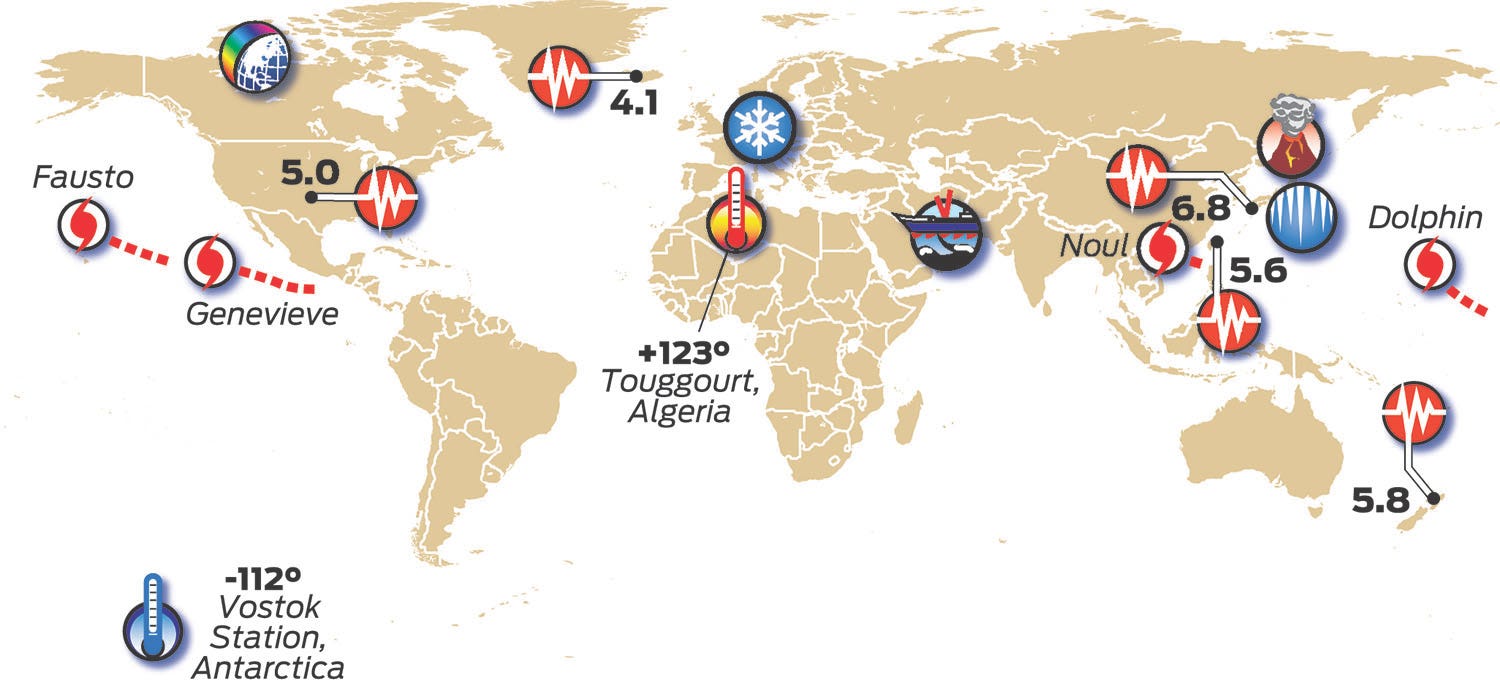
Typhoon Noul struck China’s Guangdong Province early Sunday with sustained winds of about 101 mph (162 km/h), making it the country’s strongest typhoon so far this year.
Authorities evacuated more than 340,000 people and suspended rail service and other work as powerful winds and heavy rain battered the southern coast. At least 350 flights serving Hong Kong were canceled, while nine people were injured and more than 100 fallen trees were reported across the territory.
Before reaching China, Noul passed near the northern Philippines, where three people were killed, one remained missing and more than 9,300 were evacuated.
The storm was weakening as it moved inland, but heavy rainfall was forecast to spread across several Chinese provinces through Tuesday. Beijing allocated about $14.8 million for emergency repairs and reconstruction in Guangdong.
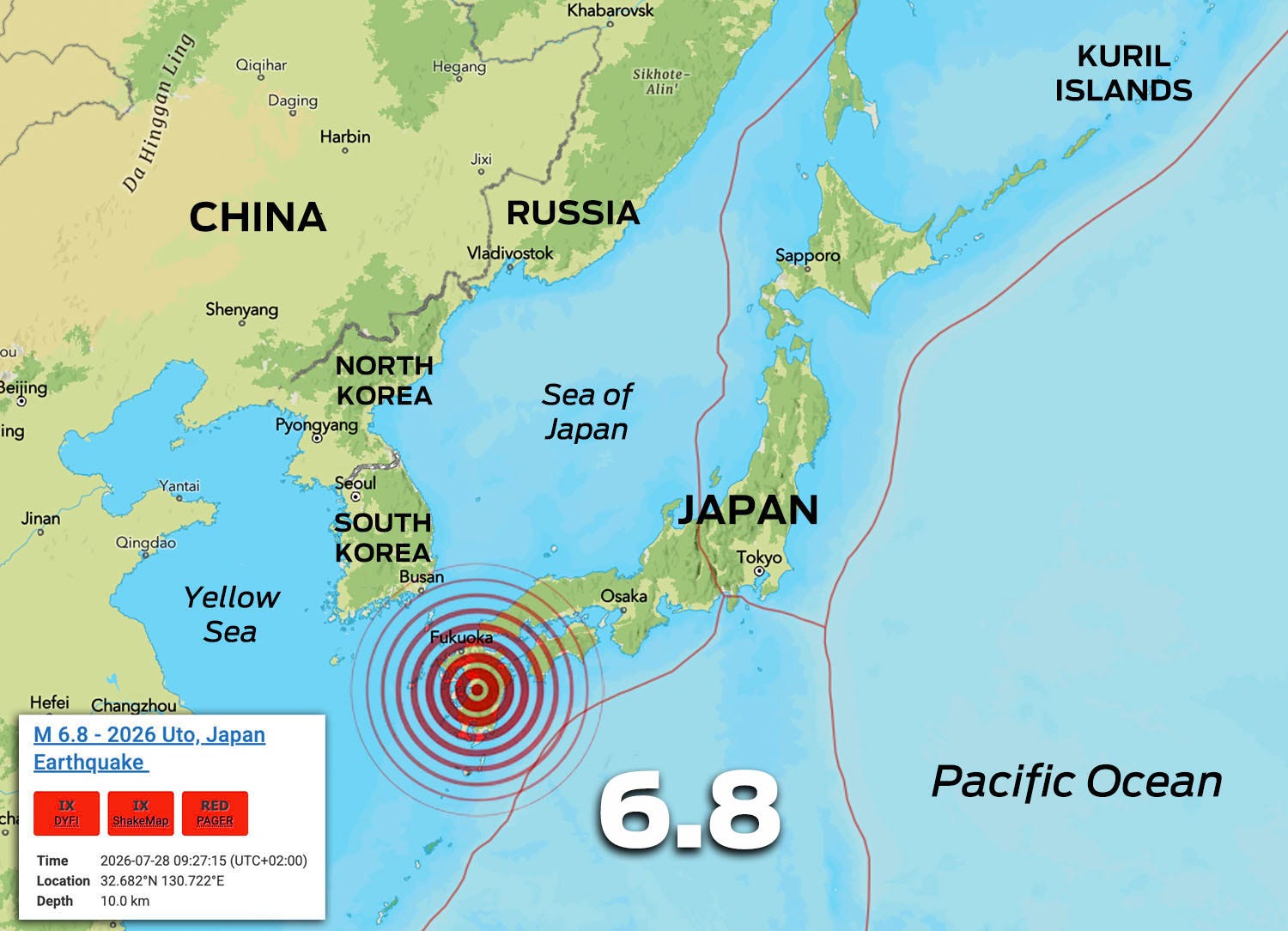
The death toll from the powerful earthquake that struck southwestern Japan has risen to 34 as rescue crews continue searching damaged buildings in Kumamoto Prefecture. The total includes nine deaths whose connection to the disaster is still being investigated.
The magnitude 6.8 quake struck Kyushu on Tuesday afternoon, collapsing homes, damaging roads and derailing a freight train. At least 86 people were injured, five seriously, while the number still missing remained uncertain.
Some of the worst destruction occurred at a shopping center, where an apparent gas explosion followed the earthquake despite the evacuation of customers and employees. A chimney also collapsed at a paper factory, and part of the historic Kumamoto Castle’s stone wall was damaged.
Thousands of residents spent another night in shelters or vehicles as aftershocks continued and utility outages affected parts of the region. Rescue teams were racing against the critical 72-hour window in which people trapped beneath rubble are most likely to be found alive.
The same region was devastated by a series of earthquakes in 2016, including a magnitude-7.3 shock that killed dozens of people and forced tens of thousands from their homes.
Other earthquakes were felt in:
• Northern Taiwan (5.6)
• New Zealand’s North Island (5.8)
• Southwestern Iceland (4.1)
• The Texas Panhandle (5.0—the area’s strongest in 100 years)
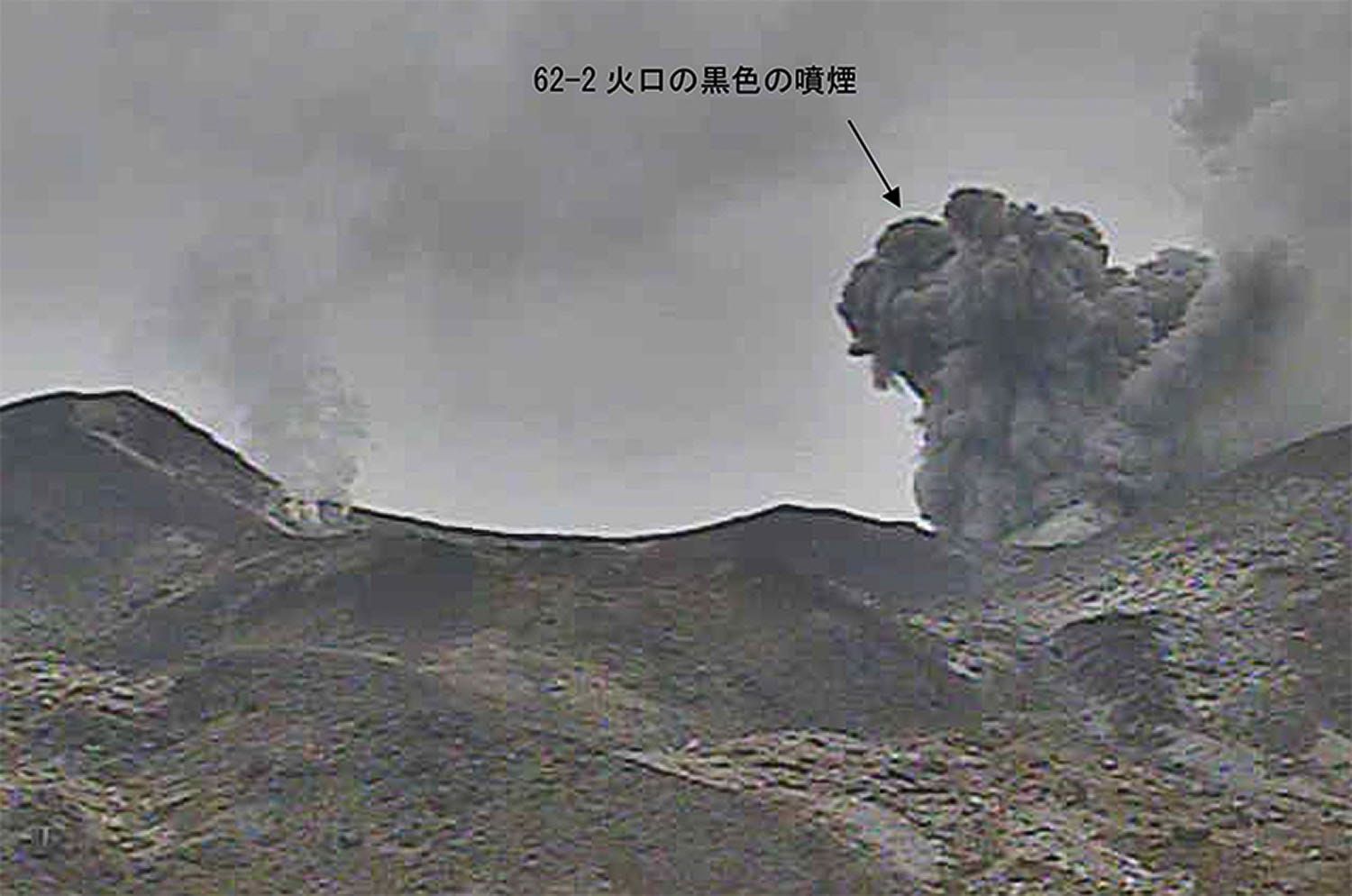
A small eruption occurred Wednesday at Mount Tokachi on Japan’s northern island of Hokkaido—the volcano’s first eruption in more than two decades.
The eruption sent a plume of ash about 650 feet (200 meters) above a crater northwest of the summit. Volcanic tremors lasted approximately 45 seconds, but authorities reported no large rocks or other major projectiles around the volcano.
Japan’s Meteorological Agency maintained its Level 2 alert, which prohibits approaching the crater. The alert was raised in June following increased seismic activity, ground deformation and volcanic-gas emissions. Officials warned that further minor eruptions are possible and advised people to remain at least 1.5 kilometers from the crater.

• The hottest temperature recorded this week by the World Meteorological Organization’s 7,600 land-based synoptic weather stations was 123° Fahrenheit (50° Celsius) at Touggourt, Algeria.
• The coldest temperature in an inhabited location was -112° Fahrenheit (-80° Celsius) at Russia’s Vostok Station, located in the middle of the East Antarctic Ice Sheet. The station normally hosts 30 scientists and engineers during the summer. In winter, their number drops to 15.
©MMXXVI Earth Environment Service
No posts
Comments
Nothing yet. Say the first thing.
Sign in to join the conversation.