
We have a new Prime Minister here in the UK, which is a statement those of us in Britain have become very accustomed to saying over the past decade. That being said, the new PM, Andy Burnham, has entered Downing Street with a lot of optimism and expectation behind him, one of the main reasons for this being that there is hope that he will do things differently and make big decisions.
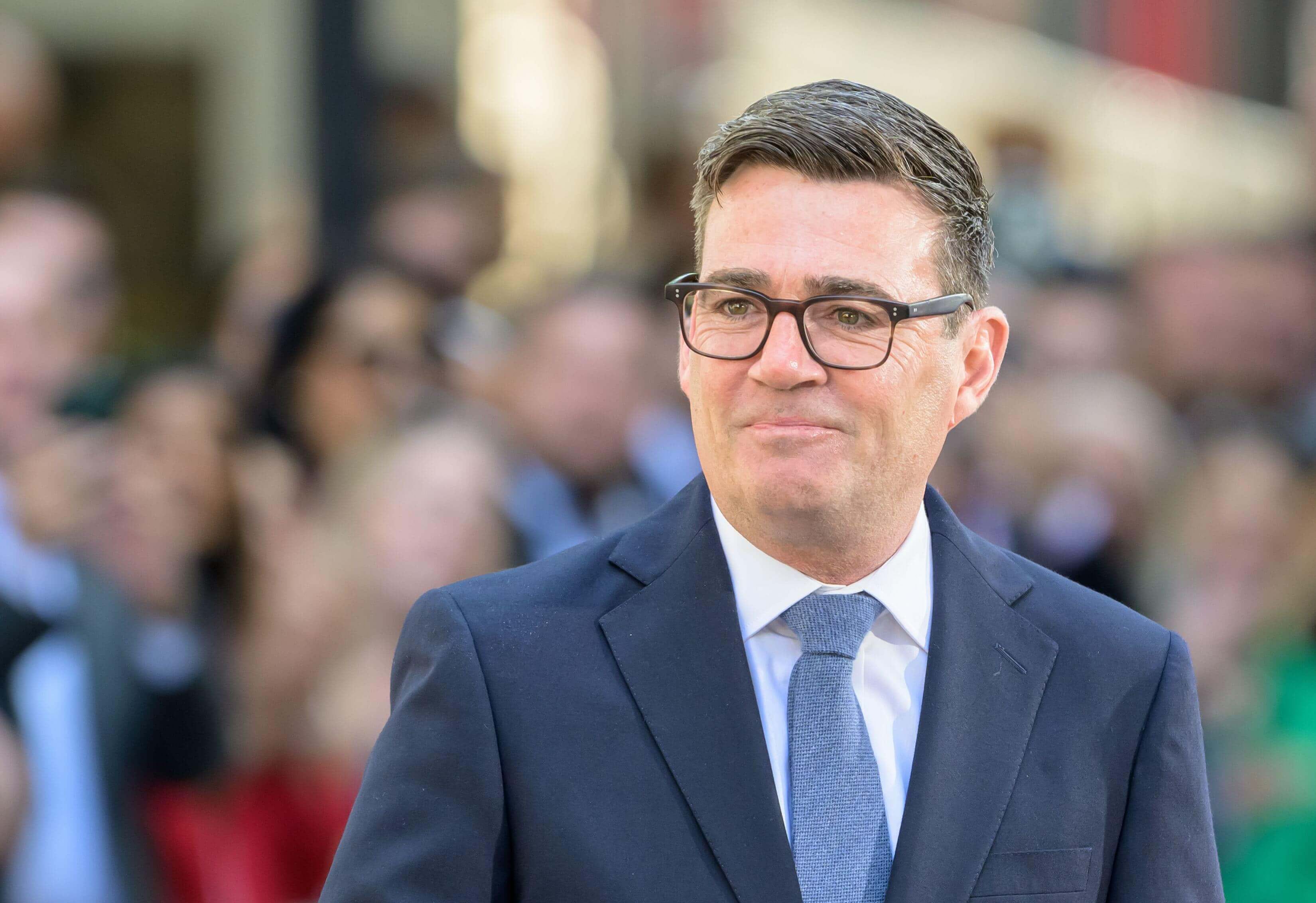
With this in mind, I thought it would be worth looking into what Andy Burnham could mean for farming and animals.
So, what has Andy Burnham so far said about animal welfare?
In a statement to the Labour Animal Welfare Society (LAWS), which is an organisation run by members of the Labour Party, Andy Burnham said:
Labour has a proud record on animal welfare. From banning fur farming and fox hunting to the Animal Welfare Act, I am proud to have been part of a brave and reforming government. I want to lead a government that matches that ambition.
Animal welfare is a moral cause. We also understand even better, today, that the exploitation of animals goes hand in hand with disease outbreaks and the undercutting of responsible firms. That’s why I fully support the animal welfare strategy and want to see it implemented, including the ban on trail hunting.
On animal testing, I have long supported the Three Rs – reduction, refinement and replacement. And although it didn’t command the headlines, I know from my inbox that these issues matter hugely to many people in places like Makerfield.
This statement is promising, especially the recognition that animal welfare is a ‘moral cause’, although how important a moral cause he views it remains to be seen. It is also promising that he has signalled that his government will implement the Labour Party’s proposed animal welfare strategy, which includes:
Phasing out colony cages for hens and farrowing crates for pigs
Moving away from CO₂ gas chambers for pigs
Banning trail hunting
It would be great if these changes were implemented, so it’s reassuring that the new PM has stated his intention to do just that. There is, however, a difference between saying you’re going to do something and actually doing it. There is also the risk that these changes could get bogged down by a long bureaucratic process; for example, the strategy states that there will be consultations on some of these issues, suggesting that it may take some time until concrete timelines for these reforms are actually outlined.
This is concerning, as it could be easy for the government to kick the can down the road and then decide in a couple of years that they’ll wait for the outcome of the next general election before actually implementing these welfare changes. If the Labour Party was to then lose the next election to Reform, a great opportunity to actually bring in important animal welfare changes will have been lost.
Andy Burnham will surely be aware of this, as in his statement to LAWS he also said:
By contrast, Reform wants to scrap ‘thousands of laws,’ including animal welfare laws. We have to take them on and expose the fact that they would undo decades of progress.
With this in mind, if the new PM really does believe that animal welfare is a ‘moral cause’, hopefully he already understands that he has a moral duty to implement the animal welfare strategy as quickly as possible.
One thing that will be interesting is how Andy Burnham reacts to the powerful farming lobby in the UK. The National Farmers’ Union have reportedly already written to the new PM, putting pressure on him to take ‘immediate action by backing a planning system that unlocks investment, [and] regulation that drives innovation and growth…’ In other words, they want the PM to allow them to build bigger farms, particularly poultry sheds, while also deregulating the farming industry more generally.
These demands are all being asked for under the overarching food security push, which is essentially a trojan horse argument that the farming industry is using to try and push for more animal farming. That’s not to say that food security isn’t important, because it is. Plus, the UK does need to do more to increase food security. The problem is, the farming lobby are using this issue as a way of trying to legitimise measures that will actually have a negative impact on food security.
I’ve covered this topic in other articles, which you can find here and here. The bottom line is, expanding poultry farming, a farming system reliant on feed imports from abroad, doesn’t increase food security – it does the complete opposite. This was a point made by the UK government’s own national security assessment.
Plus, the more chickens being farmed, the greater the risk of bird flu, which the new PM should be aware of, as in the previously referenced statement to LAWS, he specifically mentioned the link between animal exploitation and disease outbreaks. If we really want to increase food security, we need to be investing in more plant agriculture for humans, including helping farmers diversify away from animal farming.
Whether Andy Burnham will hold firm against these demands remains to be seen; however, appointing Angela Eagle to the head of the Department for the Environment, Food and Rural Affairs (DEFRA) is a concerning sign. In her previous role, Angela Eagle was the farming minister and was lobbied by the poultry industry, leading to her stating that: ‘We have also announced proposals to reform the planning system to more quickly unlock food and farming infrastructure. Planning should enable ambition, not stifle it.’ The fact that Angela Eagle has this position and is now also the head of the entire farming department is worrying.
That being said, Angela Eagle has also publicly supported alternative proteins, stating that she sees them as a ‘major opportunity’. She also stated that she is ‘backing the [alternative proteins] sector and working with the Food Standards Agency on novel food programmes to accelerate precision fermentation technology.’ This is very positive, as precision fermentation and other alternative proteins could have an incredibly positive impact for animals and could end up being a key driver in shifting consumers away from animal products.
Another decision which is concerning is the reappointment of Lisa Nandy as the culture secretary, the same role she had under Keir Starmer. Despite the current phasing out of greyhound racing in Wales and Scotland, Lisa Nandy stated in reference to a ban in England:
We have absolutely no plans whatsoever to ban greyhound racing. We appreciate the joy that it brings to many, many people in our country and the economic contribution that it makes.
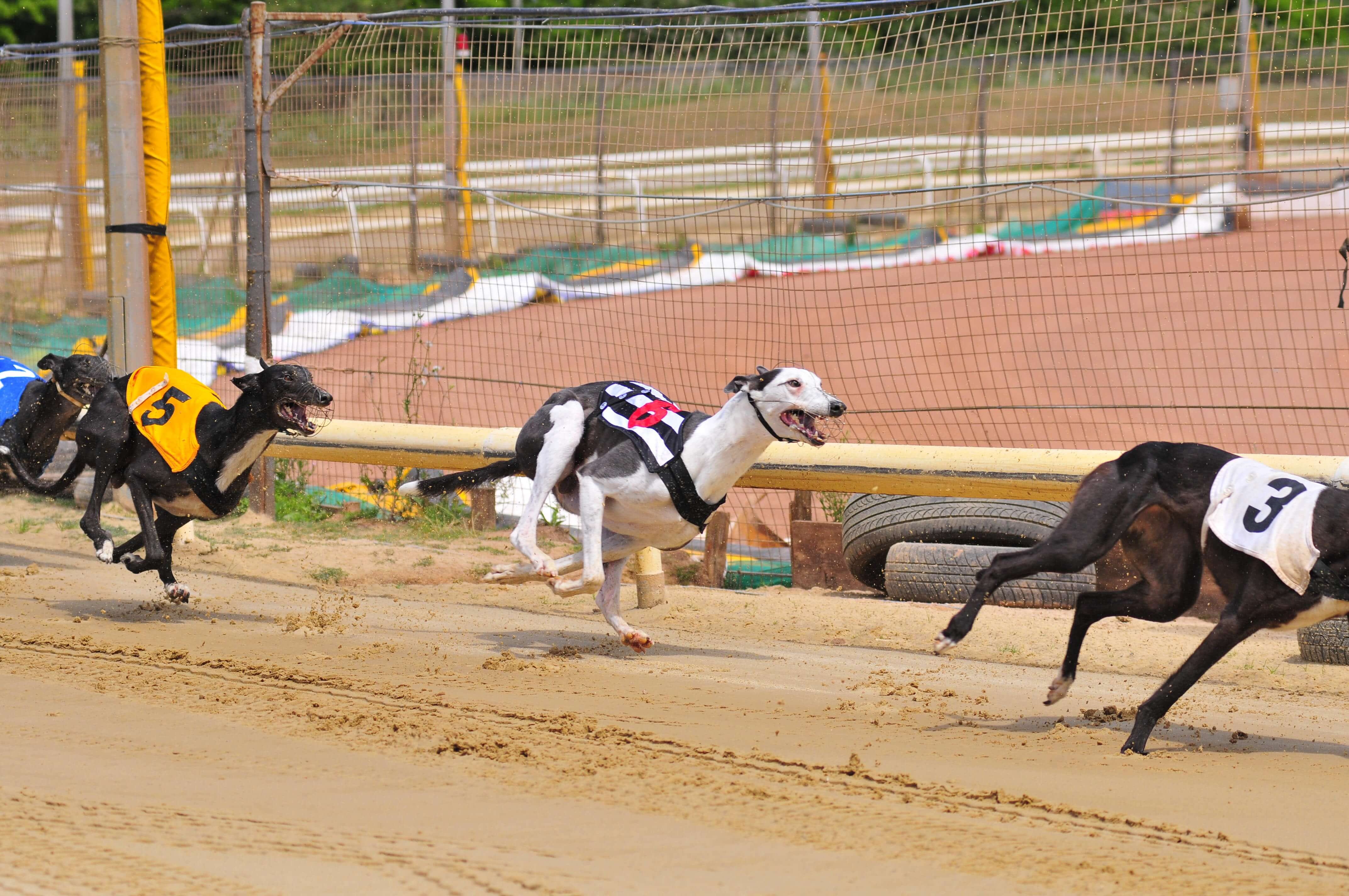
A ban on greyhound racing would be an easy win for animals and align with the current position of the UK public. Only 1% of people in England and Scotland stated that they follow and participate in greyhound racing. Polling in Scotland before the ban there was announced, showed that 60% of people supported banning greyhound racing compared to only 20% who opposed a ban. Considering that the number of people who stated that they follow and participate in greyhound racing was the same in England and Scotland, it’s hard to believe that the numbers of people who support or oppose a ban in England will be substantially different to Scotland.
The swift nature of Andy Burnham’s ascendancy to Prime Minister means that we still don’t really know how he will approach food, farming and animals. The early signs suggest that there isn’t going to be a major departure from the direction that Keir Starmer and his cabinet were taking. This means that we may see some positive animal welfare changes, but there might also be some frustrating and potentially harmful changes, particularly if proposed planning reforms allow for the poultry industry to expand.
We need Andy Burnham to make big decisions, but they need to be ones that are helpful for animals, the environment, food security, the NHS and preventing disease outbreaks. The good news is that same the big decisions can positively impact all of these different issues.
No posts
Comments
Nothing yet. Say the first thing.
Sign in to join the conversation.